
联发科

Search documents
早报 | 特朗普与马斯克握手交流;巴菲特清仓比亚迪股票;国务院食安办等部门正积极推进预制菜国家标准制定;警方查处涉于朦胧坠楼谣言
虎嗅APP· 2025-09-21 23:54
Group 1 - Trump and Musk had a brief conversation during a memorial event, with Musk accepting feedback from Kirk regarding his public statements that could affect Trump's agenda [2] - Berkshire Hathaway has confirmed the complete divestment of its shares in BYD, having sold nearly 76% of its holdings by June last year, resulting in the investment's value dropping to zero [4] - Australia, Canada, and the UK have announced recognition of the State of Palestine, amidst ongoing international discussions about the two-state solution [5][6] Group 2 - Seven Tesla owners have filed a lawsuit against the company for fraud related to the unfulfilled Full Self-Driving (FSD) feature, with the case now officially registered in court [7] - A suspected food poisoning incident in Guizhou has affected 136 individuals, with the cause identified as Salmonella contamination from a local food factory [8][9][10] - The State Council's Food Safety Office is actively working on establishing national standards for pre-prepared dishes in response to public concerns [11] Group 3 - The Chinese Ministry of Commerce reported progress in discussions with the U.S. regarding TikTok, aiming to reduce investment barriers and promote economic cooperation [20] - A Chinese food company, Juewei, is facing penalties for information disclosure violations, including a fine of 4 million yuan and a warning, leading to a temporary suspension of its stock [21] - Wuhan University has upheld a previous court ruling regarding a harassment case, confirming no academic misconduct in the involved student's thesis [22]


华尔街见闻早餐FM-Radio | 2025年9月22日
Hua Er Jie Jian Wen· 2025-09-21 23:03
Market Overview - The "Triple Witching Day" saw a surge in trading volume, marking the third-highest record. Major US stock indices reached historical highs for two consecutive days, while small-cap indices fell from record highs [2] - iPhone 17's strong sales in Asia boosted Apple's stock by over 3%. Oracle's stock rose more than 4% amid reports of a $20 billion cloud computing deal with Meta [2] - The ten-year US Treasury yield rose for three consecutive days, reaching a two-week high, while the dollar index increased for three days to a one-week high [2] - Bitcoin dropped over $200, falling below the 116,000 mark, while crude oil fell over 1% to a one-week low [2] Key Developments - ByteDance announced it would comply with Chinese laws to ensure TikTok's continued service in the US, emphasizing the need for a fair business environment for Chinese companies [4][10] - The Chinese government is pushing for a stable and healthy development of Sino-US economic relations, urging the US to avoid unilateral trade restrictions [10][14] - The Chinese government announced a tax exemption for first-time homebuyers in Shanghai, aiming to optimize property tax policies [11] Company News - Apple's iPhone 17 series launched in China, with the Pro Max version seeing strong demand, particularly in Beijing and Shanghai, while Shenzhen's demand cooled [21] - Laser radar sales surged nearly 100% due to increased demand in the robotics market, with industrial robot production rising by 35.6% year-on-year [21][31] - Xiaomi's new voice model, Xiaomi-MiMo-Audio, achieved state-of-the-art performance in various tests, showcasing advancements in voice technology [22] Investment Insights - Goldman Sachs raised its target price for Industrial Fulian, citing optimistic profit growth driven by AI server market share and new smartphone cycles [23] - Goldman Sachs also upgraded Baidu's target price, recognizing its AI capabilities and doubling the valuation of its autonomous driving business [23] - Morgan Stanley expressed confidence in Chinese bank stocks, highlighting their high dividend yields compared to government bonds [25]


2nm,大战打响
半导体行业观察· 2025-09-21 02:59
Core Viewpoint - The semiconductor industry is engaged in a continuous and evolving competition, particularly focused on the advancement of process nodes, with the 2nm node being the latest battleground that will reshape the industry's landscape [2][19]. Foundry Competition - The competition among foundries is characterized by the need to secure advanced process orders by being the first to achieve mass production, with the risk of falling back to price wars for those lagging behind [2][3]. - TSMC is recognized as the leader in advanced processes, having established a stronghold since the 7nm node and is now focusing on the 2nm node, which is expected to significantly enhance performance and reduce power consumption [3][4]. - Samsung aims to reclaim its position by introducing its 2nm process earlier than TSMC, despite facing challenges with yield issues in previous nodes [6][8]. - Intel is attempting to regain its competitive edge with its IDM 2.0 strategy, planning to launch its 2nm process by the end of 2025, leveraging new technologies like RibbonFET and PowerVia [8][9]. Emerging Players - Rapidus, a new entrant backed by the Japanese government, aims to focus on advanced processes rather than competing on scale, with plans to start 2nm trial production in 2025 [10][11]. Fabless Companies Dynamics - Fabless companies are cautious about adopting new technologies due to high costs, but many are shifting towards more aggressive strategies to maintain competitiveness in the rapidly evolving market [11][12]. - Apple is positioned as a key player, securing early access to TSMC's 2nm capacity for its upcoming products, which is crucial for its AI strategy [12][13]. - Qualcomm is aligning with TSMC for its 2nm process to maintain competitiveness in the Android ecosystem, while AMD plans to utilize TSMC's 2nm for its high-performance computing products [14][15]. - NVIDIA is strategically waiting for stable yields before committing to 2nm, focusing on maximizing performance and efficiency for AI applications [16][17]. - MediaTek is also planning to adopt 2nm technology for its flagship products, aiming to enhance its market position against competitors [17][18]. Industry Outlook - The 2nm node is seen as a critical juncture that will determine the future landscape of the semiconductor industry, with companies racing to achieve stable production to secure their market positions [19][20].


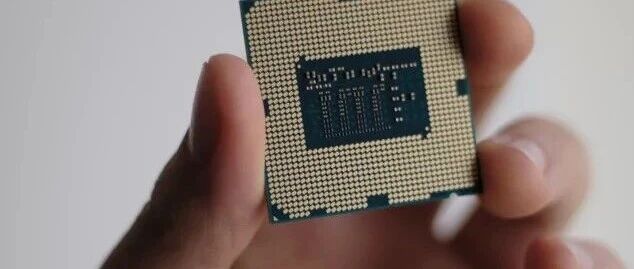
AI PCB 与整机业绩领涨,DRAM 转强:——25 年 8 月台股电子板块景气跟踪
Shenwan Hongyuan Securities· 2025-09-20 14:38
Investment Rating - The report indicates a positive investment outlook for the AI PCB and complete machine sectors, highlighting strong performance in the semiconductor industry driven by AI demand [1][6]. Core Insights - The semiconductor sector, particularly TSMC, reported a record revenue of NT$3,357.7 billion in August 2025, marking a 34% year-on-year increase, driven by AI-related demand [6][8]. - The report emphasizes the growth in various segments, including testing, storage, and EMS, with companies like 京元电子 and 南亚科 showing significant revenue increases [9][16]. - The overall sentiment in the industry remains optimistic, with expectations of continued growth in AI applications and advanced manufacturing processes [14][16]. Summary by Relevant Sections AI Sector - TSMC's revenue reached NT$3,357.7 billion in August 2025, a 34% increase year-on-year, driven by AI demand [6]. - 京元电子's revenue grew by 32% year-on-year, supported by increased capital expenditure and expansion into high-end testing capacity [9]. Semiconductor Manufacturing - The report notes that 联电, 世界先进, and 力积电 experienced slight revenue changes, with 联电's revenue down 7% year-on-year [16]. - The high-performance computing sector continues to show growth potential despite some market fluctuations [16]. Storage Market - 南亚科's revenue surged by 141% year-on-year, attributed to increased demand for DDR4 memory as major manufacturers shift focus to high-bandwidth memory [16]. EMS Sector - Companies like 鸿海 and 纬创 reported significant revenue growth, with 纬创's revenue increasing by 198% year-on-year, driven by strong AI server demand [14][16]. - The report highlights that the overall EMS sector is benefiting from the AI trend, with expectations of continued growth in the coming quarters [14]. PCB and CCL Markets - The PCB sector saw companies like 欣兴 and 金像电 reporting revenue growth of 5% and 65% year-on-year, respectively, indicating a recovery in market demand [12][14]. - 台光电's revenue increased by 53% year-on-year, reflecting strong growth across various product lines [12].
25年8月台股电子板块景气跟踪:AI PCB与整机业绩领涨,DRAM转强
Shenwan Hongyuan Securities· 2025-09-20 13:49
Investment Rating - The report maintains a positive outlook on the electronic sector in Taiwan, particularly highlighting the growth driven by AI and DRAM markets [1]. Core Insights - The semiconductor industry, particularly TSMC, reported a record revenue of NT$3,357.7 billion in August 2025, marking a 34% year-on-year increase, driven by strong demand for AI applications [6][8]. - The AI server demand is robust, with companies like Wistron and Inventec showing significant revenue growth, indicating a strong market for EMS providers [14]. - The DRAM market is strengthening, with Nanya Technology reporting a 141% year-on-year revenue increase in August 2025, attributed to a shift in production focus towards DDR4 memory [16]. Summary by Sections AI Sector - TSMC's revenue growth is attributed to increased demand for advanced chips driven by AI applications, with expectations of a 30% growth in USD revenue for 2025 [6]. - The revenue of Kyoden Electronics increased by 32% year-on-year, supported by AI and advanced process testing [9]. Semiconductor Manufacturing - UMC and Powerchip reported slight revenue changes, with UMC's revenue down 7% year-on-year, while Powerchip saw a 1% increase [16]. - The high-performance computing sector continues to show growth potential despite fluctuations in consumer electronics [16]. Storage Market - Nanya Technology's revenue surged by 141% year-on-year, driven by increased demand for DDR4 memory as major manufacturers shift focus [16]. Passive Components - Yageo's revenue grew by 4% year-on-year, reflecting a stable demand in niche markets, particularly in China [17]. PCB and CCL - Unimicron and Kinsus reported revenue growth of 5% and 20% respectively, with Kinsus benefiting from rising demand for BT substrates [12]. - Taiwan Surface Mounting Technology (TSMT) reported a 53% year-on-year increase in revenue, indicating strong growth in the CCL sector [12]. EMS Sector - Foxconn's revenue reached NT$6,065.1 billion, with an 11% year-on-year increase, while Wistron and Wiwynn reported significant growth rates of 92% and 198% respectively [14].
这颗芯片,英伟达确认了
半导体行业观察· 2025-09-20 01:55
Core Viewpoint - Nvidia and Intel have initiated a historic collaboration to jointly develop a series of CPU and GPU products, focusing on future solutions like the "Intel x86 RTX SoC" while clarifying existing projects [2]. Group 1: Nvidia's Product Development - Nvidia has not officially released the N1/N1X SoC, but it announced Project DIGITS at CES 2025, revealing a partnership with MediaTek, which led to speculation about the GB10 "super chip" [3]. - The GB10 chip, part of Nvidia's DGX Spark series, is designed for AI workloads and can deliver supercomputer-like performance on personal computers, featuring a 20-core ARM CPU developed in collaboration with MediaTek and a powerful GPU chipset based on Blackwell [3]. Group 2: Specifications and Performance - The N1 SoC is expected to have specifications similar to the GB10, including a GPU with 6,144 CUDA cores and a 20-core CPU built on Nvidia's Grace architecture [4]. - Nvidia's CEO confirmed that the GB10 chip is essentially the same as the N1/N1X SoC, indicating that the N1 may represent a lower-end version of the GB10 aimed at mainstream markets [4]. Group 3: Market Positioning and Future Prospects - The GB10 is already in use, while the release date for the N1 remains uncertain; however, Nvidia's collaboration with Intel may lead to potential conflicts between ARM-based and x86-based product developments [5]. - The N1 SoC has been tested on Windows, suggesting its approach towards Windows-on-ARM, while the GB10 is optimized for Linux-based DGX operating systems targeting AI and data center workloads [6].
华尔街见闻早餐FM-Radio | 2025年9月20日
Hua Er Jie Jian Wen· 2025-09-19 23:30
Market Overview - US stock markets reached new historical highs, with major indices closing higher, while small-cap stocks retreated from record levels [2] - Oracle's stock rose over 4% following news of a $20 billion AI cloud computing deal with Meta [2] - The Chinese concept stock index fell slightly by 0.25%, but gained 3.42% over the week [2] - Bitcoin dropped by 2%, returning to around $115,000, while gold prices increased by over 1% [2] - Asian markets saw declines in both stocks and bonds, with A-shares dropping across major indices [2] Key Developments - Xi Jinping and Donald Trump held a phone call, emphasizing the need to avoid unilateral trade restrictions [10] - ByteDance announced it would comply with Chinese laws to ensure TikTok's continued service in the US [11] - The State Council of China is discussing policies for domestic product standards in government procurement [11] - Shanghai has optimized its property tax policy, exempting first-time homebuyers from property tax [12] - Trump proposed a $100,000 fee increase on H-1B visas, which could generate over $100 billion for the US Treasury [12] Company News - OpenAI is accelerating its hardware manufacturing plans with Luxshare Precision, aiming to launch its first device by late 2026 or early 2027 [15] - Oracle is negotiating a $20 billion multi-year cloud computing agreement with Meta to provide AI model training and deployment resources [16] - TSMC's competition for 2nm capacity has seen Apple secure over 50% of the production, potentially putting competitors like Qualcomm at a disadvantage [17] - Xiaomi has open-sourced its strongest voice model, achieving state-of-the-art results in various tests [18] - Citic Securities has a positive outlook on Huawei's Ascend AI chips, emphasizing their system-level collaboration approach [19] Financial Performance - Goldman Sachs raised its target price for Industrial Fulian, citing optimistic profit growth driven by AI server market share and new product cycles [19] - Goldman Sachs also upgraded Baidu's target price, recognizing its AI cloud capabilities and doubling the valuation of its autonomous driving business [20] - JPMorgan remains bullish on Chinese bank stocks, highlighting their attractive dividend yields compared to government bonds [20] - Goldman Sachs has turned bearish on the solar sector, predicting a decline in polysilicon prices due to oversupply [20]
英伟达联手英特尔,或重塑AI PC市场格局,联发科压力山大
硬AI· 2025-09-19 14:51
摩根大通认为,如果英特尔能够借助英伟达的图形与AI技术,以更快的速度推出更具竞争力的AI PCE产品,最终可能会催生一轮更强劲的产品周期。不过,随着英特尔的加入,联发 科与英伟达在PC领域的合作关系将不再是独家,联发科的长期发展潜力可能受到冲击。 硬·AI 作者 | 李笑寅 编辑 | 硬 AI 根据双方周四披露的协议,芯片巨头英伟达宣布向英特尔投资50亿美元,并达成合作,双方将共同开发下一代数据中心和客户端处理器。 据追风交易台消息,摩根大通分析师Gokul Hariharan、Jennifer Hsieh和David Chou在最新研报中分析称,英伟达与英特尔的结盟,意在重塑数据中心与PC市场格 局, 这一举动芯片代工龙头台积电的短期直接风险有限,却对联发科在PC市场的长期发展构成明确利空,并可能为增长乏力的AI PC市场注入新动能。 报告指出,首批产品预计仍将在台积电生产,凸显了台积电在高性能计算晶圆代工领域的技术领导地位。英特尔x86 CPU结合英伟达图形技术,可能为AI工作站 带来更强的产品组合。 01 台积电短期风险可控 长期或迎温和竞争 摩根大通认为,英伟达与英特尔的合作对台积电的直接影响极为有限 ...

OPPO宣布首发全场景1nit明眸护眼屏,Find X9系列将搭载
Xin Lang Ke Ji· 2025-09-19 13:26
新浪科技讯 9月19日晚间消息,天马微电子今日举办高端 OLED 技术品牌发布会,OPPO 副总裁、硬件 工程事业部总裁刘畅参会并正式公布: OPPO 全球首发全场景真 1nit 明眸护眼屏,并将于下一代旗舰 Find X9 系列上搭载。 据悉,OPPO 下一代旗舰 Find X9 系列将首发搭载新一代全场景 1nit 明眸护眼屏,并于 10 月正式登 场。 责任编辑:刘万里 SF014 据介绍,OPPO 凭借在屏幕领域的技术积累与超 50 亿资金的投入,定制最高规格旗舰屏幕产线,配合 OPPO 自有的国内首条自研显示科学产线,打造自研屏幕双产线模式。在这一模式下,OPPO 完整掌控 屏幕设计 - 封装 - 生产 - 调试全流程。此外,OPPO 还与联发科合作,首次打通 SoC 处理器底层,首次 实现芯片级子像素校准,打造一屏双芯显示驱动方案。在双产线模式下,OPPO Find X9 系列屏幕亮度 均一性提升了 34% ,色彩均一性提升了46% 。 在屏幕技术研发领域,OPPO 秉持 "钻石显示" 与 "明眸护眼" 双线战略持续深耕,全球设置 6 大研究 所、 4 大研发中心,最近三年在屏显技术上的投入高达 ...

台积电2nm之争:苹果锁定过半产能,竞争对手恐陷入被动局面
Hua Er Jie Jian Wen· 2025-09-19 11:49
Group 1 - Apple has secured over 50% of TSMC's initial 2nm capacity, even reserving an entire manufacturing facility, which puts competitors like Qualcomm and MediaTek at a disadvantage in the upcoming chip race [1][2] - TSMC's 2nm process is expected to begin mass production this quarter, marking a significant milestone for the semiconductor industry [1] - Apple contributed 22% of TSMC's revenue in 2024, amounting to $19.4 billion, providing strong leverage in capacity allocation negotiations [1] Group 2 - TSMC has fully allocated its first batch of 2nm capacity at the Baoshan plant to Apple, while competitors will rely on the Kaohsiung plant for their needs, highlighting Apple's priority status in TSMC's production system [2] - Apple plans to launch four new chips based on the 2nm process in 2026, further solidifying its technological leadership in mobile processors [2] Group 3 - Apple's aggressive strategy for 2nm capacity mirrors its earlier approach during the initial 3nm process, where it gained a first-mover advantage, leaving competitors trailing for a year [3] - High development costs, such as the estimated $1 billion for the M3 series chip, have hindered competitors like Qualcomm and MediaTek from keeping pace with Apple's advancements [3] Group 4 - In response to Apple's large-scale orders and other clients' capacity demands, TSMC is actively expanding its 2nm capacity, aiming to increase monthly output to 100,000 wafers by 2026 [4] - TSMC's Arizona facility is expected to reach a monthly capacity of 200,000 wafers by 2028, balancing the needs of major clients like Apple while maintaining a diverse customer base [4]