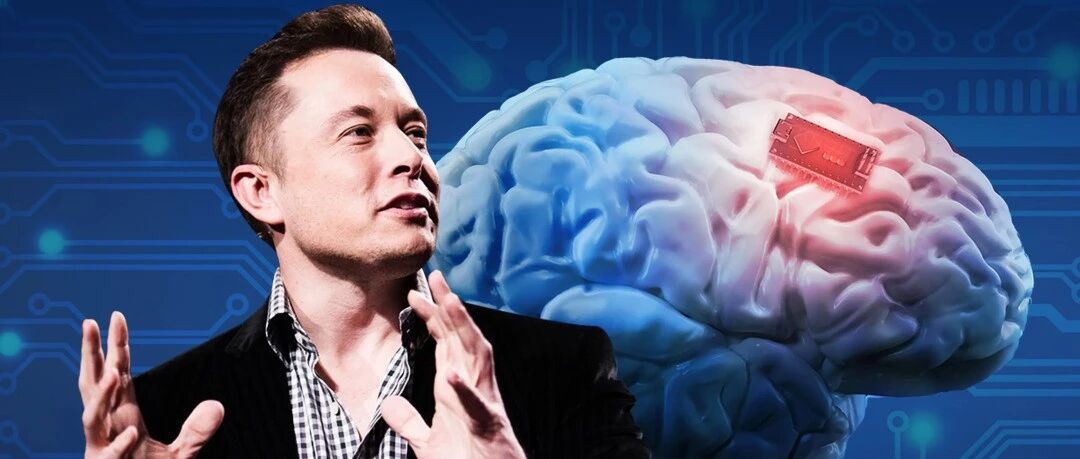
Neuralink

Search documents
百度:计划分拆昆仑芯并于港交所独立上市;雷军回应“小字营销”| 早资道
Sou Hu Cai Jing· 2026-01-04 01:16
Group 1 - Baidu plans to spin off Kunlun Chip and apply for independent listing on the Hong Kong Stock Exchange [2] - Kunlun Chip has submitted a listing application form (A1 form) to the Hong Kong Stock Exchange through its joint sponsors [2] - The proposed spin-off will involve a global offering of Kunlun Chip shares, including a public offering in Hong Kong and allocation to institutional and professional investors [2] Group 2 - Xiaomi's founder Lei Jun acknowledges "small print marketing" as an industry malpractice and commits to correcting it [3] - Xiaomi's strategic marketing assistant states that adding small print on promotional materials is a common practice in the industry, previously focused more on legal compliance than consumer perception [3] Group 3 - Xiaomi refutes claims regarding the "fake zoom ring" of the Xiaomi 17 Ultra Leica version, stating that the accusations are misinterpretations of a teardown video [4] - The company emphasizes that the claims about the zoom ring being software-controlled are severely misleading and have been clarified by the original teardown blogger [4] Group 4 - The box office for the 2026 New Year's Day period has surpassed 700 million yuan, with films like "Zootopia 2," "Avatar 3," and "Killing in the Dark" leading the box office [5] Group 5 - Elon Musk announces that Neuralink will begin mass production of brain-machine interface devices in 2026, transitioning to a streamlined and nearly fully automated surgical process [6]

马斯克宣布:量产脑机接口,手术全自动化
具身智能之心· 2026-01-04 00:32
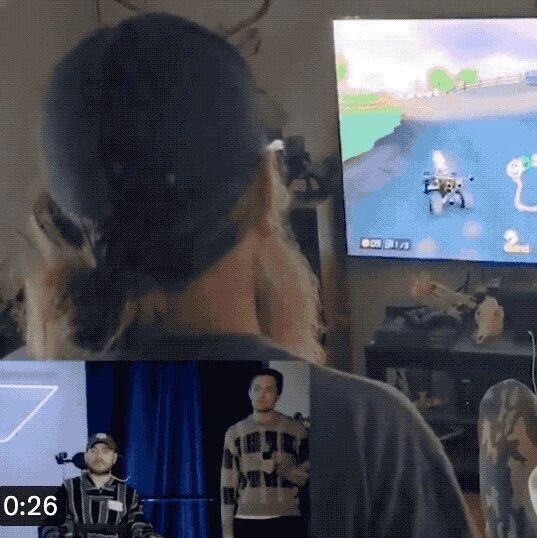
Core Viewpoint - Neuralink, founded by Elon Musk, aims to mass-produce brain-machine interface devices by 2026, transitioning from laboratory to clinical applications, with a focus on simplifying the surgical process for implantation [1][10][42]. Group 1: Neuralink's Development Timeline - Neuralink was established in 2016, with significant milestones including animal experiments in 2019, demonstrations with a pig in 2020, and a monkey playing a game in 2021 [33][34][35][36]. - In 2023, Neuralink received FDA approval to conduct human clinical trials, marking a pivotal moment in its development [38]. - By September 2025, Neuralink had implanted devices in 12 patients, which increased to 20 by December of the same year [5][41]. Group 2: Surgical Process and Technology - The current surgical procedure for implanting the brain-machine interface involves complex steps, including the removal of part of the skull and the dura mater, which complicates scalability [8][9]. - Neuralink plans to simplify this process by allowing electrode wires to penetrate the dura mater without cutting it, reducing risks and costs associated with the surgery [12][14]. - This new "minimally invasive" approach is expected to lower the barriers for standardization and increase the accessibility of the technology [14]. Group 3: Market Potential and Applications - The demand for brain-machine interfaces is significant, particularly for treating neurological disorders such as paralysis, muscular atrophy, Parkinson's disease, dementia, and vision impairments [6][18]. - The first human volunteer for Neuralink's device, Noland Arbaugh, was able to post on social media and play video games post-surgery, showcasing the potential life-changing impact of the technology [19][22]. - If Neuralink successfully scales production and reduces surgical costs, it could transform the lives of many individuals with neurological conditions [23]. Group 4: Broader Implications and Future Vision - Beyond medical applications, Musk envisions Neuralink as a means for humanity to keep pace with advanced AI, suggesting that a high-bandwidth interface could prevent humans from becoming obsolete [25][27]. - The potential for individuals to update their skills through direct brain connections to the internet could lead to unprecedented advancements in human civilization [28].
腾讯研究院AI速递 20260104
腾讯研究院· 2026-01-03 16:01
Group 1 - DeepSeek team released a new paper titled "Manifold-Constrained Hyper-Connections," co-authored by founder Liang Wenfeng, proposing the mHC scheme to stabilize large model training and enhance scalability [1] - The mHC scheme projects the residual mapping matrix onto a double-random matrix manifold space, preserving topological expressiveness while restoring the identity mapping property, controlling the signal amplification factor from 3000 to 1.6 [1] - Experiments with a 27B model show that mHC outperforms traditional HC across tasks like BBH and DROP, introducing only a 6.7% training time overhead, with a maximum improvement of 2.3 percentage points [1] Group 2 - Claude Code, launched 6 months ago, generated nearly $1 billion in annualized revenue, with project lead Boris Cherny confirming that 100% of code was completed by Claude Code in the past 30 days [2] - Key configurations include running 5 Claude instances in parallel on terminals, 5-10 Claude instances on the web, utilizing the Opus 4.5 model, and team collaboration through CLAUDE.md files integrated via GitHub actions [2] - Important techniques involve planning mode, slash command encapsulation for workflows, sub-agent handling of repetitive tasks, and PostToolUse hook for code formatting, with feedback loops for Claude to validate its work [2] Group 3 - Tesla's FSD V14.2 successfully completed a cross-country drive from Los Angeles to South Carolina in a 2025 Model 3, covering 2732.4 miles with zero human intervention, including parking and charging [3] - FSD V14.2 or pre-installed Grok shows significant enhancements in driving performance, perception capabilities, and decision-making logic, handling complex intersections and lane changes more decisively, resulting in a more human-like driving rhythm [3] - Tesla's end-to-end architecture contrasts with Waymo's modular approach, as demonstrated by a power outage in San Francisco that disrupted Waymo's operations, while Tesla's FSD remained largely unaffected [3] Group 4 - OpenAI is developing its first AI hardware, potentially a pen-shaped device or portable audio device, codenamed "Gumdrop," which integrates a microphone and camera to convert handwritten notes into text for ChatGPT [4] - The device is similar in size to an iPod Shuffle and aims to become the "third core device" following the iPhone and MacBook, initially planned for production by Luxshare Precision, later shifted to Foxconn, with manufacturing expected in Vietnam or the US [4] - OpenAI is also working on a new audio model architecture set to launch in Q1 2026, promising more natural emotional voices, more accurate and in-depth responses, and improved interruption handling capabilities [4] Group 5 - TSMC's N2 technology is set to enter mass production in Q4 2025, utilizing the first-generation nanosheet transistor (GAA) technology, achieving a 10%-15% performance improvement at the same power level compared to N3E, and a 25%-30% reduction in power consumption at the same speed [6] - The N2 process employs gate-all-around nanosheet transistors that wrap around the current channel, combined with SHPMIM capacitors, resulting in approximately a 20% increase in transistor density and over a 2x increase in capacitance density compared to N3E [6] - TSMC is expanding production simultaneously at its Kaohsiung and Hsinchu fabs, catering to both mobile and AI/HPC chip markets, with N2P and A16 expected to enter mass production in the second half of 2026 [6] Group 6 - Zhiyuan announced the launch of a "small-sized full-body force-controlled humanoid robot," named Q1, standing approximately 0.8 meters tall and capable of fitting into a 30-35L backpack, utilizing innovative materials and control algorithms to shrink QDD joints to "smaller than an egg" while maintaining full-size force control performance [7] - The Q1 robot employs advanced composite material technology for durability and is only 1/8 the size and weight of full-sized robots, with an open-source SDK and HDK supporting 3D printing for custom appearances [7] - It features the "Zhiyuan Lingxin" AI platform for natural conversation and encyclopedic Q&A, and through the "Zhiyuan Lingchuang" platform, users can arrange actions and logic like building blocks, positioning it as a desktop robot for individual creators [7] Group 7 - Elon Musk announced that Neuralink will begin large-scale production of brain-machine interface devices in 2026, transitioning to a streamlined, nearly fully automated surgical process, with electrode wires passing through the dura mater without the need for removal [8] - The new minimally invasive technology reduces costs, lowers risks, and shortens recovery times, making standardization more accessible; as of September 2025, Neuralink had served only 12 patients, increasing to 20 by December [8] - Founded in 2016, Neuralink focuses on treating neurological disorders such as paralysis, muscular atrophy, and Parkinson's disease, with the first patient, Noland Arbaugh, able to post and play games using only the brain chip post-surgery [8] Group 8 - Meta faced criticism from Turing Award winner LeCun after his departure, alleging that Llama 4's testing results were manipulated by using different models on various benchmarks to achieve better scores, leading to a loss of confidence from Zuckerberg in the original AI team [9] - LeCun criticized his 28-year-old supervisor, Alexandr Wang, for lacking research experience and understanding of research methodologies, asserting that Meta's hiring practices have led to a team overly influenced by large language models [9] - LeCun has founded AMI Labs, focusing on world models, with plans to release a "baby-level" model with preliminary physical intuition within 12 months, emphasizing the need for models to understand the physical world's operations rather than relying solely on language [9]

脑机接口“狂飙”:马斯克开启大规模量产,中国玩家集体“插脑”冲刺
第一财经· 2026-01-03 12:27
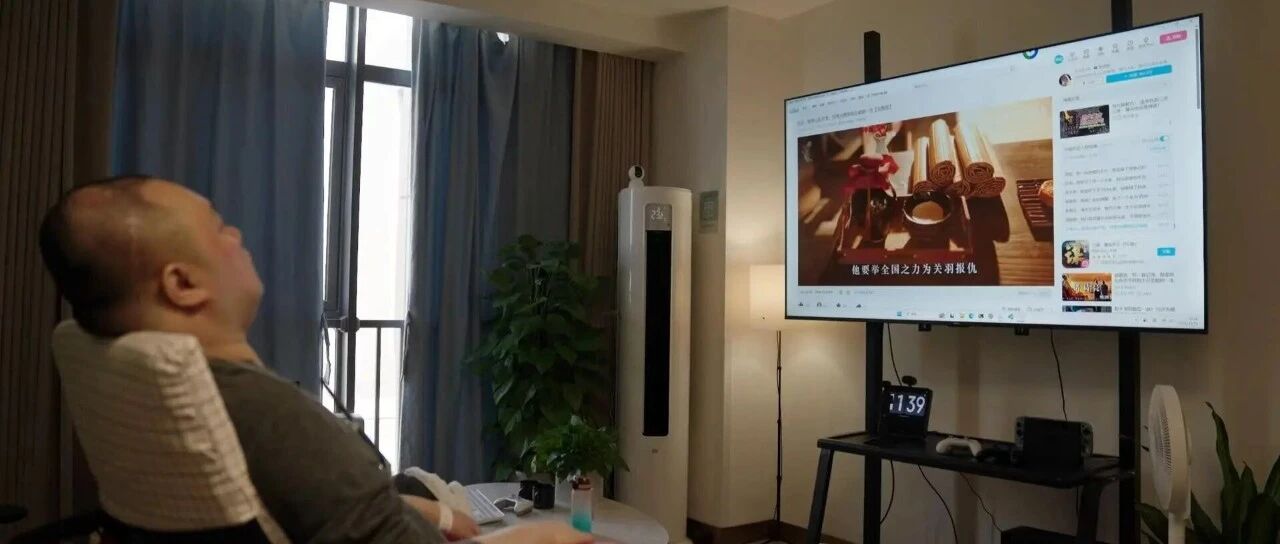
Core Viewpoint - The article discusses the rapid advancements in brain-computer interface (BCI) technology, highlighting significant developments in both the U.S. and China, with a focus on clinical applications and the competitive landscape in the industry [3][4]. Group 1: Technological Advancements - Neuralink, led by Elon Musk, plans to begin high-volume production of its BCI devices in 2026, aiming for a fully automated surgical process [3][4]. - In China, various companies are pursuing parallel technological routes, with significant clinical trials already underway, such as the first fully implanted BCI trial at Huashan Hospital [4][5]. - The "North Brain No. 2" system, featuring high-throughput flexible microelectrodes, is set to enter clinical trials in 2026, targeting patients with motor disabilities [9][10]. Group 2: Clinical Applications - Patients like "Xiao Dong" have shown remarkable recovery in motor functions after BCI implantation, indicating potential for neural reorganization [5][6]. - The global vision for BCIs includes not only restoring movement but also enabling communication for those with speech impairments and vision restoration for the blind [5][8]. - As of September 2025, 12 patients have successfully implanted Neuralink devices, allowing them to perform tasks like gaming and social media interaction [6][8]. Group 3: Market Dynamics - The BCI market is projected to grow significantly, with the medical health sector accounting for 56% of the application market, potentially reaching $85 billion in serious medical applications [15][16]. - Non-invasive BCIs currently dominate the market, holding 82% of the global share, due to their easier regulatory pathways and broader deployment possibilities [11][12]. - Investment in the BCI sector has surged, with 16 financing events totaling nearly 1 billion yuan in 2025, indicating strong market interest and potential for growth [14][15]. Group 4: Challenges and Future Outlook - The commercialization of BCI technology faces hurdles such as lengthy validation periods, high costs, and the need for robust clinical evidence [17][18]. - Ethical concerns regarding data privacy and the implications of cognitive enhancement technologies are emerging as critical issues that need to be addressed [19][20]. - The article emphasizes that while the technology is promising, it remains in the early stages of development, with significant challenges ahead before widespread adoption can occur [18][19].
脑机接口“狂飙”:马斯克开启大规模量产,中国玩家集体“插脑”冲刺
Di Yi Cai Jing· 2026-01-03 11:11
Core Viewpoint - Brain-computer interfaces (BCIs) are transitioning from science fiction to practical applications in the medical field, with significant advancements in both the U.S. and China, leading to a competitive landscape in BCI technology [1][16]. Group 1: Technological Advancements - Neuralink, led by Elon Musk, plans to initiate high-volume production of its BCI devices in 2026, focusing on automated surgical processes [16]. - In China, the first clinical trial of a fully implanted BCI was completed, demonstrating significant recovery in motor functions for patients with spinal cord injuries [3][18]. - The "North Brain No. 2" system, equipped with high-throughput flexible microelectrodes, is set to enter clinical trials in 2026, targeting motor impairment patients [22]. Group 2: Market Dynamics - The global BCI market is projected to reach a potential value of $850 billion in serious medical applications and $600 billion in consumer healthcare [27]. - Non-invasive BCIs currently dominate the market, holding an 82% share, due to their clear approval pathways and flexible deployment in various settings [24]. - Investment in the BCI sector has surged, with 16 financing events totaling nearly 1 billion yuan in 2025, significantly surpassing the previous year's total [26]. Group 3: Competitive Landscape - Neuralink's technology is characterized by its ability to insert electrode wires directly into the dura mater without cutting, minimizing trauma [19]. - Chinese companies like JieTi Medical and BoRuiKang are emerging as competitors, with clinical trials underway, although they lag behind Neuralink in terms of technology and integration [22][29]. - The average valuation of Chinese BCI companies is around $300 million, significantly lower than Neuralink's valuation of $12 billion, reflecting a disparity in market perception [27]. Group 4: Challenges and Future Outlook - The commercialization of BCI technology faces hurdles such as lengthy validation processes, high costs, and the need for robust clinical evidence [29]. - Ethical concerns regarding data privacy and the potential for cognitive enhancement to exacerbate social inequalities are being addressed through the development of legal frameworks [30]. - The timeline for consumer-grade BCI devices is projected to be 15 to 20 years, indicating a long road ahead for widespread adoption [29].
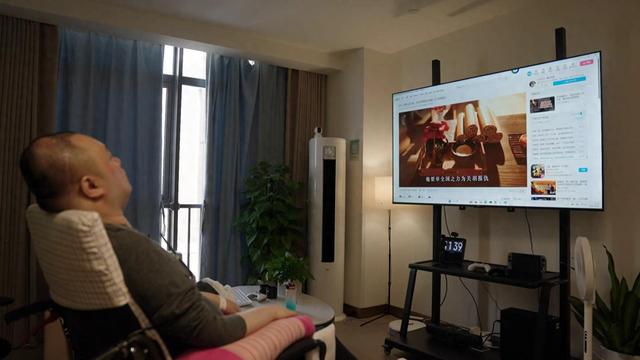
深度|脑机接口“狂飙”:马斯克开启大规模量产,中国玩家集体“插脑”冲刺
Di Yi Cai Jing· 2026-01-03 10:58
Core Insights - The global vision of brain-computer interface (BCI) companies, including Neuralink, extends beyond helping individuals with motor disabilities to include enabling speech for the speech-impaired and vision for the blind [4][7] - The BCI technology is experiencing a significant wave of innovation in the medical field, with advancements in both invasive and non-invasive techniques [1][9] Group 1: Technological Developments - Neuralink plans to initiate "high volume" production and streamline automated surgical processes in 2026 [1] - In China, the first clinical trial of a fully implanted BCI was completed, demonstrating significant recovery in motor functions for a patient with spinal cord injury [3] - The "North Brain No. 2" system, featuring high-throughput flexible microelectrodes, is set to enter clinical trials in 2026, targeting motor impairment patients [8] Group 2: Market Dynamics - The BCI market is projected to grow significantly, with non-invasive products currently holding 82% of the market share [9][10] - The Chinese government has issued policies to support the BCI industry, aiming for accelerated application in various sectors by 2027 [11] - Investment in the BCI sector has surged, with 16 financing events reported in 2025, totaling nearly 1 billion yuan [12] Group 3: Competitive Landscape - Neuralink's invasive BCI technology is considered a global benchmark, with its 1024-channel flexible electrode array and automated implantation robot leading the industry [5][8] - Chinese companies like JieTi Medical and BoRuiKang are emerging as competitors, with clinical trials underway, although they currently lag behind Neuralink in technology [8][13] - The valuation of leading BCI companies in China is significantly lower than that of Neuralink, with estimates around 3 billion yuan compared to Neuralink's 120 billion yuan [13] Group 4: Challenges and Future Outlook - The commercialization of BCI technology faces hurdles such as lengthy validation periods and high development costs [15] - Ethical concerns regarding data privacy and the potential for cognitive enhancement to exacerbate social inequalities are being addressed through the establishment of regulations and standards [17]
The Final Stage of Elon Musk's Brain Chips 🧠
Neura Pod – Neuralink· 2026-01-02 18:00
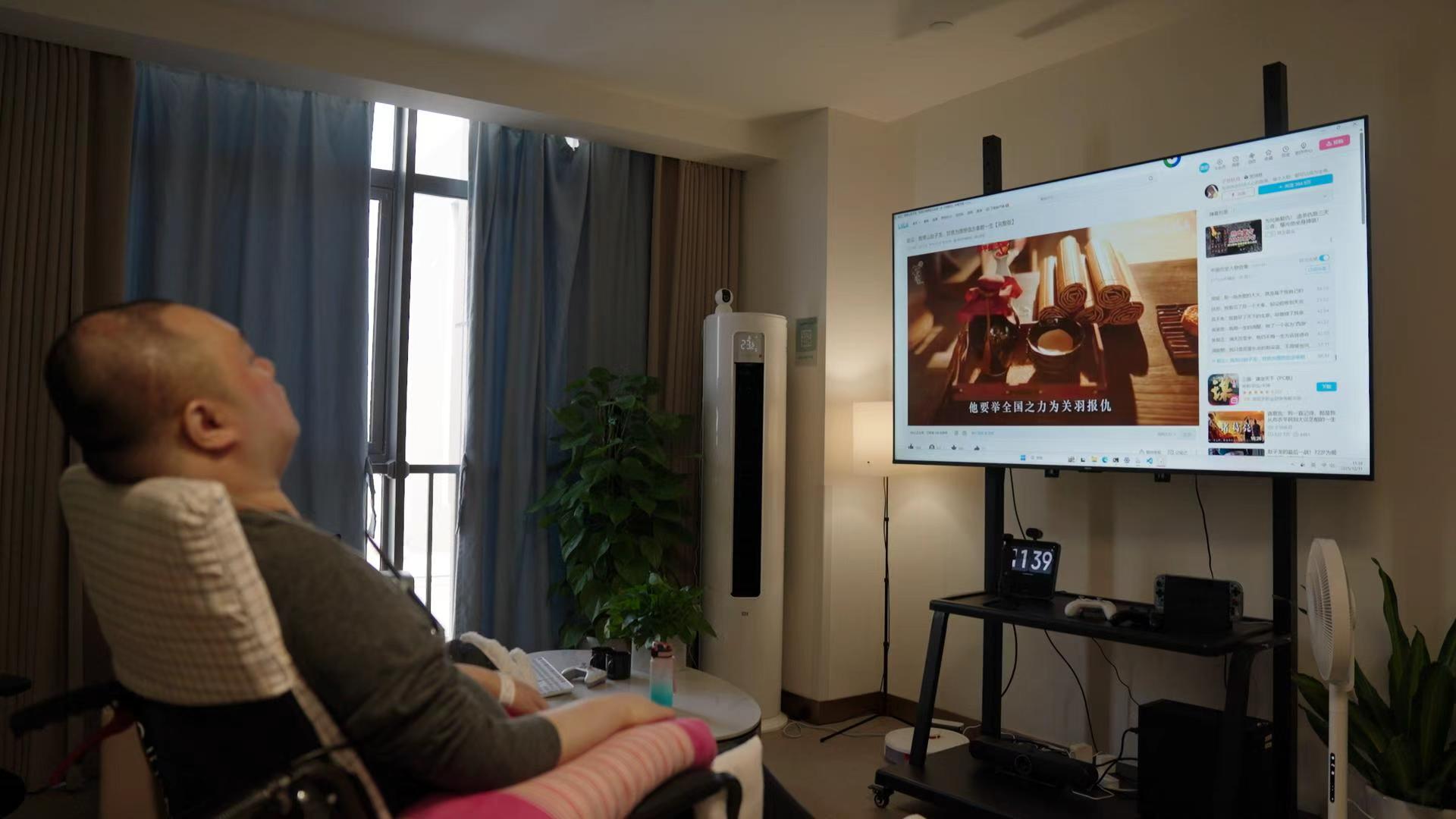
Elon Musk's company started with monkeys playing video games and is now headed straight for creating superhumans. See, I think of it as four main stages to the master plan. Nurling completed stage one with animal testing, which led to right now where the implant is considered a medical device by the government.They're using it to help paralyzed people use just their thoughts to move a computer mouse on a screen, which may seem even less life-changing than the next projects to generate speech for those who h ...

马斯克最新披露,大幅提高脑机设备产量
Sou Hu Cai Jing· 2026-01-02 07:04
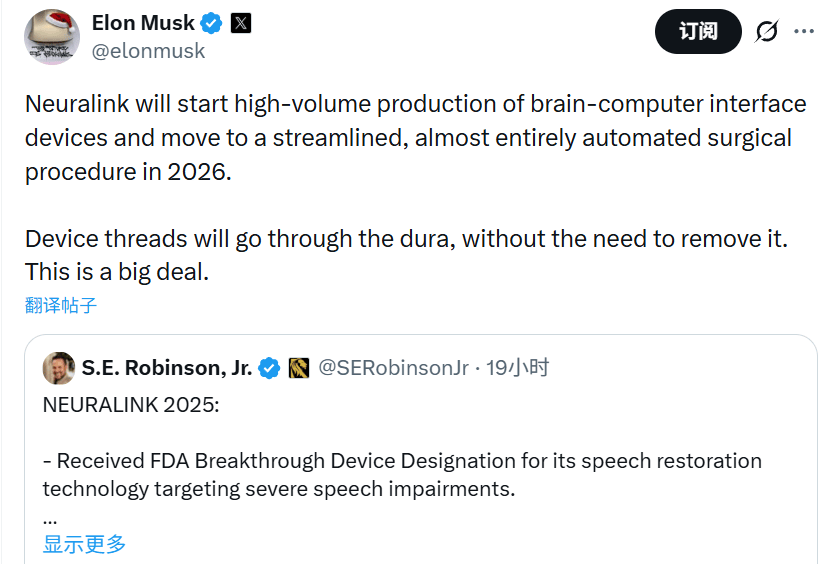
世界首富马斯克披露,他的脑机接口公司Neuralink计划在2026年大幅提高脑机设备的产量,还将在脑机植入方式上实现创新。 在本周的一篇社交媒体回帖中,马斯克表示,Neuralink将于2026年开始对其脑机接口设备进行大规模生产(high-volume production),并将推进一种流 程高度精简、几乎完全自动化的手术方案。 马斯克还透露,接下来设备中的电极丝将直接穿过硬脑膜,而无需将其切除——这是一项非常重大的突破。 (来源:Neuralink官网) 来源:科技日报、智通财经 (手术方式介绍,来源:Neuralink官网) ...
马斯克宣布:量产脑机接口,手术全自动化
量子位· 2026-01-02 05:38
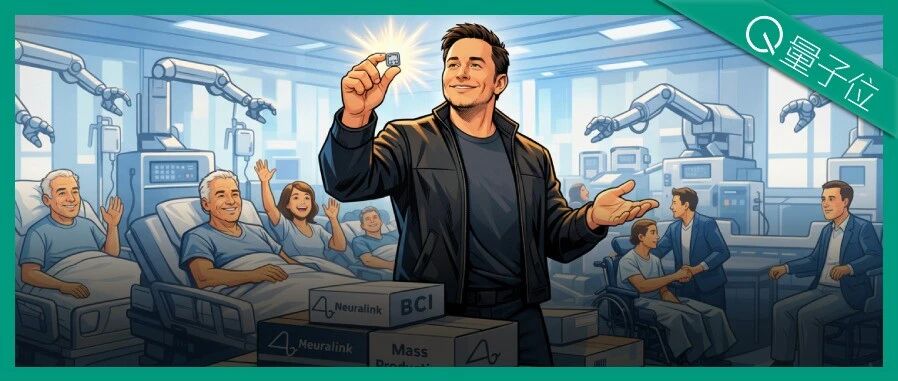
Core Viewpoint - Neuralink is set to begin mass production of brain-machine interface devices in 2026, transitioning from laboratory to clinical applications, with a focus on simplifying and automating the surgical process [2][4][46]. Group 1: Development Timeline - Neuralink was founded in 2016 with the goal of creating brain chips that allow direct control of computers through neural signals [20][37]. - The company has made significant progress over the years, including animal experiments in 2019, demonstrations with a pig in 2020, and enabling a monkey to play a game using its thoughts in 2021 [38][39][40]. - In 2023, Neuralink received FDA approval to conduct human clinical trials, marking a pivotal moment in its development [42]. Group 2: Surgical Process and Technology - The current surgical procedure for implanting the brain chip involves complex steps, including the removal of part of the skull and the dura mater, which makes it difficult to scale [11][12]. - Neuralink aims to simplify this process by allowing the electrode wires to penetrate the dura mater without needing to cut it, reducing risks and costs associated with the surgery [15][17]. - This new "minimally invasive" approach is expected to lower the barriers for standardization and increase the accessibility of the technology [17][26]. Group 3: Market Potential and Applications - There is a significant market demand for brain-machine interfaces, particularly for treating neurological disorders such as paralysis, muscular atrophy, Parkinson's disease, dementia, and vision impairment [9][21]. - The first human volunteer for Neuralink's trials, Noland Arbaugh, was able to post on social media and play video games using only his brain signals after the implant [22][25]. - If Neuralink can successfully scale production and reduce surgical costs, it could transform the lives of many individuals with neurological conditions [26]. Group 4: Future Vision - Beyond medical applications, Neuralink is also exploring the concept of cyborgs, positioning its technology as a defense against potential threats from advanced AI [27][28]. - Elon Musk envisions a future where humans can enhance their cognitive abilities through brain-machine interfaces, allowing for rapid skill acquisition and adaptation [30][31]. - This could lead to a significant leap in human civilization, fundamentally changing how skills and knowledge are accessed and utilized [31].
马斯克:脑机设备今年启动“大规模生产”,植入方式也有关键进步|首席资讯日报
首席商业评论· 2026-01-02 04:25
Group 1 - Neuralink plans to start high-volume production of brain-machine interface devices in 2026, with significant advancements in the implantation process, including a streamlined and automated surgical method [2] - The Shenzhen government will launch a comprehensive vehicle and appliance trade-in program in 2026, offering subsidies of up to 20,000 yuan for new cars and 1,500 yuan for home appliances [3] - OpenAI is enhancing its audio AI models in preparation for the launch of its first AI-driven personal hardware device, focusing on audio interaction capabilities [4] Group 2 - LVMH's subsidiary Belmond accuses a Carlyle Group-controlled railway company of responsibility for a fatal train collision near Machu Picchu, resulting in one death and multiple injuries [5] - Sapphire Foods and Devyani International are merging in India for $934 million to create a fast-food franchise giant, expecting annual synergies of 2.1 to 2.25 billion rupees ($23.34 to $25.01 million) [6] - Indonesia will ban imports of rice, sugar, and corn starting in 2026, citing significant domestic production increases and a shift towards food self-sufficiency [8] Group 3 - The box office for New Year's Day 2026 reached 336.89 million yuan, showing a year-on-year growth of over 10% [9] - Kweichow Moutai has established a new company, "i Moutai Digital Technology Co., Ltd.," with Wang Hualin appointed as general manager, indicating a push towards digitalization and direct consumer engagement [10] - The animated film "Zootopia 2" became the box office champion for New Year's Day 2026, contributing to a total box office of 329 million yuan [11] Group 4 - Chongqing has initiated a comprehensive trade-in subsidy policy for consumer goods starting January 1, 2026, with allocated funds of 210 million yuan for vehicle scrappage and 55.5 million yuan for vehicle replacement [12] - BYD reported December 2025 sales of 420,398 new energy vehicles, a year-on-year decline of approximately 18.2%, while total annual sales reached 4,602,436 units, a growth of 7.73% [13]