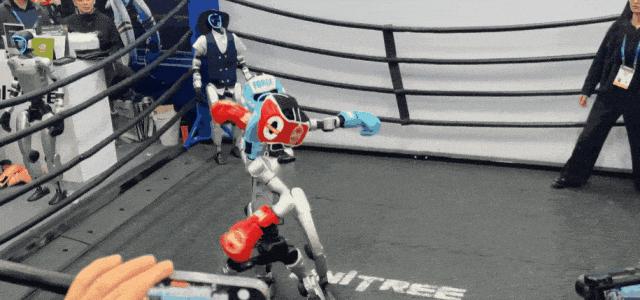
银河通用

Search documents
对话大晓机器人董事长王晓刚,解码具身智能落地“三部曲”
Sou Hu Cai Jing· 2026-01-14 00:14
Core Insights - The article discusses the advancements and challenges in the field of embodied intelligence and humanoid robots, highlighting the need for scalable production and systematic operations to support industry growth [2][3]. Group 1: Company Developments - SenseTime's co-founder Wang Xiaogang emphasizes the importance of comprehensive capabilities for establishing a foothold in the humanoid robot sector, indicating that the company is not without its shortcomings [2]. - The launch of the ACE embodied research paradigm and the open-source commercial application of the "Awakening World Model 3.0" are significant milestones for the company, addressing core pain points in embodied intelligence [2][3]. - The company has built a full-link technology system that effectively addresses issues such as data scarcity and generalization difficulties in the industry [2]. Group 2: Industry Standards and Challenges - Wang Xiaogang, who is also involved in the standardization committee for humanoid robots, identifies three main challenges in establishing a standard system: lack of data sharing standards, unclear safety responsibilities, and the need for improved quality standards [3]. - The industry is still in its early stages, requiring collaborative efforts across the sector to develop effective standards [3]. Group 3: Technological Innovations - The ACE paradigm introduces a human-centric approach to data collection, significantly enhancing data quality and reducing costs compared to traditional methods [12][14]. - The new paradigm allows for the collection of millions of hours of data annually, which is crucial for the development of effective embodied intelligence systems [12][14]. - The "Awakening World Model 3.0" integrates multi-modal understanding and predictive capabilities, marking a significant evolution in the field [19][22]. Group 4: Strategic Collaborations - The company has formed strategic partnerships with leading firms in various sectors, including hardware and cloud services, to create a comprehensive ecosystem for embodied intelligence [27][29]. - Collaborations with companies like Galaxy General aim to leverage each other's strengths in technology and production to overcome key technical challenges [29][31]. Group 5: Market Focus and Future Outlook - The company plans to focus on commercial and industrial applications in the next 3-5 years, with an emphasis on high-standard environments like front warehouses and retail storage [32]. - The potential for large-scale deployment in commercial services is highlighted, while industrial applications face challenges due to data sensitivity and low willingness to share [32]. - The company aims to develop a unified platform to support the development of both software and hardware in the industry, similar to NVIDIA's CUDA ecosystem [23].



从技术验证迈向量产交付 硬科技龙头企业开启“规模化元年”
Zhong Guo Zheng Quan Bao· 2026-01-13 22:16
Core Insights - The year 2026 is projected to be a pivotal year for emerging industries in China, particularly in the low-altitude economy and robotics sectors, as they transition from pilot testing to mass production and ecosystem development [1][2][7] Group 1: Robotics Industry - UBTECH aims to achieve an annual production capacity of 10,000 humanoid robots in 2026, following the delivery of over 500 units of its "Walker S2" model in 2025 [2] - The humanoid robot market in China is expected to reach a production scale of 100,000 to 200,000 units in 2026, driven by companies like Zhiyuan Robotics and strategic partnerships [2] - The application of robots is anticipated to expand from hazardous and monotonous jobs to broader industrial and commercial services, eventually reaching household use [5] Group 2: Low-altitude Economy - The low-altitude economy is expected to experience significant growth in 2026, with companies like XPeng Heitech planning to deliver their flying car, "Land Aircraft Carrier," in the same year [3] - The market penetration of industrial-grade drones is increasing, with companies like United Aircraft Group expecting to double their revenue as they achieve key milestones in product certification [3] - Cloud Saint Intelligent's products are projected to expand coverage in urban governance, potentially doubling their reach in 2026 [3] Group 3: Commercial Aerospace - A surge in IPO activities is anticipated in the commercial aerospace sector, driven by the demand for reusable medium to large rockets, with companies like Blue Arrow Aerospace and Star Glory actively pursuing public offerings [4] - The focus in commercial aerospace is on reducing costs through reusable rocket technology, while long-term success will depend on market applications [7] - The industry is facing challenges related to infrastructure and commercial viability, necessitating policy support and cross-departmental collaboration [7] Group 4: Market Competition - The emergence of a "scale year" in 2026 will intensify competition among emerging industries, with companies needing to focus on customer needs and continuous innovation to maintain their competitive edge [7] - The development of new infrastructure and unified management systems is crucial for the low-altitude economy and commercial aerospace sectors [7] - The overall environment for hard technology enterprises is improving, driven by policy guidance, technological breakthroughs, and market demand [7]

硬科技龙头企业开启“规模化元年”
Zhong Guo Zheng Quan Bao· 2026-01-13 20:46
Core Viewpoint - The year 2026 is anticipated to be a pivotal year for emerging industries in China, particularly in the fields of humanoid robotics and low-altitude economy, as they transition from pilot testing to mass production and ecosystem development [1][3]. Industry Developments - Companies like UBTECH aim to produce 10,000 humanoid robots in 2026, following a successful delivery of over 500 units in 2025 [2]. - The low-altitude economy is expected to see significant growth, with companies like XPeng aiming to deliver their flying car by 2026, and the industrial drone market experiencing increased penetration [2][3]. - The market for humanoid robots in China is projected to reach between 100,000 to 200,000 units in 2026, indicating robust demand [2]. Technological Advancements - The rapid iteration of technology in emerging industries is facilitating clearer commercialization paths, with robots expected to transition from hazardous jobs to broader industrial and commercial applications [3][4]. - Companies are leveraging AI and smart technologies to enhance their products and expand their market reach, as seen with Ninebot's participation in CES showcasing various innovative transportation solutions [4]. Market Competition - The arrival of the "scale year" in 2026 is expected to intensify competition among emerging industries, necessitating a customer-centric approach and continuous innovation to maintain market leadership [5]. - In the commercial aerospace sector, the focus is on reducing costs through reusable rocket technology, while long-term success will depend on application development in a trillion-dollar market [5]. Infrastructure and Policy Support - The development of new infrastructure and unified management systems is crucial for the low-altitude economy and commercial aerospace sectors, as current gaps in coverage and control systems pose challenges [5]. - There is a growing expectation for policy support to address the challenges faced by hard-tech companies, fostering a more favorable environment for innovation and growth in emerging industries [5].


具身智能企业已超230家,行业“洗牌”风声四起
Nan Fang Du Shi Bao· 2026-01-13 07:08
Core Insights - The investment landscape for embodied intelligence startups has seen a significant surge, with a 219% increase in financing events and a 327% rise in investment amounts in 2025 compared to the previous year [1] - The current number of embodied intelligence companies in China exceeds 230, with over 100 humanoid robot firms, indicating a competitive environment reminiscent of the "hundred groups battle" during the mobile internet era [1] - Industry experts predict a potential "shakeout" in 2026 due to an oversupply of companies that may not sustain their operations without significant orders and continuous funding [2] Investment Trends - Investors are experiencing a fear of missing out (FOMO), leading to rapid valuation increases for startups, often without substantial due diligence [1][4] - Valuations for some companies have doubled within months, raising concerns about the sustainability of such growth [3] - The market is witnessing inflated valuations, with companies like Galaxy General seeing their valuation rise from over $800 million to $3 billion within a year [3] Market Dynamics - The focus of investment is shifting from flashy demonstrations to actual order fulfillment and revenue generation, as the industry matures [2][6] - Many startups are under pressure to commercialize quickly, often prioritizing immediate financial performance over long-term technological development [11][12] - The industry is facing a potential oversaturation of similar business models, leading to a risk of homogenization in product offerings [9][10] Commercialization Challenges - Companies are exploring various commercial applications, including research, entertainment, and retail, to find willing customers for their technologies [6][7] - The urgency for commercialization is driven by the need to attract further investment and prepare for potential IPOs, with several companies actively pursuing public listings [11] - There is a concern that the rush to commercialize may detract from necessary research and development efforts, potentially stalling technological progress [12][13] Future Outlook - The industry is expected to see a clearer distinction between leaders and laggards as capital and talent concentrate on companies with stronger AI capabilities and commercial viability [2] - The next wave of growth in the embodied intelligence sector is anticipated to hinge on advancements in "brain" technologies that enhance the functionality of humanoid robots [5] - The emphasis on practical applications and the ability to deliver results in real-world scenarios will be crucial for the survival and success of companies in this space [9][13]
去年扭秧歌、赛跑、格斗 今年机器人们要出门“打零工”了?
Nan Fang Du Shi Bao· 2026-01-13 07:00
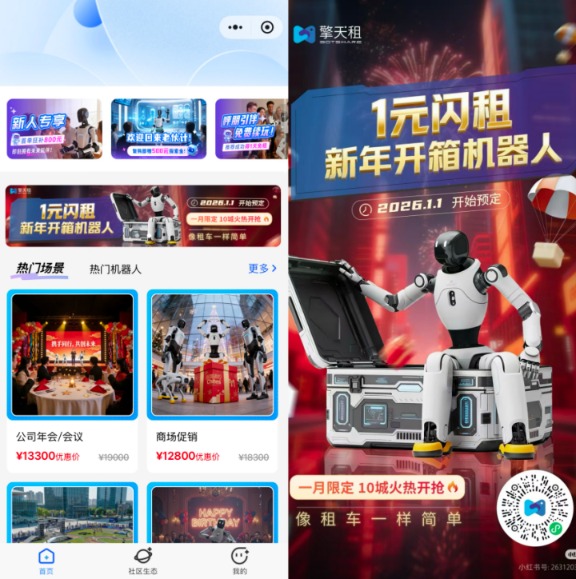
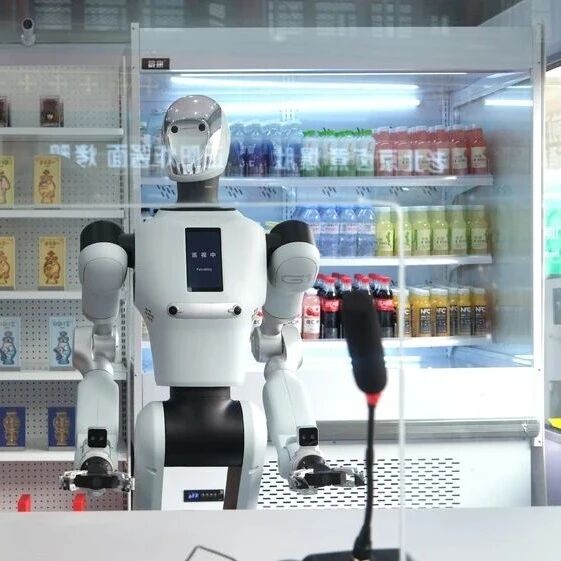
Core Insights - The year 2025 is projected to be a significant year for robotics, with "embodied intelligence" being highlighted as a key focus in the government's work report, indicating strong state support for the industry [1] - The robotics sector has seen a surge in investment, with a notable increase in financing events and amounts, suggesting a booming interest in the market [2][3] - The emergence of a robot rental business model is gaining traction, driven by demand for flexible solutions in various scenarios such as corporate events and weddings [1][14] Investment Trends - In the first three quarters of 2025, the domestic robotics sector recorded approximately 500 billion yuan in cumulative financing, marking a 2.5 times increase compared to the same period last year [2] - The third quarter alone saw financing reach 198.13 billion yuan, a 172% year-on-year increase, indicating a peak in investment enthusiasm [2] - The number of financing events in the robotics industry doubled to 610 in the first three quarters of 2025 compared to 294 in the same period of the previous year [2] Market Dynamics - The robotics industry is expected to undergo a reshuffling in 2026, with predictions that only 10 to 20 companies may survive from the current hundreds, similar to the trajectory of the electric vehicle sector [5] - Concerns about the sustainability of the current investment boom are being voiced, particularly regarding the unclear commercialization paths for humanoid robots [2][5] - The market is witnessing a shift from one-time sales to service-oriented models, with the Robot as a Service (RaaS) model expected to gain traction [19] Application and Innovation - Robots are increasingly being deployed in various sectors, including industrial manufacturing, commercial sales, and logistics, with significant orders reported from major automotive companies [9] - New applications for robots are emerging, such as a humanoid robot successfully selling popcorn, showcasing the potential for robots in service-oriented roles [11] - The customization of robots for specific scenarios is seen as a key area for future growth, as different environments require tailored solutions [12] Rental Business Model - The robot rental market is projected to exceed 10 billion yuan, with expectations to reach at least 100 billion yuan by 2026 as the model becomes more mainstream [17] - The rental model is viewed as a way to lower entry barriers for businesses, allowing more companies to experiment with robotic solutions without significant upfront costs [18] - The growth of the rental market is supported by favorable policies and increasing demand for cost-effective automation solutions in various industries [19]
特斯拉发包中,T链们周末再传重磅资讯!
Robot猎场备忘录· 2026-01-12 04:33
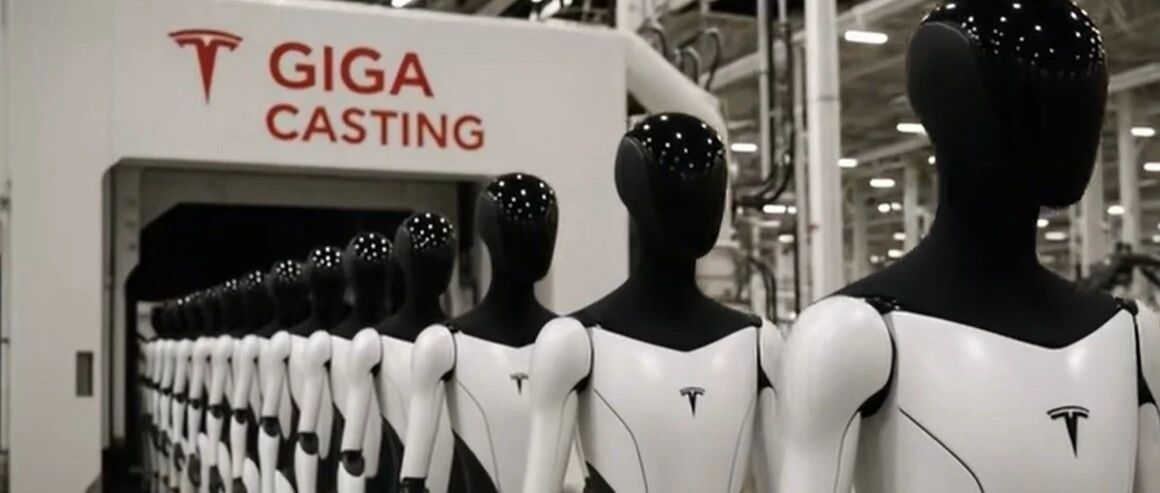
Core Viewpoint - The T-chain companies are expected to experience a shift from weak to strong performance due to recent positive developments, particularly the IPO guidance of key companies like XJ and SL, which are likely to attract more investor attention [3][4][7]. Group 1: T-chain Companies Performance - During the first trading week of January, T-chain companies did not continue the upward trend from December, showing weak performance despite a rising market [2]. - A notable increase in T-chain stocks was observed on the following Friday, indicating potential for a new upward trend [3]. Group 2: Key Developments - XJ, a core T-chain supplier for Tesla's Optimus, has initiated its IPO process with guidance from CITIC Securities, potentially leading to its listing on the Sci-Tech Innovation Board by late 2026 [4][7]. - SL, another key T-chain company, has successfully communicated with North American partners, maintaining strong performance despite overall weak market conditions [7][8]. Group 3: Market Sentiment and Future Expectations - The recent IPO news for XJ has generated positive sentiment in the robotics sector, particularly for T-chain companies, which are expected to gain more funding attention [7]. - SL's recent research indicates it may replace T1 suppliers like SH and TP, highlighting its growing significance in the market [13]. Group 4: North American Communication - T-chain companies are increasingly focusing on communication with North American partners, which is seen as a critical step towards securing contracts and production agreements [11][12]. - Companies like WX, FS, and KS have reported successful communications, leading to significant stock price increases [12]. Group 5: Upcoming Developments - The T-chain companies are expected to announce more positive developments regarding production milestones and contract signings in the near future, which will likely drive further market interest [10][13].

黄仁勋一句话,又掀起了一个热潮
投中网· 2026-01-11 07:12
以下文章来源于东四十条资本 ,作者陈美 东四十条资本 . 聚焦股权投资行业人物、事件、数据、研究、政策解读,提供专业视角和深度洞见 | 创投圈有趣的灵魂 将投中网设为"星标⭐",第一时间收获最新推送 一场"持续获取高质量交互数据,以驱动模型迭代"的基础设施之争,开始打响。 作者丨陈美 编辑丨王庆武 来源丨东四十条资本 新年刚过,英伟达 CEO 黄仁勋就有大动作。 近日,在 CES 展上,黄仁勋抛出了标志性观点:"机器人的 ChatGPT 时刻正在到来",并认为"没有真 实世界的数据,具身智能只能是幻觉。" 这一表态,瞬间引爆行业。一个明确的信号开始显现:机器人产业将告别"单一任务编程、真实数据依赖"的低效阶段,迈入以物理 AI 为核心的通用化 爆发期。 此前,国内资本早已嗅到这场变革。从国内具身智能发展来看,如果 2024 年关键词还是"本体",那么到了 2025 年下半年,赛道已然变成"本体 + 数据",或者"数据×模型×本体"的范式升级。 再加上黄仁勋的 入局 ,一场"持续获取高质量交互数据,以驱动模型迭代"的基础设施之争, 开始 打响。 黄仁勋也来卷具身智能了 在这次 CES 展上,黄仁勋正式发布了专为 ...


马斯克:Optimus Gen3已定型
Robot猎场备忘录· 2026-01-10 04:32
温馨提示 : 点击下方图片,查看运营团队最新原创报告(共260页) 说明: 欢迎约稿、刊例合作、行业交流 , 行业交流记得先加入 "机器人头条"知识星球 ,后添加( 微信号:lietou100w )微 信; 若有侵权、改稿请联系编辑运营(微信:li_sir_2020); 正文: Optimus量产前夕, 特斯拉发包中,2026年首周(周五), T链们终迎来一波上行行情! 2026年开年,伴随大盘超预期上行,商业航天、脑机接口、自动驾驶皆大幅上行,尤其是前两者,成为开年两大 最热门板块,"马年炒"马""成为二级市场最火段子,然而与特斯拉市值直接相关的人形机器人Optimus却一直没 有官方利好。 缺乏官方利好催化下,T链们 没有承接去年12月底的主升行情,走势更没有实现反转;周一至周四,走势甚至有 些弱, 更多是核心利好标的间的行情且持续性差;最终,周五迎来了一波上行行情,运营微信群又是被信息轰炸 的一天。 最终,小编重新逐帧查看访谈视频中人形机器人Optimus部分,完全没有提到定型,更多是对未来的预测,如: 3年内,机器人做手术的水平,将超过地球上最好的人类外科医生。 Optimus定型是假,但T链们获发包 ...
379亿热钱涌入具身智能,投资人只问“订单在哪”?
虎嗅APP· 2026-01-09 10:16
Core Insights - The article emphasizes that embodied intelligence is one of the hottest innovation and entrepreneurship fields globally by 2025, with over 379 billion yuan in funding and 304 financing events in the past year, marking significant growth compared to previous years [5][6][26]. - Investors are increasingly selective, focusing on companies with production capabilities and real orders, indicating a shift from a "race to build" to a "race to select winners" in the industry [6][7][28]. - The article discusses the ongoing debate about potential bubbles in the embodied intelligence sector, highlighting the contrast between capital enthusiasm and the technical challenges that remain [7][18]. Industry Trends - The funding landscape has shifted from early-stage investments to later rounds, with a notable increase in A and B rounds, indicating a move towards commercialization and scaling [26][27]. - The focus of investment has transitioned from algorithm companies to hardware and application scenario companies, with a significant portion of funding now directed towards industrial and service robots [26][27]. - The article notes that the price of humanoid robots is rapidly decreasing, with several models now available for under 10,000 yuan, driven by China's supply chain efficiency [11][12]. Company Developments - Companies like Galaxy General have successfully secured large orders and significant funding, demonstrating their ability to deliver practical solutions in industrial settings [13][23][41]. - Magic Atom has adopted a broad strategy, offering a range of robotic products and achieving over 60% of its revenue from international markets, showcasing its global reach [44][45]. - Lingbao CASBOT focuses on high-risk industrial applications, developing various robotic forms tailored to specific operational needs, indicating a trend towards specialized solutions in challenging environments [48][49]. Investment Dynamics - The article highlights the increasing involvement of state-owned enterprises and diverse investment entities in the embodied intelligence sector, reflecting a more collaborative funding environment [24][27]. - Investors are now prioritizing companies with unique core technologies, real commercial data, and cross-disciplinary teams, indicating a shift towards more pragmatic investment criteria [28][29][30]. - The competitive landscape is evolving, with companies needing to demonstrate not just technological prowess but also the ability to deliver reliable, scalable solutions in real-world applications [30][31].
CES变成中国科技秀:机器人跳舞、熊猫获奖
3 6 Ke· 2026-01-09 08:24
Group 1: Core Themes of CES 2026 - The main theme of CES 2026 is "human-centered" AI applications, marking a shift from traditional consumer electronics to AI-centric technological transformations [1] - Chinese companies are increasingly taking center stage at CES, with 942 exhibitors, accounting for approximately 22% of the total, maintaining their position as the second-largest exhibiting nation [1] - In specific sectors, Chinese firms dominate, with 55% of humanoid robot exhibitors and nearly 70% of AI glasses brands coming from China [1] Group 2: Robotics and AI Innovations - Chinese manufacturers are expected to continue leading in cost reduction and efficiency improvements in humanoid robots, showcasing their capabilities in unstructured environments [2] - Notable products include the Unitree H1 humanoid robot with advanced sensing capabilities and the latest generation of the "绝影" series robotic dogs, which excel in indoor navigation [4][11] - The "Care-bot" humanoid robot by Fourier demonstrates embodied intelligence in real-life interaction scenarios [7] Group 3: Consumer Electronics and Smart Devices - Over 80% of global smart glasses supply chain manufacturers are from China, with 16 Chinese companies showcasing their products at CES [15] - Innovations in smart home devices include the AI-driven "安安" companion robot designed for elderly and cognitively impaired individuals [16] - Companies like Alibaba and XREAL are launching advanced AI glasses, with features such as ultra-lightweight designs and integration with various AI services [19][20] Group 4: Automotive and AI Integration - The automotive industry is transitioning from "software-defined" to "AI-defined" vehicles, with companies like Geely and Great Wall showcasing new technologies [28] - Geely's G-ASD smart driving solution and Great Wall's focus on new energy technologies highlight the industry's shift towards AI integration [30][32] - New products like the AI-driven logistics solutions from New Stone and advanced lidar technology from Hesai demonstrate the growing importance of AI in transportation [34][35] Group 5: Home Appliances and AI - Hisense introduced new RGB-Mini LED display technology and AI-controlled smart refrigerators, showcasing the integration of AI in home appliances [41] - TCL's innovations in display technology, including the world's first printed OLED car screen, reflect advancements in consumer electronics [43][44] - Companies are increasingly focusing on AI capabilities in home security and smart home management systems [51][49] Group 6: Overall Impact of AI - CES 2026 emphasizes the profound impact of AI on the consumer electronics industry, with expectations for AI user numbers to grow significantly [59] - The event serves as a platform for global tech companies to set the foundation for future technological development and transformation [59] - The integration of AI into various sectors, including robotics, automotive, and consumer electronics, indicates a trend towards deeper AI adoption in everyday life [59]