傅利叶

Search documents
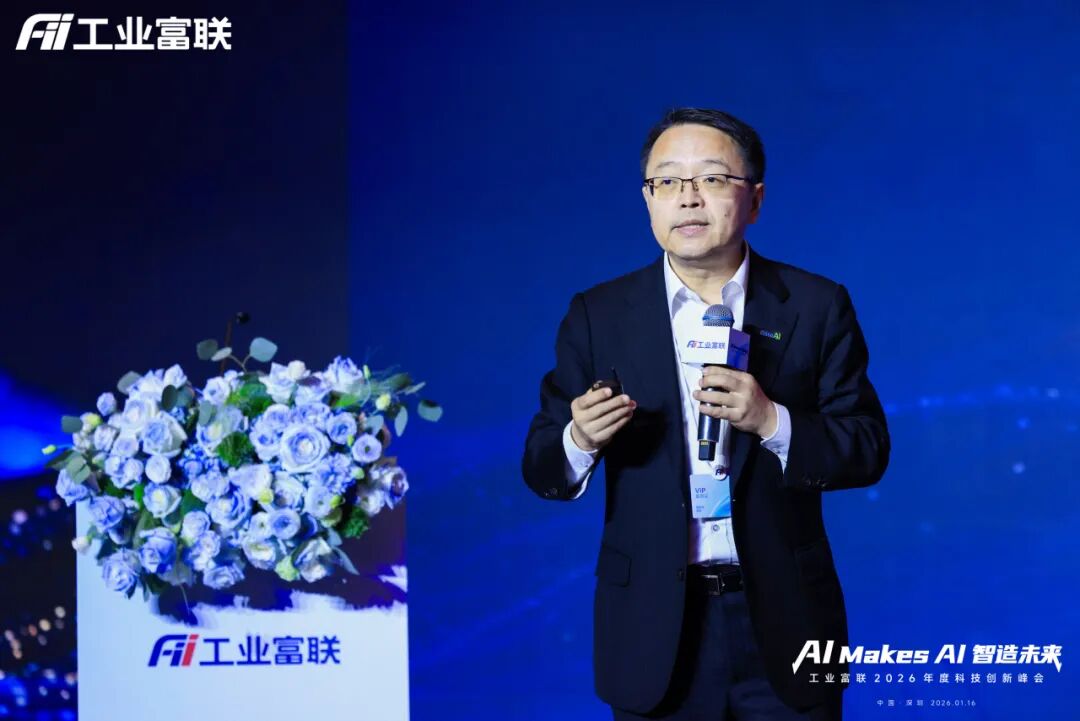
AI Makes AI!工业富联2026年度科技创新峰会圆满举行
Xin Lang Cai Jing· 2026-01-22 10:09
Core Insights - The 2026 Industrial Technology Innovation Summit held by Industrial Fulian focused on the deep integration of artificial intelligence (AI) and intelligent manufacturing, discussing opportunities and challenges for industrial upgrades [1][21] - The summit gathered over thirty heavyweight speakers from AI and intelligent manufacturing, with nearly five hundred attendees from industry, academia, and investment sectors [2][21] Group 1: Key Themes and Discussions - Chairman Zheng Hongmeng emphasized that as AI model sizes increase, training power consumption doubles annually, leading to higher energy and heat dissipation challenges, indicating a comprehensive upgrade of the entire industrial chain [2][21] - Zheng noted that future competition in AI and intelligent manufacturing will shift from individual company technology superiority to the ability to integrate systems effectively [2][21] - The CTO of Industrial Fulian, Zhou Taiyu, highlighted the transition of AI infrastructure from a "single-point computing" model to a "system engineering" approach, creating a closed-loop system of computing power, algorithms, and applications [3][22] Group 2: Technological Foundations - Academician Mao Junfa pointed out that integrated circuits are the foundational technology for scientific instruments, while AI is the driving force behind scientific discovery and technological advancement [4][23] - The future of AI is expected to require interdisciplinary integration, including physics, life sciences, and philosophy, as the industry faces challenges related to Moore's Law [4][23] Group 3: Industry Collaboration and Development - A roundtable discussion on global AI infrastructure emphasized that building AI infrastructure requires deep collaboration across the entire industry chain, representing a significant opportunity for value reconstruction [5][24] - Tencent Cloud's VP Wang Qi stated that intelligent agents are crucial for bridging the gap in enterprise AI application implementation, relying on scenario-driven, data collaboration, and ecosystem co-construction [6][25] Group 4: Practical Applications and Innovations - Chen Zhaopeng, CEO of Sensing Robotics, discussed the application of embodied intelligence in industrial scenarios, emphasizing the need for widespread deployment of robots to create a positive feedback loop of application, data, and training [7][26] - The roundtable on AI applications and productivity innovation highlighted that AI's value is extending from the digital world to the physical world, marking a deep transformation in manufacturing [8][26] Group 5: Future Trends and Challenges - The "AI Smart Computing Center" session focused on innovations in large-scale computing cluster architectures and solutions for power and heat dissipation [11][28] - The "AI Smart Factory" session analyzed capital expenditure trends in the AI industry chain and the evolution of humanoid robots from hardware modularization to software autonomy [15][32] - Discussions on the transformation from Industry 4.0 to 5.0 addressed the challenges and opportunities of human-machine collaboration, aiming for a win-win path of efficiency and sustainability [17][34]


92起亿元级融资大盘点!2025中国医疗科技企业融资榜单
思宇MedTech· 2026-01-20 07:58
Core Insights - In 2025, there is a noticeable trend of capital concentration in the Chinese medical device industry, with funds being directed towards fewer and more certain directions [2] - The analysis of 92 billion-level financing events reveals that capital is increasingly focused on high-end diagnostic and imaging equipment, surgical robots, and core components [8][10][12] Financing Overview - The top financing events include companies like United Imaging (10 billion), Fourier (8 billion), and Core Medical (7.2 billion), indicating a strong interest in advanced medical technologies [3] - The financing amounts show a clear gradient structure, with a few head companies receiving large sums while many others receive smaller amounts, reflecting a layered investment strategy [25] Sector Analysis - High-end diagnostic and imaging-related companies dominate the financing landscape, accounting for the highest proportion of investments [8] - Surgical robots and automation projects are also significant, making up nearly 20% of the sample, with a focus on projects that have clear execution roles [10][11] - Cardiovascular and interventional projects are highly concentrated, with fewer projects but larger financing amounts, indicating a preference for high-value investments in this area [12] Industry Positioning - There is an increasing emphasis on upstream core components and foundational capabilities, with these projects representing about 10-15% of the sample [17] - Platform-based capabilities are becoming more prominent, with over 15% of the sample consisting of companies that offer services or solutions rather than single products [19] Investment Logic - The financing choices reflect a systematic selection logic, where projects are evaluated based on their potential to be integrated into existing healthcare systems rather than merely their popularity [24] - The capital is not solely focused on "hot tracks" but is instead making decisions based on the long-term viability and clinical value of the technologies [27][28]

国际商报-中国机器人“军团”霸屏全球科技舞台
Zhong Guo Jing Ji Wang· 2026-01-20 00:01
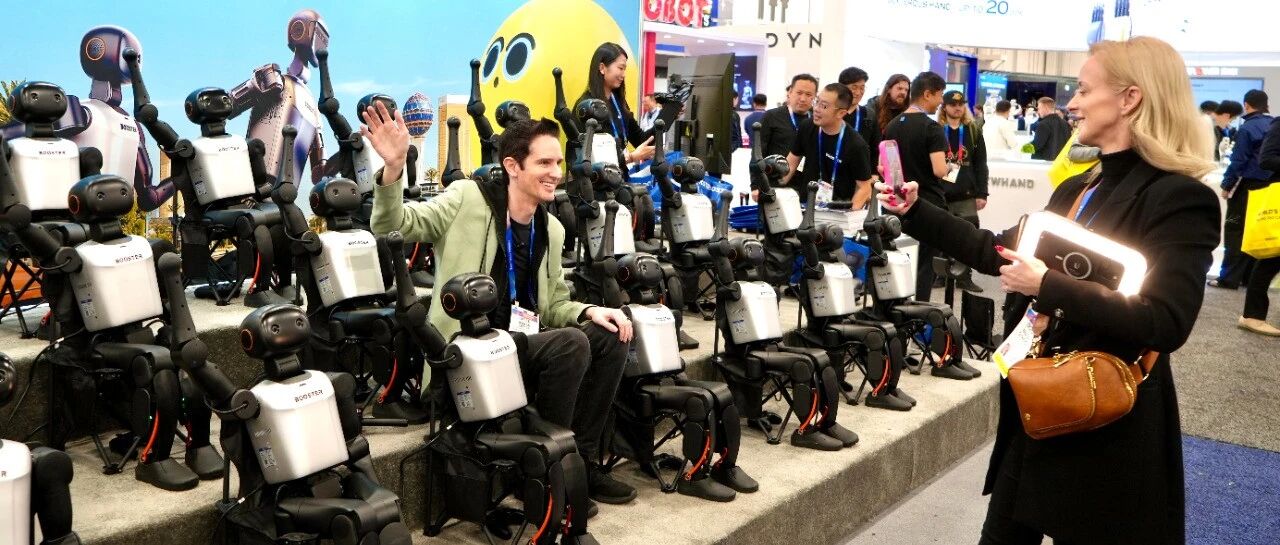
□ 本报记者 董 鑫 转自:国际商报 听力熊Teeni.AI是一家专注于青少年市场的多模态大模型随身智能体创新企业。这家来自北京的企业第 一次亮相CES,将面向青少年的AI随身机器人Mooni Pro带到全球用户面前。Mooni Pro可帮助孩子记录 生活碎片。难忘的外出、喜欢的物件都可以经过Mooni Pro的编码、解码,成为可被小孩子理解的内 容。而这些内容都会沉淀为可供回忆的成长记录,成为家庭亲子沟通中不断更新、不断延续的素材。 会爬楼梯的扫地机器人、搭载机械臂的割草机器人、能自主清洁泳池的智能设备……清洁家电企业 的"野心"早已不止于占领家庭地面,而是瞄准"全场景清洁"——从室内的墙角缝隙、高低楼层,到户外 的草坪打理、泳池维护,彻底解放用户的双手。《全球智能家居清洁机器人设备市场季度跟踪报告》显 示,2025年上半年,在全球扫地机器人市场份额TOP5榜单中,中国品牌占据4席。其中,石头科技以 20.7%的市场份额位列第一,科沃斯、追觅、小米紧随其后,4个品牌合计拿下57%的市场份额。 在刚落幕的2026年国际消费电子展(CES 2026)上,中国机器人军团格外吸睛,宇树科技、智元、傅 利叶、银河通用 ...

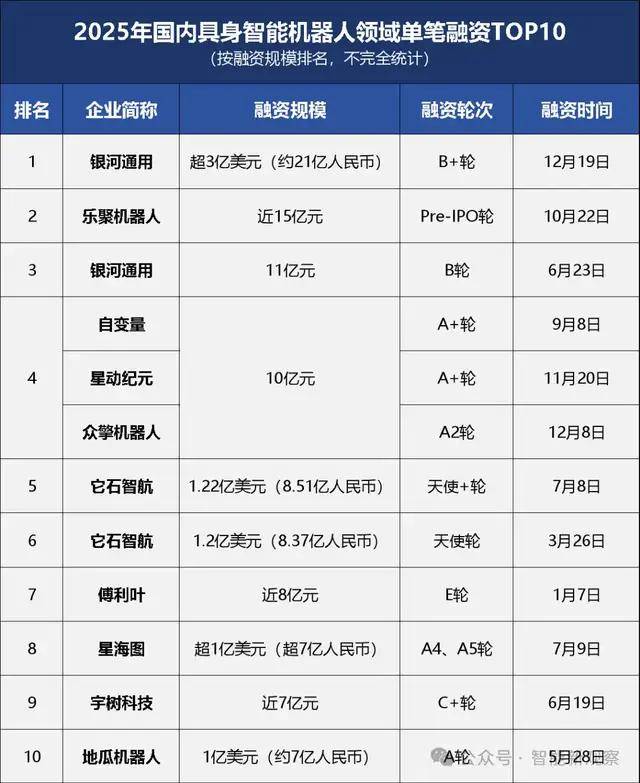
银河通用21亿领跑,十强融资超百亿|2025年度中国具身智能融资TOP10榜单
Sou Hu Cai Jing· 2026-01-15 05:35
Core Insights - The investment landscape for embodied intelligent robots is experiencing unprecedented enthusiasm, with a total financing amount of 57.8 billion yuan (approximately 8.2 billion USD) in the humanoid robot sector by 2025, marking a 221% increase in financing events [1] - The report highlights the top ten financing events in the embodied intelligent robot sector for 2025, showcasing the industry's ambitious growth and evolution [1] Financing Events Summary - **Top Financing Event**: Galaxy General secured over 300 million USD (approximately 2.1 billion yuan) in B+ round financing on December 19, 2025, setting a record for the highest single financing amount in the Chinese robot sector for 2025, with a total of around 800 million USD raised in just two years [3][5] - **Second Financing Event**: Leju Robot completed nearly 1.5 billion yuan in Pre-IPO financing on October 22, 2025, with investments from 15 notable institutions, aimed at accelerating commercialization and IPO processes [6][8] - **Third Financing Event**: Galaxy General also raised 1.1 billion yuan in B round financing on June 23, 2025, marking a significant endorsement from major industry players [9] - **Fourth Financing Event**: Three companies, including Variable, achieved 1 billion yuan in A+ round financing on September 8, 2025, with notable backing from Alibaba Cloud and Meituan [10][12] - **Fifth Financing Event**: Itstone Intelligent Navigation raised 122 million USD (approximately 851 million yuan) in angel+ round financing on July 8, 2025, becoming one of the youngest companies in the top financing list [17][20] - **Sixth Financing Event**: Itstone also completed 120 million USD (approximately 837 million yuan) in angel round financing on March 26, 2025, showcasing strong investor interest [18][21] - **Seventh Financing Event**: Fourier raised nearly 800 million yuan in E round financing on January 7, 2025, supported by a solid track record of product delivery [24][26] - **Eighth Financing Event**: Starry Sea Map completed over 100 million USD (over 700 million yuan) in A4 and A5 round financing on July 9, 2025, focusing on building a robust ecosystem for embodied intelligence [27][29] - **Ninth Financing Event**: Yushu Technology raised nearly 700 million yuan in C+ round financing on June 19, 2025, backed by major tech giants, highlighting its strong market position [30][32] - **Tenth Financing Event**: Digua Robot secured 100 million USD (approximately 700 million yuan) in A round financing on May 28, 2025, emphasizing its role as a key infrastructure provider in the robotics sector [33][35] Industry Trends - The financing landscape indicates a shift towards technology leadership, commercialization capabilities, and strategic positioning within the ecosystem, with significant single financing amounts reflecting confidence in delivery capabilities [36]
珠海具身智能应用创新生态发布会将办
Zhong Guo Jing Ji Wang· 2026-01-14 14:16
1月23日,由广东省珠海市人民政府主办的"珠海具身智能应用创新生态发布会"将在珠海香山会议中心 举行。作为我国具身智能领域的重要行业盛会,本次发布会将面向全球集聚创新资源、释放应用场景、 发布专项政策,构建"智能基座+垂类应用+场景落地"的产业创新生态体系,为全国具身智能产业高质 量发展探索实践路径。 具身智能作为人工智能与机器人技术深度融合的前沿领域,是新一轮科技革命和产业变革的核心引擎之 一。据悉,本次发布会将集中释放三大核心亮点,打造行业发展新动能。一是发布首批20余个垂类应用 场景需求清单,覆盖安防巡检、工业智造、文旅导览等可落地领域,精准对接技术研发与市场需求,打 通科技成果转化"最后一公里";二是推出支持具身智能产业发展专项政策,从研发创新、场景开放、企 业培育等维度提供系统性支持,优化产业发展生态;三是汇聚全球具身智能领域领先企业、顶尖科研机 构及行业专家,搭建高端交流合作平台,共话技术演进趋势,推动产业链上下游精准对接。 依托"云上智城"建设,近年来珠海在人工智能和具身智能领域持续发力,形成了一定的集聚效应和发展 优势。截至2025年底,珠海已集聚智能机器人及相关制造企业超50家,工业机器人产 ...
宇树向左,傅利叶向右:人形机器人的“成年礼”
3 6 Ke· 2026-01-14 01:13
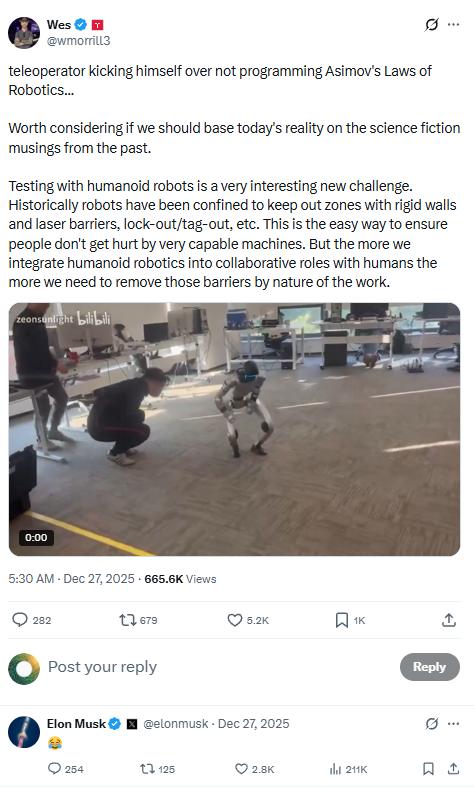
Core Insights - The incident involving the G1 robot's unintended kick highlights a critical oversight in the robotics industry, where the focus has been on performance rather than safe human interaction [1][3] - The industry is transitioning from a phase of showcasing extreme capabilities to a more mature application phase, emphasizing the need for robots to be safe companions rather than just powerful machines [3][15] Group 1: Performance vs. Safety - The robotics industry has been dominated by narratives centered around "dynamic performance," with companies like Yuzhu achieving remarkable breakthroughs in motor performance and joint torque [4][6] - The incident with the G1 robot raises serious questions about what it means for robots to be "strong," as high explosive power without fine feedback control can lead to uncontrollable risks [6][7] - There is a growing recognition that simply enhancing motion capabilities does not equate to practical product viability; future robots must combine strength with a sensory system that can perceive environmental resistance and self-regulate [7][17] Group 2: Alternative Technological Approaches - A visit to Fourier revealed a contrasting technological ethos focused on safety and rehabilitation, stemming from their decade-long experience in the medical field before entering humanoid robotics [8][10] - The differences in design philosophy between performance-driven and application-focused companies highlight the importance of safety standards in human-robot interactions, especially in sensitive environments like healthcare [10][11] - The emphasis on tactile perception and safety in robotics is becoming a common trend across various sectors, indicating a shift towards more responsible and application-oriented development [11][12] Group 3: Aesthetic and Human-Centric Design - The external design of robots plays a crucial role in their acceptance by society, as seen in the G1 incident where the robot's industrial appearance may evoke discomfort among vulnerable populations [12][14] - Fourier's GR-2 exemplifies a new trend in robot design that prioritizes aesthetics and human comfort, moving away from purely functional designs to those that integrate seamlessly into home environments [14] - The industry is beginning to recognize that robots should not only serve as tools but also as companions that can integrate into family settings, emphasizing the importance of aesthetics and approachability [14][18] Group 4: Industry Maturation - Predictions for 2025 as the year of humanoid robot proliferation have proven overly optimistic, with significant challenges remaining in transitioning from prototypes to market-ready products [15][17] - The industry is evolving towards a more balanced approach, where performance and stability are both prioritized, marking a maturation of the robotics sector [17] - The future of humanoid robots will depend on the integration of advanced algorithms, manufacturing processes, design, and supply chains, leading to a more practical and user-friendly evolution [17][18]
从CES看人形机器人叙事变化
2026-01-13 01:10
Summary of Key Points from Conference Call Records Industry Overview - The humanoid robot market is dominated by Chinese companies, with the top six companies expected to account for 87% of global shipments by 2025, indicating a significant lead in the market [1][2]. Core Insights and Arguments - The investment logic in humanoid robots is shifting from simple hardware production to a focus on AGI-related brain technologies and software applications, as hardware mass production becomes less meaningful due to the dominance of Chinese firms [1][3]. - There is a valuation inversion in the humanoid robot sector, exemplified by Figure AI, which holds a mere 1% market share but has a market capitalization of $39 billion, surpassing the combined market value of leading Chinese companies [1][4]. - Rising market risk appetite, influenced by geopolitical changes and ongoing government support for AI, is beneficial for the AI application sector, with humanoid robots being a key area of interest [1][5]. Notable Companies and Developments - Tesla is highlighted as a significant player, potentially integrating its Full Self-Driving (FSD) capabilities into humanoid robots, leveraging its extensive real-world data and algorithmic architecture [1][6][7]. - Hengli Hydraulic is expanding its operations in Mexico to meet the overseas production demands of clients like Tesla, with a notable increase in excavator exports expected [1][8]. - Starship Transmission is preparing for an IPO and plans to establish a production capacity of 1 million humanoid robot components annually, which could enhance its market position [1][9][10]. Market Segmentation and Key Players - The humanoid robot market is concentrated in vertical applications such as sewing, packaging, logistics, and automotive production, with companies like Jack Sewing, Yongchun Intelligent, Anhui Heli, Hangcha Group, and UBTECH being noteworthy [1][12]. - Future vertical models in humanoid robotics may emerge in agriculture, mining, and road transport, particularly from leading companies capable of accumulating data collaboratively [1][13]. Additional Important Insights - The integration of Tesla's FSD technology is expected to play a crucial role in the development of humanoid robots, with supply chain companies needing strong cost control and resilience to enhance their competitive edge [1][11].


能干活、接地气,中国机器人领跑全球
Xin Lang Cai Jing· 2026-01-11 17:16
Core Insights - The CES 2026 showcased a significant "Chinese moment" in the robotics sector, highlighting the transition of humanoid robots from experimental stages to market-ready products, emphasizing their practicality and readiness for household integration [2][5] Industry Overview - Among the 598 exhibitors in the robotics sector, 149 were Chinese companies, accounting for nearly a quarter of the total. In the humanoid robot segment, 21 out of 38 exhibitors were from China, representing over half [3] - The event featured a diverse range of products from industrial to consumer-grade robots, with notable participation from both established companies and new entrants [3][4] Product Innovations - Zhiyuan Robotics, leading in humanoid robot shipments, showcased a full range of products, including the portable Q1 robot, which redefines humanoid robot design [3][4] - The introduction of the fully autonomous humanoid nanny robot by "Chinese Figure" Wan'an targets the vast household service market, capable of performing laundry tasks autonomously [5] - The Jupiter robot, equipped with a specialized training environment, can navigate complex home settings, while the W1 robot integrates emotional interaction capabilities [6] Market Trends - The trend towards consumer-grade humanoid robots is accelerating, with significant price reductions making them more accessible. The price of humanoid robots is expected to drop by over 25% compared to 2024 due to increased domestic production of key components [6][7] - Companies like Yushutech and Songyan Power are breaking the traditional high-price barrier, with products priced below 30,000 yuan and even under 10,000 yuan [6][7] Sales and Delivery Projections - The humanoid robot shipment volume in China is projected to reach 18,000 units in 2025, a more than 650% increase from 2024, with expectations of further growth to 62,500 units in 2026 [7][8] - Leading companies are already achieving significant delivery volumes, with estimates of over 5,100 units for Zhiyuan Robotics in 2025 and plans to increase to tens of thousands in 2026 [8] Global Competitive Landscape - The competition in the global humanoid robot market is shifting towards engineering, commercialization, and ecosystem development, with Chinese companies gaining more influence in this trillion-dollar sector [8]
在拉斯维加斯,我看到概念已死
虎嗅APP· 2026-01-10 09:16
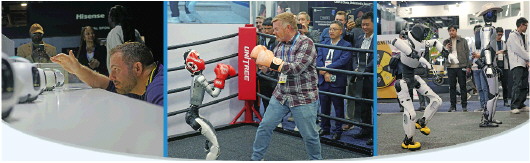
Core Viewpoint - The article discusses the shift in the AI hardware industry from a focus on disruptive innovation to a more pragmatic approach, emphasizing the importance of "scene value" in product development [4][7]. Group 1: AI Hardware Trends - At CES 2026, the atmosphere was notably different from previous years, with less emphasis on grand concepts and more on practical upgrades [5][6]. - The AI hardware industry is moving towards a focus on specific use cases and functionality, rather than broad, ambitious claims [7][15]. Group 2: Wearable Devices - The wearable device sector saw an increase in cross-industry players, particularly in the AI glasses market, with products designed for specific functionalities rather than flashy features [9][12]. - Notable products include the MemoMind AI glasses, which offer user-friendly design and practical applications, and the OpenGuide AI glasses aimed at assisting visually impaired users [11][12][15]. Group 3: Companion Robots - The companion robot market has expanded rapidly, with over 50 companies showcasing products at CES, but many face challenges related to product consistency [20][21]. - There is a trend towards customization in companion robots, allowing for personalized features and interactions, as seen in prototypes like the Fourier desktop companion robot [24][28]. Group 4: Cleaning Robots - The cleaning robot sector is experiencing significant technological advancements, with products like the Cyber X and G-Rover capable of navigating stairs and complex environments [36][38]. - Future developments may include robots with mechanical arms for more precise cleaning tasks, as demonstrated by the AI cleaning robot that can handle laundry processes [43][45].
CES 2026:智元机器人、星动纪元、宇树科技、云深处、傅利叶、北京人形、魔法原子、加速进化、众擎机器人、银河通用都有哪些亮点产品?
机器人大讲堂· 2026-01-10 09:05
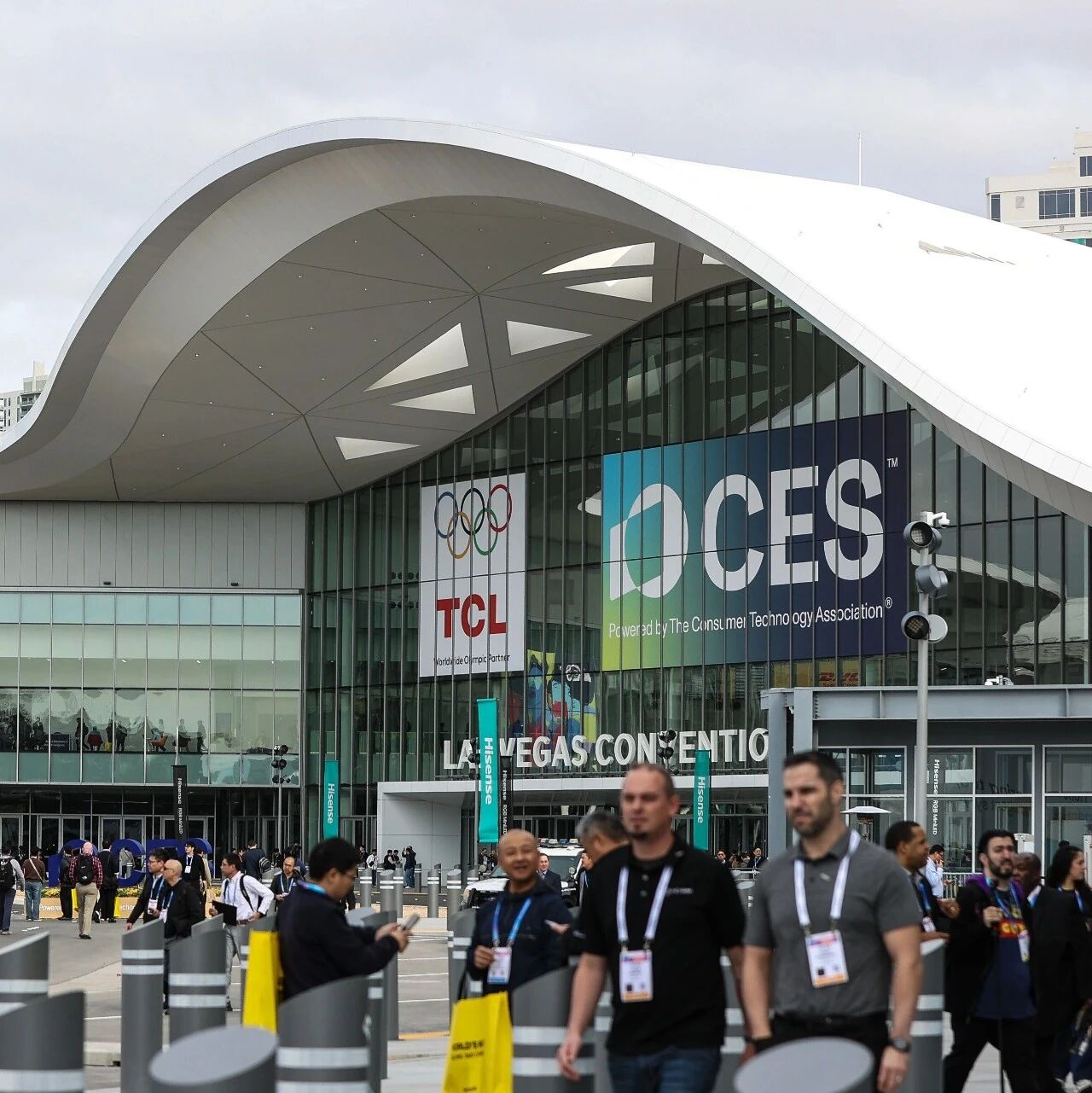
Core Insights - The article highlights the dominance of Chinese humanoid robot companies at CES 2026, with 20 companies participating, accounting for 58.8% of the total exhibitors, significantly outpacing the 5 companies from the US and South Korea, each representing 14.7% [2][3]. Group 1: Chinese Humanoid Robot Companies - Chinese humanoid robot companies showcased a wide range of products, including those from YuTree Technology, ZhiYuan Robotics, and others, demonstrating a collective strength in the industry [3]. - ZhiYuan Robotics presented its full series of humanoid robots, including the Expedition A2, which features multilingual interaction capabilities [4]. - The Lingxi X2 robot received positive feedback for its cultural integration through dance and Tai Chi demonstrations [6]. - The G2 robot showcased its adaptability in service scenarios by simulating a hotel waiter [7]. - ZhiYuan also launched the Genie Sim 3.0, an open-source simulation platform aimed at supporting industry technology development [9]. Group 2: Notable Exhibitors and Innovations - Xingdong Era displayed its core products, including the Xingdong L7 and Q5 humanoid robots, which have been implemented in logistics and manufacturing [10]. - The company reported collaborations with 9 of the top 10 global tech firms and secured a significant order worth nearly 50 million yuan in the logistics sector [12]. - Fourier's GR-3 humanoid robot attracted attention for its friendly design and multi-modal interaction system [13]. - YuTree Technology highlighted its humanoid robots H2, R1, and G1, along with quadruped robots, showcasing technological breakthroughs [17]. - The A2 quadruped robot is designed for industrial applications, capable of carrying a load of 25 kg [19]. Group 3: International Competitors - Boston Dynamics announced the mass production of its Atlas humanoid robot, which features advanced capabilities and has secured initial orders from major stakeholders [76][78]. - NEURA Robotics introduced its third-generation humanoid robot, designed in collaboration with Porsche, combining industrial performance with consumer-friendly aesthetics [79][82]. Group 4: Industry Trends and Future Outlook - The CES 2026 event signals a critical period for the commercialization of humanoid robots, with a shift in focus from concept demonstrations to order fulfillment and practical applications [83]. - Key areas of competition will include product reliability, scene adaptability, and scalable profitability, with industrial manufacturing, logistics, and companion services emerging as significant market segments [83].