
Dior

Search documents
奢侈品七夕营销新挑战:同质化与业绩调性的双重考验
Sou Hu Cai Jing· 2025-08-30 04:52
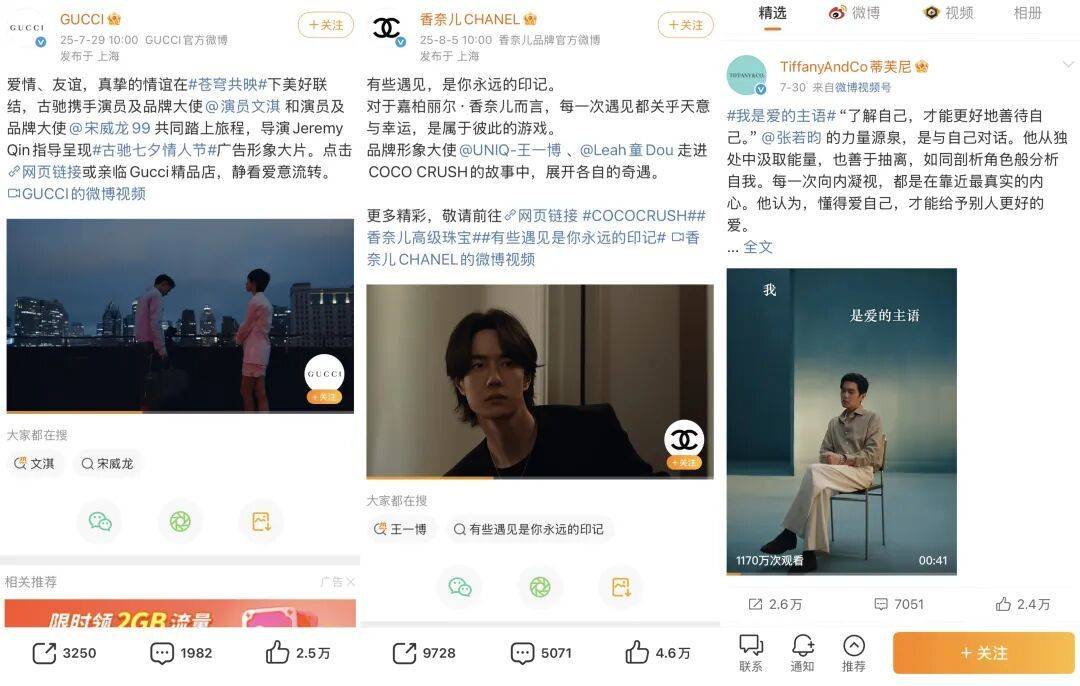
Core Insights - Luxury brands face challenges in effectively marketing during the Qixi Festival, struggling to resonate with Chinese culture while maintaining a high-end image [1][3] - The industry is experiencing a high degree of homogenization in marketing strategies, with many brands relying on traditional methods that lack creativity [1][3] - Brands are under pressure to balance maintaining their luxury status with achieving short-term sales performance, leading to aggressive marketing tactics that may dilute brand value [3][4] Marketing Strategies - Major brands like LOEWE, Gucci, and Dior are experimenting with new marketing approaches, such as leveraging short dramas and engaging male celebrities to attract attention [1][4] - Despite significant investment in marketing, many luxury brands continue to follow a conventional model of "posters + celebrity videos + limited products," which has resulted in a lack of innovative storytelling [1][3] - Some brands are shifting towards user-generated content and interactive experiences, moving from one-way brand communication to more collaborative approaches with consumers [4][6] Consumer Engagement - The effectiveness of static posters and celebrity videos is declining, with low engagement rates unless supported by algorithms or active fan participation [3] - Brands are attempting to create emotional connections by exploring universal themes rather than relying solely on overt cultural elements [4][6] - Initiatives like Gucci's campaign encouraging users to share moments with loved ones and Prada's photo collection activity reflect a trend towards more inclusive and participatory marketing [6] Product Innovation - To extend the lifecycle of limited edition products, brands are innovating by removing explicit romantic themes and creating collectible IP products, such as Loro Piana's panda doll series [6] - The luxury sector is navigating a complex landscape where the pursuit of brand prestige must align with the evolving preferences of rational consumers [4][6]

都在说品牌要有“活人感”,具体怎么做?
3 6 Ke· 2025-08-28 12:16
Core Insights - The article emphasizes the importance of brands developing a "human touch" in the age of AI-generated content, where consumers crave emotional connections rather than perfect marketing [1][12][25] Group 1: Definition of "Human Touch" Brands - "Human touch" brands engage with consumers as real individuals, showcasing emotions, attitudes, and even imperfections, which enhances trust and relatability [3][4] - Consumers are increasingly driven by emotions and prefer brands that allow for interaction and empathy, moving away from overly polished and formal brand images [2][12] Group 2: Characteristics of "Human Touch" Brands - Authenticity: Brands should be willing to show their flaws and present themselves without filters, making them more relatable [5][9] - Emotional Expression: Brands that express their emotions and attitudes can resonate more with consumers, creating a sense of connection [7][12] - Imperfection: Displaying imperfections can make brands feel more genuine and approachable, as seen in campaigns that highlight real-life scenarios [9][10] - Individuality: In a world of AI-generated content, brands that showcase unique personalities and characteristics stand out and are more memorable [10][12] Group 3: Consumer Demand for "Human Touch" Brands - The trend towards "human touch" brands reflects a consumer desire for authenticity and emotional engagement, especially among younger generations who are skeptical of overly curated content [12][13] - A significant percentage of consumers (83.9%) believe that products should not only meet needs but also provide emotional surprises, indicating a willingness to pay a premium for brands that offer emotional healing [12][16] Group 4: Strategies for Building "Human Touch" Brands - Establishing a clear and authentic brand value system is essential for creating a relatable brand identity [17][18] - Consistency in brand personality and emotional tone helps build trust and predictability in consumer interactions [17][18] - Creating emotionally resonant experiences through details and interactions can enhance the perception of warmth and care from the brand [21][23] - Involving consumers in brand creation fosters a sense of community and shared identity, making the brand feel more alive and engaging [23][25]

Perfect Corp (PERF) FY Conference Transcript
2025-08-26 19:22
Summary of Perfect Corp (PERF) FY Conference Call - August 26, 2025 Company Overview - Perfect Corp is a Taiwan-based company with approximately 400 employees, primarily focused on R&D in the beauty and fashion app space [2][3] - The company was founded a decade ago and initially operated as an app maker before transitioning to B2B software solutions for beauty brands [4][5] Revenue Breakdown - Revenue sources: Approximately 50% from the US, 30% from the EU, and 20% from Japan [4][5] - Initial revenue breakdown at listing (2022): 75% B2B and 25% B2C; as of 2023, it has shifted to roughly 50% B2B and 50% B2C, with projections for 2024 indicating 60% B2C and 40% B2B [7][8] - B2C apps operate on a freemium model, with subscription prices increasing from $5-$7 to $79 per year [8][9] Product Offerings - B2C apps include "You Can Makeup" and "You Can Perfect," focusing on photo editing and virtual try-ons [6][9] - B2B services include virtual try-ons for makeup and skin analysis, with clients such as Estee Lauder, LVMH, and Chanel [7][19] - The company has over 800 brand clients and 914,000 SKUs running on its software, showing a growth of over 20% in brand clients since 2021 [19][20] Financial Performance - 2024 growth rate: 12.5%; guidance for 2025 is 13% to 14.5% [25][26] - Gross margin decreased from 79% to 75% year-over-year due to lower margins in B2C compared to B2B [26][27] - Positive operating cash flow with $167 million in cash and cash equivalents [28] Strategic Initiatives - Recent acquisition of Wana for $6 million to enhance offerings in AIAR technology for luxury brands [24] - Focus on reinvesting in R&D for premium Gen AI features and expanding B2B client base [29][30] Market Challenges - The company faces macroeconomic pressures affecting clients like Estee Lauder and LVMH, leading to tighter budgets [42] - Currency exchange issues due to the appreciation of the Taiwanese dollar impacting operational costs [28][29] Competitive Landscape - The company maintains a 90% retention rate in B2B, indicating strong client loyalty [47] - Differentiation from competitors lies in continuous R&D investment and user-friendly app design [44][45] Technology and Innovation - The company is exploring advancements in 3D virtual try-ons for clothing, although current technology is not yet ready for full implementation [37][38] - Color calibration challenges exist across different devices, particularly on Android, requiring significant investment in accuracy [50][51] Conclusion - Perfect Corp is positioned for growth with a strong focus on B2C expansion and innovative technology solutions, despite facing market challenges and competitive pressures [30][42]

2025年第33周:服装行业周度市场观察
艾瑞咨询· 2025-08-25 00:06
Group 1: Industry Environment - The fragrance business is becoming an important area for fashion brands to expand their lifestyle offerings, with the global fragrance market expected to grow from $53 billion in 2025 to $77.53 billion by 2032, driven by high-end segments [3][4] - Luxury brands are investing in upgrading their stores in China despite a slowdown in the luxury market, with new store openings down 38% year-on-year in the first half of 2025 [5] - Sports and outdoor brands are increasingly capturing market share from luxury brands by appealing to high-end consumers through design innovation and upgraded retail experiences [6] Group 2: Market Trends - The outdoor running shoe market is rapidly growing in China, with brands like HOKA and Salomon leading the charge, driven by a surge in events and consumer interest [7] - Chinese domestic sports brands are facing challenges with growth slowing to 5.9%, as they struggle with brand power and market concentration [8] - The shift in brand slogans among sports brands reflects a change in consumer focus towards personal experience and inclusivity, particularly among Gen Z [9] Group 3: Luxury Market Challenges - The luxury goods sector is facing significant challenges, with the global market potentially experiencing zero growth for two consecutive years, largely due to a decline in spending from Gen Z consumers [10] - The beauty segment within luxury brands is one of the few bright spots, but it is not substantial enough to offset declines in core luxury business [10] Group 4: Fashion Industry Dynamics - The Chinese lingerie market is undergoing a transformation, with traditional brands struggling while new brands focusing on comfort and innovation are gaining traction [11] - The fashion industry is seeing a return to conservative and retro styles, with niche brands gaining attention for their craftsmanship and authenticity [12] Group 5: Brand Performance and Strategies - The "Luxury Brand China Vitality List 2025H1" was released, covering 86 luxury brands and their commercial dynamics in China, providing valuable insights for industry leaders [13] - The retail market for clothing and textiles in China reached 742.6 billion yuan in the first half of the year, with natural materials like linen becoming increasingly popular [15] - The sunscreen clothing market is projected to exceed 80 billion yuan in 2024, driven by rising consumer awareness and demand for outdoor activities [16] Group 6: Corporate Developments - Lao Pu Huang Jin expects to report revenue of 12 to 12.5 billion yuan for the first half of 2025, a year-on-year increase of 241%-255%, driven by product optimization and channel expansion [26] - The fashion brand La Chapelle has successfully transformed from bankruptcy to becoming a top seller on Douyin through a brand authorization model [21] - Bosideng is focusing on ESG practices and aims for net-zero emissions by 2038, showcasing its commitment to sustainable development [22]

年轻人的鞋柜,到底被谁拿捏了?
Hu Xiu· 2025-08-23 06:23
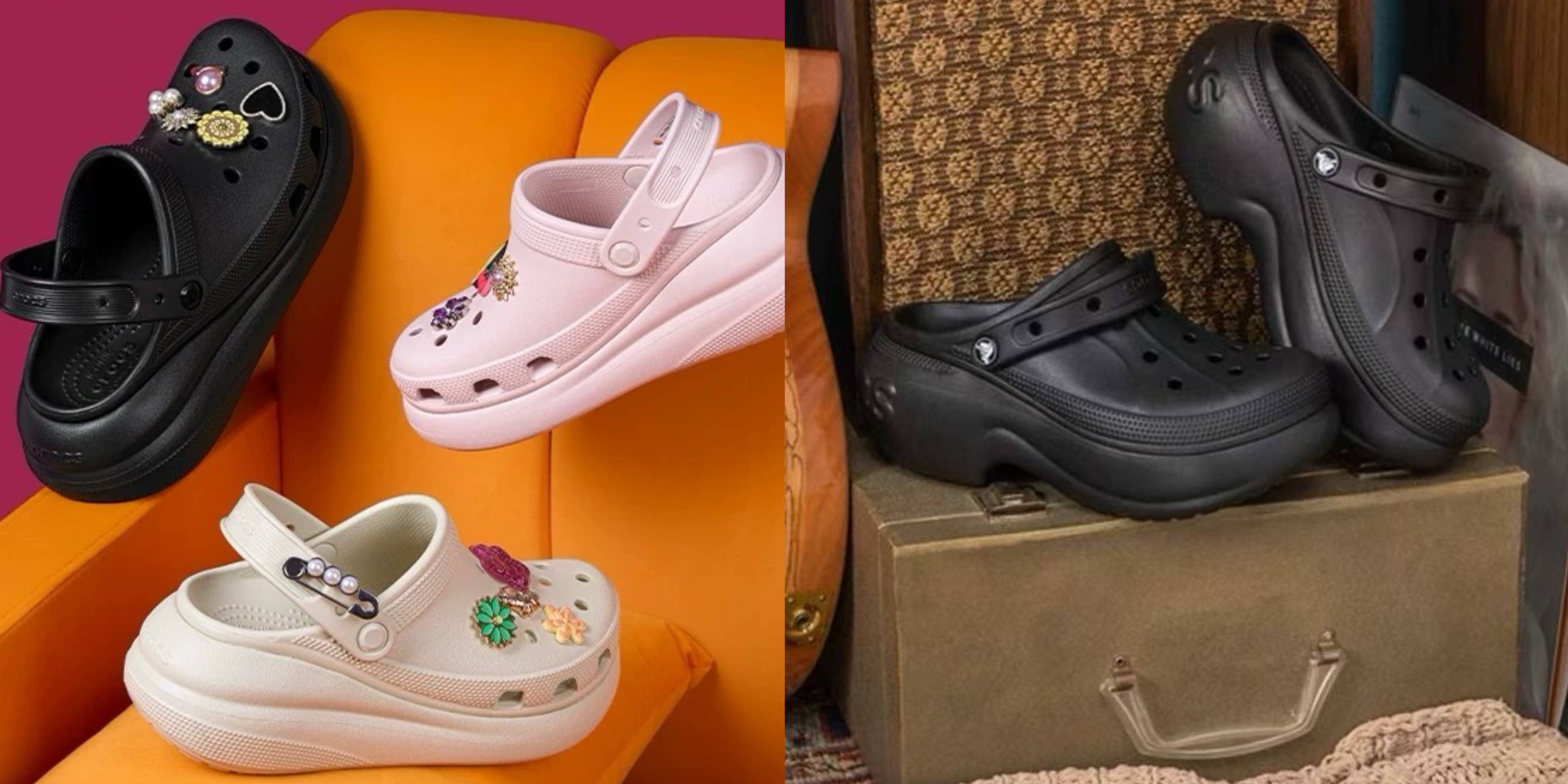
Core Insights - The article discusses the rapid evolution of young people's shoe preferences, highlighting the decline of Crocs and the rise of Birkenstock and other shoe types like ballet shoes and creek shoes [1][2][3] Group 1: Market Trends - Crocs, once a trendsetter with a revenue of $20 billion in 2023, has seen a significant decline in growth, with revenue growth rates dropping from 14.6% in Q1 2024 to just 2.4% in Q1 2025, leading to a 0.14% decline in parent company revenue [2][7] - Birkenstock has experienced substantial growth, with revenue increasing from under €300 million to €1.805 billion by the end of the 2024 fiscal year, driven by a 42% growth in the Asia-Pacific market [9][10] - The creek shoe market is gaining traction due to the popularity of outdoor activities, with brands like KEEN leading in the high-end segment, while mid-range and budget brands are also entering the market [15][18] Group 2: Consumer Behavior - Young consumers are increasingly drawn to shoes that allow for personal expression and comfort, moving away from "ugly fashion" trends like Crocs to more stylish options that still offer functionality [3][27] - The success of Birkenstock is attributed to its appeal to middle-class consumers, emphasizing quality and health benefits, while also leveraging cultural associations to enhance brand value [9][10] - The creek shoe trend reflects a shift towards outdoor and casual styles, with brands adapting to consumer preferences for both functionality and fashion [20][24] Group 3: Competitive Landscape - The market is seeing an influx of alternatives to Crocs and Birkenstock, with many brands offering lower-priced imitations that challenge the premium positioning of these brands [13][14] - The article suggests that while Birkenstock may currently be popular, its design limitations and the emergence of cheaper alternatives could hinder its long-term dominance in the market [13][14] - The creek shoe segment is characterized by a mix of high-end and budget options, with brands needing to balance functionality and style to maintain consumer interest [20][24]

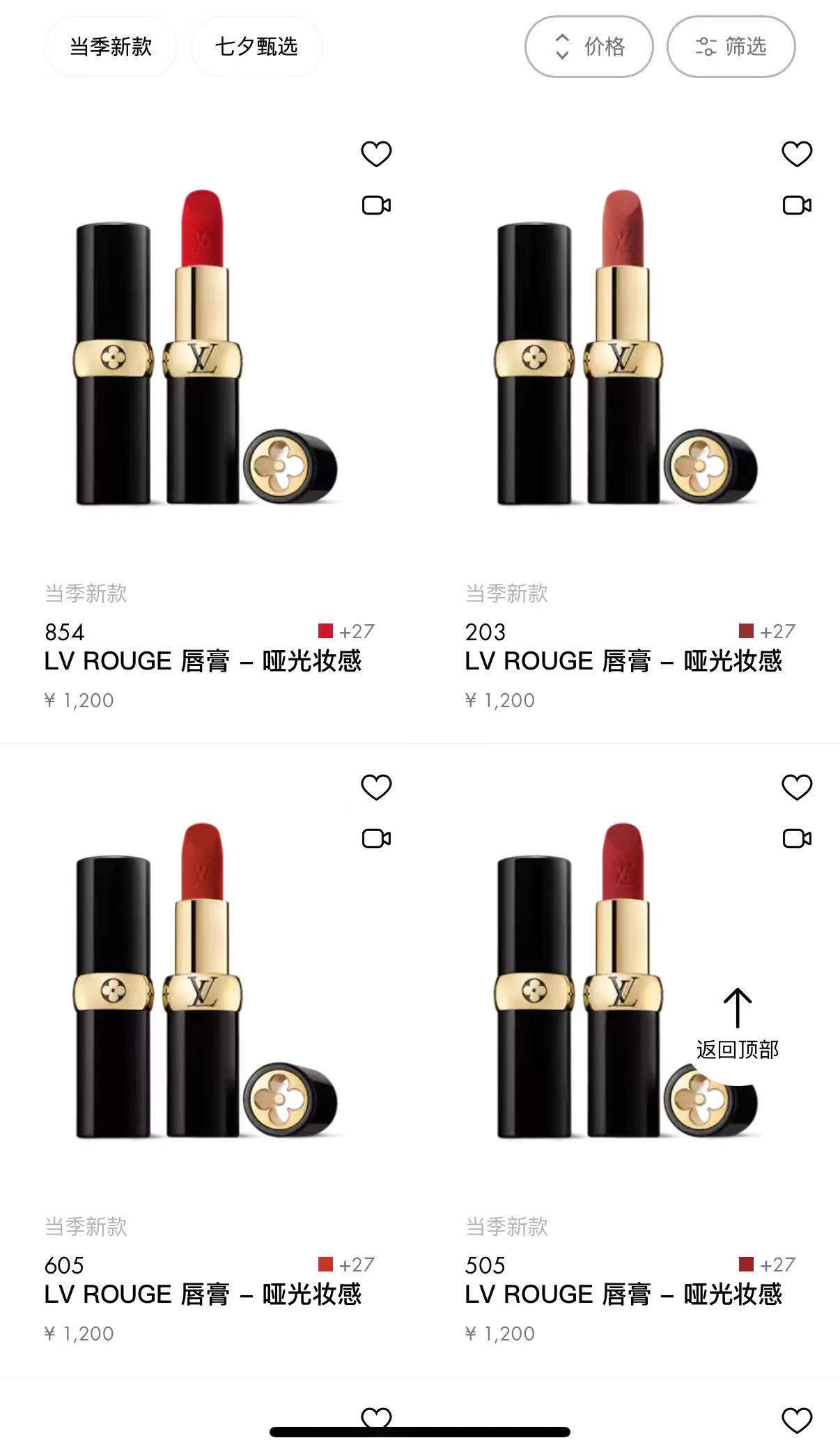
比爱马仕还贵!1200元一支口红,LV打破“天花板”
Di Yi Cai Jing· 2025-08-20 12:19
Group 1: Core Insights - LV has launched a new lipstick line priced at 1200 yuan, significantly higher than competitors like Hermès and Chanel [7] - The opening of LV's first beauty boutique in Nanjing highlights the brand's focus on the Chinese market, with global online pre-sales starting on August 25 [1][7] - LVMH's beauty division is one of the few sectors showing growth, with the perfume and cosmetics department and Sephora being the only two segments with positive growth in 2024 [10] Group 2: Market Context - Nanjing Deji Plaza is becoming a new high-end retail leader, with projected sales of 24.5 billion yuan in 2024, surpassing Beijing SKP's 22 billion yuan [9] - The global luxury cosmetics and perfume market is valued at approximately $63.3 billion in 2023, expected to grow to $83 billion by 2029 [10] - Dior's beauty segment generated around 2.1 billion euros in 2021, indicating a strong market presence for luxury beauty products [10]
Lynch Carpenter Investigates Salesforce Data Breach Affecting Millions of Individuals
GlobeNewswire News Room· 2025-08-11 20:33
Core Insights - A cybersecurity incident affecting Salesforce has compromised the personal information of potentially millions of individuals, impacting several major companies including Air France, KLM, Adidas, Qantas, Allianz Life, Louis Vuitton, Dior, Tiffany & Co., Chanel, and Google [1] Group 1 - The data breach involves the exposure of personally identifiable information (PII) [1] - Lynch Carpenter, LLP is investigating claims against Salesforce and the impacted companies related to this data breach [2] - Individuals who received a data breach notification from the affected companies may be entitled to compensation [2] Group 2 - Lynch Carpenter is a national class action law firm with a focus on data privacy matters and has represented millions of clients over more than a decade [3] - The firm has earned national acclaim for complex litigation for plaintiffs across the country [3]


国泰海通|纺服:奢侈品行业2025年中报总结
国泰海通证券研究· 2025-08-07 14:15
Macro Environment - In Q2 2025, global macroeconomic pressures increased, with the IMF lowering global economic growth forecasts in April. Luxury consumption in North America saw a narrowing decline in April-May, followed by an expanded decline in June [1] - Swiss watch exports to the US accelerated in Q2 2025, while exports to China decreased, and Japan and Europe experienced a decline [1] - The strengthening Euro impacted luxury companies' revenue, while the depreciation of the Renminbi against the Euro and Yen may affect overseas consumption [1] Mid-Year Performance - In Q2 2025, luxury companies' revenues generally fell short of expectations, with profit realization showing divergence [1] - Most companies experienced a slowdown or negative growth in revenue, with a majority seeing a decline in net profit margins [1] - By region, the Americas showed acceleration, while tourism consumption in Europe and Japan was affected by high base effects, and Greater China remained under pressure, although some brands showed signs of recovery [1] - By brand, Miu Miu led with a 40% increase, while Canada Goose saw significant acceleration [1] Growth Drivers Assessment - The impact of European tourism is expected to continue into Q3's peak season, while North America faces high base effects in Q4, leading to ongoing uncertainty for the year [1] - Price increases have been implemented by Hermès, Kering, and Prada in H1 2025, with single-digit growth rates. Some brands plan to expand price ranges by increasing accessory products (LVMH) and lowering entry-level product prices (Prada) [1] - Companies continue to invest in expenses, with a high direct sales ratio, indicating that positive operating leverage remains a key driver for margin improvement [1] Industry Trend Outlook - Brands such as Gucci, BV, Dior, and Miu Miu plan to launch significant new products for the autumn-winter season [1] - It is anticipated that luxury consumer segments may further differentiate, with high-net-worth customers showing strong brand loyalty, while aspirational customers may shift their preferences from brand-driven to product and cultural value-driven [1] - In Q2 2025, Miu Miu topped the Lyst rankings again, with the top five brands remaining consistent with Q1, although there were changes in rankings, and Burberry and Birkenstock entered the top 20 [1] Stock Prices and Valuation - Year-to-date in 2025, most luxury companies have underperformed compared to the major stock indices, with Burberry and Tapestry significantly outperforming (by 20 percentage points and 59 percentage points, respectively) [2] - The consensus forecast for luxury companies in 2025 indicates an expected revenue growth rate of approximately 1.8% and a net profit growth rate of -2.3%, suggesting that operational leverage impacts will persist in the short term [2]

X @Bloomberg
Bloomberg· 2025-08-06 16:10
Dior’s lavishly renovated New York flagship is home to a multilevel space devoted to high-tech treatments. https://t.co/xNFf0tXZDQ ...
X @Bloomberg
Bloomberg· 2025-08-06 03:28
Political Scandal - South Korea's former first lady is under investigation for alleged stock manipulation and bribery [1] - The investigation stems from a Dior bag scandal that has impacted South Korean politics [1]