奥林巴斯

Search documents
海泰新光总经理郑耀: 解码“光”力量 “微创新”塑造新格局
Zhong Guo Zheng Quan Bao· 2025-07-31 21:37
Core Insights - The article highlights the innovative advancements made by Haitai New Light in the endoscope industry, including the introduction of the first LED light source, the first fluorescence endoscope, and the first optical de-fogging system, positioning the company as a leader in the global endoscope market [1][2][4] Company Background - Haitai New Light transitioned from a micro-projection display business to the medical endoscope sector in 2008, leveraging its deep understanding of optical technology [2][3] - The company initially faced challenges with its micro-projection technology but successfully pivoted to endoscopes by developing a LED light source that outperformed existing solutions [2][4] Technological Innovations - The introduction of LED technology in endoscopes marked a significant shift, improving brightness by over 20% compared to traditional xenon lamps [2] - Haitai New Light developed the world's first fluorescence endoscope with a focus on achieving focal functionality for 10mm and 5mm laparoscopes, which gained popularity in North America [4] - In 2023, the company launched the first optical de-fogging endoscope system, utilizing specific light to achieve thermal balance and eliminate fog, a problem that had plagued traditional systems [5] Market Position and Strategy - Haitai New Light aims to establish its own brand in the domestic market, moving beyond being an ODM for international companies, and has initiated a comprehensive marketing strategy to support this goal [6][7] - The company has built a competitive edge by being the only domestic manufacturer with capabilities in light source, lens, and imaging system design and production [6] Industry Trends - The Chinese endoscope market is projected to grow from approximately 24.8 billion yuan in 2021 to 60 billion yuan by 2030, with a compound annual growth rate of 8.1% from 2025 to 2030 [7] - The endoscope sector is recognized as a rapidly growing segment within the global medical device market, with applications across various medical fields [7][8] Future Outlook - Haitai New Light has outlined a strategic plan termed "one vertical and two horizontals," focusing on deepening its core product offerings while expanding into related technologies such as AI and robotics [8] - The company anticipates significant growth in its self-branded products over the next few years, driven by an expanded marketing team and sales channels [7][8]

解码“光”力量 “微创新”塑造新格局
Zhong Guo Zheng Quan Bao· 2025-07-31 21:02
Core Viewpoint - The article highlights the innovative advancements made by Haitai New Light in the endoscope industry, emphasizing its unique technologies and strategic vision to become a leader in the medical optical field [1][6]. Company Overview - Haitai New Light transitioned from micro-projection display to the medical endoscope sector, achieving significant innovations such as the first LED light source, the first fluorescence endoscope, and the first optical de-fogging system [1][3]. - The company focuses on "micro-innovation" to meet clinical needs and enhance product quality, ensuring that its developments align closely with market demands [5][6]. Technological Innovations - The introduction of LED light sources has revolutionized endoscope technology, improving brightness by over 20% compared to traditional xenon lamps [1][2]. - Haitai New Light developed the world's first fluorescence endoscope with a focal length capability, which gained popularity in North America [3]. - In 2023, the company launched the first optical de-fogging endoscope system, utilizing specific light to achieve thermal balance and eliminate fog [3][4]. Market Position and Strategy - The company aims to establish its own brand in the domestic market, moving beyond being an ODM for international brands, and has initiated a comprehensive marketing strategy to support this goal [5][6]. - Haitai New Light's market share has increased as domestic brands rise, with international giants' market share dropping from 70-80% to around 50% [6][7]. - The company plans to expand its product line and integrate AI and robotic technologies to provide comprehensive solutions for minimally invasive surgery [4][7]. Industry Growth Potential - The Chinese endoscope market is projected to grow from approximately 24.8 billion yuan in 2021 to 60 billion yuan by 2030, with a compound annual growth rate of 8.1% from 2025 to 2030 [6][7]. - The endoscope sector is recognized as a rapidly growing segment within the global medical device market, with applications across various medical fields [6].
让买进口的都买了进口:中国科学院仪器设备部门8000万批量集采中标结果
仪器信息网· 2025-07-31 03:56
Core Viewpoint - The announcement of the China Academy of Sciences' 2025 instrument procurement project reveals a total of 26 packages of equipment, with 19 sets of instruments awarded, amounting to 80.143 million yuan [1][2]. Summary by Sections Procurement Overview - The project began bidding on July 2, with a total budget of 115 million yuan, covering high-end research equipment such as mass spectrometers, electron microscopes, X-ray diffractometers, nuclear magnetic resonance spectrometers, and cell imaging analysis systems [2]. - As of July 29, 19 sets of instruments have been confirmed for award, totaling 80.143 million yuan [2]. Import and Domestic Instrumentation - All packages that allowed for the procurement of imported products were ultimately awarded to foreign instruments, while Guoyi Quantum secured the only package that permitted the purchase of domestic instruments [2][3]. - This indicates that domestic instruments require some policy protection to secure more orders in government procurement [3]. Detailed Package Information - The procurement includes various packages with specific instruments and their respective brands, models, quantities, and prices. For example: - Package 1: National Instrument Quantum, NCEDM-120, 1 set, 6.05 million yuan [3]. - Package 2: Thermo Scientific, Element XR, 1 set, 4.1929 million yuan [4]. - Package 3: Bruker, D8 QUEST, 1 set, 4.195 million yuan [4]. - The detailed breakdown continues for all 26 packages, highlighting the competitive landscape between domestic and foreign suppliers [4][5].



研判2025!中国胸腔镜行业市场现状、招投标情况及未来趋势分析:多重利好因素推动下,未来胸腹腔镜市场规模将继续增长[图]
Chan Ye Xin Xi Wang· 2025-07-24 01:17
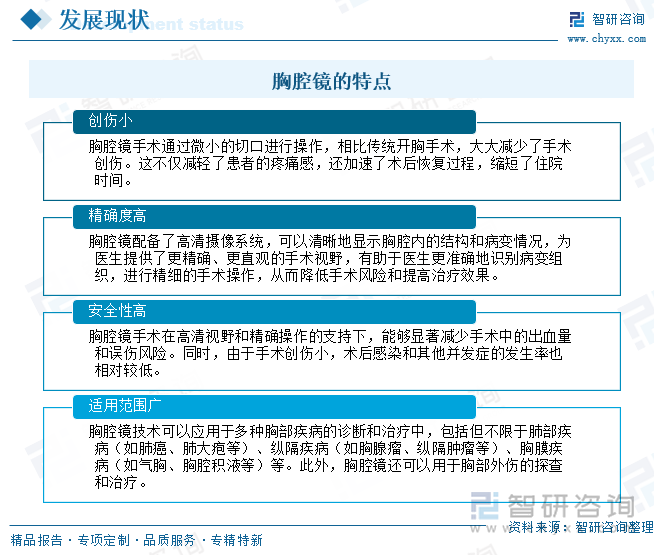
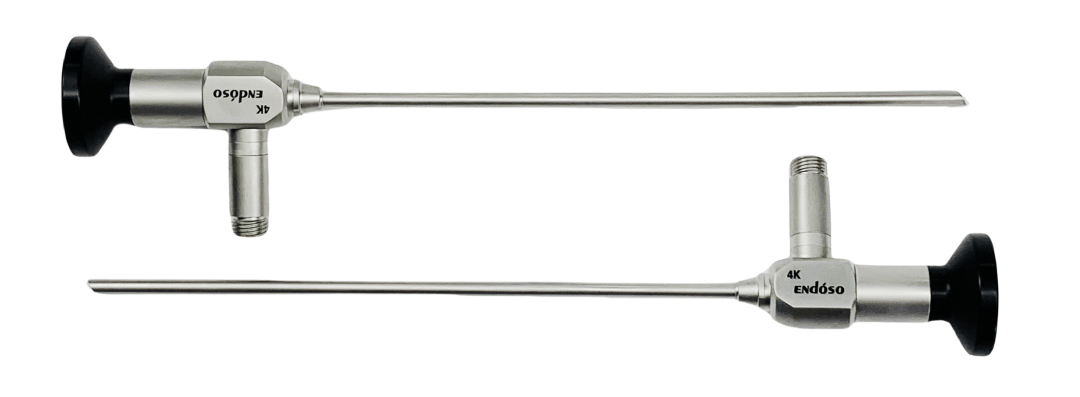
Core Viewpoint - The thoracoscope market is experiencing significant growth due to the rising incidence of respiratory diseases such as lung cancer and COPD, alongside increasing health awareness and advancements in thoracoscopic technology. The global thoracoscope market is projected to reach approximately $2.22 billion in 2024, with a year-on-year growth of 4.2%, and is expected to grow to $3.1 billion by 2031 [1][6][19]. Industry Overview - The thoracoscope is a modern medical device that utilizes high-definition imaging technology for direct observation and operation within the thoracic cavity through small incisions. It is primarily used for diagnosing and treating thoracic diseases, including lung, mediastinal, and pleural diseases [1][2]. - The demand for thoracoscopic procedures is increasing due to the rising prevalence of respiratory diseases and the benefits of minimally invasive surgery, which include reduced surgical trauma and shorter recovery times [6][19]. Market Dynamics - In 2024, the thoracoscope market in China is expected to see 404 public bidding events with a total bid amount of 509 million yuan, involving the sale of 685 units at an average procurement price of 743,100 yuan per unit [10][12]. - The top ten brands in the Chinese thoracoscope market by bidding quantity include Olympus, Mindray, Karl Storz, and others, indicating a competitive landscape with increasing domestic participation [14][17]. Competitive Landscape - Historically, the thoracoscope market in China has been dominated by foreign companies such as Karl Storz and Olympus. However, domestic companies like Mindray and OPMED have been gaining market share due to improved R&D and manufacturing capabilities [14][17]. - The market concentration is high, with the top three companies—Olympus, Mindray, and Karl Storz—holding significant market shares of 21.53%, 21.02%, and 20.68%, respectively [17]. Future Trends - The trend towards minimally invasive surgery is expected to continue, with the thoracoscope market projected to grow as more advanced technologies such as CMOS, 4K, 3D, and AI are integrated into thoracoscopic procedures [19]. - The performance of domestic thoracoscopes is anticipated to improve further, enhancing the level of domestic substitution in the industry [19].



手术台看不见血点,打破日企30年垄断,被欧美称为等待10年的技术
Xin Lang Cai Jing· 2025-07-22 13:23
Core Insights - The article highlights the breakthrough of a Chinese-developed endoscope system utilizing "red light" technology, which addresses critical challenges in identifying bleeding points during surgeries, thus breaking a 30-year monopoly held by Japanese companies [6][8]. Industry Challenges - The endoscope market in China is dominated by Japanese firms, with Olympus and other companies holding 80% of the soft endoscope market share [3]. - The National Cancer Center reported that in 2022, there were 480,000 new stomach cancer cases and 320,000 esophageal cancer cases in China, accounting for 30% to 40% of global patients, emphasizing the need for standardized endoscopic examinations [3]. Technological Advancements - The newly developed DHI red light imaging technology enhances the contrast between deep blood vessels and blood, allowing for quick identification of bleeding points during surgeries [10][12]. - The system incorporates a full-scene imaging solution, including HLI true color white light and TCI color separation, which significantly improves the detection of early cancer cells and bleeding points [14][17]. Competitive Advantages - Lingmou Medical's endoscope system is priced at 60% lower than imported devices, making it more accessible for grassroots hospitals [19]. - The company offers rapid local support and training, with a 48-hour parts delivery guarantee, which is a significant advantage over international competitors [19]. Market Expansion - Lingmou Medical's sales exceeded tens of millions in the first half of 2025, with products being exported to 20 countries, including Malaysia, where it is referred to as the "no-blood surgical device" [20]. - The company plans to launch a 145x optical magnification endoscope in Europe by the end of 2025, showcasing its commitment to innovation and market growth [21]. Training and Implementation - The company has conducted 27 hands-on training sessions in county-level hospitals, enabling local doctors to perform complex procedures independently, thus improving healthcare capabilities in underserved areas [22][23].

开立医疗(300633):超声+软镜国产龙头,创新智造引领医疗“芯”时代
CMS· 2025-07-21 15:15
Investment Rating - The report initiates coverage with a "Strong Buy" rating for the company [4][5]. Core Viewpoints - The company is a leading domestic player in ultrasound and endoscopy, with a comprehensive product matrix and strong technological accumulation, driving rapid growth through R&D breakthroughs and import substitution [1][13]. - The company is well-positioned to benefit from the recovery of terminal procurement, which is expected to release performance elasticity in the short term [1][25]. Summary by Sections 1. Dual-Engine Growth of Ultrasound and Endoscopy - The company has established a strong competitive advantage in the medical device market, with a product line covering ultrasound imaging, endoscopy, minimally invasive surgery, and cardiovascular intervention [13]. - The ultrasound business is expected to generate revenue of 1.183 billion yuan in 2024, while the endoscopy business is projected to reach 795 million yuan, with a five-year CAGR of 22.18% [2][29]. 2. Product Line Highlights - The company is a pioneer in developing core technologies for color Doppler ultrasound equipment, with plans to launch an AI detection technology for obstetric ultrasound in 2025 [2][15]. - The endoscopy market is experiencing rapid growth, with the company enhancing its product offerings and achieving clinical recognition [3][16]. 3. Financial Performance and Forecast - The company’s revenue is projected to reach 2.412 billion yuan in 2025, with a year-on-year growth rate of 20%, and net profit is expected to be 359 million yuan, reflecting a significant increase of 152% [4][9]. - The company has maintained a stable revenue growth trajectory, with a CAGR of 11.58% from 2018 to 2023 [25]. 4. Management and Ownership Structure - The company has a concentrated ownership structure, with the founders holding a combined 44.24% of shares, ensuring stability in management [19][23]. - The management team possesses extensive experience in the medical device industry, contributing to the company's strategic direction [23][24]. 5. Market Position and Competitive Landscape - The company ranks second among domestic manufacturers in the ultrasound market and third in the domestic endoscopy market, with significant growth potential in high-end segments [29][46]. - The report highlights the ongoing shift towards domestic high-end product replacement, indicating a favorable competitive landscape for the company [46].
深度 | 内窥镜医疗器械行业分析报告
Sou Hu Cai Jing· 2025-07-19 13:59
Market Overview - The global endoscope market is experiencing steady growth, with projections indicating a market size exceeding $25.37 billion by 2024 and a compound annual growth rate (CAGR) of 5.3% until 2037, potentially reaching over $49.65 billion [1] - Different research firms provide varying estimates, with Global Market Insights forecasting a market value of $29 billion in 2024, growing to $56.9 billion by 2034, reflecting a CAGR of 6.9% [1] - The market is also expected to reach a sales scale of 283 billion yuan in 2024, with a forecasted growth to 387.64 billion yuan by 2030, indicating a CAGR of 7.4% [1] Market Segmentation - The flexible and rigid endoscope segments show strong growth potential, with the flexible endoscope market projected to grow from $8.98 billion in 2023 to $16.73 billion by 2033, at a CAGR of 6.42% [2] - The rigid endoscope market is expected to grow from $7.4 billion in 2023 to $14.7 billion by 2033, with a CAGR of 7.1% [2] - The single-use endoscope market is anticipated to grow rapidly, with a projected value of $4.57 billion in 2024, increasing to $5.43 billion in 2025, and reaching $21.86 billion by 2033, reflecting a CAGR of 19.01% [2] Key Market Drivers and Challenges - The rise in chronic diseases, particularly gastrointestinal diseases and cancers, is a significant driver for the endoscope market, with the WHO reporting 2.05 million deaths from cardiovascular diseases in 2021 [3] - Technological advancements in endoscope imaging, such as 4K and 8K imaging, narrow-band imaging, and AI integration, enhance diagnostic accuracy and treatment effectiveness [3] - The increasing prevalence of minimally invasive surgery (MIS) is also a key factor, as endoscopes are essential tools in these procedures [3] - Challenges include patient risks associated with endoscopic procedures, a shortage of trained professionals, and high costs of equipment, particularly in developing regions [4] Regional Market Analysis - North America leads the global endoscope market, valued at $19.2 billion in 2022, and is expected to account for about 40% of global revenue by 2037 [5] - The Asia-Pacific region is recognized as the fastest-growing market, driven by a large population, increasing economic strength, and rising healthcare awareness [6] - Europe holds a significant market share of approximately 28%, with strong markets in Germany and France due to advanced healthcare systems [7] Competitive Landscape - The endoscope market is highly concentrated, dominated by major multinational companies such as Olympus, Fujifilm, Karl Storz, and Stryker, which excel in technology development and product innovation [8] - Olympus leads the flexible endoscope market with a global market share of about 60% in 2024, while Karl Storz is a key player in the rigid endoscope segment [10][11] - The market is characterized by intense competition, with companies focusing on technological innovation, product performance, and pricing strategies [14] Technological Advancements - Recent advancements in imaging technology, including 4K and 3D imaging, are crucial for enhancing diagnostic capabilities [15] - The introduction of single-use endoscopes addresses issues of cross-infection and maintenance costs, with a significant increase in market presence since 2020 [17] - Capsule endoscopy technology allows for non-invasive examination of hard-to-reach areas, providing significant diagnostic advantages [20] Clinical Applications - Endoscopes are widely used across various medical fields, including gastroenterology, pulmonology, urology, gynecology, and general surgery, demonstrating their critical role in modern medicine [21] - The technology offers minimally invasive options, reducing recovery times and improving patient outcomes [22] - The penetration rate of endoscopic technology varies globally, with developed countries showing higher usage rates compared to developing regions [24][25] Future Outlook - The global endoscope market is expected to maintain robust growth, driven by aging populations, chronic disease burdens, and ongoing technological innovations [29] - The single-use endoscope market is projected to see explosive growth, particularly in infection control-sensitive areas [29] - AI integration in endoscopy is anticipated to enhance diagnostic accuracy and operational efficiency [30]
短线下挫!
中国基金报· 2025-07-09 01:21
Market Overview - The Japanese stock market showed mixed results, with the Nikkei 225 index experiencing a slight decline of 0.02% as of the report [3] - The South Korean KOSPI index increased by 0.29%, reaching 3124.07 points [9] Individual Stock Performance - Sumitomo Pharma saw a significant increase of over 8%, while Omron, Seiko, and Casio rose by more than 5% [5] - Notable declines were observed in companies such as Fujitsu, Nintendo, and Mitsubishi Heavy Industries [5] - Specific stock performance data includes: - Sumitomo Pharma: 987.0 JPY, up 8.82%, market cap 392.7 billion JPY [6] - Omron: 4048.0 JPY, up 6.86%, market cap 834.9 billion JPY [6] - Seiko: 1180.5 JPY, up 5.54%, market cap 413.4 billion JPY [6] - Casio: 1161.5 JPY, up 5.50%, market cap 276.1 billion JPY [6] - Nissan Motor experienced a sharp decline, dropping over 3% [5] Economic Insights - Former Deputy Governor of the Bank of Japan, Nakaso Hiroshi, emphasized the need for vigilance regarding inflation risks, suggesting that there is still room for further interest rate hikes [7] - New Bank of Japan committee member, Junko Koizumi, hinted at a possible upward adjustment of inflation expectations this month, which could pave the way for another interest rate increase this year [8] Trade and Export Concerns in South Korea - A trade expert in South Korea predicted a significant reduction in exports of major products if the U.S. tariff policy is implemented as planned [9] - Forecasts indicate that exports in the automotive and steel sectors may decline by 7.1% and 7.2%, respectively, from July to December [10] - The expert urged South Korean companies to consider relocating production bases overseas or adjusting export prices to mitigate the impact of high tariffs [10] - There is a call for the South Korean government and industries to reduce reliance on the U.S. market and expand exports to regions such as the EU, ASEAN, and India, while accelerating the transition to high-tech industries [10]

刚刚,开盘大涨!
中国基金报· 2025-06-30 01:30
【导读】日韩股市高开,现货黄金开盘下跌 中国基金报记者 李智 一起来看下日韩股市的最新市场情况及资讯。 日韩股市高开 6 月 30 日早间,日韩股市高开, 日经 225 指数涨超 1.6% ,达到去年 7 月中旬以来的最 高点位。 特朗普:美国与日本的汽车贸易不公平 美国总统特朗普周日表示,美国和日本之间的汽车贸易是不公平的。距离两国达成贸易协议 只剩一周多的时间,届时美国可能提高对日本商品的关税。 特朗普在周日播出的福克斯新闻采访中说道: " 我们把数以百万计日本的汽车运到美国,这 不公平。 "" 我向日本解释了这一点,他们表示理解。我们对日本存在巨大的贸易逆差,他们 也理解这一点。 " 特朗普在讲话中说, " 现在我们有石油,他们可以拿走很多石油,他们也 可以拿走很多其他东西。 " 根据日本经济产业省周一公布的数据,日本 5 月份工业产出增长 0.5% ,而 4 月份为下降 1.1% ,经济学家此前预期增幅为 3.5% 。这份官方数据显示,预计日本公司 6 月份产出将 增长 0.3%,7 月份将下降 0.7% 。 个股方面,奥林巴斯、软银集团、东京电力等涨幅居前。 | 名称 | 现价 | 涨跌幅 = | ...

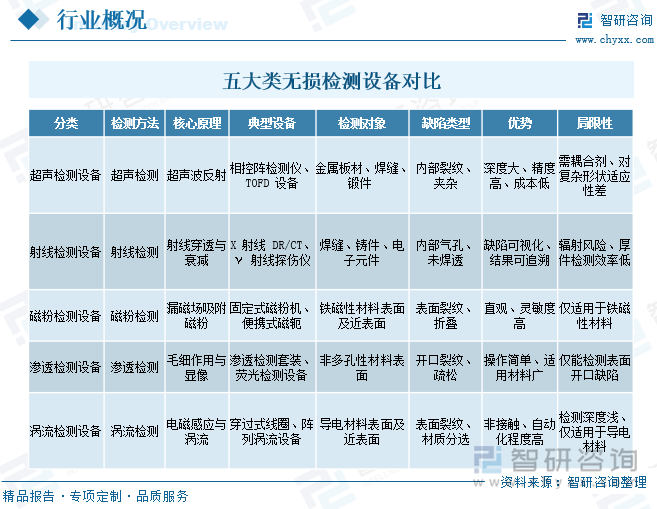
研判2025!中国无损检测设备行业政策汇总、产业链图谱、市场规模及发展趋势分析:市场竞争较为缓和,主要以技术竞争为主[图]
Chan Ye Xin Xi Wang· 2025-06-28 01:22
Overview - Non-destructive testing (NDT) technology is crucial in various sectors of China's economy, ensuring and improving product quality across industries from aerospace to everyday consumer goods [1][13] - The NDT equipment market in China is projected to reach a scale of 6.363 billion yuan in 2024, with a year-on-year growth of 3.87% [1][13] - The demand for advanced NDT technology is increasing as traditional methods are gradually replaced, leading to higher investments in advanced NDT equipment by enterprises [1][13] Market Policies - China has implemented several regulations and standards to enhance product quality and safety, creating a favorable policy environment for the NDT equipment industry [6][8] - Key policies include the "Action Plan for the Development of Intelligent Testing Equipment Industry (2023-2025)" and various guidelines aimed at promoting high-quality development in manufacturing and resource utilization [6][8] Industry Chain - The upstream of the NDT equipment industry includes suppliers of electronic components, metals, optical materials, and sensors, which directly impact the quality and scale of NDT equipment production [9] - The midstream involves the design, research, and production of NDT equipment, while the downstream consists of inspection and testing institutions that utilize these technologies [9] Development Status - The NDT market in China has seen rapid growth, with the industry becoming a key player in ensuring product quality across various sectors [1][13] - The number of qualified inspection and testing institutions reached 53,057 in 2024, generating revenues of 487.597 billion yuan, indicating a robust growth in the downstream market [11] Competitive Landscape - The NDT equipment industry is characterized by high technical barriers and a focus on technological competition, with few major players dominating the market [15][16] - Domestic companies like Chaoyan Co., Duopule Co., and Ultrasonic Electronics are gradually increasing their market share and closing the gap with international competitors [16][19][21] Future Trends - The future of NDT equipment will see increased adoption of digital technologies for data collection, storage, and transmission, enhancing decision-making in maintenance and quality control [23] - Collaboration among upstream and downstream players in the industry will be crucial for technological innovation and market expansion, improving overall competitiveness [23]