
顺络电子

Search documents
运力紧张推升油轮运费 全球油轮费率续创六年新高丨A股明日线索
2 1 Shi Ji Jing Ji Bao Dao· 2026-02-26 11:22
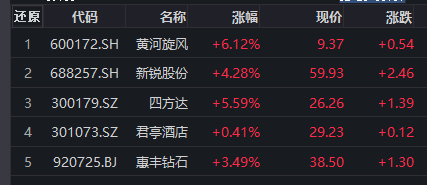
A股明日线索 1、运力紧张推升油轮运费,机构:"油运大时代"的高度与持续性或超预期 根据智通财经报道,租用一条超大型油轮(VLCC)把原油从中东运到亚洲的价格,继周二突破17万美元/日后,周三又突破20万美元的关口,续创 2020年以来新高。 同时,据央视财经,在美国与伊朗可能爆发军事冲突的背景下,近期中东地区的原油出口明显走高。由于贸易商们希望在潜在冲突爆发前锁定运 力,近期油轮的运输成本也随之大幅攀升。 2、上游元器件成本的持续攀升,多家手机厂商或将集中涨价 据证券日报,从供应链、行业机构及多家手机厂商内部获悉,2026年中国手机市场正迎来一轮全范围的涨价潮,这也是行业多年来首次出现多品 牌、全品类同步调价的情况。据了解,从3月开始,手机市场涨价节奏将进一步加快。此前已上市的机型价格调整相对温和,今年3月份之后发布的 新品,售价预计普遍上涨1000元以上。其中,中高端旗舰机型涨幅更为明显,部分型号的售价可能比上一代高出2000元至3000元。 本轮手机市场涨价的背后,是上游元器件成本的持续攀升。作为手机核心部件之一的存储芯片,自2024年下半年触底反弹后价格持续走高,2026年 伊始涨幅进一步扩大。供应链 ...

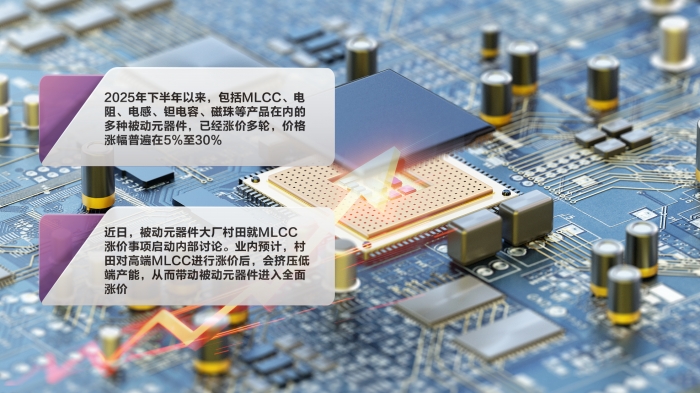
AI需求拉动 被动元器件全面涨价即将到来
Shang Hai Zheng Quan Bao· 2026-02-25 17:32
◎记者 李兴彩 郭晨凯 制图 全面涨价阶段即将到来 事实上,早在2025年第三季度,MLCC行业即进入温和复苏阶段。在村田之前,多家大厂对多种被动元 器件,早已开启了多轮涨价。 AI发展提速对半导体的拉动力正在从AI芯片延伸到更广阔的领域,近日被动元器件迎来更加确定的全 面涨价信号——日本被动元器件大厂村田已就MLCC(片式多层陶瓷电容)涨价事项启动了内部讨论。 此前,受原材料涨价、AI及汽车需求拉动等因素影响,2025年下半年至2026年2月,包括MLCC、电 阻、电感、钽电容、磁珠等产品在内的多种被动元器件,已现多轮次涨价,价格涨幅普遍在5%至 30%。 "事实上,高涨的需求叠加原材料涨价,被动元器件涨价行情才刚刚开启。"有分销商人士表示,村田对 MLCC开启涨价,不仅显示出AI动力强劲、高端被动元器件景气度的确定性,还将挤压MLCC低端产 能,从而带动被动元器件进入全面涨价阶段。 MLCC巨头考虑涨价 据报道,为应对AI服务器带来的巨大需求,村田已就MLCC涨价事项启动内部讨论。村田希望在2025财 年第四季度(今年一季度)完成"AI带来的真实需求"的评估,并在今年3月底前作出最终决定。 MLCC广泛应 ...
MLCC专家交流
2026-02-25 04:13
会议助理: 大家好,欢迎大家参加 AI 加通胀系列 MLCC 专家交,线上会议。目前所有参会人员均处 于经营状态,下面有请主讲老师开始发言,谢谢。 王心怡 华泰证券电子分析师: 那各位线上投资人,大家晚上好。欢迎大家来参加我们这个 AI 加通胀系列的 MACC 专场 的专家交流。我是华泰电子研究员王欣怡。那在会议开始前,其实我们也再重申一下对于 整个 MLC C 最新看到的一些变化吧。就确实是在春节期间,观测到包含村田和三星电机 在内的一些日韩大厂对于涨价的这个事情的口风,确实是发生了一些扭转然后另外就是渠 道现货价也在春节期间迎来了一些继续的上涨。那这个从海外的这些催化来看的话,其实 是进一步加深了大家对于台系,包括大陆的公司后续跟涨的一个预期的。 然后另外一个层面就是从这个 AI 相关,包含 AI 在内的吧,这些高端需求来看,确实是今 年全年还是非常的旺盛。那这个对于非 AI 的高容,以及说一些中低端产能的挤占,可能 也是短期大家比较关心的事情。所以我们今天也是特别邀请到了台系的被动元件大厂的资 深专家,然后来给我们做这样一个专场分享。专家您好,请问能听到吗? 台系被动元件大厂资深专家: 能听到,很清楚。 ...
顺络电子股价涨6.24%,安信基金旗下1只基金重仓,持有16.04万股浮盈赚取39.62万元
Xin Lang Cai Jing· 2026-02-24 01:51
2月24日,顺络电子涨6.24%,截至发稿,报42.04元/股,成交1.28亿元,换手率0.40%,总市值338.98亿 元。 资料显示,深圳顺络电子股份有限公司位于广东省深圳市龙华区观澜街道大富苑工业区顺络观澜工业 园,成立日期2000年9月8日,上市日期2007年6月13日,公司主营业务涉及片式电感器和片式压敏电阻 器等新型电子元器件的研发、生产和销售。主营业务收入构成为:片式电子元件99.13%,其他0.87%。 从基金十大重仓股角度 数据显示,安信基金旗下1只基金重仓顺络电子。安信深圳科技指数(LOF)A(167506)四季度持有股数 16.04万股,占基金净值比例为3.8%,位居第十大重仓股。根据测算,今日浮盈赚取约39.62万元。 安信深圳科技指数(LOF)A(167506)成立日期2019年12月6日,最新规模9863.66万。今年以来收益 5.6%,同类排名2274/5580;近一年收益36.69%,同类排名1741/4297;成立以来收益79.42%。 安信深圳科技指数(LOF)A(167506)基金经理为邱家庆。 截至发稿,邱家庆累计任职时间2年167天,现任基金资产总规模2.36亿元,任 ...

研判2026!全球及中国逆变器行业政策、产业链、发展现状、竞争格局及未来前景:光伏产业规模稳步增长,逆变器行业前景广阔[图]
Chan Ye Xin Xi Wang· 2026-02-22 03:09
Core Insights - The Chinese inverter market experienced a contraction from 2018 to 2019 due to significant price drops in inverter products and a slowdown in new solar photovoltaic installations, with the market size falling to 10.069 billion yuan in 2019, a year-on-year decrease of 20.47% [1] - Since 2020, the market has rebounded strongly, driven by technological advancements in the photovoltaic industry and the transition to grid parity, with the market size projected to reach 56.17 billion yuan by 2025 [1] - The inverter industry is expected to maintain a growth trend in the context of ongoing green and low-carbon energy transitions [1] Inverter Industry Overview - Inverters convert direct current (DC) from sources like batteries into alternating current (AC) for various applications, including household appliances and renewable energy systems [2] - The inverter industry is categorized by various classifications, including active vs. passive inverters, grid-connected vs. off-grid inverters, and different power levels [2][3] Industry Policies - The photovoltaic industry is a strategically supported sector in China, with numerous policies aimed at promoting growth, including financial subsidies and industry standards [3] - Recent policies encourage the upgrade of old photovoltaic equipment and the development of high-efficiency inverters to enhance energy density and efficiency [3][4] Industry Supply Chain - The inverter supply chain includes upstream raw materials and components, midstream research and manufacturing, and downstream applications in solar and wind energy, UPS systems, and electric vehicles [4] Current Industry Status - The global inverter market is projected to grow from $5.06 billion in 2015 to $21.429 billion by 2025, with a compound annual growth rate (CAGR) of 16% [6] - China's inverter production is expected to increase from 21.4 GW in 2015 to 334.8 GW by 2025, with demand rising from 13.16 GW to 186.9 GW during the same period [9] Competitive Landscape - The Chinese inverter market features a competitive landscape with both domestic and international players, including leading companies like Huawei and Sungrow, which are gaining market share through innovation and cost advantages [10] - Domestic companies are focusing on niche markets such as residential and distributed energy systems, enhancing their market positions through differentiated products [10] Key Companies - Sungrow Power Supply Co., Ltd. specializes in renewable energy equipment, including inverters, and reported a revenue of 15.327 billion yuan for its inverter products in the first half of 2025, a year-on-year increase of 17.06% [11] - Jinlang Technology Co., Ltd. focuses on photovoltaic inverters and reported a revenue of 1.82 billion yuan for grid-connected inverters in the first half of 2025, a decrease of 11.22%, while its energy storage inverters saw a significant increase of 313.51% [12] Industry Development Trends - The inverter industry is evolving towards higher power density and energy conversion efficiency, utilizing new semiconductor materials and advanced technologies [13] - Inverters are transitioning from mere energy conversion devices to integrated energy management nodes, supporting smart grid functionalities [13][14] - Future developments will include multi-energy coupling and system integration, enabling comprehensive energy management systems [15]





中国电子元器件行业展望-中诚信国际
Sou Hu Cai Jing· 2026-02-16 02:10
Core Insights - The electronic components industry is expected to maintain stability over the next 12 to 18 months, driven by AI computing power and automotive electronics, while facing challenges such as tariff policy uncertainties and rising raw material prices [1][9][25] - Domestic policies like "trade-in" and "purchase subsidies" are effectively boosting downstream demand, countering adverse international trade conditions [1][9] - The industry is transitioning towards high-end products, with leading companies leveraging advanced production capacity and technological advantages [3][25] Industry Overview - The electronic components industry is projected to see a 17.70% year-on-year increase in export value in 2025, driven by a mild recovery in consumer electronics and rapid growth in automotive electronics and AI [2][17] - The PCB sector is entering a high-end cycle, propelled by demand from AI servers and automotive electronics, with a significant increase in capital expenditures [2][19] - The industry is characterized by a tiered structure, with leading firms dominating due to their high-end production capabilities and technological advantages [2][26] Financial Performance - In the first three quarters of 2025, 165 sample companies in the electronic components sector reported a revenue increase of 27.14% and a net profit increase of 36.06% year-on-year, with AI server-related companies contributing significantly to profit growth [2][30] - Despite a 20.88% decline in operating cash flow, capital expenditures rose by 44.48%, indicating a focus on capacity expansion and overseas layout [2][30] - The debt scale of sample companies has increased, but the financial leverage remains low, with a debt-to-asset ratio of 43.08%, indicating good solvency [2][30] Market Dynamics - The demand for electronic components is being driven by AI computing needs, with data center capital expenditures expected to grow significantly, leading to increased demand for high-bandwidth memory and high-speed optical modules [19][25] - The penetration rate of new energy vehicles has exceeded 50%, driving demand for SiC devices and automotive-grade MCUs [21][25] - Traditional consumer electronics are recovering, but their impact on overall industry growth is limited compared to automotive electronics and AI [19][25] Policy Environment - Domestic policies are expected to continue focusing on consumption stimulation and technological innovation, while global tariff policies remain uncertain [1][9] - The adjustment of export tax rebates in fields like photovoltaics and batteries starting April 2026 will increase short-term export costs but is aimed at pushing for high-end upgrades in the industry [1][11]

研判2026!中国水质检测仪器行业发展背景、产销量、市场规模、竞争格局及未来展望:水质安全需求提升带动检测仪器市场,国产替代进程不断加快[图]
Chan Ye Xin Xi Wang· 2026-02-15 00:27
Core Viewpoint - The water quality testing instrument industry is experiencing steady growth driven by increasing public concern for water safety and stricter environmental regulations, with the market size projected to grow from 1.83 billion yuan in 2017 to 5.22 billion yuan by 2025, representing a compound annual growth rate (CAGR) of 14.03% [1][9]. Industry Overview - Water quality testing refers to the process of determining the types and concentrations of pollutants in water, evaluating water quality status [3]. - Key water quality indicators include comprehensive indicators (temperature, color, turbidity, pH, conductivity, suspended solids, dissolved oxygen, chemical oxygen demand, and biochemical oxygen demand) and toxic substances (phenols, cyanides, arsenic, lead, chromium, cadmium, mercury, and organic pesticides) [3]. - Water quality testing instruments can be categorized by function (single-parameter and multi-parameter testers), testing items (pH meters, total phosphorus testers, etc.), and usage environment (laboratory, portable, simple, and online testers) [4][3]. Market Demand and Growth - The market demand for water quality testing instruments is steadily increasing due to heightened public awareness and regulatory pressures [1][9]. - The industry is expected to play a crucial role in dynamic water quality monitoring, pollution warning, and comprehensive management, driven by advancements in smart, portable, and multi-parameter integrated technologies [1][9]. Industry Development Background - Water quality safety is a significant concern, with ongoing improvements in surface and groundwater quality in China [4][5]. - In 2024, 90.4% of monitored surface water quality sections were rated as good (Class I-III), indicating progress in water environment governance [5]. - Continuous, precise, and efficient monitoring of water quality is essential for ensuring environmental safety and supporting scientific decision-making [5]. Industry Chain - The upstream of the water quality testing instrument industry includes raw materials and components such as sensors, probes, circuit boards, optical components, and consumables [5]. - The midstream involves the production and manufacturing of water quality testing instruments, while the downstream encompasses sales channels and application fields, including environmental water, wastewater, and water conservancy sectors [5][6]. Competitive Landscape - The industry features a diverse competitive landscape with international leaders (e.g., Thermo Fisher, Hach, Siemens, ABB) dominating the high-end market, while domestic companies (e.g., Xuedilong, Xianhe Environmental Protection, and others) focus on mid-range markets and specialized applications [9][10]. - Domestic firms leverage their understanding of local markets and flexible service models to establish competitive advantages in mid-tier markets [10]. Key Companies - Xianhe Environmental Protection Technology Co., Ltd. has developed a comprehensive service provider model in environmental monitoring, with a reported revenue of 138 million yuan in the first half of 2025, reflecting a 0.73% year-on-year growth [10]. - Lihua Technology Co., Ltd. specializes in environmental monitoring systems, reporting a revenue of 558 million yuan in the first three quarters of 2025, marking a 5.15% increase [12]. Industry Trends - The industry is moving towards multi-parameter integration, real-time monitoring, and intelligent analysis, with future instruments expected to combine various detection technologies [13]. - There is a focus on miniaturization and rapid on-site detection capabilities, enabling water quality testing to expand into distributed scenarios such as river inspections and household water safety [14]. - Companies are transitioning from equipment suppliers to comprehensive solution providers, offering monitoring systems and data services, enhancing the value derived from long-term monitoring data [14].


顺络电子(002138) - 董事会提名委员会关于第七届董事会独立董事候选人任职资格的审核意见
2026-02-13 08:16
深圳顺络电子股份有限公司董事会提名委员会 关于第七届董事会独立董事候选人任职资格的审核意见 深圳顺络电子股份有限公司 董事会提名委员会 二〇二六年二月十二日 深圳顺络电子股份有限公司(以下简称"公司")第七届董事会提名委员会第 二次会议于 2026 年 2 月 12 日召开,根据《中华人民共和国公司法》(以下简称 《公司法》)《公司章程》《独立董事工作制度》等法律、法规及规范性文件的相 关规定,对拟提名的独立董事候选人刘丽燕女士的任职资格进行了审查,发表审 核意见如下: 经审阅刘丽燕女士的个人履历、自查情况等相关资料,提名委员会认为, 刘丽燕女士不存在以下情形:(1)《公司法》第一百七十八条规定的情形之一;(2) 被中国证监会采取不得担任上市公司董事、高级管理人员的证券市场禁入措施; (3)被证券交易所公开认定为不适合担任上市公司董事和高级管理人员;(4)最近 三年内受到中国证监会行政处罚;(5)最近三年内受到证券交易所公开谴责或者 三次以上通报批评;(6)因涉嫌犯罪被司法机关立案侦查或者涉嫌违法违规被中 国证监会立案调查。同时,经查询,刘丽燕女士不属于"失信被执行人"。 综上所述,提名委员会同意提名刘丽燕女 ...
顺络电子(002138) - 独立董事提名人声明与承诺(刘丽燕)
2026-02-13 08:15
证券代码:002138 证券简称:顺络电子 公告编号:2026-018 深圳顺络电子股份有限公司 独立董事提名人声明与承诺 提名人深圳顺络电子股份有限公司董事会现就提名刘 丽燕女士为深圳顺络电子股份有限公司第七届董事会独立 董事候选人发表公开声明。被提名人已书面同意作为深圳 顺络电子股份有限公司第七届董事会独立董事候选人(参 见该独立董事候选人声明)。本次提名是在充分了解被提 名人职业、学历、职称、详细的工作经历、全部兼职、有无 重大失信等不良记录等情况后作出的,本提名人认为被提名 人符合相关法律、行政法规、部门规章、规范性文件和深圳 证券交易所业务规则对独立董事候选人任职资格及独立性的 要求,具体声明并承诺如下事项: 一、被提名人已经通过深圳顺络电子股份有限公司第 七届董事会提名委员会或者独立董事专门会议资格审查, 提名人与被提名人不存在利害关系或者其他可能影响独 立履职情形的密切关系。 ☑ 是 □ 否 如否,请详细说明:______________________________ 二、被提名人不存在《中华人民共和国公司法》第一 百七十八条等规定不得担任公司董事的情形。 ☑ 是 □ 否 如否,请详细说明:_ ...
顺络电子(002138) - 独立董事候选人声明与承诺(刘丽燕)
2026-02-13 08:15
证券代码:002138 证券简称:顺络电子 公告编号:2026-019 深圳顺络电子股份有限公司 独立董事候选人声明与承诺 声明人刘丽燕作为深圳顺络电子股份有限公司第七届董 事会独立董事候选人,已充分了解并同意由提名人深圳顺络 电子股份有限公司董事会提名为深圳顺络电子股份有限公司 (以下简称该公司)第七届董事会独立董事候选人。现公开 声明和保证,本人与该公司之间不存在任何影响本人独立性 的关系,且符合相关法律、行政法规、部门规章、规范性文 件和深圳证券交易所业务规则对独立董事候选人任职资格及 独立性的要求,具体声明并承诺如下事项: 一、本人已经通过深圳顺络电子股份有限公司第七届董 事会提名委员会或者独立董事专门会议资格审查,提名人与 本人不存在利害关系或者其他可能影响独立履职情形的密 切关系。 ☑ 是 □ 否 如否,请详细说明:______________________________ 二、本人不存在《中华人民共和国公司法》第一百七 十八条等规定不得担任公司董事的情形。 ☑ 是 □ 否 如否,请详细说明:______________________________ 三、本人符合中国证监会《上市公司独立董事管 ...