逆变器

Search documents
电力设备行业跟踪报告:逆变器出口:出口保持高景气,亚洲、大洋洲市场表现较好
Wanlian Securities· 2026-03-27 11:52
Investment Rating - The industry investment rating is "stronger than the market," indicating an expected relative increase of over 10% in the industry index compared to the broader market within the next six months [44]. Core Insights - In February 2026, China's inverter export amount was 5.683 billion yuan, showing a month-on-month decrease of 4.13% but a year-on-year increase of 75.24%. Cumulatively, the export amount for January-February 2026 reached 11.611 billion yuan, reflecting a year-on-year growth of 52.14% [15][12]. - The Asian market showed high prosperity, with significant growth in exports, while the European market experienced a slight month-on-month adjustment but maintained high year-on-year growth. The North American market saw a rebound in demand, and the Latin American market also showed recovery, particularly in Mexico [15][16][31]. Summary by Region Asia - In February 2026, China's inverter exports to Asia amounted to 2.114 billion yuan, with a month-on-month increase of 15.69% and a year-on-year increase of 76.93%. Notably, the UAE market maintained high growth, while India and Pakistan showed significant recovery [2][16]. - Exports to specific countries included 0.80 billion yuan to Saudi Arabia, 3.69 billion yuan to the UAE, 4.64 billion yuan to India, and 1.56 billion yuan to Pakistan, with varying growth rates across these markets [2][16]. Europe - Exports to Europe in February 2026 totaled 1.991 billion yuan, reflecting a month-on-month decrease of 15.92% but a year-on-year increase of 83.81%. The export amounts to Germany, the Netherlands, the UK, and Poland were 0.354 billion, 0.817 billion, 0.100 billion, and 0.089 billion yuan, respectively, with Poland showing exceptional growth [3][26]. North America - In February 2026, exports to North America reached 0.179 billion yuan, with a month-on-month increase of 23.08% and a year-on-year increase of 104.68%. Exports to the US amounted to 0.146 billion yuan, indicating strong market recovery [4][31]. Latin America - Exports to Latin America were 0.470 billion yuan, with a month-on-month increase of 2.46% and a year-on-year increase of 5.53%. Exports to Mexico showed a remarkable year-on-year growth of 798.22% [31][32]. Africa - Exports to Africa amounted to 0.582 billion yuan, with a month-on-month decrease of 5.19% but a year-on-year increase of 76.34%. Nigeria's exports continued to rise, while South Africa's performance was stable [9][32]. Oceania - Exports to Oceania were 0.391 billion yuan, showing a month-on-month decrease of 27.03% but a year-on-year increase of 237.65%. The Australian market remained strong, contributing significantly to the overall growth [10][32]. Summary by Shipping Origin - In February 2026, the export amounts from Guangdong, Zhejiang, Anhui, and Jiangsu were 2.207 billion, 1.483 billion, 0.540 billion, and 0.811 billion yuan, respectively. Guangdong showed positive growth both month-on-month and year-on-year, while Anhui experienced declines [11][36].
【十大券商一周策略】短期A股仍以震荡为主,当下重视“HALOPLUS”策略
券商中国· 2026-03-15 14:24
Group 1 - The article discusses the impact of geopolitical conflicts, particularly in the Middle East, on global supply chains and the A-share market, highlighting the limited space for valuation recovery and the importance of corporate profit margins for the continuation of the bull market [2] - It emphasizes that the ongoing geopolitical tensions and rising global costs necessitate a focus on undervalued sectors and pricing power, particularly in China's advantageous manufacturing sectors such as chemicals, non-ferrous metals, power equipment, and new energy [2] - The article suggests that the rise of AI and supply chain disruptions are enhancing the pricing power of China's manufacturing industry, indicating a shift in investment focus towards sectors that can benefit from price increases [2] Group 2 - The article highlights that the Chinese market is characterized by lower risk premiums and a more diverse growth logic, which can serve as a counter to global stagflation risks [3] - It suggests that the stability of the Chinese market is a key advantage, with a focus on sectors such as large financial institutions, cyclical value stocks, and technology manufacturing [3] - The article indicates that the impact of rising oil prices on midstream industries will benefit resource commodities while manufacturing will face cost transmission challenges [3] Group 3 - The article notes that the A-share market is currently experiencing a phase of low visibility in macro and micro conditions, suggesting that investors should reduce positions and remain flexible in their strategies [5] - It recommends focusing on sectors such as the power chain and essential consumer goods for alpha generation, while also considering undervalued upstream hardware in the computing chain [5] - The article points out that the upcoming earnings season will be crucial for validating expectations in high-performing sectors like power grid equipment and chemicals [5] Group 4 - The article discusses the potential for oil price increases to shift market dynamics towards supply security and strategic resources, with a focus on the implications for inflation and monetary policy [6] - It suggests that the ongoing geopolitical tensions may lead to a long-term rise in oil prices, impacting global inflation and delaying the Federal Reserve's rate cuts [6] - The article recommends monitoring sectors that are likely to benefit from sustained price increases, such as power equipment, chemicals, and precious metals [6] Group 5 - The article indicates that the ongoing geopolitical situation may create strategic opportunities for China, particularly in energy security and the transition to new energy sources [7] - It highlights the potential for China to emerge as a global leader in energy transition, leveraging its dual energy base of coal and new energy [7] - The article suggests a dual investment strategy focusing on both physical assets related to energy security and sectors benefiting from electrification and AI-driven growth [7] Group 6 - The article argues that the current market dynamics are influenced by the ongoing geopolitical tensions, with a focus on the adaptability of the economy amidst concerns of stagflation [8] - It emphasizes the importance of structural opportunities in sectors such as tourism, pharmaceuticals, and consumer goods, which may benefit from changing consumer behaviors [8] - The article suggests that stocks representing China's resources and manufacturing capabilities are well-positioned for investment amidst global uncertainties [8] Group 7 - The article discusses the potential for the A-share market to become more self-reliant as geopolitical tensions evolve, with a focus on sectors that can benefit from rising oil prices [9] - It suggests that the market's core pricing dynamics are shifting from intensity to negotiation, indicating a need for investors to adapt their strategies accordingly [9] - The article recommends identifying sectors that can maintain independent growth despite rising oil prices, as well as those that can benefit from price increases [9] Group 8 - The article highlights the challenges posed by the ongoing military conflicts and their impact on global asset pricing, suggesting that the A-share market will continue to experience high volatility [10] - It emphasizes the need for a balanced investment approach that considers both resource commodities and technology-driven sectors [10] - The article suggests that the current market environment requires careful management of investment strategies to navigate the complexities of the geopolitical landscape [10] Group 9 - The article discusses the historical context of oil price shocks and their impact on inflation and global asset pricing, suggesting that the current situation may lead to similar outcomes [11] - It recommends a "HALOPLUS" strategy that combines defensive investments in high cash flow sectors with offensive investments in low-crowding growth areas [11] - The article emphasizes the importance of focusing on sectors with low sensitivity to interest rates and strong growth potential amidst macroeconomic volatility [11] Group 10 - The article suggests that the current geopolitical tensions may catalyze a shift in global energy strategies towards new energy technologies, positioning China as a leading player in this transition [12] - It indicates that the A-share market may experience short-term volatility but remains on a path towards structural growth in the medium term [12] - The article highlights the need for a diversified investment approach that focuses on both technology and cyclical sectors, as well as the potential for performance in the energy and chemical sectors [12]


十拿九稳:完美潜伏阳光电源
猛兽派选股· 2026-03-11 03:07
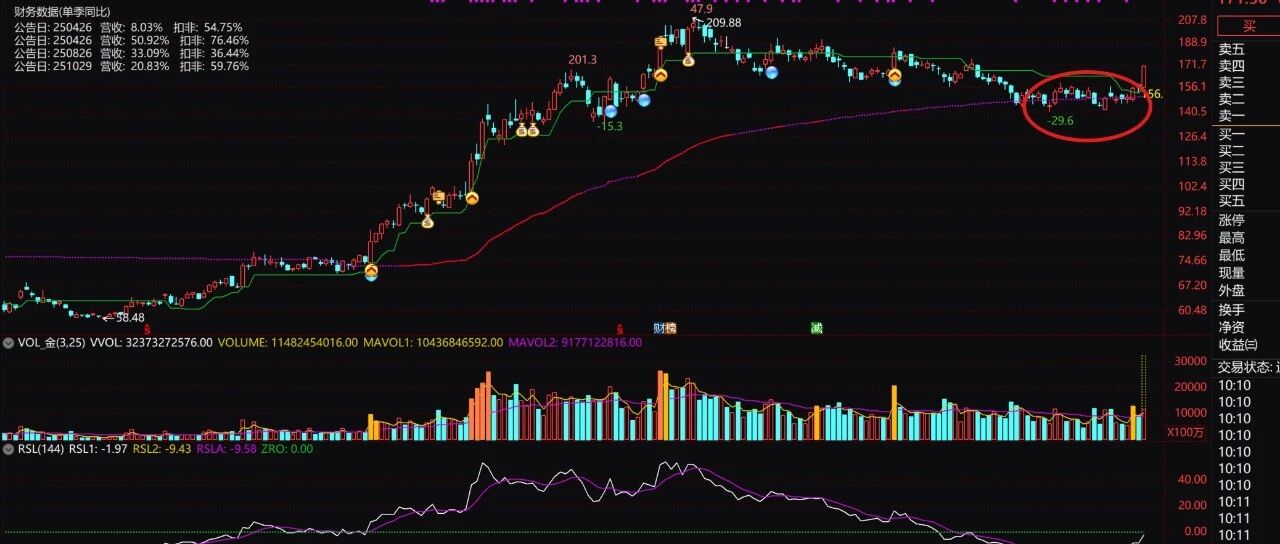
Group 1 - The core viewpoint emphasizes the importance of continuous tracking and decisive intervention at key positions for timing investments, as impulsive decisions are unlikely to yield stable profits in the long run [1] - Sungrow Power Supply is highlighted as a leading company in the industry, excelling in photovoltaic, energy storage, and data center sectors, with the main concern being timing for investment [1] - After the third breach of the holding line in November, the stock began a stable pullback, forming a base, and by February, it reached the 200-day weighted average line with a significant reduction in volatility and a pullback of approximately 30% [1] Group 2 - The 200-day moving average is an important reference point for leading stocks in the industry, but it is insufficient alone to form a basis for investment; other stocks' activity and the state of industry indices must also be observed [2] - DeYe Co. has recently emerged as a leader in the inverter sub-sector, making its performance worthy of attention and research [3] - The chart indicates a clear structure of base reversal breaking through the previous high, with the largest companies by market capitalization, Sungrow Power Supply and DeYe Co., being closely related to the index [5] Group 3 - If DeYe Co. does not follow suit, attention should shift back to Sungrow Power Supply, as the days of index breakthrough present the most suitable time for potential investment in Sungrow [5] - Technically, Sungrow's indicators are still below water, and the Relative Strength Ratio (RSR) has not turned positive, indicating that the timing for investment does not align with standard rules [5] - The breakthrough day for Sungrow is noted, with expectations that all indicators will comply post-breakthrough, suggesting that today presents the first opportunity, with potential for further pullback buying opportunities [5]

未知机构:锦浪科技交流核心要点20260303核心逻辑公司从逆变-20260304
未知机构· 2026-03-04 02:30
Key Points Summary of Jinlang Technology Conference Call Company Overview - Jinlang Technology is expanding from inverters to a comprehensive system approach, with significant growth in commercial and industrial storage shipments exceeding expectations [1] Core Insights - **Revenue and Profit Projections**: The company anticipates revenue exceeding 10 billion yuan and profits over 1.5 billion yuan in 2026, indicating a turning point in operations. A target valuation of 500 billion yuan is set based on a 30x earnings multiple for 2026 [1] Commercial and Industrial Storage (CIS) - **Shipments**: Current shipments of PCS (Power Conversion Systems) are between 1,000 to 2,000 units per month, with total shipments expected to exceed 10,000 units in 2025 and projected to reach 20,000 to 30,000 units in 2026, including 5,000 to 10,000 units for CIS systems [2] - **Product Development**: The focus has shifted to 125 kW models since Q3 2025, with a new all-in-one CIS system featuring a battery pack launched this year, primarily at 261 kWh [2] - **Pricing and Profitability**: PCS is priced at 0.5 yuan/W with a gross margin exceeding 50%, while the system is priced between 1 to 1.2 yuan/Wh with a gross margin of around 30% [2] - **Market Presence**: The company leads in market share, primarily in Asia, Africa, and Europe, leveraging its commercial photovoltaic layout [2] Household Storage - **Shipments**: In 2025, PCS shipments are expected to be between 250,000 to 300,000 units, with a target of 500,000 units in 2026, including 100,000 units as systems with battery packs [2] - **Pricing**: PCS is priced between 3,000 to 4,000 yuan per unit, while household storage systems are priced at 1 yuan/Wh. There has been no price increase passed on for battery cells yet, but it is under consideration [2] - **Market Distribution**: Approximately 50% of shipments are to Europe, with the remaining 50% to Asia and Africa. Certification for household storage systems in the Australian market is ongoing, expected to complete by June to July 2026 [2] - **Gross Margin**: The gross margin for household storage is over 30%, indicating stable profitability [2] Grid-Connected Inverters - **Shipments**: Expected shipments in 2025 are between 600,000 to 700,000 units, with revenue expected to remain stable in 2026, although the commercial segment's share is increasing [2] - **Pricing**: The price range is between 5,000 to 6,000 yuan, with a gross margin of around 30% [2] Large Storage - **Projects**: The product is a single cabinet of 5 MWh, with two projects currently in hand, one located in Africa, with shipments expected to begin in the second half of the year, and gradual ramp-up thereafter [2]

研判2026!全球及中国逆变器行业政策、产业链、发展现状、竞争格局及未来前景:光伏产业规模稳步增长,逆变器行业前景广阔[图]
Chan Ye Xin Xi Wang· 2026-02-22 03:09
Core Insights - The Chinese inverter market experienced a contraction from 2018 to 2019 due to significant price drops in inverter products and a slowdown in new solar photovoltaic installations, with the market size falling to 10.069 billion yuan in 2019, a year-on-year decrease of 20.47% [1] - Since 2020, the market has rebounded strongly, driven by technological advancements in the photovoltaic industry and the transition to grid parity, with the market size projected to reach 56.17 billion yuan by 2025 [1] - The inverter industry is expected to maintain a growth trend in the context of ongoing green and low-carbon energy transitions [1] Inverter Industry Overview - Inverters convert direct current (DC) from sources like batteries into alternating current (AC) for various applications, including household appliances and renewable energy systems [2] - The inverter industry is categorized by various classifications, including active vs. passive inverters, grid-connected vs. off-grid inverters, and different power levels [2][3] Industry Policies - The photovoltaic industry is a strategically supported sector in China, with numerous policies aimed at promoting growth, including financial subsidies and industry standards [3] - Recent policies encourage the upgrade of old photovoltaic equipment and the development of high-efficiency inverters to enhance energy density and efficiency [3][4] Industry Supply Chain - The inverter supply chain includes upstream raw materials and components, midstream research and manufacturing, and downstream applications in solar and wind energy, UPS systems, and electric vehicles [4] Current Industry Status - The global inverter market is projected to grow from $5.06 billion in 2015 to $21.429 billion by 2025, with a compound annual growth rate (CAGR) of 16% [6] - China's inverter production is expected to increase from 21.4 GW in 2015 to 334.8 GW by 2025, with demand rising from 13.16 GW to 186.9 GW during the same period [9] Competitive Landscape - The Chinese inverter market features a competitive landscape with both domestic and international players, including leading companies like Huawei and Sungrow, which are gaining market share through innovation and cost advantages [10] - Domestic companies are focusing on niche markets such as residential and distributed energy systems, enhancing their market positions through differentiated products [10] Key Companies - Sungrow Power Supply Co., Ltd. specializes in renewable energy equipment, including inverters, and reported a revenue of 15.327 billion yuan for its inverter products in the first half of 2025, a year-on-year increase of 17.06% [11] - Jinlang Technology Co., Ltd. focuses on photovoltaic inverters and reported a revenue of 1.82 billion yuan for grid-connected inverters in the first half of 2025, a decrease of 11.22%, while its energy storage inverters saw a significant increase of 313.51% [12] Industry Development Trends - The inverter industry is evolving towards higher power density and energy conversion efficiency, utilizing new semiconductor materials and advanced technologies [13] - Inverters are transitioning from mere energy conversion devices to integrated energy management nodes, supporting smart grid functionalities [13][14] - Future developments will include multi-energy coupling and system integration, enabling comprehensive energy management systems [15]



锦浪科技股价震荡下行,三季度业绩增速放缓
Jing Ji Guan Cha Wang· 2026-02-13 04:47
Group 1 - The stock price of Jinlang Technology (300763) has shown a downward trend, closing at 77.30 yuan on February 13, 2026, with a decline of 1.68% on that day and a cumulative drop of 3.16% over the past five days [1] - On February 12, the stock price decreased by 0.49%, with a trading volume of 607 million yuan and a turnover rate of 2.39%. The net financing sell-off was 52.34 million yuan, with a financing balance of 1.577 billion yuan, accounting for 5.06% of the circulating market value, which is at a relatively high level over the past year [1] - The net outflow of main funds on February 12 was 43.24 million yuan, indicating a cautious short-term market sentiment as it has shown a continuous net outflow for several days [1] - The number of shareholders increased to 70,000 as of February 10, reflecting a 2.34% increase, while the average circulating shares per person decreased, indicating a rise in the dispersion of shares [1] Group 2 - For the period from January to September 2025, the company reported steady performance with operating revenue of 5.663 billion yuan, representing a year-on-year growth of 9.71%, and a net profit attributable to shareholders of 865 million yuan, up 29.39%, indicating a higher profit growth rate than revenue [2] - In the third quarter, the single-quarter revenue was 1.869 billion yuan, showing a slight year-on-year increase of 3.43%, but net profit decreased by 16.85% year-on-year, primarily due to the off-season demand in Europe and an increase in expense ratios [2] - The company's main business segments include grid-connected inverters, which account for 47.97%, and energy storage inverters, which have increased to 20.91%, suggesting that the global layout may help mitigate risks from reliance on a single market [2]
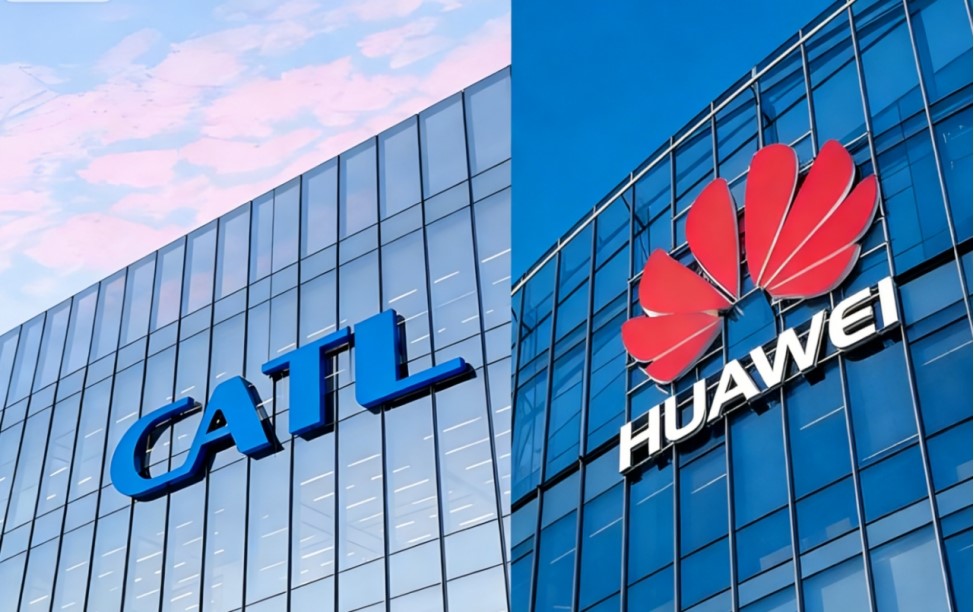
千亿大并购? 宁王和华为“传绯闻”:涉数字能源买卖,可不可信? | 能见派
Xin Lang Cai Jing· 2026-02-06 01:03
Core Viewpoint - The renewable energy industry is on the verge of a historic trillion-level merger, with reports indicating that CATL is in talks to acquire Huawei Digital Energy, potentially leading to a split sale of its assets [2][17]. Group 1: Acquisition Details - CATL is reportedly negotiating to acquire Huawei Digital Energy, which has entered a substantive phase [2][17]. - Both CATL and Huawei Digital Energy have declined to comment on the acquisition discussions [3][18]. - If the acquisition proceeds, the most affected competitor will be Sungrow Power Supply [3][19]. Group 2: Internal Movements and Market Context - There are indications that Huawei Digital Energy is preparing for potential staff changes, with discussions about severance packages for employees who may not transition to the new company [4][20]. - Huawei's previous statements indicated no plans for an IPO or sale of its digital energy and cloud businesses, raising questions about a shift in strategy [4][21]. - The domestic renewable energy sector has become increasingly competitive, leading Huawei to consider a realignment of its business focus [4][21]. Group 3: Financial Performance - Huawei's Digital Energy business reported a revenue of 68.678 billion yuan in 2024, a 24.4% increase year-on-year, making it the third-largest business segment for Huawei [6][23]. - Despite its strong performance, analysts suggest that Huawei may prioritize investments in AI and communications over digital energy, which could justify a sale [6][23]. Group 4: Competitive Landscape - If the acquisition is finalized, it could create a new giant in the renewable energy sector, reshaping the competitive landscape globally [8][25]. - The merger would significantly impact the inverter market, where Huawei and Sungrow have historically held a combined market share of 55% [9][26]. - Analysts believe that acquiring Huawei Digital Energy would allow CATL to complete its ecosystem, enhancing its competitive position against rivals like BYD and Sungrow [9][26]. Group 5: Pricing Negotiations - There are significant discrepancies in the valuation of Huawei Digital Energy, with reports suggesting Huawei's asking price was around 400 billion yuan, while CATL's offer was approximately 100 billion yuan [7][24]. - The involvement of additional capital in the acquisition process may facilitate negotiations between the parties [7][24]. Group 6: Potential Implications - The acquisition could lead to increased competitive pressure on Sungrow, as CATL would gain substantial advantages in technology, channels, and scale [9][29]. - The merger would necessitate cultural integration between the two companies, which have distinct corporate cultures [10][30]. - Legal scrutiny may arise from the merger, but the likelihood of antitrust issues appears low given the current competitive dynamics [11][31].

锦浪科技股价涨5.18%,招商基金旗下1只基金重仓,持有27.19万股浮盈赚取110.39万元
Xin Lang Ji Jin· 2026-02-03 03:39
Group 1 - The core viewpoint of the news is that Jinlang Technology's stock has seen a significant increase, with a rise of 5.18% to 82.38 CNY per share, and a total market capitalization of 32.792 billion CNY [1] - Jinlang Technology, established on September 9, 2005, specializes in the research, production, sales, and service of string inverters, with its main revenue sources being grid-connected inverters (47.97%), household photovoltaic power generation systems (21.28%), energy storage inverters (20.91%), new energy power production (8.01%), and others (1.83%) [1] Group 2 - According to data, a fund under China Merchants Fund holds Jinlang Technology as its tenth largest position, with 271,900 shares, accounting for 2.12% of the fund's net value, and a floating profit of approximately 1.1039 million CNY [2] - The fund, China Merchants Fengying Active Allocation Mixed A (009362), was established on July 29, 2020, with a current scale of 717 million CNY, and has achieved a year-to-date return of 2.76% [2] Group 3 - The fund managers of China Merchants Fengying Active Allocation Mixed A are Wen Zhongyang and Guo Rui, with cumulative management tenures of 5 years and 13 years respectively [3] - Wen Zhongyang has managed assets totaling 1.18 billion CNY, achieving a best return of 78.08% and a worst return of -46.13% during his tenure [3] - Guo Rui manages assets of 3.599 billion CNY, with a best return of 162.79% and a worst return of -37.72% during his tenure [3]
固德威(688390):分布式逆变器领先者,将充分受益于澳洲与英国补贴
CMS· 2026-01-29 08:05
Investment Rating - The report assigns an "Accumulate" rating for the company, marking its first coverage [3]. Core Insights - The company is a leader in distributed inverters and is expected to benefit significantly from subsidies in Australia and the UK, with a strong market presence and capabilities in these regions [1][6]. - The company has faced temporary operational pressure due to the impact of European household storage depletion since the second half of 2023, but improvements are anticipated starting Q3 2025 due to Australian household storage subsidies [1][6]. - The Australian government has tripled its budget for the "Cheaper Home Batteries" subsidy, which is expected to significantly boost the company's operations, as it holds a 30% market share in Australia [6][36]. - The UK government has launched a £15 billion "Warm Home Plan," which aims to upgrade homes with solar, storage, and heat pump installations, providing substantial opportunities for the company [6][37]. Financial Data and Valuation - Total revenue is projected to grow from 7,353 million RMB in 2023 to 12,760 million RMB in 2027, with a peak growth rate of 56% in 2023 followed by a decline of 8% in 2024 [2]. - The net profit attributable to the parent company is expected to rise from 852 million RMB in 2023 to 1,353 million RMB in 2027, with a significant increase of 420% in 2025 [2]. - The company's PE ratio is projected to improve from -363.6 in 2024 to 16.6 in 2027, indicating a recovery in profitability [2]. Company Overview - Founded in 2010, the company specializes in photovoltaic inverters, energy storage inverters, storage batteries, and household systems, focusing on renewable energy solutions [10]. - The company has established a global marketing system and has sold products to over 100 countries, achieving a top ten ranking in global inverter brands [10][12]. Global Layout and Market Performance - The company has a well-established global presence, with subsidiaries in key markets such as Australia, Germany, and the UK, enhancing its marketing and service capabilities [27][33]. - It has achieved a market share of 50% in the Czech Republic and 30% in both Australia and the Netherlands for household storage systems [33]. Product Matrix - The company offers a comprehensive product range that meets the needs of residential, commercial, and large-scale power plants, including string inverters and energy storage solutions [34]. - The product offerings include photovoltaic grid-connected inverters, energy storage inverters, and household systems, supported by strong R&D capabilities [18][34].
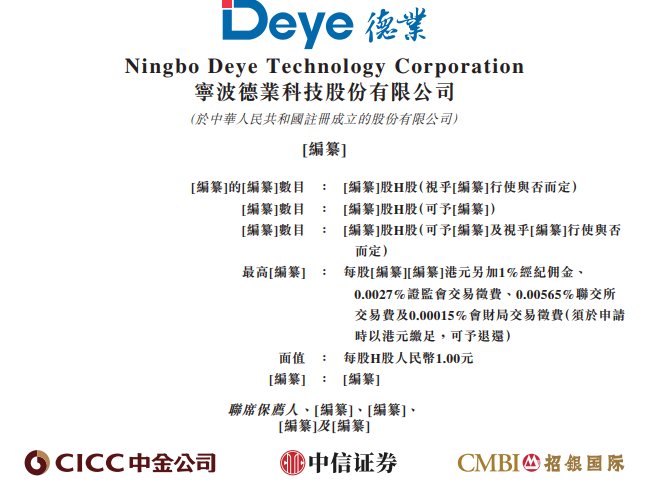
新股消息 | 德业股份递表港交所 为全球第一大户用储能逆变器提供商
Zhi Tong Cai Jing· 2026-01-27 12:54
Company Overview - Ningbo Deye Technology Co., Ltd. has submitted an application for listing on the Hong Kong Stock Exchange, with CICC, CITIC Securities, and CMB International as joint sponsors [1] - The company is a global leader in solar energy storage products, focusing on providing comprehensive photovoltaic and energy storage solutions for sustainable green energy [1] - According to Frost & Sullivan, Deye is the largest provider of household energy storage inverters globally by sales revenue in 2024 [1] Business Segments - Deye's core growth area is in the renewable energy sector, particularly in energy storage inverters, photovoltaic inverters, and energy storage battery packs, while also having a long-standing presence in environmental appliances such as dehumidifiers and solar air conditioners [3] - The company’s energy storage inverters can switch seamlessly between grid-connected and off-grid modes in as fast as 4 milliseconds, ensuring continuous power supply for critical loads [5] - Deye's energy storage inverters cover a power range from 3KW to 125KW, suitable for various applications including residential and commercial [5] - The company offers a full range of energy storage battery packs designed for different applications, ensuring compatibility with its inverters and providing flexibility and scalability [6] - Deye's photovoltaic inverters include string inverters and microinverters, with power ratings from 1kW to 136kW, catering to residential and small commercial needs [7] Financial Performance - For the fiscal year 2023, Deye reported revenues of approximately RMB 7.48 billion, with a projected increase to RMB 11.21 billion in 2024 [10] - The net profit for 2023 was approximately RMB 1.79 billion, expected to rise to RMB 2.96 billion in 2024 [10] - The gross profit margin for 2023 was 39.2%, with slight decreases projected for 2024 and 2025 [11] Market Overview - The global household energy storage inverter market is expected to grow from RMB 1.7 billion in 2020 to RMB 14.5 billion by 2024, with a compound annual growth rate (CAGR) of 71.8% [12] - The European market is projected to reach RMB 4.4 billion by 2024, while Africa is anticipated to be the fastest-growing market, reaching RMB 2.5 billion in the same year [12] - The global solar photovoltaic inverter market is forecasted to grow from RMB 63.7 billion in 2020 to RMB 154 billion by 2024, with a CAGR of 24.7% [14]