
xAI

Search documents
马斯克又干逆天事?核电站级AI算力来了!
Xin Lang Cai Jing· 2026-02-04 12:22
Core Viewpoint - The development of the Colossus 2 supercomputer by Elon Musk represents a significant leap in AI capabilities, emphasizing the importance of energy supply and efficiency management in supporting large-scale AI models, which is now recognized as a critical factor in the AI industry [2][38]. Group 1: Colossus 2 Overview - Colossus 2 is the world's first AI training cluster with a capacity of 1 million kilowatts, serving as a cornerstone for Musk's "automobile + AI + energy" ecosystem [4][40]. - The supercomputer utilizes 555,000 NVIDIA GPUs, achieving a theoretical peak performance of 275-348 EFLOPS, which is more computational power than humanity has used in the past several decades [6][42]. - Colossus 2's construction was completed in just 10 months, showcasing Musk's exceptional engineering execution compared to traditional supercomputing centers that typically take years to build [13][49]. Group 2: Strategic Goals and Applications - The primary goal of Colossus 2 is to support the next-generation Grok 5 model, which aims to enhance AI's ability to understand dynamic video content, a crucial requirement for autonomous driving [4][40]. - The supercomputer is designed to create a closed loop of "data - computing power - model - application," allowing Tesla to optimize its computing resources and reduce costs [8][44]. - Musk's strategy includes leveraging existing NVIDIA GPUs while gradually developing proprietary chips to mitigate risks associated with supply chain dependencies [8][44]. Group 3: Energy Management and Environmental Concerns - Colossus 2 employs a dual power supply system of grid electricity and natural gas turbines to ensure stable energy supply, addressing the significant power demands of the supercomputer [19][55]. - The facility is under scrutiny for its environmental impact, with investigations into emissions from its natural gas turbines, highlighting the ongoing challenge of balancing high energy consumption with environmental compliance [19][57]. - The integration of Tesla's Megapack energy storage system allows for efficient energy management, reducing costs and providing backup power during outages [24][60]. Group 4: Industry Impact and Future Outlook - Colossus 2 is set to redefine the automotive AI landscape, shifting the focus from traditional hardware competition to AI computing power and model capabilities [33][69]. - The advancements made possible by Colossus 2 are expected to accelerate the adoption of full-scene autonomous driving and enhance in-car AI systems, leading to a more intelligent user experience [30][68]. - The competitive edge gained by Musk through Colossus 2 may create significant barriers for other companies in the automotive AI sector, potentially reshaping the industry's competitive dynamics [71][72].


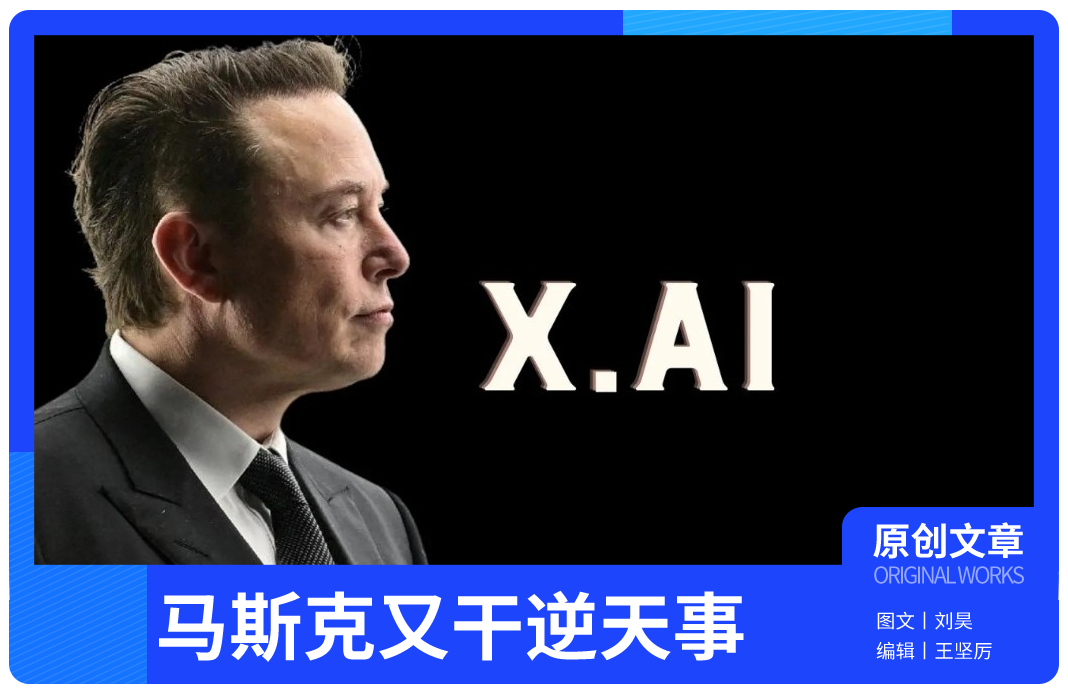
X @The Economist
The Economist· 2026-02-04 12:20
Elon Musk’s xAI is a cash incinerator: it is reportedly burning through nearly $1bn a month. Mr Musk may thus be eager to use SpaceX to subsidise his chatbot app https://t.co/N25oBf4LOa ...
120倍回报、千亿美元浮盈,SpaceX上市的隐藏大赢家竟是它
华尔街见闻· 2026-02-04 11:56
Core Viewpoint - A controversial investment made ten years ago is evolving into one of the most profitable bets in Silicon Valley's history, particularly for Google, which stands to gain significantly from its stake in SpaceX following the acquisition of AI company xAI [2][3][4]. Investment Overview - Google holds approximately 7.4% of SpaceX, with an initial investment of $900 million now potentially valued at $111 billion, representing a return of over 120 times [6][10]. - The investment was made in January 2015 when SpaceX was valued at only $12 billion, and the company faced skepticism regarding its technology and financial viability [7][8]. Growth Trajectory - SpaceX's valuation has skyrocketed from $36 billion in 2020 to a projected $1.5 trillion by the time of its IPO, significantly increasing the value of Google's investment [9]. - Google's financial reports have already reflected an $8 billion gain from the revaluation of its SpaceX stake, which constituted 25% of its net profit in the first quarter [10]. Future Considerations - There is speculation about the potential separate IPO of SpaceX's Starlink division, which could allow investors to benefit from its profitability without the financial burden of SpaceX's Mars colonization plans [11][12][13]. - Regardless of the eventual listing format, Google's investment in SpaceX is poised to be one of the most successful venture capital investments in history [14].

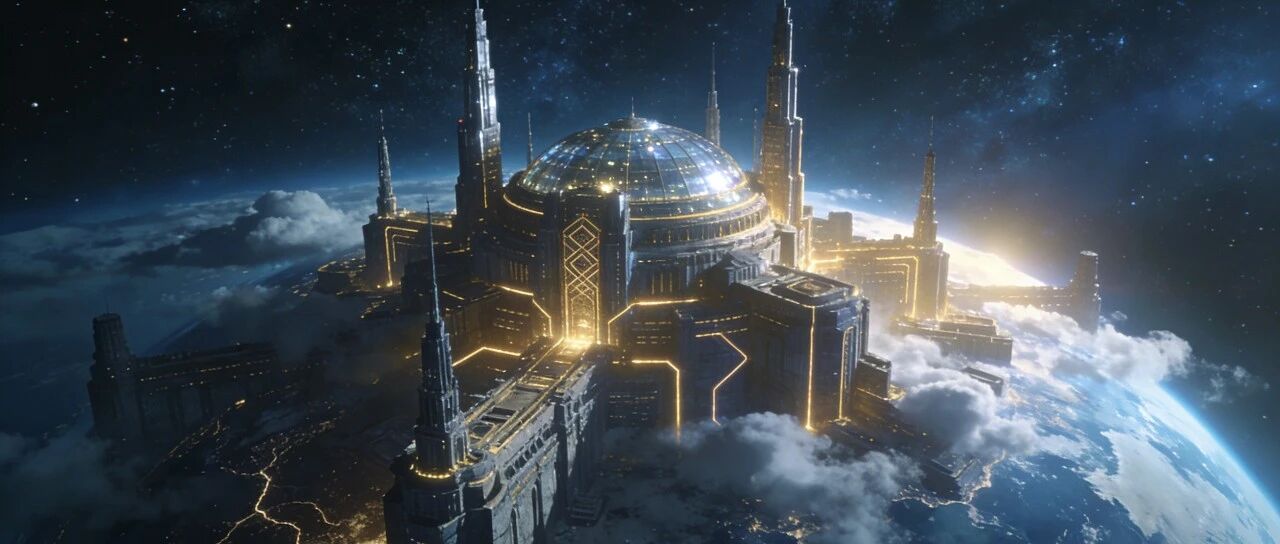
马斯克成全球首位身家超8000亿美元者 受SpaceX合并xAI推动
Xin Lang Cai Jing· 2026-02-04 11:44
SpaceX完成对其人工智能及社交媒体公司xAI的收购后,埃隆・马斯克的身家突破8000亿美元,成为全 球首位达到这一财富高度的人。《福布斯》估算,这笔交易对合并后公司的估值达1.25万亿美元,使马 斯克的财富增长840亿美元,创下8520亿美元的历史新高。 此次交易前,SpaceX曾于12月发起股权要约收购,估值为8000亿美元,据此计算马斯克持有的42%股份 价值3360亿美元。本月初,xAI完成一轮私募融资,公司估值达2500亿美元,马斯克持有的49%股份对 应价值1220亿美元。此次合并对SpaceX和xAI的估值分别定为1万亿美元和2500亿美元,《福布斯》测 算,马斯克目前持有合并后公司43%的股份,价值5420亿美元。 这让SpaceX成为马斯克目前价值最高的资产。此外,他还持有特斯拉12%的股份,价值1780亿美元,同 时拥有价值1240亿美元的特斯拉股票期权。值得一提的是,去年11月特斯拉股东已批准一项史无前例的 薪酬方案:若特斯拉未来10年达成"宏伟目标"——比如市值增长超8倍,马斯克将额外获得最高1万亿美 元的股票奖励(未扣除税费及限制性股票解锁成本)。 这已是不到一年内马斯克旗下两家公 ...
The SpaceX mega merger boosts the Musk trade
Yahoo Finance· 2026-02-04 11:00
Core Viewpoint - The acquisition of xAI by SpaceX, valued at $1.25 trillion, is seen as a strategic move to enhance Musk's portfolio and prepare for an upcoming IPO, despite skepticism regarding the merger's motivations and profitability [1][2][5]. Group 1: Company Strategy - SpaceX is positioning itself as a diversified investment vehicle, appealing to investors who may not be interested in Tesla or X, by offering opportunities in areas like orbital data centers and AI startups [4][5]. - The merger is viewed as a way to capitalize on the current AI investment trend, potentially outpacing competitors like OpenAI and Anthropic by being a first mover in the public market [6][8]. Group 2: Market Context - The timing of the merger is critical, as it aligns with SpaceX's preparations for a historic IPO, which could attract significant retail investor interest [5][6]. - Musk's narrative framing of the AI venture, likening it to his previous successes with Tesla and SpaceX, aims to create a compelling vision for the future of data centers in space [7][8].
X @Bloomberg
Bloomberg· 2026-02-04 10:50
Elon Musk is making a mistake by turning SpaceX into an ATM for xAI, @tomwblack says (via @opinion) https://t.co/uNd5zgF3rs ...
马斯克团队秘密调研中国企业,拉爆太空光伏概念股
Xin Lang Cai Jing· 2026-02-04 10:19
Core Viewpoint - Musk's recent capital movements have significantly impacted the Chinese photovoltaic sector, with rumors of his team conducting research on several Chinese solar companies, potentially indicating future collaborations [1][2]. Group 1: Company Research - Musk's team has reportedly investigated multiple Chinese photovoltaic companies, including TCL Zhonghuan, JinkoSolar, and Jinglong Technology, although specific details about potential collaborations remain undisclosed [1][2]. - JinkoSolar confirmed interactions with Musk's team, focusing on their technological capabilities and production equipment, while other companies have not provided comments [1][2]. - The stock prices of key players in the photovoltaic sector surged following the news, with TCL Zhonghuan and JinkoSolar hitting their daily price limits, and Jinglong Technology rising by 12.97% [2]. Group 2: Market Trends - The photovoltaic sector is experiencing heightened interest, particularly in "space photovoltaic" concepts, although the practical application of these technologies is still in exploratory stages [3]. - The market is reacting positively to the potential of space photovoltaic technology, with companies like Maiwei and others seeing significant stock price increases, reflecting investor enthusiasm [3][4]. - Musk's ambition for space solar energy and AI computing is expected to drive innovation and investment in the sector, with projections indicating that space-based AI computing could become the most cost-effective solution within the next 2-3 years [7][8]. Group 3: Industry Developments - China remains the largest producer of photovoltaic components globally, supplying 70% of the world's solar panels, while the U.S. is still developing its domestic photovoltaic capabilities [7]. - Musk's plans include launching a constellation of satellites to create an "orbital data center," which will rely on solar energy, aiming to meet the growing demand for AI computing power [7]. - SpaceX and Tesla have announced plans to build a total of 200 GW of solar capacity in the U.S. within three years, with a significant portion allocated for powering satellites and data centers [8].



马斯克杀死特斯拉
虎嗅APP· 2026-02-04 10:14
Core Viewpoint - Elon Musk is fundamentally reshaping Tesla's identity, moving away from being merely an automotive company to focusing on AI and robotics, indicating a significant shift in business strategy [4][5][11]. Group 1: Tesla's Strategic Shift - During Tesla's 2025 Q4 earnings call, Musk announced the end of the Model S and Model X, symbolizing a departure from traditional automotive manufacturing [7][9]. - Tesla's capital expenditure for 2026 is projected to reach $20 billion, primarily directed towards AI, autonomous driving, and robotics rather than new vehicle development [9][12]. - The Fremont factory is undergoing a transformation to produce 1 million robots annually, indicating a complete shift in Tesla's operational focus [10][18]. Group 2: Market Dynamics and Challenges - The automotive market has become a zero-sum game, with consumers now prioritizing cost-effectiveness over novelty, diminishing the premium associated with electric vehicles [13][15]. - Musk's strategy aims to escape the competitive automotive landscape, where Tesla's valuation could plummet to levels comparable to traditional automakers if it remains focused solely on vehicle sales [14][15]. - The shift from automotive to AI and robotics is seen as a necessary evolution for maintaining Tesla's market value and relevance [15][29]. Group 3: Implications for Competitors - Chinese electric vehicle manufacturers like Xpeng and Li Auto are increasingly showcasing their advancements in robotics, reflecting a growing anxiety about Tesla's strategic direction [20][22]. - The competition is characterized by a fundamental difference in approach: Tesla is leveraging its existing automotive expertise to pivot towards robotics, while competitors are struggling to adapt [23][24]. - The ongoing resource allocation battle within companies highlights the tension between maintaining traditional automotive profitability and investing in future technologies [25][26]. Group 4: The Future of the Automotive Industry - The automotive industry is experiencing a paradigm shift, with traditional metrics like horsepower and range becoming less relevant as companies transition to AI-driven models [28][31]. - The end of the Model S signifies not just the retirement of a flagship model but also the decline of the traditional automotive company definition in the face of advancing AI technologies [29][30].
SpaceX宣布收购xAI:马斯克的太空AI愿景,有野心还是权宜之计?
Sou Hu Cai Jing· 2026-02-04 09:49
Core Viewpoint - Elon Musk's SpaceX has announced the acquisition of AI company xAI, aiming to integrate its operations and accelerate research and development efforts, while proposing the concept of a space-based AI computing center [1][5]. Group 1: Acquisition and Integration - The acquisition of xAI is intended to leverage SpaceX's technological and financial advantages to overcome development bottlenecks faced by xAI, creating a closed-loop ecosystem [5]. - xAI requires substantial funding to support its operations, particularly for the Colossus data center and the Grok model, and merging with SpaceX ensures the stability of its financial operations [6]. Group 2: Vision and Challenges - Musk envisions a space-based AI hub as a solution to the high energy consumption and cooling demands of current AI computing centers, which pose significant ecological and financial pressures [3]. - The realization of a space-based AI center is seen as a long-term goal that depends on large-scale rocket launches and space infrastructure, which involve high costs and risks, making short-term success unlikely [7].
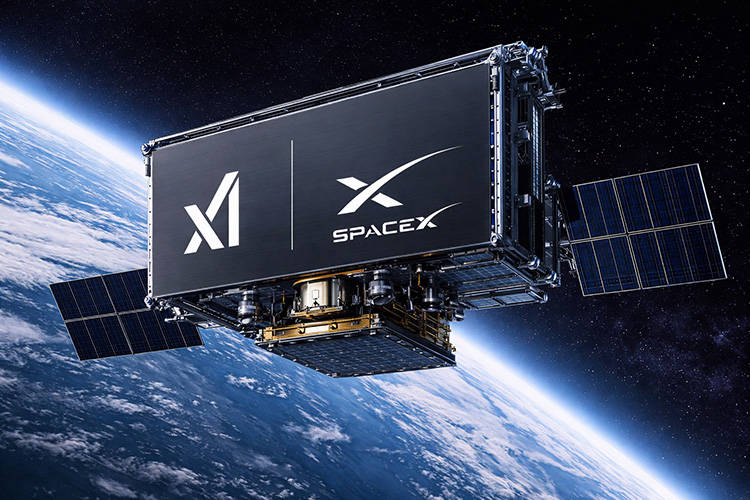
X @BSCN
BSCN· 2026-02-04 09:47
🚨BREAKING: ELON MUSK NET WORTH HITS $850B@Tesla CEO @elonmusk’s fortune jumped by $84 billion after the SpaceX-xAI merger.That stake alone is valued at roughly $542 billion.His net worth now stands at an estimated $852 billion, according to @Forbes.It makes Musk the richest individual in recorded history. ...