小红书

Search documents
零售快报 | 2025年前三季度中国快速消费品市场消费韧性延续,自有品牌加速渗透
凯度消费者指数· 2025-10-28 03:52
Core Insights - The consumer market for fast-moving consumer goods (FMCG) in urban China is projected to grow by 2% year-on-year in the first three quarters of 2025, indicating a stable trend [1] - The beverage category continues to lead in sales growth, while dairy products face challenges due to declining purchase frequency and average transaction value [1] - The final consumption expenditure contributed 53.5% to economic growth, driving GDP up by 2.8 percentage points [1] Offline Channels - In the first three quarters of 2025, modern retail channels (including hypermarkets, supermarkets, and convenience stores) saw sales remain flat compared to the previous year, with convenience store sales down by 2.6% [3] - Community grocery stores showed strong performance with a 6.0% year-on-year sales increase, particularly in the western regions where sales grew at double-digit rates [3] Market Share of Major Retailers - Walmart's market share increased by 1 percentage point in the first three quarters of 2025, driven by the success of Sam's Club [6] - Hema's overall market share rose by 0.4 percentage points, with its fresh store format gaining traction [6] - The penetration rate of discount snack stores exceeded 31%, with western regions showing a higher sensitivity to price, achieving a penetration rate of 36.1% [7] Online Channels - Online channels demonstrated robust performance with a 7% year-on-year sales growth in the first three quarters of 2025 [9] - Douyin (TikTok) maintained strong growth, with its penetration rate increasing by 5.1 percentage points, particularly in town-level markets [11] - Instant retail penetration surpassed 40%, with front warehouse models showing steady sales growth [12] Private Label Brands - Over 48% of urban households in China purchased private label brands in the first three quarters of 2025, reflecting a 10 percentage point increase from the previous year [13] - Retailers are focusing on optimizing supply chains to enhance the price competitiveness of private label products [14]


助力网售商品信息透明化 “消协315”小程序上线“扫码辨商品”功能
Bei Jing Shang Bao· 2025-10-27 12:21
Core Points - The China Consumers Association (CCA) and the China Commodity Code Center have launched a new feature called "CCA helps you find, scan to identify products" on the "National Consumer Association Smart 315" mini-program, aimed at enhancing consumer participation in online product supervision [1][2] - The new feature addresses issues of false advertising and inaccurate product information in online shopping, providing a convenient channel for information verification during key stages of consumer decision-making and product receipt [1][2] Group 1 - Ten major e-commerce platforms, including Taotian, Kuaishou, Pinduoduo, Douyin, JD.com, Suning, Xiaohongshu, Dewu, Vipshop, and Tencent, will display product barcodes for ten categories of goods, such as safety helmets and electric bicycles [2] - Consumers can scan the displayed barcodes using the "CCA 315" mini-program to access official registration information from the Commodity Code Center, allowing them to compare it with platform promotional content and identify exaggerated claims or discrepancies [2] - The feature enables consumers to verify key product information, such as specifications and models, by scanning the physical packaging barcode upon receipt of goods, and provides a one-click feedback option for any inconsistencies found [2] Group 2 - Feedback data from consumers will be synchronized in real-time to the Commodity Code Center, which will initiate a data verification process for any reported discrepancies, temporarily suspending the data display rights of the inconsistent products [2] - The launch of this feature signifies a shift towards empowering consumers to become participants and supervisors in product data governance through the "CCA 315" platform [2]
低门槛、0保证金:小红书能“复制”闲鱼吗?
3 6 Ke· 2025-10-27 11:06
Core Insights - Xiaohongshu has launched an internal test of the "Quick Sale" feature, allowing users with accounts older than 180 days and verified professional accounts to sell items without a deposit, marking its entry into the second-hand e-commerce market [1][2][4] - The "Quick Sale" feature simplifies the selling process, enabling users to embed links to second-hand items directly in their posts, thus keeping transactions within the platform and enhancing user experience [1][5] Group 1: Market Context - The second-hand e-commerce market in China is projected to reach a transaction scale of 645 billion yuan in 2024, with a year-on-year growth of 17.56% and an increase in user base from 252 million in 2020 to 660 million [5] - Major players in the second-hand e-commerce space include Xianyu, Zhuanzhuan, and others, with no clear market leader currently established [5][11] - Zhuanzhuan has recently exited the C2C market due to low profitability, indicating a shift in market dynamics that Xiaohongshu aims to capitalize on [6][11] Group 2: Xiaohongshu's Competitive Advantages - Xiaohongshu's community-driven model provides a trust foundation for second-hand transactions, enhancing conversion rates compared to traditional platforms [7] - The platform's data-driven approach allows for precise targeting of potential buyers, even for content with low engagement [7] - Xiaohongshu is also focusing on niche markets, such as the ACG (Anime, Comic, and Games) community, by encouraging users to sell related products through the "Quick Sale" feature [8] Group 3: Challenges Ahead - Xiaohongshu faces challenges related to the uncontrollable supply in the C2C model, which can lead to quality disputes and customer dissatisfaction [9][10] - The platform must balance community engagement with commercial objectives, as an influx of professional sellers could disrupt the existing ecosystem [10] - Competition from established players like Xianyu, which has advanced AI features and a robust credit system, poses a significant challenge for Xiaohongshu as it seeks to establish itself in the second-hand market [11]

中国国际广告节:科技与文化交汇,“双主场”链接亚洲机遇
Xin Jing Bao· 2025-10-27 10:08
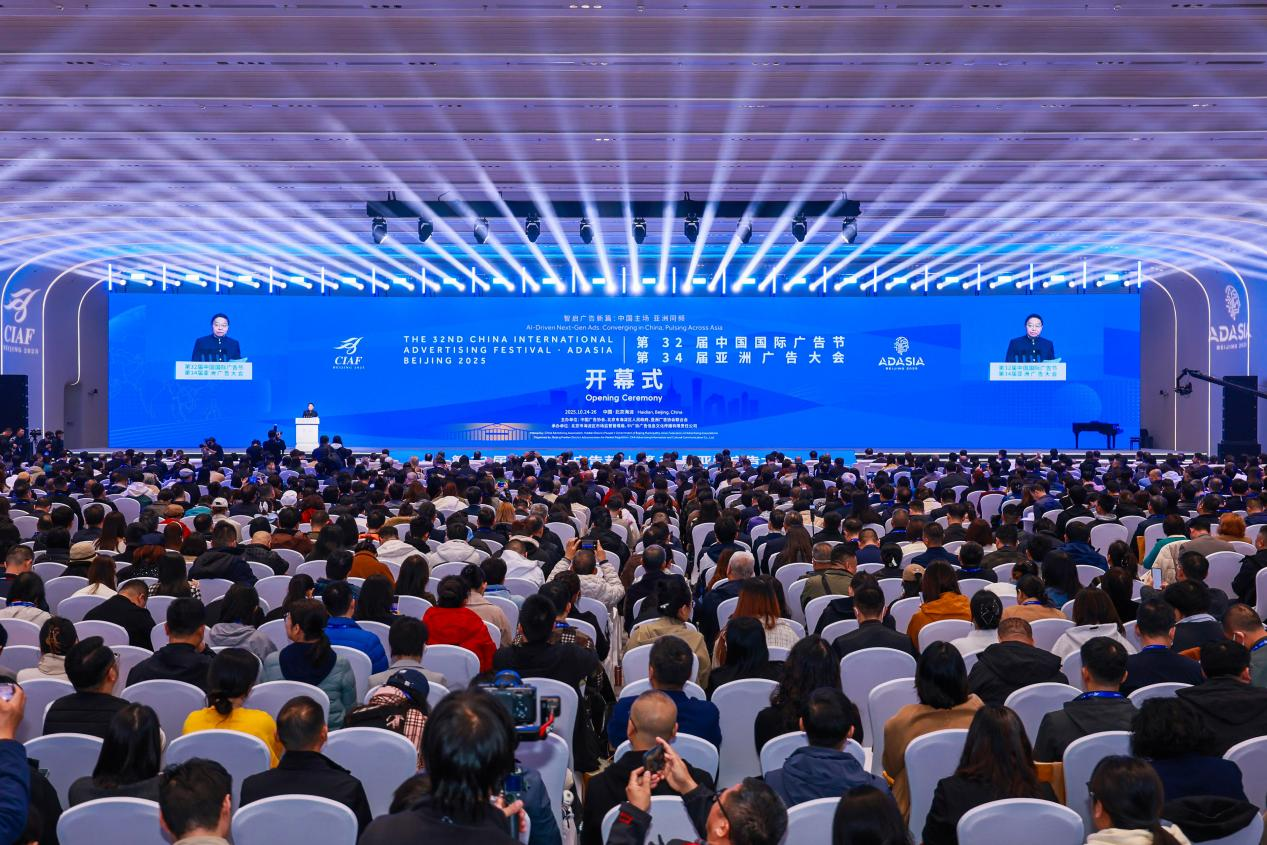
Core Insights - The 32nd China International Advertising Festival and the 34th Asian Advertising Congress successfully concluded in Beijing, focusing on the theme "Intelligent Advertising New Chapter: China as the Main Stage, Asia in Sync" [1][6] - The dual-event format marked a significant step in the integration of China's advertising industry with the international stage, attracting over 10,000 representatives from more than 30 countries and regions [2][7] Group 1: Event Highlights - The event was held in a "dual main stage" format, featuring over 220 international representatives, creating a comprehensive ecosystem for "display, communication, release, and cooperation" [2] - The event's content reached over 1 billion people through "all-media + outdoor advertising" strategies, significantly enhancing the international influence of China's advertising industry [2] - Key industry leaders from companies like WPP, Tencent, and Haier discussed topics such as AI-driven brand transformation, showcasing the cutting-edge achievements of China's advertising sector [3] Group 2: Technological and Cultural Integration - Experts from international organizations like Accenture and Dentsu shared insights on AI's role in advertising innovation, discussing topics such as AI payment reconstruction and intelligent applications [4] - The event included award ceremonies for the China Advertising Industry Awards and over 20 specialized forums covering various hot topics, including AI advertising development and brand innovation [4] - Three major exhibitions showcased the diverse ecosystem and innovative vitality of the advertising industry, featuring prominent media and companies [4] Group 3: Regional Impact - Haidian District, as the event's host, provided a rich cultural and technological foundation, aligning with the event's theme of "innovation-driven, technology-enabled" [5] - The advertising industry is seen as a pioneer in sensing AI transformations, with Haidian's research capabilities fueling advertising innovation [5] - The collaboration between the advertising industry and Haidian's tech firms is expected to enhance regional influence and market reputation [5] Group 4: Future Outlook - The successful hosting of the dual events solidifies Beijing's position as a hub for international exhibitions and technology integration, with expectations for deepened collaboration in the next five years [7] - The theme "China as the Main Stage, Asia in Sync" reflects the growing global presence of Chinese products and services, indicating a trend towards greater synergy in the advertising market [7] - The event fostered inspiration and resource expansion among participants, paving the way for future collaborations in AI, branding, and cross-industry integration [7]
第32届中国国际广告节&第34届亚洲广告大会在京圆满闭幕
Bei Jing Wan Bao· 2025-10-27 06:21
Core Insights - The 32nd China International Advertising Festival and the 34th Asian Advertising Congress successfully concluded in Beijing, focusing on the theme "Intelligent Advertising New Chapter: China Main Stage, Asia in Sync" [1][11] - The event attracted over 10,000 representatives from more than 30 countries and regions, establishing an international advertising exchange platform that integrates technology and culture [1][2] Group 1: Event Structure and Participation - This year's event was held in a "dual conference" format, marking a significant step in the integration of China's advertising industry with the international stage [2] - The "dual main venue" model attracted over 220 foreign representatives, creating a comprehensive ecosystem for display, exchange, release, and cooperation [2] - The event's content reached over 1 billion people through "all-media + outdoor advertising" strategies, enhancing the international influence of China's advertising industry [2] Group 2: Industry Insights and Discussions - Key industry leaders from companies like WPP, Tencent, and Haier discussed "AI-driven brand transformation," showcasing cutting-edge achievements in China's advertising sector [3] - Experts from international organizations shared insights on topics such as AI applications and the reconstruction of advertising experiences, injecting new ideas into the industry [6] Group 3: Awards and Recognition - The event featured the China Advertising Association's awards, including the Yellow River Award and the Great Wall Award, alongside over 20 specialized forums covering various hot topics [8] - Notable exhibitions showcased the diverse ecosystem and innovative vitality of the advertising industry, featuring major media and well-known companies [8] Group 4: Regional Impact and Future Outlook - Haidian District, as the event's host, provided a rich cultural and technological foundation, aligning with the event's theme of "innovation-driven, technology-enabled" [10] - The successful hosting of the Asian Advertising Congress in China symbolizes a win-win situation, enhancing Beijing's status as a hub for international exhibitions and technology integration [11] - The collaboration between the advertising festival and Haidian is expected to inject continuous momentum into the advertising industry, paving the way for future growth and innovation [10][11]
“先用后付”与“免密支付”便捷背后:中老年群体面临消费“迷雾”
Sou Hu Cai Jing· 2025-10-27 05:39
Core Viewpoint - The rise of new payment methods such as "pay later" and "no-password payment" is leading to irrational consumption among the elderly, who often lack awareness of their spending due to these simplified processes [1][2]. Group 1: User Experience and Challenges - Over 60% of surveyed elderly users have experienced passive activation of payment features, with many unaware of the implications until they notice unexpected charges [1]. - The process to disable these payment features is often complicated, leading to increased anxiety about financial security among elderly users [2]. - The design of payment platforms tends to favor ease of activation over ease of deactivation, which can confuse users and lead to unintended financial consequences [2]. Group 2: Industry Response and Recommendations - Experts suggest that platforms should adopt principles of clear communication, active user choice, and easy management to protect elderly users from unintended charges [3]. - Some platforms are beginning to adjust their strategies by requiring manual confirmation for activating no-password payments and offering alternative management options for elderly users [3]. - The industry faces a common challenge of balancing technological advancements with the actual needs of the elderly demographic, emphasizing the importance of user rights [3]. Group 3: Market Trends and Future Considerations - By mid-2025, the number of internet users aged 60 and above in China is expected to reach 161 million, highlighting the growing digital consumption capabilities of this demographic [4]. - To ensure payment security for elderly users, experts recommend creating "elderly-friendly" interfaces and implementing a "pre-compensation" mechanism for losses incurred due to misleading activation of payment features [4].

小红书联合创始人瞿芳跻身《财富》亚洲商界女性榜,85后、北外毕业
Sou Hu Cai Jing· 2025-10-27 02:47
瑞财经 李兰 近日,《财富》亚洲最具影响力的商界女性榜单(MPW Asia)出炉,表彰在亚洲主要金融、消费及科技中心等领域推动商业变革的杰出女性。 中国生活方式社区平台小红书联合创始人瞿芳(Miranda Qu)入选榜单,排名从2024年的第60位大幅提升至第15位。 除小红书职务外,瞿芳还担任港股上市公司小鹏汽车(09868.HK)的独立非执行董事。在创业前,她曾于2008年至2013年,管理Wenao Culture旗下一家全 资挪威实体在上海及武汉的多个业务单位。于Wenao Culture任职前,她曾任职贝塔斯曼集团出版业务营销部主管。 公开资料显示,瞿芳1985年出生于湖北武汉,2006年毕业于北京外国语大学国际新闻与传播系。她于2013年联合创立小红书,现任小红书核心管理者,负责 公司管理、战略合作、新商机及对外事务,并参与战略规划及投资与收购工作。 ...
聚焦AI新趋势,赋能行业新增长 ——2025第32届中国国际广告节 &第34届亚洲广告大会主论坛在北京海淀成功举办
Jing Ji Guan Cha Wang· 2025-10-26 23:09
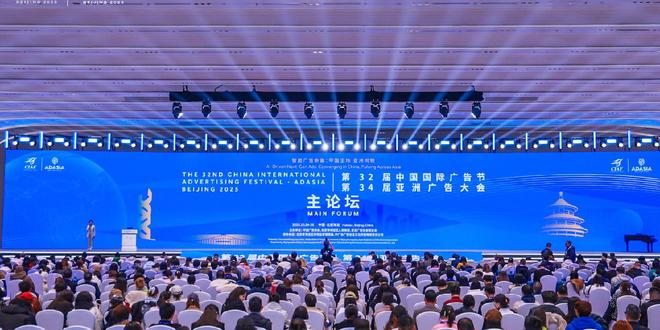
主论坛下午场则围绕"AI工具创新与广告营销的深度融合"展开,汉萨股份、网易、分众传媒、快手磁力 引擎、中国移动咪咕、爱奇艺、鲸鸿动能、银都奥美、哔哩哔哩、凤凰网、微博、新意互动、尚普咨询 等头部企业高层深入探讨技术赋能与创意表达的双向互促,为全球广告从业者呈现前沿洞察与落地路 径。 【以下为嘉宾核心观点摘要】 本次主论坛的成功举办,不仅为全球广告从业者搭建了一个高端对话与思想碰撞的平台,更清晰地勾勒 出在人工智能浪潮下,广告行业未来的发展轮廓。论坛共识表明,AI不再仅仅是提升效能的工具,而 是驱动行业从创意生成、传播策略到价值衡量进行全面重构的核心力量。未来,广告行业将更加注重科 技与人文的深度融合,在智能化的新范式下,探索可持续增长路径,强化全球生态协作,共同开启一个 更具韧性、更富创意、也更具社会责任的新篇章。 10月24日,由中国广告协会、北京市海淀区人民政府、亚洲广告协会联合会主办的第32届中国国际广告 节&第34届亚洲广告大会主论坛,在北京海淀中关村国际创新中心成功举行。 今年,第32届中国国际广告节与第34届亚洲广告大会主论坛首次"双会联动",以"双主场"搭建国际交流 平台。活动以"智启广告新篇: ...
聚焦AI新趋势,赋能行业新增长 ——2025第32届中国国际广告节 & 第34届亚洲广告大会主论坛在北京海淀成功举办
Jing Ji Guan Cha Bao· 2025-10-26 21:05
Core Insights - The 32nd China International Advertising Festival and the 34th Asian Advertising Conference were successfully held in Beijing, focusing on the theme "Intelligent Advertising New Chapter: China Main Stage, Asia in Sync" [2] - The event aimed to showcase innovative achievements and future trends in the advertising industry, emphasizing the integration of technology and culture [2] - Key industry leaders discussed the strategic upgrade and value reshaping of brands in the AI era, highlighting the importance of AI in transforming the entire advertising value chain [2][3] Group 1 - The event served as a high-end dialogue platform for global advertising professionals, outlining the future development of the advertising industry under the influence of artificial intelligence [3] - AI is recognized as a core force driving comprehensive restructuring in the industry, affecting creative generation, communication strategies, and value measurement [3] - The advertising industry is expected to focus more on the deep integration of technology and humanities, exploring sustainable growth paths and enhancing global ecological collaboration [3]
适老支付调查(下)|亲测:便利外衣下的“默认隐忧”
Bei Jing Shang Bao· 2025-10-26 05:52
Core Insights - The article discusses the growing prevalence of "pay later" and "no password payment" features on e-commerce platforms, highlighting both their convenience and potential risks for consumers, particularly among the elderly [1][5][11] Group 1: Functionality and User Experience - E-commerce platforms like Taobao, Pinduoduo, and Xiaohongshu have integrated "no password payment" and "pay later" options into their payment processes, often pre-selecting these options for users during checkout [3][6] - The activation process for these features is generally straightforward, requiring users to agree to service agreements and input payment passwords, but the process to deactivate them is often complex and not user-friendly [4][5][10] - Different platforms exhibit variations in their design and functionality, with some requiring users to navigate through multiple steps to disable features, which can lead to unintended transactions [4][6] Group 2: Consumer Concerns and Feedback - Many consumers, especially older adults, express confusion and concern regarding the implications of "no password payment" and "pay later" options, often misunderstanding them as free services [7][9] - A significant number of older users reported having these features activated without their explicit consent, leading to worries about unintentional spending and debt accumulation [7][12] - The article highlights a need for clearer communication and education regarding these payment options to ensure consumers understand their responsibilities and the risks involved [10][12] Group 3: Platform Responses and Recommendations - Platforms justify the promotion of these features by emphasizing their potential to enhance payment efficiency and user experience, particularly in fast-paced shopping scenarios [8][9] - Companies are encouraged to implement better user interface designs that prioritize consumer understanding, especially for vulnerable groups like the elderly, by simplifying activation and deactivation processes [10][13] - Regulatory suggestions include establishing clear guidelines to prevent misleading designs and ensuring that platforms provide accessible versions of their services for older users [14]