
阿里云

Search documents
特朗普:以色列同意初步撤军路线;台风“麦德姆”今日登陆广东电白至海南琼海沿海;春秋航空回应明年拟赴港上市;三亚大悦城致歉丨每经早参
Mei Ri Jing Ji Xin Wen· 2025-10-04 22:43
Group 1: Typhoon and Emergency Response - The Central Meteorological Administration issued a red alert for Typhoon "Maidam," which has intensified to a strong typhoon level and is expected to make landfall in Guangdong and Hainan [3] - The National Flood Control and Drought Relief Headquarters raised the emergency response level to three for Guangdong and Hainan, while maintaining a level four response for Guangxi [3] Group 2: Transportation and Travel - On October 4, the total cross-regional personnel flow in society is expected to exceed 306.66 million, a year-on-year increase of 8.0% [4] - Railway passenger volume is projected to be 18.2 million, up 3.7% year-on-year, while road travel is expected to reach 284.22 million, increasing by 8.3% [4] Group 3: Retail and Consumer Spending - During the first four days of the holiday, sales of key retail and catering enterprises increased by 3.3% year-on-year [4] Group 4: Film Industry - The total box office for the 2025 National Day holiday has surpassed 1.1 billion, with top films including "The Volunteer Army: Blood and Peace" [5] Group 5: International Relations - U.S. President Trump announced that Israel has agreed to a preliminary withdrawal route from Gaza, which will lead to an immediate ceasefire upon confirmation from Hamas [6] - Egypt will host a meeting on October 6 between Israeli and Hamas representatives to discuss the exchange of all detained individuals [6] Group 6: Corporate Developments - Spring Airlines is considering a potential listing in Hong Kong, with discussions ongoing and no confirmed plans yet [12] - Guolian Minsheng Securities' Hong Kong subsidiary has received a trading license, allowing it to expand its influence in investment banking and stock trading [15] - BYD's production of the new model "Titan 7" has commenced ahead of schedule, indicating strong market responsiveness [16] - Dongfeng Motor reported September sales of 231,000 vehicles, a 6.2% year-on-year increase, with significant growth in new energy vehicle sales [18]



10万亿!AI的“速度与激情”
Sou Hu Cai Jing· 2025-10-04 09:57
Core Insights - The article emphasizes the acceleration of capital markets, technology companies, and policy planning, particularly highlighting the recent government document on implementing "AI+" actions with a goal of entering an intelligent society by 2035 [1][5] - It raises the question of whether the AI industry, projected to be worth 10 trillion, represents a significant opportunity or a bubble, urging readers not to miss this potential like the internet boom [1] Industry Overview - The fourth technological revolution is characterized by a massive explosion of productivity, with AI being a universal technology that will permeate various sectors such as healthcare, education, transportation, finance, and manufacturing [3][4] - The concept of "intelligent economy" is introduced, indicating that AI should transition from laboratory research to a central role in the national economy, with a target of exceeding 1 trillion in core industry scale by 2030 and forming a complete intelligent economy by 2035 [5][6] Economic Implications - AI is compared to real estate in terms of its potential scale, but its impact is expected to be even more profound due to its foundation on data rather than land [7][8] - The article suggests that China's ability to leverage AI lies not in technological superiority but in its capacity to apply AI across various industries and scenarios, positioning China as an ideal testing ground for AI applications [8][10] Market Dynamics - The AI industry is expected to drive significant economic growth, with investments in data centers and the creation of millions of new jobs across the AI value chain [11][12] - The article posits that AI is not just a minor trend but a major narrative that could rewrite economic logic, with the potential for fierce competition in the future trillion-dollar market [13][14] Strategic Considerations - The article outlines three key factors for success in the AI sector: achieving national recognition, establishing a closed loop of computing power, algorithms, and applications, and maintaining a cautious yet optimistic outlook on market dynamics [21][22] - It highlights the importance of policy support as a certainty in the evolving landscape, suggesting that the current market may not experience the same frenzy as the past real estate boom, but opportunities still exist [22][23]

区域市场差异化发展特征
Sou Hu Cai Jing· 2025-10-04 09:16
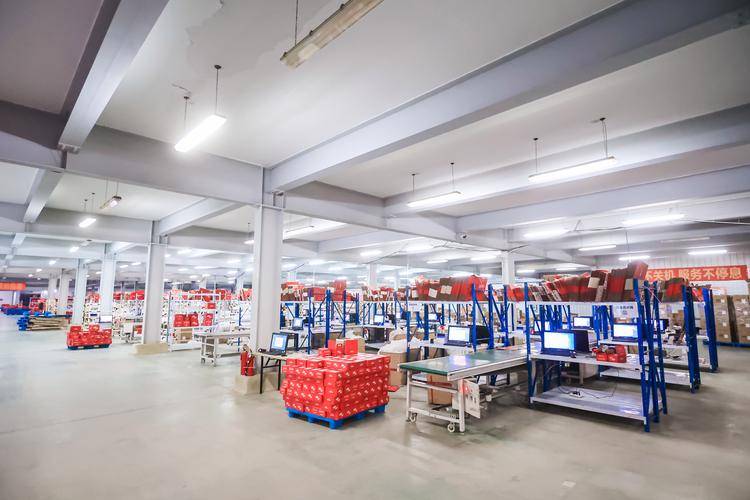
Group 1: Cloud Warehouse Market in China - The cloud warehouse market in China shows significant regional development differences influenced by economic levels, industrial structures, and infrastructure conditions [1] - The national high-standard warehouse stock reaches 168 million square meters, primarily concentrated in the eastern coastal regions, with Jiangsu, Zhejiang, and Guangdong having the highest stock [1] - The Beijing-Tianjin-Hebei city cluster has a vacancy rate of 28.56% and a rental price of 21.91 yuan per square meter per month, facing dual pressures of inventory and insufficient demand [1] - The Yangtze River Delta city cluster has a vacancy rate of 25.42% and effective rent of 25.71 yuan per square meter per month, benefiting from rental price reductions [1] - The Pearl River Delta city cluster stands out with a low vacancy rate of 6.12% and effective rent of 35.24 yuan per square meter per month, but may face future de-stocking pressure due to high supply [1] - The Central Yangtze River and Chengdu-Chongqing city clusters have lower vacancy rates of 13.33% and 8.91%, respectively, with relatively low rental levels [1] Group 2: Global Cloud Warehouse Market - The global cloud warehouse market exhibits clear regional differentiation, with North America and Europe having high maturity levels, led by companies like Amazon FBA and SAP [2] - The Asia-Pacific market is characterized by an "China technology + local infrastructure" model due to the e-commerce boom, with 60% of cloud warehouse solutions in Southeast Asia provided by Chinese companies [2] - The African region is still exploring digitalization, with Kenya's Jumia improving inventory turnover by 60% after adopting Alibaba's cloud warehouse management system, but facing limitations due to insufficient electricity infrastructure and low automation equipment penetration below 10% [2] - These regional differences provide diverse options for companies to adopt differentiated cloud warehouse strategies based on business layout and market demand [2]
一块电池,烧瘫韩国:数据中心失火 22 小时,647 套系统因缺失“双活”集体宕机
猿大侠· 2025-10-04 04:11
Core Insights - South Korea experienced its most severe digital infrastructure incident due to a fire at the National Information Resources Service data center, which resulted in 647 critical systems going offline, accounting for approximately 40% of the national digital service framework [1][9]. Incident Details - The fire broke out on September 26 during a battery transfer operation involving lithium batteries, which had been identified as a risk prior to the incident. The fire was ignited by a spark from one of the batteries, leading to a rapid escalation of the blaze [2][7]. - The fire reached temperatures of 160 degrees Celsius, causing the temperature and humidity control systems to fail, prompting the management to shut down all remaining equipment to prevent further damage [2][9]. - The fire was extinguished after 22 hours, resulting in the complete destruction of 384 lithium batteries and damage to 740 computing devices [3][4]. Response and Recovery - Approximately 73 firefighters and 70 fire trucks were involved in the rescue efforts, with one reported injury [4]. - As of the following Monday, only 62 out of the 647 systems had been restored, indicating a recovery rate of less than 10% [13]. Infrastructure Critique - The incident highlighted significant flaws in the infrastructure, including the aging of the lithium batteries, which were installed in 2014 and had surpassed their warranty period. Recommendations for replacement had been made but were not acted upon [7][15]. - Criticism was directed at the layout of the data center, where the distance between the batteries and critical servers was less than the recommended 90 centimeters, increasing the risk of fire spread [7]. Systemic Impact - The fire led to widespread service disruptions across South Korea, affecting critical systems such as mobile identification, banking services, and emergency response systems [9][10]. - The incident prompted the activation of the highest emergency response level for an IT disaster in South Korea, marking a significant escalation in the response to such incidents [10]. Industry Implications - The fire has raised concerns about the safety of lithium batteries in data centers, with experts calling for stricter safety measures, including better isolation of battery modules and improved fire detection and suppression systems [19]. - The market share of lithium batteries in data center applications has increased significantly, from 15% in 2020 to an estimated 38.5% currently, indicating a growing reliance on this technology despite the associated risks [19].

2025年中国基础云服务行业数据报告
艾瑞咨询· 2025-10-04 00:06
Core Insights - The overall cloud service market in China is projected to reach 544.54 billion yuan in 2024, with a growth rate of 15%. The rapid development of artificial intelligence is driving upgrades in cloud infrastructure and capability platforms, which are key factors for market growth [1][8]. Market Overview - The IaaS market in China is expected to grow to 371.86 billion yuan in 2024, with a growth rate of 19.1%. The PaaS market is projected to reach 101.86 billion yuan, growing at 35.8% [11]. - The public cloud service market is anticipated to reach 387.87 billion yuan in 2024, with an 18% growth rate. The non-public cloud service market is expected to be 163.58 billion yuan, growing at 11.2% [13][16]. Market Characteristics - AI has become a focal point for cloud service industry construction and business layout. Participants are expanding investments in intelligent computing infrastructure and improving AI development tools [8]. - The public cloud service market is experiencing new opportunities due to the rapid development of AI, with comprehensive cloud vendors focusing on "intelligence" to build intelligent computing infrastructure [13]. Competitive Landscape - In the public cloud IaaS market, Alibaba Cloud, Huawei Cloud, and Tianyi Cloud rank as the top three, with Tencent Cloud and Mobile Cloud tied for fourth place, and Amazon Web Services in fifth [19]. - Operator-backed cloud vendors are enhancing their competitiveness by improving infrastructure and investing in AI, while internet-based cloud vendors are focusing on business streamlining and capability concentration to alleviate competitive pressure [19]. Development Trends - The cloud computing sector is expected to continue providing foundational resources and platform tools to support AI industry development, while also deepening the integration of cloud and intelligence [8]. - The PaaS market is entering a critical technological transition period, with AI reshaping technical architecture and development processes [11]. Industry Implications - The integration of AI into traditional industries is creating potential opportunities in the non-public cloud market, as businesses seek cost-effective and adaptable deployment methods [16]. - The current AI applications are primarily concentrated in the internet sector, but there is potential for traditional enterprise clients to upgrade their cloud capabilities through AI [21].

OKX视角下的Web3新周期:万物上链、资产自管与创新合规
3 6 Ke· 2025-10-03 13:55
Core Insights - The article emphasizes the emerging trend of "Everything Onchain," highlighting the shift towards decentralized asset management and the increasing importance of blockchain technology in financial systems [5][6][12]. Group 1: Industry Overview - Singapore is positioned as a crucial player in the global financial system, leveraging its robust business environment and regulatory framework to attract capital [3]. - The TOKEN2049 summit in Singapore gathered over 25,000 participants, showcasing the growing interest in Web3, DeFi, AI, and real-world asset (RWA) tokenization [3][17]. Group 2: Company Initiatives - OKX, as a leading cryptocurrency exchange, sponsored TOKEN2049 and its CEO, Star Xu, presented a vision for a future where users have true control over their assets through self-custody wallets [5][6]. - OKX announced a partnership with Grab to enable crypto payments for various services, indicating a practical application of "Everything Onchain" in everyday transactions [8][17]. Group 3: Technological Advancements - The concept of "Everything Onchain" extends beyond digital tokens to encompass the tokenization of various assets, including bonds and real-world assets, facilitated by advancements in blockchain technology [6][7]. - The infrastructure for on-chain finance is now capable of processing thousands of transactions per second, supporting the scalability of blockchain applications [7][16]. Group 4: Regulatory Landscape - The article notes the increasing regulatory acceptance of cryptocurrencies, with OKX obtaining licenses in multiple jurisdictions, including Singapore, Australia, and the EU [16][17]. - The establishment of a regulatory framework for stablecoins in the U.S. and Singapore reflects a broader trend towards compliance and legitimacy in the crypto industry [16][17]. Group 5: Future Outlook - The growth of the TOKEN2049 summit is indicative of the maturation of the blockchain industry, with expectations for continued innovation and integration of Web3 technologies into daily life [17]. - The article concludes that a new era in finance is beginning, driven by decentralized principles and the ongoing evolution of blockchain technology [18].

出行进化论:从哈啰两轮到无人驾驶的战略跃迁
Jing Ji Guan Cha Bao· 2025-10-03 07:03
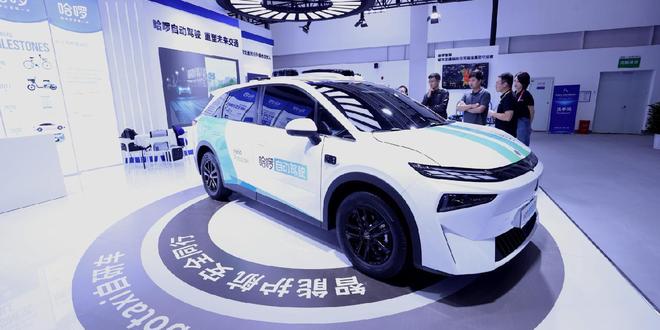
Core Insights - The article highlights the strategic transition of the company from a ride-sharing platform to a leader in intelligent driving technology, exemplified by the launch of the "HR1" Robotaxi and the "Hello" cruise ship project [2][6][15] Group 1: Product Launch and Innovation - The "Hello" cruise ship, which features interactive elements and showcases local messages, symbolizes the company's commitment to integrating technology with user experience [2][6] - The "HR1" Robotaxi, equipped with advanced sensors and computing power, marks a significant step towards the commercialization of autonomous driving technology [2][6][10] - The Robotaxi employs an end-to-end L4 technology system that enhances response speed and decision-making consistency, utilizing a multi-sensor input approach [6][7] Group 2: Strategic Partnerships and Collaborations - The company has formed strategic partnerships with key industry players, including Aliyun and Didi, to enhance the development and deployment of Robotaxi technology [10][11] - A collaboration with Qwen team from Aliyun has led to the development of a large-scale model that supports the autonomous driving system [7][10] Group 3: Market Position and Future Plans - The company aims to achieve mass production of its Robotaxi models by 2026, targeting over 10 cities and a fleet of 10,000 vehicles [10][11] - The company has initiated commercial pilot operations in Zhuzhou and Liyang, marking its first steps towards large-scale deployment [11][14] - The Chinese autonomous driving market is projected to reach 118.5 billion yuan in 2023, with significant growth expected by 2025, providing a favorable environment for the company's expansion [14][15] Group 4: Regulatory Environment and Industry Trends - Recent government policies are creating a conducive environment for the development of intelligent connected vehicles, facilitating the company's rapid advancements in the Robotaxi sector [5][14] - The autonomous driving industry in China is expected to see a market size of $183 billion by the late 2030s, indicating a substantial growth opportunity for the company [15]
智能眼镜正在从“新奇玩具”变成“日常工具”
Jing Ji Guan Cha Wang· 2025-10-03 05:55
Core Insights - The smart glasses market is at a contradictory juncture in 2025, with significant growth potential but consumer hesitance regarding utility and pricing [2][4]. Market Overview - AI glasses are projected to see a global shipment growth rate of 158% in 2025, reaching 5.1 million units, with expectations to exceed 10 million units by 2026 [4]. - Major players in the market include Meta, Google, Xiaomi, and Huawei, indicating strong competition [4]. - Despite optimistic forecasts, consumer adoption remains slow due to high prices and unclear use cases for smart glasses [4]. Company Spotlight: TCL and Thunderbird Innovation - TCL's Thunderbird Innovation achieved the highest global shipment share of AR glasses at 39% in Q2 2025 [5]. - The company is developing both AI-focused glasses and more complex "AI+AR" hybrid models, showcasing a diverse product strategy [6]. Product Strategy - Thunderbird's Air series focuses on providing a "personal giant screen" experience, emphasizing entertainment and gaming without complex AI functionalities [8][9]. - The Air series utilizes a "MicroOLED+BirdBath" optical solution for high-quality display, enhancing user experience with advanced audio technologies [11]. - The pricing strategy for the Air series is competitive, ranging from 1,200 to 1,700 yuan, aligning with mainstream consumer electronics [12]. Future Development - Thunderbird's product lineup includes the Air series for entertainment, the V3 series for AI photography, and the X series aimed at becoming the next-generation smart terminal [15][16][17]. - The X3 Pro model features advanced optical technology and aims to address outdoor visibility issues, while maintaining a lightweight design [17]. Ecosystem Building - Thunderbird is actively creating application scenarios by partnering with leading companies in various sectors, such as navigation with Gaode Map and payment solutions with Ant Group [20][21]. - The company is also enhancing its software ecosystem by integrating existing mobile applications into its RayNeo OS platform, allowing for immediate user engagement [21]. Conclusion - Thunderbird's approach of establishing clear use cases and competitive pricing is crucial for gaining market share in the AR glasses sector, while its long-term vision focuses on evolving these devices into independent smart terminals [22].

一块电池,烧瘫韩国:数据中心失火 22 小时,647 套系统因缺失“双活”集体宕机
AI前线· 2025-10-03 05:32
Core Points - South Korea experienced its most severe digital infrastructure incident due to a fire at the National Information Resources Service data center, which lasted 22 hours and took down 647 critical systems, accounting for approximately 40% of the national digital service framework [2][4][7] - The incident highlighted significant vulnerabilities in the country's reliance on a single data center and raised questions about the safety of lithium batteries in data centers [11][15] Incident Details - The fire broke out on September 26 during a battery migration operation, with a lithium battery igniting and causing rapid spread of flames, leading to temperatures reaching 160 degrees Celsius [4][6] - A total of 384 lithium batteries were completely destroyed, and around 740 computing devices were damaged [4][10] - The firefighting efforts involved 73 firefighters and 70 fire trucks, with one reported injury [5] Contributing Factors - Aging batteries, operational errors during the migration, and inadequate spacing between batteries and critical servers were identified as potential causes of the fire [6][15] - The data center's design did not meet recommended safety standards, such as maintaining a minimum distance of 90 cm between batteries and servers [6][15] System Impact - The fire led to the shutdown of 647 systems, with only 62 systems restored by the following Monday, indicating a recovery rate of less than 10% [10] - The incident caused widespread disruption to essential services, including digital identity systems, banking operations, and emergency services [7][10] Industry Implications - The event prompted a reevaluation of the safety protocols surrounding lithium batteries in data centers, as their market share in data center battery systems has increased from 15% in 2020 to an estimated 38.5% [15] - The incident is expected to lead to stricter operational guidelines and safety measures in the industry to prevent similar occurrences in the future [15]

做国内国际数据要素双循环的“交汇点”
Ke Ji Ri Bao· 2025-10-01 01:41
Core Insights - The article highlights the transformation of Hainan into a digital trade hub, leveraging advanced data services and communication infrastructure to facilitate global business operations [1][2][4]. Group 1: Infrastructure Development - Hainan has established a new international communication business entry point, marking the first such addition outside major cities in 30 years, enabling direct data interconnection with Southeast Asia and eventually the world [2]. - The province boasts 100% coverage of optical fiber and 5G in all administrative villages, with multiple undersea cables enhancing cross-border data transmission capabilities [2][5]. Group 2: Data Processing and Computational Power - The Lingshui Undersea Intelligent Computing Center is pivotal for AI model training and industrial simulation, meeting the demand for robust computational power and stable data transmission [1]. - The "land-sea computing" model allows for efficient data processing and AI modeling, significantly reducing operational costs by utilizing natural cooling from seawater [3]. Group 3: Digital Trade and Business Models - Hainan is fostering a collaborative ecosystem for businesses, moving away from isolated operations to a comprehensive approach that integrates application scenarios, cross-border fulfillment, and policy support [4]. - The cross-border e-commerce live streaming model has gained traction, with companies like Nihao Media providing end-to-end services, including multilingual content creation and local warehousing for faster delivery [4]. Group 4: Policy and Regulatory Framework - The introduction of supportive policies, such as tax reductions and streamlined processes for foreign talent, has strengthened Hainan's position in global trade [4][5]. - The establishment of a regulatory framework for international data centers ensures compliance and security for businesses engaging in cross-border data processing [5]. Group 5: Industry Growth and Economic Impact - Hainan's digital economy is experiencing rapid growth, with digital trade reaching 287.9 billion yuan in 2024, a 79.7% increase year-on-year, indicating the rising importance of data as a production factor [7]. - The province has attracted over 8,000 enterprises, including subsidiaries of 31 Fortune 500 companies, creating a significant industrial cluster that supports digital innovation [7]. Group 6: Future Challenges and Opportunities - Despite the progress, challenges remain, such as a shortage of high-end talent and the need for improved industrial chain support [8]. - Hainan's ongoing efforts to enhance infrastructure and regulatory frameworks position it as a vital player in the global digital economy, aiming to become a key intersection for domestic and international data flows [8].