
赛诺菲

Search documents
特稿 | 药盒里的潮汐进退:进口原研药高溢价神话崩塌与国产药逆袭
Hua Xia Shi Bao· 2025-08-12 04:19
Core Viewpoint - The article highlights a significant shift in the pharmaceutical market in China, where the market share of imported original research cancer drugs in top-tier hospitals is projected to drop from 68% in 2021 to 34% in 2024, while the combined share of domestic generic and innovative drugs is expected to rise to 66% [5][10]. Group 1: Market Dynamics - The transition from imported original drugs to domestic alternatives reflects deeper changes in the pharmaceutical market, driven by cost advantages of domestic generics and innovations [1][6]. - In the first half of 2025, over 30 original research drugs from multinational companies are expected to withdraw from the market, including those from Takeda, Pfizer, and GlaxoSmithKline [1]. - The declining market share of imported drugs is attributed to multinational companies' pricing strategies and the competitive pricing of domestic generics [6][10]. Group 2: Patient Perspectives - Many patients are initially hesitant to switch from imported to domestic drugs due to concerns about efficacy and safety, as illustrated by the experiences of patients like Ms. Zhou and an elderly male patient [3][4]. - However, some patients have reported positive outcomes after switching to domestic drugs, noting both cost savings and effective treatment [4][12]. Group 3: Policy and Regulatory Environment - The article discusses the impact of national drug procurement policies, which have significantly reduced the market presence of imported original drugs, with a low winning rate of 3.7% in recent procurement rounds [6][10]. - The ongoing reforms in the healthcare payment system, including DRG and DIP models, are pushing hospitals to prioritize lower-cost drugs, further squeezing the space for imported original drugs [10][12]. Group 4: Industry Adjustments - Multinational pharmaceutical companies are adapting by localizing their operations, including expanding production bases and upgrading research centers in China [13][14]. - Companies like Sanofi and Roche are shifting their focus towards innovative drugs and adjusting their product portfolios in response to market changes [8][14]. Group 5: Future Outlook - The article emphasizes the need for a transparent and competitive market environment to foster the development of high-quality, reasonably priced drugs, whether domestic or imported [16]. - The ongoing evolution in the pharmaceutical landscape suggests that both multinational and domestic companies will continue to adapt their strategies to meet changing patient needs and regulatory requirements [9][16].
泰诺麦博冲击IPO,“科五”标准重启后首家,面临血制品的竞争
Ge Long Hui· 2025-08-08 05:46
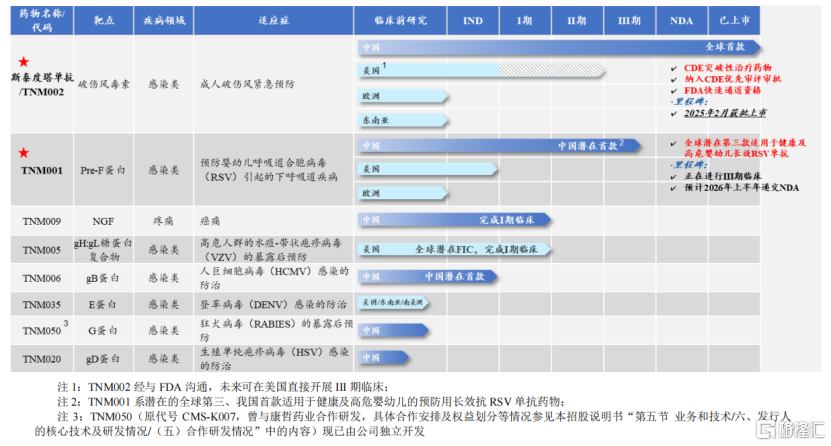
Core Viewpoint - The recent surge in IPOs for innovative drug companies indicates the opening of a new window for the innovative drug industry, with several companies, including Zhuhai Tainomai Bo Pharmaceutical Co., Ltd., seeking to go public on the STAR Market [1][21]. Company Overview - Zhuhai Tainomai Bo Pharmaceutical Co., Ltd. was founded in December 2015 by HUA XIN LIAO and Zheng Weihong, with its headquarters located in Jinwan District, Zhuhai City [3][4]. - The company currently has no controlling shareholder, with HUA XIN LIAO and Zheng Weihong jointly controlling 33.1% of the shares [4]. Investment and Valuation - Tainomai Bo has undergone multiple rounds of financing, with major institutional investors including Hillhouse Capital and Kangzhe Pharmaceutical. The post-investment valuation was approximately 5.273 billion yuan in March 2025 [5]. - The company aims to meet the listing standards of the STAR Market, with an expected market value of no less than 4 billion yuan and at least one core product approved for Phase II clinical trials [5]. Product Pipeline - The company focuses on blood product alternatives, with its core product, Staitouta Monoclonal Antibody Injection, already on the market. It is the world's first recombinant anti-tetanus toxin monoclonal antibody drug [6][9]. - Tainomai Bo is developing eight antibody drugs and candidates, including TNM001, which is in Phase III clinical trials for respiratory syncytial virus (RSV) prevention [7][15]. Financial Performance - The company has reported significant losses over the past three years, totaling over 1.567 billion yuan, with plans to raise 1.5 billion yuan through the IPO to fund new drug development and expand its antibody production base [17][19]. - Revenue from the core product Staitouta Monoclonal Antibody Injection began in March 2025, following its approval in February 2025, with initial sales of 169,300 yuan [18]. Market Competition - The Staitouta Monoclonal Antibody Injection faces competition from traditional blood products and other monoclonal antibody products currently in development, which may impact its market penetration [11][12][21]. - The company must effectively promote its innovative product to gain recognition among healthcare professionals and patients to overcome the challenges posed by established competitors [11][21].

下一个修美乐藏不住了
3 6 Ke· 2025-08-07 23:17
Core Insights - AbbVie is poised to fill the $20 billion gap left by Humira with its new immunology drugs Skyrizi and Rinvoq, which are expected to generate over $25 billion in combined sales this year, significantly exceeding initial forecasts [1][4] - Skyrizi's sales reached $4.4 billion in Q2, showing a year-on-year growth of 61.8%, while Rinvoq generated $2 billion, indicating strong momentum for both products [4][5] - The rapid growth trajectory of Skyrizi suggests it could surpass $20 billion in sales by 2026, establishing it as a potential new leader in the immunology market [2][4] Sales Performance - Skyrizi's global sales are projected to exceed $10 billion in 2024, driven by its expanding indications in inflammatory bowel disease (IBD) and dermatological conditions, with a year-on-year growth of 50.9% [3][4] - AbbVie has raised Skyrizi's 2025 sales forecast to $17.1 billion, a 46% increase from the previous year, with $4 billion of this growth attributed to IBD indications [4][6] - Rinvoq is also expected to contribute significantly, with a clear three-phase strategy targeting various indications, including rheumatoid arthritis and IBD [5][6] Competitive Landscape - The immunology market is becoming increasingly competitive, with major players like Johnson & Johnson and Eli Lilly entering the IL-23 target space, raising concerns about market share and growth sustainability [7][8] - AbbVie maintains confidence in Skyrizi's market position, citing its increasing share among treated patients and its differentiated advantages over competitors [7][8] - The rapid pace of innovation in the immunology sector is compressing the window for new entrants, making it crucial for companies to establish strong clinical differentiation and market presence [10][11] Future Outlook - The transition from Humira to Skyrizi and Rinvoq exemplifies the need for continuous innovation in the pharmaceutical industry, as the market dynamics shift rapidly [10][11] - AbbVie is entering a new phase with its immunology portfolio, having no major patent expirations in the next decade, providing it with more strategic options [4][10] - The success of Skyrizi and Rinvoq highlights the importance of robust clinical data and broad indications in driving growth in the competitive landscape of immunology [6][9]

NVAX Stock Gains on Q2 Earnings & Sales Beat, Ups '25 Sales View
ZACKS· 2025-08-07 16:16
Core Insights - Novavax (NVAX) reported Q2 2025 earnings per share (EPS) of 62 cents, surpassing the Zacks Consensus Estimate of a loss of seven cents, but down 37% year over year [1] - Quarterly revenues were $239 million, a 42% decline year over year, yet exceeded the Zacks Consensus Estimate of $118 million [1] Revenue Breakdown - Product sales amounted to $11 million, down from $23 million in the previous year, including a net reversal of $2 million in sales of the COVID vaccine Nuvaxovid [2] - Licensing, royalties, and other revenues totaled $228.5 million, which included a $175 million milestone payment from Sanofi following FDA approval of Nuvaxovid, but this figure also declined 42% year over year due to a prior $391 million upfront payment from Sanofi [3] Strategic Developments - Sanofi acquired exclusive global marketing rights for Nuvaxovid, with Novavax transitioning commercial leadership to Sanofi for the 2025-2026 vaccination season [4] - Shares of Novavax rose nearly 13% following this transition, as Sanofi's established distribution network is expected to enhance the marketing of Nuvaxovid [5] Financial Guidance - Novavax raised its 2025 adjusted revenue forecast to $1 billion to $1.05 billion, up from a previous estimate of $0.98 billion to $1.03 billion, largely due to Sanofi cost reimbursements [7][10] - The company also increased its combined R&D and SG&A expense projections to $495 million to $545 million, up from $475 million to $525 million [11] Cost Management - R&D expenses for the quarter were $79 million, down 26% year over year, attributed to reduced expenditures related to COVID vaccine development [8] - SG&A expenses decreased 57% year over year to $44 million, influenced by the transition of commercial activities to Sanofi and ongoing cost reduction efforts [9] Pipeline Updates - Novavax reported promising initial data from a late-stage study on its COVID-influenza combination vaccine and standalone influenza vaccine candidates, showing robust immune responses [12] - The company plans to initiate a post-marketing commitment study later this year, expecting to incur costs of $70 million to $90 million, with 30% reimbursed by Sanofi [14] Collaborations and Agreements - Novavax entered into material transfer agreements with three unnamed pharmaceutical companies to explore the utility of its patented Matrix-M [15]


医保2.0圆桌:“数据×商保”如何重构创新药赛道
Di Yi Cai Jing· 2025-08-07 13:23
Group 1 - The establishment of a commercial insurance innovation drug directory indicates that China's pharmaceutical industry has welcomed a second major buyer, alongside basic medical insurance [1][6] - The National Healthcare Security Administration (NHSA) has introduced new measures to support the high-quality development of innovative drugs, including the opening of medical insurance data and the establishment of a commercial insurance innovation drug directory [1][6] - Since 2018, the medical insurance fund has spent 410 billion yuan on negotiated drugs, highlighting the significant financial impact of medical insurance on the pharmaceutical sector [1] Group 2 - The transition from the 1.0 version of medical insurance (1998-2019) to the 2.0 version (2020 onwards) emphasizes the importance of establishing mechanisms that ensure accessible, safe, and affordable basic healthcare [2][3] - The NHSA aims to create a collaborative platform between social insurance and commercial insurance, addressing the challenges of data sharing and payment efficiency [3][4] - The integration of basic medical insurance and commercial insurance is crucial for building a multi-tiered medical security system, which includes addressing legal and theoretical barriers [3] Group 3 - The sharing of medical data between commercial insurance and medical insurance is expected to enhance risk management and improve pricing strategies in the commercial insurance market [4][5] - The introduction of a one-stop payment system could significantly reduce the financial burden on patients, particularly in corporate supplementary medical insurance [4] - Long-term changes in the commercial health insurance model are anticipated, integrating various services such as patient management and community support [5] Group 4 - The NHSA is focusing on utilizing real-world data to evaluate the comprehensive value of drugs and medical devices, which will influence their inclusion in both basic medical insurance and commercial insurance directories [6][9] - Real-world data is essential for understanding the effectiveness and safety of innovative drugs in diverse patient populations, which can lead to more informed purchasing decisions by medical insurance [7][9] - The establishment of a management platform for clinical data quality is necessary to support the transition from volume-based to value-based payment mechanisms [7] Group 5 - The Hainan Boao Lecheng International Medical Tourism Pilot Zone has initiated a project to support the entry of innovative drugs into medical insurance using real-world data, aiming to address key decision-making issues in medical insurance [8][9] - The project categorizes unlisted innovative drugs by disease type and explores multi-channel payment pathways, enhancing the accessibility of innovative treatments [9]
这款进口药退出!PCSK9药物竞争加剧 降脂药下个风口剑指何方?|财经解药
Xin Lang Cai Jing· 2025-08-07 10:15
Core Insights - Sanofi has confirmed the cessation of the promotion of its PCSK9 inhibitor, Alirocumab, in the Chinese market due to global supply issues and a strategic upgrade in its cardiovascular product line [2][3] - The exit of Alirocumab from the market has opened opportunities for domestic pharmaceutical companies to enter the PCSK9 inhibitor space [1][3] Industry Overview - PCSK9 inhibitors are considered a milestone in lipid-lowering therapies, with significant implications for managing high LDL cholesterol levels, which are primarily influenced by genetic factors [1][3] - The understanding of lipoprotein(a) [Lp(a)] in cardiovascular diseases has led to increased interest in developing new lipid-lowering drugs targeting this specific marker [1][7] Market Dynamics - The market for lipid-lowering medications is competitive, with established statin drugs and newer PCSK9 inhibitors being used in combination for optimal patient outcomes [4][5] - There are currently seven approved PCSK9 inhibitors in China, including both imported and domestic products, with ongoing developments from various companies [5][6] Emerging Opportunities - Companies are actively pursuing the development of alternative medications in light of Alirocumab's market exit, indicating a robust interest in the PCSK9 inhibitor segment [3][6] - The market is also seeing advancements in therapies targeting Lp(a), with several multinational corporations engaged in clinical trials for new drugs aimed at lowering Lp(a) levels [7]




美元,美股跳水!美联储新任主席很快宣布!黄金拉升,欧股走低
Sou Hu Cai Jing· 2025-08-07 02:10
Group 1: Market Reactions - The gold market experienced a surge in trading volume, with futures trading reaching 4.8 million contracts in just half an hour, indicating a strong global risk-off sentiment [1] - Silver prices rose by 1% to $37.8, marking a three-month high, while U.S. Treasury yields fell sharply, with the ten-year yield dropping by 8 basis points [1] - The Dow Jones index saw a dramatic shift, dropping from a 200-point gain to a 300-point loss within 90 minutes, leading to a spike in market fear [4] Group 2: Sector Impacts - The chemical giant BASF's stock fell by 3.7% due to its significant production capacity in India, which accounts for 15% of global output [1] - Pharmaceutical company Sanofi halted exports to the U.S., contributing to a downturn in the Paris CAC index [1] - The technology sector faced mixed results, with Tesla's sales declining in the EU while Amazon's stock rose by 1.27% after securing a defense contract [6] Group 3: Commodity Market Trends - The oil market faced significant declines, with U.S. oil prices dropping to $65.76, nearing the cost line for shale producers, leading to the shutdown of 17 drilling sites in the Permian Basin [8] - Brent crude oil prices fell below $68, exacerbated by Saudi Aramco's financial report showing profits declining for ten consecutive quarters [4][8] - The potential for a ceasefire in the Russia-Ukraine conflict could lead to a flood of Russian oil exports, posing a risk to global oil storage [9]
特朗普同时挥出两根关税大棒:100%和250%
Mei Ri Jing Ji Xin Wen· 2025-08-06 23:57
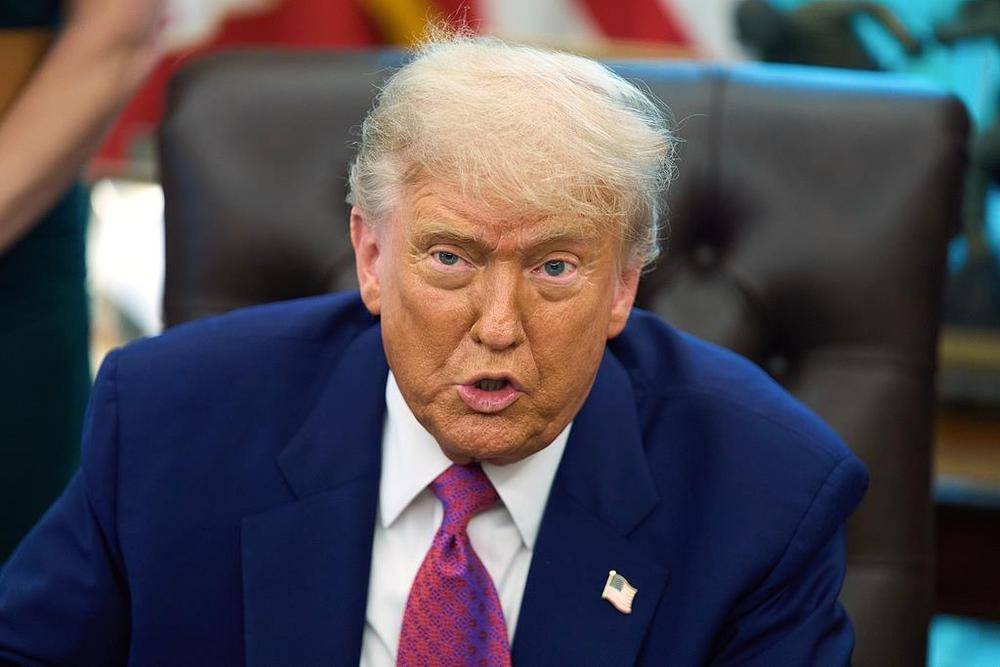
Group 1 - The U.S. President Trump announced a plan to impose approximately 100% tariffs on chips and semiconductors, while stating that no fees would be charged for products manufactured in the U.S. [1] - Trump indicated that the U.S. would initially impose "small tariffs" on imported drugs, with plans to increase the rate to 150% within a year and potentially to 250% thereafter, although the initial tariff rate was not disclosed [1] - The market reacted calmly to the news, with several companies reporting that tariffs are not expected to significantly impact their performance this year; Pfizer's stock rose over 5%, while stocks of companies like Eli Lilly and Johnson & Johnson saw slight declines [1] Group 2 - Analysts estimate that a 15% tariff on drugs imported from the EU could increase costs for the pharmaceutical industry by up to $19 billion annually [1] - Trump has previously sent letters to 17 pharmaceutical companies, including major players like Eli Lilly, Johnson & Johnson, and Pfizer, urging them to lower drug prices in the U.S. [1]



晶泰科技斩获60亿美元AI制药出海大单
Zheng Quan Shi Bao· 2025-08-06 18:29
Group 1 - The core point of the news is that Crystal Tech Holdings' subsidiary has signed a significant pipeline collaboration agreement with biopharmaceutical company DoveTree, valued at approximately HKD 47 billion (around USD 5.99 billion), marking a record in the AI + robotics new drug development sector [1] - Following the announcement, Crystal Tech Holdings' stock surged by 12.42% on August 6, with a market capitalization reaching HKD 29.806 billion [1] - The agreement involves the use of Crystal Tech's AI-driven drug discovery platform to develop drug candidates targeting oncology, immunology, inflammation, neurological disorders, and metabolic disorders, with DoveTree holding exclusive global development and commercialization rights [1] Group 2 - Crystal Tech Holdings was established in 2015 and went public on the Hong Kong Stock Exchange in June 2024, being the first specialized technology company listed under Chapter 18C of the exchange [1] - In 2024, the company reported revenue of HKD 266 million, a year-on-year increase of 53%, and an adjusted net loss of approximately HKD 457 million, narrowing by 12.5% year-on-year [1] - The initial payment of USD 51 million received from the collaboration exceeds the company's total revenue for the previous year, highlighting the significance of this partnership [1] Group 3 - DoveTree, founded by Dr. Gregory Verdine, is an innovative biopharmaceutical company that emphasizes the importance of AI in addressing challenging research targets [2] - The collaboration aims to combine insights in target biology and drug development with Crystal Tech's capabilities in AI and robotic automation for new drug discovery [2] - The AI pharmaceutical sector has seen a surge in large orders this year, with notable collaborations including AstraZeneca and a Hong Kong pharmaceutical company, with potential total amounts exceeding USD 5.3 billion [2] Group 4 - The Chinese AI pharmaceutical industry has experienced rapid growth, with the market size increasing from RMB 0.7 million in 2019 to RMB 73 million in 2024, reflecting a compound annual growth rate (CAGR) of 47.8% [2] - Projections indicate that the market could reach RMB 5.86 billion by 2028, with an expected CAGR of 68.3% [2]

人工智能制药领域大单频现 高成长概念股受关注
Zheng Quan Shi Bao· 2025-08-06 18:28
Core Insights - Crystalwise Holdings announced a pipeline collaboration with DoveTree worth approximately HKD 47 billion (USD 5.99 billion), marking the largest publicly disclosed collaboration in the global AI drug discovery sector to date [1] - The initial payment received was around HKD 400 million (USD 51 million), with an additional USD 49 million expected within 180 days; total potential payments could reach USD 5.89 billion, equivalent to 159 times the company's projected 2024 revenue [1] - This collaboration signifies a shift for Crystalwise Holdings from a technology service provider to a revenue-sharing participant in innovative pharmaceuticals, highlighting the commercialization of AI drug discovery technology [1] Company Overview - Crystalwise Holdings leverages quantum physics and AI-driven robotics, positioning itself as a leader in AI for Science, with core advantages in algorithms and data [1] - The company has developed over 200 AI models, including molecular generation and crystal structure prediction models, supported by high-quality data from its 24/7 robotic laboratory [2] Market Trends - The global AI drug discovery market is experiencing significant growth, with projections indicating an increase from USD 792 million in 2021 to USD 1.758 billion by 2024, reflecting a compound annual growth rate (CAGR) exceeding 30% [2] - In China, the AI drug discovery market expanded from CNY 0.07 billion in 2019 to CNY 0.41 billion in 2023, with an anticipated growth to CNY 5.86 billion by 2028, representing a CAGR of 68.5% [2] Industry Activity - Recent large-scale collaborations in the AI drug discovery sector include partnerships between Novo Nordisk and Deep Apple Therapeutics (USD 812 million), Eli Lilly and Juvena Therapeutics (over USD 650 million), and AstraZeneca with CSPC (up to USD 5.3 billion) [3] - The A-share market features 82 stocks related to AI drug discovery, with 20 stocks projected to have net profit growth exceeding 20% in the coming years [3] Technological Developments - Hongbo Pharmaceutical's CADD/AIDD platform has supported 80 new drug projects, with several entering clinical phases [4] - Tigermed's subsidiary has developed an AI product platform for medical applications, enhancing drug development and clinical trial processes [4]