vivo

Search documents
华为是追随型企业,罗永浩说得对吗?
3 6 Ke· 2025-11-27 23:29
Core Viewpoint - The discussion highlights the difference between innovative and follower companies, with a focus on the characteristics of Chinese and American enterprises, suggesting that many Chinese tech companies are more follower-oriented rather than truly innovative [1][3][25]. Group 1: Innovation Types - Innovative companies are often characterized by disruptive and pioneering innovations, while follower companies tend to build upon existing technologies and innovations [3][25]. - Chinese companies, despite significant R&D investments, are often seen as following the technological paths established by American firms, leading to a perception of lower innovation capability [3][10]. Group 2: Entrepreneurial Spirit - The lack of personal heroism and risk-taking among Chinese entrepreneurs is identified as a key factor differentiating them from their American counterparts, who often exhibit traits associated with personal heroism [4][7]. - The societal acceptance of risk-taking and individualism is lower in China, which impacts the willingness of entrepreneurs to pursue groundbreaking innovations [6][7]. Group 3: Institutional Support - The structure of corporate governance in the U.S., such as dual-class share structures, allows entrepreneurs like Elon Musk to maintain control and drive innovation, while Chinese companies are restricted by a "one share, one vote" system [9][10]. - Recent policy changes in China aim to support dual-class share structures, potentially fostering a more conducive environment for individual heroism in tech innovation [9][10]. Group 4: Economic and Technological Context - The economic development stage of a country significantly influences the characteristics of its enterprises, with China being in a different phase compared to the U.S., affecting innovation capabilities [10][11]. - Historical context plays a role in the current technological landscape, with foundational innovations occurring long before China's current tech advancements [12][13]. Group 5: Collective Innovation - China's approach to innovation often involves collective efforts and technology diffusion, leading to significant advancements in sectors like electric vehicles and solar energy, driven by government support and market demand [19][20]. - The combination of government policies and market competition has enabled Chinese companies to achieve global competitiveness, particularly in established technologies [20][21]. Group 6: Challenges of Over-Reliance on Technology - The rapid adoption of technologies like 5G has raised concerns about over-investment and the actual utility of such advancements for ordinary users, indicating a potential mismatch between technological progress and practical applications [22][23]. - The example of high-speed rail investments illustrates the risks of overextending resources without guaranteed profitability, highlighting the need for careful evaluation of technological investments [23][24].



拦截第三方应用平台?市场监管总局点名手机行业不正当竞争
第一财经· 2025-11-27 15:03
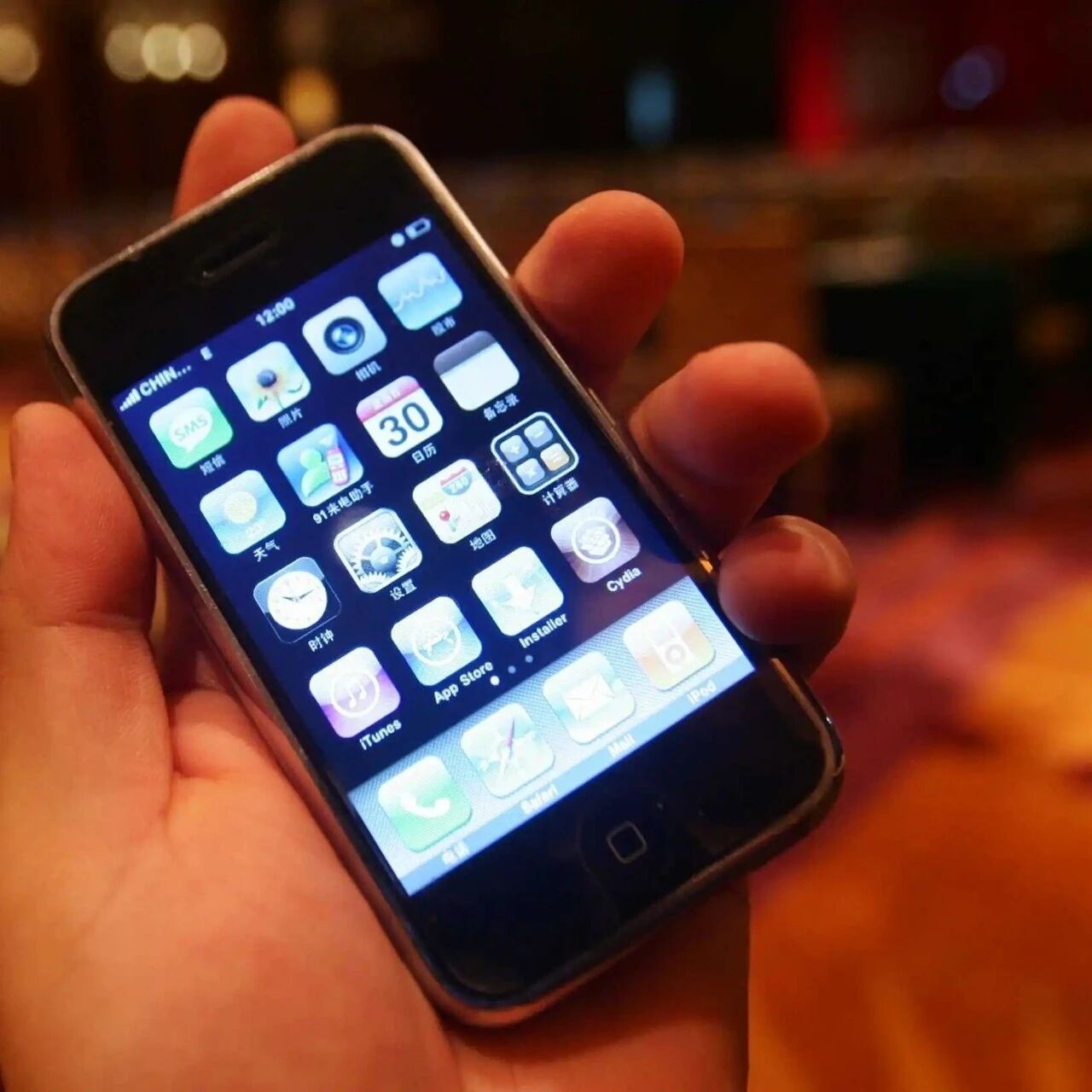
Core Viewpoint - The article discusses the recent compliance guidance issued by the State Administration for Market Regulation (SAMR) in China, focusing on unfair competition in the mobile phone and application platform industry, highlighting the shift from post-event punishment to preemptive regulation [3][4][9]. Group 1: Regulatory Actions - SAMR has identified irrational competition as a significant issue in the mobile phone industry, urging operators to enhance their awareness of responsibilities and comply with the new anti-unfair competition law [3][4]. - The guidance emphasizes the need for companies to conduct comprehensive risk assessments and establish robust internal compliance management systems to maintain a fair market environment [4][9]. Group 2: Unfair Competition Practices - Certain companies are accused of employing unfair competition tactics such as traffic hijacking, forced redirection, and malicious incompatibility, which harm the rights of other operators and consumers [4][9]. - The article highlights that mobile manufacturers often obstruct users from installing applications from third-party platforms, creating significant barriers that discourage users from proceeding with installations [6][7]. Group 3: Market Dynamics - The article notes a trend where game developers are increasingly withdrawing from mobile channels due to high costs associated with these platforms, opting instead for direct downloads to avoid restrictions imposed by phone manufacturers [12][15]. - The shift in strategy among game developers reflects a growing confidence in their products, allowing them to bypass traditional app stores and attract users through quality offerings [15][16]. Group 4: Compliance and Fair Competition - Legal experts suggest that while not all restrictions are illegal, any actions that unfairly favor a company's own applications over competitors' could be seen as self-preferential and abusive [10][16]. - The article calls for regulatory measures that consider the unique technological characteristics and business logic of the mobile industry, advocating for differentiated compliance standards based on company size and circumstances [16].
强制跳转、流量劫持,市场监管总局向手机行业“三宗罪”亮剑
Bei Ke Cai Jing· 2025-11-27 14:32
Core Points - The article discusses the recent compliance guidance issued by the State Administration for Market Regulation in Shenzhen, focusing on unfair competition in the mobile phone and application platform sectors, highlighting the prevalence of irrational competition and the detrimental practices employed by some companies [1][4] Group 1: Unfair Competition Practices - The article identifies three main unfair competition practices in the mobile industry, referred to as the "three sins": traffic hijacking, forced redirection, and malicious incompatibility [1][8] - Traffic hijacking involves companies using technical means to mislead users into downloading apps from their own stores instead of third-party platforms, thereby infringing on user choice and harming competitors [2][6] - Forced redirection is characterized by misleading prompts and technical barriers that prevent users from accessing desired applications, which has been reported as a significant pain point for users [3][8] Group 2: Impact on Users and Market - These unfair practices not only disrupt user experience but also undermine the competitive order in the market, leading to long-term harm to the innovation vitality of the digital economy [4][11] - Users have reported experiencing complex and frustrating download processes due to misleading compatibility warnings and forced redirections, which ultimately benefit the manufacturers' own app stores [2][3] Group 3: Legal and Regulatory Responses - Legal experts indicate that these practices violate various laws, including the Anti-Unfair Competition Law and the Consumer Rights Protection Law, which protect user rights and fair competition [8][9] - The article mentions ongoing efforts by regulatory bodies to establish clearer standards and guidelines to combat these unfair practices, including the introduction of safety requirements for "shake to trigger" advertisements [10][11] Group 4: Industry Reactions and Future Directions - The article notes that major smartphone manufacturers and e-commerce platforms have not yet responded to inquiries regarding compliance with the new guidelines [9] - There is a call for a multi-faceted governance approach involving government enforcement, industry self-regulation, and public awareness to effectively address and mitigate unfair competition behaviors [11]
拦截第三方应用平台?市场监管总局点名手机行业不正当竞争
Di Yi Cai Jing· 2025-11-27 12:12
Core Viewpoint - The State Administration for Market Regulation (SAMR) has identified improper competition behaviors in the mobile phone and application platform industry, including traffic hijacking, forced redirection, and malicious incompatibility, which harm the legitimate rights of other operators and consumers, disrupting fair market competition [1][2]. Group 1: Regulatory Actions - SAMR has conducted compliance guidance in Shenzhen, focusing on the mobile phone industry and highlighting the need for operators to enhance their awareness of responsibilities and comply with the new anti-unfair competition law [1][2]. - The recent compliance guidance reflects a shift from "post-event punishment" to "prevention" in regulatory practices, aiming to clarify the boundaries between technological neutrality and legal compliance [1][7]. Group 2: Industry Practices - Some mobile phone manufacturers are reportedly blocking third-party application installations, creating significant barriers for users attempting to download apps from non-native app stores, which includes multiple system prompts and permission changes [4][5]. - The practice of traffic hijacking is evident when users try to download non-native apps, facing numerous warnings that often lead them to abandon the installation process [5][7]. Group 3: Market Dynamics - The mobile application ecosystem has evolved, with third-party app stores becoming significant traffic entry points, leading some internet companies to sever ties with mobile manufacturers to avoid restrictions [8][10]. - A report indicates that major advertising platforms have become primary channels for game advertising, as strong game developers choose to withdraw from mobile channels [8][10]. Group 4: Legal Implications - Actions by mobile manufacturers to unilaterally remove specific games or obstruct third-party applications may constitute unfair competition or even monopolistic behavior under the Anti-Unfair Competition Law and Anti-Monopoly Law [7][11]. - Reasonable reviews based on legal, system security, or privacy protection needs are considered legitimate, provided they are transparent and fair, while discriminatory practices against competitors may lead to regulatory scrutiny [7][11].
C++之父亲临北京,AI 原生时代最值得参加的系统软件技术大会日程发布
Tai Mei Ti A P P· 2025-11-27 08:42
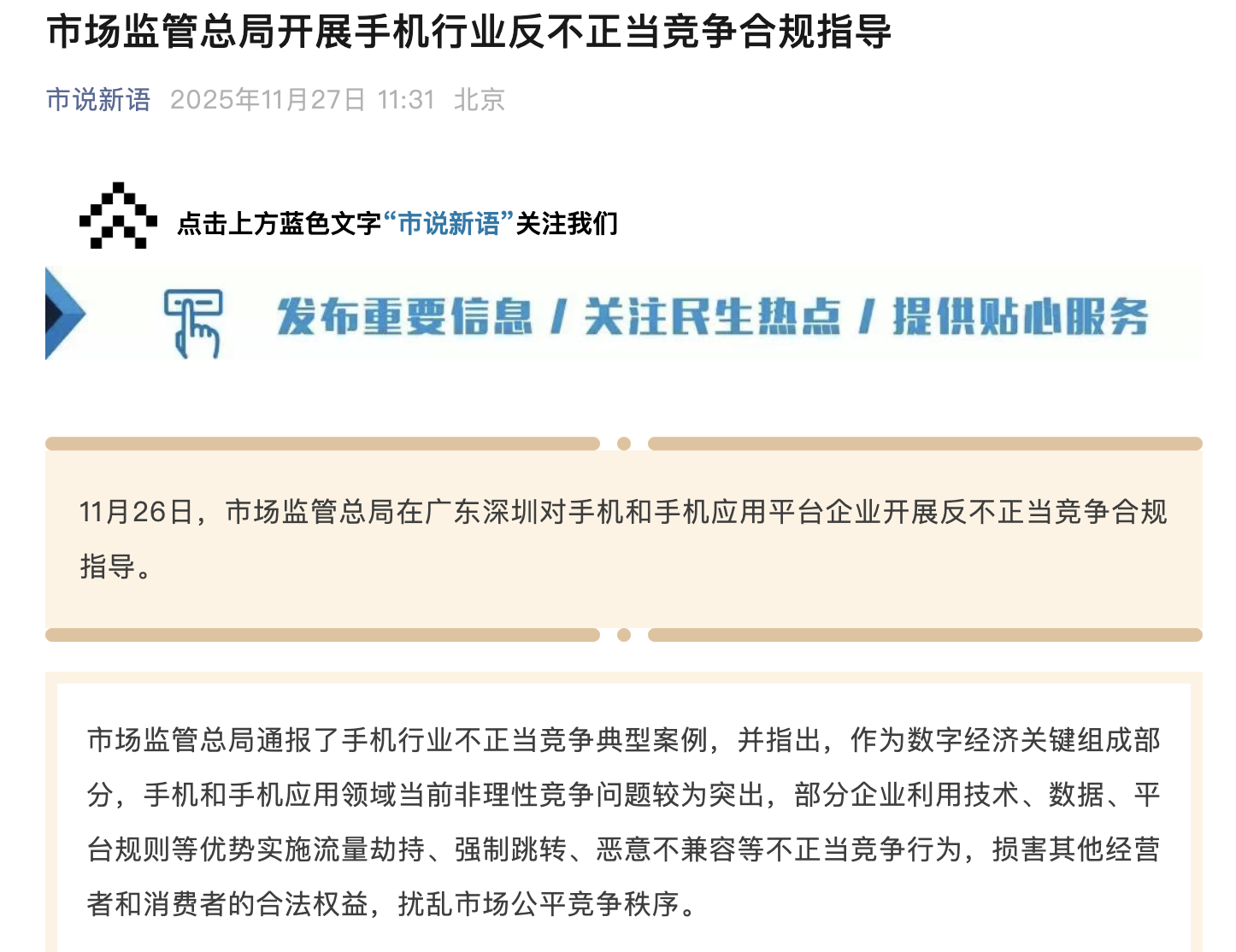
Core Insights - The "2025 Global C++ and System Software Technology Conference" will be held on December 12-13 in Beijing, organized by CSDN and Singularity Intelligence Research Institute [1][17] - The conference will feature Bjarne Stroustrup, the father of C++, along with top experts in system software, high-performance computing, AI infrastructure, and open-source contributions to discuss the evolution of C++ and system software in the AI-native era [3][17] Conference Themes - The conference will cover twelve major themes including modern C++ best practices, architecture and design evolution, software development driven by large models, AI computing and optimization, heterogeneous computing, high performance and low latency, concurrency and parallelism, system-level software, software quality construction, security and reliability, R&D efficiency, and embedded systems [3][5][6] Keynote Speakers and Sessions - Notable speakers include Bjarne Stroustrup, CSDN Senior Vice President Li Jianzhong, and leading figures from major tech companies who will discuss language design philosophy, AI-native infrastructure evolution, and high-performance system engineering practices [3][4] - The first day will feature a high-end roundtable discussion on "System Software in the AI Native Era" with Bjarne Stroustrup and other industry experts [4] Agenda Highlights - The agenda includes sessions on modern C++ best practices, AI computing optimization, and concurrency, featuring experts from companies like Adobe, Alibaba, Xiaomi, and Tsinghua University [5][10] - The second day will focus on topics such as software development driven by large models, high performance and low latency, and software quality, with contributions from leading tech firms like Baidu, Tencent, and Meituan [6][13] Registration and Participation - Registration for the conference is currently open, with incentives for early registrants, including a chance to receive a commemorative edition of the "AI Native Software R&D Maturity Model (AISMM) White Paper" [19]
vivo产品副总裁黄韬升至公司副总裁,进入管理委员会
Feng Huang Wang· 2025-11-27 06:56
Group 1 - The core point of the article is the internal personnel change at vivo, where Huang Tao has been promoted to Vice President and will now report to Cheng Gang, the Senior Vice President and President of China Region [1] - Huang Tao has been with vivo since 2006 and has played a significant role in the company's transition from feature phones to smartphones and high-end flagship devices [1] - As Vice President, Huang Tao will continue to oversee product planning and market preparation, being a key decision-maker for flagship product lines such as the X series and foldable screens [1]
vivo产品副总裁黄韬升任公司副总裁,进入管理委员会
Xin Lang Ke Ji· 2025-11-27 03:46
Core Viewpoint - Vivo has announced an internal personnel change, promoting Huang Tao to Vice President and member of the management committee, while maintaining his responsibilities [1] Group 1: Personnel Changes - Huang Tao has been promoted from Product Vice President to Vice President and will report to Cheng Gang, Senior Vice President and President of China Region [1] - Huang Tao joined Vivo in 2006 and has progressed from a grassroots salesperson to the head of product planning [1] - He is recognized as a key decision-maker for Vivo's core product line, the X series [1]
多家手机厂商取消Air机型
Xin Lang Cai Jing· 2025-11-27 01:53
Core Insights - Major smartphone manufacturers such as Xiaomi, OPPO, and vivo have canceled their Air model projects, opting to integrate eSIM technology into their regular models instead [1][3] - The iPhone Air has underperformed in the market since its launch, leading to significant production cuts by key suppliers like Foxconn and Luxshare [3][4] - Huawei's Mate 70 Air has shown promising sales, indicating a potential shift in consumer preference towards devices that balance thinness with performance [7][10] Group 1: Market Trends - The Air model category is facing challenges globally, with shipments falling short of expectations for both iPhone Air and Samsung Galaxy S25 edge [7] - The ultra-thin design of smartphones, particularly those under 6mm, presents structural challenges that compromise essential features like camera quality and battery life [7] Group 2: Competitive Landscape - Huawei's Mate 70 Air, priced from 4199 yuan, has achieved monthly sales of around 10,000 units, with daily sales exceeding 5,000 during the Mate 80 series launch period [7] - Analysts suggest that Huawei's Air model better meets user demands in terms of battery life, camera, and audio quality compared to Apple's offering, despite being slightly thicker [10] Group 3: Industry Dynamics - The smartphone market is undergoing continuous iteration and adjustment, with manufacturers needing to consider comprehensive product compatibility rather than relying solely on brand appeal or individual features [10]


加强品牌建设 推动高质量发展
Ren Min Ri Bao· 2025-11-26 22:06
Group 1: Haier's Innovation and Market Strategy - Haier launched a washing machine with three tubs, achieving over 100,000 sales in just 48 minutes, and has since delivered over 200,000 units, emphasizing user co-creation in product development [1] - The company introduced a four-tub washing machine based on user feedback, showcasing its commitment to diverse laundry scenarios [1] - Haier's CEO opened a personal social media account to enhance communication with users, aiming to integrate user needs into the company's management and innovation processes [1][2] Group 2: Vivo's Technological Advancements - Vivo has invested heavily in R&D, focusing on chip technology, imaging, and battery performance, collaborating with partners like Zeiss to enhance user experience in photography [3] - The company has developed its own 6nm imaging chips, significantly improving image quality and processing speed [3] - Vivo's technology has led to a surge in mobile phone rentals for events, demonstrating its impact on the market [3][4] Group 3: China Export Credit Insurance Corporation's Green Initiatives - The corporation is implementing a Green Finance Development Strategy for 2024, with six action plans to support green trade and the Belt and Road Initiative [5] - It has provided risk guarantees for over 30 export enterprises in the agricultural sector, aiding their transition to greener practices [5][6] - The corporation has issued credit insurance for renewable energy projects, including a 63 MW wind power project in Argentina, expected to generate approximately 200 million kWh of clean electricity annually [5][6] Group 4: Micro Bank's Digital Financial Services - Micro Bank has served over 430 million individual customers and more than 600,000 small and micro enterprises, addressing their financing challenges with innovative products [7][8] - The bank's "Micro Business Loan" product integrates digital and intelligent services throughout the loan process, with over 70% of its small business clients having annual revenues below 10 million [7] - Micro Bank is transitioning to an "AI-native bank," leveraging AI technology to enhance its digital financial services [7][8] Group 5: Hisense's Product Development and Market Position - Hisense has launched RGB three-dimensional control color LCD technology, enhancing its position in the display industry [9] - The company has maintained the highest global market share for 100-inch televisions for three consecutive years, indicating strong demand for its high-end products [9][10] - Hisense is adapting to consumer trends by developing products like foldable laser TVs and various home appliances tailored to younger consumers' needs [9][10] Group 6: Three Trees' Integrated Service Model - Three Trees is shifting from single product sales to an integrated model of "product + service + construction," enhancing its competitive edge in the paint market [12] - The company has upgraded its "Immediate Living" model, focusing on product quality and digital tools for better service management [12] - Three Trees aims to open 50,000 to 100,000 community stores nationwide, promoting a "light, short, and fast" approach to home decoration [12] Group 7: Sais Group's Commitment to Innovation - Sais Group emphasizes technological self-reliance and innovation in the electric vehicle sector, collaborating with Huawei to launch multiple new energy models [13] - The company has achieved significant sales milestones, with over 800,000 units of its AITO series delivered, challenging foreign brands in the luxury car market [13] - Sais Group plans to continue its innovation strategy to strengthen its market position and contribute to China's automotive industry transformation [13] Group 8: Master Kong's Sustainable Development Practices - Master Kong has evolved from a noodle manufacturer to a diversified brand, reaching over 800 million consumers annually [14] - The company integrates innovation in product development and supply chain management, promoting sustainable agricultural practices [14][15] - Master Kong is committed to ESG principles, utilizing recycled materials in its products and participating in initiatives to promote resource recycling [15] Group 9: Citic Baixin Bank's Digital Transformation - Citic Baixin Bank focuses on digital transformation to enhance financial services for small and micro enterprises, achieving a 39.58% increase in its micro-loan balance [16][17] - The bank employs a cloud-native architecture to streamline loan processes, enabling instant approvals and customized solutions [16] - Citic Baixin Bank aims to deepen its integration of technology and finance, supporting national strategies for high-quality development [17]
跨界竞争,中国科技行业的一种新绝招
3 6 Ke· 2025-11-26 11:34
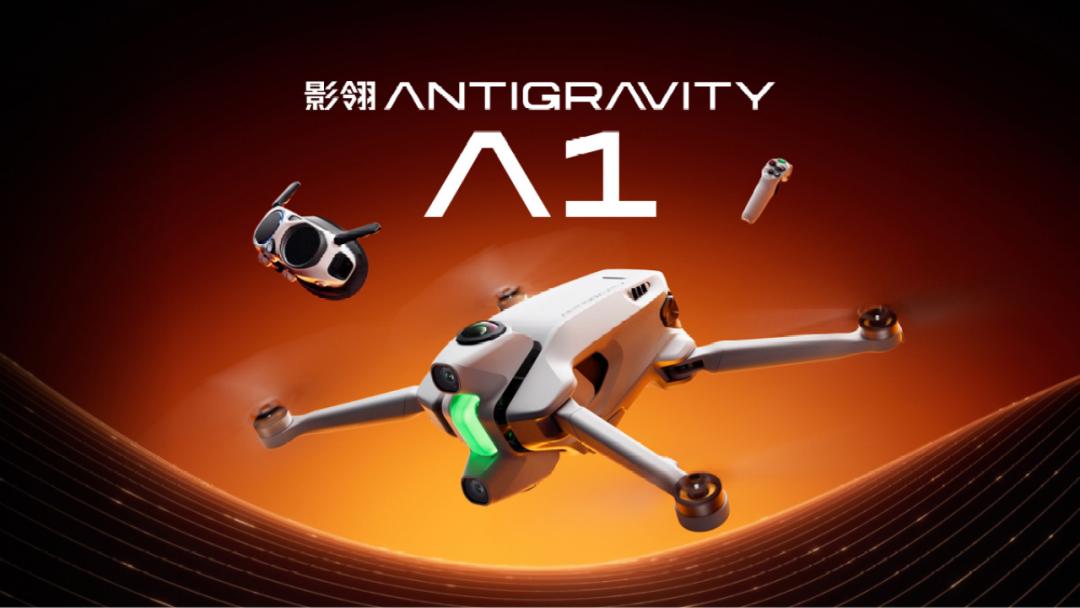
Core Insights - The recent price cuts by DJI and the subsequent reactions from competitors like影石 indicate a shift in the Chinese tech landscape, where companies are increasingly venturing into each other's domains rather than focusing solely on their core businesses [1][3] - This trend of cross-industry expansion is not new in China, but it has evolved from vertical integration to more horizontal breakthroughs, as companies seek new growth avenues amid intense competition [5][9] - The rise of AI, modular hardware, and cloud services has lowered the barriers for companies to enter new markets, prompting a wave of cross-industry initiatives [5][9] Industry Dynamics - Companies like影石, 追觅, and 极米 are now testing new waters, with影石 launching its影翎A1 drone, which emphasizes user experience over technical superiority [6][9] - OPPO's entry into the handheld imaging device market by 2026 is a strategic move leveraging its extensive experience in smartphone imaging technology [6][9] - The cross-industry movement is seen as a necessary response to the saturation of traditional markets, pushing companies to innovate and find new revenue streams [5][9] Cross-Industry Integration - Successful cross-industry ventures are characterized by the ability to transfer core technologies across different fields, creating synergies rather than merely competing for market share [19][20] - Companies like 追觅 and 安克 exemplify this approach, utilizing their core technologies in various applications, thus enhancing their resilience against market fluctuations [15][16] - The concept of "dynamic boundaries and modular alliances" is emerging in the Chinese manufacturing landscape, where companies collaborate and compete simultaneously, fostering innovation [25][26] Conclusion - Cross-industry integration is viewed as a strategic necessity for Chinese companies to thrive in a rapidly evolving market, emphasizing the importance of leveraging existing technologies for new applications [23][25] - The future of Chinese manufacturing may not replicate the model of American tech giants but will likely focus on collaborative innovation among multiple smaller players [25][26]