
荣耀

Search documents
上线就售罄,努比亚押宝“豆包AI”真能改命吗?
3 6 Ke· 2025-12-05 11:09
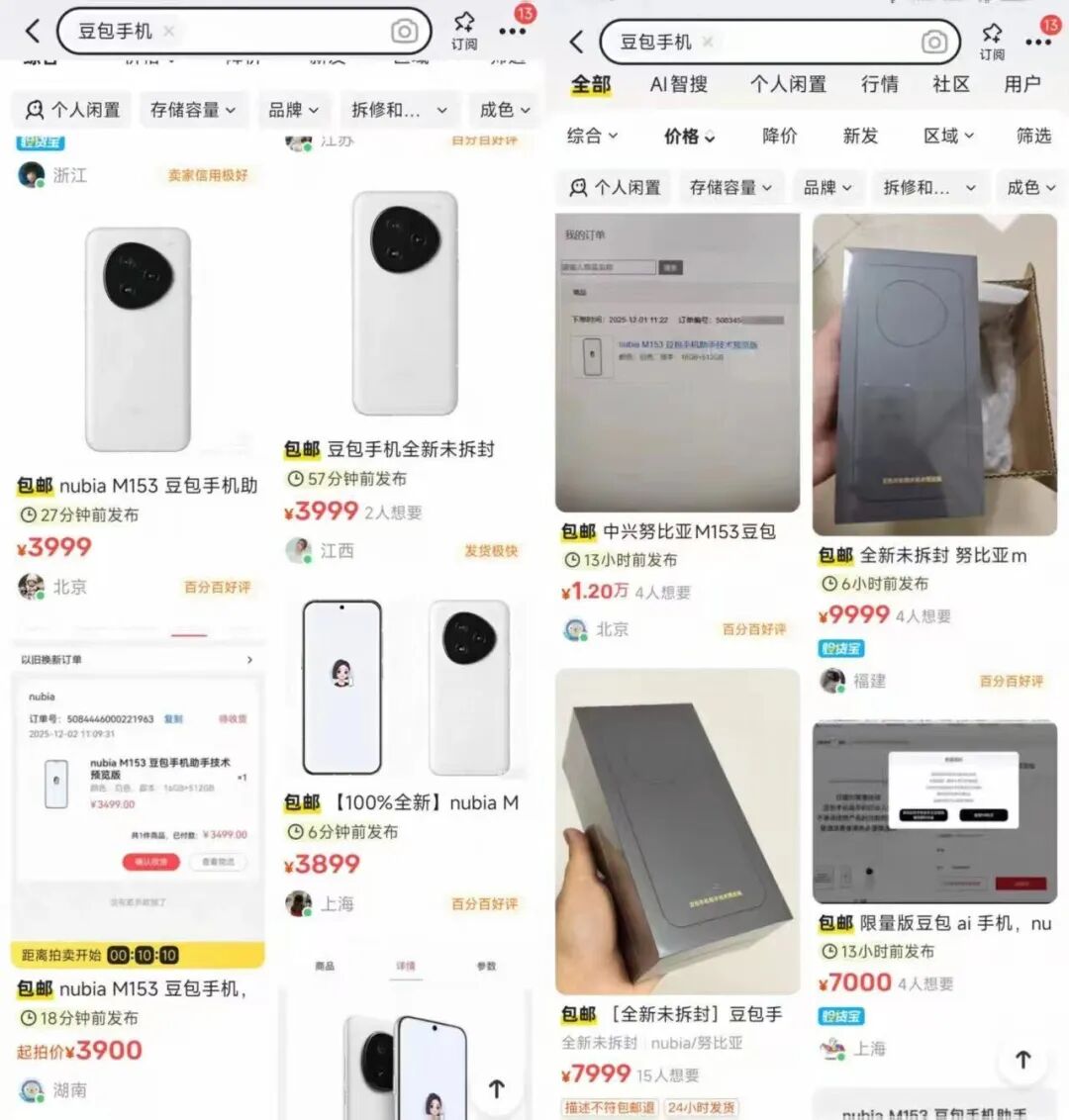
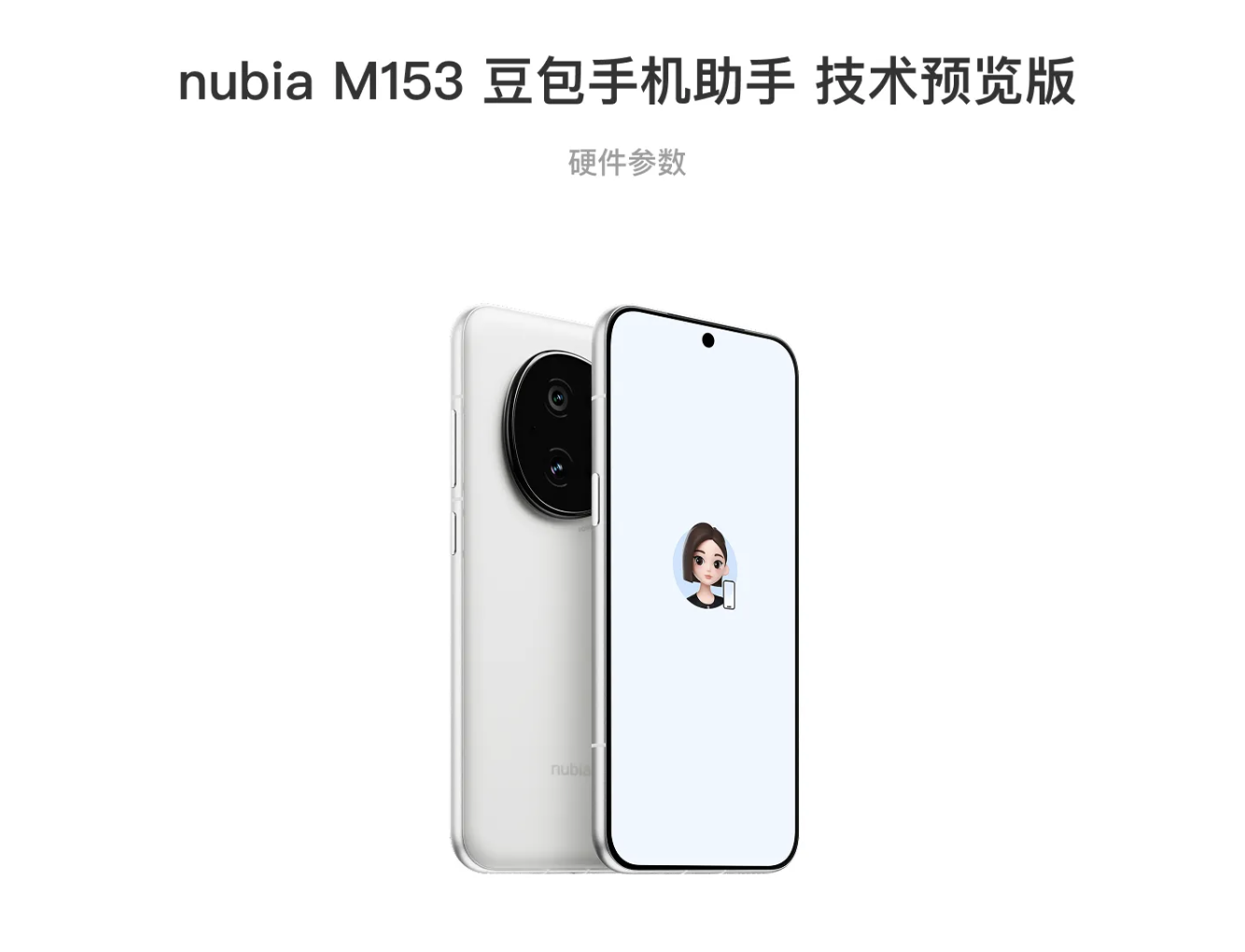
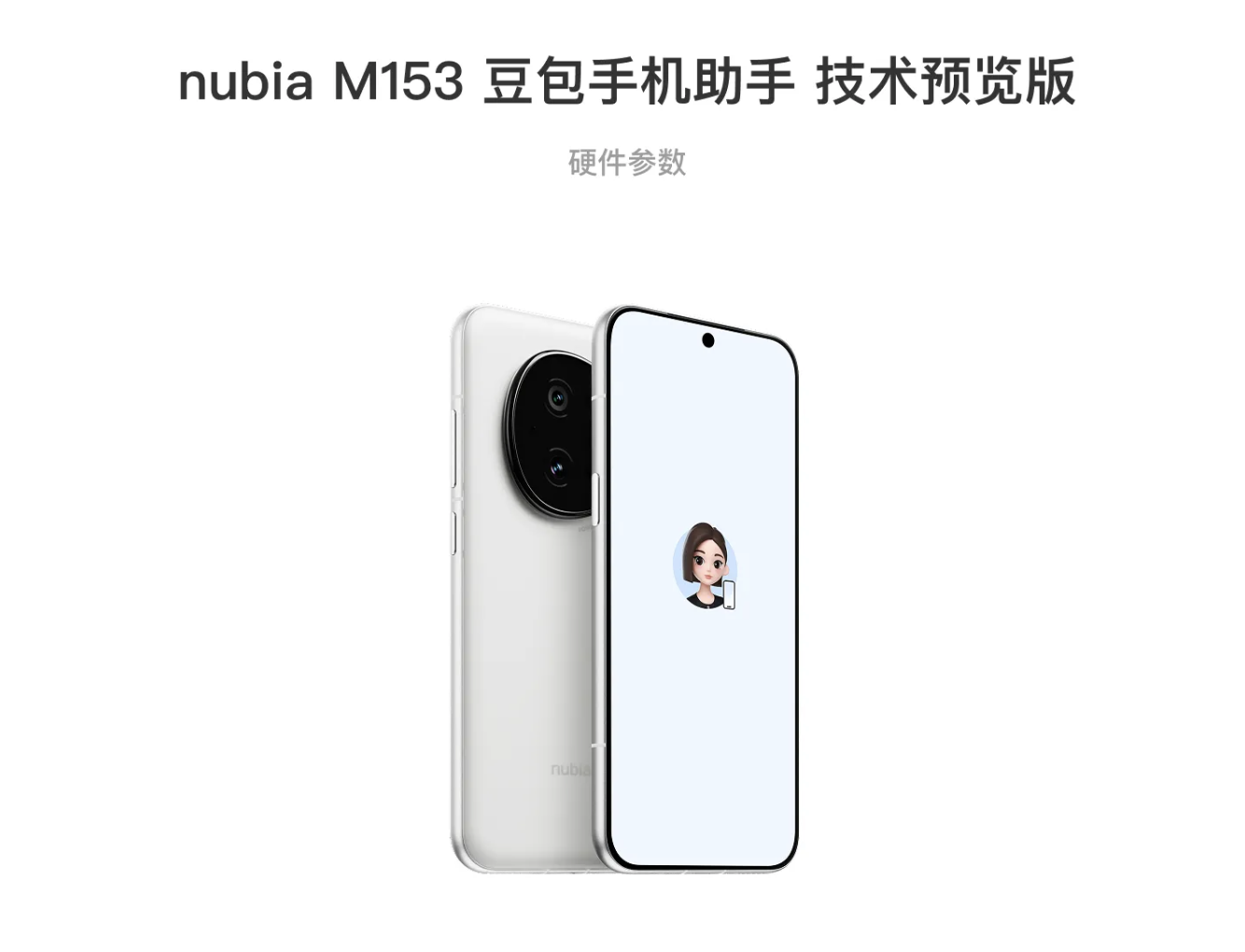
Core Viewpoint - The collaboration between ByteDance and ZTE to launch the AI phone, featuring the Doubao assistant, has generated significant market excitement, pushing ZTE's stock to a halt on the A-share market and causing a nearly 14% surge in Hong Kong shares. However, the long-term impact on ZTE's market position remains uncertain as the smartphone industry is highly competitive and dynamic [1][3][10]. Group 1: Market Reaction and Initial Success - ZTE's stock surged due to the announcement of the AI phone, with trading volume exceeding 13.1 billion [1]. - The Doubao assistant represents ByteDance's first deep integration into smartphone capabilities, marking a potential shift in the Android ecosystem's power dynamics [1][10]. - The initial release of the Nubia M153, equipped with the Doubao assistant, sold out quickly, indicating strong consumer interest [1]. Group 2: Competitive Landscape - ZTE has struggled to maintain a competitive presence in the smartphone market over the past decade, with its Nubia brand not ranking among the top five smartphone manufacturers in China [16]. - The current top five smartphone manufacturers in China, according to IDC data, are Vivo, Apple, Huawei, Xiaomi, and Oppo/Glory, with ZTE's market share being less than 1% [16][17]. - ZTE lacks advantages in both offline and online sales channels, with major competitors dominating these markets [18]. Group 3: Product and Ecosystem Challenges - ZTE's product offerings have been criticized for lacking innovation and competitiveness, particularly in areas like imaging and system performance [19]. - The Doubao assistant may enhance ZTE's appeal, but it does not address the company's fundamental weaknesses in product capabilities and market positioning [25]. - The AI phone's success is contingent on ZTE's ability to leverage the Doubao assistant effectively, but the assistant is not exclusive to ZTE, as other manufacturers are also pursuing similar AI integrations [11][26]. Group 4: Long-term Viability and Strategic Positioning - The introduction of the Doubao assistant may create a temporary boost for ZTE, but the long-term sustainability of this advantage is questionable as the smartphone market evolves towards ecosystem-based competition [30][31]. - ZTE's lack of a clear brand position and ecosystem capabilities limits its ability to capitalize on the AI trend effectively [29][32]. - The competition for control over AI integration in smartphones is just beginning, with ZTE positioned as a minor player in this evolving landscape [31][33].


荣耀在孟加拉国首家现代化工厂投入运营,第120家体验店同步落成
Huan Qiu Wang· 2025-12-05 10:12
近年来,强劲的本土化布局推动荣耀在东南亚市场快速增长。2024年荣耀智能手机出货量稳居市场第三,首次领跑东南亚市场。Omdia数据显示,2025年第 三季度在东南亚智能手机市场,荣耀出货量较去年同期翻倍。 荣耀方面表示,此次本地建厂是其对孟加拉国市场长期承诺的体现,也是推进全球化制造与本地化服务战略的重要一步。对于荣耀的投资及扩建计划,孟加 拉国当地政府给予高度肯定与支持,期待荣耀能够迅速成长为孟加拉国市场的领先智能终端品牌,推动本地制造业升级并扩大就业机会。(思瀚) 【环球网科技综合报道】12月5日消息,荣耀近日宣布,其在孟加拉国投建的首家现代化工厂已全面投入运营,标志荣耀正式切入当地本土化生产赛道。此 外,荣耀在孟加拉国的第120家体验店也同步落成,全国首家、也是标杆级的品牌旗舰店在首都达卡核心商圈 JFP 开业。生产端与零售端的双重突破,加速 推进荣耀全球化布局。 据了解,该工厂占地面积达5000平方米,设有3条生产线,目前整体产线具有较高自动化率,被视为当地最现代化的制造基地之一。工厂已于11月25日实现 首台设备下线,预计年产能可达100万台,目前已为本地创造超过500个就业岗位。荣耀同时制定扩建计 ...

豆包AI手机劲敌是小米?高盛:AI“系统级集成”面临挑战,这更验证了小米的长期竞争力
华尔街见闻· 2025-12-05 09:39
Core Viewpoint - The launch of ByteDance's "Doubao AI Assistant" signifies a shift in AI competition towards the operating system level, highlighting the enduring competitive strength of existing smartphone giants like Xiaomi [3][4]. Group 1: Doubao AI Assistant Overview - ByteDance's "Doubao AI Assistant" is a system-level graphical user interface (GUI) agent integrated with a large language model (LLM), aimed at enhancing mobile interaction through visual interpretation and complex task operations across applications [4]. - The Doubao model has become popular among several smartphone original equipment manufacturers (OEMs), with daily token generation reaching 1.3 trillion in May, accounting for 8% of total token consumption [4]. Group 2: Challenges for Third-Party AI Agents - High barriers exist for third-party AI agents to gain system-level operational permissions, as major smartphone OEMs retain strategic advantages and may not easily grant access to their system cores and permission frameworks [5]. - The ability of AI agents to operate across applications is contingent on the openness of third-party internet application interfaces, with some companies potentially restricting external agent usage to maintain closed ecosystems [6]. Group 3: Market Structure and Competition - The Chinese smartphone market is highly consolidated, with the top six manufacturers (vivo, OPPO, Honor, Apple, Xiaomi, Huawei) accounting for over 90% of shipment volume, creating significant barriers for new entrants [7][8]. - In contrast, the new energy vehicle (NEV) market is more fragmented, allowing for greater opportunities for differentiation through software [7]. Group 4: Xiaomi's Competitive Advantages - Xiaomi's long-term advantages are underscored by the challenges faced by Doubao AI, as the company actively pursues a comprehensive "people x car x home" ecosystem strategy, with AI as a core component [9]. - Xiaomi's investment in AI is substantial, with projected R&D spending exceeding 7 billion RMB by 2025, representing 22% of its total R&D expenses [10]. - The "Super XiaoAI" assistant has achieved significant penetration, with a 71% user adoption rate among Xiaomi smartphone users as of September 2025 [11]. Group 5: Integration and Functionality of Super XiaoAI - "Super XiaoAI" has integrated deep functionalities across various core scenarios, including social media interactions, e-commerce assistance, productivity services, and memory capabilities for user habits and sensitive data [12][13][14][15]. - This comprehensive integration positions Xiaomi favorably against third-party AI agents, reinforcing its competitive moat and validating the long-term value of its ecosystem strategy [16].


抢夺入口?周鸿祎:大厂对豆包手机会展开技术攻防战
Guan Cha Zhe Wang· 2025-12-05 07:48
Core Insights - ZTE Corporation has partnered with ByteDance's AI model "Doubao" to launch the "Doubao Phone," which automates daily app operations, leading to significant consumer interest and rapid sales [1][3] - The Doubao Phone sold out quickly at a price of 3499 yuan, with resale prices reaching between 6000 yuan and 12,900 yuan, indicating high consumer demand [1] - Zhou Hongyi, founder of 360, predicts that AI assistants like Doubao will disrupt traditional internet business models by allowing users to bypass multiple apps for tasks like shopping and banking [1][3] Industry Impact - Zhou Hongyi believes that Doubao creates a cross-platform channel that undermines the traditional app ecosystem, potentially collapsing the business models of major internet companies that rely on user engagement and advertising [3] - Major tech companies may respond with defensive strategies, such as altering app structures or forming alliances to limit AI's access to their platforms [3] - The competition for "mobile desktop control" is expected to intensify, with smartphone manufacturers likely to develop their own AI assistants to maintain control [3][4] Technological Challenges - The Doubao Phone Assistant aims to provide a more advanced AI capability than existing assistants like Siri, but faces significant challenges in gaining cooperation from third-party app developers [6] - Current regulations prohibit third-party apps from allowing external applications to access their data, complicating the implementation of cross-app automation [6][7] - Initial user feedback indicated issues with the Doubao Phone Assistant, particularly with app stability, prompting the need for adjustments in its operational capabilities [6][7] Market Reactions - The launch of the Doubao Phone is seen as an early exploration in the AI assistant space, with other manufacturers also developing similar technologies [7][8] - Companies like Honor and Vivo have previously showcased their own AI capabilities, indicating a growing trend in the industry towards AI-driven mobile operations [7][8] - Honor's AI team expressed excitement about the Doubao Phone's entry into the market, suggesting that increased competition will benefit consumers [8]

豆包AI手机劲敌是小米?高盛:AI“系统级集成”面临挑战,这更验证了小米的长期竞争力
硬AI· 2025-12-05 06:45
Core Viewpoint - Goldman Sachs believes that while the Doubao AI phone is "popular," it faces significant challenges in system permissions, data acquisition, and application connectivity, which highlights the structural advantages of smartphone giants like Xiaomi [2][3]. Group 1: Doubao AI Phone Challenges - The Doubao AI phone assistant, launched by ByteDance, signifies that AI competition has reached the operating system level, but third-party AI agents face major challenges in obtaining system-level permissions, user data, and cross-application connectivity [3][5]. - Goldman Sachs identifies three core challenges for third-party AI agents: 1. System-level operational permissions are required to read screen content, simulate user behavior, and access system services, which major smartphone OEMs are unlikely to fully open to third parties [7]. 2. System-level memory capabilities are crucial for training and optimizing AI agents, which OEMs possess but third-party AI lacks [7]. 3. Cross-application interface connectivity depends on the openness of third-party internet applications, which may be restricted by companies aiming to build closed ecosystems [7]. Group 2: Market Structure and Competition - The Chinese smartphone market is highly consolidated, with the top six manufacturers (vivo, OPPO, Honor, Apple, Xiaomi, Huawei) accounting for over 90% of shipment volume, making it difficult for new entrants to disrupt the market [6][8]. - This high level of market concentration indicates that competition barriers in the smartphone industry are significant, solidifying the market positions of major players [9]. Group 3: Xiaomi's Competitive Advantage - Xiaomi is actively advancing its "people x vehicle x home" ecosystem strategy, with AI as a core component, and is expected to invest over 7 billion RMB in AI R&D by 2025, representing 22% of its total R&D expenses [11]. - As of Q3 2025, Xiaomi's globally connected AIoT devices are nearing 1 billion, and its AI assistant "Super XiaoAI" has a penetration rate of 71% among Xiaomi smartphone users [11][12]. - "Super XiaoAI" has achieved deep functional integration across various core scenarios, including social media, e-commerce, and productivity services, showcasing its capabilities in user interaction and task automation [12][13]. - Xiaomi's comprehensive strengths in operating systems, hardware, extensive AIoT ecosystem, and deeply integrated AI agents create a strong competitive barrier, making it difficult for third-party AI agents to pose a substantial threat in the short term [13].

手机之后,字节AI眼镜或跟上
财联社· 2025-12-05 04:52
Core Viewpoint - The competition in the AI industry is shifting from large model parameters to the hardware applications of AI, with major companies vying for the next generation of hardware entry points, particularly AI glasses and smartphones [5][6]. Group 1: AI Hardware Competition - Major companies like Alibaba, ByteDance, and Baidu are rapidly developing AI glasses to establish a foothold in the AI hardware ecosystem [4][6]. - The AI glasses are seen as the next critical terminal after smartphones, with both startups and major internet companies entering the market [6][7]. - The integration of AI capabilities into smartphones and AI glasses aims to create a closed-loop hardware ecosystem, with ByteDance's ambitions being particularly notable [7][13]. Group 2: User Interaction and Functionality - The "Doubao AI Assistant" on the Nubia M153 smartphone can perform tasks such as gaming and controlling smart devices, showcasing the potential of AI in enhancing user experience [8][11]. - AI assistants from various companies, including Alibaba's Qianwen Assistant, are being integrated into AI glasses to enable voice-controlled operations [12]. - The future of smartphones may involve AI generating interfaces and operations based on user intent, reducing reliance on traditional input methods [13]. Group 3: Regulatory Challenges - The integration of AI assistants with third-party applications like WeChat faces significant regulatory hurdles, leading to the suspension of certain functionalities due to compliance issues [15][17]. - Major apps, particularly WeChat, have strict regulations against automated operations, which complicates the deployment of AI assistants [17][22]. - Previous attempts by other smartphone manufacturers to integrate AI functionalities with WeChat have also been halted, indicating a broader trend of resistance from app developers [18][20]. Group 4: Hardware Development Challenges - Internet companies lacking hardware expertise face significant challenges in developing smart terminals, as evidenced by past struggles of companies like Google and ByteDance in the smartphone market [23][24]. - Despite skepticism about the sustainability of hardware ventures, some experts believe that companies like ByteDance can leverage their existing user base to support hardware initiatives [25]. - Alibaba's strength lies in its stable B2B customer base, while Baidu's advantage is its search capabilities, which can enhance the functionality of AI glasses [25].

2025数智科技生态大会|中国电信携手AI终端生态合作伙伴 智惠千家万户
Sou Hu Cai Jing· 2025-12-05 02:08
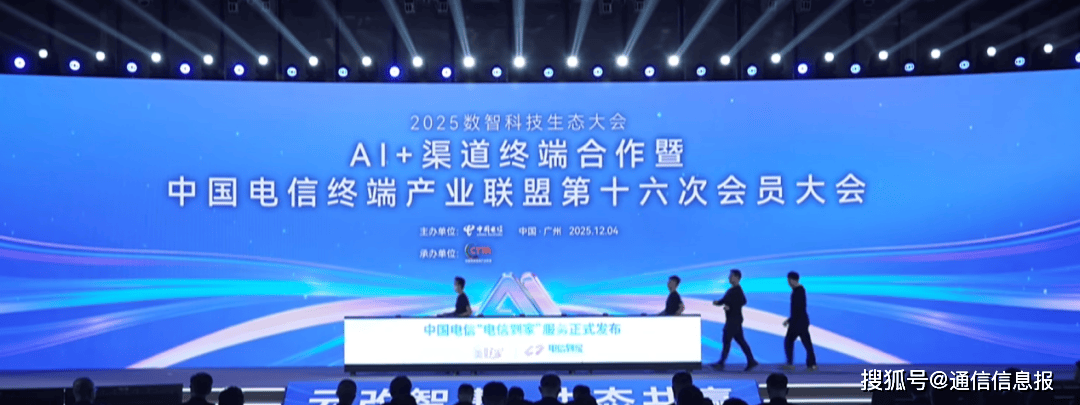
Core Insights - The 2025 Digital Technology Ecological Conference in Guangzhou highlights China's Telecom's commitment to embracing artificial intelligence (AI) and upgrading its strategy from "cloud transformation" to "intelligent benefits" [1][2] - AI terminals are significantly changing lifestyles, with various innovative products showcased at the conference [1] Group 1: AI Capability Enhancement - China Telecom is systematically building its AI capabilities, with its "Star Sea" data intelligence platform gathering over 10 trillion tokens of general model corpus and 14 industry datasets, totaling over 350TB [2] - The company employs a dual-track strategy of "independent + ecosystem" for model development, launching over 80 industry models and 30 intelligent applications, serving more than 20,000 industry clients [2] Group 2: Innovative Consumer Products and Experiences - The launch of the new generation Tianyi AI Central Screen integrates communication, entertainment, security, and smart home control, enhancing digital life with a focus on user interaction [4] - The "Star Little Chen Terminal Intelligent Agent" redefines call experiences with features like real-time fraud alerts and smart meeting assistance, enhancing both personal and professional communication [5] Group 3: Collaboration and AI Terminal Popularization - China Telecom initiated the AI + Terminal Cooperation Star Plan, signing key partnerships with major companies like Huawei and Xiaomi to expand its terminal ecosystem [7] - The "Jingyi Huanneng Plan" with JD.com allows consumers to enjoy operator subsidies and a seamless purchasing experience for AI devices, enhancing service efficiency [7][8] Group 4: Consumer Incentives and Outreach - In Shaanxi, over 1,000 mobile sales stores are integrated into the "National Subsidy" program, offering substantial discounts on AI devices, with some models seeing up to 2,000 yuan in total savings [8] - The "AI Terminal Going to the Countryside" initiative in Shandong promotes AI technology in rural areas, resulting in a 45% increase in AI terminal sales in covered counties [8] Group 5: Service Innovations - The "Telecom to Home" service allows users to book professionals for various business operations and terminal deliveries, enhancing customer service and convenience [10]

大厂抢占硬件入口?继手机之后,字节AI眼镜或将跟上
Feng Huang Wang· 2025-12-05 02:00
Core Insights - The competition in the AI sector is shifting from large model parameters to the application of AI in hardware, with major companies vying for the next generation of hardware entry points [2][6] - AI glasses are emerging as a key terminal following smartphones, attracting interest from both startups and major internet companies [2][6] - The integration of AI capabilities into hardware is seen as essential for creating a closed-loop ecosystem, with companies like ByteDance and ZTE collaborating on AI assistant-enabled devices [2][6] Group 1: Industry Dynamics - Major internet companies are racing to establish their presence in the AI hardware market, with the "entry point" being a critical competitive advantage [2][12] - The AI assistant capabilities are being tested in various applications, but face challenges due to strict regulations from major apps like WeChat, which restrict automated operations [10][12] - The integration of AI with hardware is expected to redefine user interaction, potentially leading to a future where devices operate based on user intent without traditional interfaces [6][12] Group 2: Company Strategies - ByteDance's collaboration with ZTE on the "Doubao AI Assistant" smartphone aims to enhance user experience by enabling advanced functionalities like game automation and smart device control [2][7] - Alibaba's launch of the Quark AI glasses, featuring the Qianwen assistant, marks its entry into the AI hardware space, emphasizing voice control capabilities [6][14] - Baidu leverages its search capabilities to enhance the functionality of AI glasses, allowing for voice-activated information retrieval, positioning itself uniquely in the market [15] Group 3: Challenges and Opportunities - The lack of hardware expertise among internet giants poses significant challenges in developing competitive AI hardware products [13][14] - Despite the challenges, companies like ByteDance and Alibaba have unique advantages, such as user traffic and established B2B relationships, which could facilitate their success in the hardware market [14][15] - The ongoing competition and regulatory hurdles highlight the need for companies to navigate the complex landscape of app permissions and user privacy while developing AI-enabled devices [11][12]
大厂抢占硬件入口!继手机之后 字节AI眼镜或将跟上
Xin Lang Cai Jing· 2025-12-05 01:21
Core Viewpoint - The competition in the AI sector is shifting from large model parameters to the application of AI hardware and software, with major companies vying for the next generation of hardware entry points, particularly AI glasses [1][2]. Group 1: AI Hardware Competition - Major companies like Alibaba, ByteDance, and Baidu are rapidly developing AI glasses to establish a foothold in the AI hardware market, indicating a strategic shift towards integrating AI capabilities into consumer electronics [1][2]. - The AI glasses are seen as the next critical terminal after smartphones, with various startups and major firms entering the market to capture user engagement [2][6]. - The collaboration between ByteDance and ZTE on the "Doubao AI Assistant" smartphone exemplifies the trend of integrating AI capabilities into hardware, aiming to create a closed-loop system with smartphones and AI glasses [2][6]. Group 2: Challenges and Limitations - Current technological limitations prevent AI glasses from functioning independently of smartphones, necessitating a reliance on mobile devices for most operations [2][6]. - The integration of AI assistants with popular applications like WeChat faces significant regulatory hurdles, as seen with the restrictions imposed on the "Doubao AI Assistant" when interacting with WeChat [7][10]. - The competitive landscape is complicated by the need for hardware manufacturers to navigate the interests of app developers, which can lead to conflicts over user data and application access [11][12]. Group 3: Market Dynamics and Future Prospects - The entry of internet giants into the hardware space raises questions about their long-term sustainability, especially given the high R&D costs and the potential for low returns on investment [12]. - Despite skepticism regarding their hardware capabilities, companies like ByteDance and Alibaba leverage their existing user bases to drive hardware sales, potentially offsetting some of the risks associated with hardware development [12][13]. - Baidu's strength in search capabilities positions it uniquely in the AI glasses market, as it can enhance the functionality of these devices through superior information retrieval [13].
小K播早报|国产GPU两大龙头一申购一上市 豆包手机二代产品或2026年底出货
Xin Lang Cai Jing· 2025-12-05 00:12
《科创板日报》12月5日讯 今日科创板早报主要内容有:商务部:中国政府依法依规开展稀土相关物项 出口管制;中国贸促会会长任鸿斌率团出席美国半导体行业协会;巴西:TikTok将在巴投建其在拉美地 区首座数据中心。 《科创板日报》主播小K为您播报。 市场动态 商务部:中国政府依法依规开展稀土相关物项出口管制 今天下午,商务部召开例行新闻发布会,新闻发言人就开展稀土相关物项出口管制进行了回应。商务部 新闻发言人何亚东:中国政府依法依规开展稀土相关物项的出口管制工作,据我所知,只要是用于民用 用途的,合规的出口申请,中国政府都及时予以了批准。同时,中国政府积极适用通用许可等便利化措 施,促进两用物项合规贸易,切实维护全球产供链的安全稳定。 中国贸促会会长任鸿斌率团出席美国半导体行业协会及会员企业座谈会 据中国贸易报,12月3日,中国贸促会会长任鸿斌率中国企业家代表团出席美国半导体行业协会及会员 企业座谈会,与美国半导体行业协会总裁兼首席执行官诺伊弗就推动中美半导体领域合作、深化多边领 域合作、维护全球产业链供应链稳定畅通等议题深入交流。美国半导体行业协会全球政策副总裁桑顿, 以及高通公司、格芯公司、安森美半导体公司、 ...


