
京津冀协同创新

Search documents
以实干实绩推动全会战略部署落地见效
Xin Lang Cai Jing· 2026-02-25 23:04
Group 1 - The seminar on the implementation of the spirit of the 20th Central Committee of the Party emphasizes the importance of practical results to drive the strategic deployment of the conference [1] - The seminar reflects the provincial committee's political consciousness and aims to accelerate the construction of a strong economy and beautiful Hebei [1] - Participants expressed the need to establish a correct view of achievements and enhance political responsibility to effectively implement the conference's strategies [1] Group 2 - The provincial industrial and information technology department aims to achieve new industrialization by focusing on intelligent, green, and integrated development [2] - The Xiong'an New Area is tasked with high-standard construction as part of the 14th Five-Year Plan, emphasizing the need for a market-oriented and law-based business environment [2] - The Baoding High-tech Zone plans to deepen collaborative innovation with Beijing and Tianjin, integrating local industries with high-end resources [3] Group 3 - The Hebei Transportation Investment Group is focused on upgrading transportation facilities and digital transformation to enhance connectivity [4] - The provincial health department aims to improve public health through collaborative efforts and reforms in the medical system [4] - Rural revitalization is a key requirement, with initiatives to enhance agricultural production and improve living conditions in villages [4]
以更好营商环境拓展高质量发展空间
Xin Lang Cai Jing· 2026-02-25 23:04
Group 1 - The core message emphasizes the importance of optimizing the business environment in Hebei to facilitate high-quality development and achieve a good start for the "14th Five-Year Plan" [1] - The provincial government aims to create a market-oriented, law-based, and international business environment by combining effective market mechanisms with proactive government involvement [1] - The city of Shijiazhuang plans to implement reforms in bidding processes, enhance policies for enterprises, and create low-cost industrial parks to strengthen the county economy [1] Group 2 - The North (Cangzhou) Cross-Border E-commerce Logistics Base is enhancing cross-border trade efficiency through a streamlined process that includes global sourcing and local consolidation [2] - The Hebei National Technology Innovation Center is focusing on integrating high-end innovation resources and developing key projects in low-altitude economy and new energy storage [2] - The provincial government is committed to improving the convenience of customs clearance and supporting the integration of domestic and foreign trade services [2] Group 3 - The provincial science and technology department has facilitated 618 cases of R&D expense deductions amounting to 1.36 billion yuan, aiming to streamline the process for tech enterprises [3] - The city of Handan is enhancing its administrative services by transforming service centers to provide comprehensive support for key industries [3] - The implementation of intelligent administrative services is expected to improve efficiency in government processes, making it easier for businesses to navigate [3] Group 4 - The government is focusing on regular communication with enterprises to address their challenges, particularly in key industries such as automotive parts and biomedicine [4] - The city of Zhuozhou has conducted 20 enterprise-communication events to enhance the effectiveness of government-business interactions [4] - The aim is to ensure that policies effectively benefit businesses and boost the confidence of private enterprises [5]
“创新铁三角”联合攻关,破解“卡脖子”技术
Xin Jing Bao· 2026-02-25 01:47
Core Insights - The article highlights the collaborative innovation model in the Beijing-Tianjin-Hebei region, showcasing the "Beijing R&D, Tianjin transformation, and Hebei application" approach as a successful framework for technological advancement and industrial application [2][17]. Group 1: Collaborative Innovation Achievements - Since 2013, the total value of technology contracts flowing from Beijing to Tianjin and Hebei has exceeded 370 billion yuan, with a transaction value of 84.37 billion yuan in 2024, marking a 12.7% year-on-year increase [9]. - The collaborative innovation index for the Beijing-Tianjin-Hebei region has grown from 100 in 2013 to 388 in 2024, reflecting an annual growth rate of 13.1% [8]. - The region has established seven national advanced manufacturing clusters, with five clusters expected to be upgraded to national status in 2024 [5][6]. Group 2: Sector-Specific Developments - The automotive industry exemplifies the collaborative efforts, with a total production of 2.85 million vehicles in 2024, representing an 11.8% year-on-year increase, and a significant surge in new energy vehicle production to 676,000 units, up 154% [6][7]. - The robotics sector is also thriving, with over 1,100 companies in the Beijing-Tianjin-Hebei robotics industry chain, surpassing 60 billion yuan in scale, showcasing distinct focuses among the three regions [7]. - The chemical safety model developed through collaboration between Hebei Xin Hai Chemical Group and institutions like Tsinghua University is set to answer over 50,000 professional queries with a 98% accuracy rate by the end of 2024 [5]. Group 3: Technological and Research Collaboration - The collaborative mechanism has led to a significant increase in R&D investment intensity, rising from 3.22% in 2013 to 4.27% in 2023, exceeding the national average by 1.62 percentage points [12]. - The technology transaction volume between Beijing and Hebei has seen a remarkable increase, with Hebei absorbing 127.17 billion yuan in technology contracts in 2025, marking a substantial rise compared to previous years [16]. - The establishment of the Xiong'an New Area as a core platform for innovation resource aggregation is part of the broader strategy to enhance the collaborative innovation framework in the region [17].


北京国际科创中心扩围,是“加法”更是“乘法”
Xin Jing Bao· 2026-02-12 10:03
Core Viewpoint - The emphasis on the expansion of Beijing's international technology innovation center signifies a shift from isolated development to collaborative innovation across the Beijing-Tianjin-Hebei region, aiming to enhance synergy and industrial cooperation [2][3]. Group 1: Regional Collaboration - The core logic of regional collaborative innovation is to achieve competitive differentiation and deep integration of resource endowments, with Beijing as the hub for original innovation, Tianjin for industrial transformation, and Hebei for application and scaling [3]. - The collaboration aims to create a complete industrial chain and a self-iterating, symbiotic innovation ecosystem, leveraging the strengths of each region [3]. Group 2: Innovation Mechanisms - The mechanism of collaboration is expected to yield multiplicative effects on industrial capabilities, allowing research investments to generate broader impacts across geographical scales [4]. - The focus on collaborative innovation is not just localized but aims to empower national technological advancements, particularly in key sectors like artificial intelligence and biomedicine [4]. Group 3: Market Dynamics - Successful collaborative innovation requires both government initiative and effective market mechanisms, encouraging enterprises to form cross-regional innovation alliances and allowing free flow of capital, talent, and technology [5]. - The expanded innovation center should serve as a testing ground for various innovative entities, fostering an environment where market forces dictate resource allocation [5].
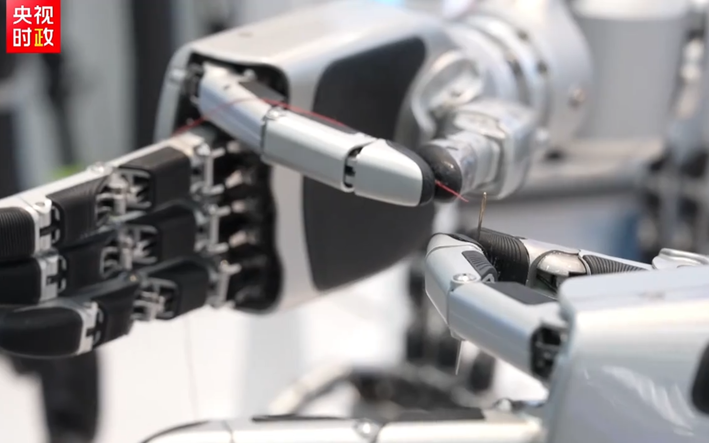
精准务实绘就北京高质量发展新图景
Xin Lang Cai Jing· 2026-02-10 21:07
Core Insights - Beijing is committed to achieving decisive progress in the modernization of socialism, balancing opportunities and challenges in its development strategy [1][3] - The city is focusing on a pragmatic approach to economic and social development, emphasizing long-term efforts rather than short-term gains [1][3] Group 1: Economic Development - Beijing is the first mega-city in China to implement a reduction-focused development strategy, moving away from extensive expansion to enhance quality and efficiency in economic growth [2] - The city has achieved a dual leap in economic development quality and efficiency through systematic optimization of spatial layout and the alleviation of non-capital functions [2] - The ongoing transformation is supported by precise top-level design and strategic planning, ensuring that the development remains people-centered [2][3] Group 2: Social Welfare - Continuous improvements in social welfare are being made, focusing on education, healthcare, housing, and support for vulnerable groups, thereby enhancing the quality of life for citizens [2][3] - The city aims to address pressing public concerns and improve living conditions through meticulous governance and resource allocation [3][4] Group 3: Governance and Innovation - Beijing is enhancing its international innovation capabilities, with a focus on technology sectors such as artificial intelligence and biotechnology, in collaboration with neighboring regions [4] - The city is committed to modernizing urban governance by implementing precise financial support and improving public service efficiency [4] - A significant portion of the city's budget, over 80%, is allocated to improving public welfare, demonstrating a strong commitment to social investment [4]
政协委员建言首都生态协同与科创升级
Bei Jing Shang Bao· 2026-01-25 14:33
Group 1: Urban Development and Green Initiatives - The Beijing Municipal Political Consultative Conference emphasizes the importance of enhancing urban green spaces and promoting ecological construction through various proposals [2][3] - Suggestions include addressing gaps in the greenway system to ensure seamless connectivity and enhancing urban infrastructure with green transformations [2] - The proposal also encourages the creation of therapeutic gardens in public buildings and improving waterfront spaces for better ecological and recreational integration [2] Group 2: Technological Innovation and Collaboration - The focus on enhancing the conversion rate of scientific achievements in the Beijing-Tianjin-Hebei region is highlighted, aiming to leverage educational and technological resources for innovation [3][4] - The plan includes upgrading collaborative platforms and mechanisms to stimulate talent and innovation, as well as optimizing financial support for technology ventures [3][4] - The initiative aims to integrate into global innovation networks and support major national technology projects, particularly in AI and biomedicine [4] Group 3: Urban Renewal Strategies - The "14th Five-Year Plan" outlines a shift in urban renewal from partial improvements to systematic enhancements, emphasizing the need for a "Beijing model" of urban renewal [4][5] - The strategy includes strict adherence to population control and ecological boundaries while promoting comprehensive area updates [5] - The goal is to create a sustainable urban renewal mechanism that balances historical preservation, green transformation, and urban vitality [5] Group 4: Cultural and Economic Integration - The importance of breaking down industry barriers to foster a new model of integrated development in culture, commerce, and tourism is stressed [6] - The plan includes enhancing the international sports event system and creating immersive consumer experiences through innovative spatial and operational designs [6] - The initiative aims to improve the international consumption environment and expand global cultural exchanges by hosting major international events [6] Group 5: Agricultural Digital Transformation - The need for digital transformation across the agricultural supply chain is emphasized, with a focus on smart agriculture and AI integration [7] - Proposals include optimizing rural layouts to enhance investment and consumption, as well as promoting diverse consumption scenarios in rural areas [7] - The strategy aims to stimulate market activity through various initiatives, including rural tourism and local consumption incentives [7]
中国经济一月纪事丨协同创新的“同心圆” 看雄安新区中关村科技园如何打造协同创新发展新路径?
Yang Guang Wang· 2026-01-22 11:48
Core Viewpoint - The article highlights the rapid development and collaborative innovation taking place in the Xiong'an New Area's Zhongguancun Science Park, emphasizing the integration of technology and services to support startups and established companies in the region [1][12][28]. Group 1: Innovation and Development - The Xiong'an New Area Zhongguancun Science Park has attracted over 200 companies within two years, showcasing strong collaborative innovation vitality [1][12]. - The park features a comprehensive service center with 33 service institutions providing "one-stop" services for businesses, facilitating everything from registration to project implementation [8][12]. - The park's ecosystem focuses on AI technologies, enabling advancements in healthcare, education, and other sectors through a full-stack AI approach [6][12]. Group 2: Collaborative Models - Many companies in the park have relocated from Beijing, utilizing a collaborative model where research is conducted in Beijing and applications are implemented in Xiong'an [6][17]. - The integration of services includes tailored financial products to address specific challenges faced by companies, such as the "relocation loan" designed to assist businesses in securing funding [9][12]. - The collaborative innovation model is further enhanced by joint research projects among institutions in Beijing, Tianjin, and Hebei, breaking down regional barriers and creating a more efficient innovation ecosystem [21][28]. Group 3: Future Goals and Initiatives - By the end of 2025, the park aims to have serviced over 600 companies and fostered the development of numerous national technology-based SMEs and high-tech enterprises [12][28]. - Plans for 2026 include deepening service offerings, such as customized financing solutions based on companies' innovation capabilities and talent [14][30]. - The Xiong'an New Area is set to host significant events and projects focused on key industries like satellite internet, artificial intelligence, and new materials, aiming for major breakthroughs in these fields [31][28].

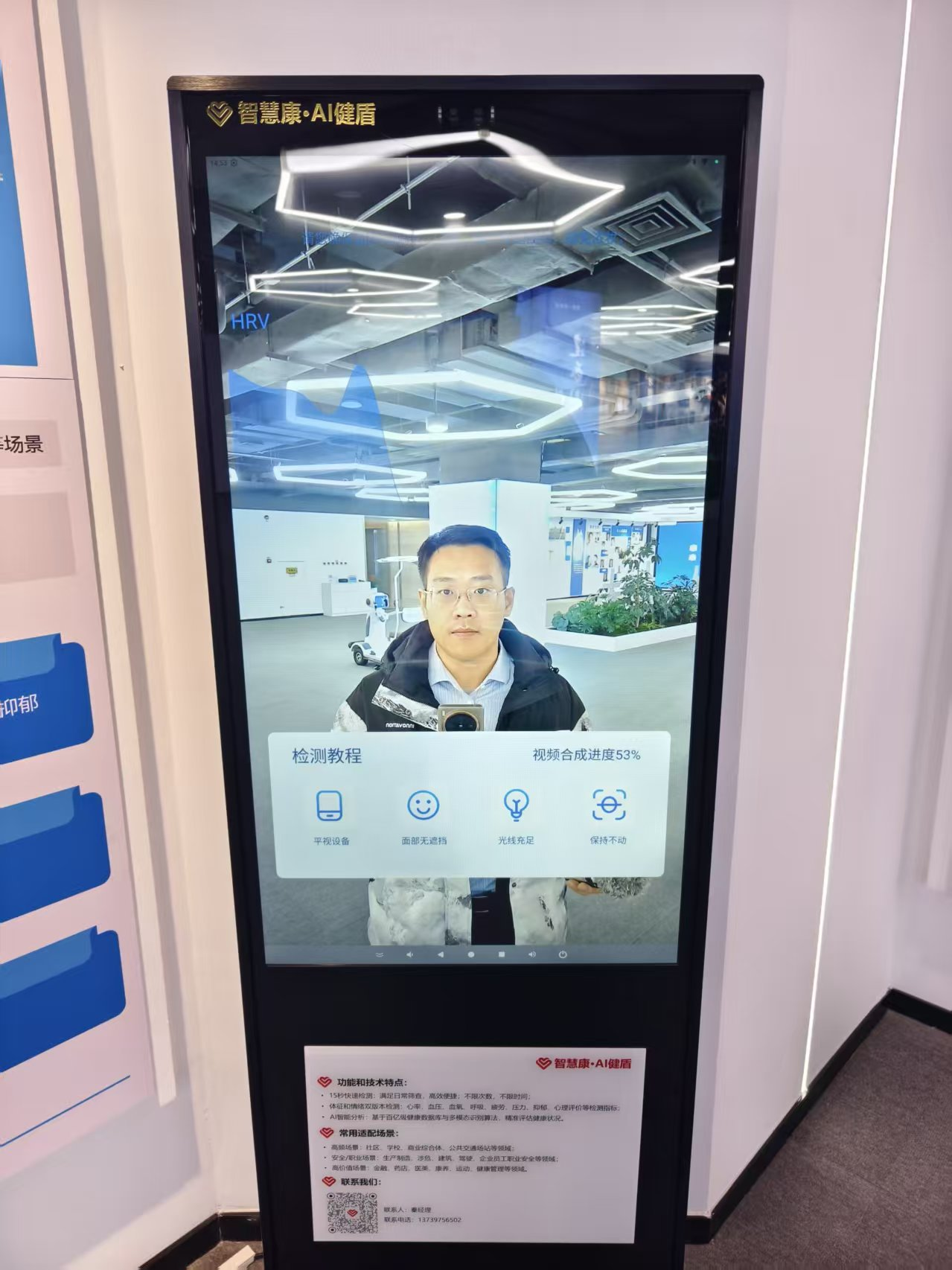
京津冀协同创新成效显著
Jing Ji Ri Bao· 2026-01-13 03:55
Core Insights - The "Beijing-Tianjin-Hebei Collaborative Innovation Index (2026)" was released to monitor and evaluate the collaborative innovation development in the region, showing significant growth from 100 in 2013 to 388 in 2024, with an average annual growth rate of 13.1% [1] Group 1: Innovation Index Growth - The index measures collaborative innovation across five dimensions: innovation capability, research cooperation, technology connections, innovation performance, and innovation environment [1] - Beijing's collaborative innovation index saw the largest increase, growing from 657.7 to 1198.4 from 2013 to 2024, indicating strong radiative power [1] Group 2: Regional Performance - Tianjin's collaborative innovation index increased by 14.7% in 2024 compared to 2023, while Hebei maintained a steady growth rate of 13.1% [2] - The gap in innovation indices between Beijing and Hebei has narrowed, while the gap between Beijing and Tianjin has widened [2] Group 3: Industry Collaboration - The three regions have formed a new development pattern characterized by mutual benefits and complementary advantages, leading to breakthroughs in industries, transportation, and environmental sectors [2] - Beijing leads in hydrogen and biomedicine, Tianjin in high-end industrial mother machines and cybersecurity, and Hebei in new energy and intelligent connected vehicles [2] Group 4: Technological Innovation - The technology innovation network in the region is primarily led by Beijing, which accounted for 40.9% of patent cooperation in 2024 [3] - The total value of technology contracts in the region reached 1.3 trillion yuan, representing nearly 20% of the national total [3] Group 5: Innovation Environment - The development of the "Beijing-Tianjin-Hebei on Tracks" initiative has facilitated smoother flow of innovation elements, supported by a combination of policies for high-quality innovation and entrepreneurship [3] - A total of 13 innovation platforms have been established across the three regions, accelerating the incubation and transformation of innovative results [3] Group 6: Future Development Strategies - Strengthening international technological capabilities and building a collaborative innovation network centered around leading technology enterprises is crucial for future development [4] - The strategy includes enhancing original and disruptive technological innovations and fostering a collaborative innovation community in the Beijing-Tianjin-Hebei region [4][5]
京津冀协同创新指数年均增速达13.1%
Ren Min Ri Bao· 2026-01-12 22:54
Core Insights - The Beijing-Tianjin-Hebei collaborative innovation index has significantly increased from 100 in 2013 to 388.0 in 2024, with an average annual growth rate of 13.1% [1] - Beijing has established a dense cluster of major scientific and technological infrastructure, with 37 technology facility platforms in the Huairou Comprehensive National Science Center, 29 of which are already in research status [1] - The region has 145 national key laboratories, accounting for nearly 30% of the national total, indicating a strong research capacity [1] - In 2024, Beijing published 11,915 high-level scientific papers in top journals like Nature, Science, and Cell, representing 17.1% of the national share [1] - Beijing has maintained its position as the global leader in fields such as physical sciences, chemistry, and earth and environmental sciences since 2016 [1] Industry Developments - The integration of technological innovation and industrial innovation in the Beijing-Tianjin-Hebei region has shown initial success, with several innovation clusters recognized [2] - The "Beijing-Tianjin-Hebei New Generation Information Technology Application Innovation Cluster," "Beijing-Tianjin-Hebei Safety Emergency Equipment Cluster," "Beijing-Tianjin-Hebei Integrated Circuit Cluster," and "Beijing-Tianjin-Hebei Intelligent Connected New Energy Vehicle Cluster" were included in the second batch of national advanced manufacturing clusters in 2024 [2] - The region now hosts a total of 7 national advanced manufacturing clusters, highlighting its growing industrial capabilities [2]
三地协同创新指数年均增速达13.1%
Xin Lang Cai Jing· 2026-01-10 21:36
Core Insights - The latest "Beijing-Tianjin-Hebei Collaborative Innovation Index (2026)" indicates significant growth in collaborative innovation from 2013 to 2024, with the index rising from 100 to 388.0, reflecting an annual growth rate of 13.1% [3] Innovation Output - The number of SCI, SSCI, and A&HCI papers in the Beijing-Tianjin-Hebei region increased from 64,000 in 2013 to 230,000 in 2024, with an annual growth rate of 12.3%. The growth rates for Beijing, Tianjin, and Hebei were 11.0%, 13.8%, and 31.1% respectively [4] - Beijing ranks first globally in high-level scientific papers published in top journals, with 11,915 papers published in 2024, accounting for 17.1% of the national total [4] Industrial Collaboration - The "Six Chains and Five Clusters" initiative aims to enhance industrial collaboration among Beijing, Tianjin, and Hebei, with each city leading specific industrial chains. This initiative is transitioning from a conceptual framework to practical implementation [5] - The region has established several national advanced manufacturing clusters, including those focused on information technology, emergency equipment, integrated circuits, and smart connected vehicles [5] Strategic Recommendations - The report suggests that the Beijing-Tianjin-Hebei region should focus on enhancing collaborative innovation through strategic planning, particularly in future industries such as information technology, health, manufacturing, energy, materials, and space [6][8] - It emphasizes the need for increased R&D funding, particularly in Hebei, and the importance of aligning innovation chains with industrial development to foster advanced manufacturing [6]
