区域协同创新

Search documents
季华实验室:硬核突破支撑“佛山造” 产业集群跑出加速度
2 1 Shi Ji Jing Ji Bao Dao· 2026-02-15 00:10
Core Insights - The article highlights the significant advancements and contributions of the Qihua Laboratory in Foshan, Guangdong, particularly in the field of commercial aerospace and technology innovation [1][2][3]. Group 1: Technological Innovations - The Qihua Laboratory has developed advanced equipment such as the ball diffraction correction transmission electron microscope and dual-beam electron microscope, enhancing material detection precision from micrometer to atomic levels [2]. - The laboratory's "Foshan No. 1" ultra-lightweight high-resolution space camera has achieved international advanced levels in key metrics, including a weight of 28 kg and a resolution of 0.5 m [3]. Group 2: Industry Development - By 2025, the laboratory aims to achieve significant milestones, including breakthroughs in key technologies like G8.6 OLED inkjet printing equipment and remote plasma sources, with a total of 618 invention patents filed in one year [4]. - The laboratory has attracted over 10 industry-leading companies to Foshan, resulting in total investments exceeding 8.5 billion yuan, contributing to the formation of a new display industry cluster [4]. Group 3: Innovation Incentives - The laboratory has established a local-oriented incentive mechanism for technology transfer, offering up to 90% of the conversion benefits for projects that land in Foshan, 70% for those in Guangdong, and 50% for projects in other provinces [4]. - Currently, 24 incubated companies have emerged from the laboratory, with three recognized as national-level specialized and innovative "little giants," contributing to a total industrial scale exceeding 5 billion yuan [4]. Group 4: Collaborative Efforts - The laboratory is deepening the integration of technology, finance, and industry by collaborating with leading companies like Southern Power Grid and BGI to promote practical applications such as intelligent inspection robots and AI financial applications [5]. - Through regional cooperation mechanisms, the laboratory is exporting mature technologies like explosion-proof inspection robots to western Guangdong, supported by the "Sail Plan" of Guangdong Province [5].
地方两会观察之一:让企业在创新赛道加速跑
Ren Min Wang· 2026-02-10 06:12
Core Viewpoint - The article emphasizes the importance of local government initiatives in driving high-quality economic development in China, particularly through innovation and collaboration among regions and industries. Group 1: Local Government Initiatives - Local provincial meetings have been actively discussing policies to empower enterprises and enhance resource efficiency, focusing on innovation as a key driver for economic growth [2] - Shanghai has prioritized optimizing the business environment, launching a significant action plan to create a world-class business climate, reflecting a strong commitment to accelerate development [3][4] - Various regions, such as Zhejiang and Jiangsu, are providing substantial support to AI enterprises, including subsidies and open scenarios, fostering a vibrant ecosystem for innovation [6] Group 2: Policy Support and Innovation - The Guangdong provincial government is aligning innovation resources with enterprise needs, emphasizing that 90% of research funding and patents come from businesses, showcasing a strong enterprise-driven innovation model [7] - Policies such as R&D loan interest subsidies and corporate tax reductions are significantly alleviating the financial burdens on companies, encouraging them to invest in innovation [7] - The establishment of collaborative frameworks among regions is crucial for overcoming technological challenges and enhancing innovation capabilities [8] Group 3: Regional Collaboration - The integration of resources across regions, such as the Yangtze River Delta, is enabling companies to leverage shared research facilities and streamline processes, enhancing overall efficiency [10] - The Beijing-Tianjin-Hebei region is creating a complete chain from research to commercialization, facilitating the flow of innovative resources [10] - The Greater Bay Area's infrastructure, like the Hong Kong-Zhuhai-Macao Bridge, is promoting high-frequency movement of talent and resources, enhancing regional collaboration [11] Group 4: Global Expansion - Companies are increasingly adopting global strategies, with some AI firms in Shanghai successfully entering capital markets and expanding their international user base significantly [14] - The establishment of R&D centers in Hong Kong is enabling companies to tap into global markets and resources, enhancing their international presence [16] - The three major international innovation centers in China—Beijing, Shanghai, and the Greater Bay Area—are strategically positioned to lead in different technological domains, contributing to the country's overall innovation landscape [16]

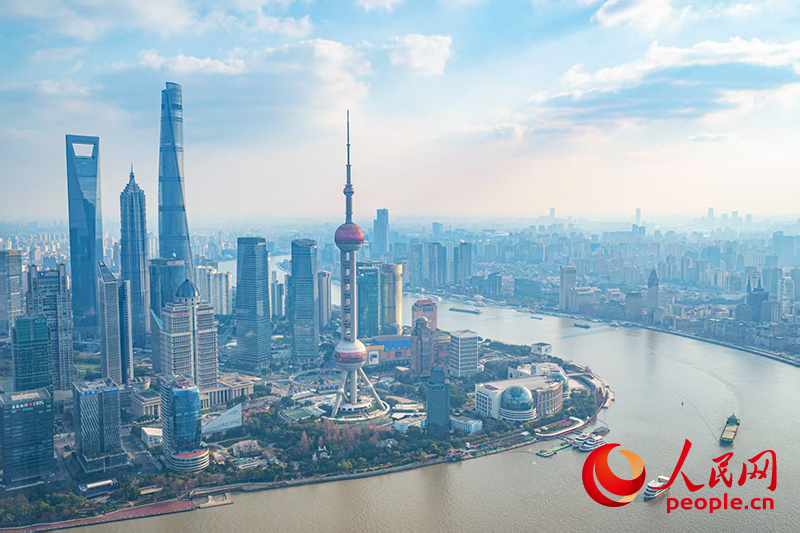
焦点访谈|扩围、破局 科创中心书写区域创新发展的“新答卷”
Yang Shi Wang· 2026-02-01 13:52
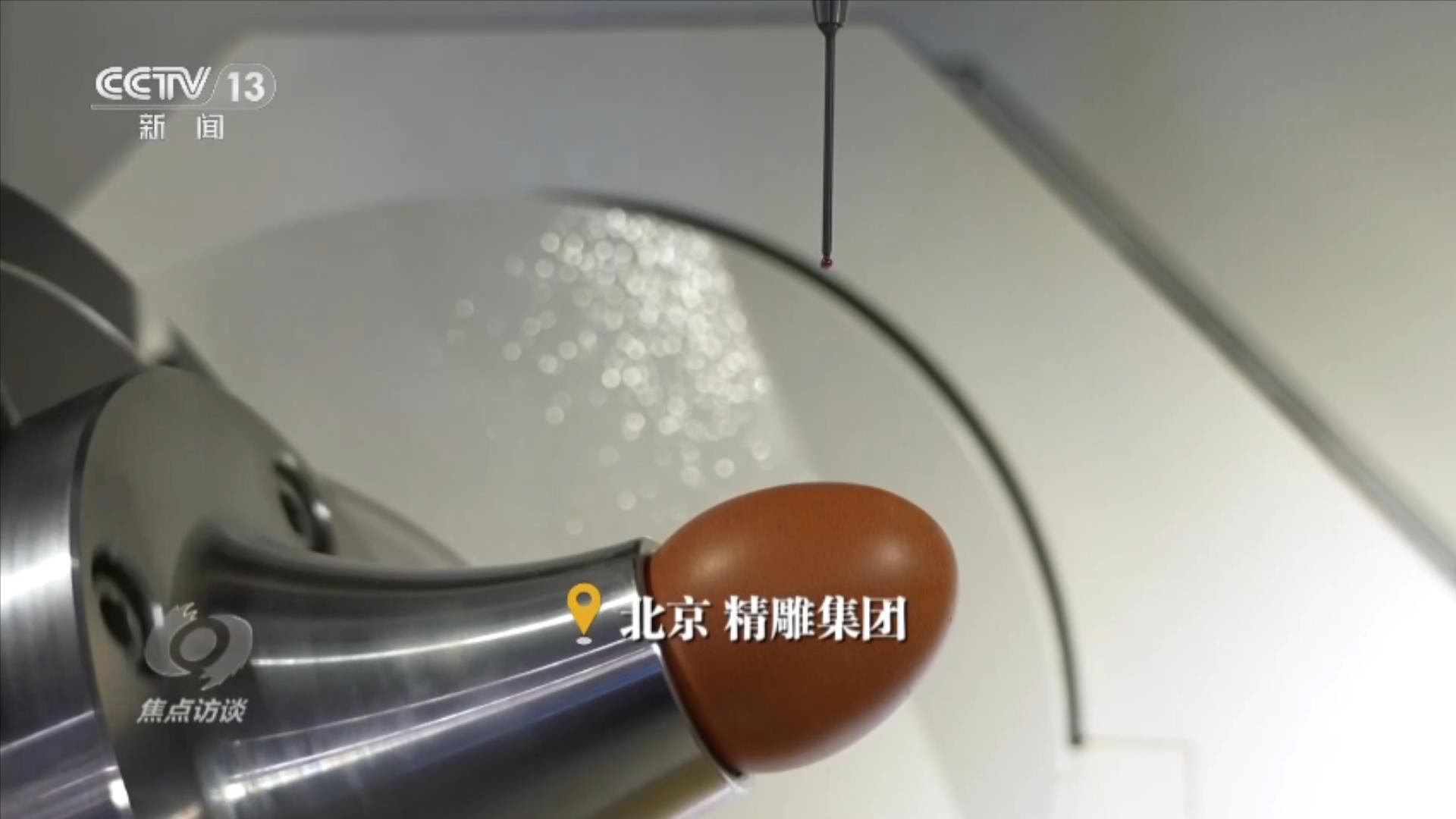
Core Viewpoint - The expansion of the international science and technology innovation centers in Beijing and Shanghai to include the Beijing-Tianjin-Hebei and Yangtze River Delta regions aims to enhance regional innovation capabilities and address existing development bottlenecks [1][9][21]. Group 1: Beijing-Tianjin-Hebei Region - Beijing has maintained its position as the top global research city for nine consecutive years, with R&D investment intensity stable at around 6% [1]. - The Beijing Precision Carving Group exemplifies successful cross-regional collaboration, with R&D in Beijing, manufacturing in Tianjin, and assembly in Hebei, leading to accelerated innovation [5][12]. - During the 14th Five-Year Plan, the technology contract transaction volume from Beijing to Tianjin and Hebei exceeded 320 billion yuan, with an annual growth rate of 23%, indicating a significant increase in collaborative innovation [7]. Group 2: Yangtze River Delta Region - The Yangtze River Delta has established a joint tackling mechanism since 2022, funding over 100 collaborative projects with a total investment exceeding 1.7 billion yuan [9]. - The region's innovation-sharing platform aims to enhance collaboration among Shanghai, Jiangsu, Zhejiang, and Anhui, facilitating resource sharing and reducing R&D costs [19]. - The "Long Triangle Technology Resource Sharing Service Platform" has gathered over 56,000 large scientific instruments and supported nearly 12,000 services for enterprises, demonstrating the effectiveness of cross-regional collaboration [19]. Group 3: Strategic Goals and Future Outlook - The strategic deployment aims to transform existing collaborative foundations into hard power on the international stage, enhancing the overall innovation capacity of the regions [9][21]. - By 2030, the goal is for the Beijing-Tianjin-Hebei region to significantly improve its foundational research and original capabilities, becoming a world-class source of technological innovation [21]. - The expansion signifies not just geographical growth but also a transformation in development concepts and innovation models, moving from individual city efforts to collaborative regional strategies [20][23].
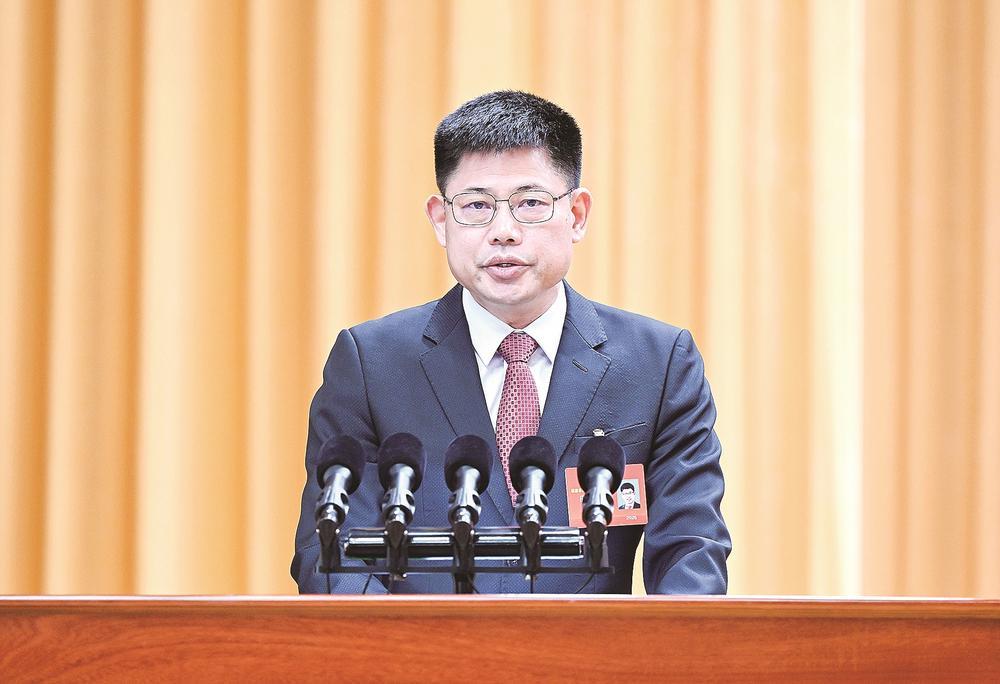
创设“香港福建科创中心” 深化闽港协同创新
Xin Lang Cai Jing· 2026-01-28 23:06
Core Viewpoint - The proposal to deepen the collaboration between Fujian and Hong Kong in technological innovation is crucial for enhancing the innovation chain, industrial chain, capital chain, and talent chain, thereby creating a new high ground for regional collaborative innovation [2] Group 1: Establishment of Innovation Center - The establishment of a "Hong Kong-Fujian Innovation Center" is suggested to leverage Hong Kong's role as a "super connector" to efficiently integrate advanced technologies and financial resources from Hong Kong with the industrial advantages of Fujian [2] - The center aims to serve as a comprehensive and open innovation platform that includes functions such as innovation resource matching, joint technology research and development, achievement transformation, financial support, and talent exchange [2] Group 2: Operational Framework - It is recommended to standardize the top-level design and operational model of the innovation center, initially adopting a model of "government guidance, market operation, and social participation" [2] - An expert advisory committee will be formed to provide intellectual support for the center's operations [2] Group 3: Funding Mechanism - A diversified funding input and guarantee mechanism is proposed, including the establishment of government-guided funds and special innovation funds, focusing on potential innovation projects in both regions [2] - The collaboration will focus on key areas and establish a system for achievement transformation, introducing professional intellectual property agencies and technology assessment institutions to provide one-stop services [2] Group 4: Events and Industrialization - Regular technology demand and achievement release conferences will be held in Hong Kong, exploring the establishment of achievement industrialization bases in Fujian to further activate the innovation "dual engines" of both regions [2]
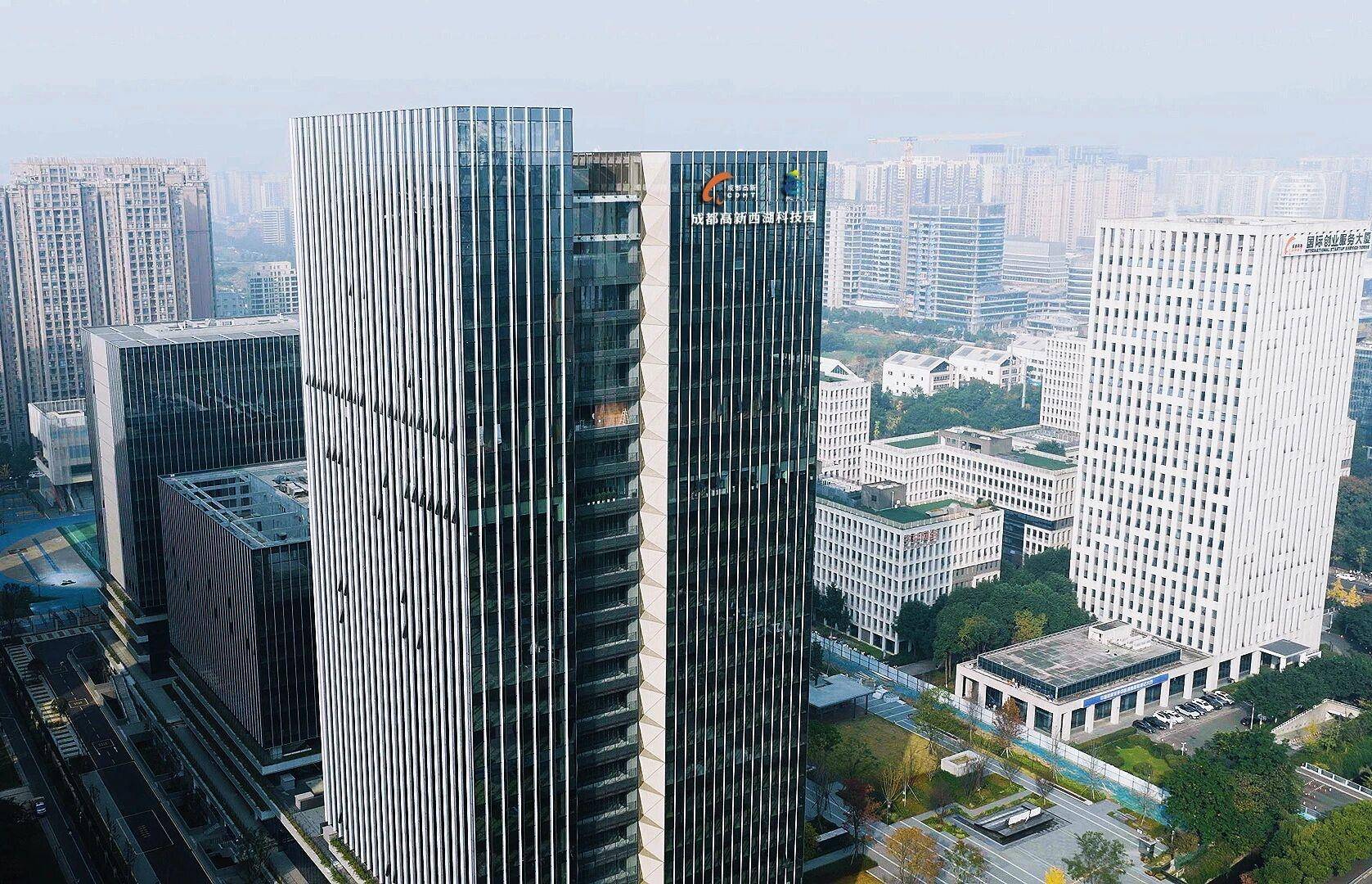
首家企业入驻!成都高新大邑科创基地正式启用,打造区域协同创新引擎
Sou Hu Cai Jing· 2026-01-21 14:35
Core Insights - The Chengdu High-tech Dali Innovation Base has officially commenced operations, aiming to foster collaborative development between Chengdu High-tech Zone and Dali County through a "cooperative construction" model [2] Group 1: Base Functions - The Chengdu High-tech Dali Innovation Base spans approximately 10,000 square meters, serving as a hub for joint investment headquarters, innovation incubation, and office space, providing comprehensive support for enterprises [1] - The base offers a full-cycle support system for resident companies, including headquarters office, technology transfer, capital connection, and one-stop government services, enhancing competitiveness [1] Group 2: Collaborative Advantages - The base leverages the industrial ecosystem of Chengdu High-tech Zone and the resource endowment of Dali County to create a synergy in technology, capital, and enterprise operations [1] - The "front research and back production" industrial ecosystem allows companies to seamlessly transition from research and incubation to production in Dali, promoting efficient collaboration [1] Group 3: Future Development - The base has already reserved eight quality projects, including Fanlian Information, and will focus on industries such as digital cultural creation, smart devices, and new materials [4] - The goal is to attract and cultivate growth-oriented companies with core technologies and innovation capabilities, establishing Dali County as a competitive innovation hub [4] - Local enterprises will be encouraged to collaborate with Chengdu High-tech Zone research teams to efficiently transform technological achievements and expand their reach [4]
报告:成渝地区双城经济圈创新产出规模稳步扩大
Zhong Guo Xin Wen Wang· 2025-12-28 10:22
Core Insights - The Chengdu-Chongqing Economic Circle is experiencing steady growth in innovation output, highlighting its strategic importance in China's western region [1][2] - The report evaluates the development of the Chengdu-Chongqing urban agglomeration from 2018 to 2024, focusing on six primary indicators [1] Group 1: Innovation and Economic Development - The innovation output scale in the Chengdu-Chongqing Economic Circle has been steadily expanding, driven by increased innovation output and enhanced innovation network connections [1] - From 2018 to 2024, the regional collaborative innovation index has shown stable growth, with significant increases in R&D funding and a narrowing gap in R&D investment among regions [1] - The overall development index for the Chengdu-Chongqing region has been on an upward trend, supported by stable income levels and human capital formation [2] Group 2: Regional Dynamics - The dual-core cities of Chengdu and Chongqing are increasingly driving the development of surrounding cities, reinforcing the "dual-core leadership and regional linkage" model [2] - The trade finance index has shown steady growth, indicating a stable financial environment for trade activities [2] - The urban-rural integration index has demonstrated robust growth, reflecting an ongoing improvement in integration development levels [2] - The industrial development index is generally showing a stable and positive trend [2]
成渝地区高校科技成果转化发布281项成果
Si Chuan Ri Bao· 2025-12-25 00:23
Group 1 - The Chengdu-Chongqing region has gathered 27,000 high-tech enterprises, with a regional collaborative innovation index growth of 82.5% [1] - The region has jointly reorganized 25 national key laboratories and approved the establishment of one new laboratory, with 11 large scientific devices accelerating construction [1] - The conference released 281 technology achievements related to 14 key industrial sectors, including pharmaceuticals, artificial intelligence, advanced materials, and new energy vehicles [1] Group 2 - The "Sichuan Province High-Tech Industry Development Report (2025)" indicates that by 2024, there will be 4,912 large-scale high-tech enterprises in the province, with high-tech manufacturing enterprises at 2,183, a year-on-year growth of 9.92% [2] - High-tech industries achieved operating income of 1,752.23 billion yuan, reflecting a year-on-year growth of 5.70%, indicating a steady progress in overall development [2] - The Chengdu Plain Economic Zone is a core growth driver, with high-tech manufacturing and service industries accounting for over 80% and 90% of their respective revenues [2]
21社论丨加强区域创新协同,打造完整创新生态
21世纪经济报道· 2025-12-17 00:46
Core Insights - The central economic work conference emphasized the importance of innovation-driven development and the establishment of international technology innovation centers in Beijing, Shanghai, and the Guangdong-Hong Kong-Macao Greater Bay Area [1][2] Group 1: Innovation Centers - The expansion of Beijing's international technology innovation center to include the Beijing-Tianjin-Hebei region aims to integrate research and development advantages with advanced manufacturing and logistics [3] - Shanghai's designation within the Yangtze River Delta framework reinforces its existing collaborative innovation ecosystem, enhancing regional innovation networks [3] - The Greater Bay Area has been recognized as a global innovation hub, with its innovation ecosystem continuously improving, as evidenced by its ranking as the top global innovation cluster [1][2] Group 2: Resource Integration - The complexity of global technological competition necessitates a collaborative network that integrates scientific research, enterprise innovation, and financial capital, which cannot be achieved by a single city alone [2] - The Greater Bay Area has developed a regional innovation cluster characterized by high industrial concentration and collaboration, supported by active financial markets and top-tier research institutions [2] - The shift from localized resource allocation to functional integration signifies a move towards collaborative efforts across regions, aiming to bridge the gap between research and industry [3]

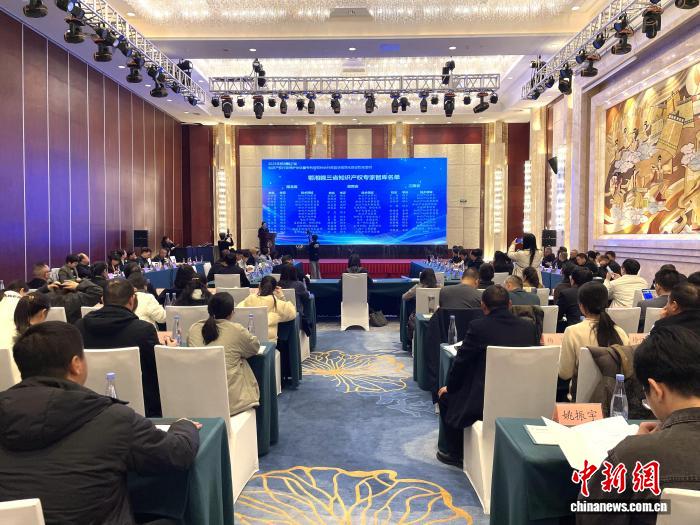
鄂湘赣三省加强知识产权行政保护协作
Zhong Guo Xin Wen Wang· 2025-12-16 13:26
Group 1 - The core viewpoint of the article emphasizes the collaboration among Hubei, Hunan, and Jiangxi provinces in strengthening administrative protection of intellectual property rights, focusing on standardizing administrative adjudication of patent infringement disputes [1][3] - The event held in Wuhan involved 12 intellectual property-related departments from the three provinces sharing experiences on typical cases of administrative adjudication of patent infringement disputes and the construction of standardized practices [1][3] - The establishment of a "Hubei-Hunan-Jiangxi Intellectual Property Expert Think Tank" was announced, with the first batch of 127 experts appointed, covering fields such as pharmaceuticals, optoelectronic information, and cross-border e-commerce [3] Group 2 - Intellectual property is highlighted as a bridge for regional collaborative innovation and an engine for industrial upgrading, with the three provinces sharing cultural and economic ties [3] - The provinces have been deepening their collaboration in intellectual property protection, signing cooperation agreements and memorandums to enhance cross-regional collaboration mechanisms [3] - The article notes ongoing efforts to enrich the services related to cross-regional intellectual property protection through activities aimed at promoting innovation and cooperation in the Yangtze River middle reaches urban agglomeration [3]
中央经济工作会多个新提法释放哪些新信号?
Sou Hu Cai Jing· 2025-12-12 11:38
Core Insights - The central economic work conference highlighted the importance of the "five musts" for guiding economic work in 2026, reflecting a summary and elevation of last year's economic work principles [5][6][7] Economic Growth and Challenges - The conference acknowledged 2025 as an extraordinary year, with initial pessimism about economic growth due to US-China trade tensions, but ultimately, China's economy demonstrated resilience, with growth expectations being revised upwards by international institutions [2][3] - Key challenges identified include persistent issues such as strong supply versus weak demand, sluggish consumer spending, declining fixed asset investment, and pressures on employment for specific groups like graduates and migrant workers [3][4] Policy Directions for 2026 - The conference outlined a focus on implementing proactive macroeconomic policies, enhancing policy foresight, and expanding domestic demand while optimizing supply [4][8] - Emphasis was placed on the need to explore economic potential, balance policy support with reform innovation, and ensure effective governance without excessive regulation [5][6] Investment and Consumption - The conference stressed the importance of increasing domestic consumption, particularly through enhancing income for urban and rural residents, and optimizing the supply of quality goods and services [14][15] - Investment strategies will focus on stabilizing and increasing investment levels, particularly in infrastructure and real estate, to counteract previous declines [16][26] Innovation and Regional Development - The need for innovation-driven growth was highlighted, with a focus on fostering regional collaborative innovation and strengthening the role of enterprises in technological advancements [19][20] - The conference called for the establishment of international technology innovation centers in key regions, indicating a shift towards regional cooperation in innovation [19] Risk Management and Reform - The conference underscored the importance of risk management, particularly in the real estate sector and local government debt, advocating for targeted measures to stabilize these areas [26][27] - Comprehensive reforms are necessary to address "involution" in competition and to promote a unified national market, which is seen as crucial for enhancing economic vitality [23][24]