
宜居宜业和美乡村

Search documents
2月20日晚间央视新闻联播要闻集锦
Yang Shi Xin Wen Ke Hu Duan· 2026-02-20 13:09
今日摘要 习近平总书记指出,新时代新征程农村一定会有更加光明的前景,农民会有更加火热的生活。系列报道 《情满中国年》今天播出《绘就宜居宜业和美乡村新画卷》。 春节假期,我国消费市场活力加速释放。 多彩活动庆新春,温暖祥和中国年。人们赏民俗,品非遗,欢度佳节。 春节假期第六天,全社会跨区域人员流动量预计超3.52亿人次,环比增长3.7%。 中国选手宁忠岩夺得米兰冬奥会速度滑冰男子1500米金牌,并创造了新的奥运会纪录。这也是中国在该 项目首枚冬奥金牌。 全球多地共庆中国新年。 内容速览 【情满中国年】绘就宜居宜业和美乡村新画卷 习近平总书记指出,新时代新征程农村一定会有更加光明的前景,农民会有更加火热的生活。党的十八 大以来,春节前夕,总书记多次走进乡村,看望慰问广大农民群众,和大家一起谋划增收致富之策,引 领神州大地山乡巨变。系列报道《情满中国年》今天播出《绘就宜居宜业和美乡村新画卷》。 新春消费亮点纷呈 市场活力加速释放 春节假期,我国消费市场持续火热。新业态、新场景不断涌现,市场活力加速释放,为中国经济注入澎 湃动能。 多彩活动庆新春 温暖祥和中国年 马年新春,各地活动精彩纷呈,传统与创新融合,人们赏民俗 ...
青平:2026年乡村振兴绘就壮美画卷
Xin Lang Cai Jing· 2026-02-14 15:33
日前,《中共中央 国务院关于锚定农业农村现代化 扎实推进乡村全面振兴的意见》正式发布。《意 见》指出,农业农村现代化关系中国式现代化全局和成色。2026年是"十五五"开局之年,我们要努力把 农业建成现代化大产业,牢牢守住底线防止返贫,提升农业综合生产能力和质量效益,推动乡村全面振 兴取得新进展,加快农业农村现代化再上新台阶,朝着建设农业强国目标扎实迈进。 防止返贫,守牢底线。坚守不发生规模性返贫致贫底线,需健全常态化帮扶政策体系,将其纳入乡村振 兴统筹推进,稳定各项政策投入,强化开发式帮扶与兜底保障。截至2025年底,我国累计识别帮扶超过 700万监测对象稳定消除返贫致贫风险,全国脱贫劳动力务工就业规模大幅提升,脱贫人口义务教育、 基本医疗、住房安全和饮水安全保障水平显著提高。这些成效的取得,充分印证了常态化帮扶政策的科 学性与实效性,彰显了我们党攻坚克难、久久为功的责任与担当。唯有始终坚持系统思维、底线思维, 持续贯彻防止返贫思维,才能让脱贫成果真正惠及全体人民,为全面推进乡村振兴、实现共同富裕筑牢 坚实保障。 唯有久久为功、精准施策,方能推动乡村全面振兴取得新跨越,让农业强、农村美、农民富的美好愿景 变为 ...
新春走基层 | 泰州海陵:民生工程绘就城乡和美新画卷
Xin Lang Cai Jing· 2026-02-14 11:24
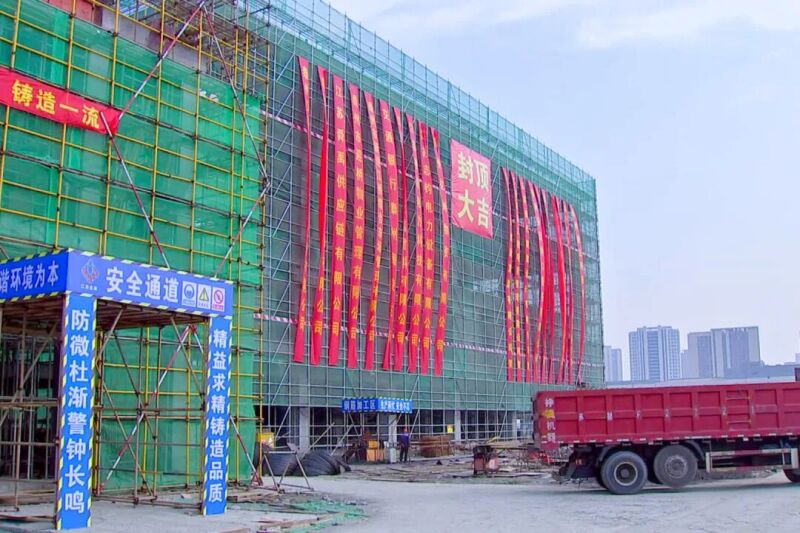
Core Viewpoint - The article highlights the ongoing development of the new Yingjiang Bridge Comprehensive Market in Taizhou's Hailing District, which aims to enhance local residents' living standards and improve the agricultural product supply chain, reflecting a commitment to public welfare and urban-rural integration [1][3][5]. Group 1: Project Overview - The new Yingjiang Bridge Comprehensive Market is a key public welfare project, set to start construction in July 2025 and expected to officially open by mid-2026 [3][5]. - The market will cover an area of 27 acres with a total investment of approximately 520 million yuan, featuring a total building area of 30,000 square meters [5]. - The market will consist of four buildings, including two for agricultural product wholesale, one for a farmers' market, and one for cold chain storage [5]. Group 2: Design and Features - The market is designed to be the first in the urban area with an underground level, adhering to high standards and incorporating successful practices from other regions [5]. - It will include 290 shops along the street and inside, as well as 50 outdoor stalls, with nearly 300 car parking spaces and about 800 non-motor vehicle parking spaces [5][7]. - The market aims to create a modern, intelligent, and user-friendly shopping environment for residents [5]. Group 3: Community Impact - The market is strategically located to serve around 120,000 residents within a 15-minute living circle, enhancing local accessibility to agricultural products [7]. - It will facilitate the entire agricultural product supply chain from production to sales, promoting deep integration between agriculture and services, thus supporting rural revitalization [7]. - The project is part of a broader initiative to improve living conditions in rural areas, with ongoing efforts to enhance infrastructure and public services [12].

市四套班子领导赴安凌镇革命老区慰问
Xin Lang Cai Jing· 2026-02-14 01:56
Core Viewpoint - The local government emphasizes the importance of supporting the revolutionary old areas and ensuring the well-being of the residents through various initiatives and community engagement [1]. Group 1: Community Support Initiatives - Local leaders visited the Wangpu Village Martyrs' Cemetery to honor revolutionary martyrs and subsequently conducted home visits to the descendants of martyrs and underprivileged residents, showing concern for their health and living conditions [1]. - The government encourages residents to maintain a positive outlook and assures them of support from the party and government to improve their living conditions [1]. Group 2: Development and Cultural Promotion - The local government stresses the need to implement a people-centered development approach, focusing on practical measures to improve livelihoods and secure the bottom line for people's well-being [1]. - There is a call to explore and promote red cultural resources, aiming to educate and inspire party members and the public about the revolutionary spirit and mission [1]. - The government is committed to ensuring food security and developing local特色产业 (characteristic industries) to enhance rural living conditions and create a model for livable and workable villages in Huangshan [1].
绘就“江南桃花源”宜居宜业和美画卷
Xin Hua Ri Bao· 2026-01-29 21:50
Core Insights - The article highlights the development of Yangshan Town in Wuxi City, which is transforming into a model of a beautiful and prosperous rural area, leveraging its unique volcanic geology and peach resources [1] Group 1: Economic Development - Yangshan Town aims to create the first national-level tourism resort integrating agriculture, culture, and tourism in China, focusing on high-quality development of the peach industry [1] - The total planting area for peaches in Yangshan has reached 25,000 acres, with new business models emerging such as "peach-fungi rotation" and deep processing of peach gum [1] - By 2025, the GDP of Yangshan is projected to reach 8.5 billion yuan, positioning it among national-level tourism resorts [1] Group 2: Infrastructure and Living Standards - The town is implementing targeted measures for rural waste management, gas supply upgrades, and road improvements, enhancing the quality of life for residents [2] - By 2025, Yangshan plans to complete gas upgrades for 417 households and improve waste management in 31 natural villages, aligning living standards more closely with urban areas [2] - The local government has been recognized as the "cleanest street town" in Wuxi for three consecutive years, promoting ecological transformation [2] Group 3: Governance and Community Engagement - Yangshan integrates digital governance with traditional community values, exemplified by the "Digital Peach Source" system that enhances resource management and service tracking [2] - The town has been awarded the title of a national civilized town, with numerous community projects led by local party organizations [2] - The "Anyang Tongxin" social work service brand utilizes a "social worker + volunteer" model to provide targeted support for the elderly and children, improving grassroots governance [2] Group 4: Cultural and Recreational Development - Yangshan is developing a multi-dimensional marketing network by innovating "village-enterprise partnerships" and establishing a "common prosperity company," leading to steady growth in collective income [3] - The town is also creating a distinctive resort image by introducing cultural and sports initiatives, such as the "Su Chao" sports IP and "Zhong Shufang" cultural entrepreneurship [3] - Yangshan is positioned as an ecological reception area for the Yangtze River Delta urban agglomeration, focusing on harmonious living and economic integration [3]
夯实农业基础 推进乡村全面振兴——透视“十四五”收官之年中国农业农村发展成效
Xin Hua She· 2026-01-22 13:07
Core Insights - The article emphasizes the importance of agriculture as the foundation of national economic and social development, highlighting achievements in food production and poverty alleviation during the "14th Five-Year Plan" period [1] Group 1: Food Production - By 2025, China's grain production is projected to reach 14,298 billion jin, an increase of 168 billion jin, marking a historical high [3] - The increase in grain production is primarily attributed to autumn crops, with a significant contribution from the northeastern provinces, Inner Mongolia, and Xinjiang, accounting for nearly 70% of the national increase [3] - Corn production is expected to rise by 126.4 billion jin, representing 75% of the total grain increase [3] Group 2: Agricultural Modernization - The modernization of agriculture is focused on enhancing agricultural technology, with a target for the agricultural technology progress contribution rate to exceed 64% by 2025 [4] - As of January 10, the area under vegetable cultivation reached over 77.1 million acres, an increase of over 1.9 million acres year-on-year, ensuring a stable supply of "vegetable basket" products [4] Group 3: Poverty Alleviation - By the end of 2025, over 7 million monitoring subjects will be identified for assistance, with a focus on preventing the risk of returning to poverty [5] - The scale of employment for the formerly impoverished labor force is expected to exceed 32 million, ensuring the sustainability of poverty alleviation efforts [5] Group 4: Rural Development - By 2025, the added value of the agricultural and food processing industry is projected to increase by 5.6% [7] - The per capita disposable income of rural residents is expected to reach 24,456 yuan, reflecting a real growth of 6% year-on-year [7] - The rural sanitation toilet coverage rate is anticipated to reach around 77% [7] Group 5: Infrastructure and Services - Efforts will be made to improve rural infrastructure, public services, and living conditions, focusing on enhancing the quality of education, healthcare, and sanitation [8] - The development of local特色产业 (specialty industries) will be promoted to boost employment and income for farmers [8]
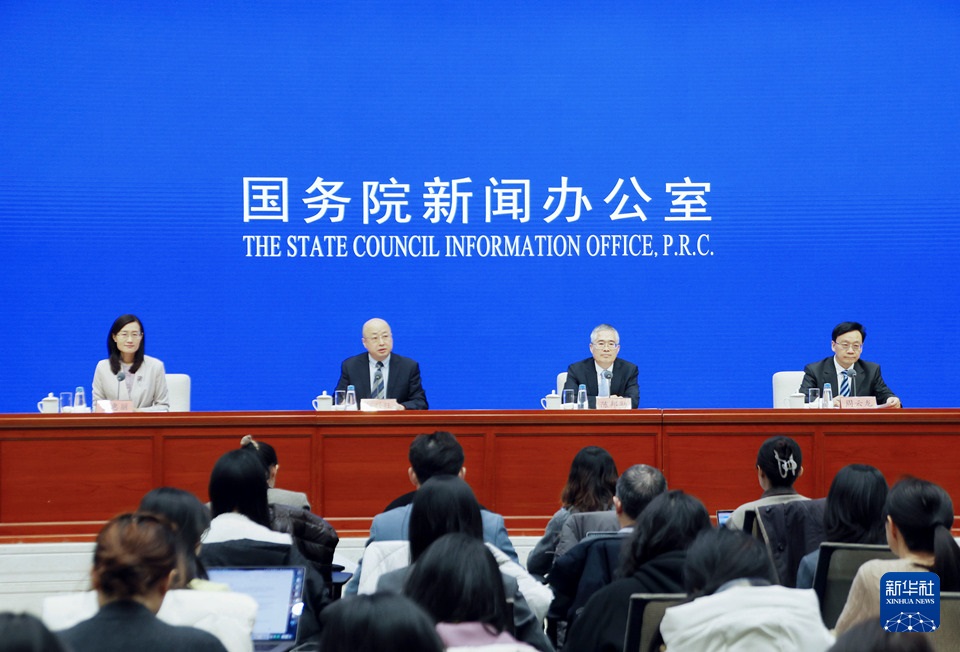
2025年我国农业农村发展保持稳中有进、稳中向好势头
Xin Lang Cai Jing· 2026-01-22 02:45
Group 1: Agricultural Production and Supply - In 2025, China's agricultural production is expected to maintain a steady and positive trend, with grain production reaching a historical high of 14,298 billion jin, an increase of 168 billion jin from the previous year [1] - The soybean production is stable at 20.91 million tons, maintaining over 20 million tons for four consecutive years, while the total meat production (pork, beef, mutton, poultry) is projected to be 10,072 million tons, reflecting a year-on-year growth of 4.2% [1] - The national agricultural product quality safety monitoring compliance rate reached 98% [1] Group 2: Poverty Alleviation and Employment - The achievements in poverty alleviation have been consolidated, with over 7 million monitoring subjects identified and stabilized to eliminate the risk of returning to poverty [2] - The scale of employment for the rural labor force exceeds 32 million, supported by various collaborative efforts in poverty alleviation [2] Group 3: Agricultural Modernization and Technology - By 2025, 75.68 million mu of high-standard farmland will be newly built or upgraded, contributing to a total of over 1 billion mu [2] - The contribution rate of agricultural technology progress exceeds 64%, with domestic seed varieties accounting for over 95% of cultivated area [2] - The mechanization rate for crop farming has reached 76.7%, with over 300,000 agricultural drones in operation [2] Group 4: Rural Development and Quality of Life - The per capita disposable income of rural residents is 24,456 yuan, reflecting a real growth of 6.0% compared to the previous year [3] - The rural sanitation toilet coverage rate has reached approximately 77%, with continuous improvements in infrastructure and public services [3] - The number of family farms has approached 4 million, and over 200,000 farmers' cooperatives have been established, enhancing rural economic vitality [3]
专家学者共话“十五五”加快农业农村现代化发展路径
Xin Lang Cai Jing· 2026-01-21 20:32
Core Insights - The forum at Tsinghua University focused on the theme of accelerating agricultural and rural modernization during the "14th Five-Year Plan" period, discussing tasks and development paths for this initiative [1][2] - The report released by Tsinghua University’s China Rural Research Institute evaluated the livability and workability of rural areas, assessing the construction levels of beautiful rural areas across 1,470 counties in China [2] Group 1: Agricultural Modernization Goals - Chen Xiwens, the chairman of the Agricultural and Rural Committee of the National People's Congress, emphasized the adaptability and vitality of China's dual management system based on family contracting, advocating for innovation in rural basic management systems and agricultural social services to achieve the goal of a strong agricultural nation with Chinese characteristics [1] - Du Ying, former deputy director of the National Development and Reform Commission, highlighted the need to focus on the overall goal of agricultural and rural modernization during the "14th Five-Year Plan" period, with an emphasis on increasing effective supply of agricultural products and farmers' income [1] Group 2: Key Tasks for Agricultural Modernization - Pan Wenbo, chief agronomist of the Ministry of Agriculture and Rural Affairs, outlined key tasks for accelerating agricultural modernization, including enhancing comprehensive production capacity and quality, consolidating poverty alleviation achievements, promoting the construction of livable and workable beautiful villages, broadening income channels for farmers, and improving the effectiveness of policies benefiting agriculture [1] - Hu Angang, a senior professor at Tsinghua University, stressed the strategic significance of modernizing agriculture, rural areas, and farmers for solidifying the foundation of Chinese-style modernization, proposing paths such as technological empowerment and industrial integration [2] Group 3: Rural Economic Development - Ye Xingqing, former director of the Rural Economy Research Department of the State Council Development Research Center, emphasized the goal of transforming agriculture into a modern large industry, focusing on land protection and agricultural technology innovation [2] - Wei Houkai, a member of the Chinese Academy of Social Sciences, pointed out that rural operation is crucial for comprehensive rural revitalization, advocating for the professional and market-oriented operation of rural collective economies and a shift from single-village to regional operations [2]
建设好宜居宜业和美乡村
Ren Min Ri Bao· 2025-12-01 22:11
Core Viewpoint - The modernization of rural areas is essential for building a strong agricultural nation, and creating livable and workable beautiful villages is a necessary condition for this goal [1] Group 1: Traditional Village Wisdom - The concept of "Harmony between Man and Nature" is a core principle of traditional culture, emphasizing the inseparable relationship between humans and nature [2] - Traditional villages exemplify ecological wisdom through their layout, resource utilization, and harmonious coexistence with nature [2] - The preservation of traditional villages contributes to the ecological chain, with examples like Zhejiang's sustainable building practices and Yunnan's integrated farming systems [3] Group 2: Ecological and Economic Integration - The construction of livable and workable beautiful villages requires respecting traditional ecological wisdom and protecting natural ecosystems [4] - The "timely response" principle in traditional villages reflects the sensitivity to natural rhythms and social changes, promoting sustainable agricultural practices [4] - The integration of ecological protection and economic development is crucial, with a focus on creating a symbiotic relationship between nature and community [6][7] Group 3: Localized Development Strategies - The approach of "adapting to local conditions" and "precise measures" is essential for optimizing rural living environments and fostering unique local industries [5] - The transformation of ecological policies into rural development benefits is emphasized, aligning with the principle of "green mountains and clear waters are invaluable assets" [5] Group 4: Community and Environmental Synergy - The "coexistence and mutual prosperity" principle aims to achieve harmony between humans and nature, fostering community support and environmental stewardship [6] - The importance of restoring damaged ecosystems and creating economic value from ecological resources is highlighted, promoting sustainable rural economies [7]
加快农业农村现代化
Ren Min Ri Bao· 2025-11-06 00:24
Core Viewpoint - The modernization of agriculture and rural areas is essential for the overall modernization of the country, as emphasized by General Secretary Xi Jinping [1][2]. Group 1: Significance of Accelerating Agricultural and Rural Modernization - The achievements in "three rural issues" since the 18th National Congress have been historic, with significant improvements in rural conditions and agricultural production capabilities [2]. - The comprehensive grain production capacity remains above 1.3 trillion jin, with expectations to exceed 1.4 trillion jin in 2024 [2]. - The contribution rate of agricultural science and technology has reached 63.2%, and the mechanization rate of crop farming exceeds 75% [2]. - The eradication of absolute poverty has been a historic achievement, with all farmers entering a moderately prosperous society [2]. - The per capita disposable income of rural residents is projected to reach 23,119 yuan in 2024, with the urban-rural income ratio decreasing to 2.34:1 [2]. Group 2: Relationship of Agricultural Modernization to National Goals - Agricultural modernization is a critical task for building a modern socialist country, addressing the imbalances and weaknesses in rural development [3]. - Strengthening the agricultural foundation is vital for national stability and food security, especially in the face of international uncertainties [3]. - Achieving agricultural modernization is essential for ensuring food security and providing a solid foundation for the modernization of China [3]. Group 3: Basic Requirements for Agricultural Modernization - Agricultural modernization is a major and urgent strategic task that requires prioritizing rural development and urban-rural integration [5]. - The relationship between setting goals and maintaining historical patience is crucial, as agricultural modernization is a systematic and dynamic process [6]. - Local conditions must be considered in the implementation of agricultural modernization, avoiding a one-size-fits-all approach [6]. - The integration of traditional agricultural practices with modern elements is necessary to preserve cultural heritage while advancing modernization [6]. Group 4: Strategic Deployment for Agricultural Modernization - The focus is on enhancing agricultural production capacity and quality, ensuring food security through modern agricultural practices [9]. - Establishing mechanisms to prevent poverty and ensure sustainable development in rural areas is essential [10]. - Building beautiful and livable rural areas is a priority, with an emphasis on improving infrastructure and public services [11]. - Strengthening policies that support farmers and enhance agricultural productivity is critical for achieving modernization goals [12].