情感智能

Search documents
具身智能与高仿生机器人创企卓益得机器人完成近亿元Pre-A+轮融资
机器人圈· 2026-02-05 09:27
Core Insights - The article highlights the completion of nearly 100 million RMB Pre-A+ round financing by Shanghai Zhuoyide Robotics, aimed at enhancing the development of humanoid robots and emotional value services, particularly in elder care and companionship [1][4]. Financing and Strategic Partnerships - The financing round was led by Shanghai Pudong Leading Area Investment Center and Shanghai Zhangjiang Technology Venture Capital, with participation from various institutions, including strategic investors like Qingdao Zhenghe Industrial Co., Ltd. and Xiamen Songlin Technology Co., Ltd. [1][15]. - The involvement of industry capital signifies a crucial empowerment for Zhuoyide's vision of "emotional intelligence" in robotics, with partners contributing to both the physical and application aspects of the robots [15][16]. Product Development and Technological Advancements - Zhuoyide Robotics has introduced a diversified product matrix, including: - Moya, the world's first fully embodied intelligent bionic robot, designed for emotional companionship and elder care [5]. - Xueba 01, a robot PhD IP developed in collaboration with Shanghai Theatre Academy and Shanghai University of Technology, focusing on knowledge output and artistic expression [7]. - X3B, a general-purpose humanoid robot platform capable of executing complex movements and tasks across various industries [9]. - The company emphasizes the integration of advanced technologies, such as cross-modal perception and emotional computing, to enhance the robots' interaction capabilities and emotional intelligence [12]. Market Focus and Applications - The financing will focus on three core areas: - Deepening core technology and product iterations to enhance emotional interaction and adaptability [19]. - Upgrading mass production and supply chain systems to ensure product reliability and consistency, with over 1,000 intention orders already secured [20]. - Promoting ecosystem collaboration and market penetration, particularly in the elder care sector [21]. Company Milestones and Future Directions - Zhuoyide Robotics recently celebrated its headquarters relocation and the opening of a new exhibition hall, marking a significant milestone in its operational scale and research capabilities [21]. - The company aims to establish a comprehensive product ecosystem and clarify its commercialization path, entering a new phase of scaled and market-oriented development [21].


杭州沃才高科技有限公司获“天使轮”融资,金额数千万人民币
Sou Hu Cai Jing· 2026-01-13 01:51
1月9日,天眼查融资历程显示,杭州沃才高科技有限公司近日获得"天使轮"融资,涉及融资金额数千万 人民币,投资机构为【战略启航】沃才高科技完成数千万级天使轮融资,携手利川经开启航基金与海越 创投,共筑"情感智能"产业新生态。 天眼查信息显示,杭州沃才高科技有限公司的股东为:瀚海同舟(杭州)科技合伙企业(有限合伙)、 牟涛。 来源:市场资讯 通过天眼查大数据分析,杭州沃才高科技有限公司共对外投资了3家企业,知识产权方面有商标信息1 条,专利信息2条。 资料显示,杭州沃才高科技有限公司法定代表人为牟涛,成立于2024年,位于杭州市,是一家以从事软 件和信息技术服务业为主的企业。企业注册资本200万人民币,并已于2026年完成了天使轮,交易金额 数千万人民币。 ...
会畅科技闪耀CES 2026 战略转型迈出关键一步
Quan Jing Wang· 2026-01-09 06:58
Core Insights - The launch of the new brand "OLLOBOT" and its first product, the OlloNi robot, marks a significant strategic shift for the company from a traditional communication service provider to an "AI + Cloud + Hardware" intelligent interaction ecosystem enterprise [1][2] - OlloNi focuses on "technology + emotional companionship," offering a natural emotional connection experience without pursuing anthropomorphism or animal mimicry, which has garnered widespread attention and media acclaim [1] Company Transformation - The recent brand launch is the first major action since the company's name change from "会畅通讯" to "会畅科技," reflecting its strategic transition into the intelligent hardware, AI application software, and cloud computing device sales [2] - The company has expanded its business scope to include "intelligent robot research and development," "IoT technology research and development," and "AI application software development," while upgrading its original communication business to intelligent cloud video solutions [2] Financial Performance - For the first three quarters of 2025, the company achieved an operating revenue of 339 million yuan, maintaining a steady performance, with a net profit attributable to shareholders of 10.16 million yuan, reinforcing its profitability foundation [2] - Research and development investment increased by 14.47% year-on-year, focusing on strategic emerging businesses such as the "dual-engine" intelligent cloud video platform, AI audio and video products, and the OlloNi smart terminal, providing strong momentum for long-term growth [2] Future Outlook - With the debut of OlloNi at CES, the company is accelerating its transformation into a leader in intelligent interaction terminal solutions, aiming to deepen its "AI + Cloud + Hardware" strategic layout [2] - The company seeks to enhance the global recognition of Chinese technological strength in the emotional intelligence field [2]

汽车供应链的方向只有一个
汽车商业评论· 2025-12-08 23:08
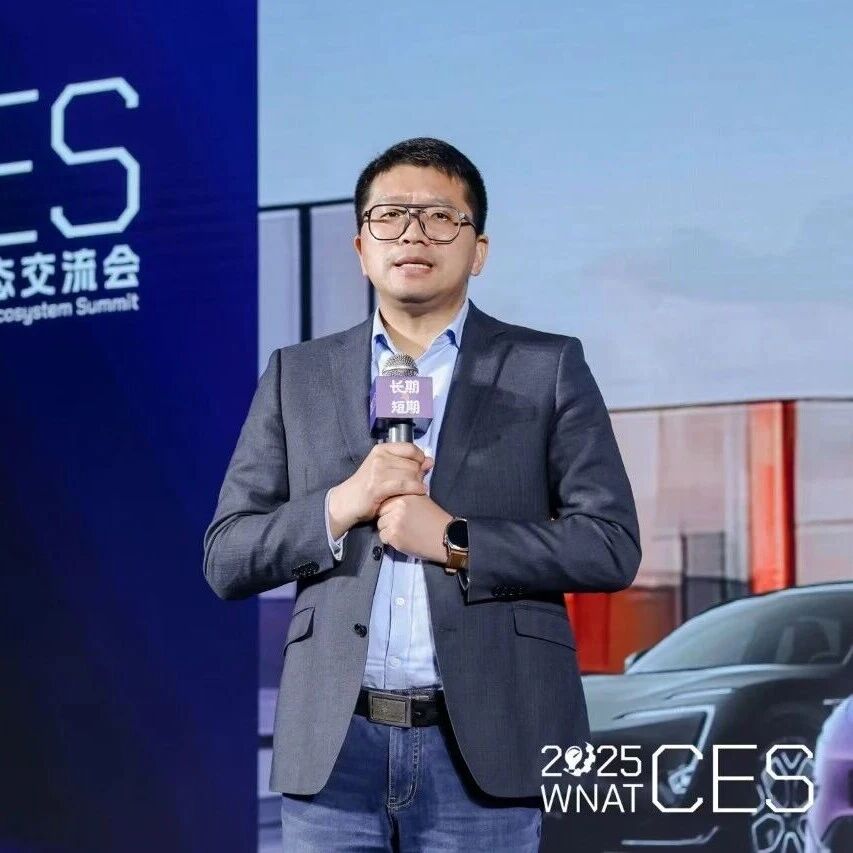
作者 | 雍 军 ( 阿 维 塔 科 技 副 总裁 ) 加入轩辕同学,成就新汽车人! 一直以来,安全都是最大的豪华,作为长安汽车打造的高端品牌,阿维塔将安全提升到了一个新高度。 "安全另外一个层面就是健康,阿维塔在乘员舱里,包括各种有害物质都是按照国标低两个数量级,也就 1% 的要求在做车,但即使低两个数量级 依然有有害物质,对基础材料、基础工艺的研究,我相信今天供应链也有解决方案,如果有解决方案告诉我,我们一定会用。" 2022 年开始交付后,阿维塔展现出了大厂新势力的实力。 2025 年 11 月,阿维塔销量达 14057 辆,创单月历史新高,并连续 9 个月销量破万; 1-11 月累计销量达 118302 辆,品牌成立以来总销量已突破 22 万辆。 随着品牌的热销,阿维塔科技宣布正式向香港联合交易所递交 IPO 申请,成为首家向港交所提交 IPO 申请的央企新能源车企。 在雍军看来,阿维塔目前的发展方向正处于 0 到 1 阶段,接近" 1 "的位置,但还没有到,"我觉得是 0.8 的样子。"他说。这番话,也是对世界新 汽车生态协会理事长、轩辕同学校长贾可在开幕式致辞中的回应。 设计 | 甄 尤 美 编辑 ...
人工智能时代,设计理念如何凸显人的价值
财富FORTUNE· 2025-12-02 14:36
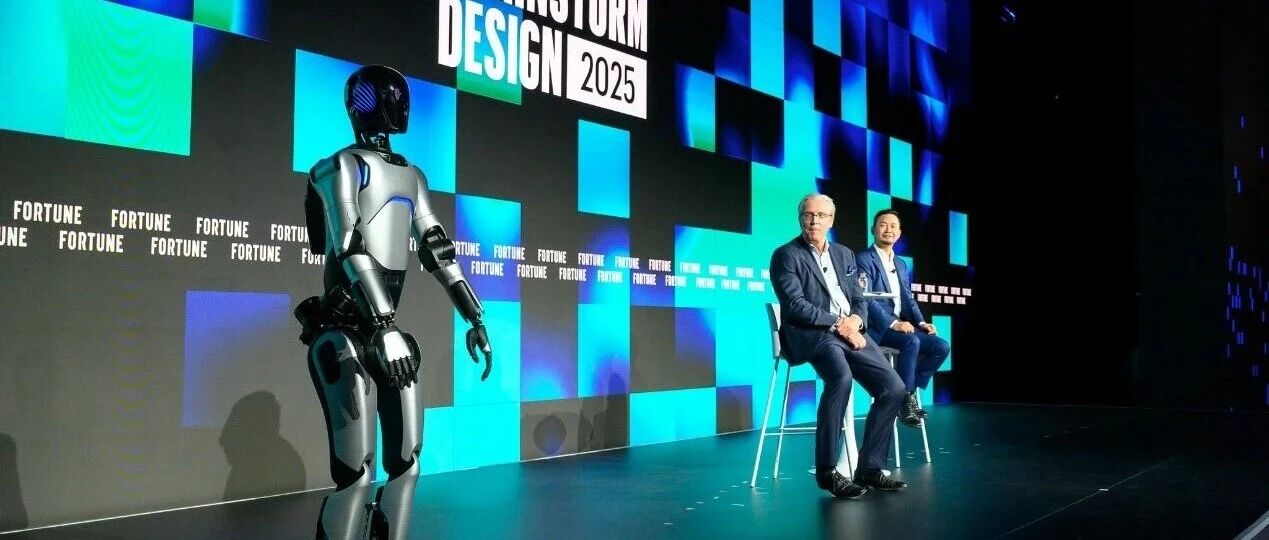
Core Insights - The article discusses the intersection of anxiety and anticipation in the current era, highlighting the transformative potential of digital technologies like artificial intelligence (AI) while also addressing the challenges posed by climate change and increased energy demands [1] Group 1: Conference Overview - The "Design Brainstorming Conference" held by Fortune on December 2 at MGM Macau focused on the theme "Future in Progress: Shaping Tomorrow's Blueprint," gathering over thirty top designers and futurists to discuss the role of design in the tech era [3] - Key discussions included new paradigms of design in the AI age, the value of human input, and the desired characteristics of future tech products [3] Group 2: Key Speakers and Their Insights - Mauro Porcini, Chief Design Officer of Samsung, emphasized that brand leadership in the new era relies on an innovation formula: "AI × (Emotional Intelligence + Human Imagination)" [3] - Ole Scheeren, a renowned architect, advocated for viewing architecture as a living organism that generates stories post-completion, enhancing user engagement [4] - André Fu, a prominent interior designer, noted a shift in hotel design from grandeur to a focus on comfort and genuine hospitality, emphasizing emotional connections over luxury materials [5] Group 3: Future Perspectives - Futurist Monika Bielskyte proposed using "story worlds" as a design approach to address real-world challenges, moving beyond traditional sci-fi concepts [6] - She criticized the binary views of technology as either utopian or dystopian, arguing for a more integrated approach that considers social, ethical, and ecological dimensions [6] - The conference also featured discussions on China's eVTOL industry and advancements in medical technology, showcasing the rapid development and commercialization of innovative solutions [9]
AI陪伴机器人陆续推出,科技公司成新时代“情感供应商”
Xin Lang Cai Jing· 2025-12-02 12:05
Core Insights - Since 2025, companies like Lobo Intelligent, LingTong Robotics, UBTECH, and Huawei have launched AI emotional companion robots, transforming them from cold machines into warm "emotional partners" [1][8] Group 1: Product Innovations - UBTECH's "Youzai" was officially launched on December 1, 2025, featuring a unique personality and growth line, enhancing emotional connections with users through a "digital life form" nurturing system [2][9] - Huawei introduced its first chat companion robot "Smart Hanhan" in November 2025, designed for family scenarios, incorporating touch-sensitive technology and a memory system to enhance emotional interaction [3][10] - LingTong Robotics has developed a desktop-level humanoid robot, "NIA-F01," which stands 56 cm tall and features an independent AI personality development system, allowing it to learn user preferences and emotions [4][12] - Lobo Intelligent launched the AI nurturing toy "Fuzozo" in June 2025, utilizing low-latency cellular communication technology to provide real-time companionship, catering to the personalized emotional needs of Generation Z [5][13] Group 2: Market Trends - The AI toy market is poised for significant growth, with AI technology reshaping the traditional toy industry and presenting new opportunities for innovation [7][14] - The ongoing advancements in smart manufacturing technology are expected to enable AI companion robots to penetrate more scenarios, establishing them as vital emotional connection tools in the digital age [7][14]

10家新公司、9家独角兽,这个新赛道凭什么让硅谷风投疯狂下注?
3 6 Ke· 2025-12-01 11:52
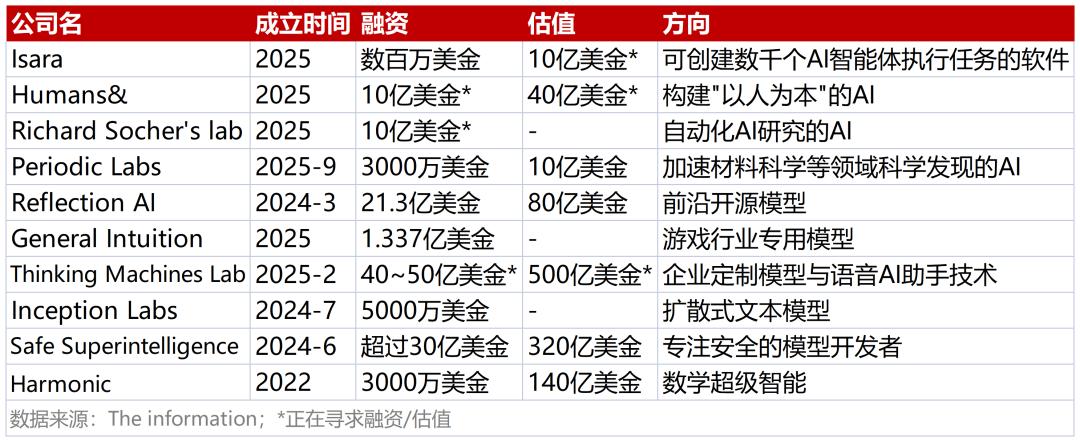
Core Insights - The current AI investment narrative is characterized by high valuations with minimal products, exemplified by Thinking Machines Lab's valuation of $50 billion despite only having a preliminary API called Tinker [1][6] - A trend of new AI laboratories, referred to as "neolabs," is emerging, with many founders being former top researchers from companies like OpenAI and DeepMind, focusing on innovative AI paradigms rather than immediate commercialization [5][6] - Capital is increasingly betting on the reputations and past achievements of these founders rather than traditional business metrics, leading to astonishing valuations for companies with little to show in terms of products [2][5] Group 1: Neolab Valuations and Trends - Five neolab startups have collectively raised $2.5 billion in funding recently, as traditional giants like OpenAI and Anthropic reach valuations of $183 billion [3] - Neolabs are achieving valuations of $1 billion or more at seed funding stages, with notable examples including Humans& at $4 billion and Safe Superintelligence at $32 billion [2][4] - The founders of these neolabs are primarily individuals who have left major tech companies, bringing significant personal wealth and expertise to their new ventures [5][6] Group 2: Individual Neolab Highlights - Thinking Machines Lab, founded by former OpenAI CTO Mira Murati, is focused on enterprise custom models and voice AI assistant technology, with a valuation of $50 billion anticipated from a funding round of $4-5 billion [11][13] - Safe Superintelligence, co-founded by Ilya Sutskever, aims to develop controllable superintelligence with a reported valuation of $32 billion, emphasizing safety over commercialization [8][10] - Humans&, led by Eric Zelikman, is dedicated to creating emotional AI capable of understanding long-term relationships, achieving a valuation of $4 billion shortly after its inception [14][16] - Periodic Labs, founded by former OpenAI and DeepMind researchers, aims to automate the scientific process, with a focus on low-energy superconductors and materials science [25][27] - Inception Labs, created by Stanford professors, is working on embodied intelligence and long-term learning systems, integrating robotics and sensor technology into manufacturing and logistics [28][30] - General Intuition focuses on spatiotemporal reasoning models using vast amounts of gaming video data, securing $134 million in seed funding [31][32] - Harmonic, co-founded by Vlad Tenev, aims to create a mathematical reasoning system that mimics human intuition, achieving a valuation of approximately $1.45 billion [34] Group 3: Industry Implications - The emergence of neolabs signifies a shift in the AI landscape, moving away from resource-intensive giants to agile, innovative startups led by top-tier researchers [36] - The focus on new paradigms and long-term exploration in AI research is expected to yield breakthroughs that traditional companies may overlook due to their emphasis on immediate results [6][36]
意识产生、符号推理……AI下一站该往哪走?
3 6 Ke· 2025-12-01 03:52
Group 1: Core Perspectives on AI Development - The current phase of AI is characterized as a critical platform shift, with uncertainty in its development forms. The deployment of technology must go through three stages: absorption, innovation, and disruption, with the current focus on absorption in areas like programming and marketing [1][4][6] - AI is fundamentally about "computable pattern recognition" and lacks true consciousness. Current AI can only find patterns based on data and execute rules without understanding their essence. The limitations of existing computer technology prevent the emergence of consciousness [1][11][12] - The future of AI will not be limited to a single form but will evolve in four key directions: symbolic reasoning, spatial intelligence, emotional intelligence, and intelligent agents. This evolution signifies a diversification and specialization of intelligence [1][18][19] Group 2: Optimism and Preparedness for AI - Maintaining optimism in the face of AI development is essential, viewing progress as a "Protopia" where the world improves incrementally each day. This perspective encourages innovation and preparation rather than fear [2][22][23] - The uncertainty surrounding the realization of general artificial intelligence remains, with the possibility of many specialized "weak AIs" emerging instead of a singular form of intelligence [14][20] - The future AI landscape may feature a hybrid architecture of centralized cloud computing and decentralized edge computing, balancing efficiency and privacy concerns [15][16] Group 3: Implications for Industries and Workforce - AI is expected to enhance human work efficiency rather than replace jobs, as it allows individuals to focus on more creative and judgment-based tasks by automating repetitive ones [16][17] - The evolution of AI will lead to the emergence of a new economic system centered around intelligent agents, which will operate seamlessly in the background [21]
AI大家说 | 意识产生、符号推理……AI下一站该往哪走?
红杉汇· 2025-12-01 00:05
Core Insights - The article consolidates viewpoints from experts Benedict Evans, Roger Penrose, and Kevin Kelly regarding the future development of AI, focusing on the evolution of AI consciousness, its potential impact on industries, and how to navigate the uncertainties of AI advancement [3][6]. Group 1: Benedict Evans' Perspective - Evans highlights that AI is currently at a critical platform transition phase, with its development still uncertain. The deployment of technology must go through three stages: absorption, innovation, and disruption, with the current focus on "absorption" scenarios like programming and marketing [3][9]. - He emphasizes that while many successful use cases are in the "absorption" stage, the real questions lie in what "innovation" and "disruption" will look like, particularly in terms of how AI can redefine industry problems [9][10]. - Evans notes that despite the significant capital investments by tech giants, the clarity around product forms, business models, and value capture remains ambiguous, indicating a transformative change is underway regardless of potential market bubbles [11][12]. Group 2: Roger Penrose's Viewpoint - Penrose argues that true intelligence must involve consciousness, asserting that current AI is merely a computational concept that identifies patterns without genuine understanding [15][16]. - He references Gödel's theorem to explain that existing computational technologies cannot achieve consciousness, as they are limited to rule application without understanding the underlying principles [16][17]. - Penrose expresses skepticism about the potential for AI to develop consciousness, suggesting that any future intelligent devices would need to be fundamentally different from current computers [17]. Group 3: Kevin Kelly's Insights - Kelly posits that the future of AI will not be singular but will encompass various forms of intelligence, with a focus on four key areas: symbolic reasoning, spatial intelligence, emotional intelligence, and intelligent agents [20][21]. - He discusses the uncertainty surrounding whether AI will enhance human work efficiency or directly replace jobs, noting that current evidence suggests AI improves efficiency without leading to mass unemployment [21]. - Kelly introduces the concept of "Protopia," advocating for a perspective that embraces gradual improvement rather than utopian or dystopian extremes, suggesting that small daily advancements can lead to significant long-term changes [22][23].

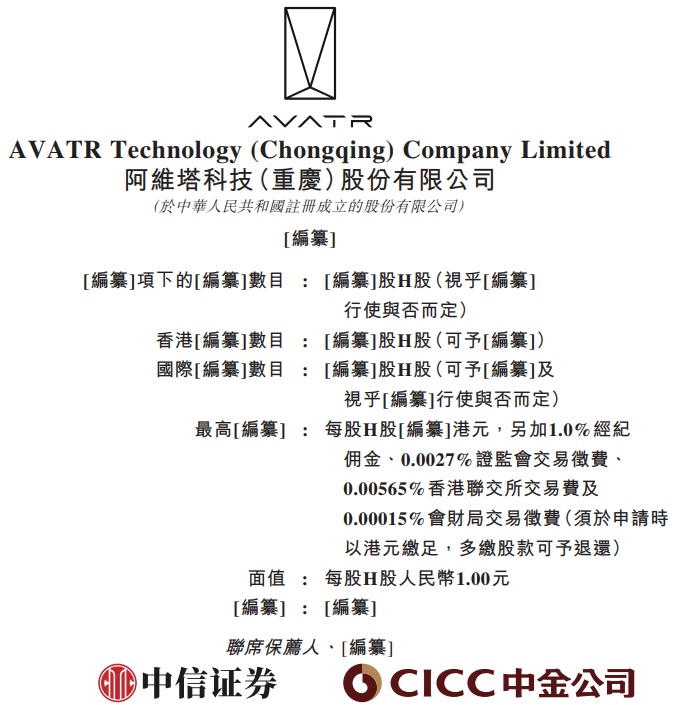
阿维塔递表港交所 旗舰车型阿维塔11、12双揽红点奖
Zhi Tong Cai Jing· 2025-11-27 23:54
Core Viewpoint - Avita Technology (Chongqing) Co., Ltd. has submitted an application for listing on the Hong Kong Stock Exchange, with CITIC Securities and China International Capital Corporation as joint sponsors. The company has received widespread acclaim for its comprehensive product portfolio, particularly its flagship models Avita 11 and Avita 12, which won the Red Dot Best Product Design Award in 2024, highlighting its excellence in design and innovation [1][5]. Company Overview - Established in 2018, Avita is an international high-end emotional intelligent new energy vehicle brand focused on creating a "high-value, high-intelligence, high-aesthetic" luxury travel experience. The company has partnered with Changan Automobile, CATL, Huawei, and other ecosystem partners to independently develop its new luxury electric vehicle brand [5][6]. - Avita has built core capabilities across the entire value chain, including product design, research and development, branding, and marketing, allowing it to quickly adapt to changing consumer preferences and market demands [5][6]. Product Development - As of the latest feasible date, Avita has launched four main production models: Avita 06, 07, 11, and 12. The company has rapidly expanded its product lineup to meet the evolving needs of high-end customers, with significant launches planned through 2025 [7][8]. - The balanced product portfolio effectively covers the high-end luxury new energy vehicle market, with plans to introduce multiple models priced above RMB 300,000 over the next three years [8]. Financial Performance - Revenue has shown significant growth, with figures of RMB 28.34 million in 2022, RMB 5.645 billion in 2023, RMB 15.195 billion in 2024, and RMB 12.208 billion for the six months ending June 30, 2025. The primary revenue source is from new energy vehicle sales [10]. - The company recorded a gross profit of RMB 961.29 million in 2024 and RMB 1.237 billion for the six months ending June 30, 2025, with corresponding gross profit margins of 6.3% and 10.1% [11]. - Despite the growth in revenue, the company has faced net losses of RMB 20.15 billion in 2022, RMB 36.93 billion in 2023, RMB 40.18 billion in 2024, and RMB 15.85 billion for the six months ending June 30, 2025, primarily due to increased promotional and sales incentive expenses and significant investments in R&D and brand building [12]. Industry Overview - The global passenger vehicle market is transitioning towards electric vehicles, driven by the need to reduce carbon emissions and increasing consumer awareness of sustainability. The global passenger vehicle sales are projected to reach 90.1 million units by 2030, with a compound annual growth rate (CAGR) of 3.3% from 2024 to 2030 [13]. - The penetration rate of new energy vehicles in the global market is expected to rise from 23.0% in 2024 to 47.0% by 2030, with China leading the market, accounting for 64.7% of global new energy vehicle sales in 2024 [15][16].