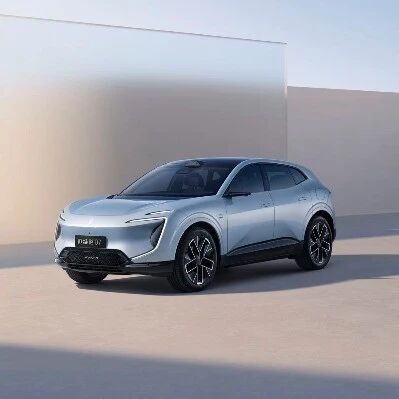
阿维塔11

Search documents
今日新闻丨比亚迪公布2025年财报,营收8040亿元!小鹏汽车更名为小鹏集团!长安汽车巴西工厂正式投产!
Xin Lang Cai Jing· 2026-03-28 16:48
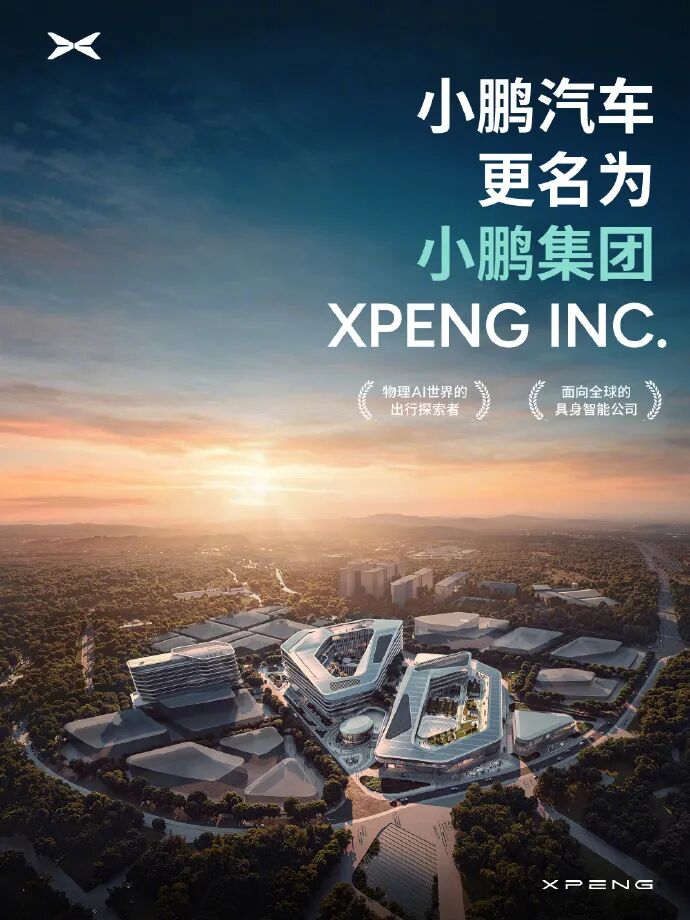
Group 1 - XPeng Motors will change its name to XPeng Group effective April 1, 2026, while the English name remains unchanged as XPeng Inc. This change does not affect shareholders' rights [1] - The name change reflects XPeng's broader vision, which includes not only selling new cars globally but also technology licensing, Robotaxi, humanoid robots, and flying cars in the low-altitude economy [3] - XPeng is differentiating itself from competitors with a unique business model and is expected to show resilience in the next decade [3] Group 2 - Changan Automobile's factory in Brazil has officially commenced production, with the first models being Changan UNI-T and Avita 11 [4] - The launch of the Brazilian factory signifies not just capacity expansion but also a landmark event for the Chinese automotive industry's full-chain overseas development, emphasizing local manufacturing and ecosystem integration [6] - This move is seen as essential for Chinese automakers to enhance global competitiveness [6] Group 3 - BYD released its 2025 annual financial report, showing revenue of 804 billion yuan, a year-on-year increase of 3.46% [4] - Revenue from automotive and related industries reached 648.6 billion yuan, up 5.06%, with a net profit attributable to shareholders of 32.6 billion yuan and R&D investment of 63.4 billion yuan [4] - BYD's continuous R&D investment has contributed to its position as the global leader in new energy vehicle sales, with high-end brands achieving significant sales growth [9]




今日新闻丨比亚迪公布2025年财报,营收8040亿元!小鹏汽车更名为小鹏集团!长安汽车巴西工厂正式投产!
电动车公社· 2026-03-28 16:06
Group 1 - XPeng Motors will officially change its name to XPeng Group starting April 1, 2026, while the English name "XPeng Inc." remains unchanged. This name change does not affect the rights of shareholders [1] - The name change signifies XPeng's broader vision, which includes not only selling new cars globally but also technology licensing, Robotaxi, humanoid robots, and flying cars in the low-altitude economy sector. This strategy differentiates XPeng from other automakers and showcases its resilience [4] Group 2 - Changan Automobile's factory in Brazil has officially commenced production, with the first models being Changan UNI-T and Avita 11 [5] - The launch of the Brazilian factory represents a significant milestone for the Chinese automotive industry, marking the full-chain export of "R&D-production-service." Changan aims to reshape the global competitive landscape through localized manufacturing and ecosystem integration [7] Group 3 - BYD reported a revenue of 804 billion yuan for the year 2025, reflecting a year-on-year growth of 3.46%. Revenue from automotive and related industries reached 648.6 billion yuan, up 5.06%, with a net profit attributable to shareholders of 32.6 billion yuan and R&D investment of 63.4 billion yuan [8] - BYD's continuous investment in R&D has solidified its position as the global leader in new energy vehicle sales. In 2025, its high-end brands, including Yangwang, Tengshi, and Fangchengbao, collectively sold nearly 400,000 units, marking a 109% increase. The Yangwang U9X became the fastest globally, and BYD introduced the second-generation blade battery and fast-charging technology this year [11]

“快消式创新”背后的浮躁与焦虑
Zhong Guo Qi Che Bao Wang· 2026-01-30 12:53
Core Viewpoint - The electric vehicle (EV) industry is experiencing a phase of "pseudo-innovation," where companies focus on quirky features rather than core technological advancements, reflecting a collective anxiety and impatience within the sector [2][4][11]. Group 1: Market Trends - The penetration rate of electric vehicles has surpassed 50%, yet the market is trapped in a cycle of superficial innovation, with companies resorting to gimmicky features to attract attention [2][4]. - By 2025, the EV market is projected to flourish, but product homogenization is becoming evident, leading to a formulaic approach to new product development [4][9]. Group 2: Product Development Issues - As core technology metrics converge, differentiation among manufacturers is shifting to peripheral features, similar to trends seen in the smartphone industry [4][6]. - The proliferation of "pseudo-innovation" products, such as the "shower system" in the Zhiji LS9 and the "car toilet" in the Jishi 01, highlights the focus on visual appeal over practical utility [4][9]. Group 3: Resource Allocation and Reliability - The focus on superficial features is distorting the allocation of R&D resources, leading to increased manufacturing costs and potential impacts on vehicle performance [6][9]. - The "arms race" in feature development is resulting in decreased product reliability, with a reported increase in vehicle faults and issues related to smart features [9][12]. Group 4: Industry Response and Future Directions - The industry is beginning to recognize the need for a return to fundamental values, with some companies exploring differentiated competition through technological advancements [11][12]. - Consumer preferences are shifting back to essential attributes such as battery safety and driving range, indicating a potential market correction away from flashy features [11][12].

特斯拉吹响号角,2026年新能源汽车竞赛进入下一轮
Xin Lang Cai Jing· 2026-01-07 12:53
Core Insights - The new energy vehicle (NEV) industry in 2025 has shown a clear division between leading brands and those lagging behind, with a notable performance from new entrants like Leap Motor, Hongmeng Zhixing, and Xiaopeng, which have solidified their positions in the first tier of the market [2][5][6] - Traditional automakers' second-generation brands, such as Deep Blue, Zhiji, and Avita, despite having strong backing, have struggled to compete and remain in the second tier [2][5] Market Performance - In 2025, the top three new car brands were Leap Motor (596,555 units, +103%), Hongmeng Zhixing (589,107 units, +32%), and Xiaopeng (429,445 units, +126%) [5][7] - Other notable brands included Xiaomi Auto (over 411,625 units), Li Auto (406,343 units), and Deep Blue (333,117 units) [5][7] - The bottom performers were Avita (128,772 units), Zhiji (81,000 units), and Deep Blue (150,169 units), with Zhiji being the only brand with sales below 100,000 units [6][7][8] Competitive Landscape - The NEV market is transitioning from growth to intensified competition, with a resurgence of price wars as seen with BMW's significant price cuts across multiple models [3][4][14] - The first-tier brands are primarily pure new car manufacturers, while many second-tier brands are traditional automakers' second-generation brands, which have shown promising growth rates despite lower overall sales [8][11] Future Outlook - The NEV market is expected to see slower growth in 2026, with predictions of only about 2% increase in sales, leading to a more competitive environment [14][15] - Brands like Lantu and Deep Blue are anticipated to perform well in 2026, with Lantu expected to expand its product lineup significantly and Deep Blue achieving high delivery rates [19][21] - Conversely, brands like Avita and Zeekr may face challenges in maintaining momentum due to market saturation and pricing pressures [22][25] Consumer Sentiment - Consumers show a preference for traditional automakers' NEV brands, citing concerns over the stability and reliability of newer entrants [26][27] - The backing of established manufacturers provides a sense of security for consumers, influencing their purchasing decisions [26][27]
阿维塔法务部:阿维塔11/12三激光版后续均能升级华为ADS 5
Feng Huang Wang· 2025-12-31 02:14
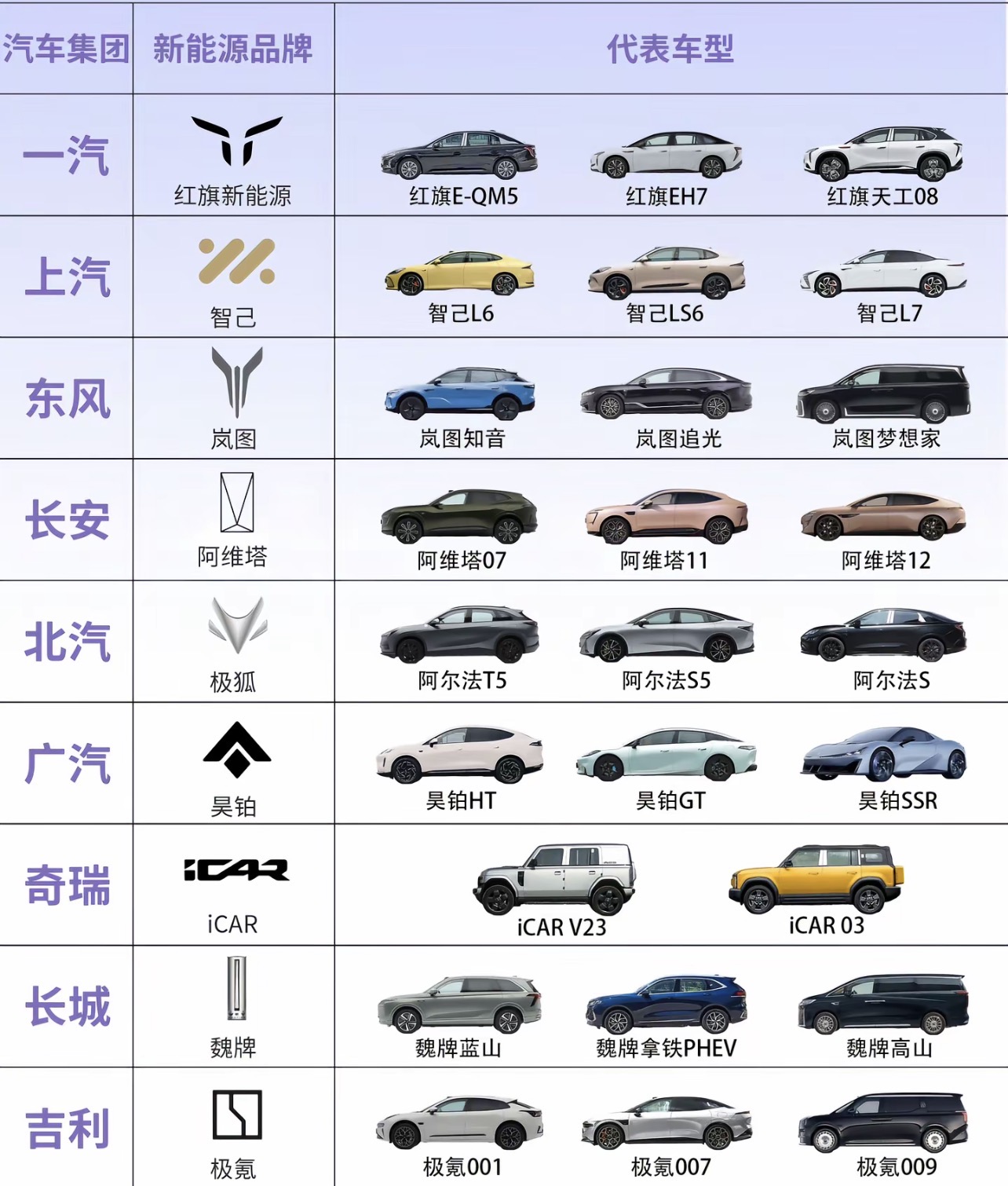
Core Viewpoint - The company, Avita Technology, has issued a statement addressing false information circulating on certain online platforms regarding a supposed "meeting minutes" from a Huawei event, confirming that the information is entirely inaccurate [1] Group 1: Company Response - Avita's legal department has confirmed that the claims related to their products, specifically regarding the upgrade to Huawei's ADS 5, are unfounded and that both the Avita 11 and Avita 12 laser versions will receive this upgrade in future software iterations [1] - The company has reported that some platforms have already removed the misleading information, which they claim has severely harmed their brand reputation and misled users [1] Group 2: Legal Actions - Avita has taken immediate action by reporting the matter to law enforcement and reserves the right to pursue legal action against those who disseminate the false information [1]

60亿,中国长安加码长安汽车
3 6 Ke· 2025-12-31 00:49
Core Viewpoint - The Chinese automotive market is experiencing intense competition, making funding crucial for major automakers like Changan Automobile, which has initiated a new round of refinancing with a planned investment of 6 billion yuan from the newly established state-owned enterprise, China Changan [1][2]. Group 1: Financing and Investment - Changan Automobile plans to raise 6 billion yuan through a private placement of A-shares, with the issuance of 630 million shares at a price of 9.52 yuan per share [2][3]. - The funds raised will be allocated to two main projects: 4.5 billion yuan for the development of new energy vehicles and smart platforms, and 1.5 billion yuan for the construction of a global R&D center [5]. - China Changan, as the indirect controlling shareholder, will increase its stake in Changan Automobile from 35.07% to 38.95% following the completion of the private placement [4]. Group 2: Financial Performance - Changan Automobile's net profit for 2023 is projected to decline by 35.37% to 7.32 billion yuan, despite a 3.58% increase in revenue to 114.9 billion yuan in the first three quarters [9]. - The company achieved a cumulative sales volume of 2.6582 million vehicles from January to November, representing a year-on-year growth of 9.25%, with new energy vehicle sales increasing by 54.66% [10]. Group 3: Subsidiary Developments - Changan's subsidiaries, Deep Blue Automobile and Avita, are actively seeking funding through various means, including capital increases and IPOs [2][14]. - Deep Blue Automobile raised 6.122 billion yuan through a capital increase, with Changan contributing 3.122 billion yuan, while also maintaining a 50.9959% stake [11][12]. - Avita, backed by Changan, CATL, and Huawei, is facing challenges in achieving significant market breakthroughs, with cumulative losses projected to reach 11.3 billion yuan from 2022 to 2024 [15].
320亿,重庆超级IPO来了
投中网· 2025-12-29 03:30
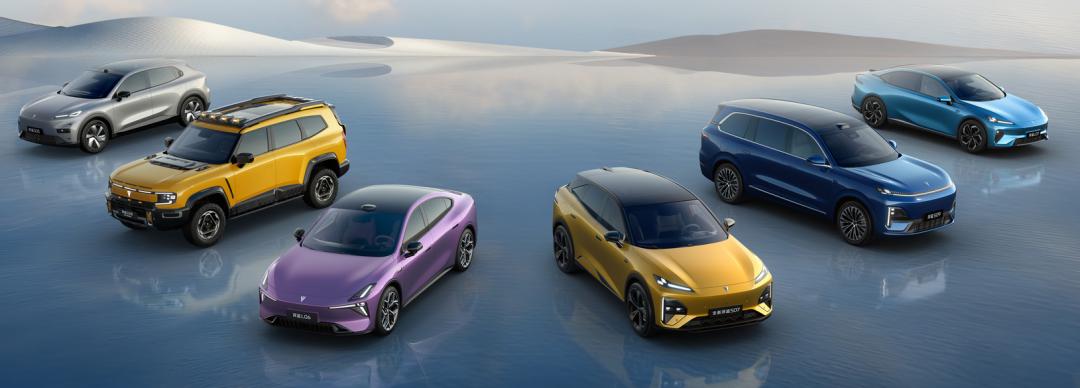
Core Viewpoint - The article discusses the rapid competition in the automotive industry, particularly focusing on the rise of Avita Technology, a high-end electric vehicle manufacturer backed by Changan Automobile, CATL, and Huawei, which is preparing for its IPO in Hong Kong [6][15]. Group 1: Company Overview - Avita Technology, established in 2018 as a joint venture between Changan Automobile and NIO, aims to become a global leader in luxury smart electric vehicles [8]. - The company has launched four main production models, including the Avita 11 and Avita 12, with prices ranging from 200,000 to 700,000 yuan, offering both pure electric and range-extended options [9]. - Avita Technology's revenue has seen significant growth, reaching approximately 56.45 billion yuan in 2023, 151.95 billion yuan in 2024, and 122.08 billion yuan in the first half of 2025 [9]. Group 2: Financial Performance - Despite the revenue growth, Avita Technology has incurred cumulative losses exceeding 11.3 billion yuan over three and a half years due to high sales, marketing, and R&D expenditures [10]. - The company has successfully raised 19 billion yuan in financing over three years, achieving a valuation of approximately 32 billion yuan [11][14]. Group 3: Strategic Partnerships - Avita Technology benefits from strategic partnerships with Changan Automobile, CATL, and Huawei, which provide support in manufacturing, supply chain, and technology development [9][12]. - The company has signed comprehensive strategic cooperation agreements with Huawei, including joint product development and marketing plans, and has acquired a 10% stake in Huawei's subsidiary for 11.5 billion yuan [9][12]. Group 4: Market Expansion Plans - Avita Technology plans to enter over 50 countries by 2025 and over 80 countries by 2030, establishing more than 700 sales channels globally [10]. - The company is also expanding into Southeast Asia, the Middle East, Africa, Eurasia, and Latin America as part of its global strategy [10]. Group 5: Industry Trends - Several automotive companies, including Avita Technology, are pursuing IPOs in Hong Kong as part of their globalization strategies, responding to the competitive pressures in the Chinese automotive market [15][18]. - The trend of automotive companies going public in Hong Kong is seen as a way to enhance their capital base and support international expansion [18].


新势力加速淘汰,阿维塔何以冲刺港股IPO?
2 1 Shi Ji Jing Ji Bao Dao· 2025-12-26 11:17
Core Insights - The new energy vehicle industry is undergoing a rapid reshuffle, with many executives believing that the next three years will be crucial for industry consolidation [1] - Avita Technology, co-created by Changan, Huawei, and CATL, has submitted its IPO application to the Hong Kong Stock Exchange, indicating a strategic move rather than a financial necessity [1][22] - Avita has achieved significant growth in sales and revenue, with a consistent monthly sales record exceeding 10,000 units for nine consecutive months [1][10] Group 1: Business Model and Strategy - Avita employs a unique CHN business model that allows it to leverage Changan's established manufacturing and supply chain without heavy capital investment [2][5] - The company has maintained a lean asset model, focusing on product development and marketing, which has resulted in operational efficiency and reduced financial risk [4][5] - Avita's collaboration with CATL ensures a stable supply of batteries, mitigating potential supply chain issues faced by competitors [6][8] Group 2: Financial Performance - Avita's revenue has seen substantial growth, with figures of 28.34 million yuan in 2022, 5.645 billion yuan in 2023, and 15.195 billion yuan projected for 2024 [10] - The gross margin has improved significantly, turning positive in 2024 with a gross margin of 6.3% and reaching 10.1% in the first half of 2025 [10] - The company has raised over 19 billion yuan through four rounds of financing, with the C round being the largest single financing in the domestic automotive sector for 2024 [22] Group 3: Market Expansion and Differentiation - Avita has initiated its overseas expansion, entering 38 countries and regions, with plans to reach 80 by 2030 [20][22] - The company is adopting a high-end pricing strategy in international markets to avoid price competition and enhance brand positioning [20] - Avita's deep partnership with Huawei allows it to differentiate itself from other brands in Huawei's ecosystem, focusing on integrated product development and marketing strategies [14][16] Group 4: Future Outlook - The company aims for overseas sales to account for 10% by 2026, increasing to 30% within five years and 40%-50% within ten years [20][22] - Avita's strategic focus on both domestic and international markets, along with its unique business model, positions it well for future growth in the competitive new energy vehicle landscape [22] - The IPO is seen as a validation of Avita's innovative approach and a potential new paradigm for the Chinese electric vehicle industry [22][23]
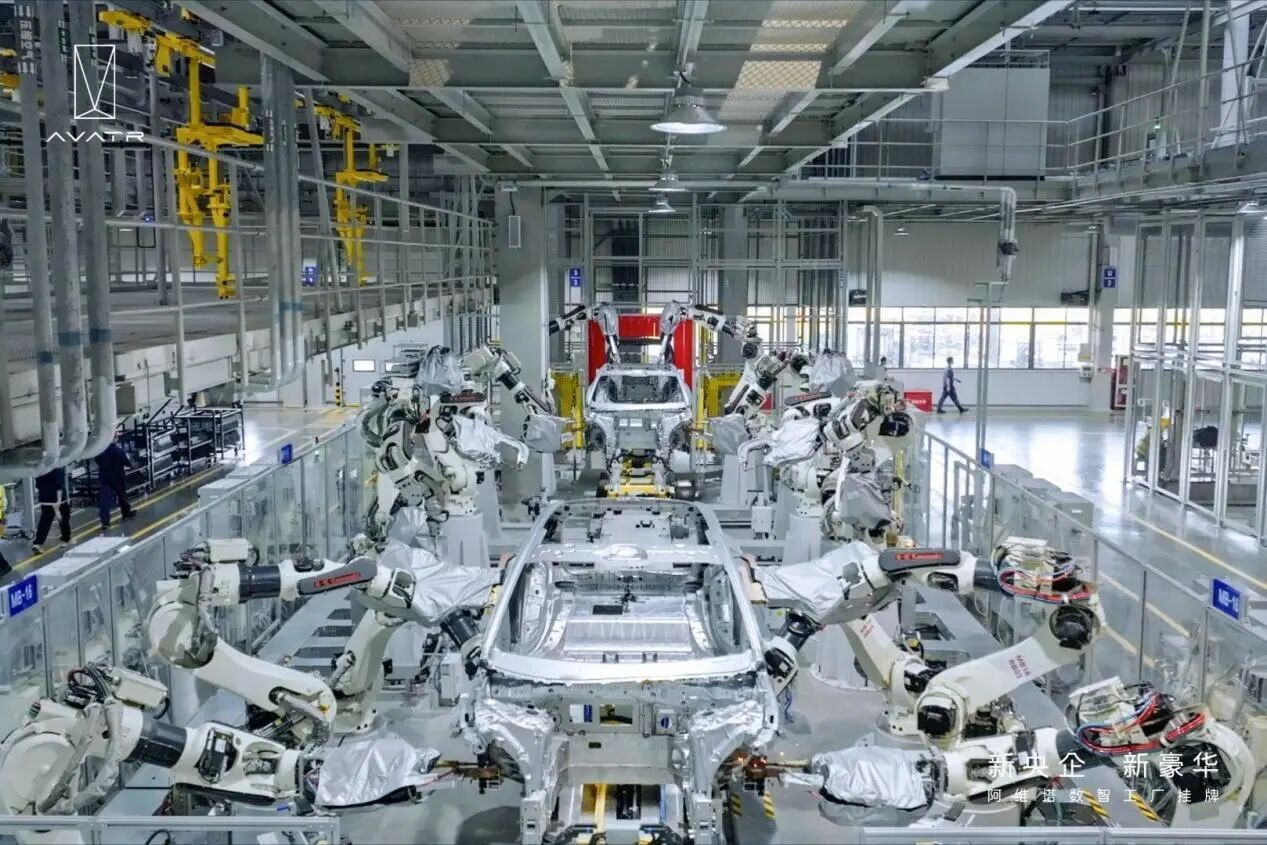
阿维塔赴港冲刺IPO:“国家队”新能源稀缺标的,115亿押注华为背后
Di Yi Cai Jing Zi Xun· 2025-12-23 14:37
Core Viewpoint - The Chinese electric vehicle (EV) industry is facing challenges as market saturation approaches and profitability pressures increase, particularly for new entrants. Avita Technology's IPO represents a strategic move to navigate these challenges and serves as a case study for high-end smart EV survival logic in China [1][18]. Group 1: Industry Context - By 2025, the penetration rate of China's new energy vehicles is expected to approach 60%, leading to a saturated incremental market and increased competition [1]. - UBS predicts a potential 2% year-on-year decline in domestic passenger car sales in 2026, highlighting the industry's transition from "wild growth" to "refined cultivation" [1][2]. Group 2: Avita's Competitive Advantages - Avita's unique advantage lies in its "central enterprise background + industrial giant" collaborative ecosystem, which includes partnerships with Changan Automobile, Huawei, and CATL [2]. - The company has secured over 19 billion yuan in financing and has achieved a gross margin of 10.1% as of mid-2025, indicating strong financial performance [1][4]. Group 3: Business Model and Financial Performance - Avita adopts a light-asset model, focusing on product definition and brand building while outsourcing manufacturing and energy solutions to partners, enhancing operational efficiency [5][6]. - The company reported a revenue of 151.95 billion yuan in 2024, a 169% increase year-on-year, and 122.08 billion yuan in the first half of 2025, a 98.5% increase [6][9]. Group 4: Product Strategy and Market Response - Avita has developed a clear product matrix covering price ranges from 200,000 to 700,000 yuan, ensuring a solid sales foundation while exploring brand elevation [7][9]. - The company achieved a record sales figure of 14,057 vehicles in November 2025, with total sales surpassing 220,000 units [9]. Group 5: Global Expansion Strategy - Avita has initiated an aggressive global expansion strategy, entering 38 countries and regions since September 2024, with a goal of achieving 10% overseas sales by 2026 [10][13]. - The company plans to implement local assembly and production to reduce costs and improve market responsiveness in the long term [13]. Group 6: Capital Market and IPO Insights - Avita's IPO is not merely a financial necessity but aligns with its strategic goals, aiming to enhance corporate governance and attract talent [14][15]. - The capital market's valuation logic is shifting towards ecological rarity, technological control, and profitability certainty, areas where Avita excels [14]. Group 7: Strategic Partnerships and Ecosystem Development - Avita is expanding its ecosystem through partnerships, including a comprehensive collaboration with JD Retail to enhance marketing, after-sales service, and supply chain optimization [17]. - The company is actively building an open collaborative ecosystem to create a competitive advantage in a saturated market [17][18].
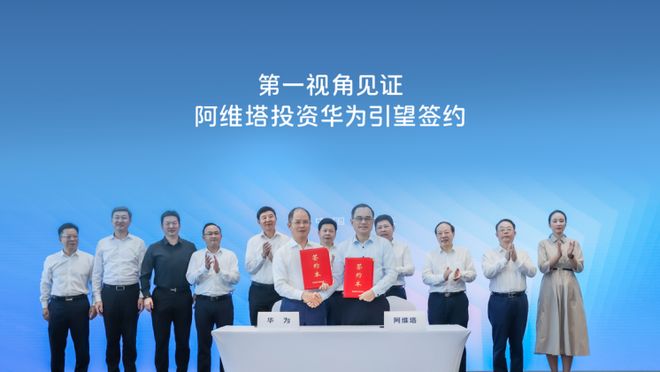
阿维塔赴港冲刺IPO:“国家队”新能源稀缺标的,115亿押注华为背后
第一财经· 2025-12-23 14:13
Core Viewpoint - The Chinese electric vehicle (EV) industry is facing challenges as market saturation approaches and profitability pressures increase, particularly for new entrants. The IPO of Avita Technology represents a significant move in this context, showcasing its unique business model and strategic partnerships with major industry players [1][23]. Group 1: Industry Challenges and Market Dynamics - By 2025, the penetration rate of electric vehicles in China is expected to approach 60%, leading to a saturated incremental market and increased competition [1]. - UBS predicts a potential 2% year-on-year decline in domestic passenger car sales in 2026, highlighting the industry's shift from rapid growth to a more competitive landscape [1]. - The transition from a price war to a value war is critical, with companies needing to adapt to survive [1]. Group 2: Avita's Unique Positioning - Avita's IPO is backed by a strong ecosystem involving Changan Automobile, Huawei, and CATL, which provides a competitive edge through resource integration [2][3]. - The company has achieved significant milestones, including over 19 billion yuan in financing and a gross margin of 10.1% as of mid-2025, indicating strong operational performance [1][6]. Group 3: Business Model and Financial Performance - Avita employs a light-asset model, focusing on product definition and brand building while outsourcing manufacturing and technology to partners, enhancing operational efficiency [8]. - The company has reported substantial revenue growth, with 2024 revenue reaching 15.195 billion yuan (up 169%) and 2025 first-half revenue at 12.208 billion yuan (up 98.5%) [8]. - R&D investment has also increased significantly, with over 1.2 billion yuan in 2024 (up 80%) and over 830 million yuan in the first half of 2025 (up 167%) [8]. Group 4: Product Strategy and Market Response - Avita has developed a clear product matrix covering price ranges from 200,000 to 700,000 yuan, ensuring a solid sales foundation while exploring brand elevation [10]. - The company achieved record sales of 14,057 vehicles in November 2025, with total sales exceeding 118,300 units from January to November [12]. Group 5: Global Expansion Strategy - Avita has initiated international expansion, entering 38 countries and regions since September 2024, with a goal of achieving 10% overseas sales by 2026 and 30% within five years [14][17]. - The company differentiates itself in global markets by offering a luxurious smart EV experience, contrasting with traditional European brands and Tesla [15]. Group 6: Capital Market Confidence and Future Outlook - Avita's fundraising efforts have garnered significant attention, with over 19 billion yuan raised, reflecting strong market confidence in its business model and value [19]. - The upcoming IPO is not merely a financial necessity but aligns with the company's strategic goals, aiming to enhance governance and market competitiveness [20]. - Avita's proactive strategy in expanding its ecosystem through partnerships with companies like JD.com and Haier positions it well for future growth [22].