数字化养殖

Search documents
温氏股份(300498) - 2026年2月3日投资者关系活动记录表
2026-02-05 08:32
Group 1: Company Strategy - The company aims to achieve a long-term high-quality development goal of "rebuilding a new Wens" to maintain its industry-leading position, focusing on growth, profitability, innovation, and sustainability [2][3]. - In the pig farming sector, the company plans to enhance breeding performance, expand piglet sales, and diversify into high-end black pig breeds for growth [2][3]. - In the chicken farming sector, the company will accelerate the transformation of food materials, increase investment in white feather broiler strategies, and actively explore overseas markets [2][3]. Group 2: Profitability Enhancement - The company intends to reduce pig farming costs through improved breeding technology, digital empowerment, and operational efficiency [3]. - For chicken farming, the focus will be on innovative marketing models, shortening supply chains, and enhancing the profitability of each chicken [9][10]. - The company aims to promote the Chinese native chicken brand and develop innovative food products to increase overall profitability [9][10]. Group 3: Innovation and Sustainability - The company plans to significantly increase R&D investment in cutting-edge technologies such as livestock breeding, digital farming, and precision feed nutrition [4]. - It will implement green development practices and strengthen its ESG governance framework to enhance risk resilience and ensure sustainable growth [5]. - The strategic goals have been broken down into specific tasks across business lines, creating executable and trackable implementation paths [5]. Group 4: International Expansion - The company has identified internationalization as a key strategic direction and is forming a dedicated exploration team to promote overseas business, starting with the chicken sector [5]. - Initial discussions have begun with companies and government departments in Vietnam, Malaysia, India, and South Korea to explore various cooperation models [5]. Group 5: Breeding and Market Adaptation - The company has established a core breeding technology and system, reducing the frequency of introducing foreign breeding stock, focusing instead on genetic resource exchange [7]. - The company recognizes the need to balance breeding goals with diverse consumer preferences across different regions in China [8]. - Future breeding efforts for Chinese native chickens will focus on improving production performance while maintaining quality and flavor [12][13][14].

数字化养殖 “鹿”丁兴旺
Xin Lang Cai Jing· 2026-01-26 22:08
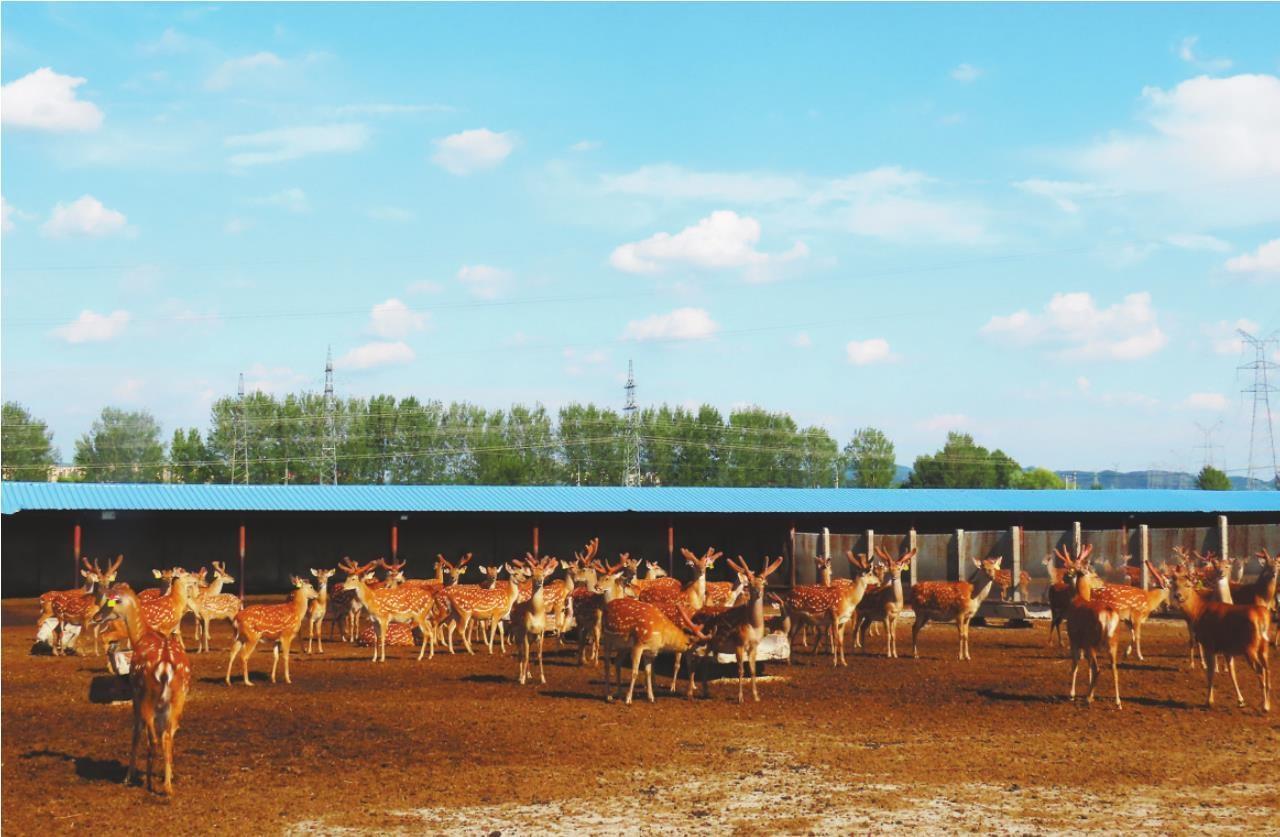
Core Viewpoint - The article highlights the advancements in the breeding and management of deer, particularly the use of molecular selection technology to enhance the efficiency and precision of breeding programs in Liaoning Province, China [3][4]. Group 1: Technological Advancements - Liaoyang Qianshan Chenglong Technology Co., Ltd. has established a deer ecological research base, which is a core demonstration base for a significant project focused on the molecular selection of high-yield deer [3]. - The project, initiated in 2025, aims to utilize molecular markers and data analysis to identify advantageous genes, transforming traditional breeding methods that relied on experience into data-driven approaches [3][4]. - The company has implemented a "digital breeding platform" that creates electronic records for each deer, integrating data across all breeding stages and providing intelligent alerts for key reproductive events [4]. Group 2: Breeding Efficiency - The digital management system has improved breeding efficiency and provided high-quality data for ongoing research, significantly reducing the traditional breeding cycle from 20-30 years to potentially one-third of that time [4]. - The use of molecular breeding technology allows for early identification of high-yield and disease-resistant genes in fawns, facilitating targeted breeding strategies [4]. Group 3: Industry Development - The "Deer Industry Development Pilot Base" is set to be established in 2024, with a comprehensive health food workshop nearing completion, capable of producing various products such as capsules and oral liquids [5]. - The company has received national approval for several deer antler health food products, with more processed products expected to be launched soon [5]. - The initiative has also positively impacted local farmers, generating nearly 3 million yuan in income through collaborative development and rural revitalization funding [5].

开化村头镇“数智”养好土猪
Xin Lang Cai Jing· 2026-01-16 17:04
Core Insights - The article highlights the successful implementation of digital farming techniques in Shihuan Village, leading to a significant increase in pig farming and innovative sales models [1][2] Group 1: Digital Farming and Technology - The village received a large order of 10,000 kilograms of ecological pork, amounting to 520,000 yuan, indicating strong market demand for their products [1] - Digital farming technology is utilized, including thermal imaging for temperature monitoring, odor sensors, and surveillance cameras, creating a "health protection network" for pigs [1] - Continuous data collection on pig health and environmental conditions allows for real-time monitoring and alerts for abnormal data, reducing disease occurrence [1] Group 2: Expansion and Innovation - The pig farming scale in Shihuan Village has expanded from 30 pigs to over 170 pigs due to intelligent management practices [1] - The village has developed a "cloud pig farming" sales model, allowing users to adopt pigs and monitor their growth through a visual platform or QR codes [1] - The ecological park has implemented a circular economy model, integrating pig, worm, chicken, and peach farming, contributing to sustainable agricultural practices [2]
“珠海琴”数字智能养殖平台下水
Zhong Guo Zi Ran Zi Yuan Bao· 2026-01-14 02:37
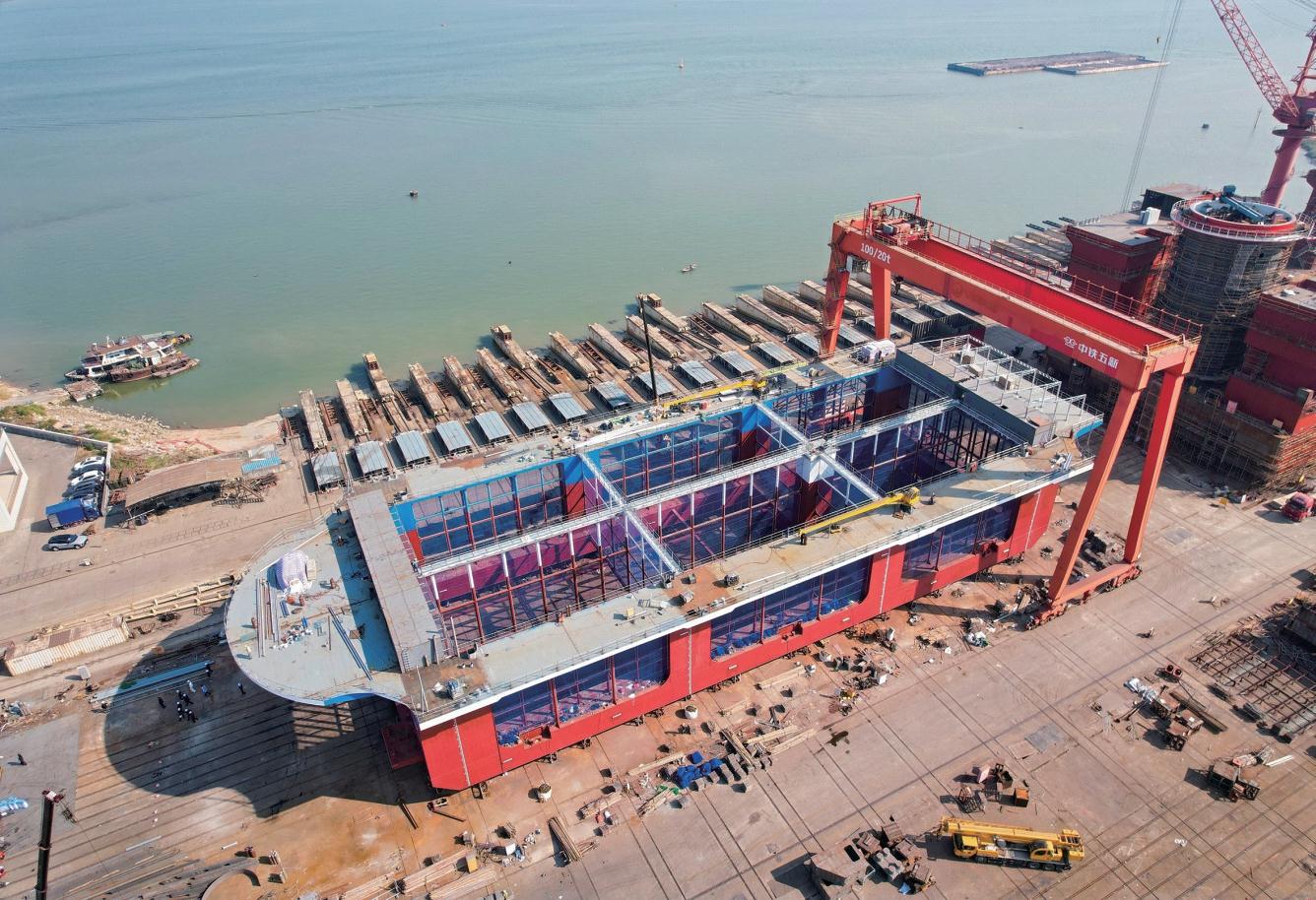
Core Insights - The "Zhuhai Qin" digital intelligent aquaculture platform represents a significant breakthrough in the digital, intelligent, and green transformation of deep-sea aquaculture equipment in China [3] Group 1: Platform Features - The platform measures 110 meters in length, 40 meters in width, and has a draft depth of 15 meters, enclosing over 60,000 cubic meters of water [3] - It consists of six independent net cages and features a semi-submersible structure capable of withstanding typhoons of up to level 15, making it suitable for the complex sea conditions of the South China Sea [3] - The platform integrates photovoltaic power generation, automated drone feeding, and a 5G smart control system, enabling modernized aquaculture functions such as feed storage and environmental monitoring [3] Group 2: Environmental and Economic Impact - The platform aims to scale the farming of high-quality fish species such as golden pomfret and grouper, contributing to the construction of a "blue granary" [3] - By adopting deep-sea aquaculture methods, it seeks to reduce coastal pollution and protect nearshore ecosystems [3] - It will also serve as a marine research and testing base, promoting the development of related industries such as marine engineering equipment and seawater fish breeding [3]
壮大“芯”动能 育出好猪种
Zhong Guo Jing Ji Wang· 2025-12-26 03:17
Core Insights - The Chinese pork industry is experiencing significant growth, with a projected output of 57.06 million tons in 2024, accounting for nearly 60% of the total meat production in the country [2] - The industry is increasingly adopting digital and intelligent technologies to enhance production efficiency, exemplified by companies like Wen's Group collaborating with Huawei for AI-driven management [2] - The development of local pig breeds is crucial, with 89 recognized breeds in China, including 58 under national protection, highlighting the importance of genetic diversity in breeding programs [3] Group 1: Industry Growth and Demand - The domestic demand for pork is rising, reflected in the variety of pork-based dishes available, indicating a robust market for pork products [1] - The scale of pig production is expanding, with an expected output of 700 million pigs in 2024, showcasing the industry's capacity to meet growing consumer needs [2] Group 2: Technological Advancements - The introduction of the "Zhongxin No. 1" breeding gene chip marks a significant advancement in pig breeding technology, providing a domestically developed tool for genetic testing [2] - AI technologies are being utilized for real-time monitoring and management of pig health and growth, improving operational efficiency and data accuracy [2] Group 3: Local Breed Development - The Rongchang pig, recognized for its quality, has a brand value close to 6 billion yuan, demonstrating the economic potential of local breeds [3] - The implementation of a specialized breeding platform for Rongchang pigs has led to a significant increase in breeding stock, from 11,000 in 2022 to 17,000 in 2024, enhancing market share in the Sichuan-Chongqing region [4]
数智加持,种养业焕新
Xin Lang Cai Jing· 2025-12-25 22:30
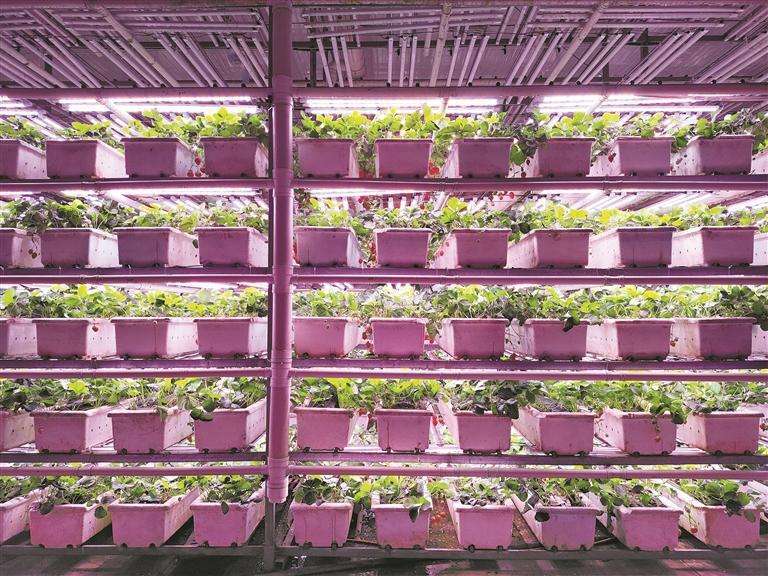
Group 1 - The core viewpoint of the articles highlights the modernization and digital transformation of agriculture and aquaculture in Zunyi, Guizhou, showcasing innovative technologies that enhance efficiency and productivity [2][3][4] Group 2 - Zunyi's ecological aquaculture, represented by Dingxin Ecological Fishery Company, utilizes smart systems for optimal fish farming, achieving a 20% to 35% increase in yield compared to traditional methods, with projected annual revenue exceeding 30 million yuan [2] - Guizhou YouShu Agricultural Development Company employs an AI-driven plant production visualization system that collects real-time data to optimize growth conditions, aiming to simplify and enhance agricultural practices [3] - The smart livestock farming at Kangqian Farm in Fenggang County integrates electronic ear tags for cattle, enabling comprehensive data tracking throughout the livestock's lifecycle, significantly improving management precision and efficiency [4] - During the 14th Five-Year Plan period, Zunyi's agricultural output value is expected to exceed 100 billion yuan, with grain yield per unit area increasing by 6.1% and the agricultural product processing conversion rate rising from 57% in 2020 to 66.4% by 2024 [4] - Zunyi has established 44 key digital agriculture application scenarios and 18 benchmark projects, earning recognition as a national exemplary case in smart agriculture and three national agricultural rural informationization demonstration bases [4]
温氏股份(300498) - 2025年12月18日-19日投资者关系活动记录表
2025-12-22 08:36
Group 1: Production and Operational Performance - The company sold a total of 3,591,000 pigs from January to November 2025, with 3,190,000 being market pigs and 401,000 piglets [2] - The total production of meat chickens reached 1.19 billion, with 200 million sold as fresh products, achieving a fresh sales ratio of 17% [2] - The company maintained a stable production of livestock and poultry, with core production indicators continuously optimized [2] Group 2: Cost Management in Pig Farming - In November, the production cost of piglets decreased to 250-260 RMB per head, with a market pig listing rate of 93.3% [3] - The comprehensive cost of raising market pigs dropped to 6 RMB per jin in November [3] - The average comprehensive cost for pig farming from January to November 2025 was between 6.1-6.2 RMB per jin, with a target of approximately 5.9 RMB per jin for 2026 [4] Group 3: Growth Strategies in Pig Farming - The company aims to enhance existing production capacity by improving PSY (Pigs Sold per Year) levels, targeting an increase of at least 1 head per year, with a future goal of exceeding 32 heads [5] - The company plans to diversify its operations, aiming for piglet sales to account for 5%-10% of total pig sales [6][7] Group 4: Chicken Farming and Market Positioning - The target for meat chicken listings in 2026 is to increase by approximately 10% from 2025 levels [10] - The company aims to enhance long-term profitability in chicken farming by increasing profit per chicken by 2 RMB, focusing on innovative marketing and product upgrades [11][12] Group 5: Financial Health and Future Plans - As of the end of Q3, the company's debt ratio was 49.4%, which is relatively low compared to industry standards, with a target to reduce it to around 48% by 2026 [14] - The planned fixed capital expenditure for 2026 is between 5-6 billion RMB [15] - The company currently has no plans for a Hong Kong stock listing or new equity financing [16] Group 6: Digital Transformation Initiatives - The company has partnered with high-tech firms to implement digital applications, significantly improving management efficiency and reducing operational costs [18] - The "Mushi Tong System" has enhanced management efficiency by 150% for remote farmers, with inventory management efficiency increasing by 300% [18]
奶牛“住豪宅听音乐”产出优于欧盟标准好奶
Zhong Jin Zai Xian· 2025-12-19 03:13
Core Viewpoint - The article highlights the innovative digital farming system at Yili's Chao Le Chuan Ecological Smart Ranch, which significantly enhances the welfare of dairy cows, leading to increased milk production and superior milk quality compared to EU standards [1][20]. Group 1: Smart Farming Technology - The "Yiqiniu Smart Livestock Management System" provides a digital farming framework that ensures optimal conditions for dairy cows, resulting in an average daily milk yield exceeding 45 kilograms [1]. - The ranch employs a fully automated smart environment, including temperature control systems and real-time monitoring through IoT sensors, allowing for efficient management of cow health and comfort [4][8]. Group 2: Cow Welfare and Nutrition - Dairy cows are provided with customized nutrition based on their lactation stages and health data, ensuring they receive the necessary dietary elements for optimal milk production [11]. - The ranch features comfortable resting areas and a unique feeding system that allows cows to eat, drink, and rest according to their needs, promoting overall well-being [11][19]. Group 3: Emotional and Physical Care - The ranch incorporates emotional care through soothing music, which has been shown to increase milk yield by 5% to 8%, and provides physical care such as hoof trimming and massage [17]. - Cows are allowed ample time for social interaction and play, contributing to their happiness and, consequently, better milk production [19].

买好+养好+卖好=收益!这些牛企利用数字化工具破解肉牛养殖痛点,实现“增3减1”!
Nan Fang Nong Cun Bao· 2025-12-11 07:01
Core Insights - The article discusses how digital tools are being utilized by leading companies in the beef cattle industry to address pain points in cattle farming, achieving the goal of "increase 3, decrease 1" in productivity and cost efficiency [1][7]. Group 1: Industry Overview - The global beef cattle industry is significantly influenced by the efficient farming models and digital management practices of the United States and Brazil, which are now being adapted in China [3][4]. - The Chinese beef cattle industry is facing a dual challenge of opportunities and challenges, with government support and a growing demand for high-quality beef, yet struggling with low production growth and high import rates [13][15][16]. Group 2: Pain Points and Solutions - Key issues in the Chinese beef cattle industry include a 20% increase in beef production over the last decade, contrasted with an 800% rise in imports, leading to a self-sufficiency rate of only 70% [16][18]. - Traditional management practices in Chinese cattle farms are outdated, relying on manual methods that hinder efficiency and standardization, resulting in significant discrepancies in production costs compared to international standards [21][24]. Group 3: Digital Transformation - Cargill's digital solutions, such as feeding management software and drone surveillance systems, have shown to improve feeding accuracy from 68% to 98% and reduce labor requirements significantly [26][27]. - The implementation of Cargill's digital tools in local farms has led to measurable improvements, such as an increase in daily weight gain from 1.3 kg to 1.6 kg and a reduction in meat production costs from 18.5 yuan/kg to 16.15 yuan/kg [51][52]. Group 4: Local Practices and Success Stories - The Ningxia Guiliu Cattle Farm, in collaboration with Cargill, has transformed from a small-scale operation to a large-scale farm with 20,000 cattle, aiming for 50,000, showcasing the effectiveness of digital empowerment [45][48]. - The farm's success is attributed to a standardized auditing system, customized nutrition plans, and intelligent systems for precise feeding and management [52][56]. Group 5: Future Directions - The future of the Chinese beef cattle industry relies on not only enhancing individual farm efficiency through digitalization but also achieving coordination across the entire supply chain from farm to table [72][73]. - Initiatives like the "Media+" approach aim to address issues such as price inflation and supply-demand mismatches, ultimately benefiting both producers and consumers [78][81].

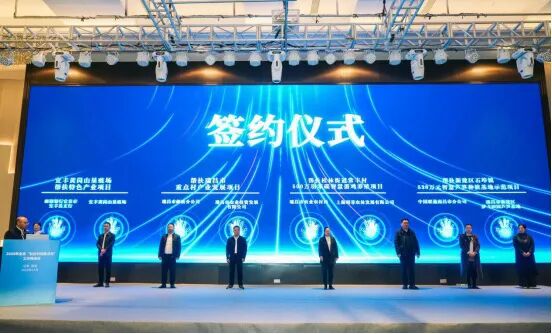
上海昭菲总投资10亿元500万羽零碳智慧蛋鸡养殖项目在江西正式签约
Xin Lang Cai Jing· 2025-12-04 11:25
Group 1 - The core project involves a partnership between Ruichang Agricultural and Rural Bureau and Shanghai Zhaofei Agricultural Development Company for a zero-carbon smart chicken breeding project, with a scale of 5 million chickens [1][2][3] - The total investment for the project is 1 billion yuan, and it is expected to produce approximately 1.5 billion eggs annually, along with 60,000 tons of compound fertilizer, leading to an anticipated annual output value of 776 million yuan [1][2][3] Group 2 - Shanghai Zhaofei aims to establish a leading position in the domestic smart, ecological, and large-scale chicken breeding industry chain, covering all aspects from feed production to chicken breeding and food processing [5] - The company focuses on achieving a modern industrial model characterized by "high yield, high efficiency, green, and sustainable," with a high level of digitalization throughout the entire lifecycle of the chickens, including precise feeding, environmental control, identification, and management [5]