新全球化

Search documents
张燕生:历史与当下的反全球化力量,往往正是全球化推手
Cai Jing Wang· 2025-12-18 12:24
Core Viewpoint - The forum emphasizes the importance of domestic demand as a driving force for China's economic growth in the short term, while focusing on industry, technology, and domestic demand for long-term development [1][12]. Group 1: Economic Strategy - Zhang Yansheng, a researcher at the China Macroeconomic Research Institute, highlighted that the core of China's modernization and economic development is to strengthen consumption and investment to effectively counter international economic changes [1][12]. - The short-term annual plan will focus on "domestic demand as the main driver," while the medium to long-term strategy will involve promoting industry, technology, and domestic demand [1][12]. Group 2: Global Economic Environment - The current international policy environment and economic order are undergoing changes, making it crucial to steadily promote economic growth and stabilize exports in the coming years [4][12]. - The "globalization paradox" suggests that the forces against globalization often stem from those who were once its proponents, indicating a complex relationship between global cooperation and protectionism [4][8]. Group 3: Future Challenges - The future of global economic development will face multiple challenges, including the sustainability of globalization and the potential for increased protectionism and technological decoupling among major powers [8][11]. - Key factors influencing the next five years include the direction of global trade and investment, the advancement of technological revolutions, and the evolution of major power relations [6][8]. Group 4: Technological Revolution - The new technological revolution, characterized by artificial intelligence, cloud computing, big data, and blockchain, is expected to have profound impacts on the economy and industries [13]. - The forum discussed the importance of enhancing labor productivity and overall factor productivity through the application of new technologies [13].

中国宏观经济研究院研究员张燕生:产业、科技和内需是未来十年的发展动力
Sou Hu Cai Jing· 2025-12-18 10:20
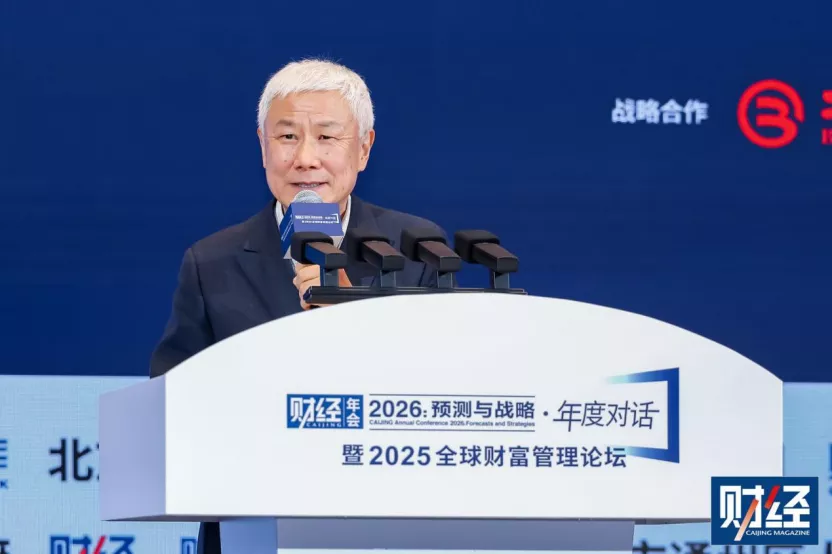
他进一步指出,中国式现代化的推进、中国经济的持续发展,核心就是要把中国的消费与投资做大做强,全力提振内需。因为内需能够提振消费、扩大投 资,这样才能有效对冲国际形势、国际贸易、国际经济与国际投资领域的变化。 当前,国际政策环境与经济秩序都发生变化,在这样的背景下,如何稳步推动明年及未来五年的经济增长与出口稳定,非常重要。 值得深思的是,"全球化悖论"——历史与当下的反全球化力量,往往正是曾经的全球化推手。张燕生提出,新全球化区别于以往的核心特征,是基于市场 规律、企业主体、民间交流、人工智能技术赋能的开放模式,其进程注定缓慢且曲折,但符合全球共同利益。 对于未来的五年全球治理体系,张燕生给出明确应对方向:无论国际风云如何变幻,保持战略定力、历史耐心与底线思维,扎扎实实做好自己的事,是立 足复杂环境的核心支撑。 封面新闻记者 欧阳宏宇 以人工智能、云计算、大数据、区块链为代表的技术浪潮,究竟会对我们的经济、产业以及每个人的日常生活产生哪些深远影响? 12月18日,中国宏观经济研究院研究员张燕生在2025全球财富管理论坛上表示,中国短期年度计划以"内需主导"为抓手,中长期五到十年则从产业、科 技、内需三个重要方面 ...
张燕生:新科技革命和产业变革是未来需要把握的核心机遇
Xin Lang Cai Jing· 2025-12-18 06:23
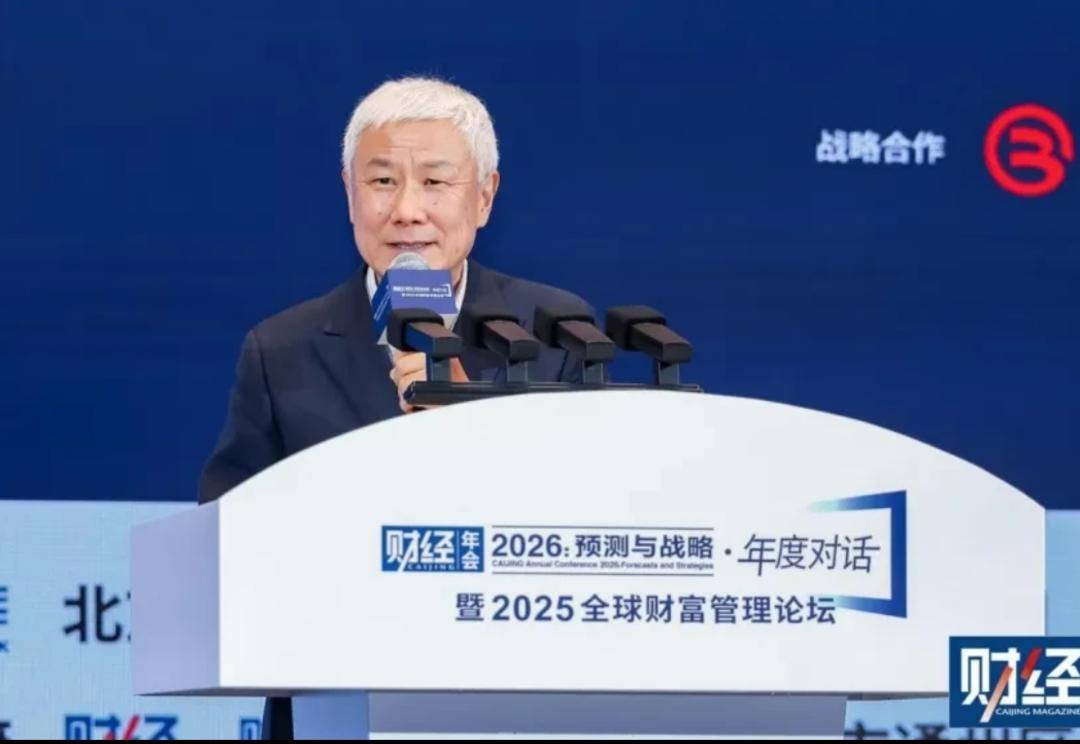
Core Insights - The 2026 Financial Annual Conference will be held in Beijing from December 18-20, 2025, focusing on global wealth management and strategic predictions for the future [3][6]. Group 1: Global Supply Chain and Geopolitical Risks - Zhang Yansheng, a researcher at the Chinese Academy of Macroeconomic Research, highlighted that China has become the most influential country in global trade, surpassing the US and Germany, due to the IT revolution over the past 40 years [3][6]. - He warned of the risk of "decoupling" due to geopolitical tensions, emphasizing the need for a strategy of "linking without decoupling, cooperation without confrontation" [3][6]. - Zhang proposed a new globalization model based on market, enterprise, civil society, and artificial intelligence, advocating for the facilitation of visas and flights to promote frequent exchanges among people [3][6]. Group 2: Economic Outlook and Domestic Demand - Looking ahead to the next five years, Zhang cited predictions from international authoritative institutions indicating that global economy, trade, and direct investment will remain in a contraction phase, with heightened uncertainty risks [3][6]. - In this context, the strategic direction of China's 14th Five-Year Plan is crucial, with the central economic work conference prioritizing "domestic demand" as a key task [3][6]. Group 3: Technological Revolution and Opportunities - Zhang emphasized that the new technological revolution and industrial transformation represent core opportunities for the future, comparing it to the IT revolution of the 1990s that benefited China significantly [4][7]. - He pointed out that technologies like artificial intelligence, cloud computing, and big data are essential for enhancing labor productivity and total factor productivity, which can replace traditional business models and create new growth points [4][7]. - In the face of external economic pressures, Zhang stressed that China must boost domestic demand and rely on technological innovation to cultivate new momentum for stable development [4][7].
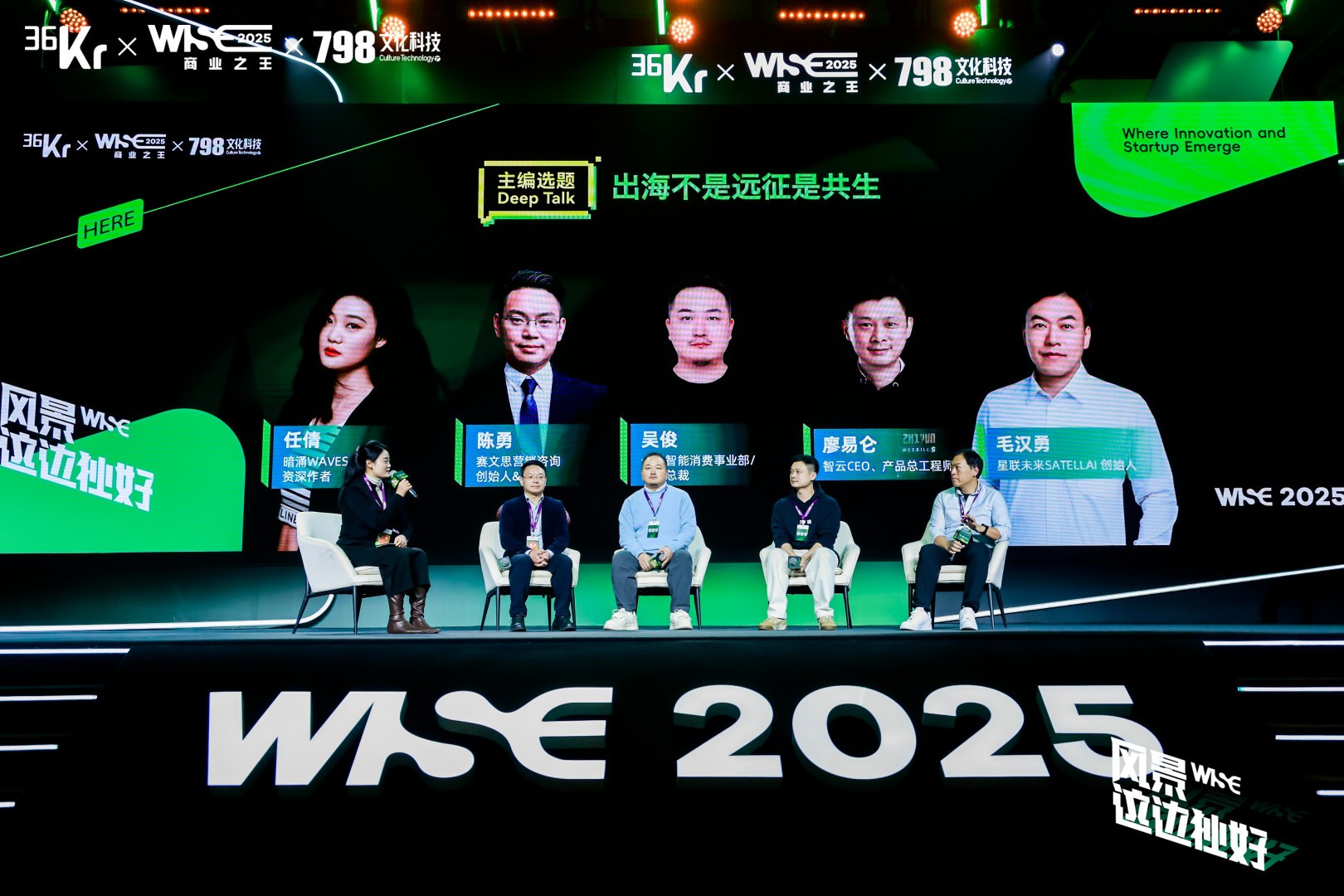
新全球化时刻 出海不是远征是共生 | 36氪 WISE2025 商业之王大会
3 6 Ke· 2025-12-17 10:09
Core Insights - The WISE 2025 conference in Beijing emphasizes an immersive experience rather than a traditional industry summit, focusing on trends in technology and business practices for the future [1] - The roundtable discussion highlights the shift from individual product logic to brand logic in globalization, with a focus on vertical markets and localized integration [3][4] Group 1: Industry Trends - The conference showcases how AI is reshaping hardware boundaries and enabling brands to globalize effectively [1] - The discussion reveals that many large product categories have become saturated, leading to opportunities in niche markets that blend local culture with innovative business models [3][4] - The transition from a price-driven market to a quality-driven market is noted, emphasizing the importance of brand building [10] Group 2: Company Strategies - Companies like Sevens Marketing help Chinese brands achieve global growth through integrated marketing strategies, focusing on brand development rather than just product sales [4][5] - Insights from various company leaders indicate a strong emphasis on understanding local consumer preferences and cultural nuances to drive brand success in international markets [23][24] - The use of AI in customer service and marketing is transforming traditional methods, allowing for more efficient and personalized consumer interactions [11][12] Group 3: Market Opportunities - The pet industry is identified as a significant growth area, with companies like SATELLAI leveraging AI to address consumer concerns about pet safety and health [20][21] - The discussion highlights the importance of data collection and analysis in understanding consumer behavior and improving product offerings [22][30] - Companies are encouraged to focus on building partnerships and ecosystems to enhance their market presence and operational capabilities [40][44]
从“规模夸张”走向“价值深耕” 饭店品牌价值年会指明行业变革新方向
Yang Zi Wan Bao Wang· 2025-12-01 02:50
Core Insights - The ninth Hotel Brand Value Annual Conference and Cultural Tourism Accommodation Industry Brand Investment Cooperation Conference was held in Suzhou, focusing on themes of value reconstruction and brand empowerment in the hospitality industry [1][2] Group 1: Industry Trends and Challenges - The hospitality industry is facing challenges such as rising operational costs and increasing supply-demand mismatches, prompting a shift from scale expansion to value cultivation and lifestyle expression [1] - Industry experts predict an acceleration in industry consolidation and a significant growth in mid-to-high-end demand in lower-tier markets, driven by a surge in family vacation needs [2] Group 2: Technological Advancements - AI and digital transformation are becoming crucial for the hospitality sector, with a focus on achieving a more refined and efficient operational model [2] - The conference highlighted innovative practices in the hotel lifestyle brand process, emphasizing cross-border thinking to drive experiential revolutions in cultural tourism hotels [2] Group 3: Investment and Collaboration - A strategic capital cooperation plan was launched, with commitments from various institutions to invest a total of 4 billion yuan in hotel mergers, zero-carbon renovations, and other projects [3] - The conference attracted significant international participation, facilitating dialogue between over 50 industry executives from various countries and Chinese counterparts, thereby creating a platform for global collaboration [3] Group 4: Reports and Initiatives - The "2025 China Hotel Industry Brand Value Report" was released, alongside the "Suzhou Initiative," aimed at building a new ecosystem for the Asia-Pacific accommodation industry [2][3] - The Hotel Brand Value Annual Conference has become a key platform for the hospitality industry, gathering a large number of leading hotel management groups and industry chain enterprises [3]
“十五五”如何布局?黄奇帆、林毅夫、朱民、吴晓求、张军发声
Zheng Quan Shi Bao· 2025-11-25 06:37
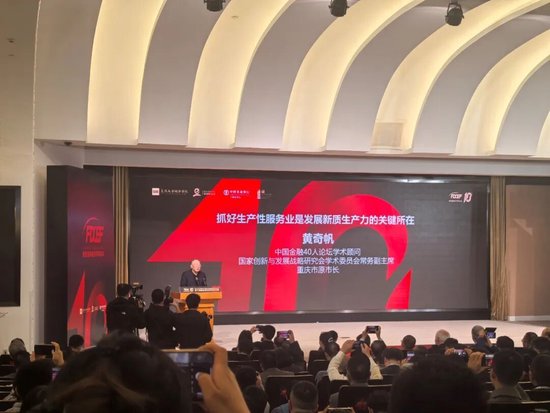
Group 1: Economic Strategy and Development - The 14th Five-Year Plan emphasizes the need for a new blueprint and new momentum for China's economic growth, with discussions led by economists like Huang Qifan and Lin Yifu [1] - Huang Qifan highlights the importance of developing the productive service industry as a key driver for GDP growth and overall productivity, suggesting that it should be a focus during the 14th Five-Year Plan [3][4] - Lin Yifu warns of a potential AI bubble in the U.S. during the 14th Five-Year Plan period, drawing parallels to the 2008 financial crisis, and suggests that China should aim for an 8% annual growth rate until 2035 [5][6] Group 2: Manufacturing and Trade - Zhu Min stresses the need for China to enhance product quality and build a new type of manufacturing industry, moving from labor-intensive to capital and technology-intensive products [7][8] - The global trade structure is changing, and China is diversifying its exports, focusing on capital and technology-intensive products rather than labor-intensive ones [7] - The goal is for manufacturing to remain a significant part of the economy, with a target of 25% by 2040, while the productive service sector should rise to 35%-40% of GDP [4] Group 3: Capital Market Reforms - Wu Xiaoqiu calls for a restructuring of the capital market ecosystem to better protect investor interests, moving away from a focus solely on financing [9][10] - The reform aims to increase the presence of high-tech companies in the stock market, with expectations that 35 out of the top 50 listed companies will be high-tech by the end of the 14th Five-Year Plan [9] - There is a push for greater transparency and improved regulatory frameworks in the capital market to enhance liquidity and attract larger investments [9] Group 4: Domestic Demand and Service Trade - Zhang Jun emphasizes the need for China to reduce reliance on exports and increase domestic demand, suggesting that trade surpluses should approach zero [12] - Recommendations include lowering barriers to service trade, adjusting exchange rate policies, and increasing investment in social sectors to support domestic consumption [12]
愉悦资本刘二海:中国企业引领的新全球化,正在快速展开
Xin Lang Cai Jing· 2025-11-14 10:49
Core Viewpoint - The importance of societal tolerance for failure is emphasized in the investment industry, particularly in the context of China's unique industrial development path compared to the United States [1] Group 1: Investment Industry Insights - Liu Erhai, founder and managing partner of Joy Capital, highlights that investment in China requires an increased focus on industrial dimensions, as well as considerations of geopolitical and regulatory factors [1] - The new globalization led by Chinese enterprises is rapidly unfolding, indicating a shift in global economic dynamics [1]
对话愉悦资本刘二海:现阶段AI投资更聚焦基础构建与典型应用 智驾有机会向具身智能演化
Mei Ri Jing Ji Xin Wen· 2025-10-20 14:25
Core Insights - The automotive industry is undergoing a transformation driven by AI, with smart driving systems entering a phase of large-scale deployment, creating a "flywheel effect" of data and intelligence [1][3] - Smart driving is recognized as a foundational application of AI, with significant investments in AI models and infrastructure, indicating a shift towards commercial deployment [2][3] - The investment logic is transitioning from traffic-driven to technology-driven, emphasizing the importance of technological capabilities and commercial deployment in the smart economy era [4] Industry Trends - The automotive sector has become the largest contributor to China's GDP, with rapid advancements in key components for electric vehicles such as lidar and smart glass [1] - The next decade will see AI's pervasive influence across all industries, with a focus on foundational investments in chips, computing power, and data [2] - The smart driving sector is poised to be one of the first to achieve large-scale commercialization within the realm of embodied intelligence [3] Investment Strategy - The investment approach is evolving to prioritize technology-driven enterprises, with a focus on both technological capabilities and innovative business models [4] - Chinese companies are leading a new phase of globalization, shifting from a model dominated by large multinational corporations to one that emphasizes local stakeholder interests and enhanced R&D capabilities [4] - Emerging markets are experiencing rapid growth in trade with China, despite a decline in trade with the U.S., supported by AI open-source technologies that facilitate global recognition and localized innovation [4]
对话愉悦资本刘二海:AI处于基础设施投入期,看好中国企业“新全球化”浪潮 | 财之道
Xin Lang Cai Jing· 2025-10-17 12:04
Core Insights - The 2025 Sustainable Global Leaders Conference will be held from October 16 to 18 in Shanghai, focusing on AI development, investment logic, and globalization opportunities for Chinese companies [1][3]. Group 1: AI Development and Investment - AI is currently in the infrastructure investment phase, with investments concentrated in three main areas: models, computing power, and data [3]. - Applications such as intelligent Q&A, AI programming, video generation, and intelligent driving are beginning to emerge [3]. - The transition from application to full penetration of AI across industries will take considerable time, and while there may be industry adjustments, there are no signs of a bubble similar to the 2000 internet bubble [3]. Group 2: Commercialization and Technology - Both technological barriers and commercialization capabilities are equally important for investment, and a flywheel effect must be established [4]. - The flywheel effect in intelligent driving illustrates that increased deployment leads to richer data, which enhances model intelligence, further driving user preference and deployment [4]. Group 3: Market Dynamics and Future Outlook - The era based on traffic has ended, and the current focus is on technology, necessitating a shift in investment logic [5]. - The Hong Kong capital market is becoming increasingly important for technology companies, and mergers and acquisitions will hold greater value in the tech sector compared to the traffic era [5]. - Over the next 10 to 20 years, a new wave of globalization led by Chinese companies will emerge, characterized by leveraging digital and AI infrastructure while emphasizing localization [6]. - China's strong R&D capabilities and the large number of graduates each year will enable Chinese companies to master core technologies and brand identities in overseas markets [6].

2025“全球POD生态+”大会召开:POD按需定制成跨境电商新焦点丨最前线
3 6 Ke· 2025-09-20 09:11
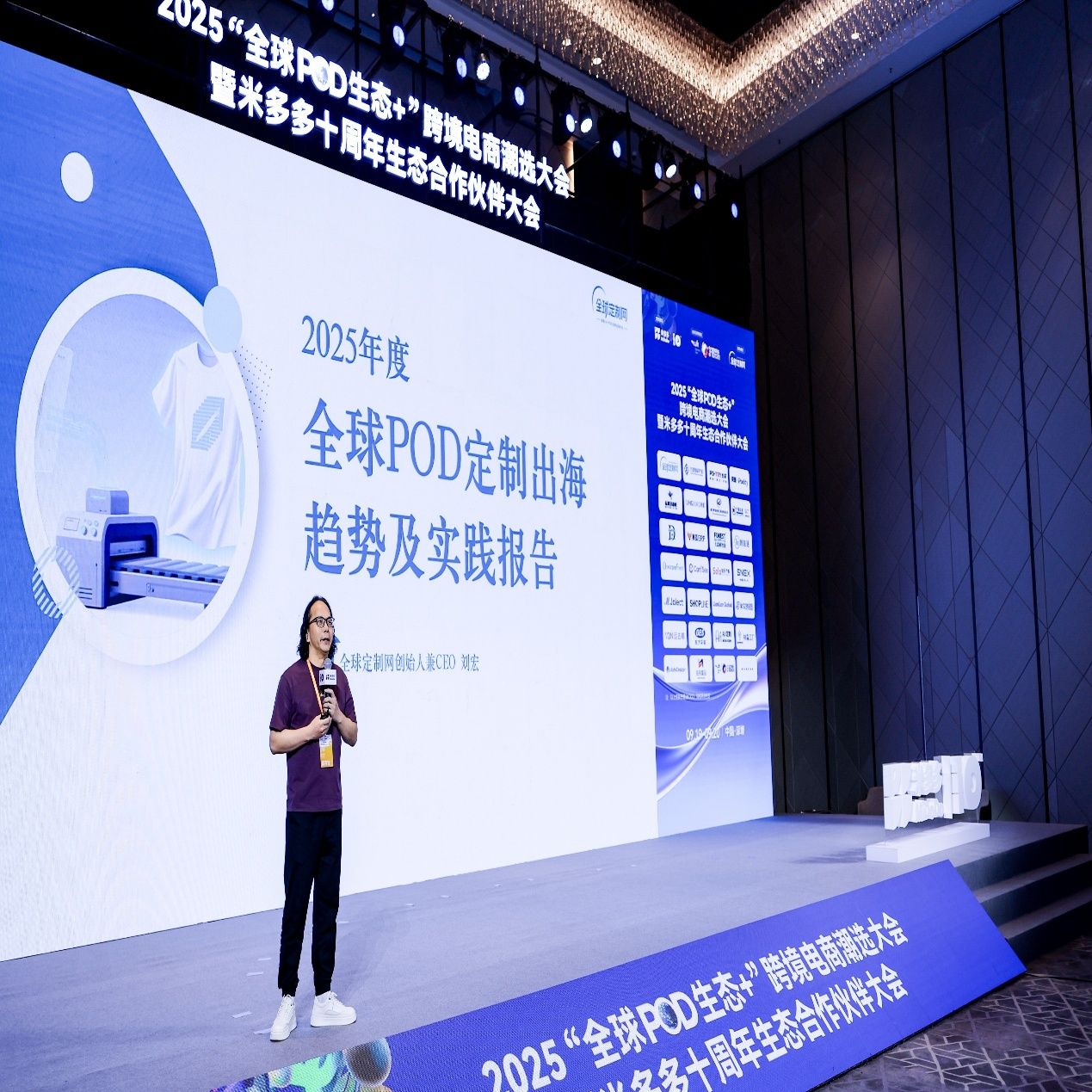
Group 1 - The 2025 "Global POD Ecosystem + Cross-Border E-commerce Trend Selection Conference" was held in Shenzhen from September 19, organized by Miduo Technology [1] - CEO of Miduo Technology, Deng Hai, emphasized that digitalization and new globalization driven by digital technology present significant opportunities [1] - Deng Hai outlined the evolution of China's cross-border e-commerce in three stages: the "Wild Era" focused on "selling out," the "Chaotic Era" with intensified competition, and the current "Awakening Era" aimed at "brand globalization" [1] Group 2 - According to data from the General Administration of Customs, China's cross-border e-commerce export value is projected to reach approximately 2.15 trillion yuan in 2024, representing a year-on-year growth of 16.9% and accounting for 8.5% of total goods trade exports [1] - Major export destinations include the United States, the United Kingdom, and Germany, with consumer goods dominating exports across categories such as apparel, digital products, and home appliances [1] - The report highlighted that the sources of goods remain concentrated in coastal provinces such as Guangdong, Zhejiang, and Fujian [1] Group 3 - The founder of Global Custom Network, Liu Hong, released the "2025 Global POD Customization Trends Report" during the conference [2] - POD (Print on Demand) is expanding its categories and application scenarios, extending from clothing and footwear to home goods, jewelry, pet supplies, and digital accessories [2] - The integration of POD into various channels such as TikTok Shop, Amazon, Temu, and independent sites has garnered significant attention during the conference [2]