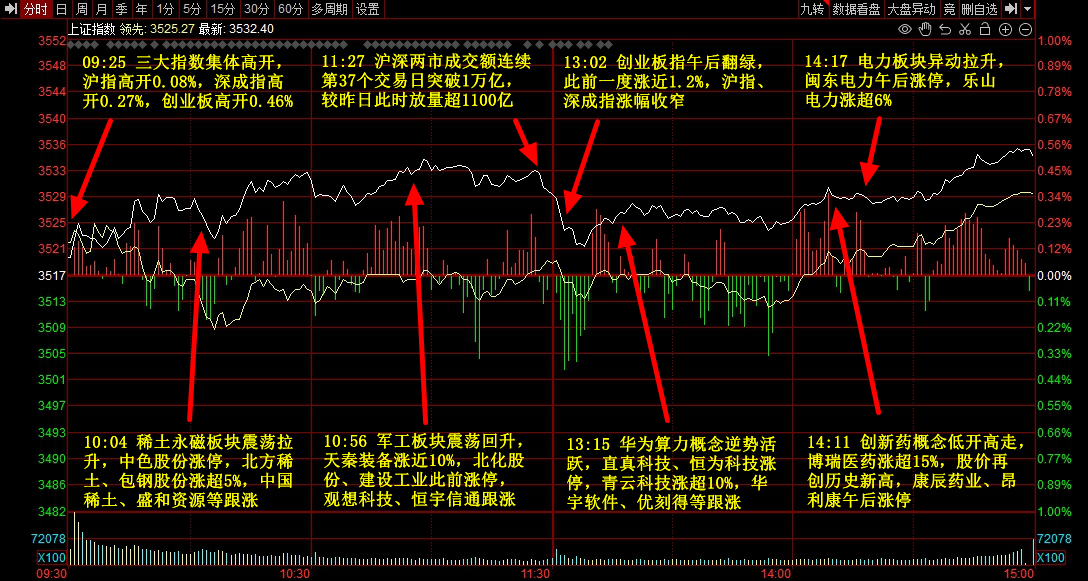
稀土战略资源

Search documents
差距断崖,中美俄稀土储量:俄380万吨,美国190万吨,中国多少?
Sou Hu Cai Jing· 2026-01-20 13:13
Group 1 - Rare earth elements are essential in modern industries, significantly impacting the performance of electric vehicle batteries, mobile phone chips, and military equipment [2] - Global demand for rare earths is increasing, particularly among major powers like China, the US, and Russia, which affects their supply chain influence [2] - China holds the largest reserves of rare earths at 44 million tons, accounting for nearly half of the global supply, while Russia has 3.8 million tons and the US only 1.9 million tons [4][6] Group 2 - Russia has invested $1.5 billion since 2020 to achieve self-sufficiency in rare earth production by 2024 and aims for a 10% global market share by 2030, but current production is only 2,500 tons [2][4] - The US relies heavily on imports for rare earths, spending nearly $200 million in 2023 for 8,800 tons, with domestic production from the Mountain Pass mine expected to reach 45,000 tons by 2024 [4][6] - China's production is stable at 270,000 tons for 2023 and 2024, with plans to impose export restrictions on seven types of heavy rare earths in 2025, enhancing its pricing power in the global market [4][8] Group 3 - The geological distribution of rare earths is uneven, with China having easier-to-extract deposits compared to the hard rock types found in Russia and the US, leading to higher extraction costs [6] - The geopolitical implications of rare earth reserves are significant, with Russia seeking to leverage its resources for cooperation with the US, while the US focuses on domestic and allied investments [6][8] - The competition for rare earths is intensifying, with countries like Australia and Greenland exploring their own resources to diversify supply chains and reduce dependence on China [8][10] Group 4 - The US aims to build a complete supply chain for rare earths by 2027, but current production capabilities are limited, producing only 1,300 tons of neodymium-praseodymium oxide compared to China's 300,000 tons [10] - Russia plans to develop internal refining capabilities to reduce foreign technology dependence, with potential for increased production if its reserves are underestimated [10] - The rising demand for rare earths driven by electric vehicles and AI applications is creating a competitive landscape that countries must navigate carefully to balance environmental concerns with extraction needs [10]

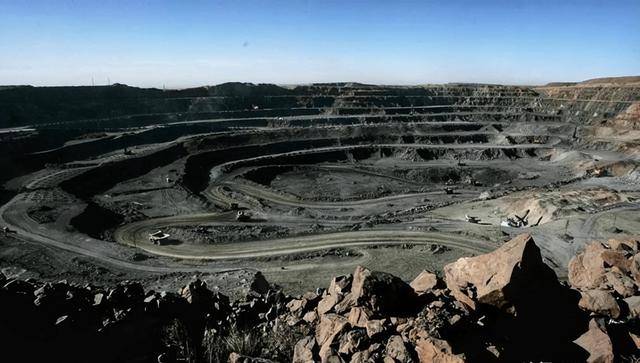
稀土指数正式上线!覆盖镧、铈、镨等稀土主流产品
Zheng Quan Shi Bao· 2026-01-11 23:49
Core Viewpoint - The Baotou Rare Earth Products Exchange (referred to as "Rare Exchange") has officially launched a rare earth price index, which aims to provide timely, accurate, and transparent price references for the rare earth industry, reflecting overall price trends and specific product variations in the market [1] Group 1: Rare Earth Price Index - The index is based on the Rare Exchange's trading data and extensive collection of compliant trade data, utilizing a rigorous index model developed by research institutions [1] - It covers mainstream rare earth products such as lanthanum, cerium, praseodymium, and neodymium, and is designed to support the healthy and orderly development of the rare earth market [1] - The index system includes daily transaction prices, weekly rare earth price indices, and monthly rare earth price expectation indices, which are continuously being improved [1] Group 2: Background of the Rare Exchange - The Rare Exchange was established by 13 major rare earth enterprises and related institutions, including Northern Rare Earth and China Rare Earth [2] - It was officially launched on August 8, 2012, and has since passed various national inspections and received high-tech enterprise certification in 2022 [2] Group 3: Price Adjustments - On January 9, Baogang Co. and Northern Rare Earth announced an increase in the associated transaction price for rare earth concentrate for the first quarter of 2026 to 26,834 yuan/ton (excluding tax, dry weight, REO=50%) [2] - The price adjustment mechanism indicates that for every 1% change in REO, the price will increase or decrease by 536.68 yuan/ton [2][3] - The previous quarter's price was adjusted to 26,205 yuan/ton, reflecting a 37% increase compared to the prior quarter [3] Group 4: Rare Earth Resource Overview - Rare earth elements consist of 17 elements and are classified into light and heavy rare earths based on their physical and chemical properties [4] - Light rare earths are more abundant and widely distributed, while heavy rare earths are rarer and unevenly distributed, with most reserves concentrated in China [4] - Ion-type rare earths (heavy rare earths) are primarily found in Jiangxi, Fujian, Guangdong, and Yunnan, accounting for over 80% of global heavy rare earth reserves [4]


稀土战略资源地位再升级,稀土ETF嘉实(516150)一键布局国内稀土产业链机遇
Xin Lang Cai Jing· 2026-01-08 05:22
Group 1 - The core viewpoint highlights the renewed significance of rare earths as a strategic resource, with expectations of supply contraction due to domestic smelting and separation whitelist policies, coupled with recovering downstream demand, leading to a strong likelihood of sustained price recovery [1] - According to Dongfang Securities, the rare earth market is expected to experience a dual boost in profitability and valuation, as the supply-demand dynamics improve and geopolitical uncertainties elevate the strategic importance of rare earths in China [1] - Tianfeng Securities notes that the rare earth permanent magnet industry is at the beginning of a new cycle, with the implementation of the "Rare Earth Management Regulations" and ongoing industry consolidation optimizing the supply structure and enhancing pricing power within the industry [1] Group 2 - The top ten weighted stocks in the China Rare Earth Industry Index account for 60.4% of the index, with notable companies including Northern Rare Earth, Goldwind Technology, and others [2] - The rare earth ETF by Jiashi (516150) closely tracks the China Rare Earth Industry Index, providing a convenient tool for investors to gain exposure to the domestic rare earth industry chain [2] - Investors can also access rare earth investment opportunities through the Jiashi Rare Earth ETF linked fund (011036) [3]
盛和资源(600392):首次覆盖报告:业绩高增长,全球化布局成效凸显
Guoyuan Securities· 2025-11-11 11:09
Investment Rating - The report assigns a "Buy" rating to the company [4][7]. Core Insights - The company's revenue for the first three quarters of 2025 reached 10.456 billion yuan, a year-on-year increase of 26.87%, while the net profit attributable to shareholders was 788 million yuan, up 748.07% year-on-year [2][21]. - The significant performance improvement is attributed to the substantial increase in prices of key rare earth products and the company's effective market strategies [2][21]. - The company has completed the acquisition of Peak Company, enhancing its global resource control in the rare earth sector [3][14]. Summary by Sections 1. Global Resource Layout and Upstream Resource Security - The company has a complete rare earth industry chain and is actively acquiring overseas resources, including a 100% stake in Peak Company, which owns the Ngualla rare earth project in Tanzania, expected to start production in 2026 with an annual output of 18,000 tons of rare earth concentrate [3][14]. - The company is also involved in the zircon-titanium business, with projects in Tanzania and Madagascar, aiming to enhance production capacity [3][19]. 2. Performance Recovery Driven by Price Increases - The company experienced a rebound in performance due to rising prices of rare earth products, with a notable increase in sales volume compared to the previous year [2][21]. - The average price of praseodymium and neodymium oxide reached 541,000 yuan per ton as of November 6, 2025, reflecting a 35.93% increase since the beginning of the year [2][21]. 3. Profit Forecast and Valuation - The company is expected to see continued profit growth, with net profits projected at 840 million yuan, 893 million yuan, and 965 million yuan for 2025, 2026, and 2027, respectively [4][6]. - The estimated earnings per share for the same years are 0.48 yuan, 0.51 yuan, and 0.55 yuan, with corresponding P/E ratios of 46.30, 43.54, and 40.30 [4][6].

中方这张牌太好用了,普京心里直羡慕,下令12月前敲定稀土开发路线图
Sou Hu Cai Jing· 2025-11-08 07:38
Core Insights - Russia is taking significant steps to develop its rare earth metals industry, prompted by the global dominance of China in this sector and the need to establish an independent supply chain [1][3][9] Group 1: Russia's Rare Earth Resources - Russia possesses approximately 658 million tons of rare metal reserves, including 28.5 million tons of rare earth elements, ranking fifth globally in rare earth reserves [3] - Despite its substantial reserves, Russia currently produces only 1% of the world's rare earths and lacks refining and processing capabilities [3][7] Group 2: Strategic Moves and International Relations - The Russian government has been tasked with approving a long-term development roadmap for rare earth mining and production by December 1 [1] - Russia aims to leverage its rare earth resources to engage with the United States, potentially using them as a bargaining chip to ease sanctions [5] - President Putin has expressed a desire for cooperation with the U.S. in the rare earth sector, highlighting that Russia's resources surpass those of Ukraine [5] Group 3: Future Development Plans - Russia intends to move beyond raw material exports to high-tech product manufacturing, similar to China's approach [7] - The country’s rare earth reserves are expected to meet domestic needs for decades while also ensuring a long-term supply for international markets [7] - Challenges remain, including technological gaps in high-value product production and limited financing options due to sanctions [7][9]
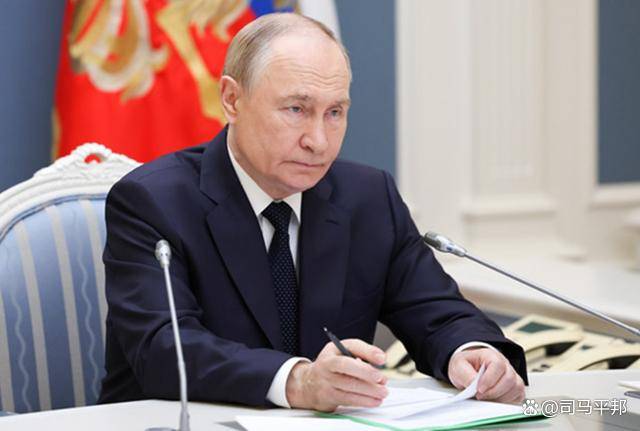
中美俄稀土储量对比:俄1000万吨,美180万吨,中国是多少呢?
Sou Hu Cai Jing· 2025-11-01 14:20
Core Insights - Rare earth elements are crucial for modern technology, with significant applications in smartphones, electric vehicle batteries, and missile navigation systems. The global distribution of rare earth resources is highly uneven, primarily concentrated in a few countries [1] Group 1: China's Dominance - China holds 44 million tons of rare earth reserves, accounting for over 40% of global supply, based on extensive exploration efforts [3] - The country has a production capacity of 270,000 tons annually, representing 70% of global output, and has implemented strict export quotas to protect its high-tech industries [3][5] - China's processing technology is advanced, controlling 90% of refining capacity, which allows for low-cost and efficient extraction [5][13] Group 2: United States' Challenges - The U.S. has only one operational rare earth mine, Mountain Pass, producing 43,000 tons annually, primarily for military and technology applications [7] - The U.S. relies heavily on imports for 70% of its rare earth needs, predominantly from China, raising concerns about supply chain vulnerabilities [7][9] - Despite plans to expand domestic production, the U.S. faces high costs and regulatory challenges, leading to a preference for importing rare earth materials [9][11] Group 3: Russia's Potential - Russia's rare earth production is limited to 2,500 tons annually, with significant reserves estimated at 380 million tons, but exploration and extraction are hampered by geographical and economic challenges [11][13] - The country focuses on using rare earths for domestic high-tech military applications, with limited exports [11][13] - Future development could position Russia as a significant player in the rare earth market, but current production capabilities are constrained [13][15] Group 4: Market Trends and Future Outlook - Global demand for rare earths is expected to grow by 15% by 2025, driven by electric vehicles and wind energy, leading to a projected price increase of 20% [13][15] - Environmental concerns are prompting China to adopt cleaner extraction methods, while the U.S. is cautious about domestic mining due to regulatory risks [15] - The trend towards diversified supply chains is emerging, with potential collaborations between the U.S. and Australia, and Russia possibly partnering with Brazil [15][17]
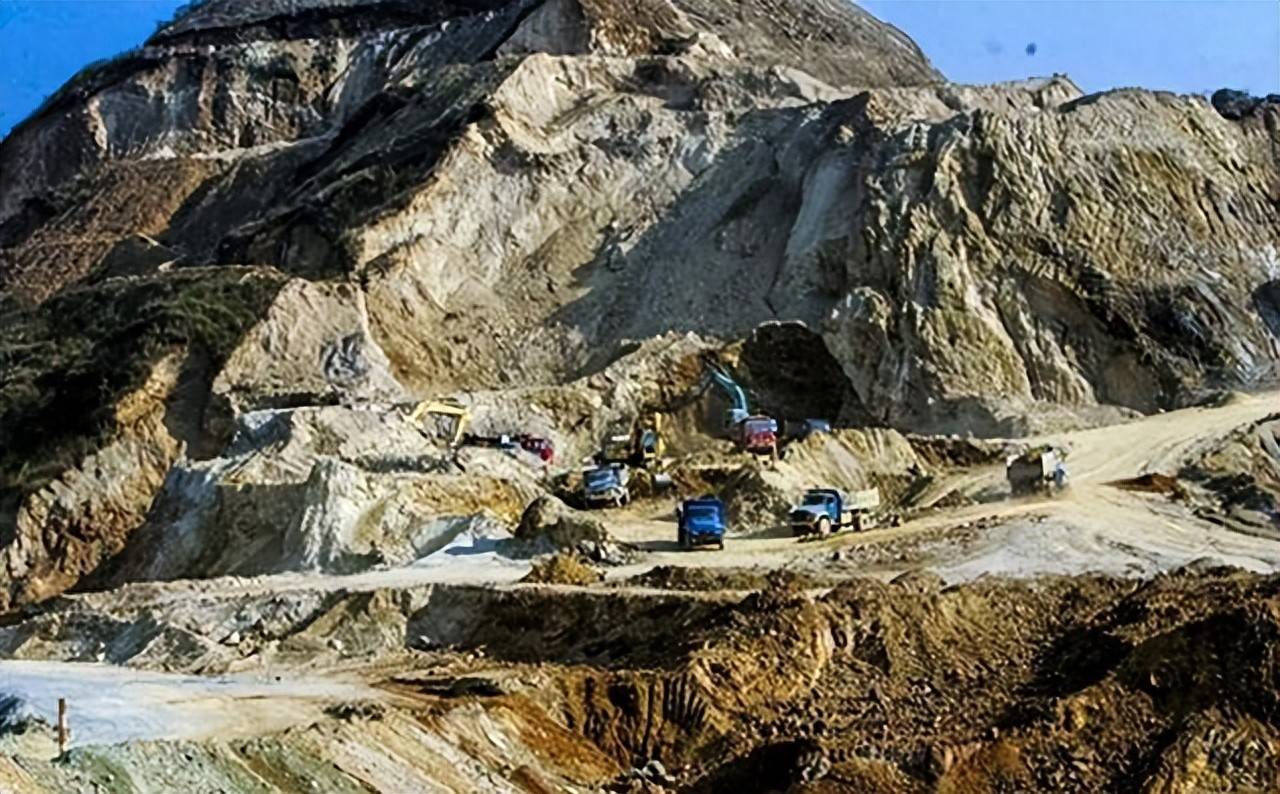
自作自受!美国自废优势想卡中国,却被一招反制,军工产业被牵连
Sou Hu Cai Jing· 2025-10-20 04:32
Core Insights - The article discusses the strategic importance of rare earth elements (REEs) in the context of U.S.-China technological competition, highlighting how China uses rare earth controls as a countermeasure against U.S. chip restrictions [1][8]. Summary by Sections Understanding Rare Earth Elements - Rare earth elements are a group of 17 metallic elements essential for modern industrial applications, often referred to as "industrial vitamins" [3]. - They are categorized into light rare earths, used in emerging technologies like electric vehicle batteries, and heavy rare earths, critical for military applications such as radar and stealth technology [5][6]. China's Rare Earth Industry - China has become a dominant player in the global rare earth market, producing 97.54% of the world's rare earths by the early 1990s, largely due to advancements in extraction and purification techniques [17]. - The country has consolidated its rare earth production under six major groups to manage over 95% of its capacity, moving away from a fragmented and low-cost production model [12][15]. U.S. Dependence and Challenges - The U.S. once controlled 79% of global rare earth production but outsourced much of the processing to China due to environmental and cost concerns [7][10]. - Current U.S. efforts to revive its domestic rare earth industry face significant challenges, including technological barriers, higher labor costs, and the need for substantial investment and time [19][23]. Strategic Implications - China's rare earth export controls are designed to limit U.S. technological advancement by requiring global companies to register with the Chinese government if they use Chinese rare earths in their products [24]. - The article emphasizes that China's rare earth capabilities not only serve as a response to Western challenges but also mark its transition from a resource-rich nation to a manufacturing powerhouse [28].
北方稀土(600111):量价齐升,业绩同比表现亮眼
HTSC· 2025-08-27 05:27
Investment Rating - The report maintains an "Accumulate" rating for the company with a target price of RMB 56.47 [7][9]. Core Views - The company reported significant growth in revenue and net profit for H1 2025, with revenue reaching RMB 18.866 billion (up 45.24% YoY) and net profit attributable to shareholders at RMB 931 million (up 1951.52% YoY) [1][2]. - The report highlights a strong recovery in the rare earth market, with production and sales of rare earth oxides increasing by 111.2% and 15.71% YoY, respectively [2]. - The strategic importance of rare earth resources is emphasized, with expectations of continued price increases due to supply-demand imbalances in 2025-2026 [4]. Summary by Sections Financial Performance - In Q2 2025, the company achieved revenue of RMB 9.579 billion (up 32.53% YoY, up 3.14% QoQ) and net profit of RMB 501 million (up 7622.51% YoY, up 16.27% QoQ) [1]. - The average price of praseodymium and neodymium oxide increased by 12.5% YoY in H1 2025, contributing to the company's strong performance [2]. Production and Projects - The company has completed and is gradually commissioning several key projects, including 8,000 tons and 12,000 tons metal projects by subsidiaries [3]. - Ongoing projects include the recovery and utilization of secondary resources and the construction of new magnetic material projects [3]. Market Outlook - The report anticipates that the global supply of praseodymium and neodymium oxide will remain tight, with supply-demand imbalances projected at -5.8% and -4.6% for 2025-2026 [4]. - The strategic significance of rare earth resources is highlighted, particularly in the context of geopolitical tensions and export controls [4]. Profit Forecast and Valuation - The company’s net profit forecasts for 2025-2027 have been adjusted upwards to RMB 2.623 billion, RMB 3.685 billion, and RMB 4.618 billion, respectively [5]. - The report assigns a PE ratio of 77.36 for 2025, leading to an updated target price of RMB 56.47 [5].
稀土板块重磅利好!十大概念股盘点(名单)
Zheng Quan Zhi Xing· 2025-08-22 08:03
Industry Overview - The rare earth sector has seen a significant rise, with companies like San Chuan Wisdom and Northern Rare Earth reaching their daily limit up [1] - Rare earth elements are critical materials for high-tech, defense, and new energy sectors, with China holding approximately 44 million tons of rare earth oxides, accounting for 40% of global reserves [1][2] - China is the largest producer of rare earths, with a production of 210,000 tons in 2023, representing nearly 70% of global output [1] Regulatory Developments - The Ministry of Industry and Information Technology, along with other governmental bodies, has released interim measures for the total quantity control of rare earth mining and processing [2] - These measures will regulate the entire chain from mining to processing, emphasizing total quantity control, enterprise access, and environmental requirements [2] Price Trends - Rare earth prices have surged, with praseodymium oxide reaching 657,500 CNY per ton, an increase of 110,000 CNY from the beginning of the month, marking a rise of over 20% [3] - Neodymium oxide prices also increased significantly, with a year-to-date rise of 62.95% [3] - The price of neodymium-iron-boron magnets has also seen substantial growth, with N35 grade magnets priced at 144.5 CNY per kilogram, reflecting a 51.3% increase year-to-date [3] Demand Drivers - The demand for rare earths is being driven by the rapid growth in sectors such as electric vehicles, wind power generation, and energy-efficient motors [4] - The global supply-demand imbalance for rare earths is expected to persist, with projections indicating a shortfall in praseodymium and neodymium supply by 2025-2026 [4] Company Insights - Northern Rare Earth is one of the largest suppliers of light rare earth products and is part of China's six major rare earth groups [5] - Zhongke Magnetic Materials focuses on the research, production, and sales of permanent magnetic materials, being a significant player in the domestic market [5] - China Rare Earth Holdings is the only listed platform for China Minmetals and is a leading enterprise in the separation of heavy rare earths [5] - Other notable companies include Galaxy Magnetics, Benlang New Materials, and Xiamen Tungsten, all of which are involved in various aspects of the rare earth supply chain [5]


晚报 | 7月21日主题前瞻
Xuan Gu Bao· 2025-07-20 14:33
Infrastructure - The Yarlung Tsangpo River downstream hydropower project officially commenced on July 19, with a total investment of approximately 1.2 trillion yuan [1] - The project will construct five cascade power stations, leveraging a significant technical resource potential of nearly 70 million kilowatts, which is three times the installed capacity of the Three Gorges Dam [1] - The project is expected to boost demand in various sectors, including civil explosives, cement, tunneling, and geotechnical engineering [1] Robotics - UBTECH Robotics won the largest procurement order in the global humanoid robot sector, amounting to 90.5115 million yuan, from MiYi (Shanghai) Automotive Technology Co., Ltd [2] - The company has accelerated its humanoid robot business, with plans to deliver 500 industrial humanoid robots this year [2] - The humanoid robotics industry is experiencing rapid commercialization, with projections indicating potential mass production of over 10,000 units by 2026 [2] Rare Earths - The rare earth permanent magnet sector is witnessing a surge due to three favorable developments, including the reaffirmation of rare earth's strategic importance by the Ministry of State Security [3] - A new rare earth mineral, "Nd-Huanghe," was discovered, expanding resource potential [3] - The Chinese rare earth industry holds 70% of global production capacity and 90% of processing output, with significant growth potential in the midstream sector [3] TDI Market - A fire at Covestro's plant in Germany has led to supply disruptions, causing TDI prices to rise significantly, with a reported increase of 2,000 yuan per ton in East China [4] - As of July 17, TDI prices in Northern China surged by over 30%, reaching 18,500 yuan per ton [4] - Domestic TDI supply is concentrated, and the recent supply reductions are expected to improve product profitability [5] Artificial Blood - Researchers from Germany and the UK identified a key molecular signal, CXCL12, which is crucial for the maturation of red blood cells [6] - This discovery has significant implications for the large-scale, personalized production of artificial blood and potential treatments for blood-related diseases [6]