
行业发展趋势

Search documents
行业聚焦:全球轻型悬臂式货架市场规模及主要企业排名情况
QYResearch· 2026-03-06 01:11
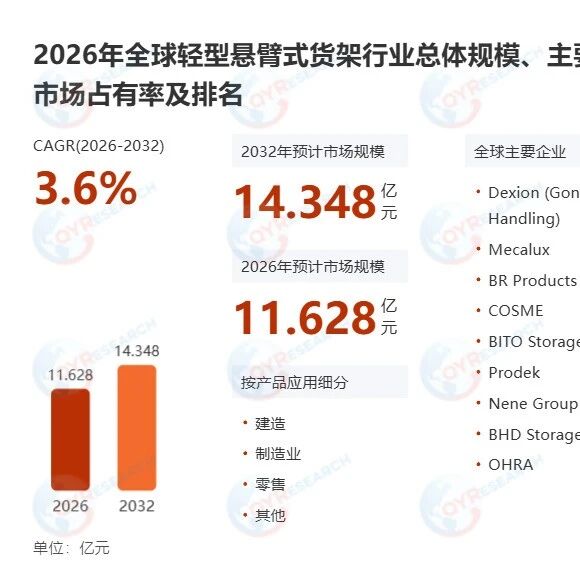
轻型悬臂式货架 L i g h t D u t y C a n t i l e v e r S h e l v i n g 0 1 产品定义及研究范围 轻型悬臂式货架是指一种地面固定式钢制货架系统,其特点是立柱上延伸出一排或两排悬臂,并 通过水平和斜撑连接在一起,专门用于存放 PVC 管、铝型材、轻型木材和塑料管等长而轻的物 品。轻型悬臂货架的典型承重能力相对较低 —— 超轻型货架的承重能力约为 50 至 500 磅, 而 轻型货架的承重能力也仅为 1,000 至 2,000 磅左右 —— 远低于中型和重型悬臂货架系统。这些 货架通常采用辊压成型的薄型钢材或小型型材制造,其臂位和梁间距均可调节,因此适用于小型 仓库、车间、展厅和生产辅助区域,用于存放人工装卸的非托盘长条货物。 主要驱动因素: 0 2 市场规模 据 QYResearch 调 研 团 队 最 新 报 告 " 全 球 轻 型 悬 臂 式 货 架 市 场 报 告 2025-2031" 显 示 , 预 计 2031 年全球轻型悬臂式货架市场规模将达到 2 亿美元,未来几年年复合增长率 CAGR 为 3.6% 。 0 2 市场格局 根据 QYResear ...

昊华科技:公司产品价格主要受到市场供需关系、行业发展趋势等多方面因素影响
Zheng Quan Ri Bao· 2026-02-09 13:13
Group 1 - The core viewpoint of the article is that the company's product prices are influenced by various factors, including market supply and demand dynamics and industry development trends [2] - The company will adopt appropriate pricing strategies based on actual market supply and demand conditions [2] - The company commits to disclosing relevant information in accordance with the requirements of the China Securities Regulatory Commission and the Shanghai Stock Exchange [2]


普天科技:公司将积极关注国家战略和行业发展趋势
Zheng Quan Ri Bao Zhi Sheng· 2026-01-29 14:12
Core Viewpoint - The company, as a state-owned enterprise group and a publicly listed platform, aims to actively monitor national strategies and industry development trends while leveraging its technological, qualification, and industrial chain advantages to integrate resources and enhance core competitiveness [1] Group 1 - The company is committed to continuously improving the quality of its development to better reward shareholders and investors [1]

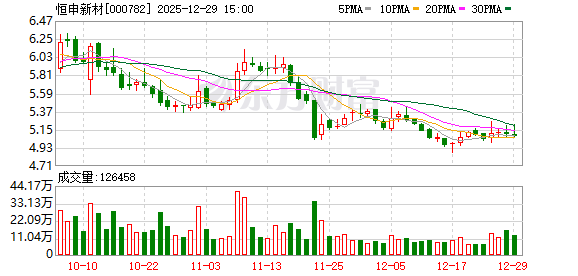
恒申新材:公司股价受宏观经济形势等多重因素影响
Zheng Quan Ri Bao· 2025-12-29 09:40
Core Viewpoint - The company's stock price is influenced by multiple factors including macroeconomic conditions, industry development trends, and investor preferences and expectations [2] Group 1 - The company aims to optimize its operational management and improve its governance structure [2] - The company is focused on providing stable and long-term value returns to its shareholders [2]

上市公司业绩说明会文本数据2017.2-2025.8
Sou Hu Cai Jing· 2025-09-21 00:06
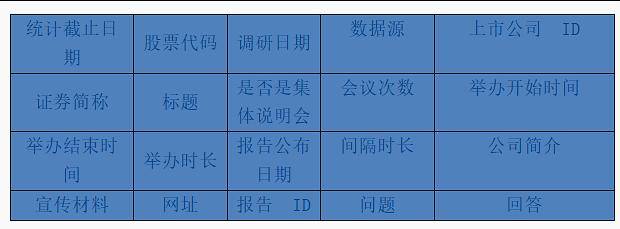
Core Insights - The article emphasizes the importance of earnings calls as a vital communication channel between listed companies and investors, addressing the issue of information asymmetry in capital markets [1][2] - It highlights the need for a systematic analysis of Q&A data from earnings calls to enhance market transparency and improve investor relations [1][2] Data Overview - The dataset comprises 593,950 rows of Q&A data from earnings calls, sourced from public channels including official stock exchange platforms and company websites [3] - The data spans from 2017 to 2025 and includes various metrics such as stock codes, meeting dates, and company IDs, formatted in Excel [4] Research Value - Analyzing Q&A content can provide investors with insights into a company's operational signals, aiding in investment decision-making [2] - For listed companies, understanding market concerns and improving response effectiveness can enhance communication efficiency and corporate governance [2] - Regulatory bodies can utilize this data to assess the quality of information disclosure and monitor market sentiment, contributing to a fair market environment [2] Potential Research Directions - Micro-level analysis focusing on individual companies to evaluate the effectiveness of investor relations management through Q&A content [7] - Comparative analysis within industries to identify common issues and competitive strategies among companies [7] - Macro-level analysis linking economic conditions and policy changes to the evolution of Q&A focus areas in earnings calls [7] - Utilizing technology for sentiment analysis and keyword extraction from Q&A content to quantify market reactions to specific events [7]
港股投资主要关注哪些方面?
Jin Rong Jie· 2025-08-19 03:26
Group 1: Macroeconomic Factors - The macroeconomic environment significantly impacts the Hong Kong stock market, with global economic growth directly affecting trade and finance in Hong Kong [1] - A rising global economy can lead to increased market demand, benefiting companies' revenues and profits, thus driving the overall stock market upward [1] - Local economic policies, including fiscal, monetary, and industrial policies, are crucial variables influencing the stock market [1] Group 2: Industry Development Trends - Different industries exhibit varying performances in the Hong Kong stock market, making it essential for investors to follow industry trends [2] - The emerging technology sector has gained prominence, with innovative companies attracting significant attention due to their growth potential [2] - Traditional industries, such as resources and manufacturing, face constraints from market demand changes and cost fluctuations [2] Group 3: Company Fundamentals - A company's financial health is a core aspect of its fundamentals, requiring analysis of balance sheets, income statements, and cash flow statements [2] - Stable revenue growth, reasonable debt levels, and strong cash flow indicate good operational health and resilience [2] - Governance structures are also important, as effective governance ensures sound decision-making and protects shareholder interests [2] Group 4: Market Valuation Levels - Accurate assessment of market valuation is critical for determining investment value, with common metrics including Price-to-Earnings (PE) and Price-to-Book (PB) ratios [3] - Comparing current valuation metrics with historical data and peer markets helps investors identify whether the market is overvalued, undervalued, or fairly valued [3] - Currency exchange rates, particularly the peg of the Hong Kong dollar to the US dollar, can significantly influence investment returns [3]
股票投资该如何选择板块?
Sou Hu Cai Jing· 2025-08-12 19:30
Group 1: Importance of Sector Selection - Sector selection is crucial in stock investment as it significantly impacts investment returns [1] - Understanding and mastering sector selection methods is fundamental for constructing a reasonable investment portfolio [1] Group 2: Macroeconomic Environment - The macroeconomic environment is a key consideration in sector selection, with different economic cycles affecting various industries differently [1] - During economic expansion, cyclical sectors like energy tend to perform well due to increased demand, leading to higher revenues and stock prices [1] - Conversely, defensive sectors such as utilities may exhibit more resilience during economic contraction due to stable demand for essential resources [1] Group 3: Industry Development Trends - Industry development trends are essential for sector selection, with emerging industries like renewable energy and artificial intelligence showing significant growth potential [2] - The renewable energy sector benefits from global emphasis on environmental protection and sustainable development, presenting vast opportunities for related companies [2] - Traditional industries may face limitations due to market saturation but can find new growth opportunities through technological upgrades and industry transformation [2] Group 4: Policy Guidance - Government policies significantly influence sector performance, with initiatives like subsidies for electric vehicles promoting industry growth [2] - Support for the environmental sector through increased investment and stricter regulations enhances the competitiveness of related companies [2] Group 5: Market Capital Flow - Market capital flow reflects the level of interest in specific sectors, with substantial capital inflow indicating positive market sentiment [3] - Analyzing capital flow through metrics like trading volume and net capital inflow helps assess sector strength [3] - Investors can utilize financial analysis tools to track these dynamics and make informed decisions regarding sector selection [3]
侃股:融资余额创新高释放积极信号
Bei Jing Shang Bao· 2025-07-31 10:36
Core Viewpoint - The increase in A-share financing balance to a nearly 10-year high indicates a surge in investor enthusiasm, reflecting a positive signal for the market [1] Group 1: Market Dynamics - The record high in financing balance is a direct manifestation of active market trading, with capital being a crucial driver for market trends [1] - Investors are increasingly confident in the market's future trajectory, based on macroeconomic assessments, industry trends, and stock valuations [1] - China's economy is experiencing stable recovery, supported by favorable policies that provide a solid macroeconomic foundation for the A-share market [1] Group 2: Industry Trends - Emerging industries such as new energy and semiconductors are thriving, while traditional industries are undergoing transformation, attracting significant investor interest [1] - Investors are willing to leverage financing to capitalize on economic growth opportunities, injecting vitality into the market [1] Group 3: Financing Environment - Relatively low financing costs and the security of compliant financing channels are key factors driving the increase in financing balance [2] - The shift from illegal financing to compliant channels has been facilitated by enhanced regulatory measures, providing investors with safer options [2] - Compliant financing allows investors to expand their investment scale without increasing their own capital, improving capital efficiency [2] Group 4: Market Stability - The rise in financing balance has significant implications for optimizing investors' capital structure, allowing for flexible allocation of funds [2] - The availability of compliant financing reduces the market space for illegal financing, promoting a stable and healthy market environment [2]
科技股投资需关注哪些要点?
Sou Hu Cai Jing· 2025-07-21 22:53
Group 1 - The core driving force of technology stocks is technological innovation, which is measured by R&D investment and the number of core technologies and patents held by companies [1] - Emerging technology sectors such as artificial intelligence, renewable energy, and quantum computing present significant investment opportunities, while traditional sectors may have limited growth potential [1] Group 2 - The competitive landscape in the technology industry is crucial, with leading companies leveraging scale, technology, and brand advantages to capture market share, while smaller firms face higher survival risks [2] - Financial health indicators such as revenue, profit growth, and cash flow are essential for evaluating the investment value of technology stocks, with stable growth indicating strong operational performance [2] Group 3 - Government policies significantly impact technology stock investments, with supportive policies providing tax incentives, subsidies, and industry support that can accelerate company growth, as seen in the renewable energy vehicle sector [3]
消费类股票在港股有何投资要点?
Jin Rong Jie· 2025-07-13 22:51
Group 1: Macroeconomic Environment - The macroeconomic environment significantly impacts Hong Kong's consumer stocks, with economic growth directly affecting residents' income levels and consumption capacity [1] - During economic expansion, increased income leads to higher consumer willingness and ability, creating a favorable market for consumer companies [1] - Conversely, economic downturns can shrink the consumer market, posing challenges for consumer stocks, necessitating close monitoring of macroeconomic indicators like GDP growth and inflation rates [1] Group 2: Industry Development Trends - The consumer industry is evolving due to social progress and technological advancements, with new consumption models and scenarios emerging [1] - E-commerce has transformed traditional retail, and companies that adapt to industry trends and adjust their strategies tend to perform better in the market [1] - Companies failing to align with these trends may face declining performance [1] Group 3: Company Fundamentals - Company fundamentals are crucial, encompassing financial health indicators such as profitability, solvency, and operational efficiency [2] - A strong brand presence enhances market recognition, customer loyalty, and pricing power, contributing to a company's resilience and growth [2] - The capability and strategic vision of the management team are vital for seizing market opportunities and making sound decisions [2] Group 4: Market Valuation Levels - Market valuation levels are essential for investors considering Hong Kong consumer stocks, requiring accurate assessments through metrics like price-to-earnings and price-to-book ratios [2] - Overvalued stocks relative to fundamentals pose higher investment risks, while undervalued stocks may present potential investment opportunities [2] - Valuation analysis should consider industry characteristics and the company's development stage for comprehensive judgment [2] Group 5: Exchange Rate Fluctuations - Exchange rate fluctuations are unavoidable in investing in Hong Kong consumer stocks, affecting investment returns due to currency variations [3] - Companies with significant overseas operations or high reliance on imported materials may see their costs and profits impacted by exchange rate movements [3] - Investors should monitor exchange rate trends to assess potential impacts on target companies [3]