风光氢氨醇一体化

Search documents
战火、石油与底牌
汽车商业评论· 2026-03-04 23:05
Core Viewpoint - The article discusses the recent surge in oil prices and the stock performance of China's "Big Three" oil companies (China National Petroleum Corporation, China Petroleum & Chemical Corporation, and China National Offshore Oil Corporation) due to geopolitical tensions in the Middle East, particularly the conflict involving Iran and the closure of the Strait of Hormuz [5][11][12]. Group 1: Oil Price Surge and Market Impact - The oil price has seen a historic increase, with Brent crude surpassing $85 per barrel, marking a rise of over 20% since the onset of the conflict [6][11]. - The "Big Three" oil companies in China experienced consecutive trading halts, achieving their first collective limit-up in A-share history, with China National Petroleum Corporation reclaiming its position as the top market cap in A-shares [5][12]. - The geopolitical situation has led to a significant disruption in global oil supply, with estimates suggesting that 20%-30% of maritime oil trade could be affected, raising concerns about potential oil prices reaching $150-$200 per barrel if the situation persists [11][12]. Group 2: Investment Logic in Oil Sector - Warren Buffett's Berkshire Hathaway has heavily invested in oil stocks, indicating a long-term strategy based on macroeconomic and industry fundamentals rather than short-term speculation [17][18]. - Major U.S. oil companies have shifted focus from aggressive capacity expansion to capital discipline, leading to increased dividends and stock buybacks, which enhances their attractiveness to investors [18][19]. - The lack of capital expenditure in the fossil fuel sector over the past decade, combined with disciplined production cuts from OPEC+, has created a supportive environment for oil prices and profit margins [19][20]. Group 3: Considerations for Retail Investors - Retail investors are cautioned against entering the market for "Big Three" stocks at this time due to the extreme risk-reward imbalance amid geopolitical tensions and high oil prices [29][30]. - While the "Big Three" companies have shifted towards capital returns and have attractive dividend yields, the potential for a significant price correction exists if geopolitical tensions ease [30][31]. - Historical precedents, such as the Gulf War and the Russia-Ukraine conflict, demonstrate that oil prices can experience rapid increases followed by steep declines, suggesting caution for investors considering entry points during high volatility [31][32]. Group 4: Future Energy Landscape - The article highlights the ongoing transition towards clean energy and the potential for structural demand shifts in oil consumption due to the rise of electric vehicles in China [39][40]. - The need for a diversified energy security strategy is emphasized, with a focus on developing renewable energy sources and hydrogen as part of national security [40]. - The current crisis may serve as a catalyst for accelerating the global energy transition, underscoring the importance of investing in sustainable energy solutions [40].


笨蛋!是氢能,不是氢燃料电池汽车
汽车商业评论· 2026-02-25 23:04
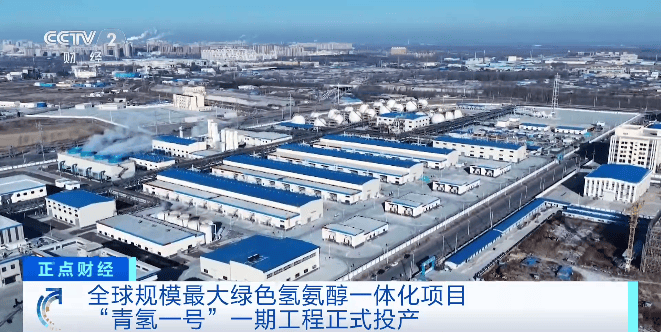
Core Viewpoint - The hydrogen fuel cell vehicle industry is facing significant challenges, with many companies retracting or ceasing operations, indicating a shift in focus towards electric vehicles and alternative energy solutions [5][10][28]. Industry Overview - The hydrogen fuel cell vehicle sector was once seen as the "ultimate energy" solution, attracting substantial investment and policy support, but has since encountered a downturn, with a notable decline in market share [5][8]. - In 2025, the market share of fuel cell heavy trucks dropped from 5.41% in 2024 to 1.65% in the first eleven months, while the penetration rate of new energy vehicles exceeded 60% [8]. Market Dynamics - Major automotive companies, including Stellantis and General Motors, have halted their hydrogen fuel cell development, signaling a broader industry retreat from this technology [10]. - The Chinese government has recognized hydrogen energy as a key component of future industries, alongside nuclear fusion, and emphasizes its role in transportation as part of a diversified energy strategy [10]. Technological Evolution - The development of electric vehicles has progressed significantly since the early 2000s, with advancements in battery technology leading to a clear shift towards pure electric vehicles as the mainstream option [12][15]. - Hydrogen fuel cells are now primarily applicable in specific scenarios such as short-distance transport in ports and industrial areas, rather than widespread automotive use [16]. Future Energy Systems - The integration of hydrogen as a complementary energy source, particularly through methanol as a transport medium, is proposed to address the challenges of energy supply and grid stability [18][20]. - The concept of microgrids is highlighted as a crucial element in the future energy landscape, enabling localized energy solutions and supporting the transition to a more sustainable energy system [30][31]. Strategic Implications - The push towards achieving carbon neutrality by 2060 necessitates a stable and sustainable energy system, with hydrogen playing a vital role in this transition [22][28]. - The development of a new energy system in China is focused on multi-energy integration, emphasizing the importance of renewable energy sources and hydrogen in achieving energy security and sustainability [30].
【电新环保】竞价分化,转型破局——新能源增量项目机制电价竞价结果分析(殷中枢/郝骞)
光大证券研究· 2026-01-27 23:07
Core Viewpoint - The article discusses the differentiation in competitive bidding results for mechanism electricity prices across various provinces, indicating potential downward space for prices in certain regions, particularly in the eastern part of China, while highlighting the impact of local government support and competition on these results [4]. Group 1: Mechanism Electricity Pricing - The competitive bidding results for mechanism electricity prices from 2025 to 2026 show a clear "east high, west low" trend, with eastern regions having higher bidding limits and results compared to the western and northern regions [4] - The actual bidding result in Qinghai reached the upper limit of the bidding range but remained below 0.25 yuan/kWh, indicating pressure on pricing in resource-rich areas [4] - The average internal rate of return for wind and solar projects is estimated at around 8% and 6% respectively, suggesting that provinces with mechanism prices above 0.31 yuan/kWh may have room for further declines [4] Group 2: Stock Project Profitability - Existing projects are expected to maintain profitability due to the dual effects of the 136th document ensuring profitability and accelerated payments for national subsidies, improving market expectations for asset valuations of renewable energy operators [5] - Companies listed in Hong Kong with low price-to-book (PB) ratios may see significant valuation recovery as cash flow and asset liquidity continue to improve, alleviating previous funding bottlenecks for new business expansions [5] Group 3: New Growth Opportunities - The integration of wind, solar, hydrogen, and ammonia is identified as a core path for renewable energy operators to explore new growth avenues, leveraging existing resources and optimizing consumption capabilities [6] - The transition from "power generation and sales" to "comprehensive energy service providers" is emphasized as a strategic move for renewable energy operators [6] - The development of data centers, in line with national policies promoting green electricity usage, presents another opportunity for renewable energy operators to enhance their growth trajectory while ensuring uninterrupted green electricity supply [7]
【光大研究每日速递】20260128
光大证券研究· 2026-01-27 23:07
Group 1 - The article discusses the impact of the central bank's cross-cycle interest rate adjustment, indicating that the downward adjustment of the annual GDP growth target is not favorable for the bond market, potentially leading to a neutral to slightly bearish effect [5]. - The analysis of the competitive bidding results for mechanism electricity prices in the new energy sector shows significant differentiation, with some provinces having potential for future price declines. Existing projects are maintaining profitability, and cash flow is improving, highlighting the valuation recovery of leading companies [5]. - The report on Sinopec Group outlines its new development strategy for the 14th Five-Year Plan and the key tasks for 2026, emphasizing the construction of a new industrial pattern characterized by "one foundation, two wings, three chains, and four new" [5]. Group 2 - The article highlights the recent catalysts in the household energy storage sector in Europe and Australia, noting that companies with high profit margins are the most benefited. The overall valuation of the household storage sector is expected to rise due to continuous positive catalysts [6]. - The UK’s "Warm Homes Plan" is expected to significantly stimulate demand for household solar storage systems, with the heat pump sector also benefiting from this policy [6]. - Anta Sports' proposed acquisition of a 29.06% stake in PUMA for €1.5 billion, funded by its own resources, is a significant milestone in the company's multi-brand global strategy, with a price-to-earnings ratio of 15 times based on PUMA's projected net profit for 2024 [7].
新能源增量项目机制电价竞价结果分析:竞价分化,转型破局
EBSCN· 2026-01-27 07:23
Investment Rating - The report maintains a "Buy" rating for the electric equipment and new energy sector [6] Core Insights - The mechanism electricity bidding results show significant differentiation, with a general trend of "higher in the east, lower in the west" for the 2025-2026 incremental projects. Eastern regions have higher bidding limits and results, while western and northern regions face pressure on actual bidding results [1][11] - The internal rate of return (IRR) for wind and solar projects is estimated at around 8% and 6% respectively. There is potential for further decline in mechanism electricity prices in provinces with prices above 0.31 yuan/kWh, while regions like the Three Norths and Shandong are under significant pressure [2][11] - The profitability of existing projects is stabilizing, and cash flow is improving, which may lead to valuation recovery for leading companies in the sector [3][12] - Integrated projects involving wind, solar, hydrogen, and methanol are seen as a key path for new energy operators to explore new growth avenues, leveraging existing resources and optimizing consumption capabilities [4] Summary by Sections Mechanism Electricity Bidding Results - The bidding results for the 2025-2026 incremental projects reflect a clear differentiation based on regional factors, with eastern provinces achieving higher results compared to western provinces [1][11] - The average mechanism electricity price for solar projects is approximately 0.31 yuan/kWh, which is about 15% lower than the average coal benchmark price [23] Project Profitability and Internal Rate of Return - The IRR for wind and solar projects is estimated at 8% and 6% respectively, with potential for further price declines in certain provinces [2][11] - Specific regions like Zhejiang and Ningxia are projected to maintain IRRs above 6%, even with lower mechanism electricity prices [39][42] Investment Recommendations - The report suggests focusing on undervalued leading new energy operators such as Longyuan Power, Xintian Green Energy, and others actively exploring new growth paths [5][12]
年内获调研次数居前的绿色氢氨醇概念股一览
Xin Lang Cai Jing· 2025-12-17 23:07
Core Viewpoint - The A-share market has 17 concept stocks related to green hydrogen and ammonia, with 6 stocks showing an annual increase of over 50% as of December 17 [1] Group 1: Stock Performance - Six concept stocks have increased by more than 50% this year: Fuzhijie Technology, Huaguang Huaneng, Goldwind Technology, Xizi Clean Energy, Kaishan Shares, and Xinjin Power [1] - The stock with the highest increase in institutional attention is Xizi Clean Energy, which has been investigated 30 times this year [1] Group 2: Institutional Attention - Six concept stocks have received more than 10 institutional research inquiries this year: Xizi Clean Energy, Fuzhijie Technology, Goldwind Technology, CIMC Group, Yunda Shares, and Fuan Energy [1] - Xizi Clean Energy has the most institutional research inquiries, indicating strong market interest [1] Group 3: Company Developments - Xizi Clean Energy has stated on its investor interaction platform that it can participate in the supply of molten salt energy storage equipment and waste heat boilers in the integrated model of wind, solar, hydrogen, and ammonia [1] - The company aims to continuously expand its applications in the green ammonia and green alcohol industries [1]
年产绿氢4.5万吨!全球规模最大绿色氢氨醇一体化项目正式投产
Sou Hu Cai Jing· 2025-12-16 14:08
Core Viewpoint - The "Qing Hydrogen No. 1" project in Songyuan, Jilin, has officially commenced production, marking it as the world's largest integrated green hydrogen and ammonia-methanol project, with its first phase expected to produce green hydrogen equivalent to about one-fifth of China's current annual green hydrogen output [1][3]. Group 1 - The total investment for the "Qing Hydrogen No. 1" Songyuan project is nearly 30 billion yuan, utilizing an innovative "wind-solar-hydrogen-ammonia-methanol integration" model to establish a complete industrial chain covering hydrogen production, storage, hydrogen-based chemicals, hydrogen energy equipment, and technological research and development [3]. - The project plans to construct 3 million kilowatts of renewable energy generation facilities, including wind and solar power, along with an annual production capacity of 800,000 tons of green synthetic ammonia and green methanol [3]. - The first phase of the project includes the construction of 800,000 kilowatts of renewable energy generation facilities, resulting in an annual production capacity of 200,000 tons of green synthetic ammonia and green methanol [3]. Group 2 - The chairman of China Energy Construction Group, Ni Zhen, stated that the project successfully addresses the global challenge of coupling the volatility of renewable energy with stable chemical production, paving a feasible new path for large-scale consumption of renewable energy and promoting the development of green hydrogen-based chemicals [5]. - The Songyuan project began construction in September 2023, and upon the completion of its first phase, it is expected to produce 45,000 tons of green hydrogen, 200,000 tons of green ammonia, and green methanol annually, which is projected to save approximately 600,000 tons of standard coal and reduce carbon emissions by 1.4 million tons per year [7].

制氢:绿氢行业四问四答:探讨持续性、盈利性、出口、竞争
2025-12-03 02:12
Summary of Hydrogen Industry Conference Call Industry Overview - The hydrogen industry has seen significant developments since October 2022, with companies like Shuangliang and Yili Clean Energy launching large-scale electrolyzer products. [1][2] - Domestic policies have relaxed restrictions on hydrogen production outside chemical parks, leading to increased project investments and bidding activities. [1] - The industry is experiencing growth driven by overseas orders, which are catalyzing the development of domestic filter manufacturers. [1] Key Projects and Financial Metrics - The Jidian Daan wind-solar hydrogen-ammonia integration project has a total investment of 5 billion yuan, a construction period of 1 year, and an operational period of 20 years. The internal rate of return (IRR) is estimated at 3.85%. [3][4] - The project includes 50 PAM production devices and 36 electrolyzers, with a total hydrogen production capacity of 46,000 standard cubic meters per hour. [3] - Sensitivity analysis indicates that the IRR is significantly affected by factors such as wind-solar utilization hours, green ammonia prices, and hydrogen production electricity consumption. [4] Cost Competitiveness - The relaxation of hydrogen production policies in non-chemical parks has reduced long-distance transportation costs, giving on-site hydrogen production a cost advantage. [5] - For example, a 500 standard cubic meters per hour alkaline electrolyzer project in Guangdong has a production cost of approximately 18 yuan per kilogram under cold storage electricity pricing, which is lower than the costs of coal-based hydrogen and industrial by-product gas supply stations (19-36 yuan per kilogram). [5] Export Market Developments - Since 2022, domestic companies such as Pairui New Energy, KOKI, and Shuangliang have been expanding into overseas markets through export sales and joint ventures, primarily focusing on the Middle East (Saudi Arabia, Egypt), India, and Brazil. [6] - In contrast, the European and American markets are currently limited to small-scale exports due to strong local competition and local production requirements. [7] Market Competition and Bidding Trends - From 2023 to 2025, the annual centralized bidding quantities are projected to be 110 alkaline electrolyzers and 15 PEM electrolyzers. [8] - The number of winning suppliers is increasing, but the bidding prices are declining, indicating a price war and technological cost reduction within the industry. [8] - The competition landscape remains unstable, with frequent changes in winning suppliers, necessitating attention to actual equipment energy consumption, lifespan, and reliability. [8] - To mitigate irrational competition, industry associations have proposed anti-involution policy recommendations to ensure healthy industry development and protect reasonable profit margins. [3][8]
风光氢氨醇一体化前景广挑战多
Zhong Guo Chan Ye Jing Ji Xin Xi Wang· 2025-11-25 00:14
Core Viewpoint - The National Energy Administration emphasizes the expansion of non-electric utilization of renewable energy as a key direction for high-quality and stable development during the 14th Five-Year Plan, focusing on integrated projects for wind and solar hydrogen, ammonia, and methanol production [1] Group 1: Industry Development - The wind-solar hydrogen-ammonia-methanol integration model is seen as a transformative approach that converts unstable green electricity into green hydrogen, which can then be synthesized into green ammonia and methanol, addressing the dependency on stable power grids in traditional chemical production [2] - As of October 2023, over 800 hydrogen-ammonia-methanol integration projects have been planned in China, with a total planned green hydrogen capacity of nearly 9 million tons per year, and over 200,000 tons per year already in operation, positioning China as a global leader in this sector [2] Group 2: Regional Focus - Most of the green hydrogen and methanol projects are concentrated in resource-rich regions such as Northwest, North, and Northeast China, with provinces like Inner Mongolia, Jilin, and Xinjiang actively promoting large-scale development [3] - Notable operational projects include the Xinjiang Kuqa green hydrogen demonstration project and the Inner Mongolia Yigao 100,000-ton green methanol project, among others [3] Group 3: Project Diversity and Challenges - The project participants are increasingly diverse, including major state-owned enterprises and private companies, creating a competitive landscape [4] - Despite the promising outlook, many hydrogen-ammonia-methanol projects are still in preliminary stages, with significant challenges in scaling production and reducing costs [6] Group 4: Market Potential and Future Outlook - The green hydrogen and methanol industry faces high production costs and slow supply chain development, but there is significant market potential driven by low-carbon trends in shipping and aviation [6] - The long-term prospects for the hydrogen and methanol market are optimistic, but the industry must overcome high investment and operational costs to meet growing demand [6]
“绿色石油”时代:全国已规划800+氢氨醇项目,锚定900万吨绿氢产能
Zhong Guo Neng Yuan Wang· 2025-11-17 02:38
Core Insights - The National Energy Administration has identified "expanding non-electric utilization of renewable energy" as a key focus for the 14th Five-Year Plan, emphasizing the development of integrated wind-solar hydrogen, ammonia, and methanol production [1] - The wind-solar hydrogen-ammonia-methanol integration model is seen as a transformative approach to convert unstable green electricity into green hydrogen, which can then be synthesized into storable and transportable green ammonia and methanol, addressing the issue of renewable energy intermittency [2] - As of October 2023, over 800 hydrogen-ammonia-methanol integration projects have been planned in China, with a total planned green hydrogen capacity of nearly 9 million tons per year, positioning China as a global leader in this sector [2] Industry Development - Most of the green hydrogen and methanol projects are concentrated in resource-rich regions such as Northwest, North, and Northeast China, with provinces like Inner Mongolia, Jilin, and Xinjiang actively promoting large-scale development [3] - Notable operational projects include the China Petroleum & Chemical Corporation's green hydrogen demonstration project in Xinjiang and the 100,000-ton green methanol project in Inner Mongolia, among others [3][4] - The industry is witnessing increasing participation from both state-owned enterprises and private companies, creating a competitive landscape [4] Challenges and Future Outlook - The green hydrogen and methanol industry faces challenges such as high production costs, insufficient technological integration, and a lack of standardized systems [6] - Industry experts emphasize the need to reduce investment costs and improve operational rates to enhance competitiveness [6] - Despite current challenges, the market potential for green methanol and ammonia is significant, particularly in the context of low-carbon development trends in shipping and aviation, suggesting a promising long-term outlook for the hydrogen-ammonia-methanol market [6]