IP运营

Search documents
不用替泡泡玛特操心
36氪· 2025-12-23 13:56
Core Viewpoint - The article discusses the rise and fall of Pop Mart, highlighting the company's rapid growth and subsequent decline in market value, emphasizing the importance of emotional value in consumer products and the challenges faced by the company in maintaining its IP relevance and market perception [4][5][9]. Group 1: Financial Performance and Market Reaction - In August, Pop Mart reported earnings that surpassed the previous year's total, with expectations of reaching 30 billion this year [4]. - Following the earnings report, Pop Mart's market value peaked at 450 billion but subsequently fell by 44%, resulting in a loss of 200 billion in market capitalization over four months [5]. - The company's aggressive expansion aimed at resolving supply shortages led to a loss of perceived scarcity, which became a key argument for bearish analysts [7]. Group 2: IP and Market Perception - Analysts from Deutsche Bank and Bernstein criticized Pop Mart's reliance on its star IP, Labubu, suggesting that the lack of consumer interest in overseas stores and the release of excess inventory could diminish the brand's appeal [7][10]. - Bernstein's report identified three main issues: declining popularity of Labubu, a drop in online sales, and decreasing second-hand market premiums for Pop Mart products [9]. - Despite concerns about IP fatigue, Pop Mart's financial reports indicate that other IPs, such as Molly, continue to perform well, with Molly's sales growing from 40 million to 2 billion from 2017 to 2024 [11][15]. Group 3: Market Dynamics and Consumer Behavior - The article notes that the market's perception of Pop Mart fluctuates with emotional value, where the company's valuation can rapidly change based on consumer sentiment and market trends [8][10]. - The decline in Pop Mart's stock price is attributed to a combination of market liquidity issues and the high valuation reached during periods of heightened consumer interest [43][44]. - The article argues that the core issue for Pop Mart is the ongoing debate about the longevity of its IPs and whether they can sustain consumer interest without substantial content support [48][51]. Group 4: Future Outlook and Strategic Considerations - Pop Mart's strategy involves continuously discovering and nurturing new IPs to maintain consumer engagement and drive sales, with a focus on creating 10 billion-level sales IPs [62][63]. - The company aims to differentiate itself from traditional retail by leveraging its unique IP ownership model, which allows for greater consumer attraction compared to competitors [50]. - The article concludes that the evolving consumer attitudes towards design and cultural value in products will play a significant role in shaping Pop Mart's future success [67][68].

不用替泡泡玛特操心
远川研究所· 2025-12-22 13:13
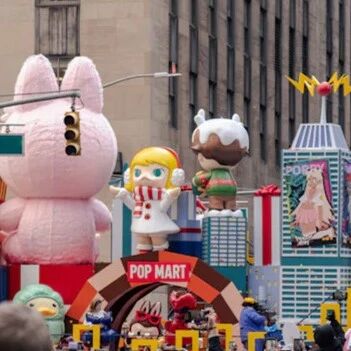
今年8月泡泡玛特发财报,半年时间赚了去年一整年的钱,创始人王宁喜不自胜[1]: 本来希望能做到200亿,但感觉今年应该300亿也很轻松。 资本市场最喜欢干的就是打脸。半年报发完,泡泡玛特市值突破4500亿历史新高,接着急转直下。此后4个月,公司股价回撤44%,市值蒸发了2000亿。 期间泡泡玛特的关键变化是激进扩产,大幅解决了缺货问题。但"稀缺性丧失",成为大部分看空方的核心依据。 德意志银行在12月的研报中提出:泡泡玛特依靠高密度的交易量维持门店效率,但一些海外门店已经没人排队了。同时,公司主动释放产能,会降低Labubu 的稀缺属性,让消费者失去新鲜感,门店交易额无法维持。 另一家研究机构伯恩斯坦用两份合计近130页的研报重拳出击[3],将泡泡玛特定性为 "投机型 IP " ,和Hello Kitty、芭比娃娃这些真正的 "常青IP" 有本质区 别。只要社交媒体的热度过去,就没人买了。 正所谓竞技体育菜是原罪,二级市场跌是原罪。涨的时候什么都是对的,跌的时候对的也会变成错的。 4500亿的泡泡玛特是新消费神话,2500亿的泡泡玛特是泡沫崩盘,从情绪价值的图腾到破塑料玩具,泡泡玛特到底出了什么问题? 不存在 ...

泡泡玛特涨超4%,股价重回200港元,Crybaby特展延长IP生命周期
Ge Long Hui· 2025-12-22 04:09
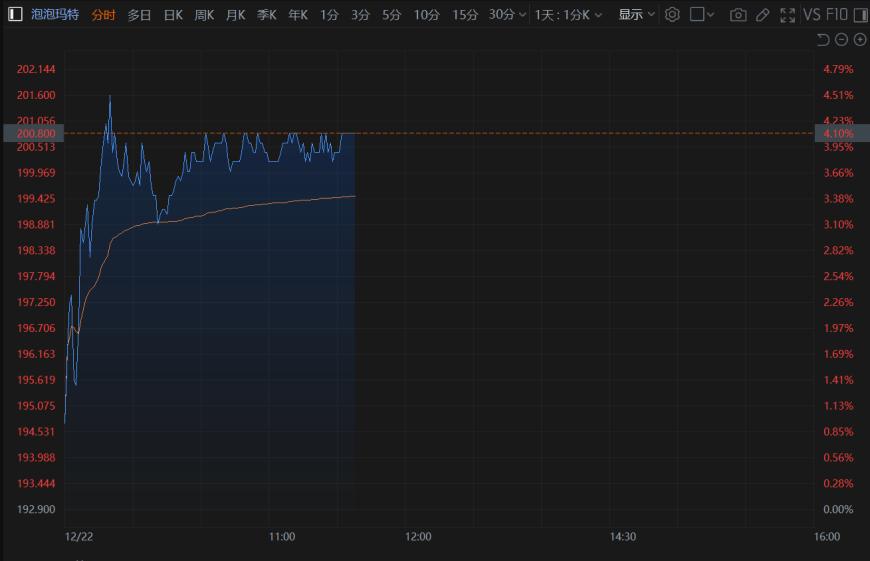
Group 1 - The core point of the news is that Pop Mart (9992.HK) has seen a significant stock price increase, surpassing 4% to reach 200 HKD, with a total market capitalization of 269.66 billion HKD [1] - The Crybaby exhibition in Shanghai is scheduled from December 20, 2025, to January 25, 2026, at the West Bund Dream Center, which is expected to attract a diverse audience and enhance brand visibility [1] - The exhibition will feature large-scale art installations and limited edition products that require online purchase for in-store pickup, providing new revenue streams beyond product sales [1] Group 2 - Guotai Junan Securities noted that the exhibition could lead to increased social media engagement, enhancing brand presence and extending the IP lifecycle through diverse operational strategies [1] - Morgan Stanley's recent report indicates that the appointment of Wu Yue to Pop Mart's board reflects the company's successful resource acquisition for new business development and recognition of its IP in fashion and entertainment [1] - This recognition boosts confidence in Pop Mart's ability to deploy impactful marketing and product resources [1]

谁能在泡泡玛特门店,买到Labubu?
3 6 Ke· 2025-12-19 09:30
Core Viewpoint - The market sentiment towards Pop Mart has become pessimistic, with its stock price dropping over 40% from its peak of 340 HKD per share in 2025 to around 190 HKD currently [1]. Group 1: Market Sentiment and Consumer Behavior - Many overseas investors are losing faith in Pop Mart, with analysts expressing concerns about the high concentration of IPs and declining secondary market prices [2]. - The loyalty of core consumers is perceived to be low, with growth primarily driven by novelty rather than brand loyalty [2]. - New consumers are frustrated by the difficulty in purchasing desired IPs, leading to a decline in store visits and overall shopping experience [3][4]. Group 2: Supply Chain and Product Availability - Pop Mart's management has indicated a significant increase in plush toy production, yet they are still struggling to meet demand [7]. - The current product offerings in stores are primarily blind boxes, limiting the availability of popular IPs like Labubu [8]. - The company is exploring a "saturation" strategy by introducing more diverse product lines and themed collections to attract a wider audience [17][19]. Group 3: Store Experience and Consumer Engagement - Pop Mart has over 550 direct stores and 2,500 robot stores, focusing on flagship locations to enhance consumer experience [23]. - The company aims to create a rich storytelling environment in stores, enhancing the appeal of their products through effective display and design [29][30]. - The introduction of various themed collections allows consumers to access multiple IPs, potentially increasing engagement and reducing the impact of scalpers [19].

国泰海通:IP食玩行业快速发展 供应链管理及IP运营是核心
Zhi Tong Cai Jing· 2025-12-18 05:55
Core Insights - The report by Guotai Junan highlights the advantages of IP fun food over IP toys, including lower price points and higher consumption frequency [1][2] Industry Growth - The Chinese IP food market is projected to grow from 18.1 billion yuan in 2020 to 35.4 billion yuan in 2024, with a CAGR of 18.2% [3] - The market for IP fun food is expected to increase from 5.6 billion yuan in 2020 to 11.5 billion yuan in 2024, achieving a CAGR of 19.6% [3] Consumer Demand - The growth in the IP fun food sector is driven by the emotional consumption trends among the younger generation, who seek identity recognition and emotional connection through IP stories and characters [3] - The supply side benefits from China's mature snack production and supply chain, which has been bolstered by the rise of bulk purchasing channels [3] Competitive Landscape - The core competitive advantage in the IP fun food industry lies in supply chain management and IP operation [4] - The differentiation of IP fun food products is primarily achieved through the inclusion of IP toy giveaways, which allow for higher pricing despite the low differentiation of the snacks themselves [4] - The market remains fragmented, with the leading company, Jintian Animation, holding a market share of 7.6% as of 2024 [5]

中信出版(300788) - 2025年12月16日投资者关系活动记录表
2025-12-16 11:24
Group 1: Company Overview and Strategic Goals - CITIC Publishing aims to enhance communication with investors and update them on its digital transformation and new product launches [2][3] - The company plans to focus on AI application, commercialization, and IP operation over the next five years [3][4] Group 2: Digital Transformation and AI Integration - The "KuaFu AI" platform has been developed to cover the entire publishing process, with 122 AI assistant applications across 17 publishing scenarios [3] - 70% of the work for topic reports can now be handled by AI, with 1,600 reports expected to be generated this year [3] - The error detection rate in translation has improved by 15 percentage points, with the platform supporting over 2,500 translations annually [3] Group 3: IP Operation and Market Growth - Since launching its animation and cultural strategy, the company has seen over 25% growth in its film, game, and animation book categories, achieving the highest market share [4][5] - The company has established partnerships with leading content organizations, including iQIYI and Tencent Animation, to develop derivative books from popular IPs [4][5] - Expected revenue from IP operations (excluding books) is projected to be nearly CNY 50 million this year [5] Group 4: AI Content Tools and Innovations - The upgraded "KuaFu AI 3.0" includes a translation tool that reduces costs to 4.4% of traditional methods and completes tasks in 4 hours that would take a month [5][6] - The "Booktalks" product allows deep interaction with book content, transforming traditional sales into subscription-based services [6] Group 5: Future Opportunities and Market Position - The company identifies three major opportunities: cultural power construction, AI technology transformation, and the implementation of national reading policies [10] - CITIC Publishing aims to transition from a traditional book publisher to a comprehensive knowledge service provider, leveraging its strong brand and market position [10]

泡泡玛特已成潮玩界「黑洞」
3 6 Ke· 2025-12-15 23:33
Core Insights - Bubble Mart has significantly increased its market share from 8.5% to 14% over five years, while its market value has surpassed HKD 250 billion, indicating a strong competitive position in the collectible toy industry [1] - The company has built a robust ecosystem that attracts users, creators, and market attention through its platform model, which focuses on artist discovery, IP incubation, and omnichannel operations [1][8] - The current landscape of the collectible toy industry shows that competitors like TOP TOY and 52TOYS struggle with IP dependency and lack core competitive advantages, leading to a challenging environment for smaller brands [1][8] Market Position - Bubble Mart's CEO Wang Ning has projected that the company can easily achieve revenue of RMB 30 billion by 2025, highlighting its dominant market position with few real competitors [2] - The company has shifted the focus from artist value to operational efficiency, which has allowed it to capitalize on market trends and consumer demand [4][8] - The average inventory turnover for Bubble Mart is 83 days, significantly better than the industry average of 180 days, reinforcing its operational efficiency [9] IP Strategy - Bubble Mart's IP operation capabilities have been enhanced, allowing it to create a standardized pipeline for artist signing, user research, and supply chain response, which can turn creative ideas into potential bestsellers in as little as six months [8][9] - The company has secured 14 out of 32 hot-selling collectible toy IPs for 2024, representing a 43% market share in that segment [9] - Bubble Mart's approach to IP management resembles that of a talent agency, focusing on nurturing top-tier IPs while also identifying emerging artists early [8][11] Industry Trends - The collectible toy market in China is increasingly defined by marketing-driven strategies that prioritize consumer engagement over artistic integrity, contrasting with more established markets like Japan, where cultural depth and storytelling are key [12][14] - Smaller brands in the Chinese market face significant challenges in competing with Bubble Mart's scale and efficiency, leading to a trend of reliance on short-term marketing tactics [11][12] - The potential for new entrants exists, but they must navigate a landscape where replicating Bubble Mart's success is nearly impossible due to high barriers to entry and established market dominance [14]
专访丨巨星传奇CFO赖国辉:坚持长青IP运营和生态间协同 而非追逐短期爆款
Mei Ri Jing Ji Xin Wen· 2025-12-14 04:17
Core Viewpoint - The company aims to leverage its unique IP assets and strategic partnerships to create a sustainable and long-term growth model in the competitive IP market, focusing on high-value collaborations and innovative product offerings [1][10]. Group 1: Strategic Partnerships and Investments - The company has become the only private shareholder of the Bird's Nest, a premier global performance venue, which will enhance its collaboration with top artists and expand its IP-related services [2][5]. - The investment in Galaxy, the agency of K-pop star G-Dragon, is expected to significantly contribute to revenue growth in the coming years, particularly with the upcoming 20th anniversary of Bigbang [5][14]. - The company is focusing on creating a long-term cooperative ecosystem through its partnerships, which will extend to global performance systems [2][10]. Group 2: Unique IP Management Approach - The company differentiates its IP strategy by not directly comparing its IPs, such as G-Dragon and Jay Chou, but instead focusing on their unique characteristics and market positioning [6][7]. - The operational model is designed to avoid the high risks associated with "hit-or-miss" strategies, emphasizing continuous creation and management of IP value [6][10]. - The company is building a diverse IP matrix that includes celebrity IPs, digital personas, and original content, aiming for a comprehensive approach to IP monetization [8][12]. Group 3: Revenue Generation and Market Position - The company has established a high market valuation, with a price-to-earnings ratio of approximately 130, attributed to its unique and multi-dimensional business model [14][15]. - The strategy includes launching over 700 SKUs in collaboration with more than 200 brands, which helps mitigate market risks and supports sustainable revenue growth [14][15]. - The company anticipates significant revenue and profit growth in the next few years, driven by its strategic resource acquisitions and innovative business model [15].

专访丨巨星传奇CFO赖国辉:坚持长青IP运营和生态间协同,而非追逐短期爆款
Sou Hu Cai Jing· 2025-12-14 04:16
Core Viewpoint - The company aims to leverage its unique IPs and strategic partnerships to create a sustainable and diversified revenue model in the increasingly competitive IP market, focusing on long-term collaborations and innovative product offerings [1][4][18]. Group 1: Strategic Partnerships and IP Development - The company has made significant investments in key resources, including becoming the only private shareholder of the Bird's Nest, a premier performance venue, which will enhance collaboration with top artists and expand its global reach [4][18]. - The partnership with Galaxy, the agency of K-pop star G-Dragon, is expected to drive revenue growth through unique fashion-oriented IP offerings, differentiating it from other IPs like Jay Chou's [4][7]. - The company plans to capitalize on G-Dragon's 20th anniversary with Bigbang by launching a series of major events and related IP products, targeting both the Chinese and global markets [6][19]. Group 2: Business Model and Revenue Generation - The company is building a multi-dimensional IP matrix that includes celebrity IPs, digital personas, and original content, aiming to create value through diverse products and experiences rather than relying on hit-or-miss strategies [8][10]. - The focus is on systematic creation and continuous operation of IPs, similar to Disney's long-term management approach, rather than chasing short-term successes [10][14]. - The company has established collaborations with over 200 brands, launching more than 700 SKUs, which helps mitigate market risks and supports sustainable growth [18]. Group 3: Market Position and Future Outlook - The company currently holds a high price-to-earnings ratio of approximately 130, which is above competitors like Pop Mart and Disney, attributed to its unique and multi-faceted business model [18]. - The CEO emphasizes the importance of adaptability and continuous innovation as the company enters a new growth phase, with expectations for significant revenue and profit increases in the coming years [19].
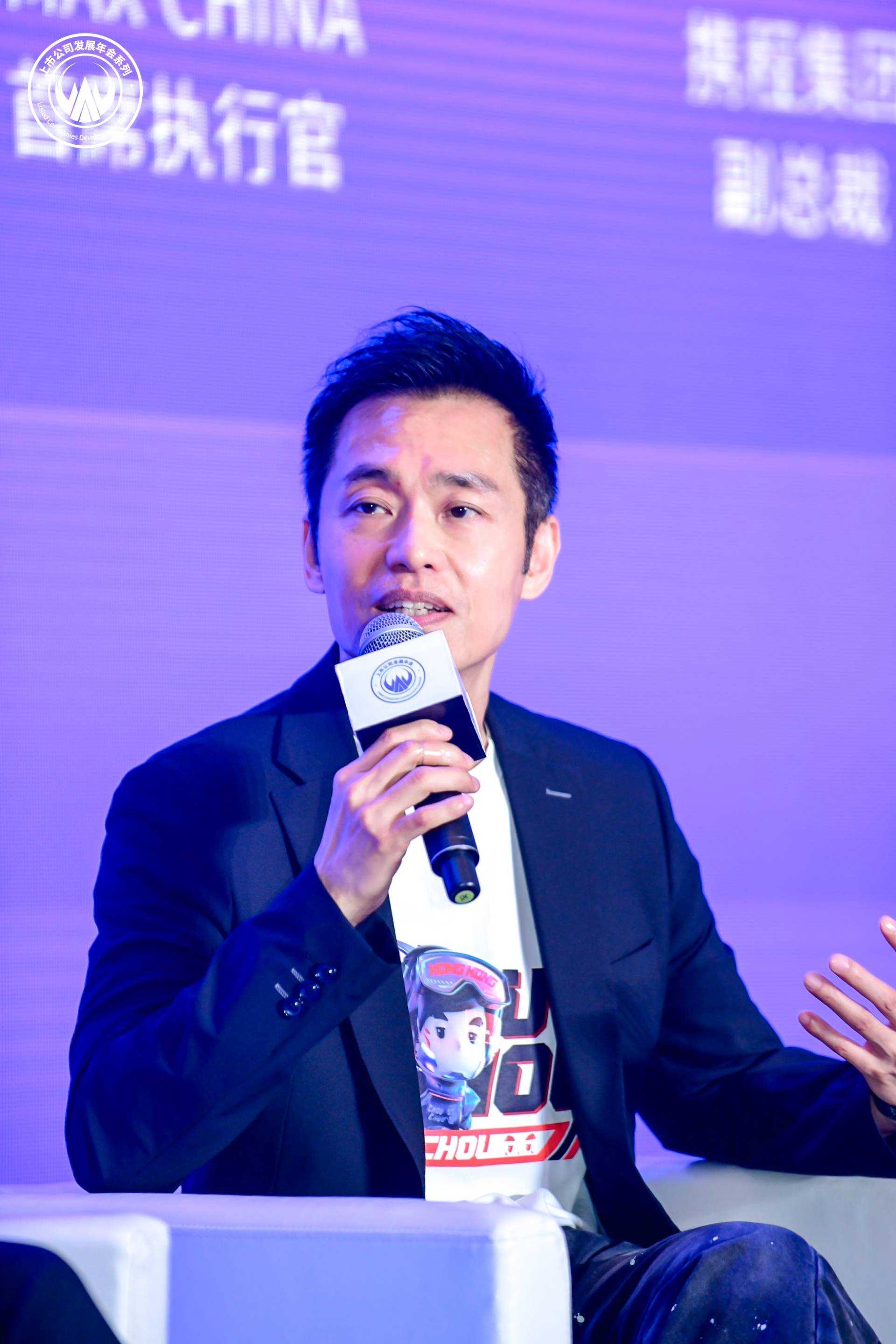
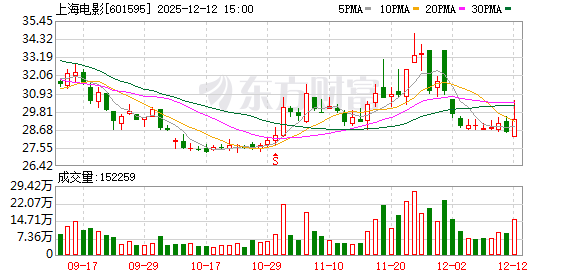
上海电影总经理戴运:告别“只卖电影票”,深耕IP为核的价值共生产业
Mei Ri Jing Ji Xin Wen· 2025-12-13 04:35
Core Insights - The domestic animation film industry is entering a period of accelerated IP derivative development, exemplified by the success of "Wang Wang Mountain Little Monsters" and its extensive cross-industry collaborations [2][3] Group 1: Industry Trends - The trend of leveraging IP for emotional engagement is becoming crucial for consumer decision-making, shifting from traditional film ticket sales to a value co-creation ecosystem centered around IP [3] - The film "Wang Wang Mountain Little Monsters" achieved a box office of 1.7 billion yuan and created over 800 derivative SKUs, with projected GMV for related businesses reaching 2.5 billion yuan by year-end [3] Group 2: Company Strategy - Shanghai Film Group is strategically focusing on IP value extraction as a long-term initiative, with its intellectual property licensing business showing significant growth, achieving revenue of 66.18 million yuan in 2024, a 62.74% increase year-on-year [4][5] - The gross profit margin for the IP licensing business is 90.87%, highlighting its strong profitability compared to traditional film operations [5] Group 3: Future Outlook - The integration of AI technology is transforming the classic IP resource library into a dynamic asset, enabling continuous value generation and innovation [5] - The company aims to utilize AI for digital remastering of classic characters and content re-creation, enhancing emotional resonance and commercial value over time [5]