双碳目标

Search documents
利用CCER收益破解行业“高成本、低收益”困境 推动强效温室气体减排|CCER方法学解读
Zhong Guo Huan Jing Bao· 2025-12-26 08:19
Core Viewpoint - The recent issuance of the methodology for the recovery and purification of sulfur hexafluoride (SF6) by the Ministry of Ecology and Environment and the National Energy Administration aims to support the green transition of energy and power equipment, filling a gap in China's voluntary greenhouse gas emission reduction trading market in the SF6 electrical equipment sector [1][2]. Group 1: Importance of SF6 Recovery and Purification - SF6 is a potent greenhouse gas with a global warming potential (GWP) approximately 23,500 times that of CO2, and its atmospheric lifetime is about 3,200 years, making its reduction critical for achieving China's new Nationally Determined Contributions (NDC) targets [1][3]. - The recovery and purification of SF6 can significantly reduce carbon emissions from individual power projects, especially in concentrated scenarios like substations and switch stations [1][3]. - Purified SF6 can be reused, reducing the need for new SF6 production, thereby lowering energy consumption and greenhouse gas emissions at the source [1][3]. Group 2: Methodology Applicability and Conditions - The methodology applies to SF6 electrical equipment at voltage levels of 66 kV and above during maintenance or retirement, allowing for the recovery, purification, and reuse of SF6 gas [6][7]. - Projects not applicable include those using SF6 alternative gases, those at voltage levels below 66 kV, and non-electrical applications such as semiconductor manufacturing and metallurgy due to the dispersed nature of emissions and immature technology [6][7]. Group 3: Economic and Technological Implications - The methodology is expected to improve the economic viability of SF6 recovery and purification projects, with potential CCER (Certified Carbon Emission Reduction) revenues significantly enhancing project returns, especially for large-scale projects [8][9]. - It aims to create economic incentives that transform environmental benefits into financial gains, addressing the industry's high cost and low revenue challenges [8][9]. - The implementation of the methodology is anticipated to accelerate technological innovation in recovery and purification techniques, as well as promote the development of alternative materials to SF6 [9][10]. Group 4: Data Quality and Monitoring Innovations - The methodology incorporates innovative mechanisms for ensuring data quality, including dual cross-verification and conservative value principles to prevent overestimation of emission reductions [10][11]. - All monitoring data must be connected to the national carbon market management platform, ensuring transparency and traceability of emission reductions [11][12]. - A comprehensive parameter management system is established to monitor key parameters throughout the project lifecycle, ensuring accurate and reliable emission reduction calculations [12][13]. Group 5: Baseline Setting and Environmental Integrity - The baseline scenario is set at recovering and purifying 90% of SF6 during maintenance and retirement processes, which is designed to scientifically define the "additionality" of projects [14][15]. - This baseline aims to balance industry differences and ensure economic feasibility while promoting participation in emission reduction efforts [14][15]. - The methodology emphasizes preventing unnecessary maintenance to uphold the environmental integrity of the carbon credit mechanism, ensuring that emission reductions are genuine and not artificially inflated [16][17].
我国氢能领域首个CCER方法学,撬动绿氢的巨大减排潜力|CCER方法学解读
Zhong Guo Huan Jing Bao· 2025-12-26 08:12
Core Viewpoint - The release of the "Renewable Energy Electrolysis Hydrogen Production Methodology" marks a significant step in China's hydrogen energy sector, aiming to promote decarbonization and enhance the trading of carbon assets through clean hydrogen production [1][2]. Group 1: Importance of Renewable Hydrogen - Hydrogen is recognized as a clean and efficient energy source, essential for future energy systems, with global hydrogen consumption projected to reach 105 million tons by 2024 [2]. - China produces over 36.5 million tons of hydrogen, accounting for 24% of global production, but 98% of this is derived from fossil fuels, highlighting the need for renewable hydrogen production [2]. - The new methodology aims to convert emission reductions from clean hydrogen projects into tradable carbon assets, significantly impacting sectors like steel, chemicals, and transportation in achieving carbon neutrality goals [2]. Group 2: Current Development Status - The electrolysis hydrogen production industry in China is rapidly developing, with over 600 planned projects and more than 90 completed projects, yielding an annual capacity of approximately 125,000 tons [3]. - Alkaline electrolysis technology is currently dominant, while proton exchange membrane technology is catching up; however, the cost of green hydrogen remains significantly higher than traditional fossil fuel methods [3]. - The application of hydrogen is expanding from transportation to industrial sectors, exploring integrated projects that combine renewable energy with hydrogen production [3]. Group 3: Policy Support - The Chinese government has prioritized hydrogen energy, including it in the 2024 government work report and the Energy Law, with plans for large-scale applications in industries by 2027 [4]. - Policies are designed to support the hydrogen industry, particularly in industrial applications, providing clear guidance for development and investment [4]. Group 4: Project Eligibility and Potential - The methodology applies to new renewable energy electrolysis hydrogen projects that primarily use self-owned wind or solar power, excluding existing facilities and projects using purchased green certificates [5]. - Current eligible projects are estimated to have an annual emission reduction potential of about 1.57 million tons of CO2 equivalent, with projections suggesting this could rise to 6 million tons by 2030 [5]. Group 5: Economic Viability - Participation in the voluntary carbon market through emission reduction credits (CCER) is seen as a key method to enhance project economics, with significant potential to shorten investment recovery periods [8]. - For example, a project in Inner Mongolia with an investment of approximately 1 billion yuan could see its payback period reduced from 9.21 years to 8.77 years with CCER income [8]. Group 6: Data Quality and Monitoring - The methodology emphasizes high standards for data quality, requiring real-time monitoring of key parameters and ensuring traceability of data through connections to national carbon trading platforms [11]. - Project owners must establish robust internal data management systems and maintain comprehensive records to ensure compliance and data integrity [11]. Group 7: Challenges in Project Development - Key challenges include ensuring project compliance, maintaining the uniqueness of environmental benefits, and establishing a comprehensive monitoring and quality control system from the outset [12]. - Projects must also navigate resource management and ecological constraints, ensuring that water usage does not impact local communities and ecosystems [12].
共筑负责任黄金生态:ESG,正在重塑黄金行业的底层逻辑
Xin Lang Cai Jing· 2025-12-26 08:12
登录新浪财经APP 搜索【信披】查看更多考评等级 热点栏目 自选股 数据中心 行情中心 资金流向 模拟交易 客户端 12月12日,"2025黄金行业可持续发展大会"在三亚举行。大会下半场围绕"共筑负责任黄金生态",从政 策趋势、行业战略、企业实践及投资视角等多个维度,系统探讨了黄金行业在ESG框架下的转型方向与 实现路径。 一、ESG不只是责任,而是连接资本市场的"价值语言" 在主题发言中,中央财经大学绿色金融国际研究院首席经济学家刘锋指出,全球ESG浪潮与"双碳"目标 已成为黄金行业转型升级的核心驱动力。 从行业背景来看,黄金并非单一商品,而是同时具备商品、工业与货币属性的战略性资源。近年来,随 着全球不确定性上升,黄金的投资需求显著增长,ETF等金融产品规模持续扩大。在这一过程中,资本 市场对黄金企业的关注点也发生了变化: · 不再只看产量和成本 · 开始关注长期治理能力与可持续表现 · ESG逐步成为影响估值的重要因素 在去美元化趋势、绿色转型与智能化升级并行的背景下,黄金行业正面临国际监管趋严、标准多元化的 现实挑战,但也迎来了通过绿色矿山、智能冶金和金融创新实现结构性升级的窗口期。 刘锋强调,行业需 ...


44项新国标驱动工业设备更新,加快制造业高端化绿色化转型
Xin Jing Bao· 2025-12-26 07:20
Core Viewpoint - The industrial sector is a key focus for large-scale equipment upgrades and consumer product replacement initiatives, driven by national policies aimed at enhancing manufacturing capabilities and promoting sustainable development [1][2]. Group 1: Standards and Regulations - The Ministry of Industry and Information Technology (MIIT) has completed the revision of 44 important national standards to accelerate the high-end, intelligent, and green development of the manufacturing industry [1]. - The MIIT, along with six other departments, will issue an implementation plan in March 2024 to guide the replacement of outdated equipment and the adoption of advanced technologies through standardized measures [1]. Group 2: Focus Areas of Standard Development - The MIIT is focusing on three main areas for standard development: - Strengthening product quality and safety standards, with the release of 24 mandatory national standards, including those for elevator wire ropes and electrical devices in explosive environments [1]. - Accelerating the upgrade of energy consumption and emission standards to promote technological transformation and equipment updates in industries [2]. - Increasing the supply of recycling and circular economy standards, including guidelines for the reuse of retired photovoltaic components and the recycling of vehicle batteries [2]. Group 3: Impact on Industry - The ongoing "Two New" policy is accelerating the implementation of equipment updates in the industrial sector, which is expected to stimulate investment growth, promote industrial upgrades, and unleash domestic demand potential [2]. - The MIIT aims to continue implementing high standards to drive the renewal of industrial equipment and the replacement of consumer products [2].
远景“零碳产业园”模式获国家规模化验证 多个园区入选首批国家级名单
Zhong Guo Jin Rong Xin Xi Wang· 2025-12-26 07:15
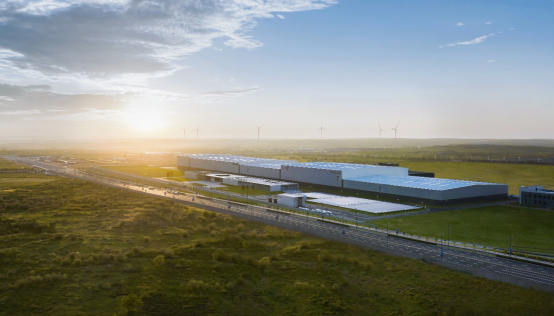
Core Insights - The release of the first batch of 52 national-level zero-carbon parks marks a significant step in China's transition towards zero-carbon development, moving from isolated explorations to systematic promotion at the park level [1][2] - Envision Technology Group's zero-carbon industrial park model has received national-level validation, indicating a shift from a single "global showcase" to a scalable implementation across diverse industrial and regional contexts in China [1][2] Group 1: National-Level Zero-Carbon Parks - The first batch of 52 national-level zero-carbon parks includes several projects where Envision Technology Group has played a significant role, such as in Inner Mongolia, Hebei, Jiangsu, Heilongjiang, and Liaoning [1][2] - The parks cover various climate zones and industrial bases, collectively representing a milestone in China's zero-carbon transition [1][2] Group 2: Specific Park Initiatives - Inner Mongolia Ordos: The world's first zero-carbon industrial park, featuring a complete "wind-solar-hydrogen-storage-vehicle" industrial chain, achieving 100% zero-carbon energy supply [2][4] - Hebei Cangdong: The first phase of a 10GWh battery factory has been launched, becoming the largest lithium battery production base in the Beijing-Tianjin-Hebei region, with 100% green electricity supply [4][6] - Jiangsu Yancheng: Focused on green hydrogen and green methanol, aiming to establish a national-level green hydrogen and methanol demonstration base [6] - Heilongjiang Anda: Provides feasible pathways for the challenging zero-carbon transition in the fine chemical cluster, leveraging economies of scale to reduce carbon reduction costs [6] - Liaoning Shenyang: As a national-level Sino-German cooperation platform, it introduces Envision's zero-carbon model to provide certified green electricity for high-end manufacturing companies like BMW, aiding in the creation of a zero-carbon supply chain [6] Group 3: Strategic Alignment and Future Outlook - The systematic layout of zero-carbon parks aligns with China's strategic blueprint to accelerate the construction of a new energy system and aims to establish around 100 national-level zero-carbon parks [6] - Zero-carbon initiatives are transitioning from being a frontier exploration by leading companies to becoming standard configurations and core competencies for regional industrial upgrades [6]
段嘉俊入选2025福布斯海归菁英榜单 10年深耕AI能源赋能中车高端制造
Zhong Guo Neng Yuan Wang· 2025-12-26 07:15
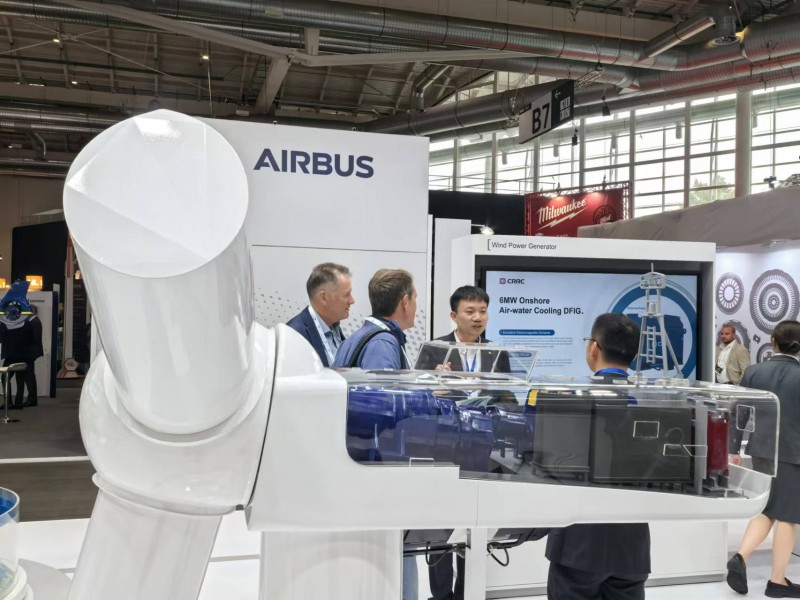
Core Insights - The article highlights the recognition of Duan Jiajun, an expert in intelligent power supply at CRRC Qingdao Sifang, who was selected for the 2025 Forbes China Returnee Elite Top 100 list, showcasing his contributions to AI and energy technology in China's high-end manufacturing sector [1][12]. Group 1: Academic and Professional Background - Duan Jiajun graduated with honors from Sichuan University and pursued a PhD in Electronic Computer Engineering at Lehigh University, focusing on the intersection of artificial intelligence algorithms and power systems [2]. - His research during his doctoral studies led to the development of an "intelligent energy scheduling algorithm," which gained recognition in top international journals and was widely cited [2]. Group 2: Return to China and Industry Impact - In 2022, Duan made a pivotal decision to return to China, joining CRRC Qingdao Sifang as an intelligent power supply expert, motivated by a desire to contribute to technological advancements in his home country [3]. - He identified and addressed long-standing issues in the smart power system, leading to the development of the "Grid Brain" control platform, the first technology to apply AI in closed-loop control of power systems [5]. Group 3: Innovations and Achievements - The "Grid Brain" platform significantly reduced grid losses and improved power flow control, receiving acclaim as a landmark achievement in the smart power system sector [5]. - Duan's team has successfully implemented the GreenSmith system, enhancing the capacity for clean energy integration across various international microgrid projects, generating over $3 billion in total output value [8]. Group 4: Contributions to Carbon Neutrality and Industry Upgrades - With China's dual carbon goals in focus, Duan expanded his research to low-carbon technologies in rail transit and zero-carbon park construction, developing a comprehensive technical system for energy monitoring and optimization [9][11]. - His efforts in creating integrated solutions for energy management have led to significant cost reductions for manufacturing enterprises, averaging over 15% in operational cost savings [11]. Group 5: Future Aspirations - Duan aims to continue advancing AI and energy technology, focusing on core areas such as intelligent power supply and renewable energy optimization, while fostering innovation and talent development within the industry [12][13]. - He plans to collaborate with universities and enterprises to build research platforms, enhancing the integration of academia and industry to cultivate more innovative talents [12].
传统发电行业从“被动转型”迈向“主动破局”
中国能源报· 2025-12-26 06:57
是中国引领全球能源转型、参与全球气候治理积极行动的典型代表,彰显出中国的大国责 任和担当。 "中国已明确新的NDC目标,要在2 0 3 5年实现全经济范围温室气体净排放量比峰值下降 7%—10%,火电的低碳转型进程与NDC目标的实现节奏密切相关,是新型能源体系建设 中亟需优先突破的关键环节。"自然资源保护协会能源转型项目高级主管黄辉表示。 ▲ 图片由AI制作 火电是推进全社会碳减排的重点领域,传统发电上市公司作为我国火电资产的主要拥有 者,是保障国家安全、促进经济社会全面绿色转型的重要支柱,对电力低碳转型具有示范 作用。 在"双碳"目标引领下,近年来,我国传统发电企业绿色低碳转型步伐进一步加快。 中国 能源报 与 自然资源保护协会 近日联合发布的《中国传统发电上市公司低碳转型绩效评价 2 0 25》(以下简称《报告》)显示,传统发电行业正从"被动转型"向"主动破局"迈进。 同时,火电企业的绿色低碳转型不能"一刀切",需要"一企一策、一厂一策"差异化和有针 对性地制定发展策略。 中国火电企业绿色低碳转型展现大国担当 中国火电企业为经济社会发展提供了可靠能源,助力中国成长为全球第二大经济体。同 时,绿色低碳转型成 ...

国家电投集团发布全球首套超高温热泵储能技术
Xin Lang Cai Jing· 2025-12-26 06:42
Core Insights - The State Power Investment Corporation has officially launched the world's first ultra-high temperature heat pump energy storage technology, named "Shunuo" [1] - Driven by the dual carbon goals, long-duration energy storage has transitioned from an optional choice to a necessity for energy transformation, necessitating innovation and application in long-duration energy storage technologies [1] Group 1 - The "Shunuo" ultra-high temperature heat pump energy storage technology has significant advantages over traditional storage technologies, including high deployment flexibility, not reliant on specific geographical conditions, allowing for rapid deployment in various settings [2] - The technology boasts a stable cycle efficiency of over 65% for large-scale electricity conversion, with no degradation in efficiency under different loads [2] - The energy storage parameters are superior, with heat storage temperatures exceeding 560°C and low temperatures reaching -60°C, achieving an energy density of 80-120 kWh/m³, which is more than ten times the capacity of conventional compressed air storage in the same space [2] Group 2 - The "Shunuo" system has been successfully tested through seven complete charge and discharge cycles, with all core parameters meeting or exceeding design values, demonstrating global leadership in technical indicators [1][2] - The technology is applicable in a wide range of scenarios, enabling high-quality combined heat, electricity, and cold supply, and can be integrated with large-scale renewable energy bases, coal, nuclear power, and high-energy-consuming industries, thereby enhancing the proportion of green electricity and meeting operational flexibility and energy-saving requirements [2]

黄世忠解读气候准则:应对国际贸易绿色变革的主动选择
Xin Lang Cai Jing· 2025-12-26 06:42
Core Viewpoint - The implementation of the Climate Disclosure Guidelines marks a significant step in China's commitment to climate governance, aiming to enhance corporate transparency in carbon emissions and align with international green trade standards [2][19]. Group 1: Climate Guidelines Significance - The Climate Guidelines serve as a rigid institutional support for China's climate commitments, aiming for a 7%-10% reduction in greenhouse gas emissions by 2035 and a non-fossil energy consumption share of over 30% [3][19]. - The guidelines translate abstract national emission commitments into quantifiable corporate actions, ensuring accountability and contributing to the global goal of limiting temperature rise to 1.5°C [4][19]. - The guidelines are designed to help Chinese enterprises navigate the evolving landscape of international green trade regulations, such as the EU's Carbon Border Adjustment Mechanism (CBAM) [4][19]. Group 2: Implementation Framework - The guidelines adopt an international framework for climate-related disclosures, requiring companies to report on governance, strategy, risk management, and metrics [8][12]. - Companies are mandated to disclose their greenhouse gas emissions across three scopes, ensuring comprehensive reporting and accountability [5][12]. - The guidelines emphasize the need for a robust internal control system to ensure the accuracy and reliability of climate-related disclosures [17][19]. Group 3: Impact on Corporate Practices - The implementation of the Climate Guidelines is expected to shift companies from fragmented climate information disclosure to standardized carbon footprint management, enhancing data integrity [6][20]. - Enterprises that proactively comply with the guidelines will gain competitive advantages in ESG ratings, green financing, and market positioning [7][20]. - The guidelines encourage companies to integrate climate goals into their governance structures and business models, fostering a culture of sustainability [6][20]. Group 4: Future Prospects - The Climate Guidelines are anticipated to drive the transformation of high-energy-consuming industries and promote the emergence of green sectors such as renewable energy and carbon management services [20][21]. - The guidelines will contribute to a multi-stakeholder governance model, enhancing the overall climate governance framework in China [21]. - The successful implementation of the guidelines is expected to instill a green low-carbon ethos across society, aligning with the broader goals of ecological civilization and sustainable development [21].
火电A股上市公司ESG群像:低碳转型表现分化,5家纳入强信披
2 1 Shi Ji Jing Ji Bao Dao· 2025-12-26 04:09
Core Viewpoint - The coal power industry in China is undergoing a historic transformation from being a primary energy source to a key support for system regulation, with a focus on achieving higher levels of energy security and advancing green and low-carbon transitions [1] Group 1: Policy and Regulatory Environment - The national energy work conference has set a clear policy blueprint for the transformation of coal power, emphasizing the need for higher energy security and a solid push towards green and low-carbon transitions [1] - By 2026, five coal power listed companies will face their first ESG (Environmental, Social, and Governance) assessment, requiring them to enhance ESG governance and reporting in accordance with the guidelines [1] Group 2: Low-Carbon Transition Performance - A report by the Natural Resources Defense Council evaluated the low-carbon transition performance of 33 coal power listed companies, revealing a significant disparity in transition progress, with non-fossil energy development lagging behind the national average [2] - The profitability of coal power companies has rebounded due to falling coal prices and supportive policies, but reliance on short-term coal price declines for profit is unsustainable [3] Group 3: Challenges in Transition - Coal power companies face multiple pressures, including supply responsibilities, operational efficiency, and low-carbon transition, necessitating a shift from a single revenue model to a diversified structure that includes capacity and auxiliary services [3] - The transition is complicated by policy and funding challenges, market competition from renewable energy, and the need for management restructuring to accommodate carbon emission controls [5][6] Group 4: ESG Integration and Financial Implications - Integrating ESG into management is essential for coal power companies, as it is critical for achieving national carbon reduction goals and enhancing corporate value [7] - The global ESG investment fund size has reached $3.7 trillion, indicating that capital markets view ESG performance as a vital dimension for assessing long-term corporate value [8] Group 5: Future Trends and Strategies - The traditional power industry is moving from passive to proactive transformation, with five core development trends expected over the next five years, including the need for diversified revenue models and enhanced collaboration between coal and renewable energy [4] - The government has recognized the economic value of coal power in providing flexible and baseline power, and policies are being developed to support the transition and investment returns for coal power [9]