
绿色金融

Search documents
金融业如何抢占绿色新赛道?
Jin Rong Shi Bao· 2025-12-08 05:22
Group 1 - The core issue is how China can leverage financial tools to promote the green transformation of the energy resources sector to achieve its "dual carbon" goals during the critical period of the 14th Five-Year Plan [1][4] - The global energy landscape is undergoing significant restructuring, with the green energy revolution presenting opportunities for China to seize technological and industrial leadership [2] - The "dual carbon" target is expected to generate a massive investment demand ranging from 138 trillion to 500 trillion yuan, indicating vast opportunities for the financial sector to support green projects [2] Group 2 - The National Energy Administration's "2025 Energy Work Guidance" outlines 21 key tasks, providing clear investment guidance for financial institutions to enhance energy security and promote green low-carbon transformation [2] - Challenges persist, including a reliance on fossil fuels and the need for precise financial support to avoid abrupt withdrawal of investments that could disrupt energy supply [2] - There is a pressing need for long-term capital investment in key low-carbon technologies, such as Carbon Capture, Utilization, and Storage (CCUS), to support research and demonstration projects [2] Group 3 - Financial support for the industry transition should focus on precision, innovation, and risk management, with banks encouraged to track international developments in green finance and enhance their professional capabilities [3] - Commercial banks should expand green financing, innovate financial products like green funds and transition bonds, and promote digital transformation in green finance using technologies like IoT and AI [3] - Establishing a robust climate risk identification and management system is essential, including conducting climate risk stress tests to mitigate potential unforeseen events [3] Group 4 - Achieving the "dual carbon" goals in the energy resources sector is a systematic project requiring collaboration among policies, technology, and finance [4] - Financial institutions should seize opportunities for green transformation, improve service systems, and innovate financial tools to support the development of a green, low-carbon, and circular economy [4] - The support from China's financial system will be a crucial driving force for the green transformation of the energy resources sector amid accelerating global climate governance [4]
三大行业率先破题!广州首份转型金融标准指南出炉
Nan Fang Du Shi Bao· 2025-12-08 04:35
2025年12月5日,《广州市转型金融实施指南》团体标准(下称《实施指南》)正式发布实施。《实施 指南》选取化学原料和化学制品制造业、医药制造业、橡胶和塑料制品业三个行业编制转型金融支持项 目目录,是广州市首个转型金融标准。 据介绍,《实施指南》是全国首创的突破性成果,不仅填补了我国高碳行业转型融资的标准空白,更为 大湾区乃至全国提供具有地方特色的行业产业转型金融实践样本,持续助力我国绿色金融高质量发展。 当前,化工产业积极实施节能改造、清洁能源替代和循环经济项目,但仍普遍面临技术改造成本高、融 资渠道有限、减排压力大等挑战。与此同时,金融机构开展转型金融业务面临着经济活动"低碳转型"属 性难以甄别、企业编制转型方案能力不足、转型金融业务缺乏统一规范等多重挑战,导致金融资源难以 精准触达低碳转型需求。 针对这些痛点,《实施指南》不但明确了转型金融支持主体/项目的认定条件,制定转型项目支持目 录,同时进一步提出了实施重点、信息披露要求等,为以化工产业为代表的广州市重点行业低碳发展提 供清晰的技术路径和融资指引,破解转型项目识别难、企业填报转型方案难,以及转型金融业务不规范 等问题。 据了解,《实施指南》的参编单 ...


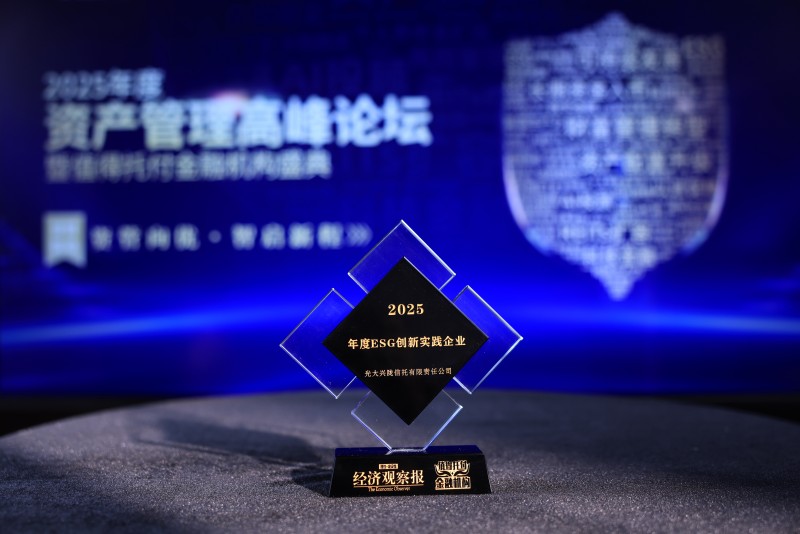
光大兴陇信托荣膺“年度ESG创新实践企业”,引领绿色金融新风尚
Sou Hu Wang· 2025-12-08 04:32
光大兴陇信托有限责任公司(以下简称光大兴陇信托)凭借其在绿色金融领域的卓越贡献,荣获"值得托 付金融机构·年度ESG创新实践企业"标杆案例,为行业高质量发展提供了可借鉴的实践样本。 绿色领航,业务规模稳健增长 11月26日,由《经济观察报》主办的"第十一届资产管理高峰论坛暨值得托付金融机构盛典"在京举行。 本次盛典以"资管向优·智启新程"为核心主题,汇聚金融监管代表、行业领军人物、学术领袖及资深专 家,共话全球大资管市场趋势与高质量发展路径。 2025年作为"十四五"规划收官与"十五五"规划谋篇的关键节点,中国资产管理行业正式迈入高质量发展 新起点。在全球气候变化和资源环境压力日益加剧的背景下,绿色发展理念深入人心,绿色金融成为连 接环境保护与经济增长的重要桥梁。光大兴陇信托紧跟时代潮流,积极响应国家"碳中和"目标,充分发 挥信托功能优势与自身资源特色,在绿色金融领域持续发力。 据《光大兴陇信托有限责任公司2024年度社会责任报告》,截至2024年末,公司存续实体经济信托业务 规模约4765.77亿元,占总受托规模约 71.21%。 截至2024年末,光大兴陇信托绿色金融存续规模约35.26亿元,投资行业分布 ...
转型金融支持资源枯竭型城市高质量发展探析 以吉林省白山市为例
Jin Rong Shi Bao· 2025-12-08 03:35
党的二十大报告指出,推动经济社会发展绿色化、低碳化是实现高质量发展的关键环节。白山市作为吉 林典型资源型城市,依托"一山两江"加快培育绿色产业和战略性新兴产业,2025年上半年,农林牧渔业 总产值增长4.8%、林业产值增长20%,资源型产业升级见效,但经济总量仍居全省末位,"资源富集但 效益转化不足"矛盾突出,面临资源枯竭与环境约束压力。在此背景下,转型金融与绿色金融成为重要 工具。2023年《关于推动转型金融规范发展的指导意见》明确,转型金融支持高碳行业低碳转型、传统 产业升级,与绿色金融互补。对白山市而言,绿色金融守护长白山(603099)生态,转型金融激活特色 产业高附加值潜力。本文以白山市为实证,剖析转型金融支持资源型城市高质量发展的逻辑与梗阻,围 绕"理论辨析—机制解构—问题梳理—路径设计"展开,提供兼具理论性与操作性的参考。 转型金融与绿色金融的联系与区别分析 (一)转型金融与绿色金融的内在联系 一是目标协同:共同服务"双碳目标+经济转型"双任务。二者均以"低碳发展"为核心,且目标均指向两 大核心任务:实现碳达峰碳中和;推动资源依赖型经济向绿色创新型经济转型。二是工具协同:形 成"全产业覆盖"的金 ...
以创新实践诠释金融温度 中信银行交出高质量发展答卷
Zhong Guo Jing Ji Wang· 2025-12-08 03:24
Core Insights - CITIC Bank has been recognized for its exceptional brand building practices amidst profound changes in the financial industry, focusing on a comprehensive product and service matrix that spans retail, corporate, and financial markets [1] - The bank's brand philosophy of "making wealth warm" is integrated into product innovation, customer service, and social responsibility, establishing a differentiated and sustainable brand competitiveness [1] Brand Activities and Value Communication - CITIC Bank continues to promote its core value of "making wealth warm" through brand activities, exemplified by the successful hosting of the third "Xin·New" brand high-quality development forum [2] - The forum released the "China Residents' Pension Wealth Management Development Report (2025)" to explore the integration of financial product innovation and pension services, aiming to provide insights for the development of pension finance in China [2] - The bank's vice president emphasized the importance of value creation and the pursuit of a differentiated financial brand to contribute to high-quality financial development and modernization in China [2] Brand Engagement and Emotional Connection - CITIC Bank has engaged in various brand activities over the years, including supporting the China Open Tennis Tournament and launching photography competitions, which enhance brand aesthetics and emotional connections with the audience [3] - The systematic layout of brand activities has effectively increased brand awareness and reputation while translating the "finance for the people" concept into tangible service experiences [3] Business Development and Performance - CITIC Bank has implemented a collaborative approach across its three main business segments: retail finance, corporate business, and financial markets, focusing on customer-centric and cross-segment integrated financial services [4] - In retail finance, the bank aims to be a leading wealth management institution, with retail assets under management (AUM) reaching 5.26 trillion yuan, and a year-on-year growth of 13.59% in wealth management income [4] - The corporate business has seen a general corporate loan balance of 2.974 trillion yuan, an increase of 294.61 billion yuan or 10.99% year-on-year, with significant growth in loans to manufacturing and emerging industries [5] Social Responsibility and ESG Integration - CITIC Bank integrates ESG principles into its brand practices, engaging in various charitable activities and support for vulnerable groups, showcasing a responsible corporate image [7] - The bank has initiated educational support programs and medical assistance projects, demonstrating its commitment to social welfare and community support [7] - In rural revitalization, CITIC Bank has focused on directing financial resources to key areas such as agriculture and rural infrastructure, receiving recognition for its efforts in supporting rural development [8] Brand Value and Future Outlook - According to Brand Finance, CITIC Bank's brand value reached 16.95 billion USD, a year-on-year increase of 27.23%, making it the fastest-growing bank brand in mainland China [9] - The bank has achieved an upgrade in its ESG rating from A to AAA, reflecting its commitment to high-quality development and social responsibility [9] - Looking ahead, CITIC Bank aims to maintain strategic focus and continue contributing to the modernization of China's financial landscape while upholding its values of responsibility and warmth [9]

“十五五”期间金融如何支持能源资源行业“双碳”战略
Jin Rong Shi Bao· 2025-12-08 02:43
Core Viewpoint - The realization of the "dual carbon" goals is crucial for global climate governance and is an inherent requirement for China's high-quality development during the 14th Five-Year Plan period. The energy resources industry, as a major contributor to carbon emissions, must undergo a green and low-carbon transformation, necessitating a collaborative effort to establish a systematic and market-oriented financial support system [1][2]. Group 1: Significance of the "Dual Carbon" Strategy for the Energy Resources Industry - Energy security is a strategic issue related to national economic and social development, and transitioning to a clean, low-carbon energy system is essential for reducing dependence on foreign energy and enhancing resilience [2]. - As the largest energy producer and consumer, China’s transition to a new energy system is a necessary choice for achieving high-quality development and ensuring national security [2]. Group 2: Opportunities and Challenges in Achieving "Dual Carbon" Goals Opportunities - The restructuring of the global energy landscape presents a strategic window for development, with historical energy transitions often coinciding with the rise of new superpowers [3]. - China's energy production structure is shifting towards cleaner energy, with the share of coal in primary energy consumption decreasing from 68.5% in 2012 to 56.8% in 2020, while non-fossil energy's share increased from 0.7% to 15.6% during the same period [3]. Challenges - The energy structure still relies heavily on fossil fuels, with coal consumption accounting for 55.3% of primary energy in 2023, despite a 12.1 percentage point decrease over the past decade [4]. - There is insufficient reserve of key low-carbon technologies, particularly in carbon capture, utilization, and storage (CCUS), necessitating increased investment and improved policies [5]. - Rising carbon costs may lead to inflation as companies pass on increased operational costs to consumers [6]. Group 3: Pathways to Achieve "Dual Carbon" Goals - Optimizing land use and resource management is essential, including promoting green mining and enhancing carbon sink functions through ecological restoration [7]. - Establishing a comprehensive marine carbon sink monitoring and evaluation system is critical for maximizing the potential of marine ecosystems in carbon storage [12][13]. - Financial institutions must provide targeted support for green projects and develop a unified natural resource asset trading platform to enhance resource allocation efficiency [14]. Group 4: Role of Financial Institutions in Supporting "Dual Carbon" Goals - Financial institutions should integrate environmental, social, and governance (ESG) principles into their core values and risk management strategies [16]. - There is a need for innovative financial products that link capital with emission reduction projects, such as carbon accounts and carbon pledges [20]. - Strengthening climate risk management capabilities is essential for banks to effectively identify and assess climate-related risks [19].
转型金融支持资源枯竭型城市高质量发展探析
Jin Rong Shi Bao· 2025-12-08 02:43
Core Viewpoint - The report emphasizes that promoting green and low-carbon economic and social development is crucial for achieving high-quality development, particularly in resource-dependent cities like Baishan City, Jilin Province, which faces challenges of resource depletion and environmental constraints [1] Group 1: Transition and Green Finance - Transition finance and green finance are interconnected, both aiming to support the dual goals of carbon neutrality and economic transformation, focusing on low-carbon development [2] - Transition finance targets high-carbon industries that require funding for technological upgrades, while green finance focuses on pure green projects that inherently possess low-carbon attributes [3] - The two types of finance can complement each other, covering the entire industrial chain from pure green projects to high-carbon transition projects [2] Group 2: Mechanisms Supporting Resource-Dependent Cities - Transition finance can fill the funding gap for Baishan City, which is experiencing a decline in traditional resources, by providing targeted financial instruments like special loans and policy tools [5] - The focus of transition finance is on industrial upgrading, helping traditional industries to become low-carbon and efficient while fostering new pillars of the economy [6] - Risk mitigation strategies in transition finance address uncertainties related to technology, market fluctuations, and policy changes, making financing more accessible [7][9] Group 3: Current Challenges in Transition Finance - The policy framework for transition finance is inadequate, with misaligned incentives and a lack of unified standards, leading to limited support for transition projects [10] - Financial products are mismatched with the diverse needs of resource-dependent cities, with a narrow coverage of products and a reliance on traditional bank loans [11] - Market participants, including enterprises and financial institutions, lack the willingness and capability to engage in transition finance, creating a bottleneck in development [12] Group 4: Practical Pathways for Transition Finance Development - Optimizing the policy framework by increasing financial incentives and establishing unified standards for transition finance can enhance its effectiveness [14] - Innovating financial products to better match the needs of resource-dependent cities, including the development of specialized loans and direct financing tools, is essential [15] - Strengthening the capabilities and willingness of market participants through training and support can facilitate greater engagement in transition finance [16] - Improving infrastructure for risk assessment and value realization, including establishing third-party evaluation agencies and enhancing information platforms, is crucial for the success of transition finance [17]
国泰君安期货商品研究晨报:绿色金融与新能源-20251208
Guo Tai Jun An Qi Huo· 2025-12-08 02:11
| 观点与策略 | | --- | 2025年12月08日 国泰君安期货商品研究晨报-绿色金融与新能源 | 镍:结构性过剩转变,博弈矛盾并未改变 | 2 | | --- | --- | | 不锈钢:供需延续双弱运行,成本支撑逻辑增强 | 2 | | 碳酸锂:偏弱震荡,关注尼日利亚停矿事件发酵 | 4 | | 工业硅:关注新疆环保事件发酵 | 6 | | 多晶硅:反内卷核心标的,低买思路为主 | 6 | 国 泰 君 安 期 货 研 究 所 请务必阅读正文之后的免责条款部分 1 | | | 指标名称 | T | T-1 | T-5 | T-10 | T-22 | T-66 | | --- | --- | --- | --- | --- | --- | --- | --- | --- | | | | 沪镍主力(收盘价) | 117,790 | 30 | 710 | 3,740 | -2,240 | -3,060 | | 期 | | 不锈钢主力(收盘价) | 12,500 | 75 | 135 | 210 | -35 | -355 | | 货 | | 沪镍主力(成交量) | 107,217 | 3,895 | 21, ...
中小银行应持续探索特色化 与差异化发展新路径
Jin Rong Shi Bao· 2025-12-08 02:10
Group 1: Core Perspectives - The "14th Five-Year Plan" emphasizes accelerating the construction of a financial powerhouse, with a focus on the effective implementation of key areas such as technology finance and green finance [1][2] - The financial sector's strength is not only measured by its own prosperity but by its ability to efficiently serve critical development areas outlined in the "14th Five-Year Plan," including industrial development, technological innovation, and rural revitalization [2][3] Group 2: Policy Analysis - The "14th Five-Year Plan" provides fundamental guidelines for financial work, including the development of technology finance, green finance, and enhancing the adaptability of capital market systems [2][3] - Financial services must align with the strategic goals of the "14th Five-Year Plan," ensuring that financial resources are effectively injected into key areas of national development [2] Group 3: Industry Practices - Recent efforts in financial management have led to positive outcomes in areas such as credit, bond, and equity market reforms, although challenges remain in the adaptability and sustainability of financial services [3][4] - The current financing structure in China is predominantly indirect, which poses challenges for supporting technological innovation; direct financing needs to be expanded to meet the demands of tech enterprises [3] Group 4: Risk Control Framework - The development of green finance faces challenges in converting social externalities into economic effects, with current measures like carbon markets needing broader application and more flexible policies [4] - Middle-sized banks must enhance their specialized capabilities to meet the complex and diverse needs of clients in technology innovation and green finance [5][6] Group 5: Digital Transformation - Banks are urged to accelerate digital transformation while prioritizing the enhancement of risk management capabilities to effectively address the risks associated with emerging business models [8][9] - A focus on first repayment sources and the development of a risk pricing mechanism based on customer value is essential for improving risk management in new economic sectors [9]
河南“十五五”规划建议:稳步扩大债券发行规模 完善企业上市培育体系
Zheng Quan Shi Bao Wang· 2025-12-07 23:56
人民财讯12月8日电,中共河南省委关于制定河南省国民经济和社会发展第十五个五年规划的建议发 布,其中提到,积极推动现代金融高质量发展。做优做强金融体系,推进地方法人金融机构立足地方、 专注主业、完善治理、错位发展,支持在豫金融机构提供多元化服务。用好多层次资本市场,稳步扩大 债券发行规模,完善企业上市培育体系,提升中原股权交易中心功能作用,积极推进资金入豫,引育长 期资本、耐心资本。大力发展科技、绿色、普惠、养老、数字金融,健全同科技创新相适应的"政银担 保投"联动机制,发展绿色金融市场和碳市场,健全针对民营、小微和涉农主体的普惠金融服务机制, 加大对健康产业、养老产业等的金融支持,加强金融机构数字化转型和数字经济金融服务。健全地方金 融监管体系。完善并购、破产、置换、资产证券化等政策。 ...