产业升级

Search documents
中美关税大战:最大成果不是中国胜了,而是美国再无手段控制中国
Sou Hu Cai Jing· 2026-02-21 06:59
Group 1 - The core point of the article highlights the escalation of tariffs by the Trump administration as a primary policy tool against China, starting with a 10% tariff on all Chinese imports, which later increased to as high as 125% on certain goods [1][3] - The U.S. trade deficit with China decreased to approximately $202 billion in 2025, the lowest level in 21 years, indicating a significant impact of the tariff policies [3][9] - U.S. retailers, including Walmart and Target, expressed concerns over rising costs and potential shortages due to the tariffs, reflecting the domestic pressure on American businesses [3][11] Group 2 - China adopted targeted countermeasures, including export controls on rare earth elements, which affected U.S. defense contractors like Lockheed Martin, demonstrating the strategic importance of these materials [5][7] - Chinese technology firms made significant advancements, with SMIC reporting over $9.3 billion in revenue in 2025, showcasing China's progress in reducing reliance on foreign technology [5][9] - The trade structure shifted, with Chinese exports to the U.S. decreasing and increasing trade with Southeast Asia and Latin America, indicating a diversification of trade partnerships [7][9] Group 3 - The U.S. average import tariff rate rose from 2.6% at the beginning of 2025 to approximately 13% by the end of the year, placing a heavier burden on American businesses and consumers [9][11] - After negotiations, the U.S. reduced tariffs on fentanyl-related products to 10%, while China resumed purchasing certain agricultural products, indicating a temporary easing of tensions [11][15] - The article concludes that traditional U.S. methods of controlling China's development are becoming less effective, as China demonstrates resilience through resource management and diversified trade [13][15]

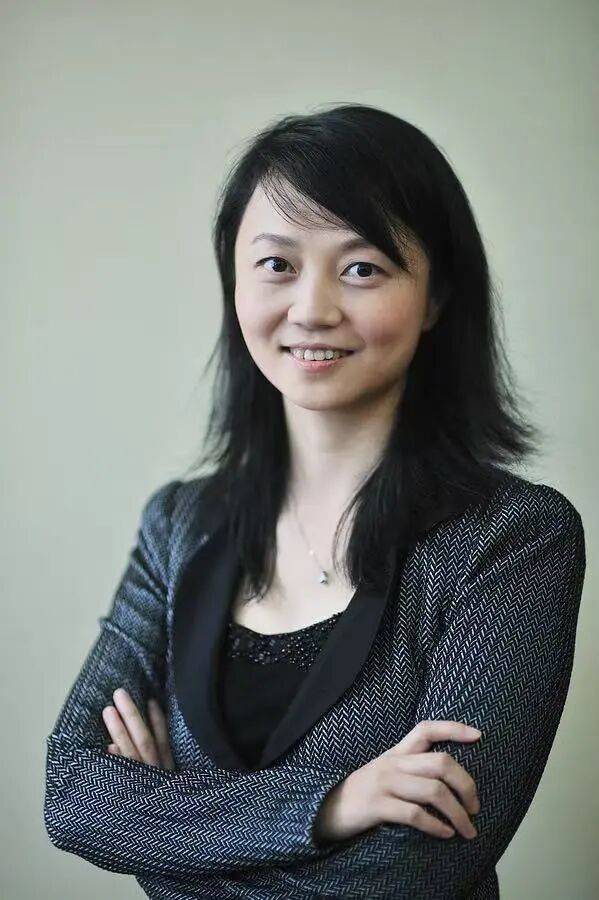
兴证全球基金董事长庄园芳:在投资之路上力争与持有人长期共赢和长久同行
Sou Hu Cai Jing· 2026-02-21 03:22
Core Insights - The public fund industry experienced significant growth in 2025, with the Shanghai Composite Index surpassing 4000 points for the first time in a decade, indicating a rebound in investor confidence and allocation willingness [2] - The industry is positioned at a new starting point in 2026, with ongoing trends of wealth transfer to financial assets and stable long-term capital inflows, emphasizing the role of public funds in connecting resident wealth with the real economy [2] - The implementation of the "Action Plan for Promoting High-Quality Development of Public Funds" is transforming the competitive landscape, focusing on enhancing investor satisfaction and aligning performance benchmarks with investor interests [3] Company Strategy - The company prioritizes the interests of its investors and is committed to asset management responsibilities, aiming to create value for clients [4] - The product strategy includes a diverse range of offerings such as "fixed income +", enhanced index, FOF, and ETF products, designed to meet various risk-return profiles [4] - The company is enhancing its research and investment decision-making processes through systematic upgrades and the development of a new generation of fund managers with strong industry insights and risk management skills [4] Service Commitment - The company aims to provide not only quantifiable investment returns but also to foster a sense of trust and long-term partnership with clients, offering comprehensive asset allocation solutions [5] - Continuous, professional, and sincere communication is emphasized to ensure long-term collaboration and mutual success with investors [5]
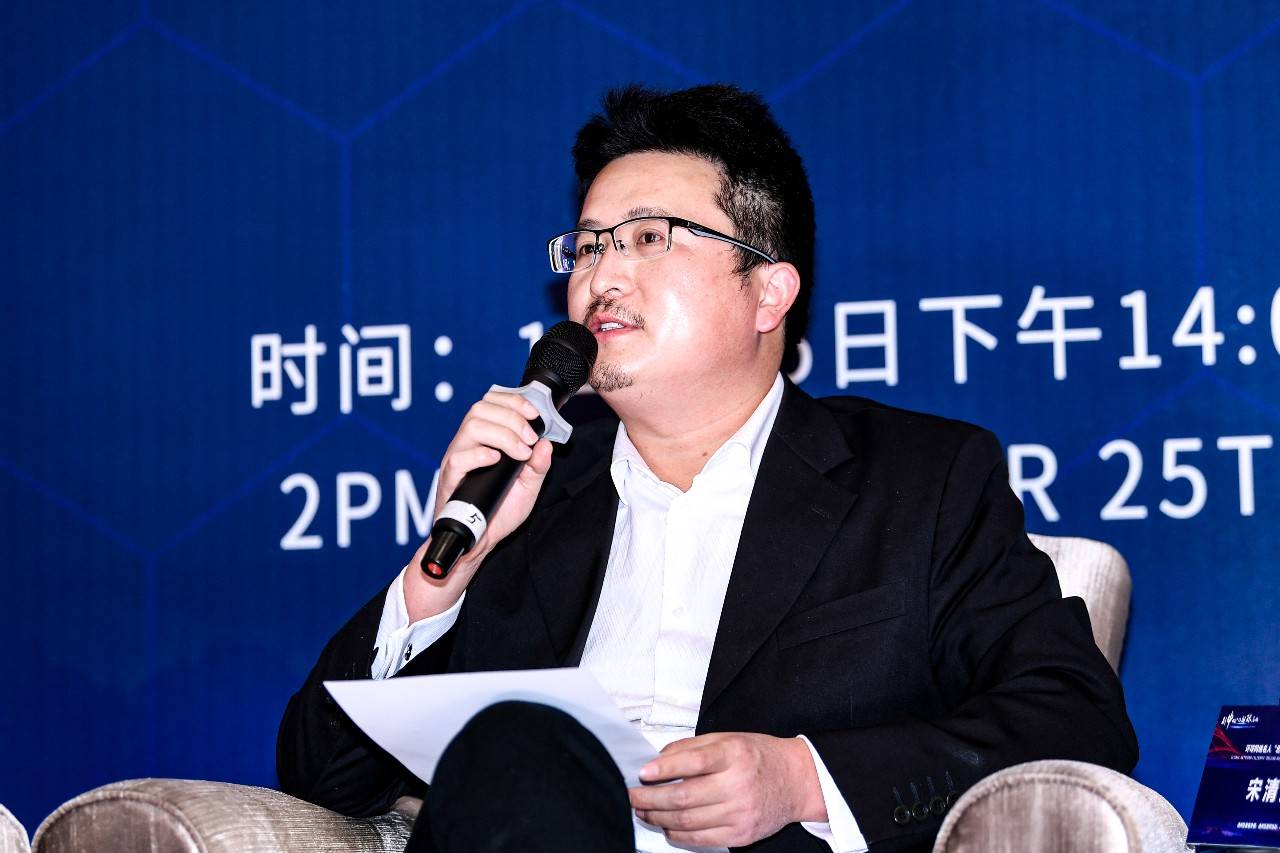
经济学家宋清辉:新央企组建和战略性重组蕴含投资机会
Sou Hu Cai Jing· 2026-02-20 22:31
Core Viewpoint - The restructuring and formation of new central enterprises (央企) is a key focus of current and future reforms, driven by national strategic needs and offering long-term investment opportunities in the A-share market [1][6]. Group 1: Central Enterprises Transformation - By the end of 2025, the total assets of central enterprises are expected to exceed 95 trillion yuan, with R&D investment surpassing 1 trillion yuan for four consecutive years, indicating a significant role in the macro economy [3]. - The State-owned Assets Supervision and Administration Commission (SASAC) has set high-quality development goals for 2026, emphasizing the formation of new central enterprises and strategic restructuring [3]. - The transformation from "scale expansion" to "quality efficiency" and "innovation-driven" models is accelerating, with a focus on new energy systems, high-end manufacturing, digital economy, artificial intelligence, biomedicine, and new materials [3][4]. Group 2: Investment Opportunities - Investment opportunities are concentrated in three main areas: 1. Core industrial chains involved in the formation of new central enterprises, particularly in energy, information communication, equipment manufacturing, and aerospace, which are expected to see increased industry concentration [5]. 2. The "AI + central enterprises" theme, where SASAC encourages the formation of "AI +" industry communities, indicating that AI will be integrated into various core sectors, creating potential for application-driven AI leaders [5]. 3. The cultivation of emerging pillar industries, with SASAC planning to support these sectors through capital, projects, policies, and assessment systems, which may lead to long-term investment value [6]. Group 3: Market Impact - Historical experience shows that each round of strategic restructuring of central enterprises often leads to significant valuation changes for related listed companies, improving profitability and growth logic [4]. - The restructuring process typically involves optimizing governance mechanisms and enhancing capital operation capabilities, which can significantly influence market pricing [4].
中美关税大战: 最大成果不是中国胜了, 而是美国再无手段控制中国
Sou Hu Cai Jing· 2026-02-20 11:56
中美的这场关税大战,是一场没有硝烟的硬仗,双方较量的不只是关税数字,而是国家综合实力。 最终的结果也很清楚,美国失败了,但在尘埃渐落之后,比胜负更重要的问题开始浮现。 2018年是中美关税战的起点,美国先拿钢铁、铝制品开刀,对这类中国商品加征25%的关税。 没过多久,加税范围一步步扩大,从家电、家具、纺织品,到电子产品、机械零件,前后覆盖了数千亿 美元的中国输美商品。 美国,那个曾指挥全球秩序的超级强国,在一次次"出招失败"中,动用了全部手段,却收效甚微。 而中国却稳稳化解了风险,逐步夺回主动。 美国当时打的算盘,普通人都能看明白。 一是盯着中美贸易逆差,觉得中国卖给美国的东西太多,美国卖过来的太少,想靠加税把逆差强行压下 去。 二是眼红中国的产业升级,眼看着中国制造业从低端加工往高端制造走,新能源、光伏、高端装备越做 越强,怕中国动摇美国的产业主导地位,想把中国摁在全球产业链的底端。 三是想借关税施压,让中国在技术转让、贸易规则上妥协,说白了就是要掌控中国的发展方向,不让中 国继续变强。 美国之所以敢这么做,是因为以前这招屡试不爽。 当年对付日本,美国用贸易施压逼日本签下广场协议,日本经济随后陷入长期停滞; ...
春节见闻④ | 从泡菜经济到睫毛之都:胶莱平原谱写的转型答卷
申万宏源研究· 2026-02-20 07:01
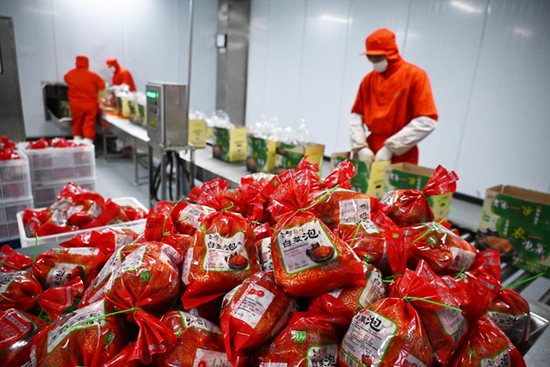
Core Viewpoint - The article highlights the transformation of Pingdu, a city in Shandong Province, from an agricultural base to a hub of industrial innovation, particularly in the sectors of agriculture, chemical manufacturing, and beauty products, showcasing its economic growth and strategic advantages in these industries [3][4][6][9][12]. Agricultural Sector - Pingdu's agricultural foundation is strong, benefiting from fertile soil and a favorable climate, making it a significant producer of high-quality agricultural products, including the nationally recognized Majia River celery and Dazeshan grapes [4]. - The city is a major exporter of kimchi, holding over 60% of the market share in South Korea, with an annual export volume exceeding 200,000 tons [4]. - In 2024, Qingdao's vegetable planting area reached 112,000 hectares, with a total output of 7.039 million tons, highlighting the region's agricultural productivity [4]. Chemical Industry - The Qingdao New River Ecological Chemical Technology Industrial Base is one of the two major chemical parks in Qingdao, distinguished as the only "ecological" chemical park in the country, with a total investment of approximately 53 billion yuan and 84 enterprises established by May 2025 [6]. - The park is strategically located at the intersection of several economic zones, providing access to abundant natural resources, including a brine reserve of about 30 million tons and a nearby salt field of 100,000 acres [6]. - The industrial base has developed three major industry clusters, each valued at over 10 billion yuan, focusing on fine chemicals, bay chemicals, and advanced functional materials [6]. Beauty Industry - The eyelash industry in Pingdu has evolved from small-scale family workshops to a sophisticated manufacturing sector, producing 80% of China's and 70% of the world's eyelash products, with an annual output value exceeding 10 billion yuan [9]. - The industry employs approximately 50,000 to 60,000 people and has integrated advanced technologies such as 3D printing and automation, significantly enhancing production efficiency [9]. - Pingdu's beauty industry is supported by two industrial parks and has established a comprehensive digital ecosystem, contributing to its global market presence [9][12]. Economic Growth - By 2025, Pingdu's GDP is projected to exceed 101 billion yuan, with industrial output surpassing 110 billion yuan, ranking it among the top counties in Shandong Province for economic performance [12]. - The city has successfully integrated traditional agricultural practices with modern industrial advancements, creating a balanced economic landscape that fosters growth and innovation [12].
春节见闻⑦ | 辽宁大连:港产联动启万亿新程,科创赋能绘振兴新篇
申万宏源研究· 2026-02-20 07:01
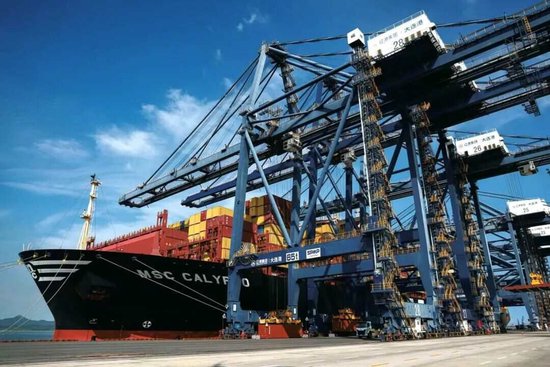
Core Viewpoint - Dalian is positioned as a "trillion-dollar city" with a strong industrial foundation, particularly in traditional industries like petrochemicals and equipment manufacturing, which are crucial for its economic growth [2][4]. Group 1: Port and Logistics - Dalian Port is the largest comprehensive port in Northeast China, with a container throughput exceeding 5.4 million TEUs in 2025, ranking fourth globally [2]. - The port's performance reflects the resilience of Dalian's traditional industries, with a 3.6% year-on-year increase in foreign trade container throughput [2]. - The sea-rail intermodal transport volume reached over 540,000 TEUs, marking a 5.8% increase year-on-year, showcasing Dalian's logistics advantages [2]. Group 2: Traditional Industries - Dalian's traditional industries, particularly petrochemicals and equipment manufacturing, account for over 80% of its manufacturing sector, serving as the economic "ballast" [4]. - The petrochemical industry has established a complete industrial chain from crude oil processing to fine chemicals, with a target to build a 500 billion yuan green petrochemical cluster by 2025 [5]. - The industrial added value of Dalian's petrochemical sector is expected to grow by 8.9% year-on-year, reflecting a shift from "heavy" to "light" and from "quantity" to "quality" [5]. Group 3: Innovation and Research - The Dalian Institute of Chemical Physics is a key driver of innovation, focusing on core technology breakthroughs in energy chemistry and fine chemical materials [6][7]. - The institute has made significant advancements, including the development of high-efficiency iron-based photocatalytic materials and magnesium-based solid-state hydrogen storage materials [7]. - A comprehensive transformation system from basic research to industrialization has been established, addressing the disconnect between laboratory breakthroughs and production lines [10]. Group 4: Future Development - Dalian aims to cultivate seven industrial clusters worth over 100 billion yuan during the 14th Five-Year Plan, with green petrochemicals projected to reach 500 billion yuan [10]. - The city is focusing on the new materials industry, with plans to build a new materials industrial park in the Puwan Economic Zone, targeting key material technology challenges [10]. - Industrial technology renovation investment is expected to grow by 14.5% year-on-year, providing strong momentum for the transformation and upgrading of the materials industry [10].
【申万宏源研究春节见闻】辽宁大连:港产联动启万亿新程,科创赋能绘振兴新篇
Xin Lang Cai Jing· 2026-02-20 05:37
Core Insights - Dalian has become the first "trillion-yuan city" in Northeast China, showcasing its industrial vitality and economic strength during the 2026 Spring Festival [1][13] - The Dalian Port, as the largest comprehensive port in Northeast China, reported a container throughput of over 5.4 million standard containers in 2025, ranking fourth globally, with a year-on-year growth of 3.6% in foreign trade container throughput [1][13] Industry Overview - Dalian has developed traditional industrial clusters centered around petrochemicals and equipment manufacturing, which constitute over 80% of its manufacturing sector [2][15] - The petrochemical industry in Dalian is the largest in Northeast China, with a complete industrial chain from crude oil processing to fine chemicals [3][16] Growth and Transformation - The petrochemical sector is expected to achieve steady growth, aiming to establish a 500 billion yuan green petrochemical industry cluster by 2025, with an industrial added value growth of 8.9% [3][16] - Dalian's industrial transformation is characterized by a shift from "heavy oil" to "light chemicals" and from "quantity" to "quality," supported by the "Three-Year Action Plan for the Cultivation and Enhancement of the Green Petrochemical Cluster" [3][16] Innovation and Research - The Dalian Institute of Chemical Physics is a key driver of innovation, focusing on core technology breakthroughs in energy chemistry and fine chemical materials [5][17] - The institute has established a comprehensive transformation system from basic research to engineering and industrialization, effectively bridging the gap between laboratory breakthroughs and production [5][19] Future Development - Dalian aims to cultivate seven industrial clusters worth over 100 billion yuan during the 14th Five-Year Plan period, including a 500 billion yuan green petrochemical cluster and an 180 billion yuan equipment manufacturing cluster [8][20] - The city is actively developing a new materials industry park in the Puwan Economic Zone, focusing on critical material technology advancements and promoting the cluster's high-end development [8][20]

【申万宏源研究春节见闻】从泡菜经济到睫毛之都:胶莱平原谱写的转型答卷
Xin Lang Cai Jing· 2026-02-20 05:26
Core Insights - The article highlights the transformation of Pingdu, a city in Shandong Province, from an agricultural base to a hub for advanced industries, including food processing and chemical manufacturing, showcasing its economic growth and development potential [1][10]. Agricultural Sector - Pingdu is recognized for its rich agricultural heritage, producing high-quality products such as celery and grapes, with significant contributions to the national food supply [2][11]. - The city is a major exporter of kimchi, holding over 60% of the market share in South Korea, with an annual export volume exceeding 200,000 tons [2][11]. - In 2024, Qingdao's vegetable planting area reached 112,000 hectares, with a total output of 7.039 million tons, highlighting the region's agricultural productivity [2][11]. Chemical Industry - The Qingdao New River Ecological Chemical Technology Industrial Park in Pingdu is a key player in the chemical sector, focusing on ecological practices and innovative technologies [3][12]. - The park has a significant underground brine reserve of approximately 30 million tons and is surrounded by extensive salt fields, providing essential raw materials for chemical production [4][12]. - By May 2025, the park had attracted 84 enterprises with a total investment of around 53 billion yuan, forming three major industrial clusters valued at over 10 billion yuan each [4][15]. Beauty Industry - The eyelash industry in Pingdu has evolved from small-scale workshops to a sophisticated manufacturing sector, producing 80% of China's and 70% of the world's eyelash products, with an annual output value of 10 billion yuan [6][17]. - The industry employs approximately 50,000 to 60,000 people and has integrated advanced technologies such as 3D printing and automation to enhance production efficiency [6][17]. - Each year, around 20 billion pairs of beauty eyelashes are exported globally, establishing Pingdu as a significant player in the beauty market [6][17]. Economic Growth - In 2025, Pingdu's GDP surpassed 101 billion yuan, ranking it seventh among Shandong's counties and cities with a GDP over 100 billion yuan [8][19]. - The city has successfully integrated its agricultural, chemical, and beauty industries, creating a robust economic ecosystem that supports sustainable growth [8][19].
人民币最大的敌人,是中国人自己?
Sou Hu Cai Jing· 2026-02-20 04:02
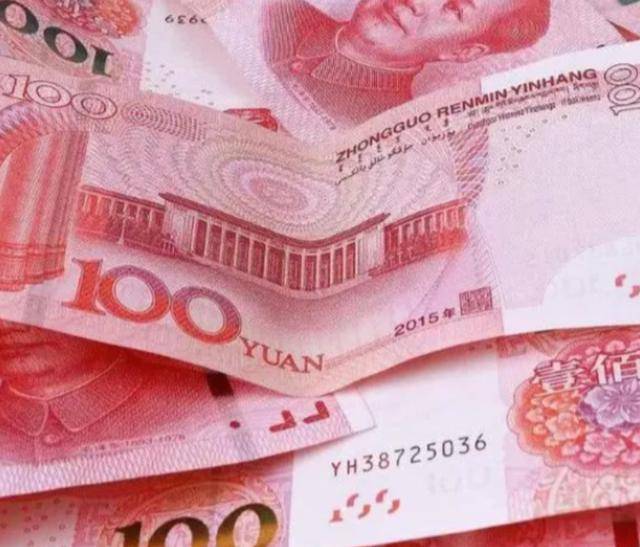
Group 1 - The core argument presented is that the biggest enemy of the Chinese currency, the Renminbi, is the Chinese people themselves, reflecting a sense of disappointment and urgency in addressing internal issues [1] - The article highlights the dominance of Chinese leaders in the global semiconductor industry, indicating a significant presence of Chinese talent in key positions among the top chip manufacturers [3] - Despite advancements in AI and military technology, the purchasing power of the Renminbi and the international credibility of Chinese assets remain undervalued in the market [7] Group 2 - A notable phenomenon is the outflow of capital and confidence from Chinese elites, who prefer to invest in what they perceive as safer havens globally, contributing to the strength of the US dollar [9] - The first underlying issue is the risk of stagnation in social mobility, where elite individuals may seek to protect their status, leading to a brain drain as talented individuals leave for better opportunities abroad [11] - The second issue relates to the deep-seated concerns over property rights, where past experiences of non-market factors damaging property security lead to a lack of trust in domestic investments [13] Group 3 - Each decision by Chinese elites to allocate assets overseas exacerbates the local capital formation deficit and inflationary pressures, highlighting the need for systemic reforms to restore market confidence and institutional credibility [15] - The article emphasizes that the strongest support for the Renminbi should come from the confidence of the Chinese people in their own country, suggesting that regaining and solidifying this confidence is crucial for the currency's global standing [17]
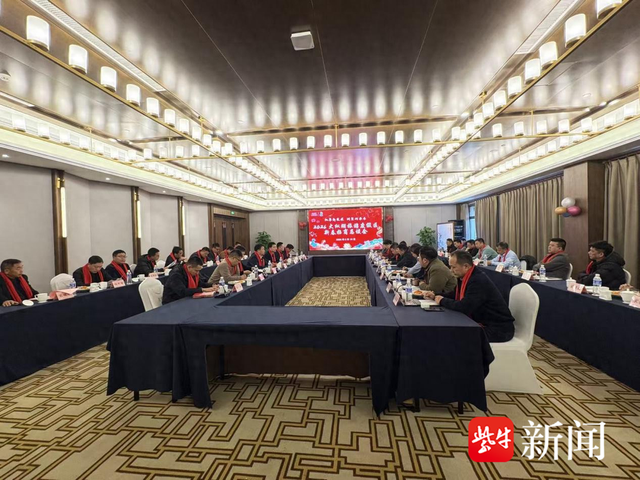
凝聚桑梓力量 共绘发展新篇章 l 盐城大纵湖旅游度假区成功召开新春招商恳谈会
Xin Lang Cai Jing· 2026-02-19 08:41
转自:扬子晚报 2 月 19 日上午,盐城大纵湖旅游度假区 2026 新春招商恳谈会顺利举行。大纵湖旅游度假区管理办公室 班子成员、各村(居)及部门负责人,返乡乡贤、本地企业家代表等齐聚一堂,共叙乡情友谊、共商发 展大计、共绘美好蓝图。 本次恳谈会以 "纵享新发展 湖聚向未来"为主题,借助春节乡贤返乡的有利时机,搭建起政企沟通、乡 贤联谊的高效平台。会上,与会人员共同观看了盐都区宣传片;度假区党工委书记、管理办公室主任蒋 国兴详细介绍了度假区发展情况,从经济运行、文旅产业、招商引资、乡村面貌四个方面,全面亮出 2025 年发展 "成绩单",清晰明确 2026 年及 "十五五" 期间的发展目标、招商任务与重点方向。 会议倡议,广大乡贤和企业家争做产业兴乡 "领航员"、建言献策 "智囊团"、推介家乡 "代言人",一如 既往关心支持家乡建设。度假区也将以最优政策、最佳服务、最实举措,为大家返乡创业、投资兴业提 供全方位保障。 座谈交流环节,与会乡贤和企业家代表结合自身行业与发展实际,围绕度假区文旅融合、产业升级、生 态保护、乡村振兴等重点工作,提出了一系列针对性强、含金量高的意见建议。大家纷纷表示,将充分 发挥自身 ...