
能源结构转型

Search documents
申科股份密集推出战略举措 剑指燃气轮机深海风电等领域
Zheng Quan Ri Bao Wang· 2025-12-21 13:47
Core Insights - Shenkai Sliding Bearing Co., Ltd. is intensifying its strategic focus on high-end equipment and R&D capabilities, establishing a new R&D headquarters in Shanghai and subsidiaries for gas turbines and deep-sea wind power [1][4] Strategic Layout - The company is prioritizing deep-sea wind power, gas turbines, and nuclear power as key growth areas, with plans to develop high-reliability thick-walled sliding bearings and customized solutions [2][3] - The establishment of a subsidiary in Shandong aims to enhance manufacturing capabilities for power equipment and specialized ship components, facilitating close supply and customized services for key clients [3] R&D Enhancement - The new R&D headquarters in Shanghai will focus on advanced materials, smart bearings, gas turbines, nuclear power equipment, and deep-sea wind power, with an investment capped at 50 million yuan [4] - The company plans to increase R&D investment to over 6% by 2026 and 8% by 2028, aiming to improve overall R&D, design, and process capabilities [4] Industry Positioning - As the first listed company in thick-walled sliding bearings in China, Shenkai has a diversified business structure, covering 55%-65% of components in power generation equipment and 12%-25% of its value [5] - The power equipment sector is in a long-term expansion phase, driven by industrial electrification and other technological demands, presenting significant investment opportunities for the company [5]

被低估的能源新黄金,正悄悄重写全球估值逻辑
格隆汇APP· 2025-12-20 08:38
以下文章来源于格隆汇交易学苑 ,作者格隆汇小编 格隆汇交易学苑 . 以基本面为基础,专注于趋势交易 碳酸锂:被周期情绪压制、却正在重塑成本曲线的基础资源资产 在多数投资者的认知中,碳酸锂仍被视为一个 "强周期品种":涨时暴利、跌时崩塌,最终难逃供需博弈的宿命。但回顾资源品投资史可以发 现,真正决定长期价值的,从来不是价格波动本身,而是其在产业链中的"不可替代性"是否发生变化。 碳酸锂,正处在这样一个被情绪极度低估、却正在发生结构性转变的阶段。 过去几年,新能源投资的主线集中在 "需求爆发"上:电动车销量高增长、储能装机放量、锂价快速上行,这一逻辑在上行周期中成立。但随着 产能集中释放、价格大幅回落,市场情绪迅速反转,碳酸锂重新被贴上"过剩""周期底部"的标签。 问题在于,当价格完成出清之后,碳酸锂在产业中的角色,是否已经发生了变化? 从产业周期看,碳酸锂正处在长期资金更友好的位置 判断一个资源品是否具备长期配置价值,关键不在于短期供需错配,而在于其所处的产业阶段。当前碳酸锂最突出的特征是: 需求的长期确定 性已被验证,而供给的有效约束正在显现。 在需求端,电动车并非 "可选升级",而是全球能源结构转型的必然路 ...


【特写】变压器告急,中国工厂给全球电网“打补丁”
Xin Lang Cai Jing· 2025-12-19 06:20
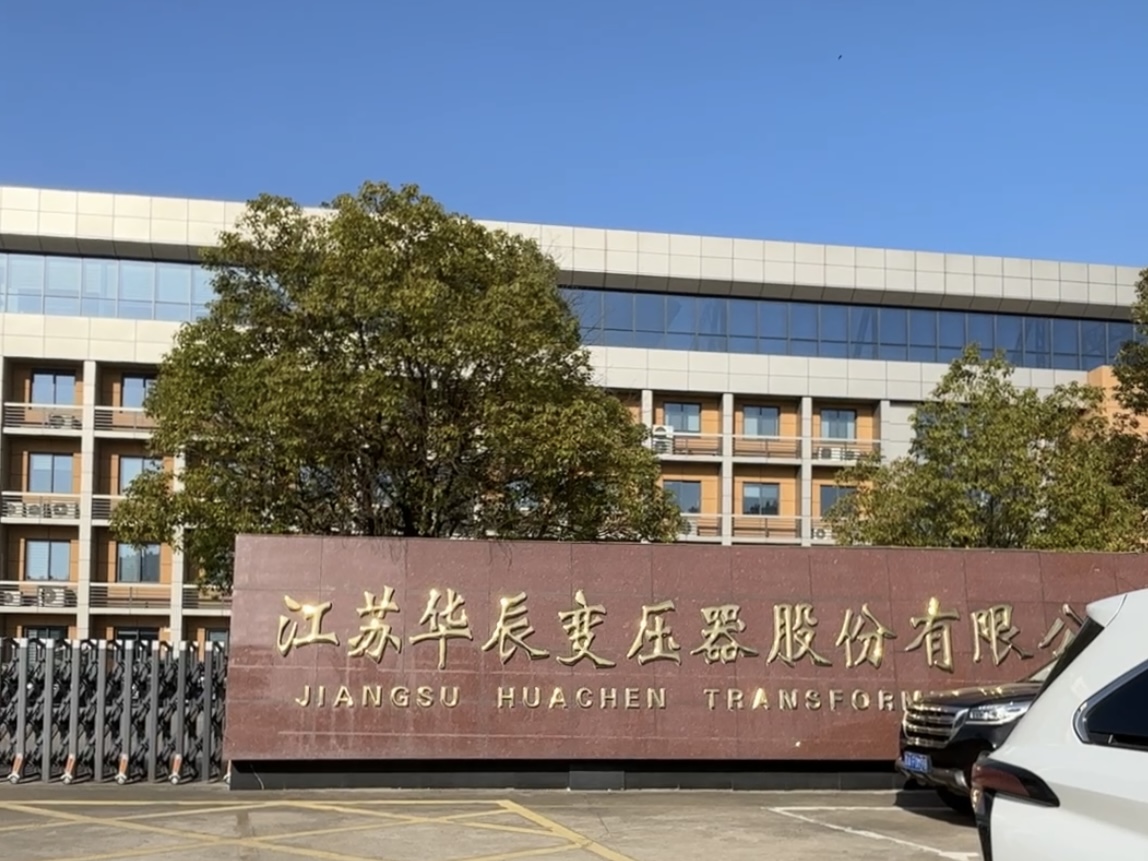
Core Viewpoint - Jiangsu Huachen is optimistic about overseas sales and aims to establish overseas factories to meet growing demand, with significant order backlogs indicating strong market potential [1][13]. Company Overview - Jiangsu Huachen, founded in 2007 and headquartered in Xuzhou, China, specializes in transformers and employs 1,500 staff across three manufacturing sites [3]. - The company reported revenues of 1.44 billion yuan in the first three quarters of this year, nearing last year's total of 1.58 billion yuan, with current orders exceeding last year's total revenue at approximately 1.73 billion yuan [1]. Industry Context - The global transformer supply is critically short, with estimates indicating shortages will persist until at least the end of 2026, driven by increasing demand from data centers and aging electrical infrastructure in developed countries [5][22]. - China produces over 60% of the world's transformers and is projected to be the largest exporter in 2024, with significant growth in exports to Southeast Asia, Europe, and the Middle East [4][15]. Market Dynamics - The demand for transformers is being fueled by the rapid growth of data centers and the transition to renewable energy sources, with projections indicating that wind and solar will account for 90% of the increase in global electricity demand by 2025 [18]. - The U.S. and European markets are facing a critical need for modernization of aging electrical grids, creating substantial opportunities for transformer manufacturers [19][20]. Competitive Landscape - Jiangsu Huachen's competitive edge lies in its comprehensive supply chain and strong industry integration capabilities, allowing for cost and efficiency advantages over European counterparts [6][7]. - The company plans to establish joint ventures with overseas manufacturers to enhance local assembly capabilities and market penetration [26]. Expansion Plans - Jiangsu Huachen has initiated a production capacity expansion, doubling its output with the recent launch of a new manufacturing base [13]. - The company aims to establish at least three branches or localized teams in Europe by the end of 2027, using Spain and Romania as strategic hubs for market outreach [28]. Challenges and Opportunities - The transformer industry faces challenges in scaling production due to labor-intensive manufacturing processes and the need for skilled technicians, which can take years to develop [23][24]. - Despite the competitive landscape, the surge in overseas demand presents significant growth opportunities for leading manufacturers, while smaller firms may struggle to capitalize on these trends due to resource constraints [29][34].

全球储能市场需求旺盛 明年有望保持高景气
Zheng Quan Ri Bao Wang· 2025-12-18 12:37
Group 1 - The global energy storage market is expected to experience explosive growth in 2025, with China's lithium battery shipments projected to reach 165 GWh in Q3, a 65% year-on-year increase, and an estimated total annual shipment of 580 GWh, reflecting a growth rate exceeding 75% [1] - The demand for energy storage is driven by the accelerated transition of the global energy structure, supported by policies from multiple countries, technological advancements, and cost optimizations [1] - The market structure is evolving from localized markets in China, the US, the UK, and Australia to a more global presence, with significant increases in bidding and installation volumes across various regions [1] Group 2 - Domestic energy storage companies are leveraging global competitive advantages, focusing on technological innovation, capacity expansion, and market development to seize growth opportunities [2] - Leading companies like Sungrow Power Supply Co., Ltd. are investing heavily in R&D, with expenditures reaching 3.14 billion yuan in the first three quarters, a year-on-year increase of 760 million yuan, and are continuously iterating their product offerings [2] - Companies are actively expanding production capacity to meet rising market demand, with Shenzhen Kelu Electronics planning a new production base in Indonesia with an initial capacity of 3 GWh, set to commence operations in 2026 [2]

数看产业园|北京“能源谷”:2500亿元产业收入背后的创新之源
Bei Jing Shang Bao· 2025-12-17 03:11
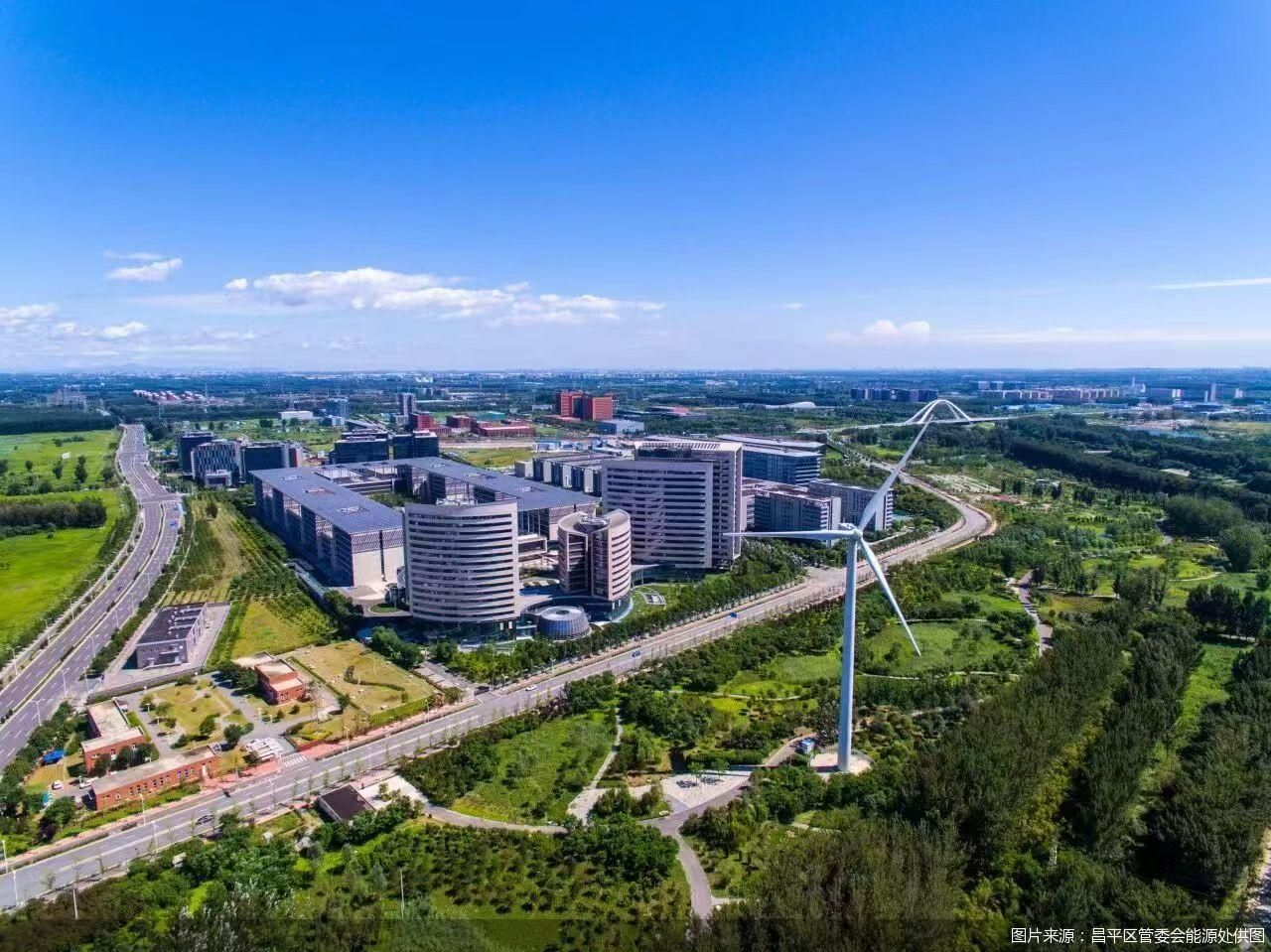
Core Viewpoint - The "Energy Valley" in Beijing's Changping Future Science City is emerging as a significant hub for energy innovation, housing over 300 energy companies and generating annual industrial revenue exceeding 250 billion yuan, showcasing a high-quality development path in the context of energy structure transformation [1][10]. Group 1: Energy Internet Layout - The "Energy Valley" features a centralized management system for renewable energy plants, providing real-time data on operations across the country, which enhances resource optimization through big data, AI, and IoT technologies [3][4]. - The digital transformation of energy and power companies is urgent, but challenges such as technical capabilities and funding shortages hinder progress; however, the nationalized computing power foundation and AI engineering services can facilitate this transition [3][4]. Group 2: Technological Breakthroughs - The National Energy Group's New Energy Technology Research Institute has achieved significant technological innovations in six key areas, with 11 major achievements recognized by national authorities [5]. - The CCUS technology demonstration project has improved carbon capture rates from 85% to 90.2%, significantly reducing energy consumption for carbon capture [5][6]. - The largest molten salt thermal storage demonstration project in Suzhou has resolved key technical challenges, increasing annual revenue for the power plant by over 40 million yuan [6]. Group 3: Smart Operations and Industry Upgrades - The "Energy Valley" is addressing challenges in the advanced energy industry by enhancing collaboration across the supply chain and focusing on joint projects in emerging fields like hydrogen energy and new storage technologies [8]. - The newly opened Future Star Energy Valley Intelligent Manufacturing Industrial Park aims to attract high-growth companies and improve the collaborative capabilities of the industry chain [8]. - The establishment of numerous national and provincial key laboratories has fostered a collaborative innovation ecosystem, significantly shortening the time from laboratory samples to production line products [9].
2030年我国天然气产量将达3000亿方
Zhong Guo Hua Gong Bao· 2025-12-16 02:30
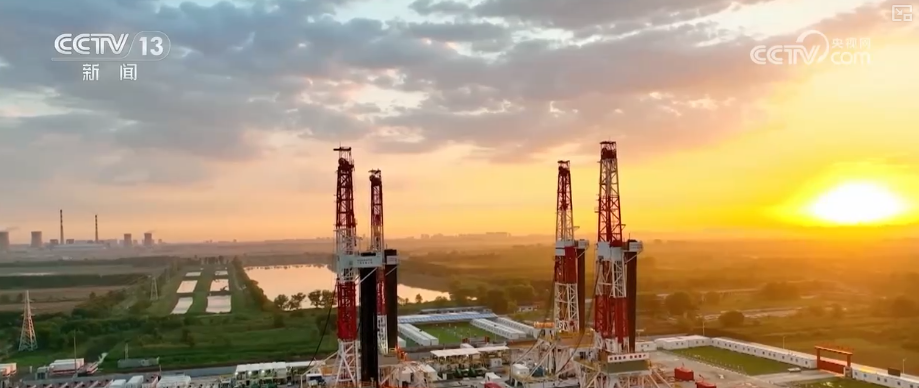
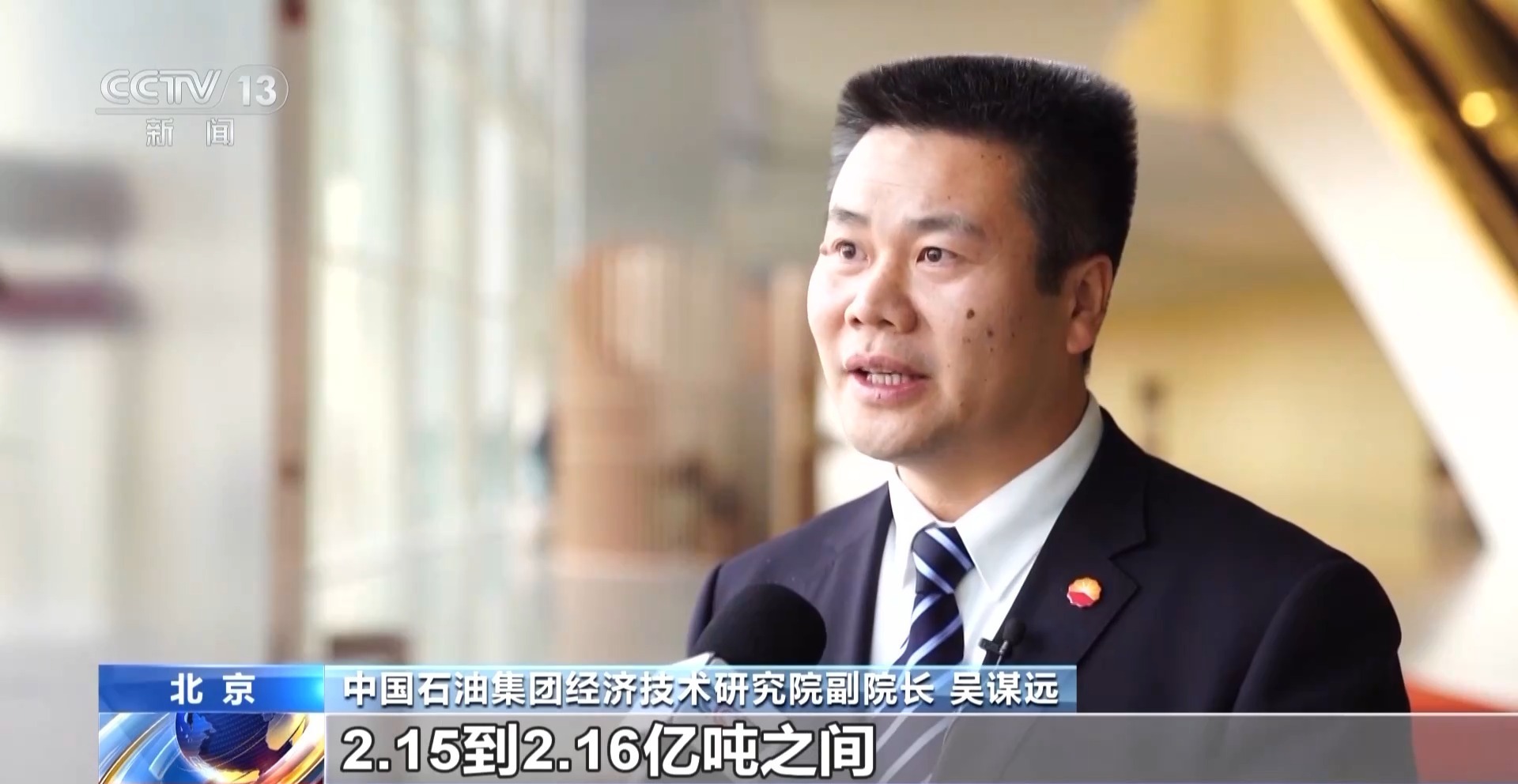
中化新网讯《中国油气行业"十四五"发展成就报告》日前在北京发布。报告显示,中国正加速迈向现代 油气产业发展新阶段,能源结构日趋多元均衡,2030年我国天然气产量将达到3000亿立方米。 报告显示,"十四五"期间,我国累计新增探明地质储量石油70亿吨、天然气7万亿立方米,分别较"十三 五"增长约43%、40%,油气产量创历史新高。 中国石油集团经济技术研究院副院长吴谋远介绍,石油产量预计在2025年有可能达到2.15亿~2.16亿 吨。天然气"十四五"期间实现了大发展,每年天然气国内产量新增接近130亿立方米。在"十五五"期 间,预计每年保持100亿立方米新增量,2030年左右增长到3000亿立方米。 报告预计,未来10年我国能源结构将呈现"煤减、油气稳、非化石升"的特征。到2060年,我国化石能 源、水电核电、风电、光电占比分别为23%、19%、25%、30%。 吴谋远表示,未来5年,化石能源与可再生能源融合发展,实现能源体系的健康、稳定、高韧性。清洁 能源将继续保持快速增长态势。可再生能源90%以上需要通过电力的方式进行消纳,未来整个终端用能 的电气化也是很重要的转型大方向。 随着人工智能与新型高载能行业的 ...
现代油气产业发展“加速跑” 煤减、油气稳、非化石升 我国能源结构多元均衡
Yang Shi Wang· 2025-12-14 05:30
央视网消息:《中国油气行业"十四五"发展成就报告》日前在北京发布。报告显示,中国正加速迈向现代油气产业发展新阶段,能 源结构日趋多元均衡,2030年我国天然气产量将达到3000亿立方米。 吴谋远表示,未来5年,化石能源与可再生能源融合发展,实现整个能源体系的一个健康、稳定、高韧性,整个清洁能源继续保持 快速增长的一个态势。可再生能源90%以上需要通过电力的方式进行消纳,未来整个终端用能的电气化也是一个很重要的转型的一 个大方向。 报告显示,"十四五"期间,我国累计新增探明地质储量石油70亿吨、天然气7万亿立方米,分别较"十三五"增长约43%、40%,油 气产量创历史新高。 中国石油集团经济技术研究院副院长吴谋远介绍,石油产量预计在2025年有可能达到2.15—2.16亿吨之间。天然气整个"十四五"是 一个大发展,每年天然气国内产量新增接近130亿立方米左右。在"十五五"期间,我们预计每年保持100亿立方米新增量,2030年左 右增长到3000亿立方米。 报告预计,未来10年,我国能源结构将呈现"煤减、油气稳、非化石升"的特征。到2060年,我国化石能源、水电核电、风电、光电 占比分别为23%、19%、25%、 ...
视频丨2030年我国天然气产量将达3000亿立方米
Yang Shi Xin Wen· 2025-12-14 00:29
报告预计,未来十年,我国能源结构将呈现"煤减、油气稳、非化石升"的特征。到2060年,我国化石能源、水电核电、风电、光电占比分别为23%、19%、 25%、30%。 中国石油集团经济技术研究院副院长 吴谋远:未来五年,化石能源与可再生能源融合发展,实现整个能源体系的健康、稳定、高韧性,清洁能源继续保持 快速增长态势。可再生能源90%以上需要通过电力的方式进行消纳,未来整个终端用能电气化也是一个很重要的转型大方向。 《中国油气行业"十四五"发展成就报告》显示,中国正加速迈向现代油气产业发展新阶段,能源结构日趋多元均衡,2030年我国天然气产量将达到3000亿立 方米。 报告显示,"十四五"期间我国累计新增探明地质储量石油70亿吨、天然气7万亿立方米,分别较"十三五"增长约43%、40%,油气产量创历史新高。 中国石油集团经济技术研究院副院长吴谋远:石油产量预计在今年有可能达到2.15至2.16亿吨之间,天然气在"十四五"期间是一个大发展,每年天然气的产 量新增130亿立方米左右,在"十五五"期间,预计每年保持100亿立方米以上的新增量,2030年左右增长到3000亿立方米。 随着人工智能与新型高载能行业的快速发 ...
高颜值高质量 “美丽北京”要内外兼修
Bei Jing Wan Bao· 2025-12-13 07:18
Group 1 - The core viewpoint emphasizes the need for Beijing to enhance its ecological environment and achieve breakthroughs in key areas such as energy and industry during the "14th Five-Year Plan" period, aiming for a high-quality, livable city experience for residents and visitors [1] - The construction of a garden city in Beijing is set as a development goal, continuing the evolution of a national forest city and park city, which aims to enhance the harmony between people and nature [2] - The principles of "greening, coloring, and three-dimensionality" are highlighted for creating a large garden in Beijing, focusing on improving forest quality, enriching plant diversity, and promoting vertical greening in urban areas [3] Group 2 - Despite significant improvements in air quality, the collaborative governance of pollution reduction and carbon emission remains a challenging task for Beijing, necessitating further efforts in cross-regional cooperation and structural adjustments in various sectors [4] - The energy structure transformation is crucial, with recommendations to utilize waste heat sources for heating instead of relying heavily on natural gas, which can lead to resource waste [5] - Beijing aims to establish itself as an international benchmark for green economy, leveraging its advanced digital governance, innovative green finance, and strong technical support to drive the development of green technologies and industries [6] Group 3 - Enhancing public awareness of green practices is essential for building a low-carbon, livable environment, with suggestions for integrating green concepts into education and community life [7] - The "Intelligent Human Resources and Social Security" initiative has gathered numerous innovative ideas and suggestions for improving employment and social security systems, contributing to the high-quality development of the capital's human resources sector [8]

全球石油需求达峰时间推迟十年
Xin Lang Cai Jing· 2025-12-11 12:20
智通财经记者 | 田鹤琪 "全球石油需求峰值将提高,达峰时点面临推迟。" 12月11日,中国石油集团经济技术研究院(下称中石油经研院)发布的《2060年世界与中国能源展望》 (下称《2060展望》)指出。 多种因素共同推动石油需求达峰时点推迟。《2060展望》指出,石油需求韧性强于预期,新兴经济体油 品消费持续增长,化工原料、航空燃料等需求保持稳定增长。 从基准情景来看,全球石油需求达峰时点较2024版展望预测推迟十年至2040年,峰值提升5.2%至48亿 吨左右;若各国分歧不断扩大,鸿沟情景下,石油需求达峰时点将进一步推迟至2045年左右,峰值提升 至50亿吨。 《2060展望》设置了三种情景,分别是鸿沟情景、基准情景、链接情景。其中,鸿沟情景是指,主要国 家政治经济合作出现巨大鸿沟,能源产业链供应链被割裂,能源技术国际合作中断等情况。 该报告表示,这主要受经济转型升级、减污降碳治理与电力需求增加等因素驱动。 基准情景下,天然气需求峰值较2024版展望预测提升11%达到5万亿立方米,达峰时点推迟5-8年至2040- 2045年间,峰值较2025年将增加超7000亿立方米。 当天,中石油经研院石油市场研究所所 ...
