
通用人工智能

Search documents
不追DAU的AI公司火了!MiniMax港交所上市,技术路线成关键
Sou Hu Cai Jing· 2026-01-13 10:39
Core Insights - MiniMax officially listed on the Hong Kong Stock Exchange on January 9, 2025, marking a significant milestone for the company and its founder, Yan Junjie, who emphasized the importance of perseverance in technology belief [1] - The company underwent a strategic pivot after the release of competitor DeepSeek-R1, realizing that focusing on Daily Active Users (DAU) was not the right direction for their AI model development [3][5] Company Strategy - Initially, MiniMax aimed to achieve GPT-4 level technology and a tenfold increase in user scale, but shifted focus after recognizing the unique requirements of large models compared to consumer apps [3][5] - The company has consistently pursued a hybrid expert system (MoE) approach, which allows multiple smaller models to work together, proving to be more efficient than a single large model [5][7] - Despite early challenges and failures, the persistence in MoE development led to the release of the M1 model, a significant advancement in linear attention with over 100 billion parameters [5][9] Product Development - MiniMax transitioned from developing 3D digital humans to multi-modal interactions, integrating text, images, and voice, resulting in three core products: Glow for emotional companionship, Xingye for enterprise services, and Hailuo AI for long text processing [9][11] - User feedback indicates strong engagement, with Glow users finding emotional support through AI interactions, while enterprise clients report significant efficiency improvements and cost reductions [9][11] Industry Context - The company operates under constraints of limited computational resources compared to larger firms, necessitating innovative solutions to optimize performance [11][15] - MiniMax's approach to long text processing addresses traditional model limitations, enabling efficient handling of extensive documents, which is particularly beneficial in legal contexts [11][15] Future Outlook - The trend towards multi-modal interaction is expected to grow, with aspirations to make advanced AI capabilities accessible to the general public [17][19] - The balance between technological ambition and practical product deployment is crucial for MiniMax's ongoing success, highlighting the importance of both innovation and market relevance [17][19]

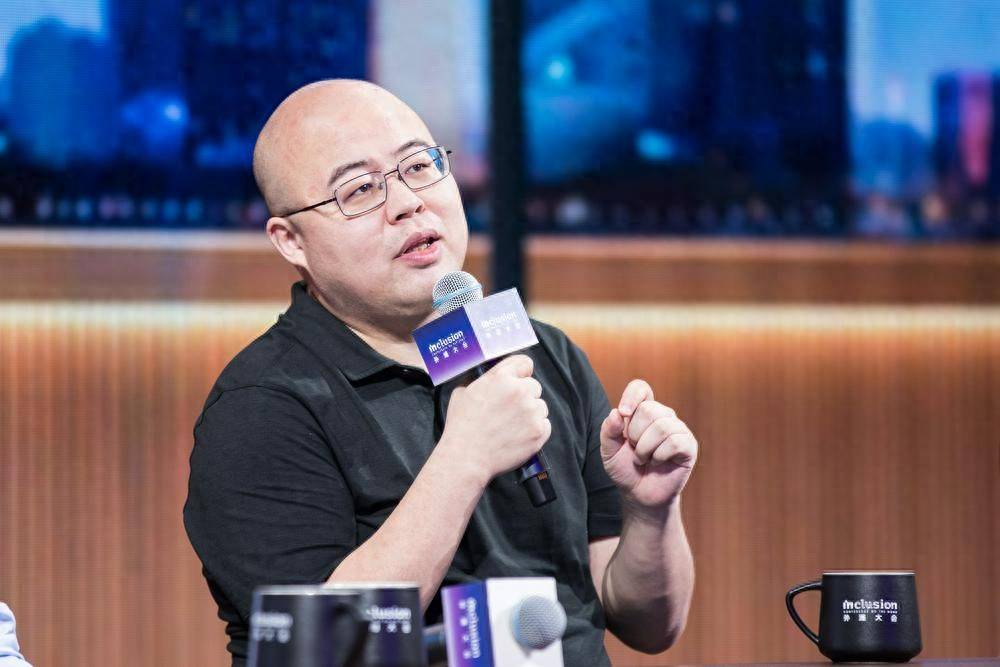
智谱大涨31.40%,与滴滴达成战略合作
Zheng Quan Shi Bao Wang· 2026-01-12 14:33
Group 1 - The core viewpoint of the news is that Zhiyun (02513.HK) has formed a strategic partnership with Didi to explore key technologies in General Artificial Intelligence (AGI) and their applications in the transportation sector [1] - Didi has been increasing its investment in large models and intelligent agents, leading to innovations such as AI travel assistants and business travel assistants [1] - Zhiyun has a strong foundation in large model architecture, training paradigms, and intelligent agent technology, and the partnership aims to enhance the deployment of agents in complex business scenarios [1] Group 2 - Zhiyun was established in 2019 and focuses on developing advanced general large models, launching China's first proprietary pre-trained large model framework, GLM, in 2021 [2] - The company has achieved significant growth in its cloud-based Model as a Service (MaaS) and subscription business, with over 2.9 million users on its API platform [2] - According to Frost & Sullivan, Zhiyun ranks first among independent general large model developers in China and second overall, with a market share of 6.6% as of 2024 [2] Group 3 - Zhiyun's R&D investments from 2022 to 2024 are projected to be 84 million yuan, 529 million yuan, and 2.195 billion yuan, with 1.595 billion yuan allocated for the first half of 2025 [3] - The company has a research team of 657 members, with R&D personnel making up 74% of its workforce [3] - On January 12, Zhiyun's stock surged by 31.40%, closing at 208.4 HKD per share, with a market capitalization of 91.744 billion HKD, reflecting a cumulative increase of 79.35% since its IPO [3]
智谱飙升超45%,市值突破千亿
Ge Long Hui· 2026-01-12 05:54
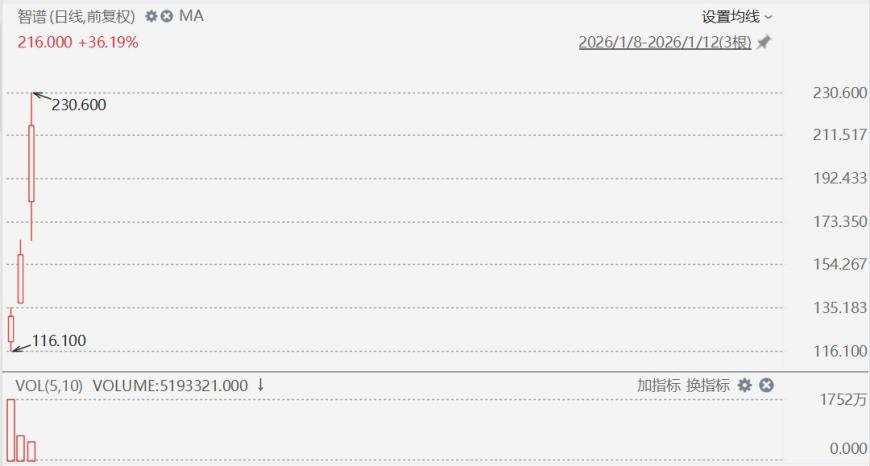
Core Viewpoint - The stock price of Zhipu (2513.HK), known as the "first global large model stock," surged by 45.34% to 230.6 HKD on its third trading day, reaching a market capitalization of 101.4 billion HKD [1] Group 1: Strategic Partnerships - Zhipu has announced a strategic partnership with Didi to explore key technologies in General Artificial Intelligence (AGI) and their applications in the transportation sector [1] - The collaboration aims to advance the implementation of Agent scenarios and talent development in the large model field, enhancing intention alignment and reasoning capabilities in transportation contexts [1] Group 2: Company Achievements - Zhipu is one of the earliest companies in China to engage in large model research, having introduced the GLM pre-training paradigm and released several significant models, including the first hundred-billion model and the first open-source trillion model [1] - The company is recognized for maintaining a comprehensive model system that aligns with global top-tier standards, earning it the title of "China's OpenAI" [1] Group 3: Financial Projections - Zhipu is projected to exceed 100 million USD in revenue by 2025, with local deployment revenue accounting for 85% and cloud revenue increasing from 0% to 15% over the past two years [1] - The cloud revenue share is expected to continue rising this year, driven by high-cost performance coding tools [1]
天津经开区加力培育未来产业
Xin Lang Cai Jing· 2026-01-11 19:16
Core Insights - Tianjin Economic and Technological Development Zone has released the "Future Industry Cultivation and Development Action Plan (2025-2027)" aiming to establish a "4+2+X" future industry layout by 2027, focusing on key technologies, products, applications, talent, and competitive enterprises in future industries [1][2] Group 1: Future Industry Development Strategy - The action plan aims to create a world-class future industry ecosystem, emphasizing "future-oriented advantages" and "industrialization of future technologies" as the two main lines of development [1] - The "4+2+X" future industry development system will focus on four cornerstone tracks: nucleic acid drugs, biomanufacturing, general artificial intelligence, and basic and key materials [1] - The plan also includes two cutting-edge tracks: embodied intelligence and automotive-grade chips, along with several potential tracks such as future healthcare, nano-manufacturing, and software-defined interconnect chips [1] Group 2: Implementation Actions - To achieve the development goals, the Tianjin Economic and Technological Development Zone will focus on a complete innovation ecosystem, implementing ten key actions including technology innovation source actions and future enterprise cultivation actions [2] - The technology innovation source action will concentrate on building high-level innovation platforms, aiming for 1 to 3 key source platforms for each track [2]
顶级专家回应马斯克外科医生“失业论”
Di Yi Cai Jing Zi Xun· 2026-01-11 07:19
Core Viewpoint - Elon Musk predicts that general artificial intelligence (AGI) will arrive by 2026, with robots surpassing human surgical skills within three years and achieving complete superiority over human surgeons in four years [1][3]. Group 1: Impact on the Medical Field - Musk's statements have caused significant concern within the global medical community, suggesting a potential crisis for doctors [3]. - The concept of AGI refers to artificial intelligence systems that possess cognitive abilities comparable to or exceeding those of humans, capable of performing complex tasks and learning autonomously [3]. Group 2: Technological Developments - Neuralink, Musk's brain-machine interface company, is already using robots for "brain insertion" surgeries, with over 10,000 patients reportedly waiting for procedures [4]. - The surgical robots developed by Neuralink have significantly improved efficiency, reducing the time to implant a single electrode from 17 seconds to 1.5 seconds [4][5]. - The ultimate goal for Neuralink's surgical robots is to automate the entire surgical process, allowing procedures to be completed in a time frame suitable for a lunch break [4]. Group 3: Expert Opinions - Experts express skepticism about the feasibility of robots completely replacing human surgeons in the near term, emphasizing the need for human oversight in current robotic surgeries [7][8]. - Many medical professionals believe that while robots can enhance surgical efficiency, the complete autonomy of surgical robots is still a long way off, requiring significant advancements in technology and a shift in medical practice [7][8]. Group 4: Investment Landscape - The surgical robot market has seen a surge in investment, with significant funding rounds and IPOs indicating strong investor interest [9][10]. - The market for surgical robots is currently dominated by a few leading companies, making it challenging for new entrants to gain market share [10]. - The Chinese vascular intervention robot market is projected to grow significantly, with estimates suggesting a market size of 5.824 billion yuan by 2030, reflecting a compound annual growth rate of 90% [12].

特斯拉CEO马斯克在一次长达三小时到访谈中再爆惊人之语
Di Yi Cai Jing· 2026-01-11 04:04
Group 1 - Musk predicts that general artificial intelligence (AGI) will arrive by 2026, and robots will surpass human surgeons in 3 to 4 years [1][3] - The development of humanoid robots like Optimus is expected to significantly impact the medical field, potentially leading to the obsolescence of human surgeons [1][3] - The concept of AGI refers to AI systems that possess cognitive abilities comparable to or exceeding those of humans, capable of learning, reasoning, and adapting [3] Group 2 - Neuralink, Musk's brain-machine interface company, is already using robots for "brain insertion" surgeries, with over 10,000 patients reportedly waiting for procedures [4] - The surgical robots have improved efficiency, reducing the time to implant a single electrode from 17 seconds to 1.5 seconds, with the goal of making surgeries quick enough to be completed during a lunch break [4][5] - The technology involves a complex visual system that integrates multiple microscopes and optical coherence tomography (OCT) for real-time tracking of brain tissue [5] Group 3 - Experts express skepticism about the feasibility of fully autonomous surgical robots within the next five years, emphasizing the need for human oversight in current operations [7][8] - While robots can enhance surgical efficiency, the complete replacement of human surgeons is not anticipated in the short term, as the technology still relies on human intervention [7][8] - The market for surgical robots is currently dominated by a few leading companies, with significant investment activity noted in the sector [9][10] Group 4 - The domestic surgical robot market is experiencing rapid growth, with substantial financing and IPO activities indicating investor confidence [9][10] - The market for vascular interventional surgical robots is projected to reach 5.824 billion RMB by 2030, with a compound annual growth rate of 90% [12] - Recent regulatory developments are expected to establish a pricing framework for surgical robot-assisted treatments, which could accelerate their adoption in clinical settings [11][12]

这一芯片问题,不容忽视!
半导体行业观察· 2026-01-10 03:37
Core Viewpoint - The article discusses the increasing complexity and challenges of end-to-end security in semiconductor manufacturing, particularly with the rise of multi-chip packaging and edge computing, which complicates supply chain tracking and security measures [1][2][3]. Group 1: Challenges in Multi-Chip Packaging - Multi-chip packaging enhances performance but complicates supply chain tracking, as components may come from different manufacturers [1]. - The aging of chipsets under different workloads can introduce unforeseen vulnerabilities, especially with new components developed using advanced nodes like 3nm [1]. - The fragmentation of chip production among various suppliers increases complexity, making it difficult to ensure compatibility and security across the supply chain [2]. Group 2: Security Measures and Standards - There is a need for comprehensive security measures throughout the supply chain, from chip manufacturing to final product deployment, to mitigate risks associated with malicious chips [3][4]. - The introduction of the EU's Cyber Resilience Act (CRA) mandates companies to assess their security vulnerabilities and supply chain risks, pushing for a more standardized approach to security [5]. - Companies are encouraged to embed unique identifiers in chips to enhance traceability and security [4][5]. Group 3: Long-Term Security Considerations - The longevity of products necessitates ongoing assessments of potential security vulnerabilities that may arise over time [9][10]. - The automotive industry exemplifies the need for long-term security planning, as vehicles may have lifespans of up to 40 years, requiring continuous updates and risk assessments [10]. - Quantum computing poses a future threat to existing encryption methods, necessitating proactive measures during the design phase [9][10]. Group 4: Role of Artificial Intelligence - AI can be utilized to identify security vulnerabilities that are difficult for humans to detect, enhancing the overall security of systems [11]. - However, AI systems themselves require strict controls to prevent independent communication that could compromise security [11][12]. - The development of unified standards for AI in security is still in progress, with organizations working towards establishing comprehensive guidelines [12]. Group 5: Conclusion on Security Landscape - Security has transitioned from a secondary consideration to a primary focus across all stages of electronic system development, with companies facing significant penalties for neglecting security [12]. - Achieving true end-to-end security remains uncertain, but the motivation for companies to pursue it has increased alongside the challenges they face [12].
马斯克旗下AI企业,斥资超200亿美元加码算力基建
财联社· 2026-01-09 16:07
Core Viewpoint - The article highlights xAI's ambitious plans to invest over $20 billion in building a data center in South Haven, Mississippi, driven by the increasing demand for computational power due to the generative AI boom [2][4]. Group 1: Investment and Expansion Plans - xAI plans to commence operations at the new data center in February 2026 [3]. - The data center will be located near a recently acquired power plant and close to xAI's existing data center in Memphis, Tennessee [4]. - The company has already established a supercomputer cluster named "Colossus" in Memphis, which is touted as the largest of its kind globally [4]. Group 2: Competitive Landscape - xAI's expansion reflects its ambition to compete more effectively with industry leaders like OpenAI's ChatGPT and Anthropic's Claude by training more advanced models [4]. - The latest version of xAI's flagship chatbot, Grok 4.1, was released in November, with Grok 5 expected in Q1 of the following year, which has a 10% chance of achieving Artificial General Intelligence (AGI) [4]. Group 3: Financial Performance and Projections - In the first nine months of the previous year, xAI consumed $7.8 billion in cash, with a net loss of $1.46 billion recorded in Q3 [5]. - The company has raised $20 billion in its latest funding round, surpassing its initial target of $15 billion, leading to a valuation increase to $230 billion since last spring [5]. - Elon Musk expressed confidence that if xAI can navigate the next two to three years successfully, it could outperform competitors, with rapid expansion in computational power and data capacity being crucial [5].

“大模型之后,AI如何走向真正落地?”范式智能(06682)发布Phanthy平台 提出“垂直世界模型”新路径
智通财经网· 2026-01-09 10:24
Core Viewpoint - The launch of the Phanthy platform by Paradigm Intelligence represents a significant shift in AI development, moving away from the limitations of large language models (LLMs) towards a more reliable and actionable form of artificial general intelligence (AGI) [1][11]. Group 1: Phanthy Platform Overview - Phanthy is not just another large language model; it is an intelligent operating system composed of a generative coordination hub and multiple vertical world models [3][10]. - The platform aims to address the shortcomings of existing LLMs, which often fail in real-world applications due to their lack of causal understanding and accountability [3][10]. Group 2: Key Innovations - Phanthy possesses domain-specific causal reasoning capabilities, allowing it to simulate how macroeconomic variables affect corporate cash flows and predict the dynamic balance between power grid loads and renewable energy outputs [6]. - Unlike LLMs that can only provide verbal responses, Phanthy can execute actions in real-time, such as adjusting parameters in manufacturing systems based on detected anomalies, creating a closed-loop decision-making process [7]. - The platform embraces uncertainty by clearly indicating when it lacks confidence or requires human intervention, contrasting with LLMs that may provide misleading information [8]. Group 3: Continuous Improvement - Each vertical world model within Phanthy is designed to learn continuously from real business processes, allowing for ongoing optimization based on new data and feedback from users [9]. Group 4: Architectural Revolution - Phanthy's architecture moves away from a single model approach to a collaborative system of specialized models, enhancing the depth and accuracy of its outputs [10]. - The process involves breaking down complex tasks, coordinating multiple models, and generating structured reports with confidence intervals and source citations [10]. Group 5: Open Collaboration - The Phanthy platform is open for collaboration across key industries such as finance, energy, manufacturing, transportation, and healthcare, aiming to build a robust AGI ecosystem [11]. - The company seeks to provide tools for vertical model development and knowledge integration, positioning itself as a foundational element in the AGI landscape rather than a sole AI provider [11]. Conclusion - The emergence of Phanthy serves as a reminder that the true value of AI lies in its ability to solve real-world problems rather than merely engaging in conversation [12].
MINIMAX-WP上市首日收涨109.09% 公司为全球第一梯队大模型厂商
Zhi Tong Cai Jing· 2026-01-09 08:20
Core Viewpoint - MiniMax officially listed today, experiencing a significant increase in stock price, closing up 109.09% at 345 HKD with a trading volume of 4.005 billion HKD [1] Group 1: Company Overview - MiniMax is a leading global general artificial intelligence technology company, having developed a series of multimodal general models including MiniMax M2, Hailuo2.3, Speech2.6, and Music2.0, which possess code and agent capabilities as well as long-context processing abilities [1] - The company offers a range of AI-native products globally, such as MiniMax Agent, Hailuo AI, MiniMax Audio, and Xingye, along with an open platform for enterprises and developers [1] Group 2: Market Potential - According to a report from China Merchants Securities, the global large model market is in the early stages of commercial explosion, with the application layer expected to grow over 20 times in five years [1] - MiniMax is recognized as a rare AI enterprise with comprehensive self-developed capabilities and successful commercialization, establishing strong barriers in technology iteration, product matrix, and global operations [1] - With the explosion of the AI application market and the release of the company's scale effects, there is potential for improvement in profitability [1]