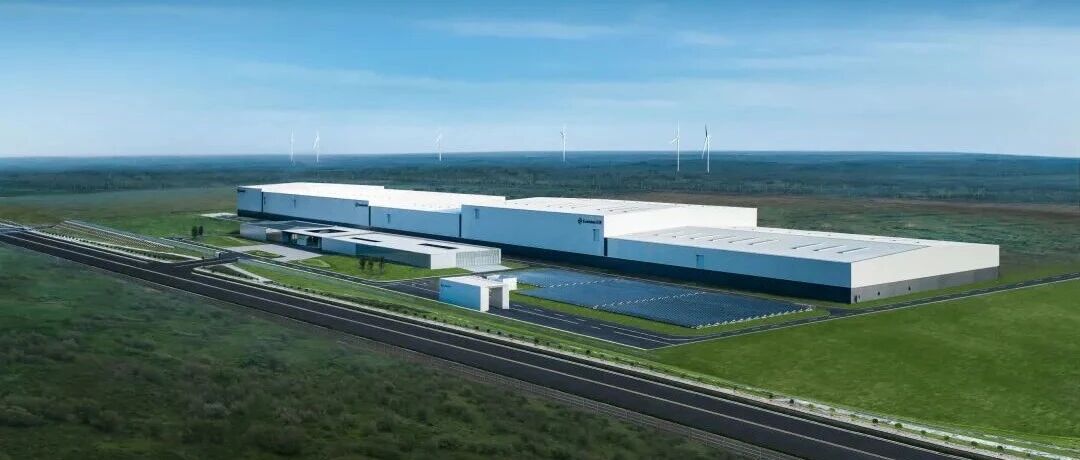
零碳园区

Search documents
大涨42%背后,中国技术集团在一锤一锤夯实四大产业“生态共建”
Cai Fu Zai Xian· 2026-01-05 01:39
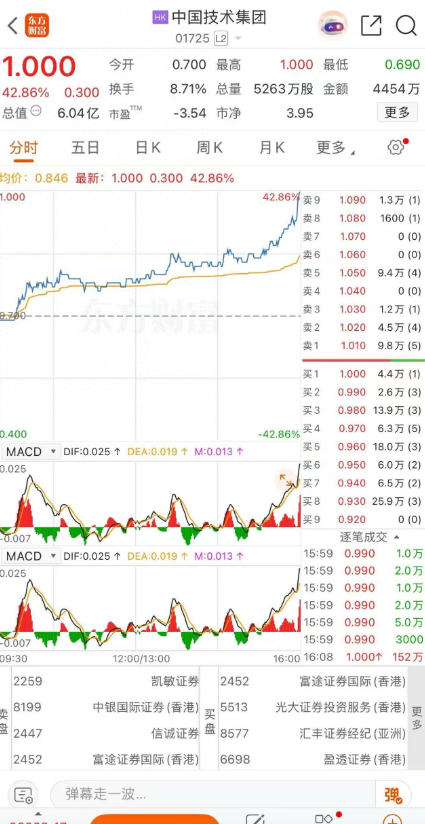
2026年1月2日,中国技术集团(01725.HK)大涨42.86%,成交额超4450万。 中国技术集团(01725.HK),是香港联合交易所主板上市公司,立足粤港澳大湾区,专注航天科技与高端 制造领域。包括航天、智能制造、储能及与此相关的国际贸易体系,中国技术集团正在受到投资者密切 关注。 此前2025年12月29日,中国技术集团(01725.HK)宣布,中国技术集团与梅州高新区(广梅产业园)签署战 略合作备忘录,双方决定在梅州高新区(广梅产业园)共同推进航天工业国家级零碳园区项目合作,围绕 卫星结构工厂与相关产业链、园区规划、清洁能源与储能系统建设、智慧能源管理平台、低碳产业导 入、园区运营等方面开展深度协同,实现可复制、可推广的零碳园区示范。 此前,国家发展改革委办公厅、工业和信息化部办公厅、国家能源局综合司此前联合印发《国家级零碳 园区建设名单(第一批)》,明确提出要积极支持国家级零碳园区建设,在资金安排、要素保障、技术支 持、金融服务等方面给予必要支持。 航天工业零碳园区项目契合国家政策导向,中国技术集团以零碳为核心的智慧工业体系战略已目标清 晰。中国技术集团(01725.HK)大涨42.86%,意 ...

两部门发文:2030年新型电网平台初步建成丨碳中和周报
2 1 Shi Ji Jing Ji Bao Dao· 2026-01-04 12:48
Carbon Neutrality Policy - The National Development and Reform Commission (NDRC) and the National Energy Administration (NEA) issued guidelines for the establishment of a new type of power grid platform by 2030, which will enhance the optimization of power resources and support a renewable energy generation share of around 30% [2][3] - The guidelines emphasize the role of the new power grid as a hub platform, focusing on multi-level collaborative planning and operation of the main grid, distribution grid, and smart microgrids [3] Zero Carbon Parks - The NDRC announced the characteristics of the first batch of 52 national-level zero carbon parks, highlighting balanced regional distribution, strong local renewable energy consumption capabilities, and a target for green electricity supply to account for at least 50% of the parks' electricity consumption [4][6] - The expected carbon emissions per unit of energy consumption in these parks will be approximately 0.25 tons per ton of standard coal, significantly lower than the national average [4] Ecological Environment Initiatives - A joint action plan for the Beijing-Tianjin-Hebei region was released, aiming for a green and low-carbon energy structure, with coal consumption to decline and renewable energy consumption to increase by about 10 percentage points by 2027 [7] EU Carbon Border Adjustment Mechanism (CBAM) - Starting January 1, 2026, the EU's CBAM will enter a charging phase, initially covering six product categories, with plans to expand to around 180 downstream products by 2028 [8][9] - The expansion of CBAM indicates that Chinese export enterprises will face carbon cost constraints extending from raw materials to finished products, necessitating the establishment of accurate carbon footprint accounting capabilities [9] Local Developments - Shandong Province approved its first "green electricity direct connection" project, which integrates power generation, networking, energy consumption, and storage within a single park, providing a traceable green certification for products [10][11] Corporate Practices - The world's first 10,000-ton offshore new energy bulk carrier, "Weiqiao Green Movement 1," was launched, showcasing advancements in electric shipping technology and the potential for zero-carbon operations [11][12] - The vessel employs a dual-engine mode of "lithium battery + fuel," capable of reducing carbon emissions by nearly 10,000 tons annually, and features advanced technologies for autonomous operation and power stability [12]
国家级零碳园区建设提速,多家风电头部企业抢抓市场机遇
Xin Lang Cai Jing· 2026-01-04 11:45
Core Viewpoint - The construction of national-level zero-carbon parks is accelerating, with the first batch of 52 parks announced, featuring several leading wind power companies [1][2]. Group 1: Overview of Zero-Carbon Parks - The selected 52 parks include various types such as national economic development zones, high-tech zones, resource-based development zones, and specialized industrial parks, covering regions from energy bases like Inner Mongolia and Ningxia to traditional industrial provinces like Hebei and Shandong [2]. - The construction period for these parks is set between 2027 and 2030, with local governments required to provide support in funding, resources, technology, and finance [2]. Group 2: Participation of Wind Power Companies - Electric Wind Power (688660.SH) is involved in the Guangdong Shantou Haojiang Industrial Park, which integrates wind, solar, storage, and charging technologies into a "smart energy internet" demonstration project [2]. - Goldwind Technology (002202) is participating in multiple parks across various provinces, including a significant project in Jilin that aims to become the world's largest green hydrogen and ammonia integrated project, supported by a 510MW wind power project [3]. - Envision Group is focusing on providing comprehensive energy solutions through wind, solar, storage, and hydrogen projects, emphasizing AI-driven energy management to optimize renewable energy utilization [3][4]. Group 3: Industry Implications - The zero-carbon transformation of industrial parks is crucial for achieving China's dual carbon goals, as these parks account for approximately 31% of the country's carbon emissions [4]. - Leading wind power companies are well-positioned to meet the green transition needs of various industries, including steel, petrochemicals, and data centers, thereby creating significant market opportunities as the construction of national-level zero-carbon parks accelerates [4].
首批国家级零碳园区名单发布!52个园区如何拿到零碳建设入场券?
Yang Shi Xin Wen· 2026-01-04 09:21
Core Viewpoint - The announcement of the first batch of national-level zero-carbon park construction lists marks a significant step in China's systematic promotion and large-scale practice of zero-carbon parks, transitioning from preliminary planning to a national-level initiative [1][10]. Group 1: Definition and Standards - Zero-carbon parks aim to achieve extremely low carbon emissions through various technical and management measures, reaching a "near-zero" emission state [1]. - The construction list indicates that the selected 52 parks are in a "key class" for zero-carbon parks, with a construction period of 3 to 5 years to meet national "graduation" standards [2]. - The core standard for these parks is a stringent measure of carbon emissions per unit of energy consumed, aiming to reduce emissions to about one-tenth of the current national average [2]. Group 2: Specific Examples and Strategies - The Fuding Industrial Park in Fujian aims to create a zero-carbon manufacturing model by 2028, utilizing a "park within a park" model and focusing on green energy projects like offshore wind and solar power [3][5]. - The Ordos Mengsu Economic Development Zone in Inner Mongolia has already achieved a 67% clean energy consumption rate and plans to build additional renewable energy power stations to meet national requirements [5][6]. Group 3: Common Features and Economic Impact - All selected parks share a common strategy of "green electricity direct supply" and "green production," with at least 50% of their electricity consumption sourced from renewable energy projects [8]. - The total expected output value of the 52 zero-carbon parks upon completion is projected to exceed 3.54 trillion yuan, while significantly reducing carbon emissions, thus decoupling economic growth from carbon output [8]. Group 4: Long-term Significance - The construction of zero-carbon parks is seen as a crucial testing ground for accelerating the development of new energy and industrial systems, as well as a breakthrough for cultivating green productivity [9]. - These parks represent a commitment to a green transformation strategy and demonstrate confidence in addressing climate change [9][10].
云南2个园区入选国家级零碳园区建设名单
Xin Lang Cai Jing· 2026-01-03 21:18
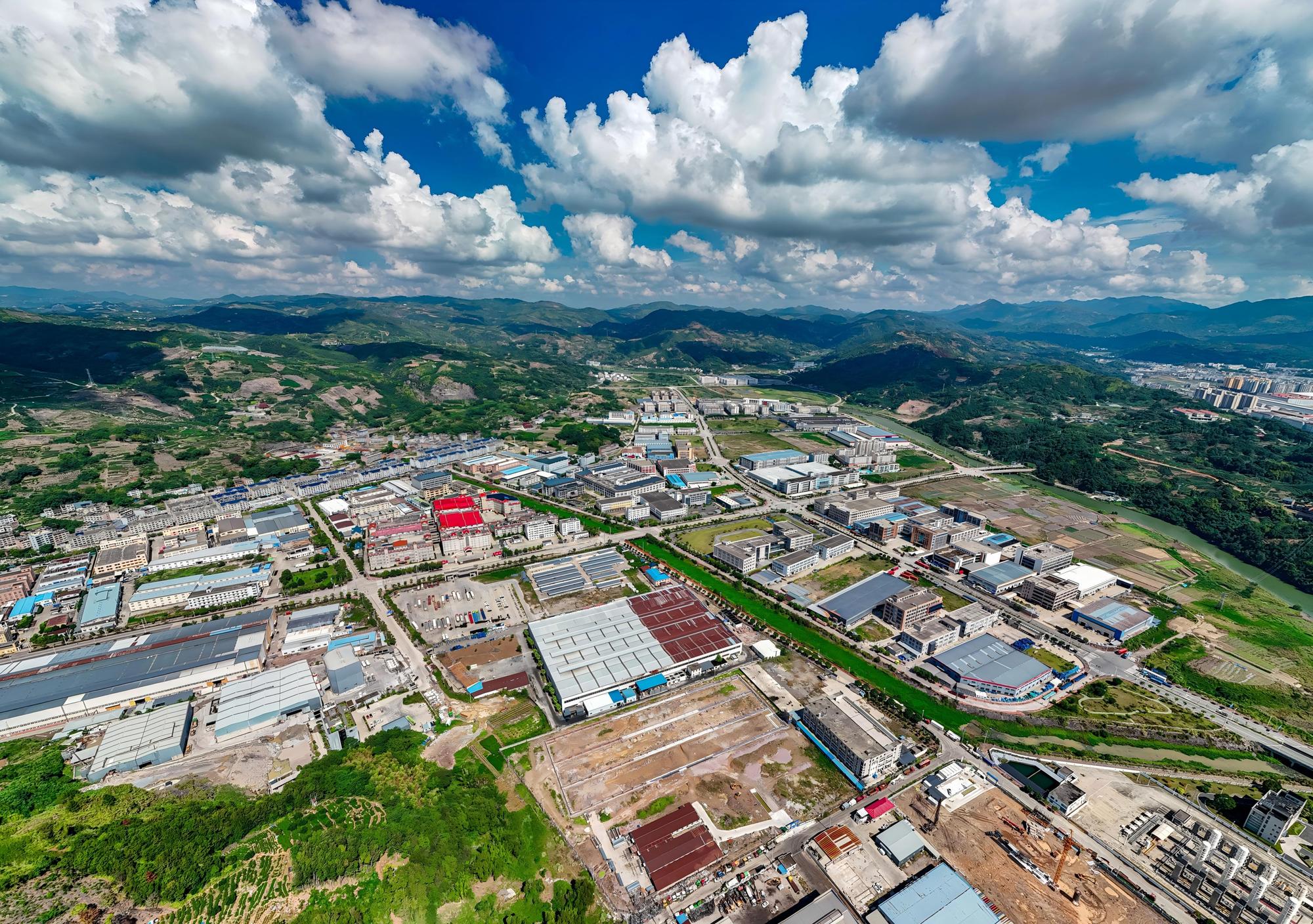
曲靖经开区(试点片区)现有硅光伏、新能源电池产业两个优势制造业集群,是整县屋顶光伏试点和国 家第五批增量配电网试点,正与亿纬锂能共同推进绿电直连项目。到2030年,该片区将依托16.3亿千瓦 时可溯源绿电,推进建设"秒级能碳全景融合"能碳管理平台,持续布局硅光伏产业链闭环和新能源电池 产业集群,建立起以绿电造绿品、以绿品促绿电的园区内驱动循环发展模式,实现单位能耗碳排放降至 0.103吨/吨标准煤。 零碳园区是指通过规划、设计、技术、管理等方式,使园区内生产生活活动产生的二氧化碳排放降 至"近零"水平,并具备进一步达到"净零"条件的园区。 我省高度重视零碳园区建设工作,在2023年研究制定《云南省推动零碳园区建设工作方案》及其评价指 标体系,在全国率先由省级统筹推进零碳园区建设,目前已启动建设15个零碳园区,园区主导产业延链 补链强链步伐加快,绿色能源多能互补成效初显,碳排放管理能力基础不断夯实,协同降碳水平进一步 提升。(记者 段晓瑞) 责任编辑:孙重远 转自:云南日报 近日,国家发展改革委、工业和信息化部、国家能源局联合公布第一批国家级零碳园区建设名单。云南 祥云经济技术开发区、曲靖经济技术开发区入选。 ...
广西3个园区纳入国家级零碳园区建设名单
Guang Xi Ri Bao· 2026-01-03 03:43
Core Viewpoint - The inclusion of three industrial parks in Guangxi into the national zero-carbon park construction list is expected to accelerate the region's green industrial transformation and enhance the consumption of green and clean energy [1] Group 1: National Zero-Carbon Parks - The National Development and Reform Commission, the Ministry of Industry and Information Technology, and the National Energy Administration jointly issued the first batch of the national zero-carbon park construction list [1] - Three parks in Guangxi, namely Yulin Longtan Industrial Park, Beihai Tieshan Port (Coastal) Industrial Zone, and Baise Strategic Emerging Industry Park, are included in the list, tying for the highest number of parks selected alongside Hebei, Jilin, Fujian, and Xinjiang [1] Group 2: Support and Implementation - The Guangxi Autonomous Region's Development and Reform Commission, Industrial and Information Technology Department, and Energy Bureau will strengthen guidance and support for the three parks [1] - Initiatives will include promoting direct green electricity connections and the nearby access of new energy to incremental distribution networks [1] - Necessary guarantees in terms of funding, resources, technology, and finance will be emphasized to ensure the successful construction of the national zero-carbon parks [1] Group 3: Responsibilities and Evaluation - Local cities, parks, and units are urged to take on the main responsibility for constructing the national zero-carbon parks [1] - They are required to develop construction plans in accordance with national zero-carbon park indicators, optimize energy supply and consumption, and plan key tasks and infrastructure projects [1] - Parks that meet the national zero-carbon park criteria will undergo acceptance evaluation, and those passing will be formally recognized as national zero-carbon parks [1]
全力做好跨年政策衔接(锐财经)
Sou Hu Cai Jing· 2026-01-01 22:13
Group 1 - The National Development and Reform Commission (NDRC) is focusing on implementing policies to boost consumption, investment, and green development in line with the central economic work conference's directives for 2025 and 2026 [2] - The 2026 "Two New" policy aims to optimize the design and implementation of equipment updates and consumer goods replacement, allowing more consumers and businesses to benefit from the policy [2] - A total of approximately 295 billion yuan (about 43 billion USD) has been allocated for early-stage construction projects and central budget investments to stabilize economic growth [3] Group 2 - The NDRC is committed to building a unified national market, addressing existing barriers such as local protectionism and market segmentation [4][5] - The NDRC plans to establish a list of obstacles to the construction of a unified national market and promote policies that encourage healthy investment practices [5] - Recent policies have been introduced to support new technologies and industries, including the low-altitude economy and zero-carbon parks, which are crucial for sustainable development [6]

首批国家级零碳园区建设名单公开,发改委详解五大特点
Di Yi Cai Jing· 2025-12-31 12:53
Core Viewpoint - The construction of zero-carbon parks in China faces multiple challenges, including market, technology, and mechanism issues, despite the recent announcement of the first batch of 52 national-level zero-carbon parks, which will be built between 2027 and 2030 [1][2]. Group 1: Characteristics of Zero-Carbon Parks - The first batch of 52 zero-carbon parks is characterized by balanced geographical distribution, with at least one park selected from each province, allowing for tailored exploration [1]. - These parks are expected to have a strong capacity for renewable energy consumption, with a projected green electricity supply ratio of no less than 50% of total electricity consumption upon completion [1]. - The parks emphasize a "green-to-green" approach, creating a virtuous cycle of producing green products using green energy [1]. - Nearly half of the selected parks have already initiated preliminary work and possess a certain level of physical progress [1]. - Once completed, the carbon emissions per unit of energy consumption in these parks are expected to be approximately one-tenth of the current national average for parks [1]. Group 2: Importance and Benefits of Zero-Carbon Parks - Zero-carbon parks are seen as a crucial breakthrough for promoting domestic green transformation and developing new productive forces [2]. - They facilitate the green and low-carbon transformation of industries and help match energy supply with demand through the promotion of direct green electricity supply [2]. - These parks can reduce the carbon footprint of products, assisting export-oriented enterprises in addressing overseas carbon tariff barriers, and create a favorable environment for local governments to attract industries through green electricity resources [2]. Group 3: Challenges in Development - The construction of zero-carbon parks faces significant market, technology, and mechanism challenges, particularly regarding the investment required for infrastructure related to direct green electricity supply [3]. - The reliance on grid settlement for green electricity transactions complicates investment incentives, as companies face substantial financial pressures without clear returns [3]. - The investment intensity for zero-carbon parks is estimated to be 30% to 50% higher than that of traditional parks due to the need for supporting facilities like photovoltaics and energy storage [3]. - Technological maturity remains a barrier, with issues related to the stability and economic viability of renewable energy technologies still needing resolution [4]. - The construction of zero-carbon parks is a long-term, innovative, and challenging endeavor, requiring careful planning and execution to meet established criteria and pass evaluations [4][5].
300500,被证监会立案!
中国基金报· 2025-12-31 12:13
Core Viewpoint - Tsinghua Design is under investigation by the China Securities Regulatory Commission (CSRC) for suspected violations of information disclosure laws [2][4]. Group 1: Investigation Details - On December 31, Tsinghua Design announced that it received a notice from the CSRC regarding the investigation due to suspected information disclosure violations [4]. - The company stated that all its business activities are currently operating normally and it will cooperate with the CSRC during the investigation [6]. Group 2: Accounting Errors and Corrections - Tsinghua Design has been subject to a quality inspection of its accounting information by the Ministry of Finance, which led to the discovery of accounting errors related to the understanding of accounting principles [8]. - The company identified issues involving fund occupation by a former director of its subsidiary, which contributed to the accounting discrepancies [8]. - Corrections have been made to previous accounting errors, and adjustments have been applied to the consolidated and parent company financial statements from 2020 to 2024 [8][9]. Group 3: Financial Impact - The adjustments resulted in significant changes to financial figures, including a reduction in asset impairment losses from approximately -603 million to about -259 million, and a change in net profit from approximately -438 million to about -94 million [10]. - Tsinghua Design confirmed that these corrections will not alter the profit or loss nature of previously disclosed annual financial statements [9]. Group 4: Company Overview - Tsinghua Design focuses on urban renewal, new urbanization construction, green buildings, and zero-carbon parks, providing integrated solutions around green building design and construction [10]. - As of December 31, the company's stock price was 13.85 CNY per share, with a total market capitalization of 2.41 billion CNY [11].

国家级零碳园区对准锂电扩产:52个项目释放哪些信号
高工锂电· 2025-12-31 11:56
Core Viewpoint - The first batch of national-level zero-carbon parks has been announced, with nearly 40% located in key lithium battery manufacturing bases, indicating a strong alignment between zero-carbon industrial parks and China's lithium battery and new energy industries [1][3][4]. Group 1: Overview of Zero-Carbon Parks - A total of 52 parks have been selected, serving as a sample to observe the coupling of China's new energy and industrial systems [2]. - The selected parks cover various types across eastern, central, and western regions, including national economic development zones, high-tech zones, resource-based development zones, and specialized industrial parks [6]. - The construction period for these parks is required to be completed between 2027 and 2030, with local governments encouraged to provide support in funding, resources, technology, and finance [7]. Group 2: Industry Chain and Structure - The parks related to lithium battery and new energy manufacturing encompass a complete chain from resource extraction to manufacturing and application [8]. - Key parks include those in Jiangxi, Yunnan, and Xinjiang, which focus on lithium resources and new energy materials, as well as manufacturing bases for major companies like CATL and BYD [8][10]. - Downstream applications include parks focused on electric vehicles, energy storage equipment, and data centers, indicating a multi-dimensional approach to energy and storage [10]. Group 3: Zero-Carbon Parks as Experimental Models - Zero-carbon parks are not merely single-factory transformations but aim to reconstruct energy systems and carbon management logic at the industrial cluster level [11]. - The selection of lithium battery and new energy industries as pilot projects is due to their foundational role in supporting energy transition and their strong linkage to emission reduction targets [13][14]. - The parks are expected to validate a replicable set of indicators and operational mechanisms under varying regional and industrial conditions [11][21]. Group 4: Case Study of Inner Mongolia - The Inner Mongolia Ordos Mongsu Economic Development Zone serves as a concrete example of a zero-carbon park, integrating wind, solar, storage, and hydrogen energy into a closed-loop system [22][25]. - The facility aims for full carbon neutrality across its value chain, utilizing high proportions of green electricity and a digital carbon management platform [26][30]. - This model is being expanded to other regions, demonstrating the potential for replicable solutions across different resource endowments and industrial structures [33]. Group 5: Implications for Future Investments - The first batch of zero-carbon parks reflects new constraints and implicit thresholds for the next round of lithium battery and new energy industry layouts [39]. - Local governments' ability to implement green electricity direct connections and integrated carbon monitoring systems will influence the feasibility of high-value new energy projects [40]. - Parks that have established comprehensive new energy and lithium battery industry clusters are more likely to be selected for future projects, shaping the spatial layout of the new energy industry [41][42].