无人驾驶

Search documents
欧洲Robotaxi热得发烫!中国玩家携“黑科技”杀入
Zhong Guo Qi Che Bao Wang· 2025-08-12 01:02
Group 1 - Baidu's autonomous driving service platform,萝卜快跑, has announced a strategic partnership with Lyft to provide autonomous ride-hailing services in Europe, with plans to deploy thousands of vehicles by 2026 in Germany and the UK [2] - The European market is actively promoting Robotaxi development, reflecting a strong acceptance and exploration of autonomous driving services, presenting unprecedented opportunities for Chinese startups [2] - Companies like 文远知行 and 小马智行 are expanding their Robotaxi services across Europe, with various projects set to launch between 2025 and 2026, indicating a growing competitive landscape [3][5] Group 2 - The rise of Robotaxi in Europe is driven by supportive policies, market demand, and technological advancements, making it a focal point globally [7] - The EU's "Automotive Industry Revitalization Plan" and various national regulations are creating a favorable environment for the commercialization of autonomous driving technology [7] - The aging population in Europe and the need for sustainable transport solutions are increasing the demand for Robotaxi services [7][8] Group 3 - The competition in the Robotaxi sector is intensifying, with both internal and external players vying for market share, which shapes the market landscape [10] - European regulations are creating barriers for Chinese companies, increasing the challenges for market entry while pushing for technological and compliance advancements [10] - Different technological approaches to autonomous driving, such as Tesla's vision-based system versus China's mixed approach, are influencing future market dynamics [10] Group 4 - The competition extends beyond operational licenses to include comprehensive strategies involving training environments, user data, and surrounding industries, indicating a shift in business models [11] - Chinese autonomous driving companies possess unique advantages in technology and cost control, which could be beneficial in adapting to Europe's complex traffic environments [11] - However, cultural differences, user habits, and stringent data protection regulations in Europe pose challenges for Chinese companies, necessitating local market understanding and compliance [11]


青岛新空港的枢纽蜕变与城市赋能
Qi Lu Wan Bao· 2025-08-11 22:57
Core Viewpoint - Qingdao Jiaodong International Airport has achieved significant growth and development in its four years of operation, enhancing its role as a key transportation hub and logistics center in the region [1][16]. Passenger Traffic Growth - The airport's passenger throughput has increased from 1.6 million in 2021 to 2.6 million in 2024, with a year-on-year growth rate of 22% [4][12]. - In the first half of 2025, the airport completed 92,000 flight takeoffs and landings, serving 12.6 million passengers [1][4]. Cargo Operations Enhancement - The airport has improved its cargo handling capabilities, successfully managing the import of 11 tons of live king crabs weekly, with an expected annual total of over 300 tons, a 46% increase from 2024 [2][3]. - The implementation of an intelligent cargo transfer system has streamlined operations, significantly reducing turnaround times for fresh produce [3]. Route Network Expansion - The airport has expanded its route network, now covering nine cities in Japan and South Korea, with an average of 55 round-trip flights daily [4]. - The introduction of new routes and increased flight frequencies aims to meet the growing demand during peak travel seasons [5]. Technological Innovations - The airport has implemented advanced operational systems, achieving a flight release normal rate of 95.21%, ranking fourth among major airports in China [7]. - The introduction of smart traffic solutions, including an intelligent ride-hailing system, has improved passenger experience and reduced waiting times [8][10]. Service Quality Improvements - The airport has enhanced its service offerings, including faster check-in processes and dedicated services for special needs passengers, achieving a satisfaction rate of 96% for passenger complaints [12][14]. - New facilities and services, such as upgraded waiting areas and streamlined transfer processes, have been introduced to improve overall passenger experience [13][15]. Strategic Development - Qingdao Airport plays a crucial role in regional economic integration and has established partnerships with other airports to enhance connectivity [16][17]. - The airport is positioned as a key international gateway, particularly for trade and travel between China and Japan/Korea, with a significant increase in international passenger traffic [16][19].
【Tesla每日快訊】 Robotaxi下月對公眾開放!成本優勢能碾壓對手嗎?🔥Tesla應該做廣告嗎?(2025/8/11-2)
大鱼聊电动· 2025-08-11 11:23
大家好我是大鱼 今天的资讯 包括下面几个消息 1. Robotaxi 下月对公众开放 2. Tesla应该做广告吗? 关注这些领域的朋友 不要错过 今天重要的内容 OK let's go 第一部分 Robotaxi下月 对公众开放 马斯克刚刚 扔下震撼弹! 特斯拉Robotaxi 下个月就对 公众全面开放! 你没听错 就在网友质疑 为什么Robotaxi 还需要邀请时 马斯克亲自回覆 下个月 就全面开放! 而且时间点 完美对上! 特斯拉刚拿到 德州许可 9月1日就能在 奥斯汀自主运作 这意味着 他们必须在 短短45天内 将车队规模扩大 有可能从 现在的十几辆 暴增到100 甚至200辆! 这简直是 疯狂的目标! 他们要么在 一个半月内 招募并培训好 几百名安全员 要就是准备 直接去掉安全员 实现真正的 无人驾驶! 如果真是后者 全世界都将 被彻底震惊! 你认为马斯克 这次能兑现承诺吗? Musk还提到 FSD V14即将在 六周后推出 参数增加10倍 性能大幅提升 安全数据一旦验证 车子就不会老是 提醒你注意安全了 这代表特斯拉 对FSD的表现 非常有信心 准备让更多人 体验这项技术 不过也有人猜 Musk说 ...

特朗普称将对芯片征收100%关税;“中国制冷”热销丨出海周报
2 1 Shi Ji Jing Ji Bao Dao· 2025-08-11 01:52
Trade Overview - In the first seven months of 2025, China's total trade value with the United States was 2.42 trillion yuan, a decrease of 11.1% [1] - ASEAN became China's largest trading partner with a total trade value of 4.29 trillion yuan, an increase of 9.4% [1] - The EU ranked as the second-largest trading partner with a trade value of 3.35 trillion yuan, growing by 3.9% [1] Import and Export Statistics - China's total goods trade import and export value reached 25.7 trillion yuan in the first seven months of 2025, a year-on-year increase of 3.5% [2] - Exports amounted to 15.31 trillion yuan, growing by 7.3%, while imports were 10.39 trillion yuan, down by 1.6% [2] - In July 2025, the total trade value was 3.91 trillion yuan, reflecting a growth of 6.7% [2] Robotics Industry Growth - The revenue of China's robotics industry increased by 27.8% year-on-year in the first half of 2025 [4] - Industrial and service robot production grew by 35.6% and 25.5% respectively, maintaining China's position as the largest industrial robot application market globally for 12 consecutive years [4] E-commerce and User Growth - Temu's monthly active users in Southeast Asia surpassed 22 million, with significant growth in the Philippines and Thailand [4] - Temu is rapidly approaching Shein's user base of 24 million, despite registration restrictions in Indonesia and Vietnam [4] Strategic Partnerships - Roborace announced a strategic partnership with Lyft to provide autonomous driving services in Europe, with plans to deploy their sixth-generation vehicles in Germany and the UK by 2026 [5] International Expansion of Brands - Heytea's overseas store count has increased more than sixfold in the past year, now exceeding 100 locations globally [6] - The brand has expanded into eight countries, including the US, with significant growth in the American market from 2 to over 30 stores [6] Summer Product Sales - Taobao reported a surge in cross-border sales of summer products, with portable fans, sunshades, and sunglasses being the most popular items, exceeding one million units sold in two months [8] - The cooling product category saw a 77% year-on-year increase in GMV, with ice cream machines experiencing a remarkable growth rate of 95% [9] E-commerce Financial Performance - Mercado Libre reported a net revenue of $6.8 billion for Q2, a 34% year-on-year increase, exceeding analyst expectations [10] - Wayfair's Q2 revenue reached $3.27 billion, a 5% increase year-on-year, marking the highest growth rate since 2021 [11] - Zibuyu expects a mid-term net profit growth of 10% to 20%, with revenues projected between 1.9 billion to 2.047 billion yuan, reflecting a 30% to 40% increase [12]
北汽蓝谷上周获融资净买入1.55亿元,居两市第36位
Jin Rong Jie· 2025-08-11 01:15
Core Viewpoint - North Car Blue Valley has shown significant financing activity, indicating investor interest and potential growth in the electric vehicle sector [1] Financing Activity - North Car Blue Valley recorded a net financing inflow of 155 million yuan last week, ranking 36th in the market [1] - The total financing amount for the week was 1.141 billion yuan, with repayments totaling 986 million yuan [1] Capital Flow - Over the past 5 days, the main capital inflow into North Car Blue Valley was 151 million yuan, with a price increase of 1.74% [1] - In the last 10 days, the main capital inflow reached 757 million yuan, with a price increase of 4.48% [1] Company Overview - North Car Blue Valley New Energy Technology Co., Ltd. was established in 1992 and is located in Beijing, primarily engaged in the automotive manufacturing industry [1] - The company has a registered capital of 55,735.03169 million yuan [1] - The legal representative of the company is Zhang Guofu [1] Investment and Innovation - North Car Blue Valley has invested in 6 companies and participated in 167 bidding projects [1] - The company holds 11 patents and has obtained 7 administrative licenses [1]

果然大涨!这只无人驾驶主题基金值得关注
Sou Hu Cai Jing· 2025-08-10 03:31
Group 1 - The core viewpoint of the articles highlights the significant rise in digital currencies, autonomous driving, and innovative pharmaceuticals, while noting the underperformance of the Penghua Carbon Neutrality Theme Fund [2] - The market is currently optimistic about autonomous driving, particularly with Tesla set to mass-produce autonomous vehicles, leading to a surge in related stocks in the A-share market [2] - The performance of various sectors is detailed, with autonomous driving showing a notable increase of 3.63% and a total of 26 stocks hitting the daily limit up [2] Group 2 - There are currently no dedicated autonomous driving theme funds; instead, there are 12 smart car theme funds, with the best performers being Everbright Smart Car Theme A and Guotai Smart Car A, achieving returns of 10.25% and 5.10% respectively [3][4] - The year-to-date performance of Everbright Smart Car Theme A is 10.25%, while Guotai Smart Car A stands at 5.10%, indicating strong performance in the smart car sector [5] - The article suggests monitoring the Hong Kong pharmaceutical fund, Huitianfu Hong Kong Advantage Selection, as a potential investment opportunity [6] Group 3 - The article emphasizes the importance of focusing on high-performing funds in the smart car and low-carbon sectors, specifically recommending Everbright Smart Car Theme A and Yongying Low Carbon Environmental Selection [8] - The performance metrics of various funds are provided, showcasing the top performers in the smart car and low-carbon investment categories [5][7]
特斯拉获批美国得州网约车牌照,为Robotaxi运营铺平道路
Hua Er Jie Jian Wen· 2025-08-08 17:01
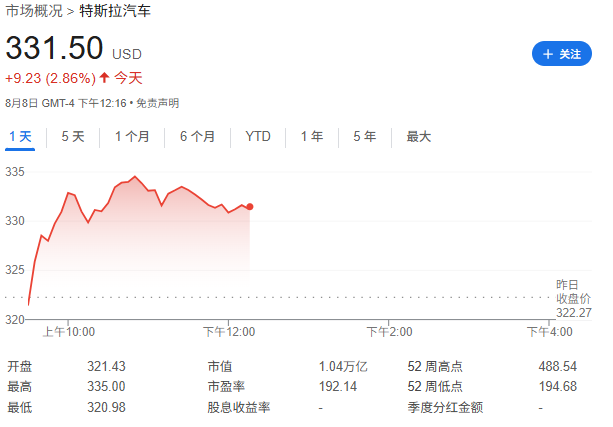
特斯拉在美国得州正式获得共享出行许可,为其推出无人驾驶出租车RoboTaxi服务扫清了道路。 8月8日周五,特斯拉Robotaxi LLC现已被德州许可与监管局登记为运输网络公司许可方,与Uber、Lyft 等公司并列。根据9月1日起生效的新州法律,所有使用自动驾驶汽车的网约车服务必须与人工驾驶的网 约车一样接受监管,因此这项许可现在变得必要。 新政策为自动驾驶汽车运营方增加了许可、监管和其他要求。目前,德州规定自动驾驶汽车必须配备摄 像头、保险,并遵守交通法规。 事实上,特斯拉早在今年6月就在奥斯汀小范围启动了试点服务,使用少量Model Y车型,配备安全员 监督,为一小部分用户提供自动驾驶出行体验。 受此消息影响,特斯拉股价延续涨势,盘中一度涨超3.9%。 风险提示及免责条款 市场有风险,投资需谨慎。本文不构成个人投资建议,也未考虑到个别用户特殊的投资目标、财务状况或需要。用户应考虑本文中的任何 意见、观点或结论是否符合其特定状况。据此投资,责任自负。 ...
同力股份(834599):宽体自卸车行业标杆,行业扩容驱动长期价值释放
Tianfeng Securities· 2025-08-08 14:17
Investment Rating - The report initiates coverage with an "Accumulate" rating for the company [6] Core Views - The company is a leader in the non-road wide-body dump truck industry, with a strong performance and a projected revenue of 6.145 billion yuan in 2024, reflecting a CAGR of 22.41% from 2020 to 2024 [1][23] - The demand for non-road wide-body dump trucks is expanding due to stable needs in mining and infrastructure projects, as well as equipment upgrades driven by environmental policies [2][43] - The company is pursuing a product strategy focused on "large-scale, intelligent, and new energy" while actively expanding into overseas markets [3][60] Summary by Sections 1. Company Overview - The company is the first to develop non-road wide-body dump trucks in China and has established itself as a key player in the global engineering machinery manufacturing sector [14] - The product range includes non-road wide-body dump trucks, mining dump trucks, underground transport equipment, and special-purpose equipment, covering both fuel and new energy power [1][20] 2. Market Demand Expansion - The non-road wide-body dump truck market is driven by stable demand in domestic mining and infrastructure projects, as well as the replacement of traditional equipment [2][43] - The company is positioned to benefit from the growth in the Asia-Pacific coal mining sector and the development of mineral resources along the "Belt and Road" initiative [2][60] 3. Product Strategy and Global Expansion - The company is focusing on large-scale, intelligent, and new energy products, with significant R&D investment projected to increase by 89.33% in 2024 [3][24] - The company aims to enhance its global presence, with overseas revenue expected to reach 16.5% in 2024 [3][30] 4. Financial Performance and Forecast - The company’s revenue is projected to grow to 6.533 billion yuan in 2025, with a net profit of 873.76 million yuan, reflecting a growth rate of 10.17% [4][5] - The report compares the company with peers and assigns a target market value of 12.3 billion yuan, corresponding to a target price of 26.7 yuan per share [4][6]

永安行8.4亿低价定增遭监管六连问 补流迷局与转型困局
Xin Lang Zheng Quan· 2025-08-08 11:23
Group 1 - The company disclosed a controversial fundraising plan of 840 million yuan through a private placement to its controlling shareholder, Shanghai Hamao, at a price of 11.70 yuan per share, which is a 15% discount compared to the previous share transfer price of 13.76 yuan [1] - The Shanghai Stock Exchange raised concerns regarding the fairness of the pricing and the protection of minority shareholders' rights, especially given the company's significant losses in 2024 and the first quarter of 2025 [1][2] - A critical risk involves a control reversal agreement, where the original controlling shareholder, Sun Jisheng, could regain voting rights if the company's net profit does not meet the 50 million yuan target for 2025, potentially triggering another change in control [1] Group 2 - The fundraising is intended for innovative businesses such as hydrogen-powered two-wheelers and autonomous driving, but the lack of a specific project budget and feasibility report raises questions about the necessity of the fundraising [2] - The company has seen a continuous decline in revenue over the past three years, with a 16% year-on-year drop in 2024, while the aggressive shift to capital-intensive hydrogen energy sectors poses high risks without disclosed technological reserves or customer orders [2] - The company's gross margin has plummeted from 42.36% to negative values over the past three years, and the public bicycle business is suffering due to competition from shared bicycles, while the target market for hydrogen two-wheelers has not yet developed significant demand [2]

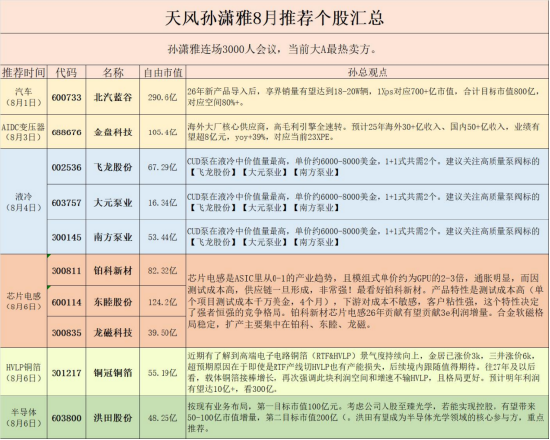
当前大A最热卖方:天风一美首席孙潇雅,线上策略会近3000人预约
Xin Lang Zheng Quan· 2025-08-08 07:46
Core Viewpoint - The article discusses the recent stock recommendations by analyst Sun Xiaoya from Tianfeng Securities, highlighting her influence and the market's enthusiasm for her insights, particularly in the context of a large conference that attracted significant attention [1][5]. Group 1: Stock Recommendations - Ten stocks were recommended across five industries, including Beiqi Blue Valley, Jinpan Technology, Feilong Co., Dayuan Pump Industry, and others, indicating a diverse investment opportunity [1][2]. - Beiqi Blue Valley (code: 600733) has a market value of 29.06 billion, with a projected sales increase to 18-20 million units, suggesting a target market value of 80 billion, representing an upside potential of over 80% [2]. - Jinpan Technology (code: 688676) is expected to generate 30 billion in overseas revenue and 50 billion domestically by 2025, with a year-on-year growth of 39% [2]. - The report emphasizes the importance of high-quality pumps in the cooling liquid market, with specific recommendations for Feilong Co., Dayuan Pump Industry, and Southern Pump Industry [2]. - The article notes that the semiconductor inductors market is a key focus, with significant profit contributions expected from companies like Botek New Materials and Dongmu Co. [2]. Group 2: Analyst Influence - Sun Xiaoya has gained recognition in the industry, rapidly advancing to the position of Chief Analyst at Tianfeng Securities since obtaining her analyst qualification in August 2020 [5]. - Her reports are characterized by high visibility and ambitious valuation targets, often predicting significant upside potential for recommended stocks [5]. - The recent conference led by Sun attracted around 3,000 participants, showcasing her strong influence and the market's excitement around her insights [1][5].