
游戏出海

Search documents
世纪华通第三季度营收首破百亿,利润17亿
Cai Jing Wang· 2025-10-30 13:46
Core Insights - Century Huatong reported a revenue of 10.016 billion yuan for Q3 2025, marking a year-on-year increase of 60.19% and achieving a quarterly revenue milestone of over 10 billion yuan for the first time [1] - The net profit for the same quarter reached 1.701 billion yuan, up 163.78% year-on-year, while the net profit after deducting non-recurring items was 1.707 billion yuan, reflecting a growth of 171.27% [1] - For the first three quarters of the year, Century Huatong's revenue totaled 27.223 billion yuan, surpassing the total revenue of the previous year, with a net profit of 4.357 billion yuan, an increase of 141.65% [1] Financial Performance - The operating cash flow for the company was 6.278 billion yuan, showing an increase of 81.33% year-on-year, with all core financial metrics setting new historical records [1] - The net profit after deducting non-recurring items for the first three quarters was 4.294 billion yuan, which is a year-on-year increase of 140.98% [1] Product Performance - The global download count for the hit product "Whiteout Survival" exceeded 200 million, maintaining the top position in China's mobile game overseas revenue rankings for 15 consecutive months and achieving a peak in global mobile game revenue rankings in March [1] - Another newly launched 4X strategy mobile game, "Kingshot," successfully replicated the success path of "Whiteout Survival," ranking high in the iOS free game charts in multiple regions and entering the top 10 in several regions' iOS game sales charts [1]

吉比特(603444):关注海外市场增量、新品上线进度及表现
Xin Lang Cai Jing· 2025-10-30 00:33
Core Insights - The company reported a significant increase in revenue and net profit for the first three quarters of 2025, with total revenue reaching 4.486 billion yuan, a year-on-year increase of 59.17%, and net profit attributable to shareholders at 1.214 billion yuan, up 84.66% [1] - The third quarter alone saw revenue of 1.968 billion yuan, representing a year-on-year growth of 129.19% and a quarter-on-quarter increase of 42.37%, with net profit of 569 million yuan, up 307.70% year-on-year and 57.58% quarter-on-quarter [1] - The company plans to distribute a cash dividend of 60 yuan per 10 shares to all shareholders [1] Financial Performance - Key financial metrics for the first three quarters include a gross margin of 93.31% (up 4.9 percentage points year-on-year) and a net profit margin of 33.61% (up 4.6 percentage points year-on-year), with the third quarter net profit margin at 34.96% (up 3.1 percentage points quarter-on-quarter) [1] - The sales expense ratio for the first three quarters was 32.18% (up 4.3 percentage points year-on-year), while the management expense ratio was 7.14% (down 2.3 percentage points year-on-year) and the R&D expense ratio was 14.25% (down 6.5 percentage points year-on-year) [1] Game Performance - The main source of revenue growth comes from new game launches, with the newly released games contributing significantly to profits. The core mobile game "Wandao Mobile" generated 1.499 billion yuan, a decrease of 7.02% year-on-year, while the two versions of "Zhangjian Chuan Shuo" contributed over 1.6 billion yuan in revenue [2] - The newly launched "Wanjian Changsheng (Mainland Version)" contributed 713 million yuan, with 147 million yuan in Q3, and the mini-game "Daoyou Lai Wabai" generated 316 million yuan, totaling 2.673 billion yuan from new games by the end of Q3 [2] - The company's overseas revenue reached 588 million yuan, a year-on-year increase of nearly 60%, indicating resilience in the overall product matrix despite a slight decline in older products [2] Future Outlook - The company is expected to continue its global expansion with the upcoming launch of "Wanjian Changsheng" in Q4 2025 in regions such as Hong Kong, Macau, and South Korea, along with the release of the new Three Kingdoms-themed SLG mobile game "Jiubing Zhi Ye" [2] - The company maintains a positive outlook on the performance of new games and their contribution to sustained revenue growth [3]

张一鸣死磕游戏,字节海外再出平台
3 6 Ke· 2025-10-28 23:29
Core Insights - ByteDance is planning to launch a new game distribution platform called GameTop in overseas markets, similar to Steam, which will integrate game content distribution, creative tool support, and player social features [1][2] - This move indicates a strategic shift in ByteDance's gaming business, transitioning from a traditional development and publishing model to a self-owned platform approach [2][5] Group 1: Strategic Shift - After Zhang Yunfan took over the gaming business, he emphasized a long-term approach, indicating that the gaming business is entering a "second phase" [3] - ByteDance previously acquired Moonton Technology for $4 billion in March 2021, but attempts to sell it for at least $5 billion in 2023 fell short, highlighting challenges in the gaming sector [3][5] - The company is now focusing on a new strategy to grow its gaming business through platform development and enhanced marketing efforts, moving away from previous attempts to sell or merge its gaming assets [5] Group 2: Market Challenges - The gaming platform landscape is dominated by Steam, which boasts 150 million users and a vast ecosystem, making it difficult for new entrants to compete [6][8] - Other platforms like Epic and Tencent's WeGame have not achieved significant market presence compared to Steam, with WeGame not disclosing any revenue figures since its launch [8] - ByteDance's previous attempt to create a gaming platform, Ohayoo, did not yield successful results, indicating the challenges of breaking into the competitive gaming market [9] Group 3: Industry Opportunities - According to a report, China's overseas game sales are projected to reach $18.557 billion in 2024, marking a 13.39% year-on-year increase, signaling a rebound in the industry [11] - ByteDance's new platform could reduce reliance on third-party platforms like Google Play and App Store, leveraging its existing channel advantages to integrate domestic game developers [11] - The gaming industry is experiencing new opportunities as game approvals have become more regularized, and various regions are launching support plans for game exports [9][11]


蛋糕很大,中国游戏把握俄罗斯“上行”机遇
2 1 Shi Ji Jing Ji Bao Dao· 2025-10-28 11:31
Core Insights - The Russian gaming market is experiencing significant growth, attracting Chinese game developers due to the exit of Western companies and a favorable user demographic [1][3][8] Market Overview - The Russian gaming market is projected to reach a valuation of 187 billion rubles (approximately 16.4 billion RMB) in 2024, with a year-on-year growth of 6% [4] - Russia ranks third globally in terms of Steam platform player numbers, indicating a large player base and growth potential [4] - Mobile game downloads in Russia have surged, with 1.18 billion downloads on Android platforms in the first half of 2024, generating nearly $900 million in revenue [4] User Demographics - The user base in Russia is becoming younger, with 60% of users aged 18-44, who are increasingly willing to spend on mobile games [4] - Players in major cities exhibit Tier 1 consumption capabilities, while the overall market is still developing, suggesting room for growth in mid-to-high-end gaming products [4][5] Competitive Landscape - Over 60% of the top 10 revenue-generating applications in Russia are developed by Chinese companies, highlighting the competitive advantage of Chinese developers in this market [2][4] - Chinese developers have shown creativity and adaptability, allowing them to quickly establish a foothold in the Russian market [3][6] Challenges and Opportunities - Language localization and compliance with local regulations are significant barriers for Chinese developers entering the Russian market [6] - The changing global advertising ecosystem has created monetization challenges, necessitating careful selection of advertising platforms [6][7] - Successful Chinese developers are leveraging local operations and partnerships with platforms like Yandex Ads to enhance their market presence [6][7] Future Outlook - The current market conditions present a critical opportunity for Chinese developers to transition from merely exporting traffic to building brand recognition in Russia [8] - The ability to navigate localization, compliance, and long-term operational strategies will be crucial for success in the Russian gaming market [8]

中国游戏,找到快乐的国际通用公式
创业邦· 2025-10-28 00:10
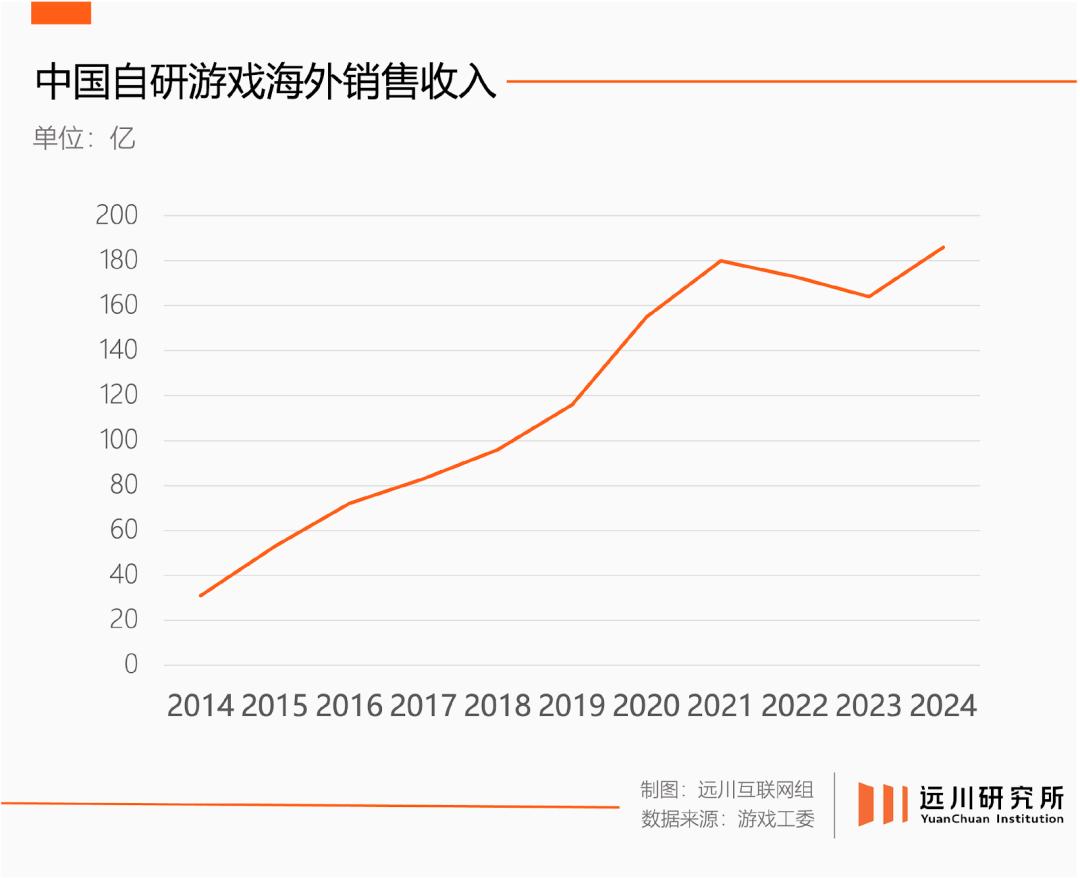
Core Insights - The article highlights the significant growth of Chinese mobile game developers in the global market, with companies like Lemon Microfun surpassing even well-known names like Mihayou in revenue rankings [6][9]. - The overseas sales revenue of self-developed Chinese games reached $18.557 billion in 2024, marking a 13.39% year-on-year increase, compared to just $3.076 billion in 2014, indicating over sixfold growth in a decade [6]. - The article emphasizes the importance of content platforms and social media in promoting games, allowing smaller developers to gain visibility and extend the lifespan of their games [19][27]. Group 1: Market Performance - In the latest global mobile game revenue rankings, 32 out of the top 100 companies are Chinese, showcasing the industry's international success [6]. - The number of Chinese mobile games in the U.S. market's top 100 is projected to reach 27 by 2025, with in-app purchase revenue growth of 11%, significantly outpacing the global average of 2% [8]. - The success of games like "Genshin Impact," which has surpassed $9 billion in global revenue, illustrates the potential for Chinese games in international markets [29]. Group 2: Game Development Trends - Developers are increasingly focusing on high-value segments like 4XSLG games, which account for 21% of revenue despite only 4% of total downloads, with Chinese developers contributing 86% of global revenue in this category [14][15]. - The rise of female players in 4XSLG games has increased by 20%, with daily active users growing by 78% and monthly revenue peaks rising by 90% [15]. - The article notes that successful games often leverage cultural elements to attract global audiences, as seen with "Black Myth: Wukong," which sparked interest in Chinese literature among foreign players [13]. Group 3: Marketing and Promotion - Content platforms like YouTube have become crucial for game promotion, with 90% of gamers using the platform, allowing developers to reach a broader audience at lower costs [27]. - The article discusses the success of independent games like "Schedule 1," which gained popularity through community engagement and content sharing, demonstrating the power of grassroots marketing [16][19]. - Developers are advised to utilize social media for marketing, as it can create a sense of familiarity and connection with potential players [19]. Group 4: Strategic Partnerships - The article highlights the role of Google for Games as a strategic partner for developers, providing insights and advertising solutions that enhance return on investment [32]. - Google has introduced new advertising products to help developers reach audiences across multiple devices and platforms, improving marketing efficiency [34]. - The integration of AI in advertising processes allows developers to optimize their campaigns based on specific goals, streamlining the promotional efforts [37].

数娱工场 | 手游收益榜前十过半来自中国!透视俄罗斯游戏市场淘金热
Xin Hua Cai Jing· 2025-10-24 03:42
Core Insights - Yandex Ads has launched its growth platform Yandex Ads Boost in China, aimed at supporting mobile app and game developers in monetization and data analysis, particularly in the Russian and emerging global markets [1][5] - The Russian gaming market is experiencing significant growth, with the market size expected to reach $2.4 billion in 2024, a 6% year-on-year increase, and mobile game downloads ranking fifth globally [2][3] - Chinese game exports to Russia have surpassed $1 billion in 2024, reflecting a 20% year-on-year growth, indicating a favorable window for Chinese developers to enter the Russian market [1][2] Market Dynamics - The Russian gaming market is characterized by a strong growth trajectory, with mobile game revenue reaching $898 million and a 53% increase in the online advertising market, totaling $13.4 billion [2] - The increasing acceptance of Asian culture among Russian consumers is a positive sign for Chinese game developers, as evidenced by the rising sales of Chinese products in Russia [6][7] - The demographic shift towards younger and higher-spending gamers in Russia, with 60% of core users aged 18 to 44, presents a lucrative opportunity for game developers [7] Challenges and Solutions - Chinese developers face challenges such as language and cultural barriers, difficulties in monetizing user engagement, and complex compliance requirements in the Russian market [3][4] - Yandex Ads Boost aims to address these challenges by simplifying technical integration and compliance processes, allowing developers to focus on business growth [5] - The platform's design caters specifically to the needs of small and medium-sized developers, helping them save resources and streamline operations [5] Future Outlook - The future of Chinese games in Russia looks promising, with a strong cultural fit and a growing user base that is increasingly willing to pay for high-quality games [6][7] - The ability to navigate localization, payment, and operational challenges will be crucial for developers looking to capitalize on the current market opportunities [7]
中国游戏,找到快乐的国际通用公式
3 6 Ke· 2025-10-23 23:58
Core Insights - The article highlights the rapid growth and international success of Chinese mobile game developers, with Lemon Microfun ranking just below major players like Tencent and NetEase in revenue [1][3] - The overall revenue from self-developed Chinese games in overseas markets reached $18.557 billion in 2024, marking a 13.39% increase from the previous year [1] - The article emphasizes the importance of content platforms and social media in promoting games, allowing smaller developers to gain visibility and success [9][19] Industry Overview - In the latest global mobile game revenue rankings, 32 out of the top 100 companies are Chinese, showcasing the industry's significant international presence [1] - The revenue from Chinese mobile games in the U.S. market is projected to reach 27 titles by 2025, with in-app purchase revenue growing by 11%, significantly outpacing the global average of 2% [3] - The success of games like "Genshin Impact," which has generated over $9 billion globally, illustrates the potential for Chinese games in international markets [22][33] Market Trends - The 4XSLG genre has emerged as a high-value segment, contributing 86% of the global in-app purchase revenue in this category, with Chinese developers dominating the top rankings [7] - The article notes a 20% increase in the female user base for 4XSLG games, alongside a 78% rise in daily active users and a 90% increase in monthly revenue peaks [7] - The gaming industry is witnessing a shift towards leveraging content platforms for marketing, with platforms like YouTube becoming crucial for game promotion [19][20] Developer Strategies - Developers are increasingly focusing on global market adaptation, with games like "Delta Action" and "Whiteout Survival" being designed for international audiences from the outset [23][24] - The use of social media and content platforms has proven effective for smaller developers, allowing them to reach wider audiences and extend the lifespan of their games [12][21] - Google for Games is highlighted as a strategic partner for developers, providing insights and advertising solutions to enhance their market presence [26][30] Future Outlook - The global gaming market is expected to recover, with a projected 4.4% growth in in-app purchases in 2024, indicating a positive trend for the industry [31] - The article suggests that the long-term success of games will depend on their ability to engage users and maintain relevance through community-driven content [15][31]

中国游戏,找到快乐的国际通用公式
远川研究所· 2025-10-23 13:05
Core Viewpoint - The article highlights the significant growth and global success of Chinese mobile game developers, particularly focusing on companies like Lemon Microfun and their strategies for international expansion, showcasing the industry's evolution and potential for future opportunities [2][5]. Group 1: Industry Growth and Trends - In the latest revenue rankings by Sensor Tower, Lemon Microfun ranks just behind major players like Tencent and NetEase, surpassing MiHoYo, indicating a strong position in the market [2]. - The actual sales revenue of Chinese self-developed games in overseas markets reached $18.557 billion in 2024, marking a 13.39% year-on-year growth, significantly up from $3.076 billion in 2014, illustrating over sixfold growth in a decade [2]. - In the global mobile game revenue rankings, 32 out of the top 100 companies are Chinese, reflecting the increasing influence of Chinese developers in the global gaming landscape [2][4]. Group 2: Successful Game Examples - The game "Delta Action," developed by TiMi Studio Group, quickly topped the Google Play free game charts in 125 countries, demonstrating the potential for Chinese games to resonate globally [7]. - "Genshin Impact" has generated over $9 billion in revenue globally, with nearly 70% of its income coming from overseas markets, showcasing a successful case of Chinese games achieving international acclaim [32]. Group 3: Market Dynamics and Strategies - The 4XSLG game genre has become a high-value segment for Chinese developers, contributing 86% of the global in-app purchase revenue in this category, with 19 out of the top 20 games being from Chinese companies [12][13]. - The article emphasizes the importance of content platforms like YouTube for game promotion, where 90% of gamers use the platform, and the cost-effectiveness of advertising on these channels compared to traditional methods [28][30]. Group 4: Challenges and Opportunities - Despite the successes, challenges remain for developers, including rising user acquisition costs, which have increased by over 80% for top-ranking games in the first half of the year [33]. - The article suggests that finding reliable strategic partners, such as Google for Games, can enhance operational strategies and improve return on investment for game developers [35][37].

富春股份三季报披露前夕财务总监突然辞职 上半年游戏收入同比翻倍但仍未扭亏
Xin Lang Zheng Quan· 2025-10-23 07:00
Core Insights - The resignation of Lin Mei, the Vice President and CFO of Fuchun Co., indicates potential strategic adjustments or governance restructuring within the company, as it marks the sixth executive change in the past year [1][4] - Despite a significant increase in gaming revenue, the company reported a net loss of 9.71 million yuan, highlighting underlying issues in cost control and overall profitability [2][6] - The appointment of the new CFO, Xing Bing, who has a strong background in capital operations, suggests that the company may be preparing for future financing or business expansion [3][6] Executive Changes - Lin Mei resigned from all positions on October 22, 2025, after previously stepping down from her role as a worker representative director on October 14 [1] - This change follows the earlier replacement of the chairman in August 2025, indicating a trend of high-level turnover within the company [1][4] - Xing Bing, the new CFO, is 39 years old and has a dual degree in Physics and Financial Management, along with a Master's degree from Peking University [3] Financial Performance - Fuchun Co. reported a revenue of 182 million yuan for the first half of 2025, with gaming business revenue doubling and accounting for 65% of total revenue [2] - The company faced a net loss of 9.71 million yuan, raising concerns about its profitability despite revenue growth [2][6] - The stock price closed at 6.26 yuan on October 22, 2025, reflecting a decline of 0.48%, indicating market skepticism regarding the company's financial health [5] Market Reactions - The market reacted cautiously to the CFO change, with institutional investors showing a net outflow of 6.74 million yuan, while retail investors exhibited net inflows [5] - The timing of the CFO change before the quarterly report raises concerns about the reliability of the financial data to be disclosed [4] Strategic Outlook - The new CFO's background in capital operations may align with the company's potential plans for capital mobilization to support its gaming expansion or new business ventures [3][6] - Investors are advised to monitor key indicators in the upcoming quarterly report, including the quality of gaming revenue growth and overall cash flow [6]

怎么看当前时间点的游戏板块?
2025-10-21 15:00
Summary of Key Points from Conference Call Industry Overview - The conference call discusses the gaming industry, particularly focusing on the implications of the EU Digital Fairness Act and its potential impact on digital product companies operating in the EU [1][2][3][4][6]. Core Insights and Arguments - **EU Digital Fairness Act**: If passed, it will significantly affect digital product companies in the EU, regulating free games, marketing methods, and commercialization designs. Minimum requirements may align with regulations in Japan and South Korea, such as disclosing extraction probability formulas and prohibiting deep extraction [1][2][3]. - **Legislative Trends**: The global gaming industry is currently undergoing a legislative cycle, with various countries revising laws focused on consumer protection, minor protection, and privacy protection. This aims to standardize market behavior and enhance transparency [1][4]. - **Impact on Business Models**: Game developers are exploring diverse business models to reduce reliance on traditional monetization methods. For instance, "Genshin Impact" has implemented cash labeling for items, while companies like Tencent and NetEase focus on cosmetic and fair competition payments [1][8]. - **Growth Logic in China**: The growth logic for the Chinese gaming industry hinges on global market expansion and increasing user payment rates. The global market is seen as a significant source of incremental growth, necessitating clear product and platform strategies for success abroad [11][12]. Additional Important Content - **Regulatory Comparisons**: Current regulations in Japan and South Korea are similar, focusing on transparency and consumer protection. The U.S. FTC is also increasing its regulatory scrutiny, as seen in its actions against companies like miHoYo [3][4]. - **Challenges from New Regulations**: New regulations may lead to increased development costs and complexity due to the need for different game versions across regions. This could complicate global distribution and affect user retention and payment rates [9][10]. - **Future Development Directions**: The gaming industry is expected to gradually implement new regulations without being overly aggressive. Companies are advised to diversify their business models and engage in legislative feedback to protect their interests [10]. - **Performance of A-Share Listed Companies**: In 2025, A-share listed gaming companies are expected to perform well due to clearer global market strategies following a period of adjustment [18][25]. - **Emerging Market Opportunities**: The rise of new gameplay types, such as casual games, is creating opportunities for head companies to innovate and capture market share [24][27]. Conclusion - The gaming industry is at a pivotal moment with potential regulatory changes that could reshape business models and market dynamics. Companies must adapt to these changes while focusing on global expansion and innovative monetization strategies to sustain growth and competitiveness in the evolving landscape [1][2][10][11].