
科技创新与产业创新融合

Search documents
天津滨海新区融出发展新画卷
Jing Ji Ri Bao· 2025-12-09 01:48
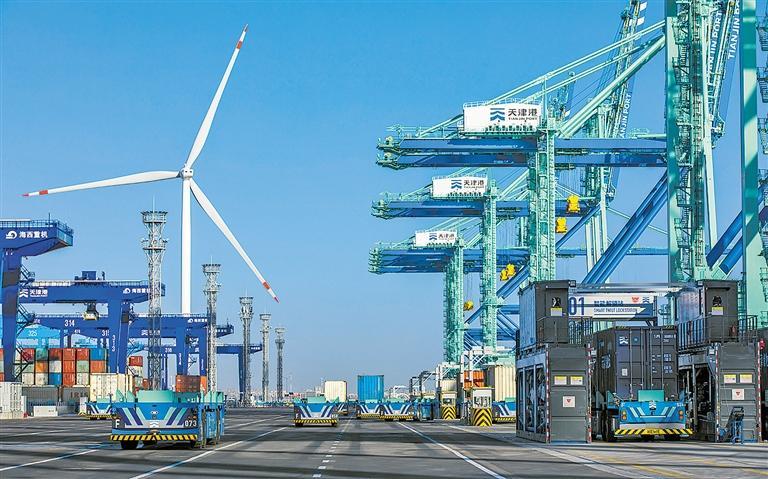
冬日暖阳下,在天津市滨海新区的天津港北疆C段智能化集装箱码头,一批人工智能运输机器人整齐列队, 将被装船发往阿联酋阿布扎比港。与传统人工集装箱码头相比,这些不知疲倦的"大块头"作业效率提升超 20%,助力天津港大型集装箱设备自动化率超88%。 传统重型卡车如"油老虎"般吞噬大量能源,又拖着黑色尾气的"污染包袱",长期以来成为区域发展的痛点。 为化解困扰,天津荣程新能科技集团有限公司自2024年起,联合京津冀地区氢能产业部分企业,共同踏上科 技攻坚之路。荣程新能集团总经理陆才垠说,近年来,研发人员在实验室里通过极寒启动技术创新、超薄石 墨极板技术突破、全生命周期保护体系及低氢耗自适应控制四大核心技术,推动大功率氢燃料电池系统不断 迭代。 图为在天津港北疆C段智能化集装箱码头工作的人工智能运输机器人。夏德崧摄 今年以来,滨海新区正加速朝着智能化、绿色化、融合化方向发展,积极构建以先进制造业为骨干的现代化 产业体系。在这背后,是滨海新区积极推动科技创新和产业创新深度融合,优化提升传统产业,培育壮大新 兴产业和未来产业,促进服务业优质高效发展的谋划与决心。 平台强支撑 目前,滨海新区已形成以7家全国重点实验室、4家海 ...

第九届股权投资金牛奖在合肥揭晓
Sou Hu Cai Jing· 2025-12-08 07:11
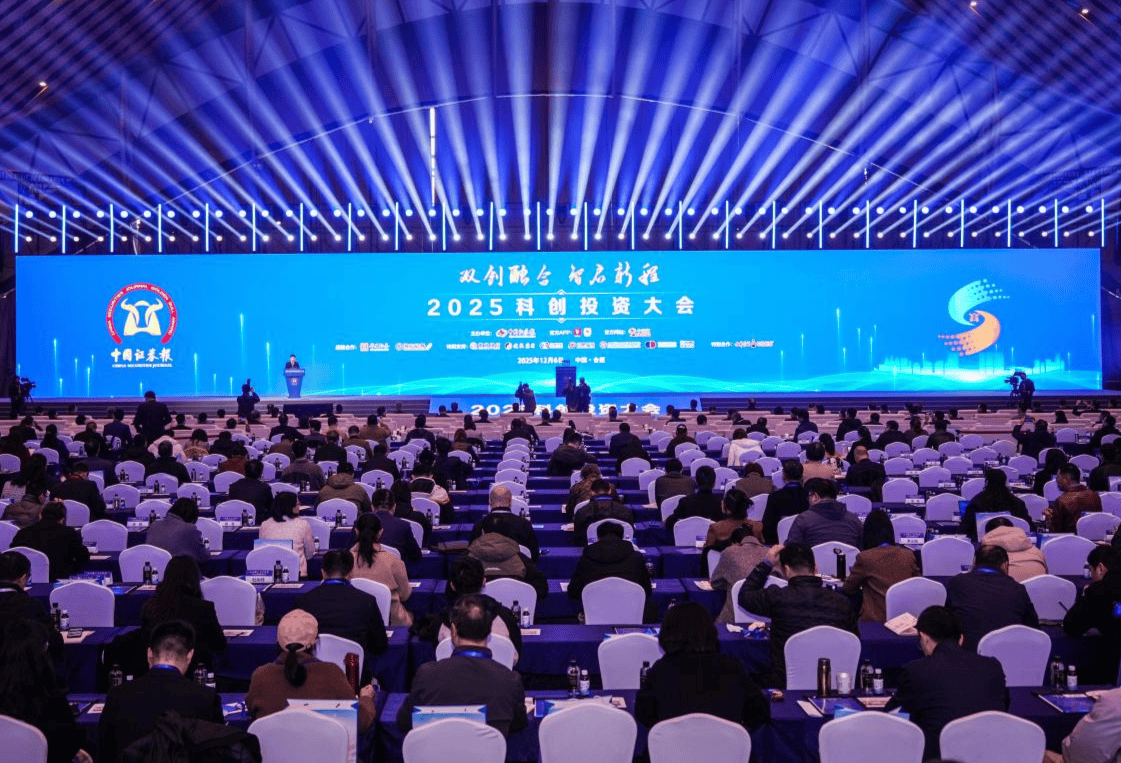
12月6日,由中国证券报主办的2025科创投资大会暨"第九届股权投资金牛奖"颁奖典礼在合肥举办。 来自政府部门、股权投资机构、上市公司等近千位代表齐聚一堂,共话科技创新与产业创新深度融合的新路径、新机遇。 合肥科创"尖子生"登台路演 多家合肥机构摘得"金牛奖" 合肥重点企业路演 由中国证券报主办的"金牛奖"被誉为资本市场的"奥斯卡"奖。依托金牛奖品牌打造的金牛生态圈,已成为链接资产端、资金端、产业端的"政产学研金服 用"深度融合的对话平台。 会上,第九届股权投资金牛奖榜单正式揭晓。合肥产投资本、合肥建投资本等机构荣获"私募股权投资机构金牛奖",合肥兴泰创业投资管理有限公司荣 获"创业投资机构金牛奖",合肥兴泰资本管理有限公司荣获"国资投资机构金牛奖"。 本次大会以"科技金融新生态、双创融合新动能"为主题,旨在依托中国证券报作为新华社旗下国家级财经媒体的资源整合能力,以及"金牛奖"在资本市场的 权威影响力,服务安徽"双招双引"工作,为安徽抢占科技创新制高点、推动"三地一区"建设助力。 围绕安徽重点发展的战略性新兴产业、未来产业,大会汇聚顶级专家学者、头部投资机构、上市公司高管等超过900人参会,搭建起搭建金融资 ...
迈向“十五五”美丽图景|这条成果转化生态链清晰、协同、开放 焕发创新“生命力”
Yang Shi Wang· 2025-12-08 02:49
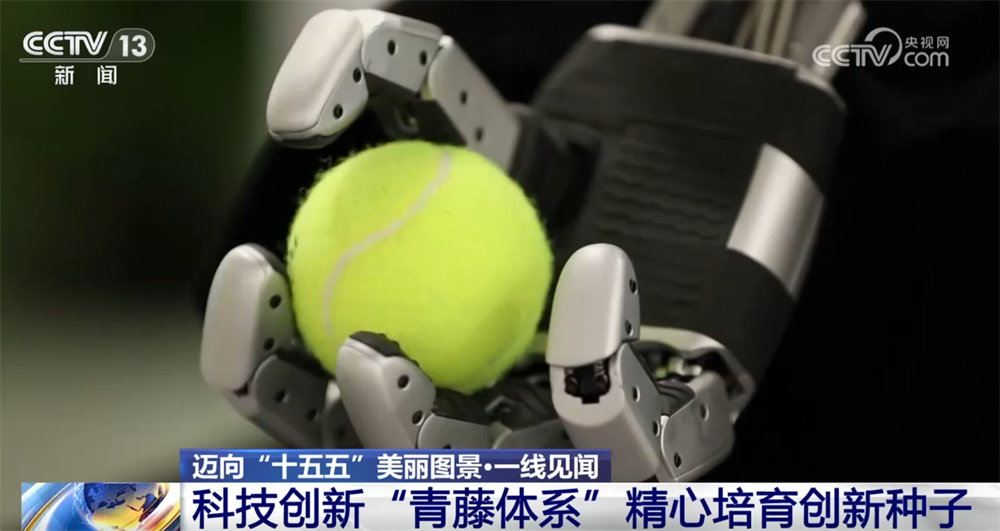
Core Viewpoint - The article emphasizes the importance of integrating technological innovation with industrial innovation, as outlined in the "14th Five-Year Plan," and highlights Shenzhen's initiative to create a systematic service framework for the transformation of scientific and technological achievements into practical applications [1][21]. Group 1: Innovation Ecosystem - Shenzhen has established the "Science and Innovation Green Vine Achievement Transformation Service System," which is a comprehensive and organized ecosystem for achievement transformation across the city [1]. - The "Moli Ying" incubator, focused on the AI and robotics sector, has attracted over 140 startups, primarily led by young entrepreneurs, who face challenges such as funding and resource allocation [1][4]. Group 2: Support Mechanisms - The "Green Vine" initiative provides a "six ones" policy, offering entrepreneurs essential resources including space, funding, and support services to facilitate their startup journey [4]. - Advanced professional technical managers play a crucial role in the transformation process, with over 300 recognized in Shenzhen, acting as "innovation ferrymen" to bridge technology and industry [16][19]. Group 3: Mid-Stage Testing Facilities - Shenzhen has developed concept verification centers and pilot testing platforms to address the challenges of transforming prototypes into market-ready products, particularly in high-risk fields like biomedicine [9][15]. - The mRNA innovation drug and vaccine pilot testing base exemplifies the support provided to new drug development teams, significantly reducing risks and costs associated with drug research [13][15]. Group 4: Future Outlook - The systematic design of the "Green Vine" initiative aims to tightly connect government, enterprises, universities, and markets, fostering a vibrant innovation ecosystem that will contribute to the future development of Shenzhen and the Greater Bay Area [21].
事关消费投资,黄奇帆刘世锦等建言十五五开局之路如何走
Bei Ke Cai Jing· 2025-12-07 14:00
Group 1 - China's economy is showing resilience and vitality as it approaches the end of 2025, with a focus on navigating challenges and opportunities in 2026 during the "14th Five-Year Plan" period [1] - Experts believe that China is at a critical stage of structural adjustment, where breaking through reforms will lead to both quantitative and qualitative economic growth [2] - The "14th Five-Year Plan" marks a shift in China's economic growth from being primarily driven by investment and exports to being driven by innovation and consumption [3] Group 2 - Consumption is crucial for China's economy, and there is a need to actively implement a "strong consumption country" strategy [3] - Increasing the pension levels for low-income groups is seen as a key breakthrough for expanding consumption, with a strong necessity for transferring state-owned capital to support pension funds [3] - The proposal includes reallocating state-owned capital to social security funds and capital markets to create a comprehensive pension system that meets basic living needs and reduces urban-rural disparities [3] Group 3 - China has the potential to become the world's largest consumer market, surpassing the United States, and should implement a new strategy for balanced imports and exports [4] - There is a call to expand the offshore RMB financial product ecosystem to enhance the liquidity and usability of the RMB, promoting its internationalization [4] - As the RMB appreciates, domestic consumers will be able to purchase more and better imported goods and services, thereby enhancing the scale and quality of consumption [4] Group 4 - Deepening reform and opening up is seen as a crucial path for economic breakthroughs, with macro policy optimization being an important support [5] - The focus for 2026 is on establishing a solid foundation for national policies as it will be a year where major global economies compete economically [5] Group 5 - Reform and innovation are identified as fundamental drivers of China's economic development over the past 40 years and are essential for achieving the "Chinese Dream" by 2050 [6] - Addressing issues of urban-rural integration and technological innovation is deemed critical, with a need for better integration of scientific and industrial innovation [6][7] - The "14th Five-Year Plan" period should focus on resolving challenges related to insufficient investment in basic innovation and the transformation of technological advancements [7] Group 6 - The GDP growth target for China in 2026 is expected to remain around 5%, which is considered a significant achievement in an international context [8] - Infrastructure investment is highlighted as a key method for stabilizing growth, with a strong emphasis on large-scale infrastructure projects to support economic stability [8] - Consumer spending is viewed as a slow variable, indicating that a significant rebound in consumption may be challenging in the near term [8]
新华全媒头条·2025中国经济回眸|攀高逐“新” “质”胜未来——新质生产力发展一线见闻
Xin Hua She· 2025-12-06 14:10
Core Viewpoint - The development of new quality productivity is essential for achieving high-quality growth, driven by technological innovation and industrial transformation [1][2][3]. Group 1: Technological Innovation - The successful conversion of thorium-uranium nuclear fuel in a 2 MW liquid fuel thorium molten salt experimental reactor marks a significant technological advancement for China's future nuclear energy systems [2]. - Major scientific breakthroughs include the "artificial sun" achieving a world record for plasma confinement time and the Chang'e 6 lunar sample research [2]. - The establishment of the Future Network Experimental Facility in Jiangsu, which significantly reduces data transmission time from 699 days to 1.64 hours, enhances the integration of communication technology and industry [6]. Group 2: Industrial Transformation - Xiaomi's automobile factory in Beijing has achieved full automation in production, marking a milestone with the production of its 500,000th vehicle [3]. - Traditional industries are undergoing transformation through digital empowerment, with over 35,000 smart factories established nationwide [3]. - New and emerging industries, such as humanoid robots and commercial aerospace, are rapidly developing, creating new growth points [3]. Group 3: Policy and Reform - The Chinese government is implementing comprehensive reforms to facilitate market-oriented resource allocation, enhancing the flow of advanced production factors towards new quality productivity [8][9]. - A series of policies have been introduced to create a supportive environment for innovation, including the establishment of a national technology trading service platform and support for specialized small and medium-sized enterprises [9]. - The launch of the Hainan Free Trade Port aims to attract global high-end innovation factors, further promoting the development of new quality productivity [9][10]. Group 4: Future Outlook - The focus on technological innovation and the transformation of traditional industries, alongside the development of emerging industries, is expected to accelerate the growth of new quality productivity, shaping new dynamics for China's high-quality economic development [10].
打造湖北首个上市公司集群式发展高地 长江产业集团上市公司东湖中心启用
Zheng Quan Shi Bao Wang· 2025-12-06 13:09
Core Insights - The launch of the Donghu Center marks a new phase for the Yangtze Industrial Group's listed companies, emphasizing a strategy of cluster synergy and ecological empowerment [1][2] Group 1: Strategic Development - The Donghu Center serves as a headquarters for listed companies in Wuhan, acting as a hub for capital, technology, and market connections, and is positioned as a strategic point for the central China region [2] - The center's establishment is part of a strategic layout that integrates ecological and technological innovation, aiming to combine industrial momentum with ecological advantages [2][4] Group 2: Comprehensive Empowerment Platform - The Donghu Center is designed as a comprehensive platform with a focus on "one base and three centers," which includes a Wuhan base, a central sales center, a results display center, and a roadshow release center [3] - This platform aims to consolidate resources, enhance brand image, and facilitate a shift from isolated efforts to collective strategies among listed companies [3] Group 3: Innovation and Industry Integration - The event featured presentations from eight listed companies showcasing their achievements in technology-driven high-quality development across various sectors, including biomedicine and new energy materials [4] - The Donghu Center will facilitate the integration of innovation, industry, finance, and talent, contributing to the establishment of Wuhan as a nationally influential technology innovation center [4]


青年企业家助力陕西高质量发展活动在西安举行
Shan Xi Ri Bao· 2025-12-04 22:46
12月3日至4日,由中国青年企业家协会、共青团陕西省委共同主办的"厚植丝路创业热土 汇聚青年 创新力量"2025青年企业家助力陕西高质量发展活动在西安举行。 据悉,共青团陕西省委已连续3年举办青年企业家助力陕西高质量发展活动,累计邀请500余名优秀 青年企业家来陕考察交流;开展中国—中亚青年企业家交流互访活动;组织青年企业家赴江苏、浙江、 福建等10余个省份开展考察交流;组织青年企业家地市行暨产业对接及政企恳谈等活动,鼓励青年企业 家积极在陕增资扩产,促成多个项目在陕落地。 活动中,省内外140余名青年企业家代表聆听了陕西产业发展和投资环境介绍,以及西咸新区、西 安高新区、榆林市榆阳区、安康高新区的招商推介。活动现场发布了"新能源光伏发电"等青年企业家在 陕增资扩产项目,签约了"中国—白俄罗斯数智充电及新能源汽车数智交易平台""煤化装备智慧物流园 区项目"等11个合作项目以及"陕西启迪科技园"等8个青年就业创业协作点。3名青年企业家代表作了分 享交流。 共青团陕西省委相关负责人表示,下一步,共青团陕西省委将搭建更多务实合作交流平台,推动更 多青年企业家在陕投资兴业,实现共赢发展。(记者:刘芊羽) 活动期间还举 ...
八面来风 何以安徽
Shang Hai Zheng Quan Bao· 2025-12-04 19:24
Core Viewpoint - Anhui province is transitioning from a traditional agricultural base to a new industrial powerhouse, showcasing significant development through innovation and collaboration [2]. Group 1: Economic Transformation - Anhui has evolved from being "caught in the middle" to becoming a "leader in scientific innovation" within a few years [2]. - The province is actively promoting the construction of "three regions and one area," which reflects its commitment to economic development [2]. Group 2: Innovation and Industry - The integration of technological and industrial innovation is a key practice driving Anhui's growth [2]. - The "Hefei experience" serves as a model for economic advancement and showcases the province's ability to adapt and thrive [2]. Group 3: Business Environment - Anhui emphasizes a business-friendly environment, fostering collaboration and support for enterprises [2]. - The province's cultural heritage and the spirit of Anhui merchants play a crucial role in its economic narrative [2].

吴桂英在宁乡市宣讲党的二十届四中全会、省委十二届九次全会精神并开展调研
Chang Sha Wan Bao· 2025-12-04 03:30
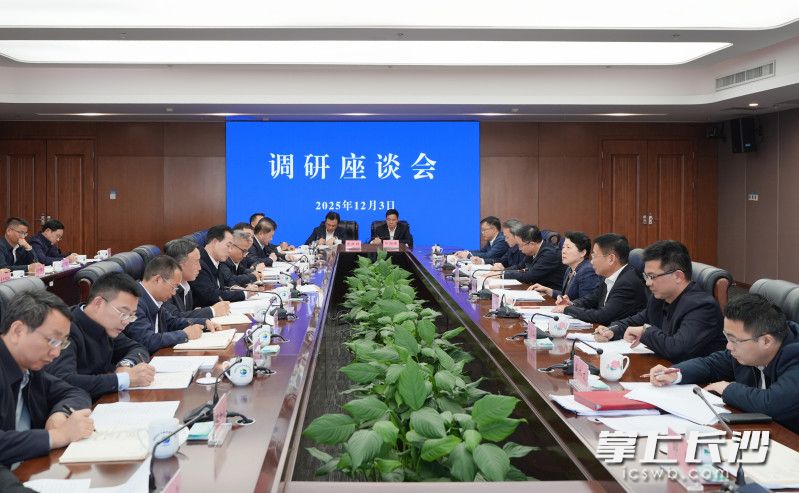
吴桂英强调,临近岁末年终,要聚精会神抓好经济建设这一中心工作和高质量发展这一首要任务,牢固树立 和践行正确政绩观,补齐短板弱项,强化项目支撑,完善要素保障,持续为企业纾困解难、聚势赋能,奋力攻坚 四季度、齐心打赢收官战。要强化民生保障,用心用情办好民生实事,抓好稳岗就业,提升公共服务水平。要强 化底线工作,从严抓好冬季大气污染防治工作,统筹抓好重点领域安全隐患排查整治,确保社会大局和谐稳定。 要严实纪律作风,驰而不息纠治"四风",不断巩固风清气正的政治生态。 陈博彰指出,宁乡要进一步强化"大县挑大梁、强县强担当"的责任感使命感,以更高站位推动产业提质升 级,以更实举措推进乡村全面振兴,以更强担当守牢安全风险底线,全力打好"十四五"收官战,科学谋划"十五 五"新蓝图。 12月3日,省委常委、市委书记吴桂英在宁乡宣讲党的二十届四中全会、省委十二届九次全会精神,调研经济 社会发展情况。她强调,要坚定信心决心,奋力冲刺攻坚,确保"十四五"收好官,"十五五"开好局。市委副书 记、代市长陈博彰参加。 12月3日,省委常委、市委书记吴桂英在宁乡宣讲党的二十届四中全会、省委十二届九次全会精神,调研经济 社会发展情况。 座谈会 ...
我省各部门各市县各单位传达学习省委八届八次全会精神
Hai Nan Ri Bao· 2025-12-04 02:46
Group 1 - Various departments and local units in Hainan are actively conveying and implementing the spirit of the Provincial Party Committee's 8th Plenary Session, focusing on current key tasks and planning for next year's work to ensure effective execution of the committee's decisions [2][6] - The Provincial Military-Civilian Integration Office emphasizes the importance of aligning with national strategies, fostering innovation, and enhancing the commercial aerospace industry, particularly through the development of the Wenchang International Aerospace City [2][4] - The Provincial Education Commission aims to construct a robust educational framework to support the high-quality development of Hainan Free Trade Port, focusing on talent cultivation and educational resource optimization [3][4] Group 2 - The Provincial Science and Technology Association is committed to enhancing its service functions, promoting high-end talent, and fostering international scientific cooperation to support the development of Hainan Free Trade Port [4][5] - The Provincial Federation of Industry and Commerce is working on policies to support private enterprises in expanding internationally, establishing a service mechanism for private enterprises, and enhancing cooperation with countries involved in the Belt and Road Initiative [5][6] - The Ledu County emphasizes the integration of the Provincial Party Committee's directives with local governance, focusing on industrial strength, ecological civilization, and improving grassroots governance effectiveness [6]