零售转型

Search documents
【大行报告】世邦魏理仕:香港酒店旅游稳步复苏,零售转型与海滨潜力待释放
Sou Hu Cai Jing· 2025-07-28 06:35
财华社7月28日讯,今日世邦魏理仕就今年上半年香港酒店、旅游及零售业发表看法,并对下半年进行 展望。 世邦魏理仕认为,随着国际旅客回流及消费行为持续演变,香港的酒店、旅游及零售业在2025年上半年 持续疫后复苏。然而,随着消费模式的转变加剧,业界仍面临一定挑战。 对于香港零售业下半年的表现,世邦魏理仕指出,2025年下半年消费者信心有望回稳,受潜在减息及大 型活动如Art Basel、榄球七人赛及国际演唱会等刺激消费。零售商与业主应保持灵活,运用数据驱动 策略及多元化产品组合,以把握新兴需求。 尽管入境旅客大幅增加,香港零售业在2025年上半年仍面临压力,零售销售按年下跌5.5%。2025年首 五个月,内地过夜旅客总消费按年下跌6%,受强势港元、人民币贬值及深圳价格竞争影响。然而,长 途过夜旅客的总消费则上升15%。 零售租金持续调整,核心区街铺租金按季微升0.9%。不过,内地品牌、电商平台及运动健康类租户在 核心区扩张,显示租户组合及消费需求正发生转变。 酒店与旅游业:多元客源与大型活动推动稳健增长 2025年1月至5月期间,香港共接待超过2,000万名国际旅客,有望超越2024年录得的4,450万人次。虽 ...

宁波银行(002142):盈利增速上行 拨备水平修复
Xin Lang Cai Jing· 2025-07-25 10:34
Core Insights - Ningbo Bank reported a year-on-year revenue growth of 7.91% and a net profit growth of 8.23% for the first half of 2025 [1][2] - Total assets increased by 11.04% year-to-date, with loans and deposits growing by 13.36% and 13.07% respectively [1][2] Financial Performance - Revenue growth accelerated by 2.28 percentage points compared to Q1, supporting a net profit growth increase of 2.47 percentage points [2] - The bank's total assets grew by 14.4% year-on-year, while loan growth was at 18.7% [2] - Deposit growth remained robust at 12.7% year-on-year [2] Asset Quality and Provisioning - Non-performing loan ratio remained stable at 0.76% as of June 2025 [2] - Provision coverage ratio increased by 3.62 percentage points to 374% [2] Investment Outlook - Ningbo Bank is positioned for high-quality development through retail transformation, benefiting from a diversified ownership structure and stable management [3] - Earnings per share (EPS) forecasts for 2025-2027 are projected at 4.38, 4.83, and 5.34 yuan, with corresponding growth rates of 6.5%, 10.3%, and 10.7% [3] - Current price-to-book (PB) ratios for 2025-2027 are 0.83x, 0.75x, and 0.67x, indicating strong long-term profitability and asset quality [3]

宁波银行(002142):盈利增速上行,拨备水平修复
Ping An Securities· 2025-07-25 09:11
银行 2025 年 7 月 25 日 宁波银行(002142.SZ) 盈利增速上行,拨备水平修复 强烈推荐(维持) 股价:27.24 元 主要数据 | 行业 | 银行 | | --- | --- | | 公司网址 | www.nbcb.com.cn | | 大股东/持股 | 宁波开发投资集团有限公司/18.74% | | 实际控制人 | | | 总股本(百万股) | 6,604 | | 流通 A 股(百万股) | 6,600 | | 流通 B/H 股(百万股) | | | 总市值(亿元) | 1,799 | | 流通 A 股市值(亿元) | 1,798 | | 每股净资产(元) | 31.83 | | 资产负债率(%) | 93.0 | | 行情走势图 | | 【平安证券】宁波银行(002142.SZ)*季报点评* 盈 利增 速稳健,存贷持续高增*强烈推荐20250429 证券分析师 | 袁喆奇 | 投资咨询资格编号 | | --- | --- | | | S1060520080003 | | | YUANZHEQI052@pingan.com.cn | | 许淼 | 投资咨询资格编号 | | | S1060 ...
禁酒令后的便利店
虎嗅APP· 2025-07-07 14:23
Core Viewpoint - The article discusses the significant impact of recent alcohol bans on the retail liquor industry, highlighting a drastic decline in sales and a shift in business models for liquor stores and convenience stores due to changing consumer behavior and regulatory pressures [2][3][4]. Group 1: Impact of Alcohol Ban - The ban has led to a sales decline of over 80% for many liquor stores, with more than 90% of stores experiencing severe damage [2]. - The core business model of liquor stores, which relied heavily on corporate bulk orders (50-70% of sales), has been disrupted, forcing them to operate as regular retail stores [3]. - High-end liquor brands like Moutai and Wuliangye are particularly affected, with inventory turnover days increasing from 45 to over 70 days [4]. Group 2: Decline in Convenience Stores - Convenience stores are facing a "chronic consumption battle," with average daily customer traffic down by about 15% compared to the previous year [7]. - The average number of items purchased per customer has decreased from 3.9 to 2.8, indicating a shift towards more targeted shopping behavior [8]. - The decline in customer traffic and average purchase quantity is leading to a continuous drop in the average transaction value [8][10]. Group 3: Industry Transformation - The retail landscape is shifting from a focus on information asymmetry and channel advantages to a more competitive environment where operational efficiency is crucial [10]. - Convenience stores must adapt by either reducing physical space or diversifying their service offerings to attract more customers [12][15]. - The transition to a "community service node" model is essential for survival, as traditional liquor sales are no longer sufficient [15]. Group 4: Strategic Adjustments - The article emphasizes the need for convenience stores to embrace a "small but refined" strategy, focusing on cost reduction and efficiency [12]. - In high-density urban areas, convenience stores must evolve into brand-oriented establishments that offer not just products but also experiences and social interactions [14]. - The survival of retail businesses now hinges on continuous operational refinement, market sensitivity, and the willingness to adapt to changing consumer demands [15].


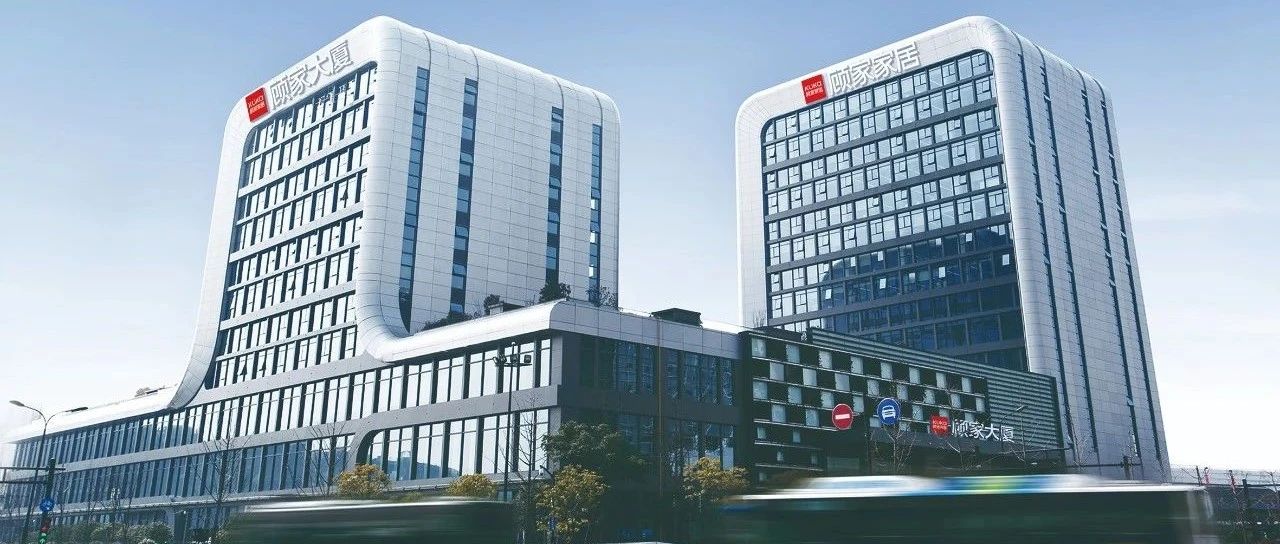
顾家重塑顾家
经济观察报· 2025-07-04 10:22
Core Viewpoint - The article emphasizes that Kuka Home is transforming from a real estate supplier to a lifestyle leader, focusing on user value and retail transformation to drive sustainable growth [1][7]. Group 1: Historical Context and Market Dynamics - Kuka Home originated from a small furniture company established in the 1990s, which has now become a leading player in the home furnishing industry [2]. - The home furnishing market in China has seen a significant decline, with new home sales dropping by 40% compared to peak levels, leading to a cautious consumer approach towards home purchases [2][3]. - The top five home furnishing companies in China hold less than 15% market share, indicating a fragmented market with structural opportunities for growth [3]. Group 2: User-Centric Approach and Business Transformation - Kuka Home is shifting its focus to user value, aiming to redefine its role from a real estate supplier to a lifestyle leader, emphasizing long-term value creation [7][8]. - The company is undergoing a transformation that includes digital capabilities enhancement and a new business paradigm centered around user insights [4][8]. - Kuka Home's strategy involves a comprehensive capability building and organizational change to align with user needs, including digital marketing, product design, and supply chain management [8][9]. Group 3: Product Innovation and Market Adaptation - Kuka Home has successfully transitioned from fixed sofas to functional sofas, overcoming significant industry barriers and establishing a unique technological advantage in the functional sofa category [12][15]. - The company has invested heavily in R&D, drawing inspiration from the automotive industry to innovate its product offerings [14][15]. - The growth of functional sofas has been promising, with continuous investment expected to enhance future development prospects [16]. Group 4: Integrated Value Chain and User Experience - Kuka Home is implementing a value chain integration strategy to enhance user experience across different product lines, focusing on holistic home solutions [24][25]. - The company aims to provide deep service through its integrated approach, enhancing customer relationships and overall user value [29][30]. - The establishment of a comprehensive infrastructure, including AI design platforms and efficient delivery systems, is crucial for maintaining high service quality [31][33]. Group 5: Retail Transformation and Operational Efficiency - Kuka Home is transitioning from a wholesale model to a retail-oriented approach, emphasizing end-user sales performance as a key metric [39][50]. - The company has developed several foundational systems to support its retail transformation, including a user marketing system and a retail distribution system [41][43]. - The integration of data-driven decision-making processes is expected to enhance operational efficiency and improve customer engagement [48][49]. Group 6: Global Expansion and Strategic Partnerships - In 2024, Kuka Home's revenue from domestic and international markets was 9.4 billion and 8.4 billion respectively, with international revenue showing an 11% increase [53]. - The company has established production bases in Vietnam, Mexico, and the United States, aiming to leverage local manufacturing capabilities for global expansion [55][56]. - Kuka Home is shifting from OEM/ODM to OBM strategies, targeting higher-end markets and enhancing brand influence in emerging markets [58][59]. Group 7: Governance and Long-Term Strategy - The governance structure of Kuka Home allows for significant autonomy for the management team to drive transformation, with a focus on strategic clarity and long-term goals [60][63]. - The company is committed to a long-term investment strategy in infrastructure and technology, which may not yield immediate profits but is essential for industry restructuring [63][64]. - Kuka Home's approach emphasizes user demand as a guiding principle for its strategic decisions, aiming to build a sustainable and resilient business model [66].

对话顾家家居高管团队:重新定义家居存量时代
经济观察报· 2025-07-04 10:22
Core Viewpoint - The future sustainable growth of the home furnishing industry must focus on creating long-term value centered around users, moving away from short-term strategies like expanding product categories and aggressive promotions [1][11]. Group 1: Industry Context - The home furnishing industry is undergoing significant changes due to the deep restructuring of the real estate sector, which has heavily impacted related industries [2]. - The industry has transitioned from a "parasitic" model reliant on real estate to a more independent approach, especially as new housing transactions have plummeted [8][9]. Group 2: Company Strategy - Gujia Home (603816.SH) is positioned as a stable player in the home furnishing sector, with consistent revenue growth and a solid cash flow, indicating potential for transformative changes [3]. - The company is moving away from traditional wholesale models to a retail transformation that directly addresses user value, which involves a comprehensive restructuring of its dealer and supplier systems [3][15]. Group 3: Market Dynamics - The home furnishing industry is characterized by a fragmented market with increasing competition and a shift in consumer demand towards more personalized and diverse needs [9][10]. - The past reliance on promotional strategies is no longer effective; understanding and addressing the real needs of consumers has become crucial [9][10]. Group 4: Consumer Behavior - Recent consumer trends indicate a slowdown in transactions, with buyers seeking better quality products at lower prices, reflecting a shift in purchasing behavior [34]. - The increase in product factory prices over the past two years suggests an improvement in supply quality, despite a decrease in overall demand [35]. Group 5: Retail Transformation - Gujia's retail transformation has been ongoing for seven years, focusing on building a user-centered approach rather than a factory-centered one [15][46]. - The company is implementing a digital platform, iKUKA, to enhance retail operations and improve efficiency by connecting directly with consumers [48]. Group 6: Strategic Focus - Gujia aims to redefine itself from merely selling furniture to becoming a brand that leads lifestyle choices, emphasizing a gradual approach from single products to comprehensive lifestyle solutions [19][20]. - The company is focusing on three strategic categories: sofas, mattresses, and customization, which are expected to drive significant revenue growth [26][27]. Group 7: International Expansion - Gujia's overseas business is projected to contribute nearly half of its revenue by 2024, with a focus on developing markets in Southeast Asia and Central Asia [55]. - The company is adopting a focused approach to international expansion, ensuring that resources are aligned to support marketing and sales efforts in strategic countries [56][57]. Group 8: Long-term Value Creation - The company emphasizes the importance of strategic assets and contributions that create long-term value, rather than short-term financial metrics [60][62]. - Gujia's management is committed to maintaining a balance between immediate business performance and long-term capability building, ensuring that strategic initiatives are not compromised during challenging times [63][64].

中百集团双新业态同日落地 食品专营+硬折扣模式开启零售转型新试验
Zheng Quan Shi Bao Wang· 2025-06-29 12:41
Core Insights - Zhongbai Group has launched two new store formats: the FOODMART supermarket and the Xiaobaihui discount store, aiming to explore new retail models [1] - The FOODMART format focuses on a wide variety of food products, with over 65% of its product categories being food-related, while the Xiaobaihui store emphasizes hard discounts on daily necessities, offering prices 20% to 30% lower than market rates [1][5] - The company plans to open around five similar stores by the end of the year, using these locations as experimental grounds for operational experience [1] Store Formats - FOODMART supermarkets are designed to cater to local residents' daily meal needs, featuring a 1,500 square meter layout with a 300 square meter prepared food section [1] - Xiaobaihui discount stores offer a comprehensive range of products at competitive prices, with examples including fresh fish priced 25% lower than market rates and various snacks and beverages at significant discounts [5][9] Strategic Direction - Zhongbai Group is focusing on multi-format innovation, having already transformed over ten large warehouse stores since last year, resulting in overall sales and customer growth [9][10] - The company is implementing a "one store, one strategy" approach to enhance profitability and is actively closing underperforming stores while expanding its online business [10] - Future plans include a concentrated procurement strategy and regional adaptation to penetrate the Wuhan and surrounding markets, aiming to provide consumers with cost-effective shopping options [10]

兴业银行千万存款换实习:私行业务转型困境下的畸形创新
Tai Mei Ti A P P· 2025-05-30 04:16
Core Viewpoint - The "Elite Internship Program" launched by Industrial Bank's private banking department has sparked widespread controversy and criticism for linking internship opportunities to high deposit requirements, raising concerns about fairness and social equity [2][6][7]. Group 1: Program Details and Reactions - The program requires non-private banking clients to deposit an additional 10 million yuan and existing private banking clients to deposit an additional 5 million yuan to secure internship opportunities at 50 well-known companies [2]. - Following the exposure of the program, companies like ByteDance and CITIC Securities denied any collaboration, emphasizing the independence of their recruitment processes [2][6]. - Industrial Bank acknowledged the misunderstanding caused by incomplete promotional statements and has suspended the program, clarifying that internships would be determined through company interviews rather than direct referrals [2][3]. Group 2: Motivations Behind the Program - The primary motivation for launching the program is to retain existing high-net-worth clients and attract new ones amid intense competition in the banking sector [3][4]. - The program aims to enhance client loyalty by offering scarce internship opportunities, addressing the significant concern of children's career development for wealthy families [3][4]. Group 3: Industry Context and Challenges - Industrial Bank faces pressure for business transformation, with a notable decline in non-interest income and a drop in net interest margin, indicating a struggling traditional profit model [4][9]. - The bank's credit card business has also seen a rise in non-performing loans, further complicating its financial health [4]. Group 4: Service Innovation and Competition - The "Elite Internship Program" represents a bold attempt at service innovation, extending beyond traditional wealth management to encompass various aspects of clients' lives [5][11]. - However, the program's approach has blurred the lines of fair competition, commodifying internship opportunities and raising ethical concerns about social equity [5][6][7]. Group 5: Public and Regulatory Response - The public reaction has been overwhelmingly negative, with widespread criticism of the program as a blatant challenge to fairness and social justice [6][7]. - Regulatory bodies are expected to investigate the program for potential violations of financial regulations, which could lead to reputational damage and operational impacts for Industrial Bank [8][9]. Group 6: Broader Implications - The incident highlights deeper issues within the private banking sector, including the challenges of differentiation and the need for banks to adapt to the evolving demands of high-net-worth clients [10][11]. - The program's failure underscores the importance of maintaining ethical standards and focusing on genuine service capabilities rather than seeking shortcuts for business growth [13].


直击平安银行股东大会!
证券时报· 2025-05-24 03:48
Core Viewpoint - Ping An Bank is facing challenges in maintaining its net interest margin amid a structural decline in the banking sector, with management emphasizing the need for differentiated development strategies to stabilize performance and improve stock prices [2][3][12]. Group 1: Net Interest Margin - The bank's net interest margin has decreased to 1.83%, compared to the industry average of 1.56%, indicating a relative advantage that may provide greater elasticity during the sector's recovery [2][3]. - Management is focused on controlling interest costs, particularly in retail banking, aiming to reduce the cost of interest-bearing liabilities [2][3]. - The average interest rate on deposits has decreased by 41 basis points year-on-year to 1.81%, contributing to the optimization of deposit costs [3]. Group 2: Retail Risk Management - The bank is transitioning from high-risk, high-yield retail products to medium-risk, medium-yield offerings, which has led to some financial and operational pain [6][7]. - As of the end of Q1 2025, the personal loan non-performing ratio was 1.32%, a decrease of 7 basis points from the previous year, indicating improvement in asset quality [6][7]. - The bank has actively reduced high-risk retail loan volumes by nearly 200 billion yuan in the past year, with a focus on clearing retail risks [6][7]. Group 3: Revenue and Profitability - In Q1 2025, the bank reported a revenue of 33.709 billion yuan, down 13.1% year-on-year, and a net profit of 14.096 billion yuan, down 5.6% year-on-year, attributed to market changes and business restructuring [9]. - Management plans to enhance profitability through various strategies, including reducing liability costs, adjusting customer structures, and improving asset quality [9][10]. Group 4: Stock Price and Valuation - The bank's stock price has decreased by 51.6% from its peak of 23.68 yuan per share, with a current price of 11.46 yuan, leading to a price-to-book ratio of 0.51 [12][13]. - Management acknowledges the impact of economic cycles on stock performance and is focused on improving the bank's fundamentals and operational performance to enhance market valuation [12][13]. - The bank has increased its dividend payout for 2024, reflecting a commitment to returning value to shareholders while maintaining capital adequacy [13].


直击平安银行股东大会!就增收增利、提振股价发声
券商中国· 2025-05-24 02:11
Core Viewpoint - Ping An Bank is facing challenges in maintaining net interest margin amid a structural decline, with management emphasizing the need for differentiated development strategies to stabilize performance and improve stock prices [2][3][11]. Group 1: Net Interest Margin - The bank's net interest margin has been under pressure, with the average interest rate on deposits decreasing to 1.81% in Q1 2025, down 41 basis points year-on-year [4]. - Ping An Bank aims to maintain a healthy net interest margin, targeting a stabilization above 1.6% to 1.7% by year-end [5]. - Cost control measures have been implemented, including reducing interest expenses and optimizing operational costs, contributing to a decrease in business and management expenses by 13.2% year-on-year [4]. Group 2: Retail Risk Management - The bank is transitioning its retail strategy from high-risk, high-reward products to a focus on medium-risk, medium-reward offerings, resulting in a reduction of high-risk product scales by nearly 200 billion yuan last year [6][7]. - As of March 2025, the personal loan non-performing ratio was 1.32%, a decrease of 7 basis points from the end of the previous year, indicating improvement in asset quality [6]. - The bank has intensified efforts in asset recovery, writing off 170.65 billion yuan in loans and recovering 94.25 billion yuan in non-performing assets, with 97.3% recovered in cash [6]. Group 3: Revenue and Profitability - In Q1 2025, Ping An Bank reported a revenue of 337.09 billion yuan, down 13.1% year-on-year, and a net profit of 140.96 billion yuan, down 5.6% year-on-year, attributed to market changes and business restructuring [8][9]. - Management is focusing on reducing liability costs, adjusting customer structures, and enhancing asset quality to return to positive growth in revenue and profit [9]. - Recent personnel changes aim to drive reform and stabilize revenue and profit, with new leadership in key positions [10]. Group 4: Stock Price and Valuation - Ping An Bank's stock price has decreased by 51.6% from its peak in 2021, with a current price-to-book ratio of 0.51, indicating a mid-range valuation among peers [11][12]. - Management acknowledges the impact of economic cycles on stock performance and is committed to improving the bank's fundamentals and operational performance to enhance market valuation [12][13]. - The bank has increased its dividend payout for 2024, reflecting a commitment to shareholder returns while maintaining capital adequacy [12].