数字化转型

Search documents
观察 | 2026开局,告别数字化“贴膜”
未可知人工智能研究院· 2026-01-01 04:02
Group 1 - The core idea of the article is that the use of AI should not merely be an upgrade of existing tools but a fundamental rethinking of processes and workflows, akin to the transition from water wheels to steam engines during the Industrial Revolution [1][2][11][78]. - The article emphasizes that many companies are currently in a "water wheel trap," where they implement AI without fundamentally changing their existing processes, leading to minimal improvements in efficiency [3][17][11]. Group 2 - The article discusses the "water wheel trap" by illustrating how early textile manufacturers only replaced water wheels with steam engines without redesigning their factories, resulting in only marginal efficiency gains [8][9]. - It highlights that true innovation occurs when organizations rethink their operational structures and processes, similar to how factories were relocated closer to resources and labor during the Industrial Revolution [9][20]. Group 3 - The article provides practical examples of how companies can leverage AI at different levels: individual, team, and organizational [21]. - At the individual level, it suggests that professionals should transition from performing tasks themselves to managing AI tools that can execute tasks more efficiently, thereby increasing productivity [22][30]. - At the team level, it emphasizes the importance of redesigning collaboration methods to incorporate AI as digital employees that automate routine tasks, freeing up human resources for more strategic work [37][40]. - At the organizational level, it argues for breaking down traditional hierarchical structures and approval processes, allowing AI to streamline decision-making and operational efficiency [48][55]. Group 4 - The article concludes with actionable steps for organizations to take: identifying repetitive tasks that can be automated by AI, starting with small experiments, and ultimately redesigning workflows to fully integrate AI capabilities [58][60][71]. - It encourages organizations to recognize the potential of AI not just as a tool but as a transformative element that can lead to significant changes in how work is structured and executed [78][80].


“齐鲁农云”平台上线
Zheng Quan Shi Bao Wang· 2026-01-01 03:35
Core Viewpoint - The "Qilu Agricultural Cloud" digital agriculture and rural comprehensive management service platform in Shandong Province is set to officially launch on December 31, 2025, aiming to drive the digital transformation of agricultural governance, industry development, and rural management through advanced technologies [1] Group 1 - The platform will feature a structure that includes "1 data warehouse, 1 agricultural code management platform, and six foundational capabilities: artificial intelligence, blockchain, satellite remote sensing, Internet of Things, visual Internet, and GIS geographic information" [1] - It will support 16 application scenarios to enhance various aspects of agricultural and rural services [1] Group 2 - The initiative aims to comprehensively utilize big data, cloud computing, and artificial intelligence to promote digital transformation in agriculture and rural sectors [1]
宁夏机场与悦泰联建创新实验室
Zhong Guo Min Hang Wang· 2026-01-01 02:20
Core Insights - Ningxia Airport Company is undergoing a digital transformation by establishing a joint innovation laboratory with Yuitai Company, aiming to integrate resources and enhance collaboration for innovation [1][2][3] Group 1: Digital Transformation Strategy - The digital transformation plan, issued in June 2025, emphasizes a "business-led, technology-driven" approach, focusing on five core business flows: flight flow, passenger flow, baggage flow, cargo flow, and traffic flow [2] - The plan aims to create a "1+5+N" digital capability system, with a central management platform to support various application scenarios [2] - Since the implementation of the plan, the digital transformation at Ningxia Airport has accelerated, with significant improvements in information sharing and business collaboration across regions and departments [2] Group 2: Innovation and Technology Development - The joint innovation laboratory serves as a practical platform for the entire digital transformation process, focusing on addressing operational challenges through technology breakthroughs [3] - Ningxia Airport has achieved rapid conversion of technological advancements into service efficiency, fostering a collaborative ecosystem for talent development and technical cooperation [3] - The partnership with Yuitai Company aims to enhance the speed of technological innovation and the efficiency of results transformation, exploring new paths in areas such as "5G + edge computing" and artificial intelligence [3]
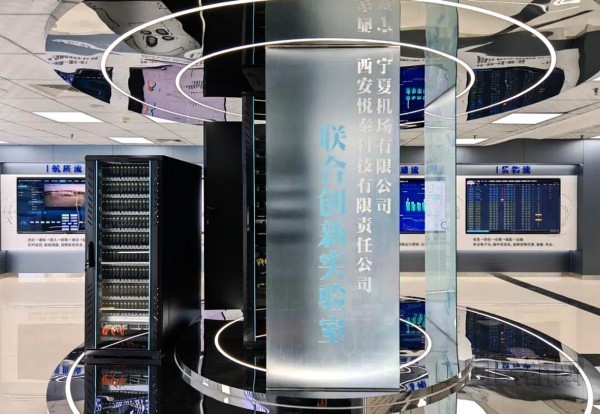
贵州银行高管变阵:“一正五副”新格局,原董事长落马与罚单何解?
Xin Lang Cai Jing· 2026-01-01 02:15
Core Viewpoint - Guizhou Bank is undergoing significant leadership changes and strategic transformations amid challenges such as slowing performance and compliance issues, highlighted by recent regulatory penalties and the conviction of its former chairman for illegal lending practices. Group 1: Leadership Changes - The Guizhou Banking Regulatory Bureau approved the qualifications of several key executives, including Vice President Xiang Donghai and independent directors Xu Liang and Zhang Junjie, marking a restructured leadership team [4][5] - The bank's first female president, Wu Fan, and Vice President Li Jian were approved in early 2025, indicating a pivotal year for leadership renewal [9][10] - The current leadership structure consists of one president and five vice presidents, aiming to enhance corporate governance and drive strategic changes [7][8] Group 2: Financial Performance - As of Q3 2025, Guizhou Bank reported total assets of 615.63 billion yuan, with operating income of 8.746 billion yuan and net profit of 3.105 billion yuan, although year-on-year growth rates were not disclosed [4][10] - The bank's net profit growth was only 0.31% year-on-year in the first half of 2025, reflecting ongoing profitability pressures [10][12] - The bank's retail loans accounted for less than 20% of its total loans, indicating a need for further retail transformation to drive growth [14][22] Group 3: Compliance and Regulatory Issues - The former chairman, Li Zhiming, was sentenced to 16 years and 6 months in prison for illegal lending exceeding 300 million yuan, raising concerns about the bank's governance and compliance culture [15][22] - In December 2025, the bank received two fines totaling 800,000 yuan for loan violations, highlighting ongoing compliance challenges [5][16] - The bank is focusing on digital transformation to enhance operational capabilities and address compliance issues, with significant investments planned for upgrading its electronic banking platform [20][21]

2025年清远西牛麻竹笋产业联盟总结大会召开 擘画高质量发展蓝图
Nan Fang Nong Cun Bao· 2026-01-01 02:05
Core Insights - The 2025 Qingyuan Xiniu Bamboo Shoot Industry Development Alliance summary meeting was held to review industry achievements and plan for quality improvement in 2026 [2][4]. Group 1: Industry Overview - The total planting area of Xiniu bamboo shoots in Qingyuan reached 1.0056 million acres, with an increase of 13,200 acres, and a total fresh bamboo shoot output of 1.6806 million tons, generating an industry chain value of 11.45 billion yuan [8]. - In 2025, the total area of bamboo shoots in Yingde City reached 863,900 acres, with a fresh bamboo shoot output of 1.5353 million tons and a comprehensive industry value of 10.546 billion yuan [9]. Group 2: Industry Development and Financial Support - Yingde City has 667 operating entities, with 27 enterprises obtaining SC certification and 6 leading enterprises recognized at the provincial and municipal levels [10]. - Since 2022, Yingde Rural Commercial Bank has provided over 1.227 billion yuan in industry loans, benefiting more than 4,700 entities, and has signed a framework agreement for a 1 billion yuan credit line for the bamboo shoot industry [28][34]. Group 3: Product Diversification and Market Expansion - The product range has expanded from traditional pickled bamboo shoots and dried bamboo shoots to include prepared dishes, probiotic pickled bamboo shoots, and biodegradable materials, with deep processing rates increasing to 35.71% [15][16]. - The industry has successfully entered overseas markets such as Vietnam, Cambodia, and South Africa, with export prices 50%-100% higher than domestic prices [16][17]. Group 4: Employment and Community Impact - The bamboo shoot industry has created employment for over 170,000 people, with 89,000 being farmers, and 90% of employees in deep processing enterprises coming from local areas [19]. Group 5: Quality Control and Brand Development - The Yingde Market Supervision Administration reported a 100% compliance rate for bamboo shoot production units and related products [40]. - The industry is leveraging a "media+" model for brand enhancement, integrating various media resources to promote the Xiniu bamboo shoot brand through events and digital marketing [55][59]. Group 6: Future Directions and Recommendations - The Qingyuan government emphasizes the need for collective market expansion, strict quality control, and a focus on standardization, branding, and digital transformation for the bamboo shoot industry in 2026 [50][54].

2026年,半导体技术趋势预测
半导体行业观察· 2026-01-01 01:26
Core Viewpoint - The semiconductor manufacturing sector is poised to become the core of the next phase of digital transformation, driven by flexible ultra-thin chip technology that will foster innovation across various emerging product forms, enhancing functionality and energy efficiency in manufacturing processes [2]. Group 1: Technological Trends - Flexible ultra-thin chip technology will lead to new innovations in wearable and audible devices, achieving higher functional density in limited spaces and promoting more energy-efficient manufacturing models [2]. - The demand for low-power machine learning accelerators, sensor-integrated chips, and memory-optimized chips will dominate the market by 2026, indicating a shift towards specialized chips in the semiconductor field [6]. - Heterogeneous integration will drive manufacturing innovation by combining different processes to create powerful and cost-effective systems, surpassing traditional single-chip technologies to meet the demands of AI, 5G, and other industrial needs [6]. Group 2: Market Dynamics - Companies that incorporate interconnected technologies into their 2026 strategies will be better positioned to seize future digital transformation opportunities, enhancing innovation and consumer engagement [2]. - The transition from batch customization to AI-driven personalized products in sectors like smart packaging, healthcare, and logistics will reshape market dynamics [6]. - As regulatory frameworks become more refined, the focus will shift from cost to competition, with NFC applications helping companies meet compliance and governance requirements [6]. Group 3: Sustainability and Energy Management - There is a growing emphasis on energy-efficient infrastructure in semiconductor manufacturing, driven by the increasing energy consumption associated with AI [6]. - Companies that adhere to principles of circular economy, sustainability, and resilience are expected to gain a competitive edge in the market transformation [6].
内外交困的出版业:2026年将何去何从?
Sou Hu Cai Jing· 2025-12-31 19:48
Core Insights - The publishing industry is facing significant challenges in 2025, driven by external pressures and internal adjustments that require enhanced responsiveness [1][3]. External Challenges - The rise of digital reading is significantly impacting the market share of traditional print publishing, with changing user habits leading to a decline in physical bookstore viability [3][4]. - Online e-book platforms are employing low-price strategies and convenient access methods, further diverting potential print book consumers [3]. - The emergence of self-media content formats, such as short videos and podcasts, is capturing user attention in a more fragmented and entertaining manner, posing a serious competitive threat to traditional publications [3]. - Global economic uncertainties are dampening cultural consumption willingness, leading to sluggish book sales and increasing inventory pressures within the publishing industry [3]. Internal Challenges - Some publishers lack awareness in brand building and reader service in the new media era, failing to establish strong emotional connections with readers, resulting in low reader loyalty [3][4]. - The traditional distribution methods are becoming obsolete, necessitating a shift towards direct engagement with readers and adaptation to new retail market dynamics [4][6]. - Publishers are struggling to accurately connect with readers, often lacking comprehensive reader data and relying on outdated marketing methods [6][9]. Digital Transformation Issues - Many publishing institutions face inadequate digital infrastructure, unclear copyright ownership, and insufficient operational capabilities, which hinder their ability to adapt to digital resource platform trends [9]. - The publishing industry is experiencing challenges related to copyright infringement by AI technology companies, with insufficient measures in place for protection and enforcement [9]. Trust and Credibility Concerns - The publishing industry is grappling with a trust crisis, as errors in published works can quickly undermine its authoritative role [10][12]. - There is a need for publishers to actively engage with readers, inviting them into the publishing process and addressing errors transparently to rebuild trust [10][12]. Future Outlook - The publishing industry must focus on repairing relationships with the market and readers, emphasizing the importance of establishing reliable reader data and enhancing service capabilities [13][14]. - The upcoming 2026 National Reading Week is expected to amplify the demand for quality books and respect for knowledge, providing an opportunity for the industry to rejuvenate [16].

2026年度投资策略会-资产配置专场
2025-12-31 16:02
Summary of Key Points from Conference Call Records Industry Overview - **China's Economic Growth**: In the first three quarters of 2025, China's economy grew by 5.2%, laying a foundation for the annual target of 5% growth. The forecast for 2026 includes a recovery in infrastructure and manufacturing investments, optimistic export conditions, and a retail growth rate in the service sector potentially reaching 6% [1][5][12]. Core Insights and Arguments - **Investment Forecasts**: - Infrastructure investment is expected to rebound to over 5% growth in 2026, while manufacturing investment is projected to stabilize around 5% due to technological and pricing factors [1][7]. - Real estate investment is anticipated to see a reduced decline, although inventory pressures remain, necessitating enhanced destocking policies [1][10]. - **Export Performance**: - Strong export performance in 2025 is expected to continue into 2026, with a growth rate of approximately 5%, supported by industrialization in emerging markets and a potential easing of trade tensions [1][11]. - **Fiscal and Monetary Policy**: - The fiscal policy for 2026 is projected to be proactive, with new special bond issuance potentially increasing to 4.6 trillion yuan and a broad deficit rate around 9.5%. Monetary policy may maintain liquidity stability, with a possible reserve requirement ratio cut of 50 basis points [1][13]. - **Inflation and Economic Growth**: - The Consumer Price Index (CPI) is expected to stabilize above 0.5%, while the Producer Price Index (PPI) is projected to gradually recover to around -0.5%. Overall, inflation is anticipated to return to approximately 0%, with GDP growth expected at 5% [1][16]. Additional Important Insights - **Consumer Market Trends**: - The current consumer spending rate in China is about 40%, lower than in developed countries. The service sector is expected to drive GDP growth, with retail growth in services projected at 6% for 2026, up from 5.4% in 2025 [1][6]. - **Banking Sector Dynamics**: - The banking sector is experiencing a dividend-driven market, supported by stable dividend yields and effective risk management. The performance of large banks remains strong, with a focus on maintaining dividend stability [3][24]. - **Wealth Management Growth**: - The scale of investable assets for residents has surpassed 300 trillion yuan, with a projected compound annual growth rate of 15%. This growth is expected to continue, driven by a shift towards higher-return assets [40][41]. - **Securities Market Performance**: - The securities market saw a 73% increase in IPOs in 2025, with significant growth in bond underwriting as well. The overall market remains active, with daily trading volumes significantly increasing [36][37]. - **Investment Banking Trends**: - Investment banking is expected to benefit from a supportive regulatory environment, with a focus on enhancing capital market inclusivity and adaptability. The growth in IPOs and refinancing activities indicates a recovery trend in the sector [39][44]. Conclusion The conference call highlighted a cautiously optimistic outlook for China's economy in 2026, with expected growth in infrastructure, manufacturing, and exports. The banking and securities sectors are positioned for continued growth, supported by favorable fiscal and monetary policies. Investors should monitor these trends closely to identify potential opportunities and risks in the market.
科技赋能,规模领先 苏州银行获评年度典范托管银行
Cai Jing Wang· 2025-12-31 14:41
Core Viewpoint - Suzhou Bank has been recognized as the "Annual Model Custodian Bank" in the 2025 Financial Industry Annual Awards for its outstanding performance in the custody business and continuous innovation in the financial sector [1] Group 1: Custody Business Performance - Since obtaining the asset custody license in 2022, Suzhou Bank has implemented an integrated operational approach, enhancing its custody business as a platform for resource integration [1] - As of September 2025, Suzhou Bank's asset custody scale reached 281.32 billion yuan [1] - The bank has developed a diversified custody service system with over 1,000 custody products, including securities investment funds, bank wealth management products, trust plans, and asset management products [1] - In the public fund custody sector, Suzhou Bank has custody of 17 public funds with a scale of nearly 30 billion yuan, maintaining the largest custody scale among its peers [1] Group 2: Institutional Framework and Compliance - Suzhou Bank has established a comprehensive institutional framework for its custody business, with 26 regulations covering the legal responsibilities of fund custodians, ensuring compliance and operational integrity [1] Group 3: Digital Transformation and Technological Innovation - In the context of the digital economy, Suzhou Bank is enhancing its system capabilities while steadily developing its business, focusing on process optimization and technological empowerment [2] - The bank is advancing its operational capabilities from "standardization" to "intelligentization" through digital transformation across all areas, including product design, operational services, management, and market expansion [2] - By applying cutting-edge technologies such as OCR and NLP, Suzhou Bank has centralized custody operations and reduced manual intervention, thereby strengthening risk control in its custody business [2] Group 4: Future Outlook - Suzhou Bank aims to continuously enhance its custody service expertise, fulfill custodian responsibilities to higher standards, and contribute to the healthy development of the asset management industry [2] - The bank is committed to creating greater value for clients and supporting the high-quality development of the real economy, with a goal of becoming a leading custodian bank in China [2]
2025白酒年度事件大盘点:告别高增长,行业挑战下的变革与新机
Sou Hu Cai Jing· 2025-12-31 14:12
Core Insights - The Chinese liquor industry is entering an adjustment phase in 2025, facing challenges such as the "ban on alcohol," rising inventory pressure, and declining profits, yet opportunities for growth are emerging through innovation and market expansion [2][4]. Policy Impact - A strict "ban on alcohol" policy was introduced, prohibiting public officials from consuming alcohol during workdays and even at home gatherings, with severe penalties for violations [2][4]. - This policy aims to curb corruption and address public health concerns related to alcohol consumption [4]. Digital Transformation - Leading liquor companies are advancing their digital transformation from isolated upgrades to comprehensive collaborative development, with initiatives like the first "lighthouse factory" by Luzhou Laojiao and 5G-connected factories by Shede [5]. - The Ministry of Industry and Information Technology has released guidelines for digital transformation in the liquor industry, with companies actively contributing to industry mapping [5]. ESG Practices - ESG efforts among listed liquor companies have shifted from compliance to value creation, with companies like Zhenjiu Li Du setting ambitious carbon neutrality goals and achieving high water recycling rates [7]. - Companies are integrating ESG principles into performance assessments and utilizing blockchain for product traceability [7]. Market Dynamics - The liquor market is experiencing severe inventory issues, with major companies implementing supply control measures and channel reforms to reshape pricing structures [8][10]. - In the first three quarters of 2025, liquor exports reached $704 million, a 5.3% increase year-on-year, indicating a growing international market [8][10]. Young Consumer Trends - The younger generation is increasingly favoring low-alcohol and flavored beverages, with participation rates among Gen Z rising from 66% in 2023 to 73% in 2025 [12]. - Major companies are launching low-alcohol products to cater to this demographic, with Wuliangye and Luzhou Laojiao leading the way [12]. Personnel Changes - The liquor industry is undergoing significant personnel changes, with over 20 companies experiencing nearly 30 key position shifts, indicating a trend towards younger management [14][16]. - The new management is expected to focus on refined operations and innovation to navigate industry pressures [16]. Financial Performance - In the first nine months of 2025, only two companies, Kweichow Moutai and Shanxi Fenjiu, reported positive net profit growth, while the average profit of 20 liquor companies fell by 39.2% [18]. - The average inventory turnover days for these companies surged to 1456.29 days, marking a significant increase from the previous year [18]. Health-Oriented Products - The health-oriented liquor market is gaining traction, with sales of functional products like Jinjian's red label liquor increasing by 50% in the first half of the year [20]. - However, the market faces challenges such as product homogeneity and compliance risks, with a projected market size exceeding 58 billion yuan [22]. Price Fluctuations - Moutai's price fell below the official guidance price of 1499 yuan per bottle in December 2025, raising concerns about future price trends [22]. - Following a price drop, Moutai's wholesale prices rebounded due to supply control measures and increased market demand during the peak season [24].