
RWA

Search documents
【私募调研记录】申九资产调研天阳科技
Zheng Quan Zhi Xing· 2025-06-02 00:09
Group 1 - Tianyang Technology ranks first in the domestic credit card sector and is actively expanding into overseas markets [1] - The company has launched a credit card product that allows for stablecoin top-ups, with mature technology and supportive regulatory policies promoting stablecoin usage [1] - Stablecoin cross-border payments do not require the SWIFT system, offering fast transactions, transparent fees, and lower costs, making them popular among cross-border trade enterprises [1] Group 2 - Financial technology companies need to possess blockchain development skills and market sensitivity, with RWA still in a growth phase [1] - Short-term, non-performing assets can be used as underlying assets for stablecoin payments, which are decentralized and have lower costs compared to traditional methods [1] - Stablecoin payment fees include transaction fees for converting between USD and stablecoins, as well as exchange rates between local currencies and USD [1] Group 3 - The issuance of stablecoins has high thresholds, with liquid stablecoins like USDT and USDC expected to dominate the market [1] - Not all countries have a demand for issuing stablecoins, which are essentially digital representations of fiat currencies, reinforcing the dominance of the US dollar [1] - Tianyang Technology collaborates with leading manufacturers to expand into Southeast Asia and provide credit card migration and technical support [1]
聚焦IP-RWA新纪元,IPX引领全球知识产权资产链上化新浪潮
Sou Hu Cai Jing· 2025-05-30 08:48
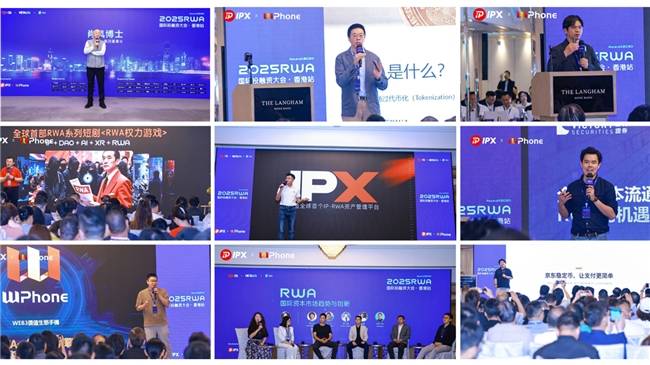
Core Insights - The 2025 RWA International Investment and Financing Conference in Hong Kong highlighted the strategic importance of IP asset tokenization and the implementation of Real World Assets (RWA) [1][3][9] - IPX, as the official organizer, presented a comprehensive IP-RWA solution focusing on the on-chain verification and structured issuance of IP assets, receiving high recognition from both domestic and international capital representatives [1][9] Group 1: Conference Highlights - The conference featured prominent industry leaders discussing the future of IP assets and their integration into the RWA framework, emphasizing the importance of structured financial engineering rather than mere asset fractionalization [5][9] - Two in-depth roundtable forums were held, focusing on "Multi-chain Deployment and Cross-border Compliance of RWA" and "How Intellectual Property Can Become Mainstream RWA Assets," which received enthusiastic responses from attendees [3][9] Group 2: Key Contributions and Future Directions - Dr. Xiao Feng emphasized that the underlying logic of RWA can be traced back to asset securitization in traditional finance, and that current asset tokenization represents a digital reconstruction based on blockchain technology [3][5] - The design of IPX's asset pathway, which includes domestic verification, issuance in Hong Kong, and entry into secondary markets in Singapore and Dubai, is seen as both forward-looking and operationally viable [5][9] - IPX has launched the "Global IP Tokenization Pilot Program" to promote high-potential intellectual property assets into the mainstream RWA market, marking a significant step in the integration of creative assets into the blockchain financial ecosystem [9][10]

数权宝助力杭州私行总会会员单位4500万高端库存2天清零!
Sou Hu Cai Jing· 2025-05-29 14:08
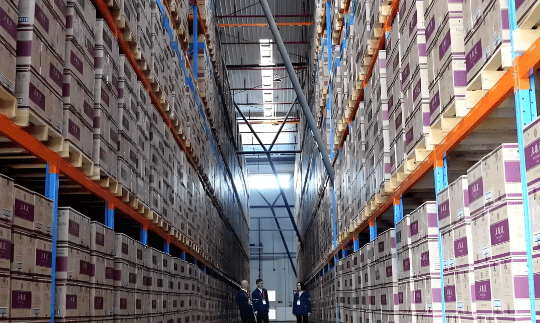
Core Insights - The article highlights the innovative "RWA Digital Asset Solution" by the company, which successfully addresses the challenges faced by traditional distribution channels, such as rising marketing costs and inventory backlog, by transforming physical inventory into digital assets [1][3]. Group 1: Inventory Management and Transformation - The company faced a significant challenge with 45 million yuan worth of high-end liquor inventory that was unsold. The introduction of the RWA Digital Asset Solution allowed for the conversion of this physical inventory into tradable digital rights, effectively reshaping the value circulation logic of high-end consumer goods [3][4]. - Utilizing blockchain technology, the company developed a system that splits the 45 million yuan inventory into 450,000 "Private Enjoyment Rights Certificates," each representing a value of 100 yuan in physical assets and additional rights, thus turning the inventory into a "digital gold mine" [4]. Group 2: User Engagement and Ecosystem Development - The RWA digital asset ecosystem employs a dual-token model that incentivizes user engagement. Users can earn "Private Digital Assets" through purchases or referrals, which can be used for direct consumption across various platforms, including Alipay, and can be exchanged for higher-tier "Private Equity Tokens" that allow participation in profit distribution [5]. - The system has successfully created a user base of 150,000 high-net-worth individuals, enhancing customer loyalty and engagement through a membership system that leverages on-chain consumption data [10][11]. Group 3: Security and Compliance - The RWA system is built on a secure and compliant framework, utilizing alliance chain technology that has passed national blockchain service registrations. Data is encrypted and stored on distributed nodes, ensuring transparency and preventing inventory fraud [7][9]. - The smart contracts used in the system have undergone third-party audits, achieving ISO 27001 certification for security, and include dynamic risk control mechanisms to monitor inventory flow and trigger alerts for significant fluctuations [6][7]. Group 4: Business Performance and Market Impact - The implementation of the RWA Digital Asset System led to the rapid sale of the 45 million yuan inventory within just 72 hours, achieving a 20-fold efficiency increase compared to traditional clearance methods, which typically take 6 to 12 months [10]. - The total revenue generated reached 135 million yuan, including secondary market trading premiums, significantly outperforming traditional discount clearance models by three times, with a user repurchase rate of 45% [10].
“第11届品牌强国论坛”聚焦数字时代品牌价值
Zhong Guo Xin Wen Wang· 2025-05-25 15:51
Group 1 - The 11th Brand Power Forum was held in Shenzhen, focusing on the reconstruction of brand value in the digital economy era, with over a hundred professionals from various sectors attending [1] - Key discussions included the enhancement of Chinese enterprise brand value in the digital age, emphasizing the importance of brands as a core component of national competitiveness and a measure of comprehensive national strength [1] - The Asia Brand Research Institute released the "2025 China Brand Top 500" list, highlighting Huawei, State Grid, and Industrial and Commercial Bank of China among the top ten for brand value and strategic innovation capability [1] Group 2 - A parallel roundtable forum titled "Brand RWA: Reconstructing Brand Value" was held, focusing on the application scenarios of Real World Assets (RWA) [2] - Experts discussed how brand asset tokenization can transform "brand credit + market value," enhancing asset liquidity and shifting users from "receivers" to "co-builders," thereby reconstructing the relationship between brands and consumers [2]
基于Web3.0——RWA赛道的新融资模式(下)
Sou Hu Cai Jing· 2025-05-21 14:27
Group 1: Drivers of RWA Market - The RWA sector is rapidly attracting users due to liquidity demands, as traditional assets like real estate have high entry barriers and low liquidity, while RWA allows for tokenization and fractional ownership, appealing to global retail investors [3] - Policy support from regulatory bodies, such as the Hong Kong Monetary Authority's sandbox mechanism and the SEC's exploration of compliant tokenized securities, provides a favorable environment for RWA [3] - Technological advancements, particularly the integration of AI, IoT, and blockchain, enhance the transparency and credibility of asset data on-chain, exemplified by Ant Chain's "Asset Chain + Transaction Chain" architecture [3] Group 2: Core Advantages of RWA - RWA significantly improves financing efficiency, reducing the financing cycle from 6-12 months for traditional ABS to approximately 8 weeks [3] - Costs are lowered through automated management via smart contracts, with financing costs for certain renewable energy companies decreasing from 15% to 8% [3] - Liquidity is enhanced as tokenized assets support 24/7 global trading, allowing investments in U.S. real estate equity starting from as low as $50 on platforms like RealT [3] Group 3: RWA Issuance Process - The asset selection process focuses on regulatory-friendly and high-certainty assets, with mainstream RWA assets currently concentrated in categories such as real estate and high-credit debt [5] - Issuers are primarily compliant financial institutions, with plans to gradually expand to small and medium enterprises [7] - The issuance process involves multiple stages, including asset preparation, technology platform setup, regulatory coordination, on-chain issuance and trading, and ongoing management [10][11] Group 4: Blockchain Technology and Platform Selection - The prevailing architecture for RWA platforms is a combination of consortium chains and cross-chain bridges, facilitating cross-border compliance and multi-role collaboration [12] - Key features of this architecture include data privacy, on-chain compliance, and cross-chain interoperability, ensuring a secure and efficient transaction environment [12] Group 5: Future Potential and Challenges of RWA - RWA is positioned as a key player in the market, bridging traditional assets and the digital world, and is crucial for the integration of DeFi and TradFi [18] - Current challenges include regulatory lag, high issuance thresholds, limited asset selection, high issuance costs, and a narrow investor base [18] - Future developments are expected to include clearer regulatory frameworks, reduced issuance barriers, diversified asset types, and improved investor maturity [19][20]
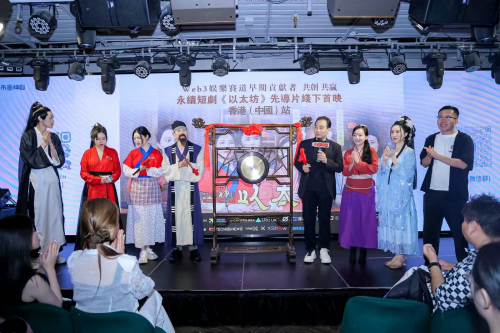
永续古装《以太坊》短剧 敲响香港RWA上市第一钟
Sou Hu Wang· 2025-05-20 03:23
Core Insights - The short drama "Ethereum" has gained significant attention, being described as a "divine drama" that creatively narrates the concepts of Bitcoin and blockchain in an ancient setting [1] - May 17 marks a historic day for Hong Kong as it celebrates the listing of RWA (Real World Assets) in the Web3 entertainment sector, with the short drama "Ethereum" ringing the first bell [1][13] - The event attracted various industry innovators and media representatives, indicating a collaborative effort to explore the Web3 entertainment landscape [1][5] Group 1 - The premiere of "Ethereum" took place at Vpoint building in Hong Kong, featuring the main creators and actors, along with nearly a hundred guests [5] - The event included a showcase of notable works in the industry, such as the Web3 suspense short drama "Black Amber" and the award-winning film "Reincarnation Dilemma" [7] - The main actress Lin Xingtong plays the role of Bi Aixi and also serves as a co-producer for the drama [9] Group 2 - The bell-ringing ceremony for RWA's listing was attended by guests dressed in ancient costumes, marking the official launch of the Web3 entertainment sector [13] - The director of the drama, Li Er Chai Si, has a history of creating influential internet phenomena and has been involved in the blockchain space for seven years [13] - The "Ethereum" short drama adopts a co-creation model and introduces the concept of "perpetuity," attracting interest from Web3 practitioners and industry experts [13]
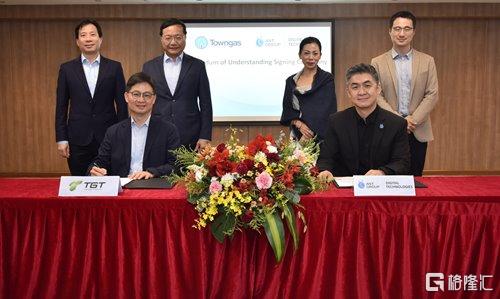
名气通与蚂蚁数字科技签署合作备忘录 推动多领域合作
Ge Long Hui· 2025-05-19 11:43
Core Viewpoint - Hong Kong and China Gas Company Limited's subsidiary, Mingqi Tong Telecommunications Limited, has signed a memorandum of cooperation with Ant Group's Ant Digital Technology to explore the integration of AI technology in enhancing data center services and developing solutions in the Real World Assets (RWA) sector [1][2]. Group 1: Partnership Details - The collaboration aims to leverage AI capabilities to improve data center services, focusing on areas such as Internet Data Center (IDC) RWA cooperation and AI transformation for the gas company's related businesses [1][2]. - A joint team will be established to oversee the progress of the collaboration, highlighting the increasing importance of AI and Web3 technologies in transforming traditional infrastructure services [1][4]. Group 2: Future Plans - The partnership plans to deepen cooperation across the gas company's seven business segments, which include urban gas operations in Hong Kong and mainland China, water and environmental services, renewable energy, B2C extensions, green methanol, and sustainable aviation fuel (SAF) [2]. - The gas company intends to adopt AI to enhance internal management and establish an integrated control system across finance, human resources, procurement, operations, and master data [2].

稳定币的起源与野望:星火燎原,渐入佳境
GOLDEN SUN SECURITIES· 2025-05-18 10:50
Investment Rating - The report maintains an "Accumulate" rating for the blockchain industry, specifically focusing on stablecoins [4]. Core Insights - Stablecoins have emerged as essential tools in the cryptocurrency market, serving as a bridge between traditional finance and Web3.0, facilitating transactions and providing liquidity [7][30]. - The demand for stablecoins is driven by their ability to act as a "fiat currency" on the blockchain, enabling seamless integration with decentralized finance (DeFi) projects [8][12]. - The report highlights the increasing adoption of stablecoins by traditional financial institutions, indicating a trend towards institutionalization in the Real World Assets (RWA) sector [51][52]. Summary by Sections 1. Core Insights - Stablecoins originated in the early days of Web3.0 as a means to facilitate cryptocurrency transactions and have evolved into foundational tools for exchanges, DeFi, and RWA ecosystems [7]. - The success of stablecoins hinges on market trust, which is closely tied to their credit transmission mechanisms [7]. 2. The Necessity of Stablecoins - Stablecoins serve as a digital representation of fiat currencies on the blockchain, allowing for deeper integration with DeFi projects [8]. - The need for stablecoins arose from the limitations of traditional fiat currencies in the blockchain space, particularly regarding transaction speed and interoperability [9][10]. 3. RWA as a Key Application Area - RWA has become a significant driver for the cryptocurrency market, with traditional financial institutions increasingly adopting stablecoins to facilitate transactions [51]. - The report notes that the RWA market has shown resilience and growth, even amid fluctuations in cryptocurrency prices [49]. 4. Regulatory Considerations for Stablecoins - The report discusses the ongoing evolution of stablecoin regulation, emphasizing the need for a balanced approach that fosters innovation while ensuring consumer protection [5]. 5. Credit Transmission Models for Stablecoins - There are three primary models for credit transmission in stablecoins: centralized issuance backed by reserves, decentralized issuance through collateralized assets, and algorithmic stablecoins [32]. - USDT, as a centralized stablecoin, relies on traditional market mechanisms for credit transmission, while DAI and USDS utilize decentralized models [33][39]. 6. Market Dynamics and Trends - As of May 3, 2025, the total issuance of stablecoins exceeded $240 billion, with USDT and USDC dominating the market [26][23]. - The report highlights the growing importance of decentralized stablecoins in the DeFi ecosystem, although centralized stablecoins still hold a significant market share [20][24].
国盛证券:稳定币充当加密货币市场“计价工具”作用 关注三类信用传递
智通财经网· 2025-05-17 23:28
智通财经APP获悉,国盛证券发布研报称,稳定币某种程度上充当了加密货币市场"计价工具"的作用, 这是对传统法币交易的一种补充甚至替代。目前有三类方式实现这种信用传递:中心化机构足额储备资 产发行稳定币、基于区块链智能合约抵押加密资产发行稳定币、算法稳定币。稳定币监管在逐渐推进过 程中,目前稳定币是先发展、同时与监管进行磨合的过程中,虽然在发展历程中也经历过质疑,但伴随 BTC进入主流资本市场,稳定币的发展有望提速。 国盛证券主要观点如下: 稳定币指的是价值锚定各类法币的加密货币,作为区块链上的资产,稳定币的其优势是可以与加密货币 项目(如DeFi)在区块链基础设施层面深度融合,有非常好的网络扩展性。随着美国、中国香港等地传统 金融机构发力RWA领域,推动了稳定币在传统支付市场应用的探索与深入。 目前有三类方式实现这种信用传递:中心化机构足额储备资产发行稳定币、基于区块链智能合约抵押加 密资产发行稳定币、算法稳定币。对于稳定币来说,USDT这种中心化机构发行的稳定币处于主导地 位;第二类超额抵押和第三轮算法稳定币的机制在一定程度上并不直观,用户往往并不能很直接地感受 到其稳定币产品的内在价值锚定逻辑,尤其是在加 ...
霍普股份(301024) - 301024霍普股份投资者关系管理信息20250516(2024年度业绩说明会)
2025-05-16 10:00
Group 1: Business Transformation and Strategy - The company is focusing on the "dual carbon" goal, emphasizing a green transformation with a zero-carbon comprehensive solution service system [3] - The business is structured into two main segments: green building and green energy, with a collaborative development model [3] - The green energy segment achieved a 94% revenue growth in 2024, indicating strong market potential [8] Group 2: Financial Performance and Growth Measures - The company reported a low revenue of approximately 1,500 million in Q1 2025, primarily due to seasonal and supply-demand factors [3] - To address revenue challenges, the company aims to expand its revenue base and achieve profitability through various measures, including optimizing personnel structure and enhancing project development speed [3] - The company plans to leverage existing client relationships and explore new client segments to bolster revenue in the architectural design sector [16] Group 3: Strategic Partnerships and Collaborations - The company is collaborating with Ant Group on a "blockchain + new energy" initiative, launching a one-stop solution for destination charging scenarios [3] - There is a focus on integrating upstream and downstream resources through potential mergers or strategic partnerships [6] Group 4: Market Position and Competitive Advantage - The company maintains a competitive edge in architectural design through innovation, technical research, and a strong client resource base [9] - The company is actively responding to the declining real estate market by enhancing its green building capabilities and expanding into new energy sectors [7] Group 5: Future Outlook and Industry Trends - The company is optimistic about the future of the industry, citing vast market space and growth potential [17] - The company is committed to developing a zero-carbon comprehensive solution service ecosystem, aiming to optimize its business structure and enhance profitability [16]