即时零售

Search documents
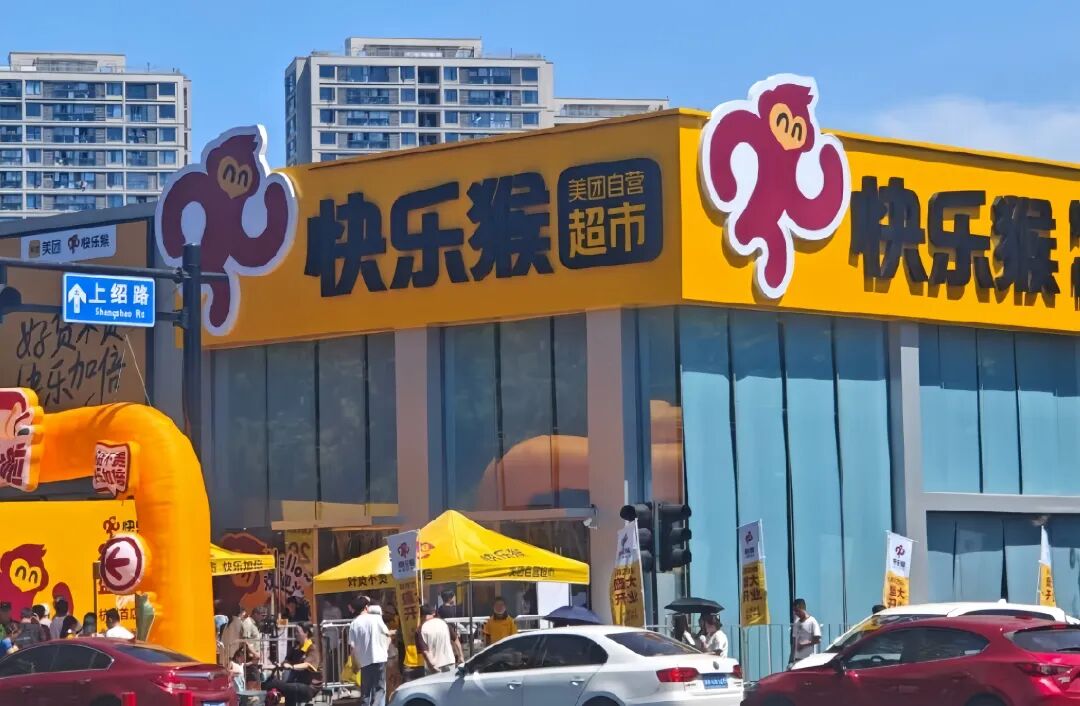
2025,大厂“押注”硬折扣
Xin Lang Cai Jing· 2025-09-12 06:09
Core Viewpoint - The launch of Meituan's discount supermarket "Happy Monkey" in Hangzhou marks a significant move by major internet companies into the hard discount retail sector, which is expected to reshape the future of instant retail and enhance supply chain efficiency [1][2][4]. Group 1: Hard Discount Market Dynamics - The hard discount model focuses on extreme cost reduction and efficiency in operations and supply chains, typically achieving gross margins of 10%-15% [2]. - Major players like Meituan, Alibaba's Hema NB, and JD.com are entering the hard discount space, indicating a competitive landscape that extends from online to offline retail [1][4]. - The competition among these companies is characterized by strategic positioning in different geographic areas, with Meituan targeting first-tier cities, Hema NB focusing on the Yangtze River Delta, and JD.com expanding in northern cities [4]. Group 2: Retail Efficiency Revolution - The hard discount model is expected to drive a new wave of retail efficiency by reducing unnecessary distribution costs and directly engaging with manufacturers [5][6]. - The shift towards hard discounting is supported by changing consumer preferences, with a projected compound annual growth rate of 5.6% for hard discount formats over the next decade, outpacing traditional supermarkets [7][8]. - Consumers are increasingly seeking value-driven purchasing options, leading to a decline in luxury goods sales and a rise in outlet sales [6][7]. Group 3: Self-Operated Products and Quality Assurance - Major retailers are focusing on self-operated products to enhance price competitiveness while maintaining quality, with Hema NB's self-operated products accounting for approximately 60% of its offerings [10][12]. - The development of self-operated products allows retailers to collaborate closely with top suppliers, ensuring that pricing reflects true production costs and quality standards [11][12]. - Companies like JD.com are also introducing their own brands to compete effectively in the hard discount market, emphasizing quality and supply chain optimization as core strengths [12].


2025,大厂「押注」硬折扣
3 6 Ke· 2025-09-12 02:39
Core Insights - The article discusses the launch of Meituan's first hard discount supermarket "Happy Monkey" in Hangzhou, marking a significant move in the retail sector as major internet companies enter the hard discount space [2][4] - The competition in the hard discount sector is intensifying, with other players like Hema NB and JD's discount supermarket also expanding their presence, indicating a shift from online to offline retail strategies [5][11] Industry Overview - Hard discount retailing is characterized by a focus on cost reduction and efficiency in the supply chain, contrasting with soft discount models that rely on purchasing expired or near-expiry goods [4][12] - The gross margin for hard discount retail typically ranges from 10% to 15%, allowing for competitive pricing while maintaining profitability [6] Competitive Landscape - Major players like Meituan, JD, and Alibaba are strategically positioning themselves in the hard discount market, leveraging their existing resources and supply chains to enhance operational efficiency [11][19] - The competition is not only about pricing but also about providing high-quality products and a better shopping experience, as consumer preferences shift towards value for money [17][21] Consumer Trends - There is a noticeable shift in consumer behavior towards more cost-effective purchasing options, with a projected compound annual growth rate of 5.6% for hard discount formats over the next decade, outpacing traditional supermarkets [16] - The demand for high-quality yet affordable products is driving the development of private label goods, which are crucial for maintaining competitive pricing and enhancing consumer trust [18][19] Strategic Initiatives - Companies are focusing on direct sourcing from manufacturers to reduce costs and improve product pricing, thereby enhancing the overall value proposition for consumers [13][21] - The integration of self-operated products is becoming a key strategy for hard discount retailers, allowing them to offer better prices while ensuring quality through direct partnerships with top suppliers [18][19]

高德扫街榜为什么可“行”
证券时报· 2025-09-12 00:30
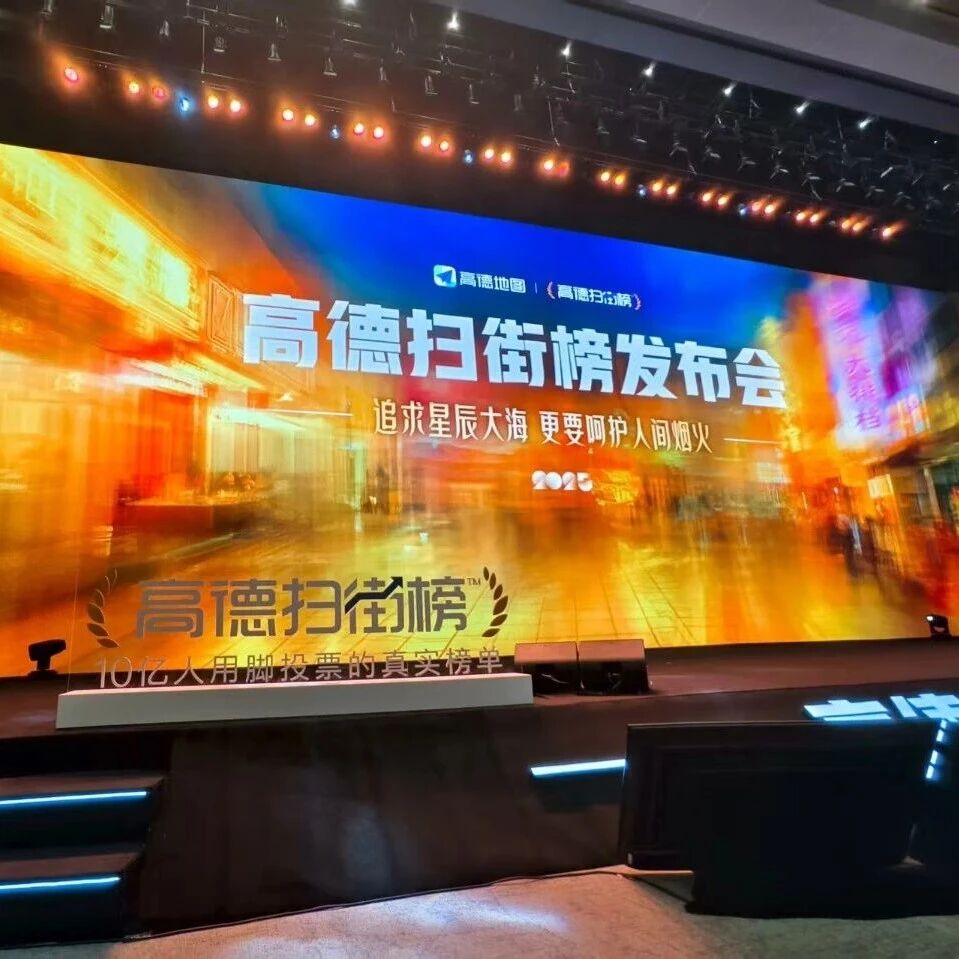
"送您一道菜,可以给一个五星好评吗?""帮您免单,可以帮忙删除差评吗……"当店员恳切地对 顾客发出类似请求,并附带一定的利益让渡时,大概率不会遭到拒绝——这是点评类应用评分失 真的重要来源场景之一。 点评平台赋予用户的话语权,通过长期积累构成了针对商户的量化评价体系;但当下包含一定情绪和随机性的 评价,难以对用户行为进行回溯,从而造成了评价体系失真现象和诸多消费争议。 阿里巴巴旗下高德地图9月10日推出的高德扫街榜,力图直击上述痛点,其创新之处在于将用户评价同信用和 行为两大要素挂钩。一方面,高德扫街榜对用户发言权的极低门槛特性进行纠偏,引入了支付宝芝麻信用体 系,为可信评价加权,有利于过滤恶评和噪音。 另一方面,在主观评价之外引入客观变量——行为。正如网友的辣评"嘴会骗人,但脚不会",高德地图的长板 在于导航服务。通过出行、到店等真实数据,高德推出了"轮胎磨损榜""回头客榜"等,这些"用脚投票"的真实 行为榜单,比起纯主观评价的榜单更取信于用户。 从用户行为上看,高德扫街榜也有其长处。例如,消费者专程远距离前往某家小店,用餐后离开,其行为会纳 入"轮胎磨损榜",成为商家的评分因子之一,省去用户了"绞尽脑汁想 ...
淘宝闪购拉来品牌商家助阵,可中小商家该怎么办
Sou Hu Cai Jing· 2025-09-11 23:06
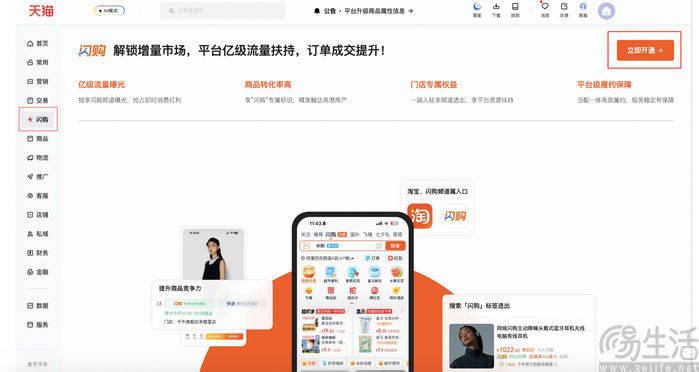
市场表现全面超出阿里方面预期的淘宝闪购,目前仍在加速前进。 据悉,近期天猫方面已面向品牌商家开通闪购合作邀约,并且品牌官方及经销商均可作为主体申请合 作,将线下直营门店和授权经销门店接入淘宝闪购。而接入淘宝闪购的相关商家则可"继承"远场电商模 式下的商品销量等数据,无需经历新店冷启动。随着超级88大促9月8日正式开卖,天猫还首次上线 了"即时购"会场,主打"品牌官方正品,小时可得"。 截至目前,已有苹果、迪卡侬、babycare、全棉时代、美的、追觅、绫致集团等,首批260余个品牌通 过天猫旗舰店或授权专营店接入淘宝闪购,覆盖3C数码、运动户外、母婴、服饰、家电等品类。 事实上,天猫品牌商家接入淘宝闪购并不让人感到意外。此前在2026财年第二季度财报电话会上,阿里 巴巴中国电商事业群CEO蒋凡在谈及即时零售非餐品类发展规划时就曾表示,淘宝闪购将该业态分为近 场原生模式和远近场结合模式两部分。其中针对远近场结合模式,除了推动天猫超市全面从B2C远场模 式升级为近场闪购模式外,淘宝闪购还将积极引入天猫品牌线下门店。 另一方面,如今摆在淘天面前的难题还有在天猫品牌商家有望通过闪购获得新增量的同时,无力实现本 地供给 ...
瑞银:阿里推高德扫街榜是进军到店业务第一步
Ge Long Hui A P P· 2025-09-11 11:36
Core Viewpoint - UBS reports that Alibaba's Gaode Map has launched a new feature called Gaode Street Ranking, which utilizes AI-driven sorting based on user behavior rather than traditional user reviews [1] Group 1: Gaode Map's New Feature - Gaode Map's ranking system is based on real user behaviors, including the number of users navigating to a merchant, repurchase rates, willingness to visit, and diversity of visitors [1] - The system integrates personal data and credit ratings from Alipay users to enhance accuracy [1] - The initial rollout covers over 300 cities and provides recommendations for 1.6 million local merchants, including restaurants, hotels, and attractions [1] Group 2: Financial Implications and User Engagement - Gaode will invest 1 billion RMB in platform subsidies to encourage user participation in travel and in-store consumption [1] - UBS estimates that these initiatives will generate an additional 10 million user visits daily for local merchants [1] Group 3: Market Dynamics and Future Outlook - The upgrade reflects the dynamic competitive landscape of local life services, extending from instant retail to in-store business, which is the most profitable segment for Meituan [1] - Looking ahead to Q4, the focus is expected to shift from food delivery to non-food instant retail and in-store business, potentially leveraging traffic during the Golden Week holiday [1]
抢占即时零售赛道,康师傅合麵闪耀美团“金闪奖”
Sou Hu Wang· 2025-09-11 10:20
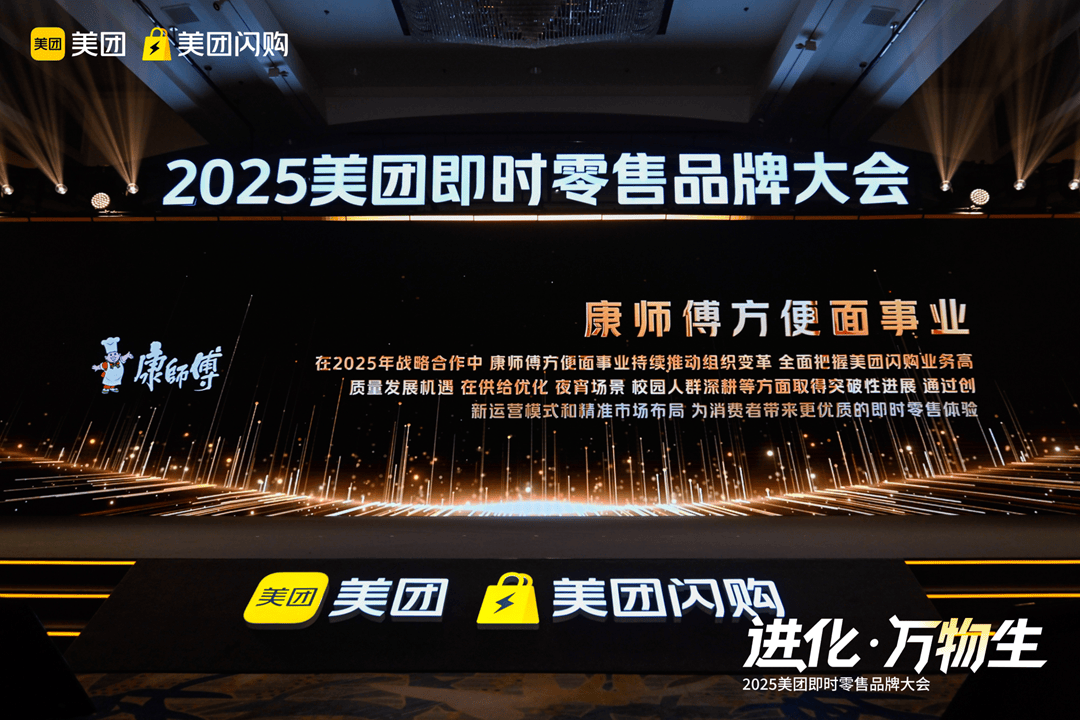
Group 1 - The core idea of the articles emphasizes the dynamic balance between competition and cooperation in business, highlighting how brands can evolve together in a competitive landscape [1] - The "2025 Meituan Instant Retail Brand Conference" was held in Beijing, focusing on how brands can leverage AI to gain insights into consumer demand and optimize supply [2] - In the first eight months of this year, Master Kong's instant noodle business led the market in instant retail sales, winning the "Golden Flash Award" from Meituan, marking it as the only award-winning brand in the instant food industry [4][6] Group 2 - The rise of instant retail is transforming consumer behavior from emergency needs to lifestyle choices, with the market expected to exceed 4.5 trillion yuan by 2030 [5] - Master Kong has strategically embraced new channels, achieving significant breakthroughs in supply optimization and targeting specific consumer groups, such as late-night snackers and students [5][10] - The launch of the new product "He Mian" targets the instant retail market, designed for dinner consumption, and has been well-received through online promotions [8][9] Group 3 - Master Kong's collaboration with Meituan has led to a dual growth in user engagement and sales data, particularly in late-night and campus scenarios [10][13] - The "Kang Shifu Late Night Noodle Shop" marketing initiative aims to capture the late-night snack market across 179 cities, integrating with youth culture and events [15] - The company is leveraging Meituan's delivery capabilities and extensive user base to enhance sales and market presence, positioning itself for sustainable growth in the evolving instant retail landscape [16]


重新定义“用脚投票”,阿里用高德投石问路
Tai Mei Ti A P P· 2025-09-11 09:38
Core Viewpoint - Alibaba's launch of the Gaode Street Ranking represents a significant shift in how urban life services are evaluated, leveraging AI and real user behavior data to create a new credit system for offline services [5][9][14] Group 1: Product Overview - The Gaode Street Ranking is the world's first service ranking based on real navigation and travel behavior, integrating AI technology [5][7] - The product aims to provide a more reliable evaluation system for local businesses, particularly small, non-chain restaurants, by focusing on actual customer visits rather than user-generated content [8][9] - Gaode has committed to keeping the Street Ranking free from commercialization, emphasizing the product's integrity [5][8] Group 2: Market Context - The launch coincides with Alibaba's 26th anniversary and the intensifying competition in the offline retail space leading up to 2025 [5][6] - The initiative is seen as a response to the challenges faced by small businesses that struggle to gain visibility in a market dominated by larger chains [9][12] - The Gaode Street Ranking is part of a broader strategy to redefine the urban service evaluation landscape, potentially impacting Alibaba's overall consumer platform strategy [13][14] Group 3: Data and Technology - Gaode's AI-driven approach has resulted in over 63 million daily life service point recommendations, showcasing the platform's capability to analyze user behavior effectively [7][8] - The platform records 1.2 billion daily searches for life services and over 1.5 billion kilometers of navigation, indicating a robust user engagement [8] - The evaluation system combines multiple data dimensions, including navigation, search, and user interactions, to create a comprehensive scoring mechanism [8][9]

瑞银:阿里巴巴-W推出“高德扫街榜” 若成功落实料带来更多变现机会
Zhi Tong Cai Jing· 2025-09-11 08:59
Group 1 - UBS reports that Alibaba's Gaode Map has launched the "Gaode Street Ranking" feature, utilizing AI to rank local businesses based on user behavior metrics such as navigation visits and repurchase rates [1] - The ranking system integrates user data from Alipay to enhance accuracy and is initially covering over 300 cities, providing recommendations for 1.6 million local merchants [1] - Gaode is investing 1 billion RMB in platform subsidies to encourage user participation, which is expected to generate an additional 10 million user visits daily for local merchants [1] Group 2 - The upgrade of Gaode reflects Alibaba's ambition in local life services, contrasting with Meituan's focus on local search [2] - Gaode currently has 170 million daily active users, processing over 120 million searches and 13 million local merchant navigations daily, while Dazhong Dianping has 33 million daily active users [2] - The expansion of Ele.me's merchant base is expected to accelerate, leveraging Gaode's location-based services to better target small and medium-sized merchants, particularly in lower-tier cities [2] Group 3 - The upgrade indicates a dynamic competitive landscape in local life services, with a shift from food delivery to in-store services [3] - The focus for the fourth quarter is expected to shift towards non-food instant retail and in-store services, especially during the Golden Week [3] - UBS remains optimistic about Alibaba's long-term value release potential, while maintaining confidence in Meituan's competitive position [3]
瑞银:阿里巴巴-W(09988)推出“高德扫街榜” 若成功落实料带来更多变现机会
Zhi Tong Cai Jing· 2025-09-11 08:52
到店业务方面,展现了阿里对本地生活服务野心。阿里继加大对外卖与即时零售的投资后,该行认为高 德的升级是其进军到店业务的第一步,与美团-W(03690)大众点评以本地搜索为主的模式形成对比。据 Quest Mobile数据,高德目前拥有1.7亿日活跃用户,每日处理超过1.2亿次搜索及1,300万次本地商户导 航,而大众点评日活为3,300万(约高德五分之一),不过美团在本地服务的用户心智、累积评价及商户关 系上仍有优势。该行会继续关注高德在本地生活服务的进展,包括即将试点推出的到店团购功能(部分 城市已开始测试)。 外卖方面,瑞银指阿里旗下饿了么的商户拓展有望加速。渠道调查显示,美团外卖覆盖餐厅约560万 间,饿了么则为340万间,两者差距明显(Quest Mobile数据)。基于高德的LBS(定位服务)与用户行为数 据,或有助饿了么更有效拓展中小型商户,特别是在三、四线城市,有望缩小与美团的商户供给差距。 就高德长远变现潜力。虽然初期仍以非变现为主,但若高德措施成功落实,预计用户流量增长将在未来 带来广告、品牌标注等变现机会。现时高德仍归入阿里"其他"板块,截至6月季度仍录得亏损14亿元人 民币。 智通财经A ...
互联网生态进入新周期
Sou Hu Cai Jing· 2025-09-11 05:55
Core Insights - The article discusses the evolution of internet ecosystems, emphasizing the shift from outward expansion to inward focus among internet players [2][4][10] - It highlights the importance of adapting to new technologies like AI and big data, which are reshaping the competitive landscape [9][10] Group 1: Evolution of Internet Ecosystems - Internet players initially focused on expanding their ecosystems outward to establish market dominance [2][3] - As the market matured, many players faced challenges with this outward expansion strategy, leading to a shift towards focusing on core businesses [4][5] - The article suggests that future success will depend on players who can refine and strengthen their internal ecosystems rather than merely expanding outward [5][10] Group 2: Shift in Growth Strategies - The traditional growth strategy involved upward growth, where companies aimed to scale quickly without solid foundational support [6][8] - The article argues that sustainable growth requires a shift towards "rooting down" into the industry, ensuring a stable foundation for long-term success [6][7] - Examples of companies like Tencent and Alibaba illustrate this transition, as they adapt to new market demands and technologies [7][9] Group 3: Technological Transformation - The article notes that the underlying technology of the internet has shifted from being the primary driver of growth to facing limitations in meeting evolving consumer demands [8][9] - New technologies such as AI and big data are emerging as critical tools for companies to innovate and create new supply-demand balances [9] - The future winners in the internet space will be those who leverage these technologies to transform their business models and operations [9][10]