
银发经济

Search documents
这四个生肖为何总能抓住商机?揭秘他们的财富增长密码
Xin Lang Cai Jing· 2025-11-10 08:39
Core Insights - The article discusses the correlation between zodiac signs and financial success, highlighting specific traits and strategies associated with individuals born under the signs of Rat, Snake, Monkey, and Pig [3][4][7][9]. Group 1: Zodiac Sign Insights - **Rat**: Individuals born in the Year of the Rat are characterized as opportunity hunters, with a knack for identifying business opportunities in seemingly ordinary situations. They are advised to focus on AI applications, the silver economy, and county-level economies in the next six months [3]. - **Snake**: Those born in the Year of the Snake exhibit a philosophy of steady success, marked by high sensitivity to information and the ability to integrate resources effectively. They are encouraged to explore long-term value sectors like vocational training and health management, especially as their financial prospects are expected to improve in 2028 [4][6]. - **Monkey**: People born in the Year of the Monkey are noted for their creativity and ability to monetize everyday inspirations. They are advised to concentrate on the knowledge payment sector, particularly in developing lightweight courses in niche areas [7]. - **Pig**: Individuals born in the Year of the Pig often benefit from the support of others, revealing the economic value of interpersonal relationships. They are advised to enhance their financial management skills to convert assistance into sustainable business models [8][9]. Group 2: Common Wealth Traits - The analysis of these zodiac signs reveals three common traits among high financial intelligence individuals: opportunity sensitivity, resource integration, and risk balancing. These traits can enhance wealth creation capabilities regardless of zodiac sign [10][14]. - **Opportunity Sensitivity**: The ability to identify overlooked value points is crucial for financial success [14]. - **Resource Integration**: Effectively combining fragmented elements into profitable models is a key strategy [14]. - **Risk Balancing**: Successful individuals are willing to try new ventures while also understanding the importance of setting safety nets [14].


聚焦进博|从“一老一小”到全球牧场!乳企进博“硬核炸场”
Guo Ji Jin Rong Bao· 2025-11-10 08:37
Core Insights - Chinese dairy companies are reshaping their influence in the global competition landscape, transitioning from scale expansion to technology-driven growth [2][3] Group 1: Industry Trends - The 8th China International Import Expo (CIIE) serves as a platform for leading Chinese dairy companies like Yili, Mengniu, and Bright to integrate global resources and enhance international influence [1] - The domestic cheese market is witnessing a shift with the launch of the first domestically produced mozzarella cheese by Miaokelando, breaking the previous reliance on imports [2] - The dairy industry is currently facing a cyclical oversupply, with a focus on B-end business opportunities such as baking and catering [2] Group 2: Technological Advancements - Yili has made significant advancements in dairy processing technology, increasing the retention rate of lactoferrin in ambient milk from less than 10% to over 90% [3] - The emphasis on domestic cheese production is expected to stabilize supply and enhance cost-effectiveness for B-end markets [2] Group 3: Functional Products - The Chinese dairy industry is undergoing structural changes, with a growing demand for functional dairy products catering to the aging population [4] - New product launches targeting both elderly and children demographics were showcased at the CIIE, including high-calcium probiotic goat milk powder and specialized nutrition products for cancer patients [5] Group 4: Global Supply Chain Development - The CIIE acts as a vital bridge for global trade, allowing Chinese companies to expand their global resource integration and influence [6] - Yili has established a broad global collaborative network, with 15 innovation centers worldwide and a focus on enhancing the supply chain from New Zealand to China [8]
视频丨尽显“重器”“前沿”“开放”!上周,我国实现多领域新突破
Yang Shi Xin Wen Ke Hu Duan· 2025-11-10 07:19
Group 1 - China's first electromagnetic aircraft carrier, Fujian, has officially entered service, marking the beginning of the "three aircraft carrier era" for the country [2] - Fujian is the largest active vessel in the navy, with its home port located in Sanya, considering various operational factors [4] - The development of carrier-based aircraft, including the J-35 and KJ-600, is progressing as planned, with expectations for full operational capability in the near future [4] Group 2 - The "Xuelong" and "Xuelong 2" vessels have crossed the equator, embarking on China's 42nd Antarctic expedition, with "Xuelong" making a brief stop in Australia for supplies [6][8] - The expedition will focus on national needs and global scientific frontiers, including the construction of facilities at the Qinling Station and monitoring key Antarctic regions [8] Group 3 - The world's first 650°C ultra-supercritical coal-fired power unit has commenced construction in Zhejiang, aiming to set records for efficiency and low coal consumption [9] Group 4 - The China International Import Expo (CIIE) has seen over 461 new products, technologies, and services debut, with participation from 155 countries and regions [11] - The exhibition area exceeded 367,000 square meters, featuring 290 Fortune 500 and industry-leading companies, with record participation in various sectors [11][16] - The event included over 1,900 rounds of negotiations, resulting in more than 300 cooperation intentions and a total intended cooperation amount exceeding $10.3 billion [16]

研报掘金丨华西证券:维持康冠科技“买入”评级,积极布局机器人赛道
Ge Long Hui A P P· 2025-11-10 06:04
Core Viewpoint - Kangguan Technology reported a net profit attributable to shareholders of 503 million yuan for Q1-Q3 2025, a year-on-year decrease of 9.9%, with Q3 net profit at 119 million yuan, down 20.6% [1] Group 1: Financial Performance - The company achieved a net profit of 503 million yuan for Q1-Q3 2025, reflecting a decline of 9.9% year-on-year [1] - In Q3 2025, the net profit attributable to shareholders was 119 million yuan, representing a year-on-year decrease of 20.6% [1] Group 2: Product and Market Position - Kangguan Technology is recognized as a leading player in the global smart display industry, with a solid industry position and continuously strengthening competitive advantages [1] - The company’s smart TV business is focused on emerging markets, showcasing advantages in small-batch and multi-model flexible supply chain manufacturing [1] - The smart interactive display business has stable core customers, driving growth in the smart interactive flat panel segment [1] Group 3: Innovation and Future Opportunities - The company has a strong research and development innovation capability, with continuous iterations of innovative display products [1] - New products such as KTC Flexible Screen, Smart Beauty Mirror, Professional Live Streaming Machine, VR Glasses, Projectors, Smart Display Screens, and In-Car Display Products are being launched, contributing to rapid revenue growth in innovative display products [1] - Kangguan Technology is actively seizing new development opportunities arising from the integration of robotics and the silver economy, with forward-looking patent layouts in home care and elderly companionship scenarios [1] Group 4: Valuation - As of November 7, 2025, the closing price was 22.40 yuan, corresponding to a price-to-earnings ratio (PE) of 21, 16, and 13 times for 2025-2027 [1] - The company maintains a "Buy" rating [1]
我国养老金融的实践成果与新局探索 金融“十四五”回顾与“十五五”展望系列综述之二
Jin Rong Shi Bao· 2025-11-10 03:32
Core Insights - The aging population has become a long-term structural feature of China's economic and social development, with the "14th Five-Year Plan" marking a critical phase for addressing this issue through pension finance as a core strategy [1][2] - The "15th Five-Year Plan" aims to transition from scale expansion to quality improvement in pension finance, emphasizing the development of technology finance, green finance, inclusive finance, pension finance, and digital finance [1][2] Summary of Achievements During the "14th Five-Year Plan" - A multi-level, multi-pillar pension finance system framework has been established, with the full implementation of the personal pension system marking a historic leap for the third pillar [2] - The supply of pension financial products and services has diversified, covering various risk preferences from savings and wealth management to insurance and funds [2] - The policy framework has been improved from macro deployment to micro operation, with pension finance elevated to a national strategic level in the 2023 Central Financial Work Conference [2][3] Regulatory Developments - A multi-level policy matrix has been formed, with various documents issued to regulate product development and institutional oversight [3] - The goal is to establish a basic pension finance system by 2028, supported by a collaborative mechanism among multiple departments [3] Performance of the Three-Pillar Pension System - The basic pension insurance fund's investment operation scale has reached 2.6 trillion yuan, doubling since the end of the "13th Five-Year Plan" [4] - The second pillar (enterprise annuities) has also seen growth, with a fund scale of 7.56 trillion yuan, an increase of 4.02 trillion yuan since the end of the "13th Five-Year Plan" [4] - The personal pension system has transitioned from pilot accumulation to a defined system, with personal pension product balances exceeding 15.16 billion yuan, a growth of 64.7% year-to-date [4] Challenges in Current Pension Finance Development - The pension system is overly reliant on the first pillar, with insufficient development of the second and third pillars, leading to a lack of effective collaborative support [6][7] - There is a significant structural imbalance in the three pillars, with the third pillar facing challenges in attractiveness and participation [7] - Regional and urban-rural disparities in pension finance services are pronounced, with rural areas lacking adequate supply and financial literacy [8] Development Directions for the "15th Five-Year Plan" - The focus will be on building a more mature multi-level system, enhancing the quality of the second and third pillars, and transitioning products and services to a user-centered approach [9] - The policy framework will aim for institutionalization and collaboration, with tax incentive optimization as a key direction [9][10] - The second pillar will be strengthened through lowering barriers for small and medium enterprises and expanding coverage to new employment forms [11] - The third pillar will see increased contribution limits and the development of new products tailored to individual pension needs [12] Integration with the Silver Economy - There will be a focus on deepening the integration of pension finance with the silver economy, creating a virtuous cycle that supports both sectors [13] - The product system will shift towards user-centered and dynamic adaptation, ensuring that offerings meet diverse and evolving needs [14] Technological Empowerment - Digital transformation will be a core driver for high-quality development in pension finance, with a focus on enhancing service efficiency and accessibility for the elderly [15] - Financial institutions will be encouraged to develop inclusive products and services that cater to the unique needs of older adults, ensuring their participation in the digital economy [15]
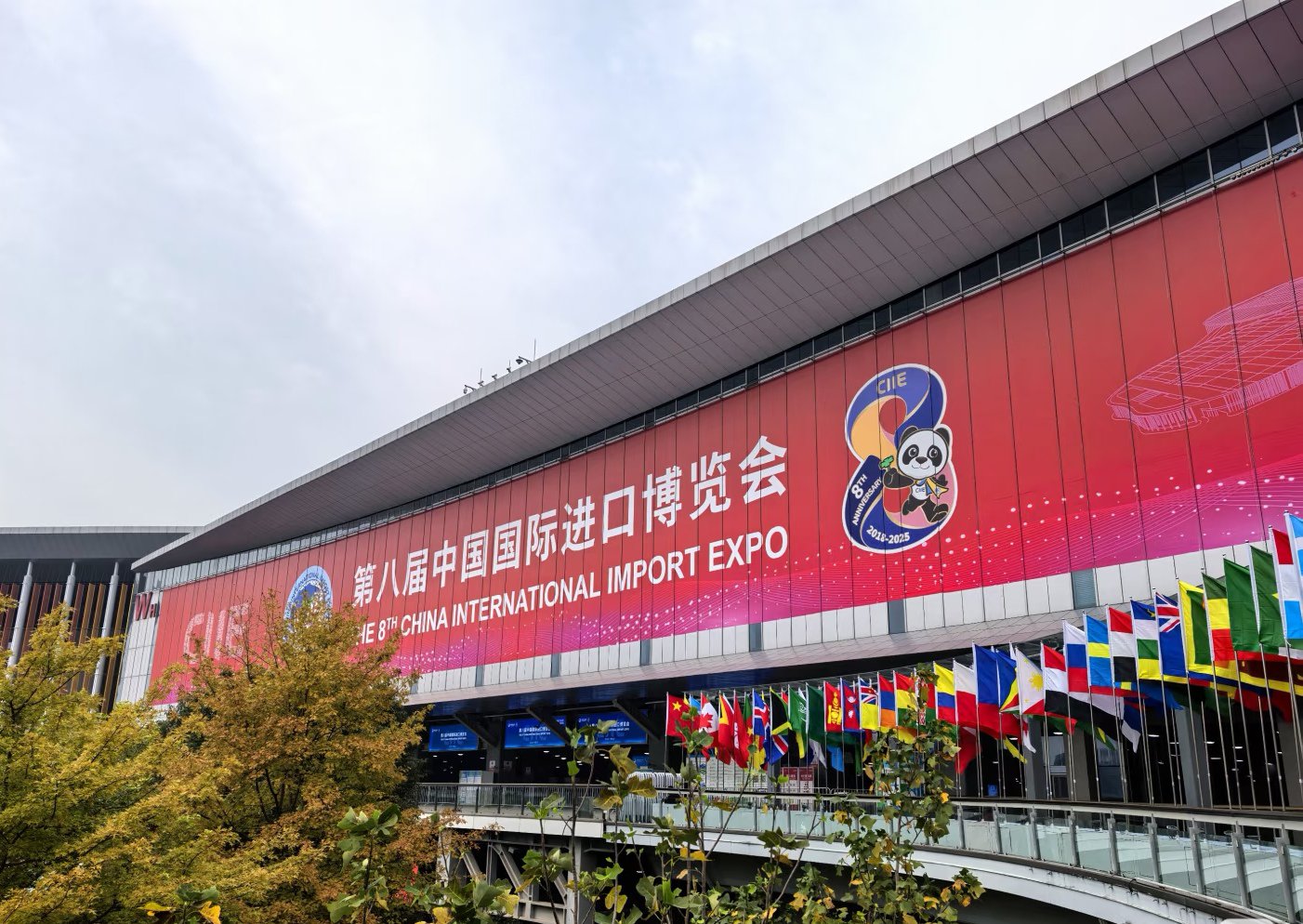
第八届进博会丨在进博会看“全球合作之光”
Xin Hua She· 2025-11-10 01:36
Group 1: Core Themes of the Expo - The China International Import Expo (CIIE) serves as a platform for global cooperation, showcasing China's commitment to high-level openness and injecting new vitality into the world economy [1][6] - The event highlights the importance of innovation and technology, with numerous companies launching new products and technologies, transforming them from exhibits to market-ready goods [2][3] Group 2: Innovation and Technology - The expo features 461 new products, technologies, and services, with companies like BD Medical showcasing innovative solutions in healthcare [1][2] - Companies such as Yuanhua Intelligent Technology are rapidly iterating their products, demonstrating the expo's role as an accelerator for technological advancement [2] - Siemens has established a comprehensive ecosystem in China, including 20 R&D centers and 24 manufacturing bases, emphasizing the expo's role in gathering global innovation elements [2] Group 3: Silver Economy - The "silver economy" is gaining momentum, with various companies developing products tailored for the aging population, reflecting a shift from "elder care" to "enjoying old age" [1][3] - The market for the silver economy in China is projected to reach 8.3 trillion yuan in 2024 and 25 trillion yuan by 2030, indicating significant growth potential [3] Group 4: Customization and Market Potential - Many overseas companies are leveraging the vast Chinese market to test new products and create customized offerings, exemplifying a "two-way rush" to the Chinese market [5] - Companies like Aqualair and Pica are adapting their products to meet the specific needs of Chinese consumers, showcasing the importance of localization in product development [5] Group 5: Open Trade and Global Cooperation - The expo is positioned as a response to rising protectionism, with China demonstrating its commitment to expanding openness and sharing economic benefits with the world [6] - The event has garnered positive feedback from foreign enterprises, with many expressing intentions to increase or maintain investments in China, reflecting confidence in the Chinese market [6]
逛展直呼“太惊喜”!进博会这些潮品、美食承包你的期待
Guo Ji Jin Rong Bao· 2025-11-09 13:35
Core Insights - The eighth China International Import Expo (CIIE) showcases a variety of global high-quality resources, highlighting the strong appeal of the Chinese market and the trend of consumption upgrades [1][19] - The event features innovative products and technologies, particularly in the consumer goods and food sectors, emphasizing the integration of health and quality in consumer choices [15][17] Consumer Goods Sector - The consumer goods exhibition area is noted for its fashionable and interactive displays, featuring advanced sports equipment and creative smart home appliances [3][8] - MULTIPURE introduced a whole-house mineral water system, showcasing its capabilities in providing clean water for various household needs [5] - Mootaa launched two innovative products, including a green natural cleaning series and an eco-friendly packaging solution, receiving recognition for its commitment to sustainability [7][12] Food Products Sector - The food products exhibition area offers a rich array of free tastings and interactive experiences, with a focus on global flavors and health trends [15][17] - The Light Food Group's exhibition features a variety of international delicacies, emphasizing the narrative of quality from farm to table [15] - The company Laiyifen signed strategic procurement agreements worth 250 million RMB with global food giants, marking a record high for the expo [16] Health and Wellness Trends - Health weight management and the silver economy are highlighted as key themes at this year's expo, with products catering to health-conscious consumers [17] - New Zealand's New Zealand Dairy introduced a high-protein milk product, reflecting advancements in nutritional value and supply chain efficiency [18] Long-term Confidence in the Chinese Market - Companies participating in the expo express strong confidence in the Chinese market, citing improved business environments and opportunities for growth [19][20] - ASICS emphasizes the importance of the expo for deepening interactions with Chinese consumers and continuously optimizing products based on user feedback [20] - Karcher highlights its successful participation in previous expos, leading to significant orders and market penetration in various Chinese cities [20][21]


进博会观察|欧葆庭中国区CEO柯烨明:中国养老机构竞争愈加激烈,国资正在大量进入
经济观察报· 2025-11-09 11:55
Core Viewpoint - The competition among elderly care institutions in China is intensifying, with some institutions improving service quality to attract consumers, while others resort to price wars at the expense of service quality [1][3][14]. Group 1: Market Dynamics - The Chinese elderly care market is experiencing profound changes, with a significant increase in the number of elderly care institutions and bed availability, leading to heightened competition [14][15]. - The average occupancy rate of elderly care institutions in China is low, not due to a lack of demand, but rather a mismatch between resources and actual needs [9][10]. - The entry of new service providers, particularly from the insurance and real estate sectors, is contributing to a trend of "state-owned enterprises advancing while private enterprises retreat" in the elderly care industry [15]. Group 2: International Perspective - The French company, Orpea, has been actively participating in the China International Import Expo, viewing it as a significant opportunity for international business exchange [2]. - Orpea has established a stable local team in China, combining French cultural background with local market understanding, which is crucial for long-term operations [6]. - The Chinese elderly care market presents both opportunities and challenges for foreign enterprises, with a call for continued government support for foreign investment in the sector [2][6]. Group 3: Service Quality and Regulation - The service quality in elderly care institutions varies significantly, with some institutions focusing on high-quality services while others compromise quality for lower prices [3][14]. - In France, the elderly care system is well-regulated, with a clear path for elderly residents transitioning from home care to institutional care, ensuring a comprehensive ecosystem involving government, community, and healthcare providers [7]. - The Chinese government is working to optimize and improve the elderly care service system, aiming to establish a path suitable for China's unique context [8]. Group 4: Strategic Planning - Orpea plans to expand its brand and management model across China, leveraging its established management system developed over the past decade [16]. - The company has been conducting professional training courses for domestic peers, promoting knowledge sharing and collaboration within the industry [16].

对话松下控股全球副总裁本间哲朗:两端赋能驶向中国AI星辰大海
2 1 Shi Ji Jing Ji Bao Dao· 2025-11-09 10:00
Core Insights - The eighth China International Import Expo (CIIE) is a significant platform for global companies to showcase advanced technologies and observe market trends in China [1] - Panasonic's participation highlights its strategic focus on AI and its transformation in the Chinese market over 47 years, with a shift from home appliances to a diverse portfolio including electronic components and new energy [2][3] Company Strategy - Panasonic's AI strategy, termed "two-end empowerment," focuses on integrating AI into consumer products and supporting the AI industry with essential components [4][5] - The company has seen a 3% sales growth and a 24% profit increase in the first half of the 2025 fiscal year in China, driven by strong performance in high-performance capacitors and electronic components [5][6] Market Trends - The Chinese market is increasingly adopting new technologies, with a notable acceptance of innovative products, such as the AI-enabled smart toilet developed specifically for China [3][4] - The AI computing market in China is projected to grow significantly, with estimates suggesting a market size of $33.7 billion by 2026, driven by demand for AI computing capabilities [5][6] Investment and Expansion - Panasonic is investing heavily in new factories in China, with a total investment of 1.51 billion yuan across three new facilities focused on 5G electronic materials and semiconductor needs [6][7] - The company is optimistic about the future of AI in China, noting the widespread visibility of AI technology in everyday life [7]
进博会观察|欧葆庭中国区CEO柯烨明:中国养老机构竞争愈加激烈,国资正在大量进入
Jing Ji Guan Cha Bao· 2025-11-09 08:56
Core Viewpoint - The competition among elderly care institutions in China is intensifying, with significant state-owned capital entering the market, presenting both opportunities and challenges for foreign investment in the sector [1][2][9]. Industry Overview - The Chinese elderly care market is experiencing rapid growth due to an aging population, with over 300 million people aged 60 and above, accounting for 21.1% of the total population [1]. - The market is attracting more foreign investment, with many international companies showcasing products tailored for the elderly during the China International Import Expo [1]. Competitive Landscape - The competition among elderly care institutions is becoming more fierce, with some institutions improving service quality to attract consumers, while others resort to price wars, sacrificing service quality for lower prices [2][9]. - The trend of "state-owned enterprises advancing while private enterprises retreat" is becoming more pronounced, as many new service providers are emerging from sectors like insurance and real estate [2][9]. Market Dynamics - The average occupancy rate of elderly care institutions in China is low, not due to a lack of demand, but rather a mismatch between resources and needs [6]. - Factors affecting occupancy include poor project location, inadequate service offerings, and the financial capability and willingness of elderly individuals to pay for services [6][7]. Regulatory Environment - The Chinese government is continuously optimizing the elderly care service system, and the management of care institutions is becoming more mature [5][9]. - There is an increasing emphasis on regulatory oversight, with the government implementing a unified care service system to ensure quality across both private and public institutions [5]. Company Strategy - The company plans to expand its service offerings and management models across China, leveraging its established expertise and successful operational framework developed over the past decade [10]. - The company has been actively engaging with local experts and institutions to enhance its service quality and adapt to the unique needs of the Chinese market [8][10].