元宇宙

Search documents
数字化,让文物迸发丰沛的生命力
Ren Min Ri Bao· 2025-05-16 22:12
Core Insights - Hunan Museum is leveraging digital technology to enhance the accessibility and engagement of cultural heritage, creating a "digital twin" of artifacts through advanced scanning and modeling techniques [1][4] - The museum is set to launch an immersive digital exhibition titled "Life Art - The Mawangdui Han Culture Immersive Digital Exhibition" in June 2024, celebrating the 50th anniversary of the Mawangdui Han Tomb excavation [2] - The exhibition will utilize a combination of visual and auditory technologies to create an engaging experience that connects visitors with ancient cultural narratives [3] Group 1: Digital Transformation in Museums - Hunan Museum collaborates with Mango Digital Art Technology Co., Ltd. to establish a digital laboratory that employs multi-spectral scanning to create "digital gene maps" of artifacts [1] - As of January this year, 570 artifacts from the Mawangdui Han Tomb have been digitally scanned, with a goal to digitize approximately 27,000 artifacts within the next year [1] - The museum's digital initiatives aim to support the revitalization and utilization of cultural relics, allowing for interactive 3D models and AI-generated content [1] Group 2: Upcoming Exhibition and Cultural Engagement - The upcoming exhibition will transform the Mawangdui Han Tomb into a sophisticated "cosmic model," showcasing the intricate designs and patterns that reflect natural laws [2] - The exhibition will feature a panoramic acoustic system that integrates traditional music with natural sounds, enhancing the immersive experience for visitors [3] - Hunan Museum is expanding its reach by opening its brand and digital resources to universities and quality enterprises, fostering collaboration with over 30 art teams to create new cultural products [4] Group 3: Cultural Innovation and Public Participation - The museum is developing various cultural IPs, including holographic performances and interactive games, to engage a broader audience and promote cultural heritage [4] - The integration of academic rigor, technological innovation, and public participation is seen as a way to weave a rich cultural narrative that resonates with contemporary audiences [4] - The digital transformation is viewed as a means to grant artifacts a form of eternal existence, enhancing their significance in the modern world [4]
博物馆日|为一个展奔赴一座城!上海171家博物馆等你来
Xin Lang Cai Jing· 2025-05-16 12:58
今年5月18日是第49个国际博物馆日,主题为"快速变化社会中的博物馆未来"。5月16日下午,2025年国际博物馆日上海主会场活动暨文化遗产季启动仪式在 徐家汇书院举办。 上海有着171家博物馆,一大批高质量展览近年来不断掀起"文博热","来上海,看文博大展"日渐深入人心,"为一个展奔赴一座城"成为普遍现象。今年围 绕"守沪文脉,创享未来"等主题,一系列丰富多彩的活动拉开帷幕,在接下来的两个月里,上海的博物馆、文物建筑、城市文化空间将融合为一座没有边界 的"博物馆"。 据今天发布的《上海博物馆发展2024年度报告》最新数据,截至目前,上海共有备案博物馆171座,每14.5万人就拥有一座博物馆,远高于全国平均水平。 2024年,上海全市博物馆举办陈列展览949个,共接待观众4086万人次,相比2023年增长31.9%,创历史新高。 2024年7月19日,上海博物馆,观众在参 观埃赫纳吞雕像。智通财经记者 朱伟辉 摄 近年来,上海一大批高质量展览掀起"文博热","来上海,看文博大展"日渐深入人心,"为一个展奔赴一座城"成为越来越普遍的现象。正在上海博物馆展出 的"埃及展"既卖座、又叫好,成为跨年度"现象级大展"。截 ...


北京月季文化节在天坛公园开幕,全市14个展区展出三千余种月季
Xin Jing Bao· 2025-05-16 09:05
Core Points - The Beijing Rose Culture Festival has been launched at the Temple of Heaven Park, featuring over 3,000 varieties of roses across 14 themed exhibition areas, with a total viewing area exceeding 3,000 acres, running until the end of June [1][4]. Group 1: Event Overview - The festival includes the 44th Rose Exhibition at the Temple of Heaven Park, showcasing over 300 varieties and approximately 10,000 rose plants [2][6]. - New exhibition areas have been added this year, including Mentougou Rose Island Park, Dawangjing Park, and Rose Park, with a total of over 3,000 varieties displayed [4][10]. Group 2: Exhibition Features - The main exhibition area at the Temple of Heaven features a unique "one garden, one belt, one landscape" tour layout, with a focus on various types of roses including large-flowered, abundant-flowered, ground cover, and climbing roses [2][3]. - The Dawangjing Park features an AI recognition system with a smart robot dog named "Xiao Ji" that traverses the flower sea, providing real-time analysis of rose varieties and care knowledge [4][11]. Group 3: Technological Integration - The festival incorporates digital technology with a "VR Cloud Flower Exhibition," allowing citizens to virtually explore various rose gardens and experience the evolution of rose varieties through VR technology [4][5]. - Blockchain technology is utilized to assign a digital identity to each rose plant, enhancing traceability and engagement [4]. Group 4: Cultural Activities - A series of ecological cultural activities will be held, including rose exhibitions, gardening markets, and workshops, aimed at stimulating consumer interest and promoting horticultural enthusiasm among citizens [5][18]. - The festival promotes a "Rose + Cultural Heritage" and "Rose + National Trend Cultural Creation" experience model, linking with surrounding commercial areas to activate new consumption potential [5].
国际博物馆日广东主会场活动启动
Nan Fang Ri Bao Wang Luo Ban· 2025-05-16 08:25
Group 1 - The main event of the International Museum Day in Guangdong focuses on the theme "The Future of Museums in a Rapidly Changing Society," gathering over 500 museum directors, experts, and industry representatives to showcase the latest achievements in high-quality museum development in the Greater Bay Area [1][2] - The conference addresses three key topics: "Museum and Social Participation," "Integration of Museums and Tourism," and "Trends in Museum Construction and Operation," aiming to explore innovative paths for museum development in the Greater Bay Area [2] - The Hong Kong Palace Museum has hosted 25 exhibitions in three years, attracting over 3 million visitors and generating ticket revenue of 100 million HKD, highlighting the growing interest of younger audiences in traditional culture [2] Group 2 - Advanced technologies such as artificial intelligence, the metaverse, and digital twins are reshaping museum experiences, with innovations like AI-guided tours and VR recreations enhancing visitor engagement [2][3] - The MR smart guide glasses from Litian Cultural Technology Group and an AI guide program from Kuaiyu Technology Company are examples of cutting-edge technology being showcased, enhancing the interactive experience for museum visitors [3] - The "Museum Night" event featured an immersive performance combining drama and technology, showcasing the rich historical and cultural heritage of the Shaoguan region through various artistic expressions [4] Group 3 - The Guangdong main venue activities will continue until May 17, featuring creative and thematic exhibitions that emphasize the educational role of museums [5] - Special exhibitions include "Is the Style as Good as Jiu Ling? - Zhang Jiuling and His Era," showcasing over 200 Tang Dynasty artifacts, and "Ancient Yu State and Elegant Shaoguan," highlighting the historical significance of Shaoguan [5] - Additional activities include free consultation services for private collectors, cultural and creative workshops, and themed museum tours, aimed at enhancing public engagement with cultural heritage [6]
42 岁程序员因 AI 丢掉年薪 15 万刀的工作:投 800 份简历遭拒,被迫送外卖住拖车
程序员的那些事· 2025-05-16 02:44
Core Viewpoint - The article discusses the challenges faced by technology professionals, particularly in the context of AI advancements leading to job losses and a shift in the employment landscape, exemplified by the story of a programmer named Sean K who has experienced multiple layoffs due to technological changes [1][2]. Group 1: Sean's Employment Journey - Sean K, a programmer with 20 years of experience, faced three layoffs, with the most recent one attributed to AI advancements rather than economic downturns [1]. - Despite his qualifications, Sean struggled to secure interviews, as many companies utilized AI to screen resumes, making it difficult for him to connect with human recruiters [1]. - His previous work involved projects in the metaverse, which lost momentum following the emergence of ChatGPT, illustrating how quickly technology can change industry dynamics [1]. Group 2: Current Living Situation and Financial Struggles - Currently, Sean lives in a trailer in rural New York, relying on gig work and selling old computers to make ends meet, a stark contrast to his previous salary of $150,000 [2][4]. - He owns three properties, but they are financially burdensome due to renovation needs and taxes, further complicating his financial situation [2][4]. - Sean's attempts to transition to a new career, such as truck driving, were thwarted by high training costs, leaving him feeling trapped in his current situation [4]. Group 3: Industry Trends and AI Impact - The article highlights a significant trend in the tech industry, with predictions of 150,000 job losses in 2024 and an additional 50,000 in early 2025, indicating a severe contraction rather than growth [4][5]. - AI is increasingly capable of performing tasks traditionally done by humans, with claims that AI could write 90% of code by September 2023, raising concerns about job security in the tech sector [4][5]. - Sean's perspective reflects a broader societal issue, questioning the relationship between work and survival in an era where AI can potentially replace human labor [5].

警惕!“元宇宙”成非法集资新外衣
Xin Hua Ri Bao· 2025-05-15 23:52
Core Viewpoint - The article highlights the increasing prevalence of illegal fundraising schemes targeting the elderly, particularly through the use of high-tech concepts like blockchain and virtual currencies, which exploit the vulnerabilities of approximately 280 million elderly individuals in China [1][2][9]. Group 1: Illegal Fundraising Tactics - Criminals are utilizing high-tech jargon such as "blockchain" and "virtual currency" to lure elderly individuals into investing under the guise of providing retirement services [2][9]. - A case from 2018 involved a defendant who raised over 22 million RMB by promoting a project called "Cloud Storage Chain," falsely claiming it had international trade capabilities and promised high returns [2]. - Another scheme involved a "cloud farming" project that falsely advertised ownership of livestock, leading to over 500 million RMB in illegal fundraising [3]. Group 2: Psychological Manipulation - Fraudsters often present themselves as caring and trustworthy, using tactics such as free gifts and social activities to build rapport with elderly individuals [6][7]. - A notable case involved a company that promised annual returns of 8% to 36% while misleadingly portraying its operations and services to attract investments exceeding 10 billion RMB [6][7]. Group 3: Regulatory and Preventive Measures - Authorities emphasize the need for early identification and reporting of illegal fundraising activities, encouraging the public to be vigilant and skeptical of high-return promises [10][11]. - The article mentions the introduction of a reward system for reporting illegal fundraising activities in Jiangsu Province, aiming to enhance public awareness and participation in prevention efforts [13].
【帮主郑重】美股暗战!高瓴抄底VS巴菲特撤退 中长线密码藏在这
Sou Hu Cai Jing· 2025-05-15 23:47
Group 1 - The core viewpoint highlights the contrasting investment strategies of major players, with Hillhouse Capital aggressively acquiring Chinese assets while Warren Buffett reduces his holdings in bank stocks, indicating a shift in investment focus towards long-term survival strategies [1][4]. Group 2 - UnitedHealth faces a significant crisis due to allegations of Medicare fraud, leading to an eight-day stock decline and a market value loss of $300 billion, emphasizing the importance of compliance risks even for industry leaders [3]. - The technology sector shows mixed performance, with Amazon and Meta declining over 2%, while Netflix surged 14% due to the success of "The Three-Body Problem," indicating a shift in investor preference towards companies with strong cash flows [3]. Group 3 - Hillhouse Capital's strategy of increasing its stake in Chinese stocks during a downturn is likened to past foreign investments in Kweichow Moutai, suggesting that savvy long-term investors can find value amidst negative sentiment [4]. Group 4 - The divergence in commodity prices, with oil prices dropping and gold prices rising, reflects global capital anxiety, suggesting that a 5% allocation to gold could serve as a hedge against unforeseen risks [5]. Group 5 - A survival manual for long-term investors recommends avoiding high-risk sectors characterized by high valuations, leverage, and regulatory scrutiny, while favoring low-risk assets with low valuations and volatility [6]. - The current investment logic is shifting from growth-oriented bubbles to value-focused strategies, emphasizing micro-level validation over grand narratives [6].

AI时代的“霞客行”
Zhong Guo Qing Nian Bao· 2025-05-15 23:12
Core Viewpoint - The article explores the philosophical implications of physical experiences in the age of AI and virtual reality, emphasizing the importance of real-world experiences for personal growth and cognitive development [2][5]. Group 1: Physical Experience and Cognition - The article highlights that human brain's spatial cognition is uniquely developed through real walking experiences, which cannot be replicated by VR technology [3]. - It discusses the contrast between digital experiences and the tangible challenges faced in extreme environments, suggesting that the lack of physical engagement may lead to a decline in risk assessment abilities [3][4]. Group 2: Personal Challenges and Growth - The author recounts a personal extreme challenge of completing 100 marathons in 100 days, illustrating the physical and mental transformations experienced throughout the journey [4]. - The completion of this challenge is presented as a form of spiritual and physical dialogue with nature, reinforcing the idea that humans are inherently suited for running and physical activity [4]. Group 3: The Role of Walking in the AI Era - The article posits that walking and travel have evolved into strategies for resisting digital alienation and reconstructing cognitive practices, linking individuals back to nature [5]. - It concludes that the essence of human dignity in the AI era lies in the imperfections of real-world experiences, contrasting with the perfection of digital environments [5].

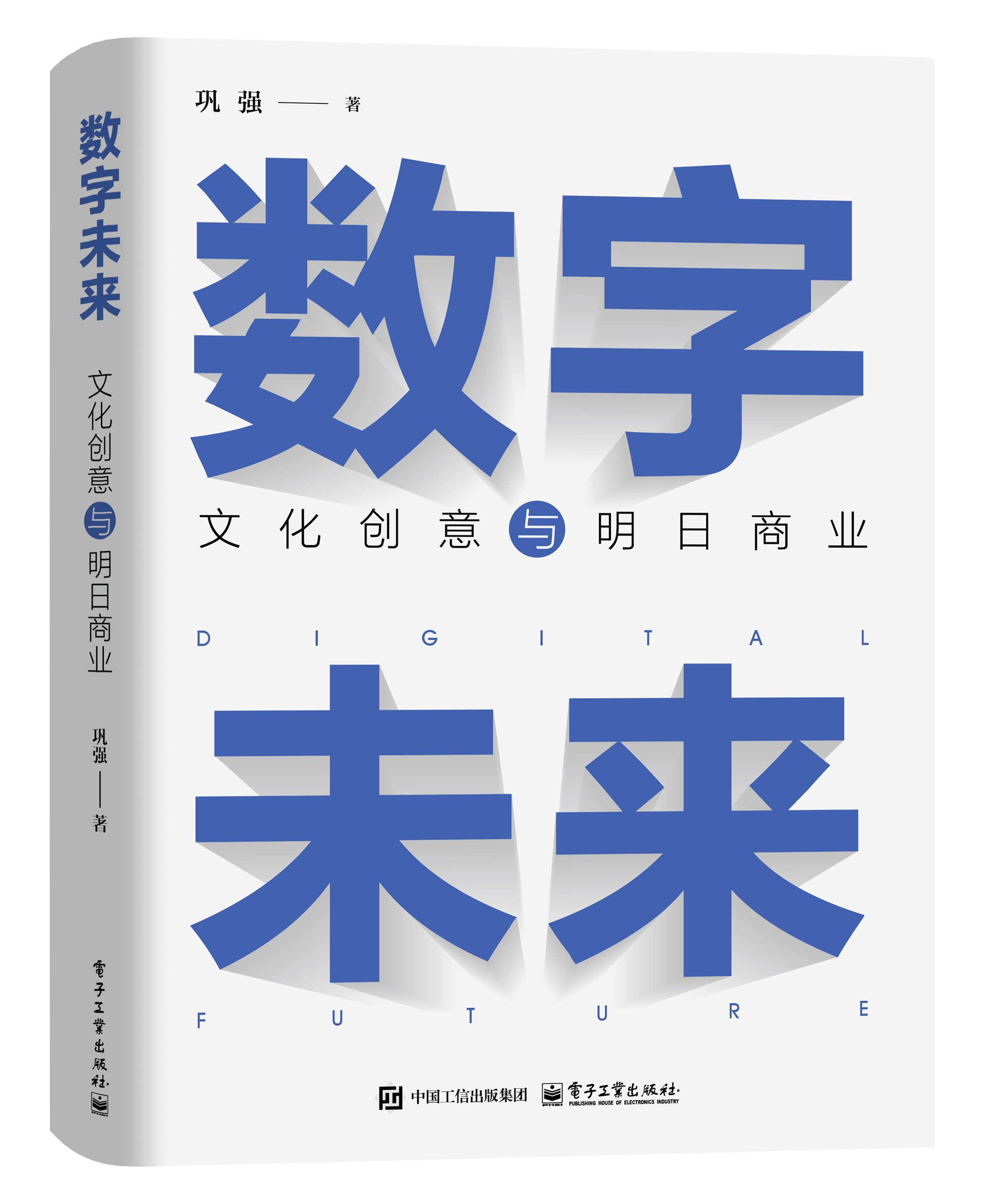
专访未来数字产业研究院院长巩强:文创企业“只靠情怀,是扛不住的”
Mei Ri Jing Ji Xin Wen· 2025-05-15 14:07
Core Insights - The article discusses the emergence and significance of "digital cultural creativity" as a new economic form that integrates digital technology and cultural resources, aiming to reshape cultural production and consumption logic [1][5][6] Group 1: Definition and Concept of Digital Cultural Creativity - "Digital cultural creativity" can be understood both as a noun, referring to tangible products enhanced by digital technology, and as a verb, representing a dynamic mechanism that transforms cultural production and consumption processes [5][6] - The core of digital cultural creativity lies in converting vast cultural resources from "stock data" to "incremental assets," emphasizing innovative models rather than limiting definitions [8] Group 2: Current Stage and Challenges - The digital cultural creativity industry is currently in the late stage of "cyber migration," where real-world cultural elements are being digitized, such as online museums and digital archiving of artifacts [9] - Key challenges include insufficient digital awareness, the need for refined legal policies, limited resource supply, and low public engagement [9] Group 3: Content-Technology-Operation Model - The "content-technology-operation" triangle is a framework for digital cultural creativity enterprises to identify their positioning and strengths, with an emphasis on deepening content development and leveraging technology effectively [11][12] - Companies do not need to excel in all three areas but should focus on at least one to gain a competitive edge [11] Group 4: Market Trends and Consumer Demands - Five commercial types of digital cultural creativity—immersion, revitalization, embodiment, empathy, and common good—reflect evolving consumer demands from material to spiritual, passive to active, and physical to virtual [14] - The future market potential may not be dominated by a single model but could involve a fusion of multiple models or the emergence of new ones [14] Group 5: Strategic Recommendations for Enterprises - Traditional cultural institutions face significant challenges in digital transformation, including a lack of technology, talent, and financial resources, alongside operational model mismatches [16] - Companies should adopt systematic thinking to align new technologies with core capabilities and focus on creating value rather than following trends blindly [16][20]
佰维存储业绩会:高价值产品从第二季度开始批量交付
Zheng Quan Shi Bao Wang· 2025-05-15 13:42
Group 1: Company Performance - In the first quarter of 2025, the company experienced a temporary decline in performance, with revenue of 1.543 billion and a net profit of -197 million due to market fluctuations and delivery schedules [2] - For the fiscal year 2024, the company reported revenue of 6.695 billion, representing a year-on-year growth of 86.46%, and a net profit of 161 million, up 125.82% [2] - The company anticipates a gradual improvement in performance starting from the second quarter of 2025, driven by stabilizing storage prices and the mass delivery of high-value storage products for AI applications [1][2] Group 2: Future Growth Opportunities - The company plans to deepen its AI edge layout, covering various applications such as AI smartphones, AI PCs, and AI glasses, aiming for robust growth in these sectors [2] - Revenue from AI glasses is projected to reach approximately 106 million in 2024, with an expected year-on-year growth of over 500% in 2025 [1] - The company is focused on expanding its production capacity for memory packaging and is set to launch an advanced packaging project in the second half of the year [2] Group 3: Industry Outlook - The storage industry is expected to grow significantly due to the increasing demand driven by innovations in IoT, big data, AI, and the metaverse, which generate massive amounts of data [3] - The domestic market for DRAM and NAND Flash chips is currently low, with market shares below 5% and 10% respectively, indicating substantial growth potential for domestic storage industry [3] - The AI technology revolution is anticipated to significantly boost the demand for high-end memory, driving the need for advanced storage solutions such as HBM3E and DDR5 [3]