
量子计算

Search documents
合肥又一家独角兽要IPO了
投中网· 2025-09-22 06:36
Core Viewpoint - The article discusses the emergence of quantum computing companies in Hefei, particularly focusing on Benyuan Quantum, which is set to initiate its A-share listing process, marking a significant milestone in China's quantum computing industry [5][6]. Group 1: Company Overview - Benyuan Quantum, founded in September 2017 by prominent figures in the quantum computing field, aims to bridge the gap between domestic and international quantum computing advancements [8][9]. - The company is located on a street known as "Quantum Avenue" in Hefei, which hosts several notable quantum companies, including GuoDun Quantum and GuoYi Quantum [8][9]. - The founding team consists of leading experts, including Academician Guo Guangcan and Professor Guo Guoping, with over 75% of the workforce being research and development personnel [9][12]. Group 2: Financial Performance - In 2022, Benyuan Quantum completed a B-round financing of 1 billion RMB, achieving a valuation of approximately 7 billion RMB [15]. - The company's revenue for the previous year was 99.38 million RMB, with a loss of 34.19 million RMB, and it is projected to exceed 100 million RMB in revenue for the current year [19][20]. - Recent transactions indicate a slight decrease in valuation, currently estimated at around 6.9 billion RMB [17]. Group 3: Market Position and Future Prospects - Benyuan Quantum is positioned as a leader in the domestic quantum computing sector, with optimistic projections for its IPO valuation, potentially reaching 10 billion RMB based on comparisons with other quantum companies [21]. - The company focuses on creating a fully autonomous and controllable quantum computing ecosystem, developing various products including quantum chips and cloud platforms [24]. - Hefei has become a hub for quantum technology, housing nearly one-third of China's quantum enterprises and ranking second globally in quantum industry development [28].


摩尔线程IPO本周上会 ;传三星跟进涨价;SSD价格开始反弹…一周芯闻汇总(9.15-9.21)
芯世相· 2025-09-22 04:27
Key Points - The article discusses significant developments in the semiconductor industry, including IPOs, partnerships, and market trends [6][7][8][9][10][11][12][14][15][18][19][21]. Group 1: Major Events - Moer Thread's IPO on the Sci-Tech Innovation Board is scheduled for September 26, 2025 [14]. - Nvidia's CEO Jensen Huang announced a partnership with Intel to integrate Nvidia's AI with Intel's CPUs, involving a $5 billion investment from Nvidia [14]. - STMicroelectronics has abandoned its layoff plans at the Agrate factory in Italy, focusing on a €5 billion investment strategy [15]. - Samsung is expected to raise prices for DRAM and NAND Flash products by 15% to 30% and 5% to 10%, respectively, indicating a bullish market cycle [18]. Group 2: Market Trends - The global wafer fab equipment market is projected to reach $184 billion by 2030, with a CAGR of approximately 4.6% from 2024 to 2030 [12]. - The top 10 semiconductor equipment manufacturers are expected to generate over $64 billion in revenue in the first half of 2025, reflecting a year-on-year growth of about 24% [12]. - The SSD market is experiencing a rebound in prices due to rising demand and upcoming shopping events like Double 11 [19]. Group 3: Company Developments - MediaTek has completed the design tape-out of its first flagship SoC chip using TSMC's 2nm process, expected to enter mass production by the end of next year [16]. - AI chip startup Groq has raised $750 million in a new funding round, achieving a post-money valuation of $6.9 billion [16]. - OmniVision has confirmed its entry into Nvidia's supply chain, supporting the NVIDIA DRIVE AGX Thor ecosystem [16]. Group 4: Industry Insights - Foreign investment in Chinese semiconductor companies is increasing, with many foreign institutions conducting research on leading firms like SMIC [11]. - The semiconductor industry is entering a golden development period, particularly in the fields of "hard technology" and AI [11].


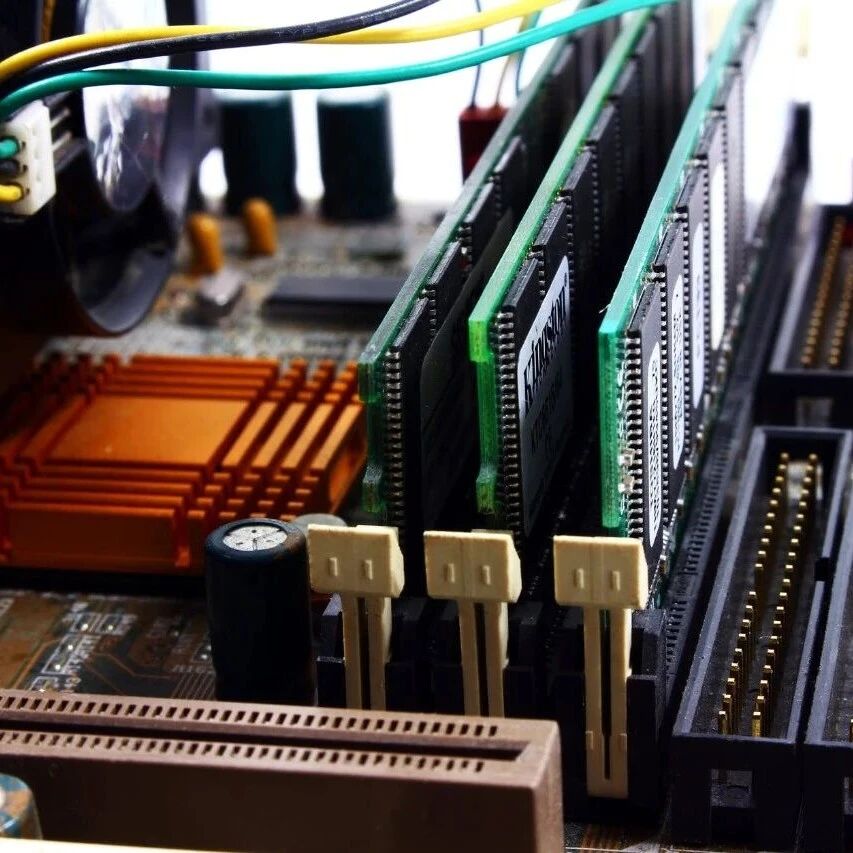
PCIe 8草案发布,带宽高达1 TB/s
半导体行业观察· 2025-09-22 01:02
Core Viewpoint - The PCI-SIG is developing the PCIe 8.0 specification, which aims to continue the trend of doubling total bandwidth with each generation, potentially offering up to 1 TB/s bidirectional transfer rates in the future [2][5][9]. Group 1: PCIe 8.0 Development - PCIe 8.0 is currently in draft version 0.3, with expectations to provide eight times the bandwidth of current high-end PC components [2][4]. - The specification aims to maintain the trend of doubling bandwidth seen from PCIe 1.0 to 7.0, with PCIe 8.0 expected to achieve 256 GT/s [4][5]. - The development of PCIe 8.0 includes exploring fiber connector technology to achieve faster speeds while ensuring low latency and reliability [7][8]. Group 2: Bandwidth and Performance - Current consumer PCs typically use PCIe 3.0 or 4.0, supporting 8 GT/s and 16 GT/s respectively, with maximum bandwidths of 32 GB/s and 64 GB/s [4]. - PCIe 5.0 supports 32 GT/s, achieving up to 128 GB/s, while PCIe 6.0 can reach 64 GT/s and 256 GB/s [4]. - PCIe 7.0 doubles these figures again, reaching 128 GT/s and 512 GB/s, with compliance plans set for 2028 [4][5]. Group 3: Applications and Importance - PCIe 8.0 is expected to play a crucial role in supporting demanding workloads in artificial intelligence, machine learning, edge computing, quantum computing, and large-scale data centers [9].
全球科技巨头入局,量子计算或成新一代算力
2025-09-22 00:59
Summary of Quantum Computing Industry Conference Call Industry Overview - The quantum computing industry is gaining momentum with significant investments and advancements, indicating a strong future potential despite current commercialization challenges [1][2][3] - Major players include GuoDun in photonic quantum and quantum communication, IBM with a target of 200 logical qubits by 2029, and BenYuan launching a 500-qubit measurement and control system [1][3][7] Key Insights and Arguments - The quantum industry is underestimated globally, ranking high in technology strategies across the US, Japan, EU, and the UK, second only to AI [2] - Short-term commercialization (3-5 years) is challenging, but long-term (5-10 years) potential is significant, with quantum computing expected to complement current computing methods [2] - GuoDun and BenYuan are leading in system solutions and core component development, while companies like Xi'an Century are emerging in the post-quantum cryptography sector [4][5] Investment Focus Areas - Key investment segments include: - System solution providers like GuoDun - Upstream core component developers such as PuYuan Precision Electronics - The growing field of post-quantum cryptography, particularly companies like Xi'an Century [4][5][16] Quantum Security Technology Developments - The US has launched post-quantum cryptography (PQC) technology, aiming to replace existing systems within five years, while China is optimistic about its standards [5] - Companies like Xi'an Century are positioned to benefit significantly in the financial sector due to their strong industry presence [5][8] Computing Power Demand Trends - The demand for computing power is transitioning towards quantum computing, with domestic capabilities showing strong performance [6] - Long-term projections indicate that increased investments from companies like NVIDIA will create a robust sector effect [6] Industry Development Projects - GuoDun and BenYuan are developing systems to support 500 logical qubits, with telecommunications investments accelerating application in communication networks [7] - IBM's goal of achieving 200 logical qubits by 2029 is a significant milestone for solving complex problems [7] Beneficiaries in Financial and Military Sectors - Companies such as Xi'an Century, 3D Xingan, and Geer are expected to thrive in financial and military applications, which are critical use cases for quantum technology [8] Commercialization and Market Potential - Quantum computing is rapidly advancing, with expectations to reach 200 logical qubits by 2029, impacting fields like molecular simulation [9] - Notable revenue growth in companies like iQOO and Deveo indicates faster-than-expected commercialization [9] - The domestic market is conservative but poised for significant advancements in the next 1-2 years, with substantial investments in quantum computing infrastructure [9] Quantum Security and Related Technologies - Quantum security encompasses quantum communication and encryption, with increasing threats to existing cryptographic systems [10] - Companies like GuoDun are collaborating with telecommunications to enhance quantum network applications [10] Relationship Between QKD and PQC - QKD (Quantum Key Distribution) and PQC are complementary technologies, enhancing overall information security [11][12] Progress in Quantum Technology Across Sectors - Companies like Xi'an Century are leading in the financial sector, with stable fundamentals and profit releases [13] - The development of quantum technology is expected to significantly impact military and enterprise sectors [13] Commercialization of Quantum Measurement Technology - Quantum measurement technology is advancing rapidly, with companies like GuoDun and unlisted GuoYi leading the way [14] Importance of Quantum Development in China and the US - Both countries prioritize AI, nuclear power, and quantum technology, with the US making significant early investments [15] Notable Investment Targets - Key companies to watch include GuoDun, PuYuan Precision Electronics, and Xi'an Century, which are expected to benefit from ongoing industry developments and potential sector effects [16]
加速量子与AI深度融合,上海成立量子人工智能联合体
Xuan Gu Bao· 2025-09-21 23:42
Industry Insights - The Shanghai Quantum Artificial Intelligence Consortium and the Shanghai Quantum Technology Equipment Industry Innovation Alliance were established, focusing on interdisciplinary research in quantum artificial intelligence over the next five years [1] - The global quantum computing industry is expected to grow from $5.04 billion in 2024 to $21.998 billion by 2030, with a compound annual growth rate (CAGR) of 87.64% [1] - Various hardware technology routes for quantum computing are developing concurrently, with superconducting quantum computing being the most favored [2] Company Developments - Geer Software has invested in Shanghai Hongge Post-Quantum Technology Co., which is engaged in research, standard formulation, and product development in the field of post-quantum cryptography, with applications in government, finance, and military sectors [3] - Jida Zhengyuan has made progress in research on post-quantum cryptographic algorithms, achieving an algorithm for post-quantum signatures [4]
“打卡”智能产品,分享购物体验,“科技购”成外国人来华消费新趋势
Huan Qiu Shi Bao· 2025-09-21 22:47
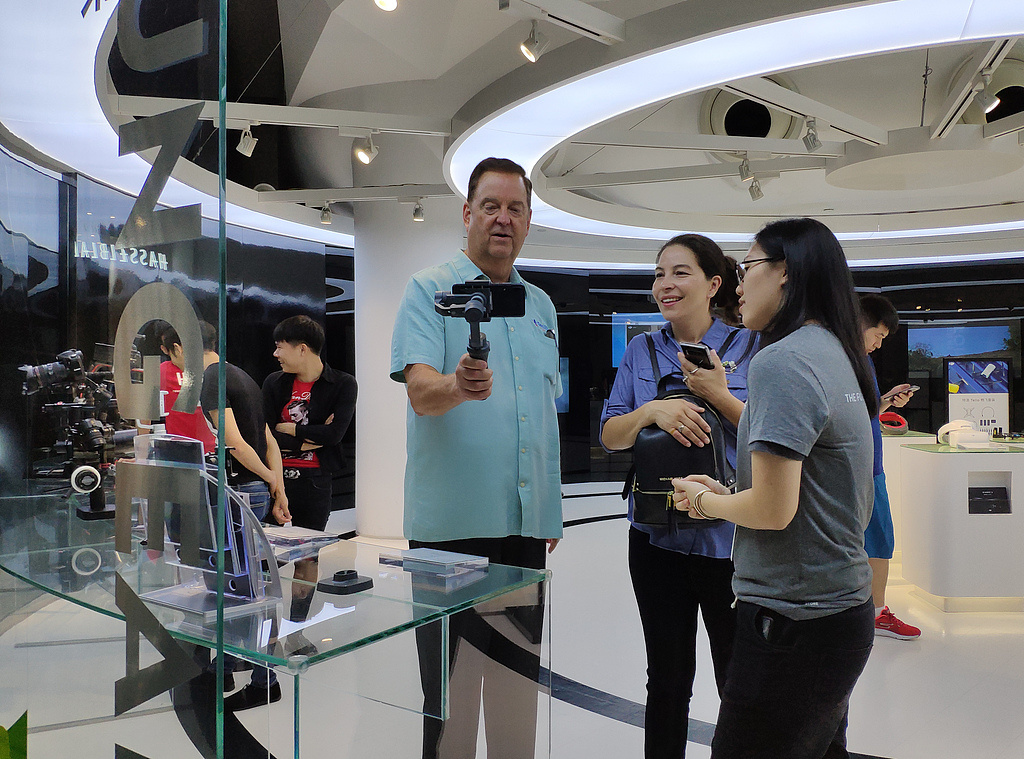
Core Insights - The global consumer electronics market is projected to exceed $1 trillion by 2025, with China playing a crucial role in this growth [1] - Foreign tourists, particularly younger individuals, are increasingly visiting China not just for cultural experiences but to purchase innovative Chinese electronic products [1] Group 1: Consumer Behavior - Tourists are actively seeking out Chinese tech products, with experiences like visiting tech stores becoming essential parts of their travel itineraries [3] - Many foreign consumers are well-informed and have specific products in mind when shopping in China, often looking for high-quality and unique items that may not be available in their home countries [6] - The trend of purchasing Chinese tech products is driven by the perception of superior quality and value compared to similar products in their home markets [6][9] Group 2: Product Popularity - Action cameras and drones are among the most sought-after products by foreign consumers visiting China [4] - The demand for Chinese tech products is not limited to local brands; foreign brands are also found to be cheaper in China compared to their prices in developed countries [6][8] Group 3: Market Trends - The shift in foreign consumer behavior indicates a move from seeking low-cost items to prioritizing high-tech, customized, and innovative products [9][10] - The increasing influence of Chinese tech products on international social media platforms highlights their growing global appeal [6][7] Group 4: Shopping Experience - The introduction of tax refund services and improved shopping infrastructure enhances the overall experience for foreign consumers in China [10] - Recommendations for improving services for international customers include enhancing international payment systems and creating immersive product experiences [10]
从科幻到现实!创新成果频频上“新” 中国驶入量子时代“快车道”
Yang Shi Wang· 2025-09-21 03:35
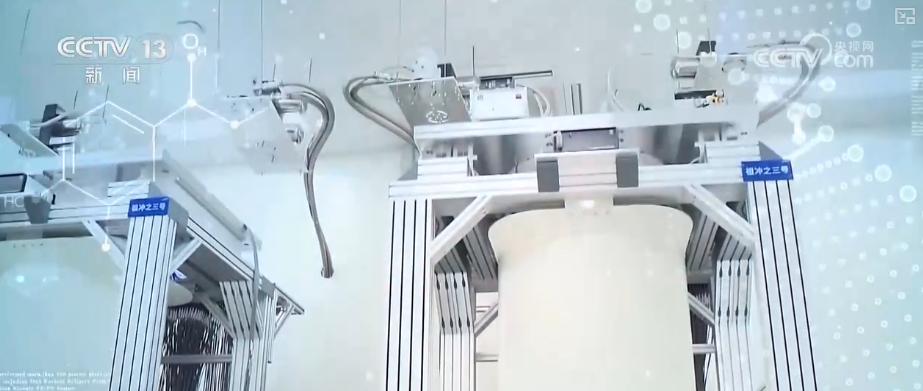
Core Insights - Quantum technology is a crucial development direction for China's future industries and is expected to revolutionize emerging technologies [1] - The field of quantum technology encompasses quantum computing, quantum communication, and quantum measurement, leveraging principles of quantum mechanics [3][24] Group 1: Quantum Technology Developments - China has made significant strides in quantum technology, with the "Zu Chongzhi III" quantum computing prototype set to be launched in March 2025, establishing a new global record in superconducting quantum computing [4] - A research team successfully constructed a 300-kilometer quantum direct communication network, demonstrating the feasibility of long-distance secure communication [6] - The "Nano-Photon Factory" was developed in July 2025, producing a new type of quantum entangled light source with a fidelity of 99.4%, laying a critical foundation for advanced quantum applications [6] Group 2: Quantum Sensing and Measurement - Quantum sensors, which are atomic-scale devices, can measure extremely small quantities, such as the temperature of individual cells or molecules, thus opening the door to the microscopic world [9] - Quantum precision measurement can detect magnetic field signals that are 10 billion times smaller than Earth's magnetic field, and portable gravity meters can identify mineral deposits deep underground [10][11] - The core team from Guoyi Quantum aims to transform research outcomes in quantum measurement into products, achieving breakthroughs in domestic high-end scientific instruments [11][13] Group 3: Quantum Applications in Power Systems - The world's first quantum application demonstration substation in Hefei operates 85 types of quantum technology-related products, enhancing the safety and efficiency of power transmission [18][20] - Quantum communication ensures secure transmission of electrical information, while quantum computing performs dynamic data calculations between power nodes [20] - Future developments in quantum sensors are expected to replace traditional measurement devices, significantly reducing size and costs, which is crucial for power systems [23] Group 4: Industry Growth and Policy Support - Hefei is a key hub for quantum technology innovation, with plans to develop the quantum industry into a 100 billion yuan industry cluster by 2027 [35] - Various cities, including Beijing, Shanghai, and Shenzhen, are accelerating the practical application of quantum technology through supportive policies and the establishment of innovation incubators [37]
量子计算有望加速落地
Orient Securities· 2025-09-21 02:00
Investment Rating - The report maintains a "Positive" investment rating for the electronic industry, indicating an expected return that is stronger than the market benchmark by over 5% [6]. Core Viewpoints - Quantum computing is becoming a key focus for governments worldwide, with significant investments from leading companies like NVIDIA, suggesting an acceleration in the commercialization of quantum computing [3][9]. - The report highlights the ongoing advancements in quantum computing technology and its applications, with notable developments from both domestic and international companies [8][9]. Summary by Sections Investment Recommendations and Targets - Quantum computing is identified as a priority technology for governments, with companies like NVIDIA actively investing in the sector. This trend is expected to enhance the commercialization process [3][9]. - Recommended stocks include leading domestic quantum computing firms such as Guoshun Quantum (国盾量子), which focuses on quantum security chips, and other companies like Tengjing Technology (腾景科技) and Huagong Technology (华工科技) that are involved in quantum technology projects [3][9]. Industry Overview - The report discusses the recent IPO guidance from Benyuan Quantum and a $1 billion Series E funding round for PsiQuantum, which has reached a valuation of $7 billion [8]. - NVIDIA's strategic investments in various quantum computing companies, including Quantinuum and QuEra Computing, indicate a diversified approach to harnessing quantum computing opportunities [8]. - The report notes that both domestic and international quantum computing enterprises are making strides in commercial applications, with advancements in sectors like weather forecasting and financial analysis [8].



什么是量子科技?都有哪些应用?一文了解→
Yang Shi Xin Wen Ke Hu Duan· 2025-09-21 00:50
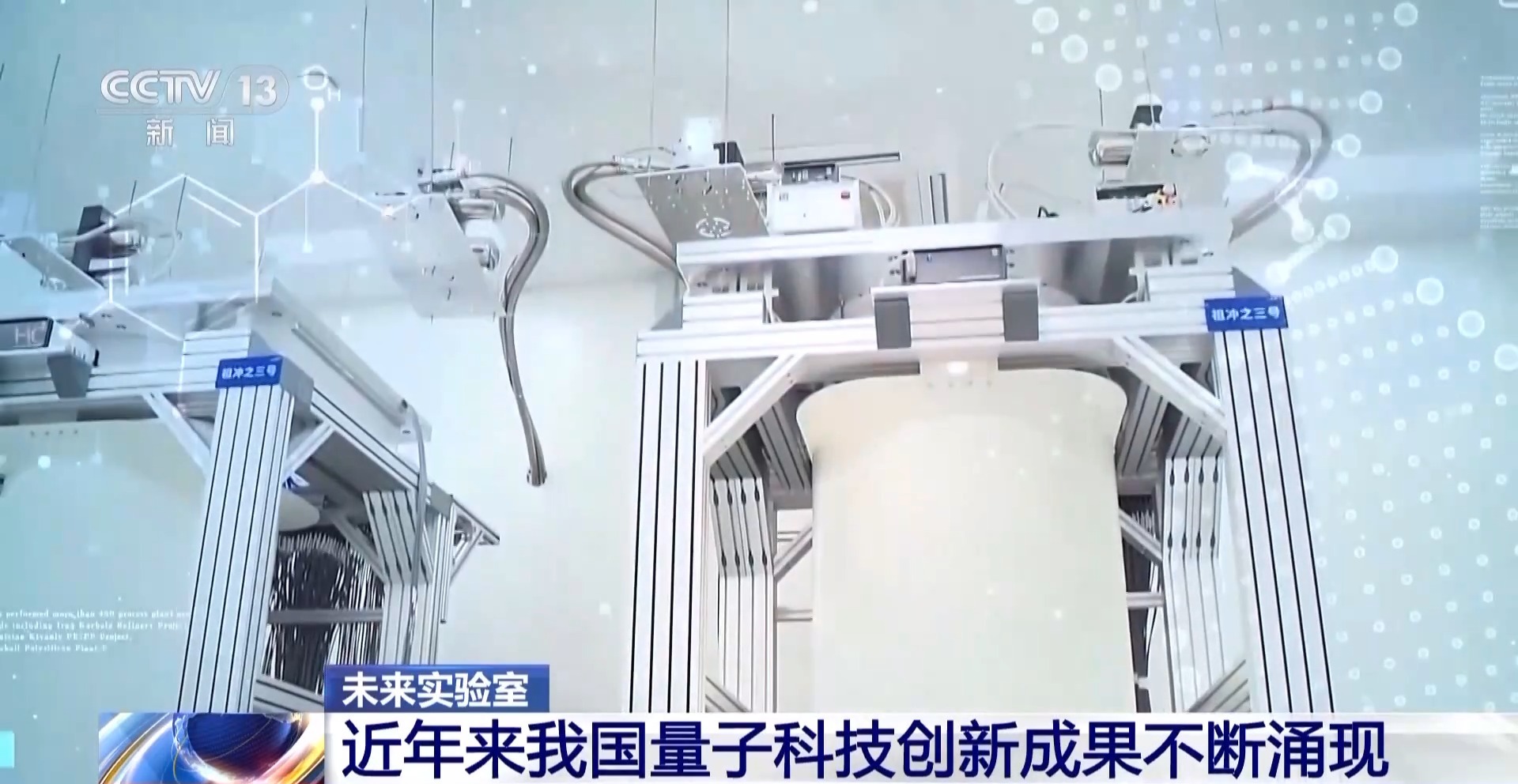
Core Insights - Quantum technology is a crucial development direction for China's future industries and is expected to disrupt emerging technologies [1] - Recent innovations in China's quantum technology field have led to significant advancements in quantum computing, communication, and measurement [1][3] Group 1: Quantum Technology Innovations - China's self-developed quantum computing prototype "Zu Chongzhi III" was launched in March 2025, setting a new global record for superconducting quantum computing superiority [3] - In July 2025, a research team created a "nano-photon factory," producing a new type of quantum entangled light source with a fidelity of 99.4%, laying a critical foundation for advanced quantum applications [3] - A 300-kilometer quantum direct communication network has been successfully established, demonstrating the feasibility of long-distance high-security communication [5] Group 2: Quantum Sensing and Measurement - The world's smallest quantum sensor, located at the tip of a diamond probe with a diameter of only 500 nanometers, is capable of measuring at the atomic level [8] - Quantum sensors can measure extremely small entities, such as individual cells and molecules, which traditional sensors cannot detect [10] - The core team from Guoyi Quantum aims to transform quantum measurement research into products, achieving breakthroughs in China's high-end scientific instruments [12] Group 3: Applications in Power and Energy - The world's first quantum application demonstration substation in Hefei integrates 85 types of quantum technology-related products, enhancing operational safety and efficiency [14] - Quantum communication ensures secure transmission of electrical information, while quantum computing performs dynamic data calculations between power nodes [15] - Quantum sensors in the substation can monitor multiple parameters with high sensitivity, significantly improving the reliability of the power system [17][19] Group 4: Quantum Computing Capabilities - China's highest bit-count superconducting quantum computer has 504 qubits, potentially exceeding the computational power of all current supercomputers [21] - Quantum computing can revolutionize fields such as meteorological prediction and information security, with ongoing explorations proving its feasibility [23] - New quantum communication technologies are being tested to ensure absolute information security, with future applications in global secure information networks [25] Group 5: Industry Development and Policy Support - The Ministry of Industry and Information Technology and other departments have proposed plans to develop future industries, including quantum technology, aiming to create a hundred billion-level industrial cluster by 2027 [26] - Hefei is recognized as a key innovation hub for quantum technology, with specialized parks and clusters being established [26] - Other cities like Beijing and Shanghai are also accelerating the practical application of quantum technology through various initiatives and policies [26]
什么是量子科技?都有哪些应用?一文了解
Yang Shi Wang· 2025-09-20 22:33
Core Insights - Quantum technology is a crucial development direction for China's future industries and is expected to revolutionize emerging technologies [1] - China has made significant strides in quantum technology, including the development of the "Zu Chongzhi No. 3" quantum computing prototype and a new type of quantum entangled light source with a fidelity of 99.4% [1][2] Group 1: Quantum Technology Innovations - Quantum technology is based on the principles of quantum mechanics, enabling advancements in quantum computing, communication, and measurement [1] - The "Zu Chongzhi No. 3" quantum computing prototype was launched in March 2025, setting a new global record for superconducting quantum computing superiority [1] - A research team created a "nano-photon factory" in July 2025, producing a new quantum entangled light source with a fidelity of 99.4%, laying the groundwork for advanced quantum applications [1] Group 2: Quantum Communication and Measurement - A 300-kilometer quantum direct communication network was successfully constructed, demonstrating the feasibility of long-distance high-security communication [2] - Quantum sensors, which are capable of measuring at the atomic level, are being developed to provide precise measurements for applications in various fields [3][4] - The world's smallest quantum sensor, with a scale of 0.5 nanometers, is being utilized for measuring extremely small entities, such as individual cells and molecules [4][5] Group 3: Practical Applications and Industry Development - The world's first quantum application demonstration substation in Hefei integrates 85 types of quantum technology-related products, enhancing operational safety and efficiency [8][9] - Quantum sensors are expected to replace many traditional measurement devices, significantly improving accuracy and reducing costs in power systems [9] - The quantum computing capabilities demonstrated in Hefei, with a quantum computer featuring 504 qubits, show potential for applications in weather prediction and information security [11][12] Group 4: National and Regional Strategies - The Chinese government is promoting the development of future industries, including quantum technology, through various policies and initiatives [13][14] - Hefei is recognized as a key hub for quantum technology innovation, with plans to develop a hundred billion-level industry cluster by 2027 [14] - Other cities like Beijing, Shanghai, and Shenzhen are also advancing their quantum technology initiatives, focusing on practical applications and industry cultivation [14]