双碳目标

Search documents
岚图追光L正式上市 绿色科技引领低碳升级
Huan Qiu Wang· 2025-12-11 09:00
2025年12月10日,岚图追光L正式上市,官方售价27.99万—30.99万元。岚图追光L以"强动力、长续航、低能耗"的绿色科技组合,为汽车产业低碳升级提供 了可借鉴的思路。新车在保证性能的同时,更以全生命周期的低碳设计,践行"绿色发展"的企业理念。 据介绍,除了使用环节的低碳,岚图追光L在生产与回收环节同样注重环保。在武汉岚图工厂,这款车型的生产采用"绿色制造"标准:官方数据显示,车身 焊接采用激光焊接工艺,减少焊接烟尘排放80%;涂装车间使用水性涂料,挥发性有机物(VOCs)排放降低60%;总装车间引入智能能耗管理系统,使生 产每台车的耗电量降低15%。同时,岚图联合电池供应商建立"电池回收体系",对退役电池进行梯次利用(如储能电站)或材料回收,实现"从生产到回 收"的闭环低碳。 岚图汽车表示,希望岚图追光L在为用户提供"低碳出行"新选择的同时,更为产业树立"低碳升级"的新方案。企业将继续以绿色科技为核心,带动产业链上 下游共同减排,为"双碳"目标的实现持续贡献力量。 岚图追光L搭载全新混动专用发动机,通过深度米勒循环、高效涡轮增压等自主技术,提升最高热效率,大幅减少碳排放。与此同时,全域800V岚海智 ...


深圳港联手中广核 共建海上“能源岛”
2 1 Shi Ji Jing Ji Bao Dao· 2025-12-11 08:57
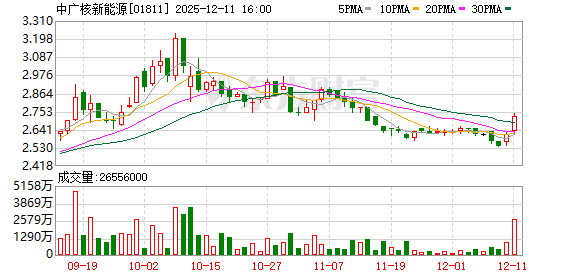
Core Viewpoint - Shenzhen Port Group and China General Nuclear Power Corporation New Energy signed a cooperation agreement to develop offshore wind power and integrated energy projects, aiming to create a new model of collaboration in the energy sector [2][3]. Group 1: Cooperation Agreement - The agreement focuses on the integrated development model of "offshore wind power + comprehensive energy + port-city integration" [2]. - Key projects include the construction of offshore wind power bases, offshore comprehensive energy islands, wind power operation and maintenance mother ports, and a green ship fuel supply trading center in South China [2]. Group 2: Strategic Importance - The partnership aims to enhance the operational capacity for offshore wind power maintenance and promote high-quality development in the green energy industry [3]. - Shenzhen Port Group's modern service system integrates "port hub + logistics channels + trade networks," supporting the transition to smart and green port operations [3]. Group 3: Industry Trends - The green hydrogen and ammonia industry is identified as a crucial direction for future energy transformation, with Shenzhen Port Group positioned as a strategic partner due to its global port and shipping network advantages [2]. - The green hydrogen and methanol project utilizes renewable energy for hydrogen production, contributing to global energy transition and carbon neutrality goals [2]. Group 4: Previous Collaborations - In September, Shenzhen Port Group and China General Nuclear Power Corporation New Energy signed a strategic cooperation project for integrated green ship fuel production and supply, involving 21 other organizations to accelerate the development of the green ship fuel industry in the Guangdong-Hong Kong-Macao Greater Bay Area [3]. Group 5: Regional Leadership - China General Nuclear Power Group leads in offshore wind power operations and construction in Guangdong Province and has initiated the first domestic offshore comprehensive energy island innovation platform [4].
“十五五”小众能源十大看点:分布式天然气、生物质能、地热供暖……
Zhong Guo Dian Li Bao· 2025-12-11 06:23
Core Viewpoint - Niche energy sources in China, including distributed natural gas, biomass energy, geothermal energy, and ocean energy, are gaining strategic importance in the context of the "dual carbon" goals and the critical period of the 14th Five-Year Plan, potentially becoming significant supplements to mainstream energy sources and supporting energy security and ecological protection [1] Group 1: Distributed Natural Gas - Distributed natural gas can provide multi-energy supply with a comprehensive energy utilization rate exceeding 70%, but its development is constrained by high costs and dependence on external sources [3] - The cost of gas-electricity integration ranges from 0.59 to 0.72 yuan per kilowatt-hour, significantly higher than mainstream energy sources [3] - Policy incentives, such as the revised "Natural Gas Utilization Management Measures" and the peak production plan for gas peak-shaving power stations, are expected to drive the growth of distributed natural gas [3] Group 2: Biomass Energy - Biomass energy, derived from organic waste, has a low utilization rate of 11.8% in China, but is expected to accelerate development due to renewable energy replacement actions [5] - By the end of 2024, biomass power generation capacity is projected to reach 45.99 million kilowatts, with an annual generation exceeding 208.3 billion kilowatt-hours [5] - The development of biomass energy should focus on integrating it into renewable energy strategies and expanding applications in hydrogen production and cellulose ethanol [5] Group 3: Biomass Power Generation - Biomass power generation includes agricultural, forestry, and waste biomass, with installed capacities of 17.09 million kilowatts, 27.38 million kilowatts, and 2.52 million kilowatts respectively by 2024 [7] - The sector faces challenges such as subsidy reductions, unstable fuel supply chains, and low efficiency [7] - Solutions include promoting new technologies, standardizing operations, and exploring new profit models [7] Group 4: Biomass Co-firing - Biomass co-firing is identified as a key method for reducing carbon emissions in coal power plants, with projects demonstrating significant CO2 reduction [10] - The annual biomass resource generation in China exceeds 9 billion tons, and a 60% recovery rate could meet energy needs [10] - The integration of biomass energy with carbon capture technology is recognized as a core path to carbon neutrality [10] Group 5: Geothermal Heating - Geothermal heating is positioned as a crucial clean heating solution for northern cities, with a projected heating area of nearly 900 million square meters by 2025 [12] - Currently, 95% of heating relies on fossil fuels, contributing to significant carbon emissions [12] - Geothermal energy can be integrated with other renewable sources to create demonstration projects that reduce dependency on single resources [12] Group 6: Geothermal Power Generation - China's geothermal power generation capacity is currently only 61.47 megawatts, ranking 19th globally [14] - The development is hindered by economic factors, resource concentration in less developed areas, and inadequate policies [14] - To catch up, efforts should focus on technology breakthroughs, cost reduction, and policy improvements [14] Group 7: Hot Dry Rock Power Generation - Hot dry rock resources in China are substantial, with a potential to meet energy needs for 4,000 years [16] - The technology is still in the early stages of commercialization, facing challenges in extraction and cost [16] - If breakthroughs are achieved during the 14th Five-Year Plan, hot dry rock power could become a disruptive energy source [16] Group 8: Ocean Energy - Ocean energy, including tidal and wave energy, has a potential development capacity of 650 million kilowatts [18] - Recent advancements have positioned China as a leader in ocean energy technology [18] - The sector is still in the demonstration phase, with high costs and technical challenges to overcome [18] Group 9: Integrated Development - The integration of ocean energy with other sectors, such as desalination and offshore oil and gas platforms, is being promoted [21] - Successful pilot projects have demonstrated the potential for cost reduction and resource efficiency [21] - The focus during the 14th Five-Year Plan should be on developing large-scale demonstration projects to drive industry growth [21] Group 10: Combustible Ice - Combustible ice resources in the South China Sea are equivalent to 65 billion tons of oil, with potential for over 130 years of supply [23] - The main challenges include high extraction costs and ecological protection [23] - A technological breakthrough in extraction could significantly enhance the prospects for combustible ice as a marine energy source [23]
400亿转型金融落地 广东发布2项转型金融标准助力低碳转型
2 1 Shi Ji Jing Ji Bao Dao· 2025-12-11 05:17
Group 1 - The green low-carbon transition of traditional high-carbon industries is essential for Guangdong's high-quality development and is a key measure to achieve the "dual carbon" goals [2][9] - The "2025 Guangdong Green Finance Reform and Innovation Promotion Conference" held on December 10 in Nansha, Guangzhou, announced the release of two standards: the "Guangdong Province Paper Industry Transition Financial Implementation Guidelines" and the "Guangzhou City Transition Financial Implementation Guidelines" [2][9] Group 2 - Transition finance aims to provide funding support for high-emission economic activities to transition to low or zero emissions, serving as a crucial tool for promoting sustainable development in high-energy-consuming industries [3][10] - In 2024, Guangdong's paper and paperboard production is projected to reach 26.48 million tons, accounting for 16.7% of the national total; Guangzhou's green petrochemical and new materials industry has surpassed 400 billion yuan in output value, with over 1,600 enterprises [3][10] - The "Guangdong Province Paper Industry Transition Financial Implementation Guidelines" is the first provincial-level group standard in China to support the low-carbon transition of the paper industry, organized by various financial and industry associations [3][10] Group 3 - The guidelines include a project directory for financial support in the paper industry, covering 39 specific technical paths across four categories: energy structure optimization, energy-saving processes and equipment, clean production, and waste resource utilization [4][11] - The "Guangzhou City Transition Financial Implementation Guidelines" is the first transition financial standard in Guangzhou, covering the chemical raw materials, pharmaceutical manufacturing, and rubber and plastic products industries [5][12] Group 4 - The two standards provide clear operational guidelines for low-carbon transition activities in key industries such as paper, chemicals, plastics, and pharmaceuticals, helping to direct financial resources more accurately and systematically towards transition areas [5][12] - A recent matching event under these guidelines facilitated collaboration between 135 enterprise projects and banking institutions, with total bank credit exceeding 40 billion yuan [6][13] - The projects span across 19 cities in Guangdong, demonstrating a significant regional synergy effect in transition finance and biodiversity finance [6][13]

助力能源转型升级,国家电投山东公司五年装机翻两番
Zhong Guo Fa Zhan Wang· 2025-12-11 03:50
Core Viewpoint - The State Power Investment Corporation Shandong Company is committed to sustainable and high-quality development during the 14th Five-Year Plan period, significantly contributing to the group's balanced growth strategy and local energy transition efforts [1] Group 1: Development Achievements - The company has quadrupled its installed capacity over five years, reaching a total of 3.52 million kilowatts, and is expected to exceed its 14th Five-Year Plan target by the end of 2025 [1] - The company has established the first million-kilowatt offshore wind power base in Shandong, achieving a total installed capacity of 1.7 million kilowatts in offshore wind projects from 2021 to 2024 [3] - The company has acquired 2.48 million kilowatts of new energy indicators in the northern Shandong region, ranking first among single enterprises in the province [4] Group 2: Innovative Projects - The company has successfully implemented the "Gaoyang Model," which integrates government, enterprise, and farmer collaboration, leading to the rapid construction of a 100 MW/200 MWh energy storage station in just 74 days [7] - The company has developed a comprehensive energy solution that combines wind, solar, storage, and intelligence, aligning with local rural revitalization efforts [7] Group 3: Strategic Goals - The company aims to create a clean energy base with a capacity of 10 million kilowatts, positioning offshore wind as a key driver for energy transition in Shandong [3] - The company plans to continue its efforts in the 15th Five-Year Plan period, building on the achievements of the 14th Five-Year Plan to support the dual carbon goals [8]
推动绿色金融 从“规模扩张” 迈向“质量提升”
Jin Rong Shi Bao· 2025-12-11 03:33
Group 1 - A green transformation driven by financial forces is underway in the Hohhot Valley of eastern Qinghai, focusing on optimizing the energy structure to meet the "dual carbon" goals set by the People's Bank of China [1] - As of the end of Q3 2025, the balance of green loans in Haidong reached 8.508 billion yuan, with low-carbon transition loans accounting for 6.098 billion yuan, representing 71.68% of the total green loan balance [1] - A loan of 346 million yuan supported the construction of a large photovoltaic power station, which is expected to generate an average annual electricity output of 1.55 billion kWh, saving 558,300 tons of standard coal and reducing CO2 emissions by over 1.5 million tons annually [1] Group 2 - The local financial institutions have introduced customized products such as long-term low-interest loans and project revenue rights pledges to address the characteristics of renewable energy projects, significantly reducing the loan approval process from nearly two months to within 20 days [2] - Haidong is exploring a dual-track monitoring mechanism of "green credit + ecological benefits" to ensure that green funds are effectively utilized, focusing on the actual impact of each loan on electricity generation, carbon reduction, and environmental improvement [2] - The region aims to enhance the role of green finance in supporting the energy revolution, with ongoing improvements in carbon accounting and environmental information disclosure infrastructure [2]
申万宏源荣获“价值共创”可持续金融产品奖项
申万宏源证券上海北京西路营业部· 2025-12-11 03:23
Group 1 - The core viewpoint of the article highlights the recognition of Shenwan Hongyuan's achievements in ESG and sustainable development, particularly through its carbon financial services that support green development [5]. - The "Value Co-Creation" award is the first of its kind in China, focusing on sustainable practices across various industries, evaluated by experts from academia and industry [3]. - Shenwan Hongyuan has been actively promoting carbon financial products to guide investments towards renewable energy and green industries, contributing to the national "dual carbon" goals [4]. Group 2 - The company has diversified its carbon financial services, including carbon quota repurchase and CCER trading, to support the green transformation of enterprises [4]. - In its operational management, Shenwan Hongyuan implements energy-saving measures and waste reduction practices, achieving international recognition with the LEED O+M Gold certification for its Beijing headquarters [4]. - The company aims to leverage its comprehensive business licenses and extensive network to meet enterprise needs and promote the realization of energy-saving and emission reduction project values [5].

本周第2家、年内第10家IPO! 德力佳传动成功登陆上交所主板
Sou Hu Cai Jing· 2025-12-11 01:27
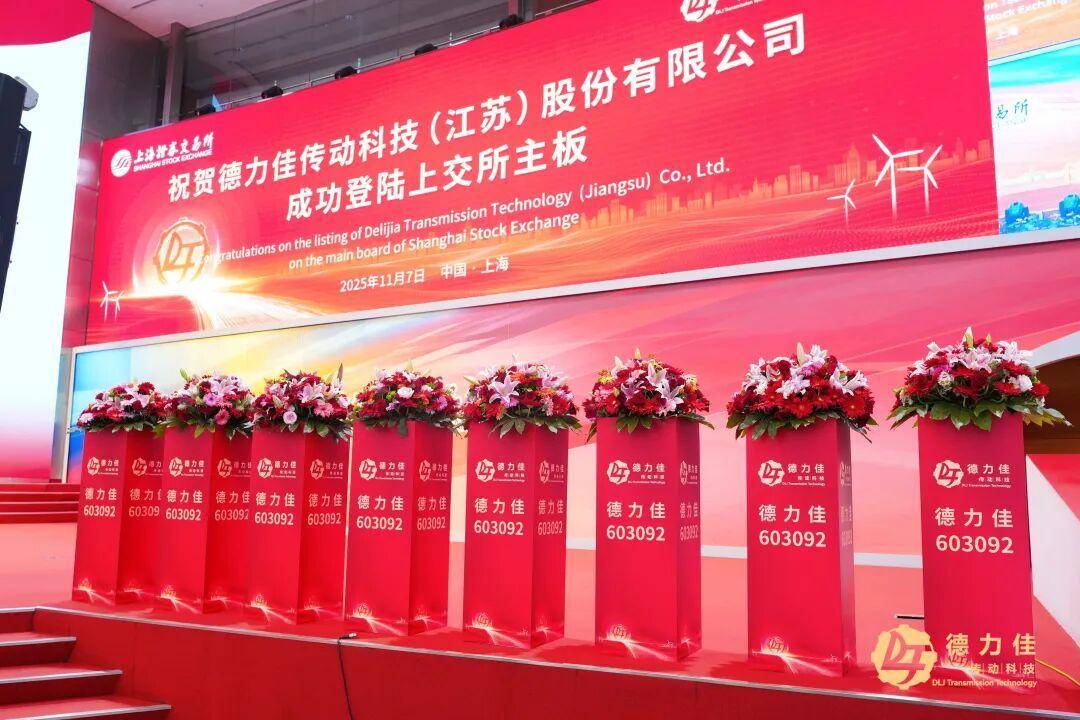
Core Viewpoint - Delijia Transmission Technology (Jiangsu) Co., Ltd. successfully listed on the Shanghai Stock Exchange, marking a significant achievement for Yida Capital in the green industry sector [1][7]. Company Overview - Delijia Transmission is a high-tech enterprise specializing in the research, production, and sales of gear transmission products, with its core product being the wind turbine main gearbox, a critical component of wind power generation [3]. - Since its establishment in 2017, the company has developed a comprehensive business chain from design to production and operation services, with the capability to produce a full range of products from 1.5MW to 22MW [3]. - The products are designed to meet various geographical and climatic conditions, excelling in power density, transmission efficiency, gear safety factors, vibration, and noise levels, and have received multiple certifications from authoritative institutions [3][4]. Market Position - According to QY Research, Delijia holds a global market share of 10.36%, ranking third worldwide, and a market share of 16.22% in China, ranking second nationally [3]. - The company has established strong partnerships with leading wind turbine manufacturers, receiving multiple awards for excellence in supply and delivery [6]. Research and Development - Delijia has a robust R&D capability, with 63 authorized patents, including 24 invention patents, and has contributed to the drafting of several national and industry standards [4]. - The company's self-developed 10-12MW offshore gearbox was recognized as a significant technological equipment project by the National Energy Administration in 2021 [4]. Future Projects - The company plans to invest in projects to produce 1,000 units of large land-based wind gearboxes and 800 units of large offshore wind gearboxes, aimed at expanding production capacity and enhancing technological strength [6]. - These projects align with the trend of increasing single-unit capacity in wind turbines and aim to strengthen the company's market position in both domestic and international markets [6]. Industry Context - The growth of the wind power sector is supported by national policies promoting renewable energy and technological advancements that lower costs and improve efficiency [6][9]. - Yida Capital emphasizes the importance of industry research and regional focus, believing that solid industrial foundations and continuous technological innovation will foster globally competitive Chinese enterprises in the context of energy transformation [9].
广东首例碳市场个人信息保护案落槌
Ren Min Wang· 2025-12-11 00:59
Core Viewpoint - The case highlights the balance between trading efficiency and personal information protection in the carbon market, emphasizing the need for clear regulations and practices to safeguard individual rights while facilitating carbon trading [1][4]. Group 1: Case Background - A dispute arose when an individual member of a carbon trading center, referred to as Li, received unsolicited contact from multiple companies regarding carbon quota transactions, leading to claims of unauthorized personal information disclosure by the trading platform [1]. - Li alleged that the carbon trading center disclosed his name and phone number without consent, violating his personal information rights, and sought legal redress [1]. Group 2: Legal Proceedings - The carbon trading center defended its actions by citing legal grounds for information disclosure, arguing that it was necessary for fulfilling contractual obligations related to transaction invoicing [2]. - Both the first and second instance courts ruled in favor of the carbon trading center, determining that the information disclosure was legally justified and did not constitute an infringement of Li's rights [3]. Group 3: Judicial Recommendations - Following the case, the court provided judicial suggestions to the carbon trading center aimed at enhancing the regulatory framework, optimizing platform functions, and improving oversight [4]. - Recommendations included developing a dedicated information disclosure policy, implementing selective disclosure features, and strengthening consent and monitoring mechanisms to mitigate information exposure risks [4]. Group 4: Industry Implications - The case sets a precedent for the reasonable use of personal information in specific trading scenarios, promoting smooth carbon market transactions while encouraging platforms to enhance personal information protection measures [4]. - This outcome serves as a reference for similar disputes in the national carbon market, contributing to the integration of green economic development and personal information rights protection [4].
南通:损害赔偿显温情 志愿服务谱新篇
Zhong Guo Huan Jing Bao· 2025-12-11 00:38
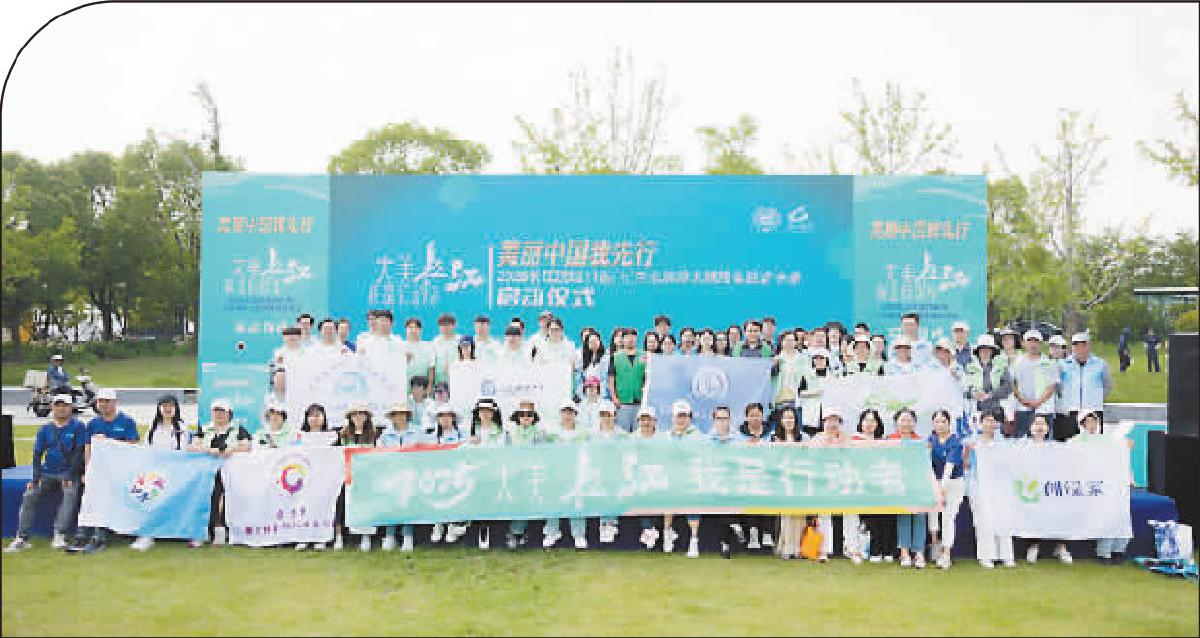
Core Viewpoint - The article discusses the ecological damage compensation reform in Nantong City, Jiangsu Province, highlighting its innovative approaches to environmental restoration and community involvement in ecological protection efforts [1][2]. Group 1: Ecological Damage Compensation Reform - Nantong City has prioritized the reform of the ecological damage compensation system since July 2020, becoming a key contact point for the Ministry of Ecology and Environment [1]. - The city has achieved the highest number of cases handled at the municipal level in the country, with the local legislature passing regulations that emphasize restoration and define compensation procedures [1]. - Specific provisions allow for alternative forms of compensation, such as community service, for those facing economic difficulties or minor violations [1]. Group 2: Community Involvement and Volunteerism - Nantong has established a volunteer alliance involving ecological bases, environmental organizations, and grassroots communities, conducting over 2,300 volunteer activities this year with nearly 100,000 participants [2]. - The "Green Beautiful Home" volunteer service activity in Haimen District exemplifies community engagement, where local businesses participate in environmental cleanup efforts [2][3]. - The environmental labor compensation model allows violators to contribute to ecological restoration through volunteer work, fostering community participation and reducing costs for local governments [3]. Group 3: Capacity Building and Volunteer Training - The city has created a volunteer service system by collaborating with various departments and establishing the Nantong Ecological and Environmental Volunteer Alliance [4]. - Training programs are being developed in partnership with educational institutions to enhance the professional capabilities of volunteers [4]. - Digital platforms are utilized for volunteer registration and activity management, streamlining the organization of volunteer efforts [4]. Group 4: Promotion of Ecological Awareness - Nantong has initiated various educational campaigns and activities to promote ecological awareness among different demographics, including schools and communities [5][6]. - The city has recognized outstanding volunteer projects and individuals, enhancing the visibility of ecological initiatives and encouraging broader participation [5]. - The integration of ecological education into school curricula aims to instill environmental values in younger generations [6]. Group 5: Brand Development and Future Plans - Nantong is focused on building a strong brand for its volunteer services, promoting diverse ecological initiatives and community engagement [6][7]. - The city has organized large-scale public events, such as the national beach cleanup, to raise awareness and attract volunteers [7]. - Future plans include exploring innovative mechanisms for support and integrating volunteer services with tourism, education, and technology sectors to enhance ecological projects [7].