房价下跌

Search documents
现在“割肉”卖房,晚不晚?
Sou Hu Cai Jing· 2025-08-05 08:53
Core Viewpoint - The July housing price report indicates a continued decline in the second-hand housing market, with an average price of 13,585 yuan per square meter across 100 cities, reflecting a month-on-month drop of 0.77% [1] Group 1: Price Decline - The cumulative decline of 0.7% per month could lead to nearly a 10% decrease by the end of the year, equating to a loss of 200,000 yuan on a 2 million yuan property [3] - Major cities are also experiencing price drops, with Beijing down 0.61%, Shanghai down 0.57%, and Shenzhen down 0.55%, while Guangzhou saw a decline of 0.82% [4] - In second and third-tier cities, the situation is even worse, with cities like Hefei, Xi'an, and Zhengzhou experiencing month-on-month declines exceeding 1% [4] Group 2: Market Dynamics - Despite the increase in transaction volume, the number of listings continues to rise, indicating that more homeowners are lowering prices to sell, fearing they will miss out [4] - Properties that were listed at the beginning of 2023 could see a cumulative decline of over 25% if owners do not adjust their asking prices [4] - The market is characterized by a lack of recovery potential for many ordinary second-hand homes, especially those in less desirable locations or with outdated features [4][8] Group 3: Policy and Market Response - Current policy measures are primarily focused on new housing, as second-hand transactions do not contribute to land finance, leading to a neglect of the second-hand market [6] - Even high-demand areas like Haidian in Beijing and Qiantan in Shanghai are witnessing significant price reductions, with some new properties selling for 8% less than three months prior [7] - The ongoing market adjustment is not a short-term fluctuation but a prolonged decline that has persisted for four years, with over 20% of cities experiencing monthly declines exceeding 1% [8]

房价全面下跌,专家说:未来三年的房价将创"历史新低"?可能吗?
Sou Hu Cai Jing· 2025-08-01 00:47
Core Viewpoint - The real estate market is experiencing unprecedented declines, with predictions of further drops leading to historical lows in property prices, particularly in certain cities [3][6][10]. Group 1: Market Decline - The adjustment in the real estate market began around 2021, with overall price declines reported between 40% to 50% in various regions [3][6]. - Experts suggest that the current market conditions may lead to prices falling below historical lows, with some cities potentially seeing prices revert to levels not seen in the past five to ten years [6][10]. Group 2: Contributing Factors - The market is facing a supply-demand imbalance, characterized by high inventory levels, especially in third and fourth-tier cities, coupled with a declining population and changing attitudes towards homeownership among younger generations [8][10]. - A significant portion of the younger population, specifically 70% of those born in the 2000s, prefer renting over buying, indicating a shift in market dynamics [8]. Group 3: Future Predictions - Experts predict that the real estate market will undergo a revaluation, where properties that once sold for millions may drop to significantly lower prices, potentially below developers' cost lines [10][12]. - The trend of declining prices is expected to persist for several years, making it difficult for the market to recover in the short term [10]. Group 4: Recommendations for Buyers - For first-time homebuyers, the current price drops may present opportunities for better value, but caution is advised against rushing into purchases [12][14]. - Investors are encouraged to closely monitor policy changes and market conditions, particularly in first and second-tier cities, while avoiding third and fourth-tier cities due to high risks and uncertainties [15][16].

李嘉诚预言又说中了!我国手握“2套房”的家庭,或注定4个结局
Sou Hu Cai Jing· 2025-07-30 16:31
Core Viewpoint - The current trend in the real estate market across China shows a significant decline in housing prices, affecting both first-tier and second/third-tier cities, with some areas experiencing price drops of over 60% [2][9]. Group 1: Market Trends - Housing prices have decreased nationwide, with an example of a property purchased for 4 million now valued at 2.56 million, reflecting a 36% drop [2]. - In Shanghai's Minhang District, prices fell from 98,000 yuan per square meter to 46,000 yuan, a decline of 50% [2]. - The average decline in housing prices across the country exceeds 30%, with some cities seeing drops over 60% [9]. Group 2: Impact on Homeowners - Families with only one home are less affected as their primary concern is housing for living rather than investment [4]. - For families owning two homes, the cost of holding properties is increasing due to rising expenses such as property fees and maintenance, despite lower mortgage rates around 3% [6]. - The value of real estate constitutes 77% of household assets, making families with two homes vulnerable to rapid asset depreciation as prices continue to fall [9]. Group 3: Challenges in Selling Properties - The number of second-hand homes listed for sale is expected to surge, with a 15.8% increase year-on-year, making it difficult for homeowners to sell unless they price below market value by 10%-15% [9]. - The increase in listings indicates a challenging environment for families with two homes to liquidate their assets [9]. Group 4: Rental Market Pressures - The strategy of "renting to pay mortgage" is under threat, especially in third and fourth-tier cities where rental prices are low and demand is weak due to population outflows [12]. - In major cities, rental prices are also declining, complicating the ability of homeowners to cover mortgage payments through rental income [12].
利率3.25% 看似诱人,可房价跌8.3%,还贷压力会让你喘不过气吗?
Sou Hu Cai Jing· 2025-07-27 16:51
Core Viewpoint - The current state of China's real estate market in 2025 shows that despite relaxed policies and attractive mortgage rates, housing prices are not increasing as expected, with significant declines in some areas [1][3]. Policy Changes - As of 2025, 132 cities have relaxed housing policies, with down payments reduced to 15% and first-home mortgage rates as low as 3.25% [3]. - In Hefei, the complete removal of purchase restrictions resulted in only a 7% increase in residential transactions compared to April, significantly lower than the 30% increase seen in 2020 [3]. Market Performance - A project launched in 2023 with 1,200 units sold only 312 units over two years, resulting in a sales rate of less than 26% [5]. - Nationwide, there is a housing inventory of 782 million square meters, which, at the current sales pace, would take 14 months to sell out, with inventory increasing by 5.2% monthly [5]. Price Disparities - In major cities like Beijing and Shanghai, slight price increases were observed, with Dongcheng and Huangpu districts seeing increases of 0.3% and 0.5%, respectively, due to limited new supply [7]. - In contrast, cities like Dongguan and Changzhou experienced significant price drops, with new home prices falling by 18.3% compared to their peak in 2023 [7]. Buyer Sentiment - First-time homebuyers and investors have differing perspectives, with first-time buyers more concerned about price guarantees and developers' reliability [9]. - Data indicates that the average time to resell a property has increased to 6.8 years in 2025, compared to 3.2 years in 2019, making short-term profit from property sales unlikely [9]. Developer Trust Issues - Ongoing issues with delayed property deliveries have led to buyer skepticism, with 23 cities still facing unresolved overdue delivery projects as of June 2025 [11]. - This lack of trust in developers has diminished the effectiveness of policy measures, with transaction volume increases significantly lower in 2025 compared to 2020 [11]. Future Outlook - Core cities may see slight price increases, while third and fourth-tier cities are likely to experience further declines [13]. - The era of significant wealth accumulation through real estate investment may be over, although first-time buyers may benefit from more negotiating power [13].
买房可以等等,但现金流一定要控制好
Sou Hu Cai Jing· 2025-07-27 16:48
Core Viewpoint - The real estate market in China is experiencing a continuous decline in housing prices across first, second, and third-tier cities, as indicated by the June data released by the National Bureau of Statistics [1][3]. New Housing Prices - In June, the sales prices of newly built residential properties in first-tier cities decreased by 0.3% month-on-month, with the decline widening by 0.1 percentage points compared to the previous month [3]. - Among first-tier cities, only Shanghai saw a month-on-month increase of 0.4% in new housing prices, while the other three cities experienced declines [3]. - The increase in Shanghai's new housing prices is attributed to a rise in the supply of high-end properties in core areas, despite significant inventory pressure in peripheral regions [3]. - New housing prices in second and third-tier cities fell by 0.2% and 0.3% respectively, indicating a consistent downward trend that has persisted for two months [3]. Second-Hand Housing Prices - In June, the sales prices of second-hand residential properties in first-tier cities dropped by 0.7%, maintaining the same decline rate as the previous month [4]. - In Beijing, the month-on-month decline reached 1%, translating to a decrease of 50,000 yuan for a property priced at 5 million yuan [4]. - Second-hand housing prices in second and third-tier cities also fell by 0.6%, with the decline rate increasing by 0.1 percentage points, reflecting a broader downward trend [4]. Market Sentiment and Recommendations - The current real estate market conditions suggest that potential buyers should exercise caution and consider waiting before making purchases, as many properties are not resilient to price declines [5][6]. - The sentiment in the market indicates that cash is becoming increasingly valuable, and those with liquidity will have more leverage in negotiations [8]. - The expectation of future price increases due to policy relaxations may not materialize as strongly as before, leading to a more cautious outlook among buyers [8].
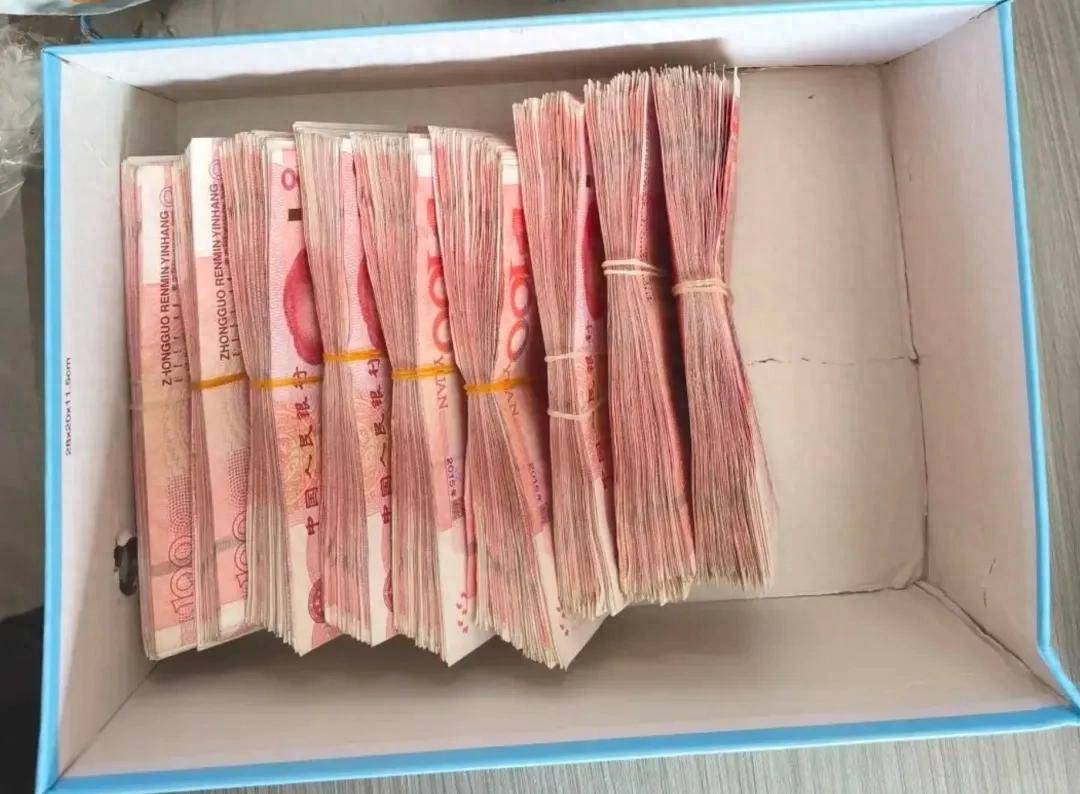
楼市传出消息,事关很多人钱包,没买房的人偷着乐!
Sou Hu Cai Jing· 2025-07-27 15:58
Core Viewpoint - The real estate market is experiencing significant changes, with a decline in property prices and sales, creating both challenges and opportunities for buyers and developers [1][3][12]. Market Performance - In the first half of 2025, the national sales area of commercial housing decreased by 11.2% year-on-year, and sales revenue fell by 14.5%, marking the largest decline since 2015 [3]. - Major cities like Beijing, Shanghai, Guangzhou, and Shenzhen saw new home transaction volumes drop by 18.3% month-on-month, while the number of second-hand homes listed increased by 24.7% [3]. - The average price of new homes in first-tier cities fell by 2.1% in Q2, while second-tier cities saw a decline of 1.8% and third- and fourth-tier cities dropped by 3.4% [5]. Policy Changes - The Ministry of Housing and Urban-Rural Development continues to emphasize "housing for living, not speculation," while increasing support for first-time and improved housing buyers [3]. - The average interest rate for first-time home loans dropped to 3.9% and 4.2% for second homes, significantly lowering borrowing costs [3]. - Recent policies from the China Banking and Insurance Regulatory Commission allow for further reductions in mortgage rates, with some areas removing purchase restrictions [9]. Demographic Trends - The proportion of the population aged 60 and above has reached 21.3%, with a declining birth rate of 7.2‰, leading to increased demand for small apartments and retirement housing [9]. - Cities like Hangzhou and Chengdu are experiencing more population inflow compared to traditional first-tier cities, altering the real estate landscape [9]. Developer Challenges - The average debt-to-asset ratio for the top 50 real estate companies has surged to 78.3%, with many companies facing credit rating downgrades and resorting to price cuts to generate cash flow [7]. - The land auction revenue across 300 cities has decreased by 18.7%, with a 26.3% auction failure rate, indicating a cautious approach from developers, especially in third- and fourth-tier cities [11]. Opportunities for Buyers - For first-time homebuyers, the current market presents a favorable opportunity with falling prices, lower loan rates, and various developer incentives [11]. - The average housing price-to-income ratio in 35 major cities has decreased by 0.8, making home purchasing less burdensome [7].
房贷断供困局:2025年断供率持续攀升背后的经济隐忧与政策应对
Sou Hu Cai Jing· 2025-07-26 23:42
Core Insights - The mortgage default rate in China has risen to 4.7% in July 2025, marking a 0.3 percentage point increase from June and continuing a four-month upward trend, particularly affecting third and fourth-tier cities where the rate has reached 6.8% [1][2] - Economic pressures, including a GDP growth rate of only 4.8% in the first half of 2025, have contributed to declining household income growth, which has fallen to 3.2% compared to 5.8% in the same period of 2022, impacting repayment capabilities [1][2] - The continuous decline in housing prices, with new home prices down 5.7% and second-hand home prices down 6.9% year-on-year, has exacerbated the situation for homebuyers, leading to increased default intentions [2][4] - The financial stability of the banking sector is under threat, with the non-performing loan rate for real estate-related loans rising to 3.7%, and potential new non-performing loans exceeding 400 billion yuan if defaults continue [4][6] - Government and financial institutions are implementing measures to stabilize the real estate market, including lowering down payment ratios and adjusting mortgage interest rates [4][6] Economic Factors - The economic downturn is a significant factor, with the National Development and Reform Commission reporting a GDP growth target of 5.2% for 2025, which has not been met [1][7] - The decline in household income growth has directly affected repayment abilities, particularly for high-debt families where mortgage payments exceed 50% of their income [1][2] Housing Market Dynamics - The ongoing decline in housing prices has led to a significant number of homebuyers facing negative equity, with some cities experiencing price drops exceeding 15% [2][4] - The number of unfinished housing projects has surpassed 380, affecting nearly 390,000 homeowners, contributing to the rising default rates [2][4] Financial Sector Response - Major banks have increased provisions for potential bad loans, with state-owned banks setting aside over 280 billion yuan in the first half of 2025, a 22.6% increase from the previous year [6][9] - Banks are offering various relief measures, including loan repayment extensions and interest rate adjustments, to assist struggling homeowners [6][9] Future Outlook - The future of the mortgage default rate will depend on macroeconomic recovery and stabilization of the real estate market, with expectations that policy effects will lead to a peak and subsequent decline in default rates by the end of the year [7][9] - The transition from the previous housing market model to a more sustainable development framework is essential for addressing the underlying issues of mortgage defaults [9]
房价从5万下跌到1.5万,根本无人接盘!无房者:幸亏没买
Sou Hu Cai Jing· 2025-07-26 14:02
Core Viewpoint - The real estate market is experiencing a significant downturn, with property values plummeting and buyer confidence eroding, leading to a situation where many properties are listed at drastically reduced prices but still fail to attract buyers [1][3][7]. Group 1: Market Trends - Property prices in major cities, including once-popular areas, have seen dramatic declines, with some listings dropping from nearly 50,000 yuan per square meter to as low as 18,000 yuan, often with incentives like free parking and appliances, yet interest remains low [3][5]. - The market is characterized by an oversupply of properties and a lack of willing buyers, with many cities experiencing a situation where new inventory can last for two to three years without sales [11][13]. Group 2: Buyer Sentiment - Current buyers are exhibiting a cautious approach, driven by fears of purchasing at high prices only to see values decline further, leading to a shift from urgency to hesitation in the decision-making process [7][9]. - Those who have not purchased property are feeling relieved, as they avoid the financial burden faced by those who bought at inflated prices, indicating a shift in perceived value and risk [9][17]. Group 3: Developer Response - Developers are struggling to maintain sales, with some even neglecting sales offices and model homes as they face a market where buyers are increasingly reluctant to commit [5][13]. - In response to the market conditions, developers are resorting to discounts and promotional strategies in an attempt to stimulate sales, reflecting a desperate need to close transactions [13][15]. Group 4: Future Outlook - The prevailing sentiment suggests a return to the fundamental purpose of housing as a place to live rather than an investment vehicle, indicating a potential long-term shift in market dynamics [15][19]. - Buyers are advised to remain patient and make informed decisions based on personal needs and financial capability rather than succumbing to market pressures or fear of missing out [17][19].

马云预言说对了?如果不出意外,2025年楼市将发生大变化
Sou Hu Cai Jing· 2025-07-25 17:07
Core Viewpoint - The Chinese real estate market has entered a significant downturn, with prices dropping substantially since 2022, aligning with predictions made by industry leaders like Jack Ma in 2017 [1][3]. Group 1: Market Trends - Since 2022, housing prices in second and third-tier cities such as Tianjin, Zhengzhou, and Shijiazhuang have started to decline, with first-tier cities like Shanghai and Shenzhen joining this trend in 2023 [3]. - The national average housing price has decreased by 30% from its historical peak, while some cities around Beijing have seen price drops exceeding 50% [3]. - Cities like Hegang, Tieling, and Fuxin are now offering homes at prices as low as tens of thousands, reflecting a "cabbage" price trend [3]. Group 2: Future Changes in the Market - A significant differentiation in housing prices is expected, with first-tier cities likely to experience a "correction" in prices, including previously stable core areas [5]. - The number of first-time homebuyers is decreasing due to demographic shifts, including urbanization reaching its limits and an aging population [7]. - A major reshuffling of developers is anticipated, as many are facing a debt repayment peak, with top developers needing to repay debts totaling 3 trillion yuan this year [8]. Group 3: Policy Implications - The government plans to introduce 6 million affordable housing units over the next five years, which will lower housing costs for low-income groups and increase downward pressure on market prices [10]. - The influx of affordable housing is expected to divert demand from the commercial housing market, further contributing to price declines [10].

李嘉诚预言成真!别着急买房,2025年的房价,可能会出乎意料
Sou Hu Cai Jing· 2025-07-22 15:43
Group 1 - The core viewpoint of the article highlights the ongoing decline in the real estate market, with new housing sales and prices continuing to drop despite various government interventions [1][3][4] - In the first half of 2025, new residential sales area decreased by 3.5% year-on-year, and sales revenue fell by 5.5%, indicating a worsening trend compared to previous months [1][4] - The second-hand housing market is also struggling, with prices in 53 major cities declining, and significant drops in property values being reported, such as a 40% decrease in a Shanghai property [3][4] Group 2 - The inventory pressure in the national housing market is severe, with unsold new homes reaching 740 million square meters, equivalent to 8.28 million 90-square-meter apartments [4][6] - The article discusses the concept of "illiquid assets," where properties are becoming increasingly difficult to sell, with some listings experiencing zero transactions for months [4][5] - The disparity between new and second-hand homes is growing, with new home prices slightly increasing while second-hand home prices are declining, leading to a shift in buyer preferences [7][8] Group 3 - The article references Li Ka-shing's predictions about a major reshuffle in the real estate market, which are now coming to fruition as property values decline and liquidity issues arise [5][6] - The article notes that 42% of urban families own two or more properties, facing challenges from property taxes, low rental yields, and depreciating non-core assets [9][10] - The demand for quality housing is increasing, with a shift towards green buildings and low-density residential projects, as developers adapt to changing market conditions [10]