
服务型制造

Search documents
糖果季完美邂逅服贸会 背后几多深意?
Xin Hua She· 2025-09-16 15:04
Core Viewpoint - The 2025 China International Service Trade Fair is being held at Shougang Park, showcasing a transformation from industrial heritage to a service-oriented venue, highlighting the integration of culture, technology, and consumption [2][5][9]. Group 1: Event Overview - The China International Candy Season opened on September 10, 2023, at Shougang Park, featuring activities that will last until November 16, 2023 [1]. - The event is part of a broader initiative to promote service consumption and cultural experiences, leveraging the unique industrial backdrop of Shougang Park [4][5]. Group 2: Transformation of Shougang Park - Shougang Park has undergone significant renovations, transforming from a steel production site into a modern exhibition venue, symbolizing the evolution of China's industrial landscape [2][3]. - The park now serves as a new benchmark for "Beijing Service," integrating historical industrial elements with contemporary cultural experiences [2][4]. Group 3: Economic and Cultural Significance - The event aims to enhance service-oriented manufacturing capabilities, responding to the growing demand for personalized and health-conscious candy products in China, the world's largest candy market [9][10]. - The integration of cultural IPs with candy products has shown significant market potential, with premium rates of 40% to 60% for collaborations with traditional cultural brands [10]. Group 4: Technological Integration - The fair emphasizes the use of advanced technologies such as AI, AR, and VR to create immersive cultural experiences, reflecting a shift towards digital consumption [5][6]. - The "Sports+" new consumption scenario at the Shougang Ski Jump Tower exemplifies innovative uses of space to enhance consumer engagement [5][6]. Group 5: Future Directions - The China International Candy Season is positioned to explore new economic ecosystems by merging cultural, technological, and consumer experiences, aiming to break traditional industry constraints [9][10]. - The event aligns with broader trends in service consumption, as China's GDP per capita approaches $13,000, indicating a shift towards service-oriented economic models [5][6].

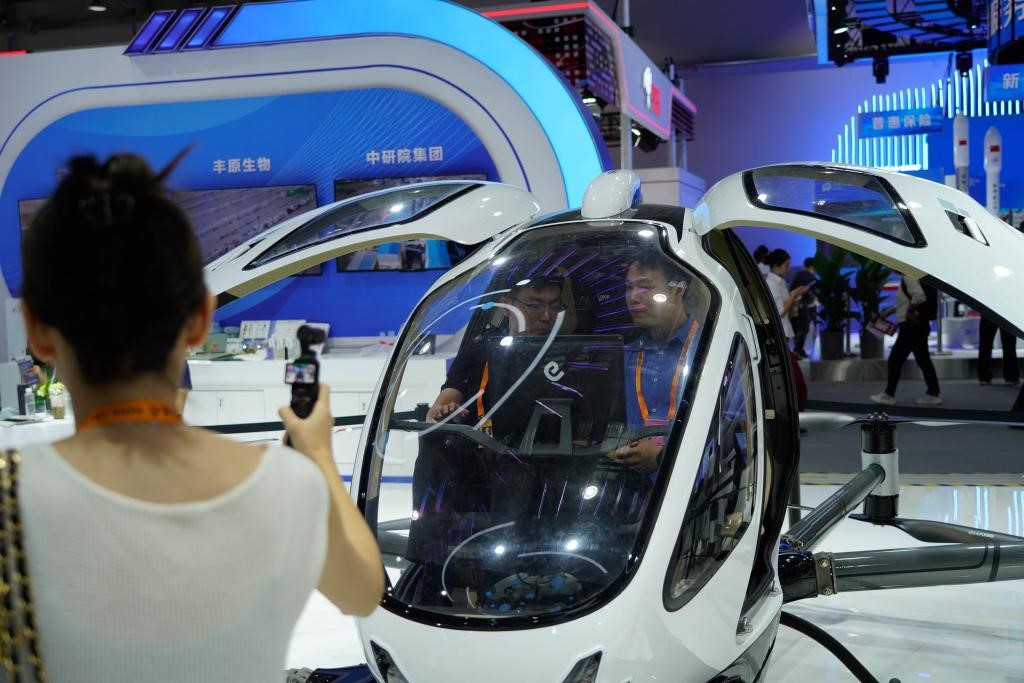
糖果季完美邂逅服贸会,背后几多深意?
Xin Hua Wang· 2025-09-16 12:52
Group 1: Event Overview - The 2025 China International Service Trade Fair is held at Shougang Park from September 10 to 14, featuring the China International Candy Season, which runs until November 16 [1][8] - Shougang Park has transformed from an industrial site into a service-oriented exhibition venue, marking a significant shift in its function since the cessation of steel production in 2010 [2][4] Group 2: Shougang Park Transformation - Shougang Park has been revitalized into a cultural and exhibition hub, preserving its industrial heritage while integrating modern functions [2][3] - The park features a unique combination of Olympic legacy, such as the "Flying" ski jump, and industrial relics, creating an immersive experience for visitors [2][3] Group 3: Service Trade Fair Highlights - The fair showcases over 190 new achievements, emphasizing technology and service rather than just products, providing opportunities for global enterprises to engage with the Chinese service market [8] - The event reflects a shift in consumer behavior towards service consumption, as China's GDP per capita exceeds $13,000, indicating a transition to a service-oriented economy [4] Group 4: Candy Industry Insights - China is the largest candy consumer market, with evolving consumer preferences towards personalized and health-conscious products, presenting both opportunities and challenges for the industry [9][10] - The concept of "service-oriented manufacturing" is gaining traction, encouraging companies to integrate services with products to enhance value [9][10] Group 5: Recommendations for Candy Enterprises - Candy companies are advised to increase R&D investments focusing on health, functionality, and cultural aspects to enhance competitiveness [10] - Collaborations with cultural and technological sectors are recommended to expand business boundaries and create new growth points [10]

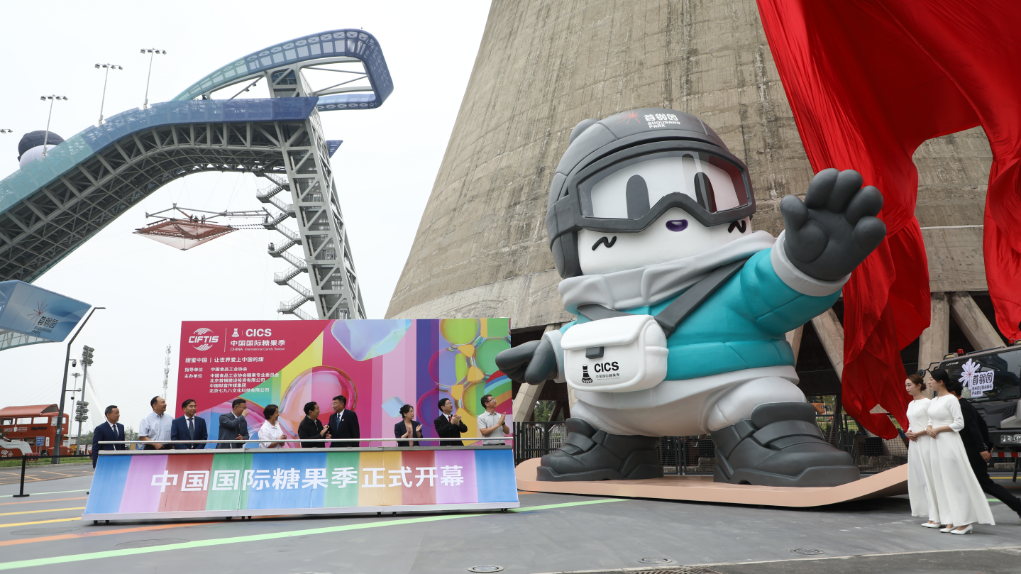
潮评丨抢抓商品消费与服务消费并重的新机遇
Sou Hu Cai Jing· 2025-09-11 10:51
Core Insights - The 2025 China International Service Trade Fair (CIFTIS) highlights the transformation of China's economy from product sales to service-oriented business models, particularly among Zhejiang enterprises [3] - The service trade in China has seen rapid growth, with a 9.6% annual increase in resident service consumption from 2020 to 2024, and a total service import and export value of 3.9 trillion yuan in the first half of this year, reflecting a shift towards service consumption [3] - Zhejiang's service trade has outpaced the national average, growing by 14.2% in the first half of the year, with digital trade accounting for nearly 40% of this growth [4] Group 1: Economic Transformation - The transition from selling products to providing services allows companies to achieve higher profit margins and lower replication costs, enhancing their resilience in the global value chain [3] - The integration of advanced manufacturing and modern services in Zhejiang has led to the emergence of service-oriented manufacturing new business models [4] - Companies are increasingly offering comprehensive solutions, such as IoT-based remote monitoring and maintenance services, rather than just selling hardware [4] Group 2: Market Opportunities - The CIFTIS serves as a platform for Chinese businesses to explore new growth opportunities in service trade, aligning with the country's broader economic opening [5] - Zhejiang entrepreneurs are encouraged to adapt to the trends of consumption upgrading and industrial transformation, expanding their services from local to global markets [5] - The shift towards service-oriented business models is seen as a fundamental evolution in value creation for advanced regions like Zhejiang [4]
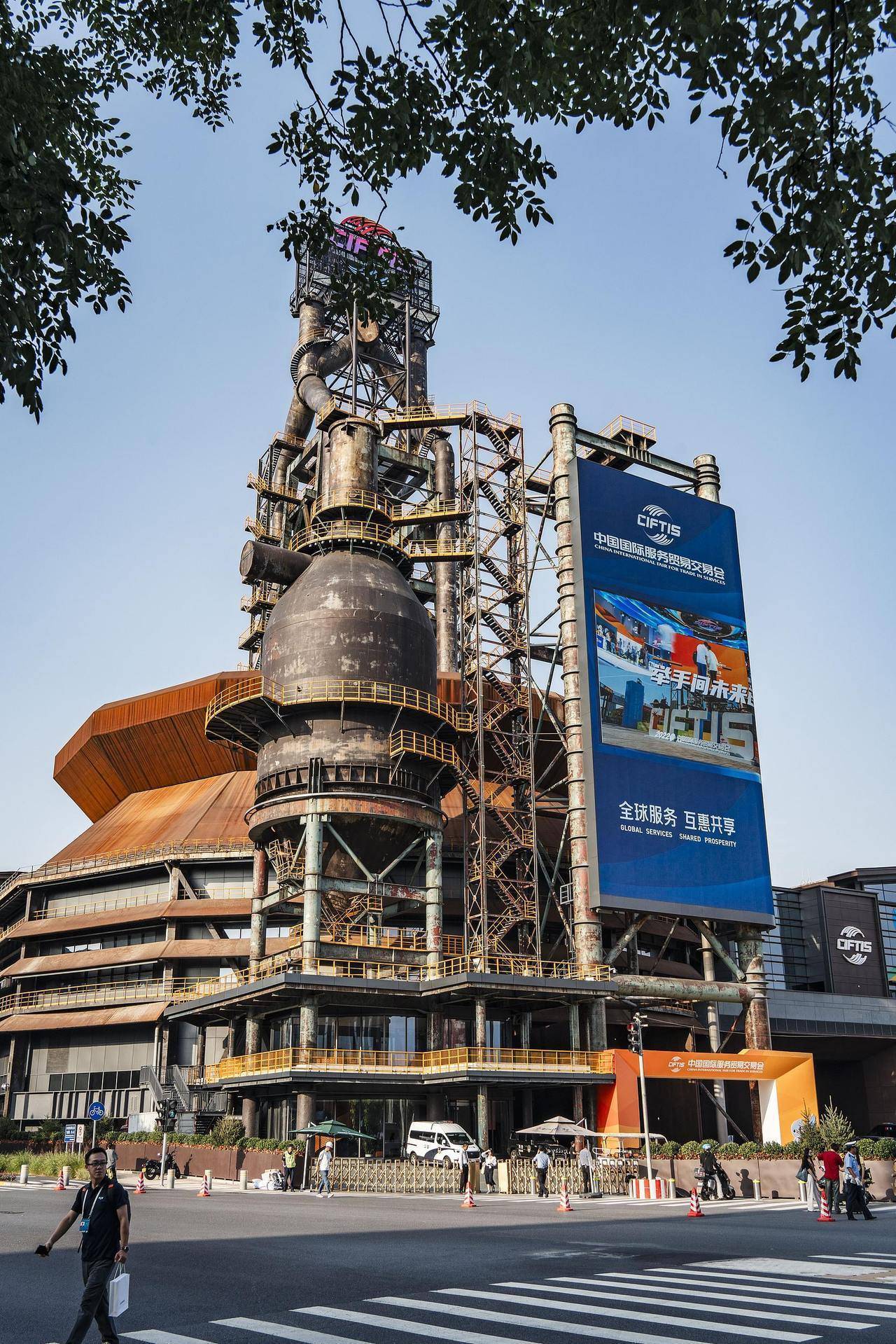
二看佛山:城市中心转型背后的改革逻辑
2 1 Shi Ji Jing Ji Bao Dao· 2025-09-06 09:08
Core Insights - The article highlights the transformation of Chancheng District in Foshan, which has shifted from a traditional development model to a high-quality growth strategy, becoming a leader in industrial investment with double-digit growth in 2023-2024 [1][2] Group 1: Urban Development Strategy - Chancheng has identified its position within the broader national context of transitioning from extensive growth to high-quality development, focusing on technological innovation and demand expansion [2][3] - The district aims to upgrade from a "central urban area" to a "city center," establishing four key centers: urban manufacturing, industrial services, commercial consumption, and Lingnan culture [2][3] Group 2: Resource Optimization - Chancheng faces challenges in optimizing land resources for new enterprises, which is crucial for developing urban manufacturing [5][6] - The "collective land to national land" reform aims to enhance land use efficiency and reduce transaction costs, facilitating better resource allocation [5][6] Group 3: Service Industry Development - The district is responding to the urgent need for traditional industry upgrades by integrating high-end production services, thus supporting the manufacturing sector [7][8] - Chancheng's strategy includes creating a production service center to meet the growing demand for high-end services, leveraging its strong industrial base [7][8] Group 4: Consumer Market Potential - Foshan's per capita disposable income is significantly higher than national averages, indicating strong consumer potential that Chancheng aims to tap into by enhancing commercial services [8][10] - The district is working to upgrade its commercial landscape and attract high-end consumption, creating a vibrant consumer ecosystem [8][10] Group 5: Reform and Innovation - Chancheng's development model emphasizes breaking down barriers to market resource allocation, attracting social capital, and fostering innovation [10][11] - The district's approach to reform is characterized by a focus on creating a "platform city," enhancing collaboration among various stakeholders to drive economic growth [11][12] Group 6: Government Role Transformation - The government is shifting from a top-down approach to a facilitator role, promoting a collaborative environment for market participants [12][13] - Chancheng's reforms align with national strategies for building a unified market, optimizing resource allocation, and ensuring fair competition [13]
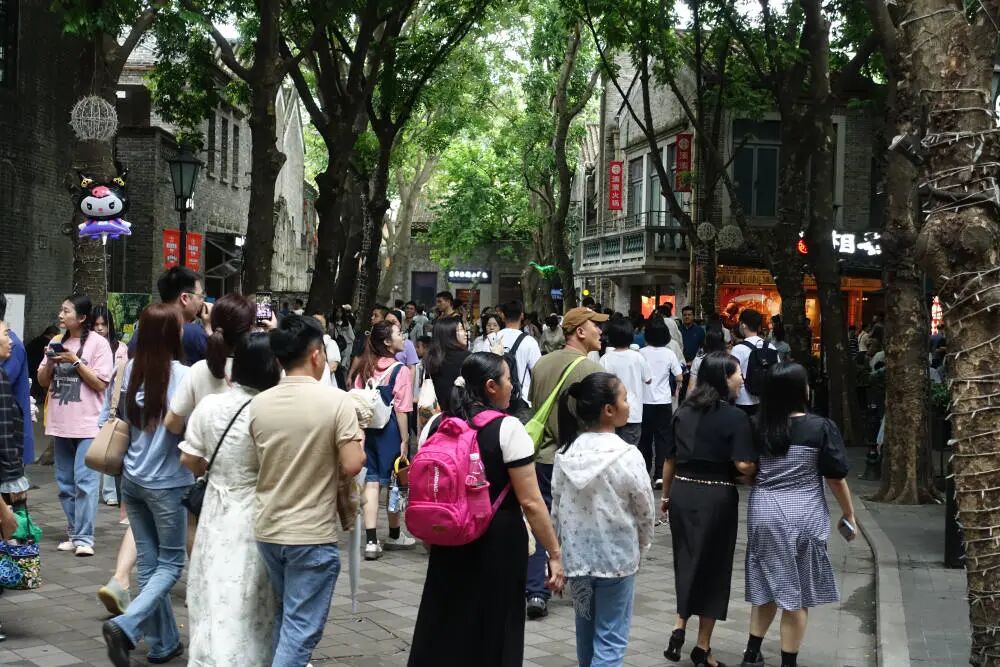
【财经分析】创新业态场景 探索多元发展——体育用品制造业向服务业转型拓展观察
Xin Hua She· 2025-08-31 01:33
Core Viewpoint - Domestic sports goods manufacturing companies are increasingly exploring transformation from traditional manufacturing to service-oriented models, driven by government policies and market demand [1][2][4]. Group 1: Industry Trends - The National Sports Administration's "14th Five-Year Plan for Sports Development" encourages the development of smart and home-based sports equipment, promoting the integration of manufacturing and service industries [1][4]. - Companies are moving away from a "heavy production, light service" model to innovate new business formats and application scenarios, aiming to create a new industrial development pattern [1][4]. Group 2: Company Transformations - Tianxiang Sports has transitioned from manufacturing to operating marathon events and developing a smart sports complex, investing 510 million yuan in the Tianxiang Yuedong City project, which is expected to be completed by the end of the year [2][3]. - Xtep has established running clubs in various cities, providing both free and paid services, enhancing brand recognition and consumer loyalty [3][4]. - Shuhua Sports has launched its own chain of fitness centers, integrating its fitness equipment with services, and plans to introduce AI technology to create a smart gym experience [3][4]. Group 3: Market Opportunities and Challenges - The growing trend of national fitness has created new market opportunities for sports companies, but many still rely on traditional revenue models, facing challenges in establishing profitable service-oriented businesses [2][5]. - Companies like Shuhua and Xtep are exploring new business models and consumer engagement strategies to enhance profitability and reduce reliance on single business lines [4][5]. - The industry faces challenges such as undervaluation of service offerings, low consumer recognition, and a lack of skilled talent, necessitating government support and infrastructure improvements [5][6].

创新业态场景,探索多元发展——体育用品制造业向服务业转型拓展观察
Xin Hua She· 2025-08-30 14:01
Core Viewpoint - Domestic sports goods manufacturing companies are increasingly exploring transformation from traditional manufacturing to service-oriented models, driven by government policies and market demand [1][2][4]. Group 1: Industry Transformation - The National Sports Administration's "14th Five-Year Plan for Sports Development" encourages the development of smart and home-based sports equipment, promoting the integration of manufacturing and service industries [1]. - Companies are moving away from a "heavy production, light service" model to innovate business formats and application scenarios, creating a new industrial development pattern [1][4]. - The trend of national fitness is driving rapid growth in fitness demand, creating new market opportunities for companies [2]. Group 2: Company Strategies - Tianxiang Sports has transformed by operating marathon events and developing a smart sports complex, Tianxiang Yuedong City, which focuses on fitness and leisure for citizens [2][3]. - Xtep has established running clubs in various cities, enhancing brand recognition and customer loyalty through services that cater to runners [3]. - Shuhua Sports has launched its own chain of fitness centers, integrating sales of fitness equipment with service offerings, and plans to introduce AI technology for a comprehensive fitness experience [3][4]. Group 3: Challenges and Recommendations - Despite the shift towards service-oriented models, many companies still rely on traditional manufacturing, leading to a lack of a mature symbiotic relationship between manufacturing and services [5]. - Companies face challenges such as undervaluation of service offerings, low consumer recognition, and weak talent support [5]. - Recommendations include increased government support through financial incentives, improved infrastructure for "Internet+" and big data, and a focus on enhancing customer experience and service quality [5].
决胜“十四五” 打好收官战丨创新业态场景,探索多元发展——体育用品制造业向服务业转型拓展观察
Xin Hua Wang· 2025-08-30 08:38
Core Viewpoint - The sports goods manufacturing industry in China is undergoing a transformation towards service-oriented business models, driven by government policies and market demand for diversified consumer experiences [1][2][5]. Group 1: Industry Transformation - Sports goods manufacturers are shifting from a focus on production to expanding service offerings, such as event operations and fitness services [2][3]. - The National Sports Administration's "14th Five-Year Plan" encourages the development of smart and home-based sports equipment, promoting the integration of manufacturing and services [1][5]. - Companies like Tianxiang Sports and Xtep are innovating by creating new consumption scenarios, such as smart sports complexes and running clubs, to enhance consumer engagement [2][3]. Group 2: Business Models and Strategies - Tianxiang Sports is investing 510 million yuan in a smart sports complex, aiming to create a new service model centered around community fitness [2]. - Xtep has established 77 running clubs across various cities, focusing on community engagement and brand loyalty through free and paid services [3]. - Shuhua Sports is expanding into fitness services with over 60 gyms, integrating their own fitness equipment and offering a range of services [3][4]. Group 3: Challenges and Recommendations - The industry faces challenges such as undervaluation of service offerings, reliance on traditional manufacturing, and low consumer recognition [6]. - Experts suggest that government support through subsidies and tax incentives is crucial for fostering collaboration and optimizing the business environment [6]. - Companies are encouraged to enhance customer experience and service quality while leveraging technology and data to support their transformation [6].
杭汽轮B:2025上半年稳健前行,并购重组再获进展开启发展新篇
Zheng Quan Shi Bao Wang· 2025-08-27 02:42
Core Viewpoint - Hangzhou Steam Turbine Co., Ltd. (杭汽轮B) demonstrates strong operational performance in the first half of 2025, with significant revenue growth and improved profitability, while actively pursuing strategic mergers and acquisitions to enhance its market position and operational capabilities [1][5]. Financial Performance - The company reported a revenue of 2.447 billion yuan and a net profit attributable to shareholders of 153 million yuan for the first half of 2025, with operating cash flow increasing by 49.77% year-on-year [1]. - The gross profit margin improved by 6.86% year-on-year, reaching 26.27%, while the cost of boilers and prime movers was reduced by 17.12% [2]. Business Segments - Industrial steam turbine and related parts accounted for 80.99% of revenue, with a stable growth of 6.25% year-on-year, while the hydropower generator business saw a significant increase of 39.60% [2]. - The company's overseas business performed exceptionally well, with revenue growth of 66.39%, increasing its share from 6.04% to 10.72% [2]. Core Business Development - The industrial steam turbine business continues to strengthen, maintaining a leading market share in the domestic sector, while the gas turbine business has expanded through collaboration with Siemens Energy [3]. - The company is positioned as a comprehensive supplier for distributed energy projects, providing complete solutions and lifecycle support for gas turbine power stations [3]. Strategic Initiatives - The company is actively pursuing a merger with Hailianxun, which has received approval from both parties' shareholders, marking a significant step in addressing historical issues related to its B shares [5][6]. - Post-merger, the company aims to establish a "main and auxiliary" business structure, focusing on industrial turbine machinery while enhancing its capabilities in power information system integration [6].

钱塘智慧城在产业土壤中“裂变”新质生产力
Hang Zhou Ri Bao· 2025-08-27 02:27
Group 1 - The core viewpoint of the article highlights the successful integration of artificial intelligence and cross-border e-commerce in Hangzhou Qiantang Smart City, which has been recognized as a provincial-level cross-border e-commerce industrial park [3] - Qiantang Smart City has established itself as a leading platform for industrial innovation, focusing on innovation-driven development and technological empowerment [3] - The city aims to create a "smart embodiment leading area" and a "service-oriented manufacturing model area" as part of its dual-core strategy to enhance new productivity [3][5] Group 2 - The article discusses the development of a bionic vision sensor by Hangzhou Dongwei Vision Technology Co., which significantly enhances dynamic perception capabilities compared to traditional visual chips [4] - Qiantang Smart City is focusing on three main industries: digital fashion, digital energy, and smart IoT, which are seen as fertile ground for nurturing new productivity [5] - The city plans to build an ecosystem for embodied intelligence, integrating low-cost computing power, policy services, scenario matching, financial investment, and incubation space [5][6] Group 3 - The transformation of traditional manufacturing into service-oriented manufacturing is exemplified by Haixing Electric's evolution from a power equipment manufacturer to a smart electricity solution provider [7] - Cross-border e-commerce is identified as a key area for service-driven manufacturing, with over 300 related enterprises gathered in the vicinity of Qiantang Smart City [8] - The ongoing "dual-core drive" strategy is expected to continuously inject momentum into the development of the Central Innovation District (CID) in the region [8]
【头条话题】 以服务型制造助推新型工业化
Zheng Quan Shi Bao· 2025-08-25 22:23
Core Insights - The integration of advanced manufacturing and modern services is driving a new industrial revolution, reshaping global industrial competition and resource allocation [1][2] Group 1: Service-oriented Manufacturing - Service-oriented manufacturing is a distinctive industry integration concept in China, essential for the high-quality development of the manufacturing sector [2] - This model emphasizes the fusion of product production and service provision, focusing on market demand and creating a seamless production process [2][3] - Various service-oriented manufacturing models, such as customized services and supply chain management, have been widely adopted [2] Group 2: Performance Metrics - From 2018 to 2022, service-oriented manufacturing demonstration enterprises saw a digital investment growth rate of 125.15%, R&D growth of 78.52%, and total asset increase of 70.33% [3] - Revenue growth for these enterprises reached 55.43%, with service income increasing by 85.50% during the same period [3] - During the COVID-19 pandemic (2020-2022), these enterprises outperformed the average revenue growth of industrial enterprises, achieving a growth rate approximately twice as high [3] Group 3: Strategic Directions - The focus for the "14th Five-Year Plan" should be on promoting service-oriented manufacturing as a key component of new industrialization and modern industrial systems [4] - Emphasis on deepening the integration of information technology and industrialization, fostering innovation through reform, and creating new advantages for manufacturing development [4][5] Group 4: Innovation and Collaboration - Encouragement for enterprises to explore new service-oriented manufacturing models and pathways, promoting innovation from point to area across various industries [5] - The establishment of collaborative relationships between large and small enterprises is vital for fostering innovation and addressing growth challenges [6] - Development of cloud-based service platforms to integrate resources and create a shared manufacturing ecosystem [6] Group 5: Ecosystem Development - The transition towards a collaborative and ecological service-oriented manufacturing industry is essential, with a focus on regional strengths and high-quality development [7] - The need for a robust ecosystem that supports service-oriented manufacturing through technology, policy, and talent development [7]