
积极财政政策

Search documents
2025年财政收入呈现“前低中高后稳”
Zhong Guo Jing Ying Bao· 2026-01-20 11:41
中经记者 杜丽娟 北京报道 2026年1月20日,国新办举行新闻发布会,介绍发挥积极财政政策作用,推动经济社会高质量发展有关 情况。财政部综合司司长李先忠表示,2025年财政收支运行可以概括为三点: 一是财政收入"前低中高后稳"。分季度看,全国一般公共预算收入一季度下降1.1%;二季度由降转升, 增长0.6%;三季度增幅明显提高,增长2.5%。进入四季度,10月份增长3.2%,11月份与2024年同期基 本持平。其中,税收收入自4月份以来持续保持同比增长,成为拉动财政收入增长的主要引擎,反映出 我国经济运行延续了稳中有进的发展态势。 二是收支平衡目标可以实现。收入方面,全国一般公共预算收入保持恢复性增长态势,总体平稳。支出 方面,全国一般公共预算支出靠前发力、保持强度,为经济社会发展提供了必要的财力支撑。预计全年 可以实现收支平衡。 三是重点支出保障有力。2025年,财政部门持续优化支出结构,社会保障和就业、科技、教育、卫生健 康等重点领域支出得到了较好地保障。前11个月,上述四项支出合计超过10万亿元,占一般公共预算支 出的四成多。同时,持续加快债券资金使用,前11个月超长期特别国债、地方政府专项债券、中央 ...
2026年财政总体支出力度“只增不减”,财政部发声
Zheng Quan Shi Bao· 2026-01-20 11:23
Core Viewpoint - The Chinese government is implementing proactive fiscal policies to stimulate consumption and support economic transformation, with a focus on high-quality development and enhancing people's living standards. Group 1: Fiscal Policy and Economic Development - In 2025, the government plans to issue special long-term bonds totaling 1.3 trillion yuan, with 300 billion yuan allocated for consumer subsidies to boost sales of related goods by approximately 2.6 trillion yuan [1] - The fiscal deficit rate for 2025 is projected at around 4%, an increase of 1 percentage point from the previous year, with new government debt expected to reach 11.86 trillion yuan, up by 2.9 trillion yuan from the previous year [2] - The fiscal department will continue to implement more proactive fiscal policies, ensuring that total expenditure increases while optimizing structure and improving efficiency [4] Group 2: Debt Management and Risk Mitigation - Local government debt risks are gradually being mitigated, with an emphasis on managing existing hidden debts and reducing average interest costs by over 2.5 percentage points [5] - The central government is introducing a risk-sharing fund to support private enterprises and private equity investment institutions in issuing bonds, providing credit support to mitigate investor losses [6] Group 3: Consumer Support and Financial Policies - The optimization of personal consumption loan interest subsidy policies will allow all consumer loans to benefit from subsidies, including credit card installment payments [10] - The ideal future scenario for the "dual subsidy" policy is to enable consumers to receive interest subsidies automatically, making the process seamless and "unnoticed" [11] Group 4: Export Tax Policy Adjustments - The cancellation of export tax rebates for photovoltaic and electronic products is aimed at promoting efficient resource utilization and addressing "involution" in competition, thereby fostering high-quality economic development [6]
财政部,最新定调!
中国基金报· 2026-01-20 11:16
Core Viewpoint - The article discusses the implementation of a more proactive fiscal policy in China to promote high-quality economic and social development, emphasizing increased fiscal spending, optimized expenditure structure, improved efficiency, and stronger economic momentum [1][4]. Group 1: Fiscal Policy Implementation - The fiscal policy for 2026 will focus on "increasing total volume, optimizing structure, improving efficiency, and enhancing momentum" [4]. - "Increasing total volume" involves expanding the fiscal expenditure to ensure necessary spending levels, maintaining fiscal deficit and debt at necessary levels, and ensuring that key areas receive strong support [5]. - "Optimizing structure" aims to improve the expenditure structure by applying zero-based budgeting, reducing ineffective spending, and directing more funds towards consumption, human investment, and social welfare [5]. - "Improving efficiency" focuses on enhancing the effectiveness of fund usage, ensuring that every penny generates expected benefits, and optimizing the management of special bonds [5]. - "Enhancing momentum" includes deepening fiscal and tax reforms to stimulate economic vitality, improving transfer payment structures, and enhancing local fiscal capabilities [6]. Group 2: Investment and Consumption Promotion - The policy framework includes "one goal," "two focuses," "three principles," and "six policies," with the primary goal being to "expand domestic demand" [8]. - The two focuses are to "stimulate private investment" and "promote household consumption," both crucial components of domestic demand [8]. - The three principles for execution are convenience and efficiency, precision and effectiveness, and standardization and improvement [9]. - The six policies include various loan interest subsidy programs aimed at supporting small and micro enterprises, private investment, and consumer spending [9]. Group 3: Support for Innovation and Technology - The fiscal department will support the National Venture Capital Guidance Fund to invest early, small, long-term, and in hard technology, focusing on original and disruptive technological advancements [10]. - There will be enhanced support for key industries to upgrade quality, with fiscal incentives for technology innovation loans and central bank re-lending support [10]. - The emphasis will be on strengthening the role of enterprises in technological innovation and implementing structural tax reductions to support innovation and manufacturing [11]. Group 4: Fiscal Subsidy Regulation - The fiscal department will continue to deepen fiscal and tax system reforms to clarify fiscal responsibilities and improve the central-local fiscal relationship [13]. - There will be ongoing efforts to standardize fiscal subsidies, with a focus on correcting any irregular subsidy practices and enhancing regulatory frameworks [13]. - The government procurement order will be optimized, including amendments to procurement laws and policies favoring domestic products [13]. Group 5: Consumer Loan Subsidy Enhancements - The consumer loan subsidy policy has been optimized to increase the subsidy limits for individual consumers and expand the coverage of eligible consumption areas [15]. - The implementation period for the consumer loan subsidy policies has been extended to the end of 2026, with potential for further extensions based on effectiveness [15]. - The number of institutions eligible for these subsidies has increased significantly, enhancing accessibility for consumers and businesses [15]. Group 6: Green Development and Industry Adjustment - The adjustment of export tax rebate policies, particularly for solar products, is aimed at promoting efficient resource use and reducing environmental pollution [16][17]. - This adjustment is expected to facilitate reasonable industrial structure adjustments and promote high-quality economic development [17]. Group 7: Agricultural Insurance Development - In 2026, the fiscal department will issue guidelines to promote high-quality development of agricultural insurance, focusing on refined management and multi-faceted collaboration [18].


财政部,最新定调!
Zhong Guo Ji Jin Bao· 2026-01-20 11:03
【导读】国新办就发挥积极财政政策作用,推动经济社会高质量发展有关情况举行新闻发布会 1月20日下午,国新办举行新闻发布会,财政部副部长廖岷,部综合司司长李先忠,金融司司长于红出 席发布会,介绍发挥积极财政政策作用,推动经济社会高质量发展有关情况,并回答了一揽子政策要 点、优化个人消费贷款贴息,以及如何促消费、培育新动能等诸多社会关心的问题。 基金君整理要点如下: 要点1: 继续实施更加积极的财政政策 2026年,按照中央经济工作会议部署,财政部门将继续实施更加积极的财政政策,概括起来是"总量增 加、结构更优、效益更好、动能更强"。 "总量增加",就是要扩大财政支出盘子,确保必要支出力度。2026年财政赤字、债务总规模和支出总量 将保持必要水平,确保总体支出力度"只增不减"、重点领域保障"只强不弱"。 "结构更优",是要持续优化支出结构,确保资金用在紧要处。打破"基数+增长"支出固化格局,积极运 用零基预算理念,大力压减低效无效支出,把更多的财政资金用在提振消费、"投资于人"、民生保障等 方面,多渠道增加居民收入。 "效益更好",就是着力提高资金使用效益,每一分钱都要产生应有的效益。2026年将继续安排超长期特 ...
财政部:2025年全国财政安排1000亿元,对3周岁以下婴幼儿发放育儿补贴
Sou Hu Cai Jing· 2026-01-20 10:51
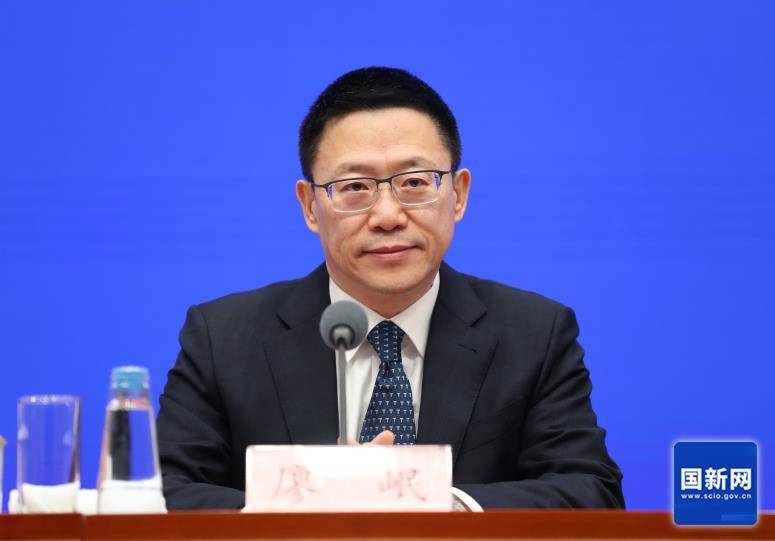
财政部副部长廖岷(图片来源:国新网) 会上,财政部副部长廖岷用一句话总结:2025年更加积极的财政政策,做到了兼顾当前与长远,既有力支持 当下的经济增长、办好民生实事,又有效推动中国经济结构转型,为经济社会中长期可持续发展打下坚实基 础。 极目新闻记者 姚赟 1月20日下午3时,国新办举行新闻发布会,介绍发挥积极财政政策作用,推动经济社会高质量发展有关情 况。 他进一步介绍,在持续加强民生保障方面,主要做了五个方面工作。一是坚持就业优先导向,中央财政下达 就业补助资金667.4亿元,充实稳就业政策工具,出台扩大社会保险补贴范围、加大失业保险稳岗返还力度等 政策,延续降低失业、工伤保险费率。 二是对于居民医保和基本公共卫生服务经费两项财政补助标准分别提高至每人每年700元和99元。2025年中央 财政合计下达相关补助资金约4900亿元。三是按总体2%的涨幅提高退休人员基本养老金水平,城乡居民全国 基础养老金最低标准每人每月提高20元。2025年中央财政下达基本养老保险补助资金约1.2万亿元。 四是逐步推行免费学前教育,从幼儿园大班开始免保育教育费,惠及人数约1400万人。另外还提高国家奖学 金、助学金标准,扩大 ...
财政部:2025年按总体2%涨幅提高退休人员基本养老金水平,安排1000亿元对3周岁以下婴幼儿发放育儿补贴
Xin Lang Cai Jing· 2026-01-20 10:41
发布会上介绍,2025年财政政策持续加强民生保障。 今天(1月20日),国新办举行发布会,财政部相关负责人介绍发挥积极财政政策作用,推动经济社会 高质量发展有关情况。 发布会上介绍,2025年财政政策持续加强民生保障。 从以上这些数字可以看出,全国财政在民生保障方面的投入是持续增加和给力的,这些直达人民群众、 实实在在的普惠政策,有利于增强居民消费能力、激发消费意愿。 今天(1月20日),国新办举行发布会,财政部相关负责人介绍发挥积极财政政策作用,推动经济社会 高质量发展有关情况。 从以上这些数字可以看出,全国财政在民生保障方面的投入是持续增加和给力的,这些直达人民群众、 实实在在的普惠政策,有利于增强居民消费能力、激发消费意愿。 一是坚持就业优先导向,中央财政下达就业补助资金667.4亿元,充实稳就业政策工具,出台扩大 社会保险补贴范围、加大失业保险稳岗返还力度等政策,延续降低失业、工伤保险费率。 二是对于居民医保和基本公共卫生服务经费两项财政补助标准,分别提高至每人每年700元、99 元。2025年中央财政合计下达相关补助资金约4900亿元。 三是按总体2%的涨幅提高退休人员基本养老金水平,城乡居民全国基 ...
从2025年财政数据透视“国家账本” 重点领域支出保障“只强不弱”
Yang Shi Wang· 2026-01-20 10:21
Core Viewpoint - The Chinese government is implementing a more proactive fiscal policy for 2025 and 2026, focusing on increasing fiscal spending, optimizing expenditure structure, and enhancing the effectiveness of fund utilization to support high-quality economic development [3][5][7]. Group 1: Fiscal Policy for 2025 - The fiscal deficit rate for 2025 is set at around 4%, an increase of 1 percentage point from the previous year [3]. - New government debt issuance is projected at 11.86 trillion yuan, an increase of 2.9 trillion yuan compared to the previous year, significantly exceeding the average levels of recent years [3]. - Special government bonds worth 500 billion yuan will be issued to bolster the core tier-one capital of major state-owned commercial banks, enhancing the banking sector's ability to support the real economy [3]. - A total of 500 billion yuan will be allocated for local government debt limits to improve local government financial capacity and expand effective investment [3][4]. Group 2: Economic Support Measures - The issuance of ultra-long special bonds amounting to 1.3 trillion yuan aims to support key areas while improving the quality of life for citizens and promoting economic transformation [4]. - Continuous increases in fiscal investment in social welfare are expected to enhance consumer capacity and stimulate consumption [4]. - The fiscal policy for 2025 is designed to provide significant support for macroeconomic stability and progress [4]. Group 3: Fiscal Policy for 2026 - The fiscal policy for 2026 will continue to be proactive, focusing on increasing total fiscal expenditure while ensuring necessary spending levels [5][7]. - The emphasis will be on optimizing the expenditure structure to ensure funds are allocated to critical areas [7]. - The government aims to improve the effectiveness of fund utilization, ensuring that every yuan spent generates expected benefits [7]. - Continued issuance of ultra-long special bonds will support key construction projects and policy implementation [7]. Group 4: Revenue and Expenditure Trends - The overall fiscal revenue for 2025 is expected to show a "low in the beginning, high in the middle, and stable at the end" trend, with a projected decline of 1.1% in Q1, followed by growth in subsequent quarters [11]. - Tax revenue has been a major driver of fiscal income growth, maintaining year-on-year increases since April [11][12]. - Public budget expenditures are expected to remain strong, with significant allocations to social security, employment, technology, education, and health, totaling over 10 trillion yuan [12]. - The use of bond funds has accelerated, with expenditures of 5.15 trillion yuan in the first 11 months, a 45.5% increase from the previous year [12].
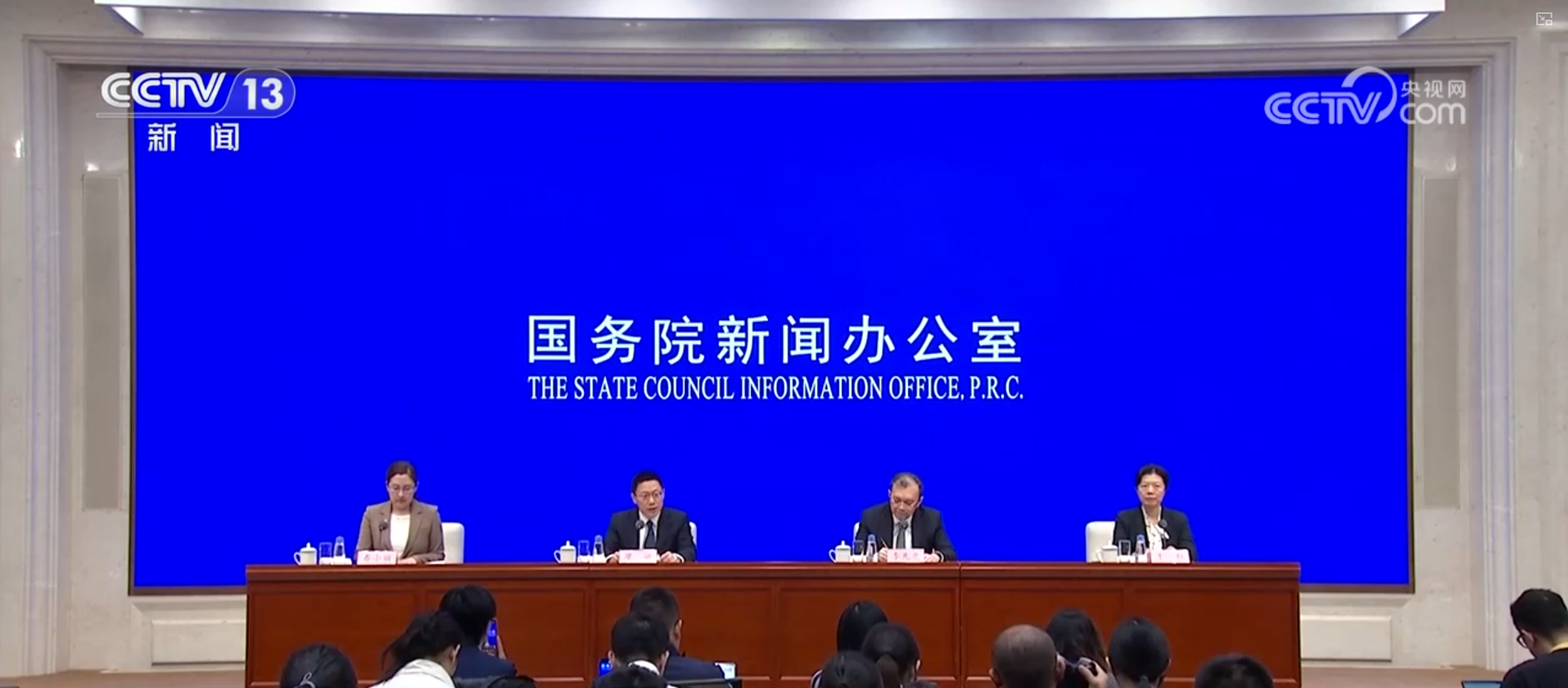
财政部:去年全国一般公共预算收入保持恢复性增长态势,预计全年可实现收支平衡
Sou Hu Cai Jing· 2026-01-20 09:55
一是财政收入"前低中高后稳"。分季度看,全国一般公共预算收入一季度下降1.1%;二季度由降转升,增长0.6%;三季度增幅明显提高,增长2.5%。进入 四季度,10月份增长3.2%,11月份与2024年同期基本持平。其中,税收收入自4月份以来持续保持同比增长,成为拉动财政收入增长的主要引擎,这也反映 出我国经济运行延续了稳中有进的发展态势。 二是收支平衡目标可以实现。收入方面,全国一般公共预算收入保持恢复性增长态势,总体平稳。支出方面,全国一般公共预算支出靠前发力、保持强度, 为经济社会发展提供了必要的财力支撑。预计全年可以实现收支平衡。 三是重点支出保障有力。2025年,财政部门持续优化支出结构,社会保障和就业、科技、教育、卫生健康等重点领域支出得到了较好的保障。前11个月,上 述四项支出合计超过10万亿元,占一般公共预算支出的四成多。同时,持续加快债券资金使用,前11个月超长期特别国债、地方政府专项债券、中央金融机 构注资特别国债等资金共支出5.15万亿元,比去年同期增加1.61万亿元,增长45.5%,增强经济发展动能,推动经济持续回升向好。 红星新闻首席记者 吴阳 北京报道 1月20日,国务院新闻办举行新 ...
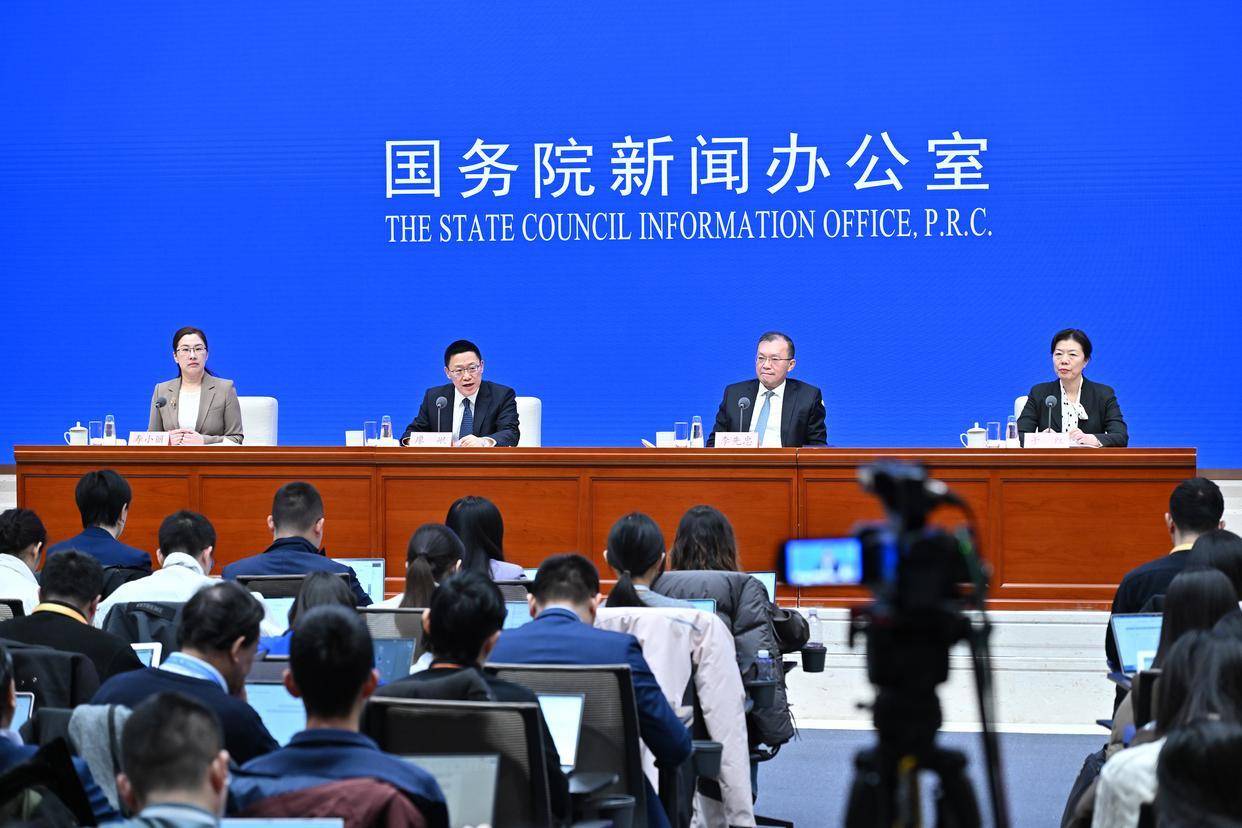
新华财经晚报:民间投资专项担保计划出台 规模5000亿元
Xin Hua Cai Jing· 2026-01-20 09:51
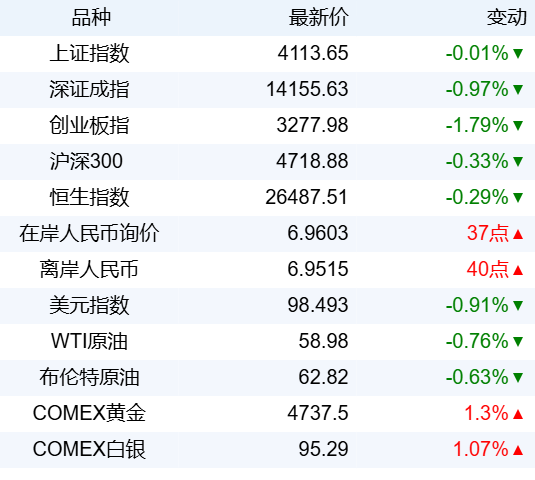
Group 1: Policies for Small and Micro Enterprises - The Ministry of Finance and four other departments announced a loan interest subsidy policy for small and micro enterprises, providing a subsidy of 1.5% per year for a maximum of 2 years, with a loan cap of 50 million yuan per enterprise and a maximum subsidy of 1.5 million yuan per enterprise [1] - A special guarantee plan with a scale of 500 billion yuan has been established to support loans for small and micro enterprises, covering various operational activities such as upgrading and renovation of facilities [1] Group 2: Personal and Equipment Loan Subsidies - The implementation period for the personal consumption loan interest subsidy policy has been extended to the end of 2026, allowing residents to enjoy subsidies for eligible consumption during this period [2] - The equipment renewal loan interest subsidy policy has been optimized, providing a 1.5% subsidy on fixed asset loans for equipment renewal projects, with a maximum subsidy period of 2 years [2] - The service industry loan interest subsidy policy has been expanded to include additional sectors such as digital, green, and retail consumption [2] Group 3: Economic Indicators and Market Reactions - The Loan Prime Rate (LPR) remained unchanged for the eighth consecutive month, with the 1-year and 5-year rates at 3.0% and 3.5% respectively [2] - Domestic fuel prices will increase by 85 yuan per ton starting January 20, marking the first price hike of 2026 due to rising international oil prices [3] Group 4: International Market Developments - International gold prices reached a new historical high, with both gold and silver prices surpassing 4700 USD and 95 USD per ounce respectively, influenced by tensions in US-EU trade relations [5]
2026年财政总体支出力度“只增不减”!财政部发声
Sou Hu Cai Jing· 2026-01-20 09:49
Group 1 - The Chinese government plans to issue 1.3 trillion yuan in ultra-long special bonds to support consumption and economic transformation, with 300 billion yuan allocated for consumer subsidies, expected to boost related sales by approximately 2.6 trillion yuan [1] - The government aims to enhance consumption by implementing personal consumption loan and service industry loan interest subsidy policies, as well as supporting new consumption models and international consumption environment [1] - The fiscal deficit rate for 2025 is projected to be around 4%, an increase of 1 percentage point from the previous year, with new government debt expected to reach 11.86 trillion yuan, reflecting a significant rise compared to previous years [3] Group 2 - The government will continue to arrange ultra-long special bonds in 2026 for "two heavy" and "two new" projects, optimizing policies and improving the effectiveness of bond funds [4] - The Ministry of Finance will maintain a more proactive fiscal policy, ensuring that total expenditure increases while optimizing structure and improving efficiency [5] - Local government debt risks are gradually being mitigated, with an average interest cost reduction of over 2.5 percentage points after debt replacement [6] Group 3 - The cancellation of export tax rebates for photovoltaic and electronic products is aimed at promoting efficient resource utilization and addressing "involution" in competition, thereby fostering high-quality economic development [7] - A new policy will provide risk-sharing funds from the central government to support private enterprises and private equity investment institutions in issuing bonds, offering credit support to mitigate investor losses [8] - Preliminary data suggests that the fiscal revenue and expenditure for 2025 may achieve balance, with strong budgetary support for economic and social development [9][10]