
细胞治疗

Search documents
药明巨诺20250828
2025-08-28 15:15
Summary of WuXi AppTec's Conference Call Company Overview - **Company**: WuXi AppTec (药明巨诺) - **Industry**: Biotechnology and Pharmaceuticals Key Financial Highlights - Total revenue for the first half of 2025 reached **1.06 billion RMB**, a **22.5%** increase year-on-year, primarily driven by sales of Benodda and technology licensing income from Juno [2][15] - Gross profit amounted to **651.1 million RMB**, reflecting a **48.9%** year-on-year growth, with Benodda's gross margin at **51.1%** [2][15] - Significant reduction in operating expenses: - Sales expenses decreased by **23.2%** to **58.5 million RMB** - General and administrative expenses fell by **45.7%** to **32.19 million RMB** - R&D expenses dropped by **39.1%** to **92 million RMB** [3][15] - Cash and cash equivalents stood at **647 million RMB**, with a net cash outflow of **110 million RMB** [4][15] Product Development and Commercialization - **Benodda**: - Sales revenue for the first half of 2025 was approximately **81 million RMB**, with inclusion in **90 commercial insurance** and **104 public health insurance** plans, enhancing patient affordability [2][6][17] - New drug application for Benodda for the treatment of relapsed or refractory large B-cell lymphoma has been submitted, with approval expected by mid-2026 [2][5][10] - Clinical trial data shows an objective response rate of **81.3%** and complete response rate of **54.2%** [10] - **SLE (Systemic Lupus Erythematosus)**: - Phase I clinical study initiated, with early data indicating significant efficacy and safety [3][11][21] - Plans to present data at the American College of Rheumatology (ACR) conference in October 2025 [21] - **Maja Four TCRT Project**: - Collaboration with Regeneron, currently in dose escalation phase [5][13] - **JW CAR 201**: - Self-developed CD19/CD20 dual-target CAR-T product has entered the IIT phase, with promising initial safety data [3][8][14] Strategic Partnerships and Licensing - A technology licensing agreement with BMS subsidiary Juno was signed, valued at nearly **10 million USD**, enhancing cash reserves and recognizing the company's technical capabilities [2][7][30] Future Plans and Challenges - Plans to complete the domestic production of viral vectors by mid-2026 to further reduce costs [2][18] - Focus on expanding indications for Benodda and exploring partnerships in the silver marker field while maintaining a cautious approach [25][18] - The company aims to optimize production costs, with current costs for Benodda reduced from **780,000 RMB** to **500,000 RMB** per quarter [3][18][31] - Anticipates challenges in commercialization, particularly in the CAR-T therapy sector, but is building a robust commercialization team [16][17] Market Position and Outlook - The company is optimistic about the future of cell therapy and aims to leverage its early research layout to capitalize on market opportunities [20][22] - Plans to explore financing options in the medium to long term, with a focus on maintaining strong cash management [26][27] Additional Insights - The dual-target approach of CD19/CD20 is expected to enhance tumor-killing efficiency and reduce relapse rates, although it may come with increased adverse event rates [19] - The company is actively engaging with regulatory bodies to ensure compliance and safety in clinical trial designs [28] This summary encapsulates the key points from the conference call, highlighting the financial performance, product development, strategic partnerships, and future outlook of WuXi AppTec.
东北制药:以人才为“磁芯” 打造创新发展“强磁场”
Zhong Guo Zheng Quan Bao· 2025-08-27 20:25
Core Viewpoint - Northeast Pharmaceutical is actively enhancing its talent acquisition and innovation capabilities through a series of strategic initiatives, including the recruitment of high-level graduates and the establishment of a comprehensive R&D ecosystem to drive long-term growth and transformation [1][2][3]. Group 1: Talent Acquisition and Training - The company has initiated a month-long training program for over 100 newly recruited master's and doctoral graduates from prestigious universities, marking a significant step in its talent acquisition strategy [1][2]. - Northeast Pharmaceutical has conducted extensive recruitment efforts, including 35 recruitment events across 28 universities, selecting top candidates from over 1,600 applications [2]. - The company provides upgraded living accommodations for new hires, ensuring a smooth transition into their roles [2]. Group 2: Innovation and R&D Focus - The company is committed to enhancing its R&D capabilities by focusing on drug innovation, chemical drug transformation, cell therapy breakthroughs, and modernization of traditional Chinese medicine [2][6]. - Northeast Pharmaceutical has established a robust incentive mechanism to support high-quality research projects and reward significant breakthroughs, fostering a culture of innovation [2][3]. - The company aims to leverage its recent recruitment of high-level talent to strengthen its R&D team and expand its competitive edge in the biopharmaceutical sector [3][7]. Group 3: Strategic Transformation and Market Positioning - Northeast Pharmaceutical is undergoing a strategic transformation to adapt to changes in the pharmaceutical industry, with a focus on developing a complete industrial chain and enhancing its product pipeline [6]. - The company has made significant investments in acquiring technology and product lines, particularly through the acquisition of Beijing Dingcheng Peptide Source, positioning itself in the first tier of the cell therapy market [6][7]. - The company is actively developing over ten cell therapy products targeting various cancers, aiming to establish a competitive advantage in the biopharmaceutical market [6][7].

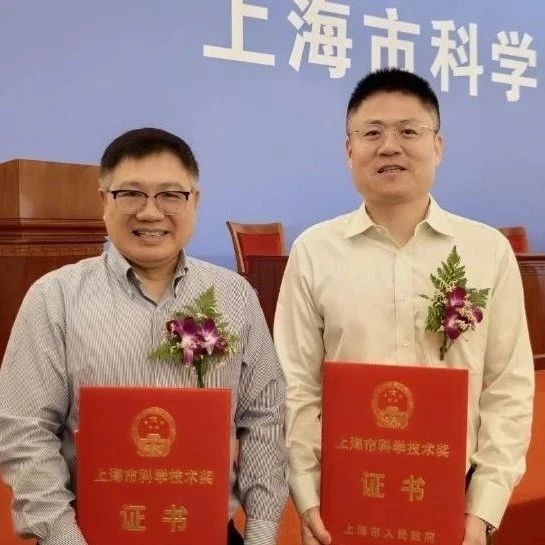
助力中国基因和细胞治疗“弯道超车”,让“天价药”走进寻常百姓家!邦耀生物荣获“2024上海市科技进步一等奖”
生物世界· 2025-08-26 04:03
Core Viewpoint - The article highlights the significant achievements of Shanghai Bangyao Biotechnology Co., Ltd. in the field of gene editing and cell therapy, particularly their recognition through the Shanghai Science and Technology Progress Award for their innovative projects in these areas [2][5]. Group 1: Award Recognition - The project "Development and Translational Application of Key Technologies in Gene Editing and Cell Therapy" won the first prize at the Shanghai Science and Technology Progress Award, marking a significant milestone for Bangyao Biotechnology [2][5]. - The award signifies the project's achievement at an internationally advanced or domestically leading level, emphasizing its substantial social and economic benefits [5][6]. Group 2: Technological Innovations - Bangyao Biotechnology is recognized as one of the earliest teams in China to apply CRISPR-Cas9 gene editing technology, having published the first successful application in mammals in 2013 [8]. - The company has developed a gene therapy for β-thalassemia, achieving a "one-time treatment, lifelong cure" for 15 patients, which has been acknowledged as a benchmark in the international field of thalassemia treatment [10]. - The non-viral PD1-CAR-T technology, developed by the team, has shown a 100% objective response rate and an 85.7% complete response rate in clinical studies, significantly improving safety and cost-effectiveness compared to traditional CAR-T therapies [12][15]. - The allogeneic universal CAR-T cell therapy, targeting CD19, has been developed to address the challenges of personalized treatment cycles and costs, allowing for immediate use and significantly reducing production costs [16][17]. Group 3: Clinical Research and Future Directions - Bangyao Biotechnology is conducting two registration clinical studies focusing on relapsed/refractory B-cell acute lymphoblastic leukemia and B-cell non-Hodgkin lymphoma, aiming to expand the application of their therapies to solid tumors and autoimmune diseases [22]. - The company has established a robust innovation platform with over 100 patents and multiple projects in clinical trials, demonstrating its commitment to advancing gene and cell therapy [25].

正海生物涨2.07%,成交额1.13亿元,主力资金净流出1748.87万元
Xin Lang Cai Jing· 2025-08-25 06:55
Company Overview - Zhenghai Biological Technology Co., Ltd. is located in Yantai Economic and Technological Development Zone, Shandong Province, established on October 22, 2003, and listed on May 16, 2017. The company specializes in the research, production, and sales of biological regenerative materials [1] - The main business revenue composition includes: 50.99% from meninges series products, 48.98% from oral repair membranes, and 0.03% from other supplementary products [1] Financial Performance - As of June 30, 2025, Zhenghai Biological reported operating revenue of 188 million yuan, a year-on-year decrease of 5.14%, and a net profit attributable to shareholders of 46.49 million yuan, a year-on-year decrease of 45.97% [2] - The company has cumulatively distributed 617 million yuan in dividends since its A-share listing, with 334 million yuan distributed over the past three years [3] Stock Performance - On August 25, the stock price of Zhenghai Biological increased by 2.07%, reaching 22.70 yuan per share, with a trading volume of 113 million yuan and a turnover rate of 2.81%, resulting in a total market capitalization of 4.086 billion yuan [1] - Year-to-date, the stock price has risen by 8.89%, with a 1.52% increase over the last five trading days, a 0.89% increase over the last twenty days, and a 12.38% increase over the last sixty days [1] Shareholder Information - As of June 30, 2025, the number of shareholders is 16,800, a decrease of 0.89% from the previous period, with an average of 10,704 circulating shares per person, an increase of 0.90% [2] - Among the top ten circulating shareholders, Dongfanghong New Power Mixed A (000480) is the fourth largest with 1.2268 million shares, an increase of 526,800 shares from the previous period. Dongfanghong JD Big Data Mixed A (001564) is the sixth largest, a new shareholder with 656,000 shares [3]
恒瑞医药涨2.08%,成交额43.33亿元,主力资金净流入1.23亿元
Xin Lang Cai Jing· 2025-08-25 06:44
Core Viewpoint - Heng Rui Medicine's stock price has shown significant growth this year, with a 45.14% increase, indicating strong market performance and investor interest [2]. Company Overview - Jiangsu Heng Rui Medicine Co., Ltd. is primarily engaged in the research, production, and sales of pharmaceuticals, focusing on oncology and covering various therapeutic areas including pain management and cardiovascular diseases [2]. - The company's revenue composition includes oncology (52.12%), neuroscience (15.33%), imaging agents (9.82%), and other therapeutic areas [2]. Financial Performance - For the first half of 2025, Heng Rui Medicine reported a revenue of 15.76 billion yuan, a year-on-year increase of 15.88%, and a net profit of 4.45 billion yuan, up 29.67% year-on-year [3]. - The company has distributed a total of 9.30 billion yuan in dividends since its A-share listing, with 3.57 billion yuan distributed in the last three years [4]. Stock Market Activity - As of August 25, Heng Rui Medicine's stock price was 66.33 yuan per share, with a market capitalization of 440.25 billion yuan [1]. - The stock has seen a net inflow of 123 million yuan from major funds, indicating strong buying interest [1]. Shareholder Information - As of June 30, 2025, the number of shareholders decreased to 364,700, while the average circulating shares per person increased by 12.70% [3]. - Major shareholders include Hong Kong Central Clearing Limited, which increased its holdings by 14.3 million shares [4].

三元基因:新药商业化冲刺阶段 加大创新研发增厚资产价值
Sou Hu Wang· 2025-08-25 03:04
Core Viewpoint - San Yuan Gene (837344.BJ) reported a slight increase in revenue for the first half of 2025, achieving 118 million yuan, while focusing on expanding market share and increasing R&D investment despite a decline in net profit year-on-year [1] Group 1: Financial Performance - The company achieved a revenue of 118 million yuan in the first half of 2025, showing a small year-on-year growth [1] - The net profit for the second quarter was 5.7851 million yuan, indicating a significant recovery from the first quarter [1] Group 2: R&D and Innovation - San Yuan Gene emphasizes original technology research and innovation, particularly in the study of interferon mechanisms, supported by the establishment of research stations over the years [1] - The company increased its R&D expenses to 12.9358 million yuan, accounting for 10.93% of revenue, which is a year-on-year growth of 103.31% [3] - Overall R&D investment reached 17.1904 million yuan, representing 14.52% of revenue, focusing on new drug development for hepatitis B and tumor immunotherapy [3] Group 3: New Drug Development - The new drug, human interferon α1b for nebulized inhalation treatment of pediatric RSV pneumonia, is in the final stages of commercialization, with positive clinical advantages [2] - The development of a new PEG-integrated interferon variant aims for functional cure of hepatitis B, utilizing advanced genetic testing for patient selection, positioning the company as a leader in precision medicine [4] Group 4: Cell Therapy and Other Innovations - The company is advancing γδT cell immunotherapy projects, exploring clinical studies for various cancers in collaboration with research institutions [5][6] - Significant progress has been made in developing recombinant human collagen products, with plans to register and launch related cosmetic and medical products [6] Group 5: Value Creation - The continuous and efficient R&D investment reflects the company's strong value creation capabilities, enhancing the quality and potential value of its core assets [7]

科兴制药涨2.04%,成交额7899.11万元,主力资金净流入335.89万元
Xin Lang Cai Jing· 2025-08-22 03:11
Group 1 - The core viewpoint of the news is that Kexing Pharmaceutical has shown significant stock performance this year, with a year-to-date increase of 104.26% despite recent declines in the short term [2] - As of August 22, Kexing Pharmaceutical's stock price reached 44.49 yuan per share, with a market capitalization of 8.954 billion yuan [1] - The company has experienced a net inflow of main funds amounting to 3.3589 million yuan, with large orders accounting for 23.33% of total buying [1] Group 2 - Kexing Pharmaceutical has appeared on the stock market's "Dragon and Tiger List" six times this year, with the most recent appearance on July 3 [3] - The company reported a revenue of 354 million yuan for the first quarter of 2025, reflecting a year-on-year decrease of 1.97% [3] - As of March 31, 2025, the number of shareholders decreased by 10.15% to 8,054, while the average circulating shares per person increased by 11.30% to 24,787 shares [3]

华海药业涨2.05%,成交额3.79亿元,主力资金净流出2559.09万元
Xin Lang Cai Jing· 2025-08-22 03:04
Group 1 - The core viewpoint of the articles highlights the recent performance and financial metrics of Huahai Pharmaceutical, including stock price movements and trading volumes [1][2] - As of August 22, Huahai Pharmaceutical's stock price increased by 2.05% to 22.39 CNY per share, with a total market capitalization of 33.52 billion CNY [1] - Year-to-date, Huahai Pharmaceutical's stock has risen by 27.06%, with a 5-day increase of 5.36% and a 60-day increase of 30.93% [1] Group 2 - As of March 31, the number of shareholders for Huahai Pharmaceutical increased by 22.34% to 62,700, while the average number of circulating shares per person decreased by 18.26% to 23,402 shares [2] - For the first quarter of 2025, Huahai Pharmaceutical reported a revenue of 2.369 billion CNY, reflecting a year-on-year decrease of 5.21% [2] - The company has distributed a total of 2.989 billion CNY in dividends since its A-share listing, with 1.016 billion CNY distributed over the past three years [2]

2025广州医博会8月22日召开
Guang Zhou Ri Bao· 2025-08-22 02:22
Core Insights - The "2025 Guangzhou Medical and Health Industry Expo" will be held from August 22 to 24 at the China Import and Export Fair Complex, organized by the Guangzhou Municipal Government and relevant health authorities [1] - The expo will cover an exhibition area of 30,000 square meters, featuring 3 pavilions and 18 exhibition areas, showcasing cutting-edge technologies such as gene editing, cell therapy, organoids, organ-on-a-chip, nuclear medicine, 3D printing, biomanufacturing, and synthetic biology [1] - The event aims to encompass the entire industry chain, including R&D, transformation, production, clinical application, third-party services, and financial support [1] Industry Participation - The expo has attracted participation from health administrative departments from various regions including Anhui, Sichuan, Fujian, Chongqing, and Xinjiang [1] - Top research institutions such as Guangzhou laboratories and technology transfer centers from universities, along with over 50 local tertiary hospitals, have been invited to exhibit [1] Corporate Involvement - Notable exhibitors include large pharmaceutical companies like China Resources, Sinopharm, and Guangzhou Pharmaceutical, as well as innovative firms such as BeiGene, CanSino, and Yipin Hong [1] - Telecommunications companies like China Telecom, China Unicom, and China Mobile are also participating in the expo [1]
北大医药: 2025年半年度报告
Zheng Quan Zhi Xing· 2025-08-21 16:46
Core Viewpoint - The report highlights the financial performance and operational strategies of Peking University Health Science Center Co., Ltd. for the first half of 2025, indicating a decline in revenue but an increase in net profit, driven by improved product profitability and cost control measures [1][7]. Company Overview and Financial Indicators - The company reported a revenue of CNY 957.31 million, a decrease of 5.04% compared to the previous year [2][7]. - The net profit attributable to shareholders was CNY 100.29 million, reflecting a growth of 15.51% year-on-year [2][7]. - The basic earnings per share increased to CNY 0.1683, up 15.51% from the previous year [2][7]. - Total assets at the end of the reporting period were CNY 2.32 billion, a 1.32% increase from the end of the previous year [2][7]. - The net assets attributable to shareholders rose by 5.44% to CNY 1.60 billion [2][7]. Industry Context - The pharmaceutical manufacturing industry faced a revenue decline of 1.2% year-on-year, with total profits down 2.8%, indicating pressure on revenue and profitability due to market competition and cost control [6][7]. - The industry is undergoing significant transformation, shifting from scale expansion to quality-driven development, particularly influenced by advancements in technologies such as artificial intelligence and gene editing [6][7]. Business Operations - The company primarily engages in the research, production, and sales of chemical drug formulations, pharmaceutical distribution, and medical services [6][7]. - The main therapeutic areas include anti-infective, analgesic, and psychiatric medications, with a focus on enhancing product reserves and improving product profitability [6][7]. - The company has established a comprehensive marketing network and is exploring innovative cooperation models to expand its market presence [6][8]. Financial Performance Analysis - The company's operating costs decreased by 0.95% to CNY 710.06 million, attributed to changes in product sales structure and pricing strategies [11]. - Research and development expenses increased by 28.26% to CNY 11.83 million, reflecting a commitment to innovation and product development [12]. - The company successfully completed the consistency evaluation for key products, demonstrating its R&D capabilities and commitment to quality improvement [7][8]. Strategic Initiatives - The company aims to deepen its strategic layout by focusing on integrated raw material and formulation development, enhancing brand building, and fostering cultural integration [10][11]. - A strategic partnership with a major retail pharmacy chain in Southwest China was established to explore innovative marketing models and enhance service delivery to retail patients [8][10].
