
耐心资本

Search documents
创投“国家队”、耐心资本,盘点创投行业2025八大关键词
Nan Fang Du Shi Bao· 2026-01-07 07:49
Core Insights - The venture capital industry is experiencing a significant recovery in 2025, driven by government policies and a surge in technology sectors like AI and robotics, indicating a return of confidence in the market [2] Group 1: National Venture Capital Initiatives - The National Development and Reform Commission announced the establishment of a National Venture Capital Guidance Fund in March 2025, aiming to mobilize nearly 1 trillion yuan in local and social capital, focusing on hard technology and long-term investments [3] - The National Venture Capital Guidance Fund officially launched on December 26, 2025, with regional funds established in key areas such as the Guangdong-Hong Kong-Macao Greater Bay Area, with a registered capital of 45.05 billion yuan [3] - The venture capital industry has high expectations for the National Guidance Fund to inject substantial long-term capital and provide a model for implementing favorable policies [3] Group 2: Government Policy and Regulation - The State Council issued the "Guiding Opinions on Promoting the High-Quality Development of Government Investment Funds" on January 7, 2025, which systematically regulates the establishment, fundraising, operation, and exit of government investment funds [4] - The document outlines 25 specific measures across eight sections, marking a significant policy shift for the government investment fund sector [4][5] - A differentiated regulatory system for venture capital funds was introduced, allowing for tailored regulations based on investment stages and risk characteristics [6] Group 3: Mergers and Acquisitions - 2025 marks the first full execution year for the "Six Guidelines for Mergers and Acquisitions," encouraging private investment funds to participate in mergers and acquisitions of listed companies [7] - Numerous regions have launched policies to support the establishment of merger funds, with practical cases emerging from local state-owned assets [7] Group 4: Fund Duration and Capital - Many newly established government guidance funds and direct investment funds have extended their duration to 15-20 years, with some regions allowing for extensions based on project needs [8] - The introduction of social security technology innovation funds has also contributed to long-term capital inflow into the venture capital sector [8] Group 5: Error Tolerance Mechanisms - Various regions are exploring error tolerance mechanisms for state-owned venture capital funds, which are seen as crucial for fostering patient capital [9] - Initiatives include performance assessment improvements and differentiated evaluation systems to enhance investment enthusiasm [9] Group 6: Technology Innovation Bonds - In May 2025, a joint announcement by the People's Bank of China and the China Securities Regulatory Commission aimed to support the issuance of technology innovation bonds to broaden financing channels for tech companies [10] - Over 40 private equity institutions have issued or registered technology innovation bonds, with a total scale exceeding 20 billion yuan [10] Group 7: Hard Technology Investment - The domestic venture capital market in 2025 remains focused on hard technology sectors, with significant investment activity in advanced manufacturing, semiconductors, robotics, and artificial intelligence [12] - Successful exits in hard technology investments, such as the IPOs of companies like Moer Thread and Muxi Co., have generated substantial returns for early investors, reinforcing confidence in early-stage investments [12]


业内:2026年上市险企将迎资产负债共振“黄金时代”
Jin Rong Shi Bao· 2026-01-07 07:46
Core Viewpoint - The insurance industry is expected to enter a recovery and growth phase by 2026, marking a "golden era" for companies with strong insurance operational capabilities [1][3]. Group 1: Industry Outlook - Multiple institutions, including CICC, Founder Securities, and CITIC Securities, have released reports expressing optimism about the insurance industry's recovery and growth prospects by 2026 [1]. - The industry is anticipated to transition from a "scale-driven" model to a "management-driven" approach, with a focus on enhancing operational capabilities and sustainable business models [2]. - The insurance sector is at the beginning of a new development cycle, coinciding with the end of the "14th Five-Year Plan" and the start of the "15th Five-Year Plan" [1]. Group 2: Life Insurance Sector - CICC predicts that the life insurance sector will experience rapid growth in new business, with a more diversified product structure and a significant improvement in the quality of new business [2]. - The competitive landscape is shifting towards companies with strong life insurance operational capabilities, indicating a move towards high-quality development in the life insurance industry [2][3]. Group 3: Property Insurance Sector - In the property insurance sector, CICC forecasts a slow growth in auto insurance premiums, while head companies are expected to improve underwriting profitability through business structure optimization [2]. - Health insurance is projected to become a significant growth driver, with the implementation of the "reporting and operation integration" policy expected to enhance underwriting profitability for large companies [2]. Group 4: Financial Dynamics - The concept of "value return" is emerging, with the life insurance industry moving from a phase of "short-term equity elasticity" to a "mid-term value recovery" phase [4]. - The sales cycle for participating insurance products has shown a positive trend, with a significant portion of new business sales from participating insurance products [4]. Group 5: Capital Market Role - Insurance funds are expected to play a clearer role as long-term investors in the capital market, with an estimated incremental capital of over 6 trillion yuan expected to flow into the equity market over the next five years [6]. - The regulatory environment is encouraging insurance capital to increase allocations in A-shares, which is expected to provide policy benefits and support the stable development of China's capital market [6].


资本市场投融资综合改革持续深化,与万亿险资同赴共赢新局
Sou Hu Cai Jing· 2026-01-07 04:42
Core Viewpoint - The continuous deepening of capital market investment and financing reform is a strategic focus of the Chinese government, aimed at enhancing the quality and vitality of economic development through systematic and effective reforms [2][3][4]. Group 1: Policy and Strategic Focus - The 2026 economic work plan emphasizes the importance of capital market investment and financing reform as a key task, reflecting the government's commitment to reform and development [2]. - The shift from "deepening" to "continuously deepening" in policy language indicates a strong strategic determination to enhance the capital market's role in economic growth [2][3]. - The ongoing reforms are designed to create a modern capital market system that is safe, transparent, and resilient, which is essential for national financial competitiveness and economic structure optimization [3][4]. Group 2: Role of Insurance Capital - Insurance capital plays a crucial role in supporting the real economy and driving capital market reforms, acting as a strategic force with long-term attributes [5]. - Regulatory policies are encouraging insurance capital to enter the market, enhancing investment efficiency and expanding financing opportunities for enterprises [5]. - The number of equity stakes taken by insurance companies reached a peak in 2025, with 37 instances of stake acquisitions, indicating strong confidence in quality listed companies [5]. Group 3: Investment Trends and Areas - A surge in the establishment of private equity funds by insurance companies has been observed, with major firms actively participating in various investment initiatives [6]. - Insurance capital is increasingly focusing on long-term equity investments in emerging industries, aligning with national strategic priorities [6][7]. - Significant investments have been made in green energy and technology sectors, with insurance companies supporting projects that promote ecological sustainability and innovation [7][8]. Group 4: Financial Performance - The insurance sector reported remarkable financial performance in 2025, with total revenue of 2.37 trillion yuan, a 13.6% increase year-on-year, and net profit growth of 33.54% [9]. - Investment returns have been a key driver of profit growth, with total investment income for major insurance firms reaching 887.5 billion yuan, a 35.64% increase [9][10]. - The investment strategies of insurance companies have led to consistent high returns, with some firms achieving average investment returns exceeding industry averages [10][11]. Group 5: Future Outlook - The ongoing reforms and strategic investments by insurance capital are expected to foster a more balanced and effective capital market, enhancing its role as a stabilizer for the economy [11]. - The evolution of insurance capital from mere fund providers to value discoverers and resource allocators is crucial for the sustainable development of the capital market [11].





耶鲁大学终身金融学教授陈志武简介|陈志武擅长领域|陈志武演讲主题|陈志武最新动态
Sou Hu Cai Jing· 2026-01-07 02:13
Group 1: Personal Background and Academic Achievements - Professor Chen Zhiwu is a prominent economist with a cross-cultural academic background, currently serving as the Director of the Hong Kong Institute for the Humanities and Social Sciences and a Chair Professor of Finance at the University of Hong Kong [2] - He has received multiple prestigious awards, including the Merton Miller Research Award in 1994 and recognition as one of the "Top Ten Influential Economists in China" by Wall Street Journal in 2006 [3] - His theory of "financial capitalization" has become a key framework for understanding modern economies, highlighting the dominance of financial capital over land and industrial capital in the 21st century [3] Group 2: Research Areas and Contributions - Professor Chen's research spans financial theory and market mechanisms, emphasizing the transformation of future uncertainties into manageable risks through financial instruments [4] - He is a pioneer in quantitative historical research, constructing a historical social database to analyze traditional financial contract relationships in China [4] - His analysis of China's market reform and institutional development has led to strategies like "institutional opening" and "patient capital," particularly in the context of agricultural futures markets [4] Group 3: Recent Insights and Themes - In recent lectures, he has discussed the critical role of financial capital in wealth accumulation, particularly in the context of urban vitality in cities like Shanghai and Beijing [5] - His research on the evolution of finance and its historical implications has provided insights into modern financial regulation [6] - He has proposed strategies to mitigate geopolitical risks in the context of U.S.-China trade tensions, advocating for a "dual supply chain layout" [6] Group 4: Ongoing Influence and Recognition - Professor Chen's work continues to influence both academic and practical realms, with his recent paper on trust and risk dynamics in strategic alliances receiving a high contribution award [7] - His use of AI in analyzing historical financial contracts has led to significant breakthroughs in understanding the early forms of interest rate marketization [7] - His critical views on the A-share market have sparked discussions on regulatory reforms and investor protection mechanisms [7]
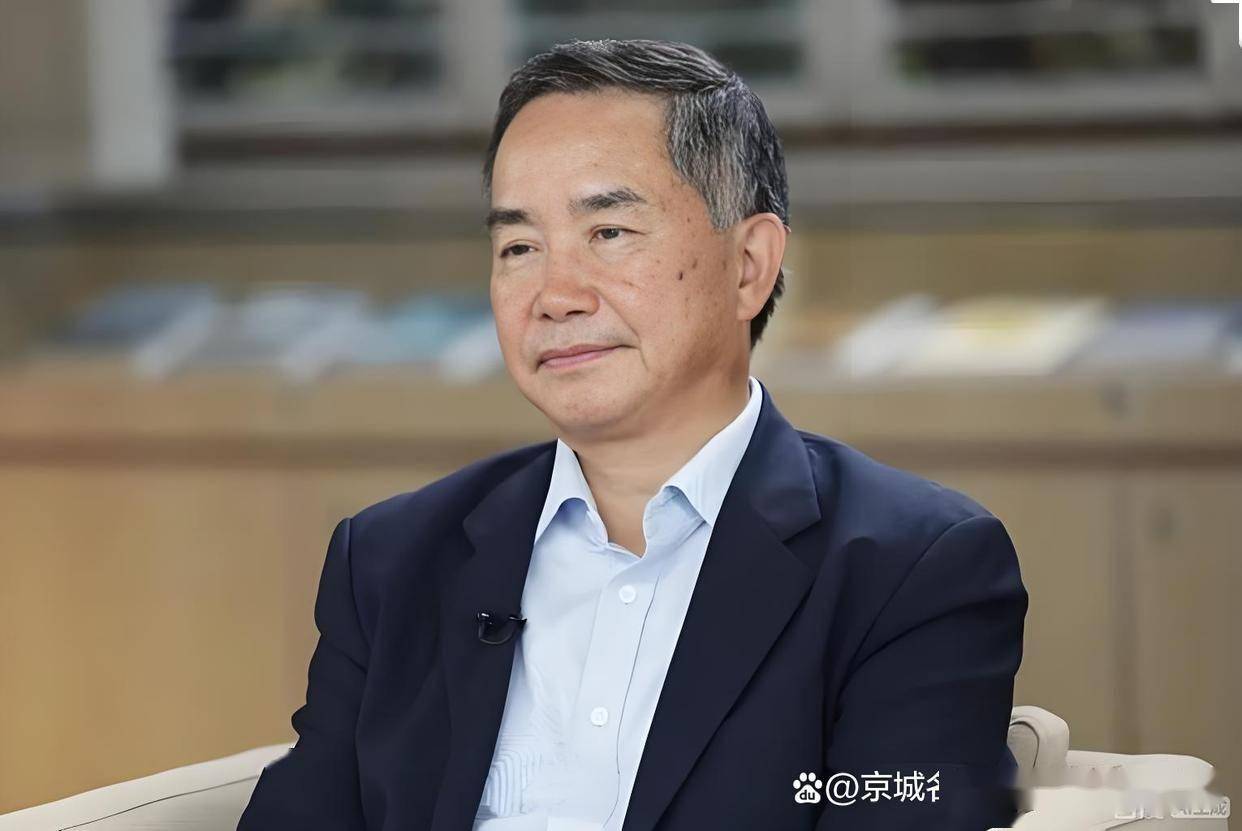
耐心资本陪伴产业成长
Jing Ji Ri Bao· 2026-01-07 00:58
Core Viewpoint - Emerging industries are experiencing dual drivers of policy support and technological breakthroughs, leading to changes in investment logic, valuation systems, and market structures [1] Group 1: Investment Opportunities - Investment can effectively stimulate industrial innovation and capture value while sharing growth, especially in the context of China's economic transition [1] - The investment cycle for emerging industries is long and risky, requiring patient capital for long-term support [1] Group 2: Investment Focus by Stages - In the early nurturing phase, it is essential to enhance the private equity and venture capital ecosystem, encourage the establishment of government-guided funds, and leverage state capital to attract more long-term social capital towards seed and startup companies with core technologies [2] - During the rapid growth phase, a collaborative system has begun to form, focusing on "hard technology" through the Sci-Tech Innovation Board, supporting growth-oriented innovative enterprises via the Growth Enterprise Market, and nurturing "specialized, refined, and innovative" companies through the Beijing Stock Exchange [2] - Future steps should include deepening capital market reforms and optimizing mechanisms for issuance, refinancing, and mergers and acquisitions to better support high-growth enterprises [2] Group 3: Identifying Investment Directions - The core of new track investment lies in identifying medium to long-term "certain directions" formed under national strategies and industrial evolution [3] - Institutional investors should focus on policy signals and top-level planning, emphasizing areas that are repeatedly highlighted in national strategies and where resources are continuously invested [3] - Non-institutional investors may find it more suitable to use thematic index funds for investment, as these can mitigate individual company uncertainties and focus on the long-term growth logic of the sector [3] Group 4: Investment Risks and Considerations - While the investment outlook for emerging industries is promising, it is essential to recognize the inherent uncertainties and associated investment risks [3] - Investors should assess the fundamentals of specific emerging industries, identify growth paths and business models, and be cautious of short-term valuation risks, fostering a medium to long-term investment perspective [3]
2025中国母基金行业十大年度事件
Sou Hu Cai Jing· 2026-01-07 00:21
Core Viewpoint - The year 2025 is seen as a pivotal moment for the restructuring of China's equity investment mechanism, marking a transition from difficult transformations to a return of confidence in the private equity industry. The article highlights significant events and policy changes that are reshaping the landscape of the mother fund industry in China [1]. Group 1: Policy Developments - The State Council issued the "Guiding Opinions on Promoting the High-Quality Development of Government Investment Funds" on January 7, 2025, which systematically regulates the establishment, fundraising, operation, and exit of government investment funds, introducing 25 specific measures [2]. - The document encourages venture capital funds to adopt a mother-child fund structure and allows for an increase in government funding ratios and relaxed funding conditions for venture capital funds [2]. - The policy emphasizes the need for a unified national market and discourages the establishment of government investment funds solely for attracting investment, promoting the cancellation of registration restrictions for government investment funds and managers [2]. Group 2: Investment Trends - The concept of "patient capital" is deepening, with many newly established mother funds and direct investment funds having a lifespan of 15-20 years, reflecting a shift towards longer investment horizons [3]. - Local governments are increasingly tolerant of losses, with some regions allowing for a loss tolerance rate of up to 80% for funds, indicating a significant shift in the acceptance of project failures [4]. - The introduction of "science and technology bonds" as a new fundraising tool has seen over 40 private equity institutions issue bonds totaling over 20 billion yuan, providing a long-term, low-cost financing channel for private equity investments [5]. Group 3: Fund Structures and Strategies - The National Venture Capital Guidance Fund was launched on December 26, 2025, with a 20-year lifespan, focusing on early-stage investments and market-oriented operations without direct government management involvement [7]. - The fund structure includes a three-tier system, with regional funds established to support local industries and projects, emphasizing a market-driven approach [8]. - The trend towards smaller, more focused funds rather than large-scale mother funds is evident, with a preference for a "fund cluster" model to enhance capital efficiency and diversify investments [10]. Group 4: Market Dynamics - The Hong Kong IPO market has seen a resurgence, with IPO fundraising exceeding 200 billion HKD, providing a favorable exit window for venture capital and private equity firms [12]. - The introduction of flexible exit mechanisms, such as installment buybacks and debt restructuring, is becoming popular, allowing for more adaptable strategies in managing investments [15][16]. - The growth of secondary market funds (S funds) is being driven by local government initiatives, enhancing liquidity and attracting long-term capital into the private equity sector [14][15].
“中保”盘点2025⑥中国资产大爆发!险资与股市如何相互成就?
Sou Hu Cai Jing· 2026-01-06 20:10
Core Viewpoint - The A-share market has started 2026 with strong performance, reaching a ten-year high, driven by active insurance stocks and favorable policies for long-term investments in the insurance sector [2][3]. Group 1: Insurance Market Performance - In the first two trading days of 2026, major insurance stocks such as New China Life, China Pacific Insurance, and Ping An Insurance saw significant gains, with increases of 15.93%, 12.98%, and 8.65% respectively [2]. - The year 2025 was marked by active participation of insurance capital in the market, with the Shanghai Composite Index rising by 18.41%, and the total trading volume in the A-share market exceeding 400 trillion yuan, a year-on-year increase of over 60% [2]. Group 2: Policy Support - Starting from September 2024, a series of favorable policies have been introduced to encourage insurance capital to enter the market, culminating in the "9·24 market" phenomenon [4]. - In January 2025, a joint implementation plan was issued to guide long-term funds, including insurance capital, to increase market participation [4]. Group 3: Regulatory Adjustments - In April 2025, the regulatory authority raised the upper limit for equity asset allocation for insurance funds, allowing for greater investment flexibility [5]. - By December 2025, further adjustments were made to reduce risk factors for long-held stocks, encouraging insurance companies to maintain longer positions in the market [6]. Group 4: Investment Trends - In 2025, insurance capital made at least 33 significant investments in listed companies, a notable increase from 20 in 2024, with a focus on sectors like banking and utilities that align with their long-term investment strategies [7][8]. - The trend of long-term investment reform was highlighted, with insurance institutions establishing private equity funds to invest in the stock market [8][9]. Group 5: Future Outlook - The investment environment for insurance capital is expected to evolve, with continued low interest rates prompting a shift towards equity investments, particularly in high-dividend stocks [12][14]. - The introduction of new accounting standards in 2026 will allow insurance companies to recognize stock dividends in their profit statements, further promoting long-term investment strategies [13][14].


评国家创业投资引导基金落地:政策赋能创投,耐心资本启航
Lian He Zi Xin· 2026-01-06 11:22
Policy Background - Technology innovation is identified as the core engine driving high-quality economic development, with insufficient patient capital and financing difficulties for early-stage tech companies being key bottlenecks[4] - In 2024, investment cases in seed and startup stages accounted for 16.25% and 24.83% respectively, significantly lower than the 43.29% for expansion stage investments[4] National Venture Capital Guidance Fund - The National Venture Capital Guidance Fund was officially launched on December 26, 2025, marking a significant step in China's technology finance system reform[4] - The fund is designed to focus on early-stage investments, with a 20-year duration, and aims to integrate policy guidance with market mechanisms[6][7] Fund Structure and Investment Strategy - The fund operates under a three-tier structure: guiding fund company, regional funds, and sub-funds, with a registered capital of 100 billion RMB[7] - At least 70% of the sub-funds' capital must be directed towards seed and startup enterprises, with individual company valuations capped at 500 million RMB[8] Regional Fund Characteristics - The first three regional funds, each exceeding 50 billion RMB, are located in the Beijing-Tianjin-Hebei, Yangtze River Delta, and Guangdong-Hong Kong-Macau Greater Bay Area regions[9] - The Beijing-Tianjin-Hebei fund has a GP from China International Capital Corporation, with local state-owned assets contributing approximately 23%[10] Economic and Investment Landscape - The Yangtze River Delta region's GDP reached 33.17 trillion RMB in 2024, accounting for 24.7% of the national total, with significant growth in digital economy sectors[15] - The Guangdong-Hong Kong-Macau Greater Bay Area's economic output was approximately 14.79 trillion RMB in 2024, with over 70 unicorn companies contributing to its innovation ecosystem[16] Future Outlook - The fundraising environment in China's equity investment market is expected to improve, with 3,501 funds raised in the first three quarters of 2025, an 18.3% increase year-on-year[17] - The operation of the National Venture Capital Guidance Fund is anticipated to provide valuable experience for China's technology finance system reform, supporting the construction of a capital support system aligned with high-level technological self-reliance[18]
2025理论学术研究观点要览(上)
Xin Lang Cai Jing· 2026-01-06 05:03
Group 1 - The core viewpoint of the articles emphasizes the importance of the 15th Five-Year Plan in guiding China's economic and social development, highlighting the need for strong party leadership and a focus on high-quality development [1][2] - Scholars stress the necessity of building a new development pattern that strengthens domestic circulation and facilitates dual circulation, aiming for common prosperity and improved living standards [2] - The articles discuss the significance of deepening reforms to activate the full potential of China's modernization, with a focus on effective market and government collaboration [1][2] Group 2 - The construction of a unified national market is identified as a foundational requirement for the new development pattern, enhancing the resilience of supply chains and improving consumer welfare [7][8] - The articles analyze the negative impacts of "involution" in competition, which leads to unsustainable practices and hinders the development of a modern industrial system [9][10] - Suggestions for addressing involution include enhancing technological innovation, optimizing industry structures, and improving the business environment [11] Group 3 - The emergence of "patient capital" is highlighted as essential for long-term investment strategies that support innovation and enhance corporate resilience [12][13] - Policy recommendations for fostering patient capital include improving capital market structures and developing diverse operational models for investment [13] Group 4 - The impact of artificial intelligence (AI) on labor markets is a significant concern, with studies indicating that AI technologies may replace certain high-skilled jobs while also creating new employment opportunities [14][15] - The articles note that AI's integration into businesses is increasing the demand for flexible labor, particularly affecting lower-skilled positions [15] Group 5 - The transformation of Chinese enterprises' internationalization strategies is discussed, moving from product export to brand and rule export, with an emphasis on overseas investment [16][17] - Recommendations for enhancing international competitiveness include strengthening patent protections and leveraging digital platforms to boost trade [17] Group 6 - The political science discourse focuses on the governance model of "China's governance," emphasizing the importance of top-level design and information mechanisms in managing a large-scale nation [18][19] - The articles also compare Western democratic challenges with China's governance, highlighting the need for a re-evaluation of democratic theories in the context of global south experiences [20][21]
百亿央企基金启航
3 6 Ke· 2026-01-05 04:00
Core Insights - The establishment of the Chengtong Science and Technology Innovation Fund in Jiangsu, with a total scale of 10 billion yuan, marks a significant step in injecting "patient capital" into the recovering venture capital industry [2][3] - The fund aims to support technological innovation and industrial development, focusing on early-stage investments in hard technology sectors [2][3] - The venture capital industry is showing signs of recovery, with increased fundraising, investment activities, and improved exit channels [4][5] Fund Establishment - The Chengtong Science and Technology Innovation Fund in Jiangsu was officially registered, following the establishment of a similar fund in Beijing [2][3] - The fund is part of a broader initiative by the State-owned Assets Supervision and Administration Commission to promote high-quality development of central enterprise venture capital funds [2][3] - The fund will collaborate with the previously established 10 billion yuan Chengtong Science and Technology Innovation Fund in Beijing to create a "mother fund + direct investment fund" synergy [3] Market Recovery - The venture capital industry is gradually recovering after a period of adjustment, with positive changes observed in fundraising, investment, and exit activities [4] - In November 2025, the fundraising activity of institutional LPs showed a positive trend, with a 14.7% month-on-month increase and a 31.8% year-on-year increase [4] - The number of newly registered private equity and venture capital funds in November reached 404, marking a 2.5% month-on-month increase and a 29.5% year-on-year increase [4] Investment Activity - In 2025, there were 6,462 financing events in the domestic primary market, representing a 7.25% year-on-year increase, marking the first rebound in four years [5] - The number of Chinese companies listed domestically and internationally reached 247, with a 26.7% year-on-year increase, and the total financing amount was approximately 326.63 billion yuan, a 126.4% increase [5] Long-term Capital Trends - Many government-guided funds are innovating mechanisms to reshape the "long money" ecosystem, with some funds having a lifespan of 15 to 20 years [5] - The decision-making speed of state-owned LPs has improved significantly, with a trend towards cross-regional and cross-level joint investments becoming mainstream [5] Future Outlook - The next few years are expected to be a critical window for national-level fund investments, potentially addressing 20% to 30% of the market funding gap [6] - The venture capital ecosystem is anticipated to enter a healthier and more sustainable development phase, supported by ongoing policy benefits and the return of market-oriented LPs [7]