金融安全

Search documents
金融安全进社区 广发“护盾”护民生——广发银行潍城支行金融教育宣传活动
Qi Lu Wan Bao· 2025-09-20 11:27
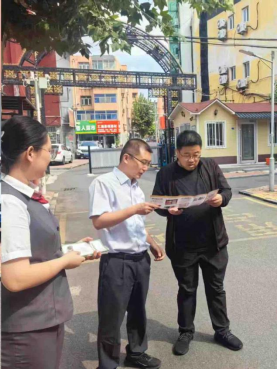
Core Viewpoint - The financial education campaign by Guangfa Bank aims to enhance community awareness of financial security and anti-money laundering measures, emphasizing the importance of protecting personal information to contribute to national financial safety [1][3][5] Group 1: Financial Education Campaign - Guangfa Bank's Weifang Weicheng branch launched a series of financial education activities under the slogan "Protecting Financial Rights and Supporting a Better Life" [1][3] - The campaign focuses on anti-money laundering and financial risk prevention, targeting residents of various age groups to disseminate financial safety knowledge [3][5] Group 2: Community Engagement - Bank staff engaged with residents in multiple neighborhoods, explaining anti-money laundering laws and the interconnectedness of money laundering with other crimes such as corruption and terrorism [3] - Real-life examples, including "money laundering platforms," "virtual currency laundering," and "telecom fraud," were used to illustrate risks and criminal methods [3] Group 3: Impact and Future Plans - The campaign successfully raised community awareness of money laundering risks and improved residents' ability to identify such threats [5] - Guangfa Bank plans to continue and diversify its financial education initiatives to provide ongoing financial knowledge to the community, reinforcing the safety of residents' livelihoods [5]

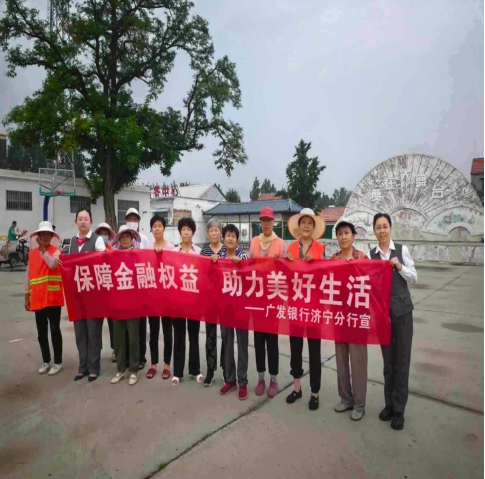
广发银行济宁分行开展“保障金融权益 助力美好生活”宣传活动——走进贾庄社区
Qi Lu Wan Bao· 2025-09-19 11:20
Core Viewpoint - The recent community outreach event by Guangfa Bank aims to enhance financial security awareness and risk prevention among residents, particularly focusing on anti-telecom fraud education and promoting a culture of integrity [1][3]. Group 1: Event Overview - Guangfa Bank's Jining branch conducted a promotional activity themed "Protecting Financial Rights, Supporting a Better Life" in the Jiazhuang community [1]. - The event utilized various methods such as distributing brochures and on-site explanations to educate residents about anti-telecom fraud [3]. Group 2: Fraud Awareness and Education - The staff detailed common fraud tactics, including impersonation of public security officials, fake lottery wins, and online shopping scams, highlighting the characteristics and dangers posed by fraudsters [3]. - Special attention was given to elderly residents, focusing on scams targeting them, such as impersonating children and health product fraud, advising them to be cautious of unknown calls and not to disclose personal information [3]. Group 3: Legal Knowledge and Investment Guidance - The event also included education on illegal cross-border investments, warning residents to avoid high-yield temptations and to choose legitimate investment channels to prevent financial losses [3]. Group 4: Community Impact - The outreach significantly improved residents' understanding of the dangers of telecom fraud and equipped them with practical prevention techniques, particularly enhancing the risk awareness of the elderly demographic [5]. - The activity fostered a stronger sense of integrity among community members, creating a positive atmosphere centered on honesty and legal compliance [5].
江苏银行:筑牢安全防线 守护幸福晚年
Zhong Jin Zai Xian· 2025-09-19 10:08
Group 1 - The article emphasizes the importance of preventing illegal financial activities and protecting the financial assets of the elderly [1] - It warns against investment projects that promise "high returns" or "guaranteed profits," highlighting the significant risks involved [1] - The article advises verifying the credentials of financial institutions before investing, suggesting that individuals should check official channels for company registration information [2] Group 2 - It recommends consulting with family members and trusted friends before making large financial decisions, and encourages seeking advice from legitimate financial institutions [4] - The article stresses the importance of safeguarding personal information, such as passwords and identification details, and advises against sharing sensitive information with others [5] - In case of suspected fraud, it urges individuals to stop any transfer operations immediately, contact their bank for assistance, and report to law enforcement while keeping evidence like contracts and transaction records [5]


普及金融知识,守护金融安全——友邦人寿山东分公司携手山东交通学院共筑校园金融安全屏障
Qi Lu Wan Bao· 2025-09-18 08:42
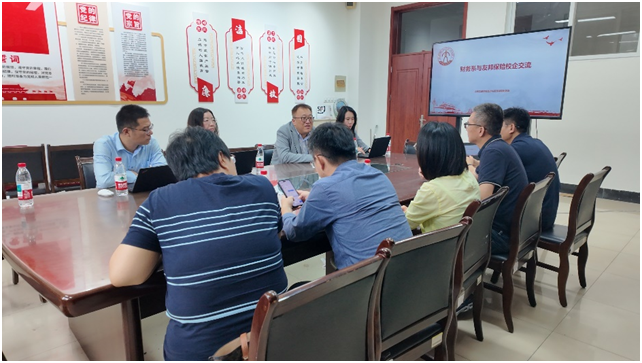
Group 1 - The core theme of the financial education campaign is "popularizing financial knowledge and safeguarding financial security," aiming to enhance financial literacy among students and faculty [1][6] - The event featured a comprehensive explanation of the insurance industry, highlighting its role as a "stabilizer of social economy" and a "safety net for risk protection," emphasizing the importance of insurance in the national multi-level social security system [3][5] - The promotional team utilized an innovative "case + illustration" approach to clarify the operational logic of insurance companies, showcasing how they balance customer rights protection with sustainable development through scientific risk control and compliance [3][5] Group 2 - The company emphasized its commitment to social responsibility by educating participants about the "eight rights of financial consumers," including property safety rights and the right to information, encouraging awareness of legal rights in financial consumption [5][6] - The campaign addressed critical areas of financial security, such as anti-money laundering and anti-insurance fraud, using real case studies to illustrate the dangers of these illegal activities and urging participants to resist financial misconduct [5] - The event specifically targeted the risks associated with campus loans, analyzing common pitfalls like high interest rates and aggressive collection practices, while guiding students towards responsible financial behavior and legitimate assistance channels [5][6]

蚂蚁消金CIO刘义:以AI对抗AI,打造“反欺诈平台”守护金融安全
Yang Guang Wang· 2025-09-18 06:44
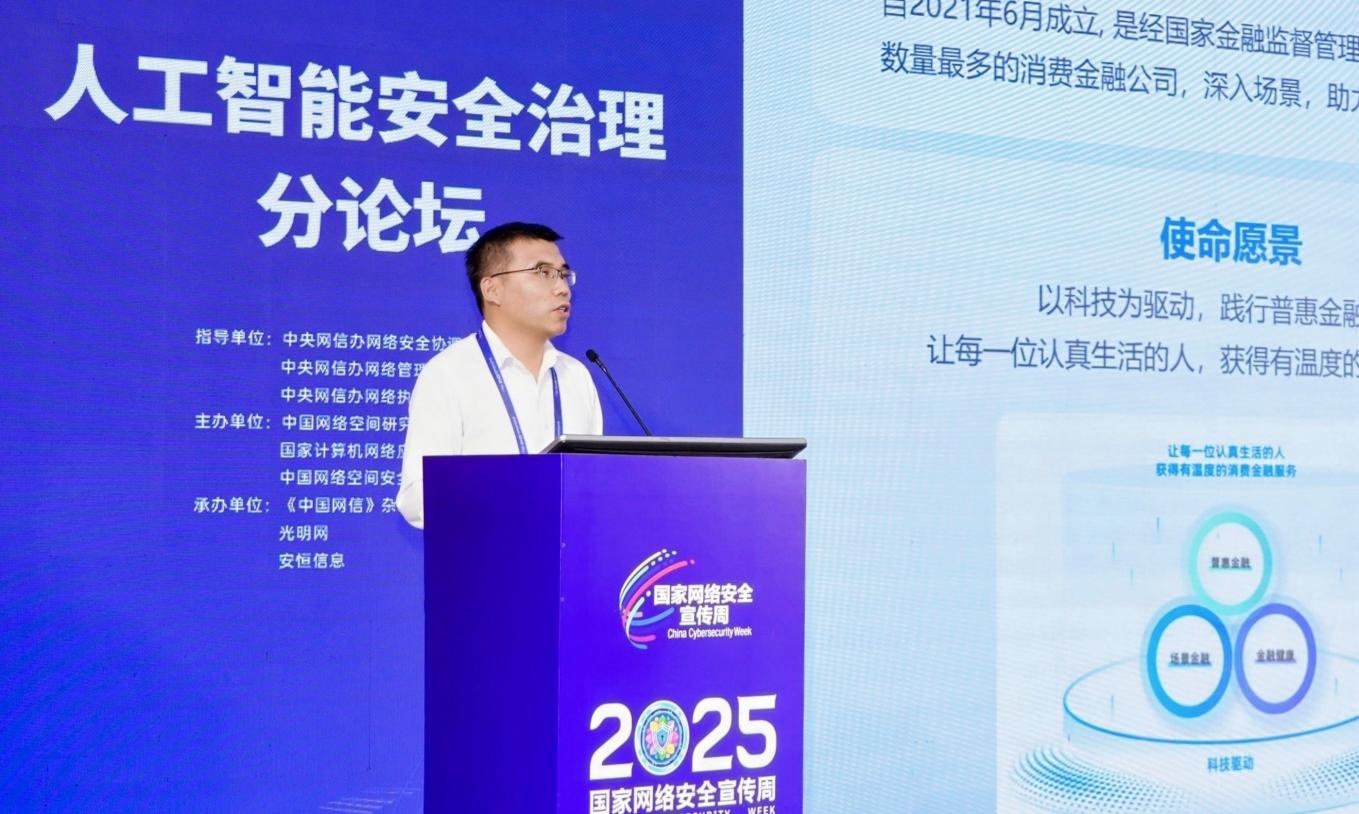
刘义指出,AI技术的突破为金融领域提供全新解决方案的同时,也带来新的风险挑战,主要体现在金融风险对抗快速迭代、数据场景保护日趋复杂、 安全防护技术相对滞后三个方面。面对挑战,蚂蚁消金对应策略是"以AI对抗AI,守护金融安全",重点在反欺诈、数据安全防护、安全有效性验证等三个领 域进行了技术创新和探索。 刘义表示,随着AIGC技术广泛运用,使不法分子更容易批量制造虚假材料,用于贷前授信和贷后协商等场景,给金融行业传统的人工审核方式带来前 所未有的挑战,打假变得更加困难。一张看似普通的"电子凭证"或一段以加乱真的"人物讲话",都有可能是不法分子实施金融犯罪的工具和手段。 对此,蚂蚁消金在今年国家网络安全周期间,也首次对外展示金融"反欺诈平台"。该平台通过整合强化对抗学习、多模态大模型、金融图智能、隐私计 算等AI技术,可精准识别假章假证、合成语音等造假行为,目前虚假证件识别准确率达98%,语音伪造检测覆盖50余种合成方式,实现了对黑产团伙的精准 识别与溯源。2024年以来,蚂蚁消金已联合司法机关查处12家非法金融中介,涉案人员超过200人,实现技术治理与司法联动的有效结合。 过去2年的时间,金融行业是AI技术应用 ...
蚂蚁消金“反欺诈平台”亮相国家网络安全周
Zhong Guo Jing Ji Wang· 2025-09-18 05:23
9月15日至21日,由中央宣传部、中央网信办等十部门联合举办"2025年国家网络安全宣传周"在云南昆 明拉开帷幕。蚂蚁消金首席信息官刘义在由中央网信办网络安全协调局、网络管理技术局、网络执法与 监督局指导,中国网络空间研究院主办的"人工智能网络安全治理分论坛"上分享了蚂蚁消金在金融安全 领域的AI实践与探索。 刘义表示,随着AIGC技术广泛运用,使不法分子更容易批量制造虚假材料,用于贷前授信和贷后协商 等场景,给金融行业传统的人工审核方式带来前所未有的挑战,打假变得更加困难。一张看似普通 的"电子凭证"或一段以加乱真的"人物讲话",都有可能是不法分子实施金融犯罪的工具和手段。 对此,蚂蚁消金在今年国家网络安全周期间,也首次对外展示金融"反欺诈平台"。该平台通过整合强化 对抗学习、多模态大模型、金融图智能、隐私计算等AI技术,可精准识别假章假证、合成语音等造假 行为,目前虚假证件识别准确率达98%,语音伪造检测覆盖50余种合成方式,实现了对黑产团伙的精准 识别与溯源。2024年以来,蚂蚁消金已联合司法机关查处12家非法金融中介,涉案人员超过200人,实 现技术治理与司法联动的有效结合。 过去2年的时间,金融行业 ...
“新时代·新基金·新价值”|公募机构精准滴灌 走进海淀区红联村社区 筑牢金融安全防线
Zheng Quan Ri Bao Wang· 2025-09-18 04:16
Group 1 - The core viewpoint of the article emphasizes the importance of investor education and community engagement in promoting financial literacy, particularly among vulnerable groups like the elderly [1][3] - The event featured interactive activities such as a "Fraud Prevention Wheel" quiz and traditional games that combined financial knowledge with entertainment, resulting in high resident participation and effective learning [3] - Various educational materials were distributed, covering topics like fraud prevention, investment psychology, and basic investment knowledge, designed to be accessible and practical for residents [3] Group 2 - The theme of the event focused on the "High-Quality Development of Public Funds," with speakers analyzing common scams and introducing the operational logic of public funds and basic asset allocation principles [3] - The initiative reflects the public fund industry's commitment to high-quality development and aims to expand financial education efforts into communities, schools, and business circles [3] - The event serves as a microcosm of the public fund industry's responsibility to enhance financial literacy and contribute positively to the capital market ecosystem [3]

浦发银行长沙分行走进湖南大学北校区,深化校企合作助力青年发展
Chang Sha Wan Bao· 2025-09-17 08:38
Group 1 - The core message of the article highlights the proactive measures taken by SPD Bank's Changsha branch to enhance campus recruitment and financial literacy among students [1][2][3][4] Group 2 - SPD Bank has established a comprehensive recruitment program targeting graduates from January 1, 2024, to December 31, 2026, with a focus on fields such as artificial intelligence and financial technology [2] - The recruitment process includes multiple stages: resume submission by October 16, 2023, written tests in late September and late October, interviews from October to December, and onboarding starting in December [2] - The bank's financial knowledge lectures address critical issues like campus fraud and student loans, aiming to educate students on financial risks and consumer rights [3] Group 3 - Employment guidance sessions provide students with insights on job market expectations, career development, resume evaluation, and interview techniques, particularly for entry-level positions [4] - SPD Bank aims to build a bridge between the bank and university talent, with plans to continue offering professional knowledge and job guidance to students [4]

中国太保在京机构携手北京工商大学,举办“金融安全进校园”教育活动
Zhong Guo Jin Rong Xin Xi Wang· 2025-09-16 13:18
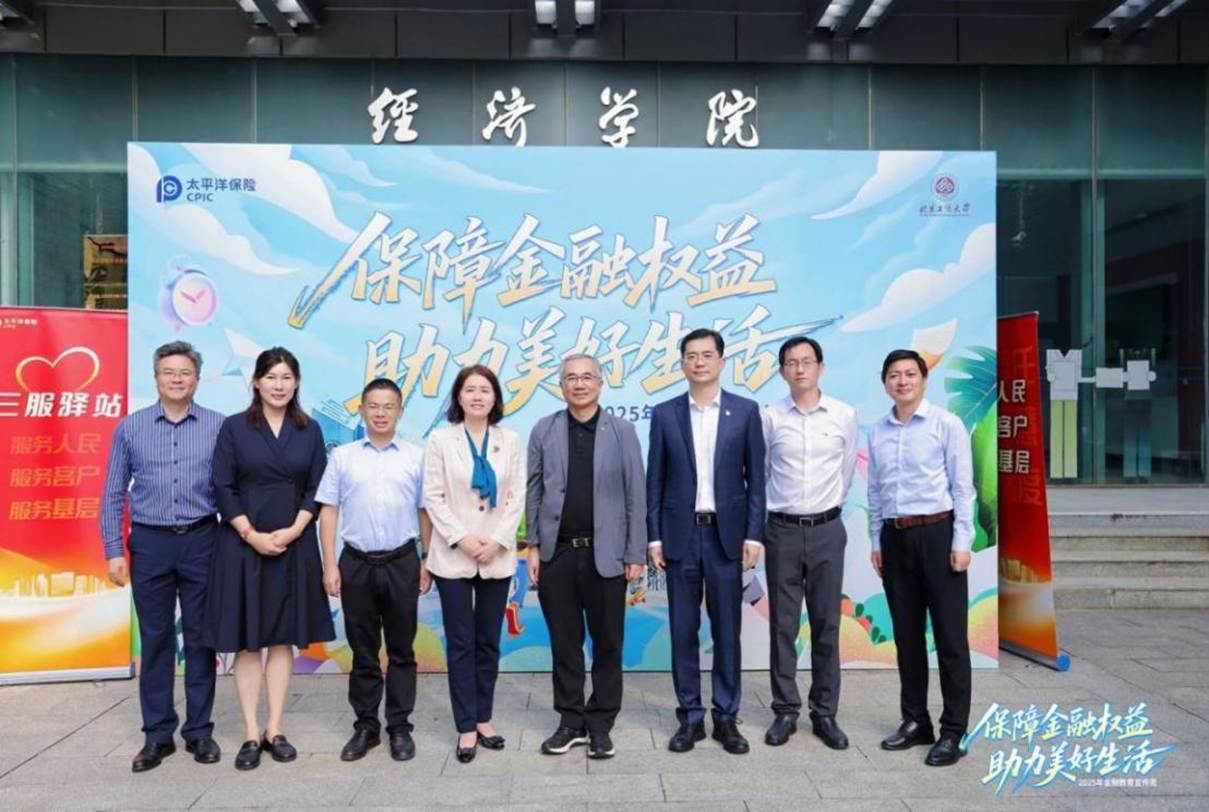
转自:新华财经 9月15日,一场以"保障金融权益 助力美好生活"为主题的大型校园金融安全教育活动在北京工商大学举行。本次活动由中国太保旗下太平洋健康险北京分公 司牵头,联合中国太保产险、中国太保寿险、长江养老在京机构共同举办。北京工商大学和中国太保在京机构负责人,北京市反诈中心专家以及数百名新生 出席活动。 打造常态化教育平台,树立校企合作新标杆 北京工商大学党委常委、宣传部长倪国华对与会嘉宾表示热烈欢迎。他指出,金融安全是研究生群体迈向社会不可或缺的"必修课",并对中国太保寓教于 行、赋能教育的社会责任感和创新校企合作给予了高度评价。 同时,外场的"金融知识闯关"游园会也气氛火热。同学们通过参与趣味游戏、知识问答、打卡集章兑换礼品等互动环节,在轻松愉快的氛围中巩固所学知 识,进一步提升了风险辨别能力。 本次活动是中国太保深刻把握金融工作政治性、人民性,积极响应监管号召,践行企业社会责任的优秀实践。通过"行业协会指导、集团内部协同、校企深 度合作"的创新模式,成功构建了"学界、业界、警方"三方联动的金融安全教育新生态,实现金融教育与太保特色"服务人民、服务客户、服务基层"主题党 建活动相融相促,不仅为在校学生 ...

金融教育宣传周 | 揭秘三大金融陷阱,识破“致富”骗局
中泰证券资管· 2025-09-16 11:33
Core Viewpoint - The article emphasizes the increasing prevalence of financial scams in the digital age, highlighting the need for investors to recognize and prevent these fraudulent activities [2]. Group 1: Types of Financial Scams - "Investment Master" Trap: Scammers present themselves as "investment masters" on social media, claiming to have insider information or exclusive strategies, luring investors into paying membership fees or purchasing risky products [3]. - "High Return" Trap: Fraudsters promise returns significantly above market averages with low risk, often leading to false advertising and eventual financial loss for investors [3]. - "Fake Platform" Trap: Scammers create websites or apps that closely resemble legitimate financial institutions, leading investors to believe they are making real transactions, only to disappear with their funds when withdrawal attempts are made [3]. Group 2: Response to Scams - Immediate cessation of all related transactions is crucial; investors should not transfer any more funds to suspicious accounts and should change passwords to protect personal information [5]. - Preservation of evidence is vital for future legal actions; all related communications, transaction records, and promotional materials should be saved [5]. - Reporting to relevant authorities is essential for protecting personal rights and helping others avoid scams; investors can report to local police or financial regulatory bodies [5]. Group 3: Prevention of Financial Scams - Establishing a robust risk awareness and prevention mechanism is critical; investors should enhance their knowledge through professional literature, educational activities, and credible financial media [6]. - Continuous vigilance and skill acquisition are necessary to effectively safeguard wealth and maintain a healthy financial environment [6].