
双碳战略

Search documents
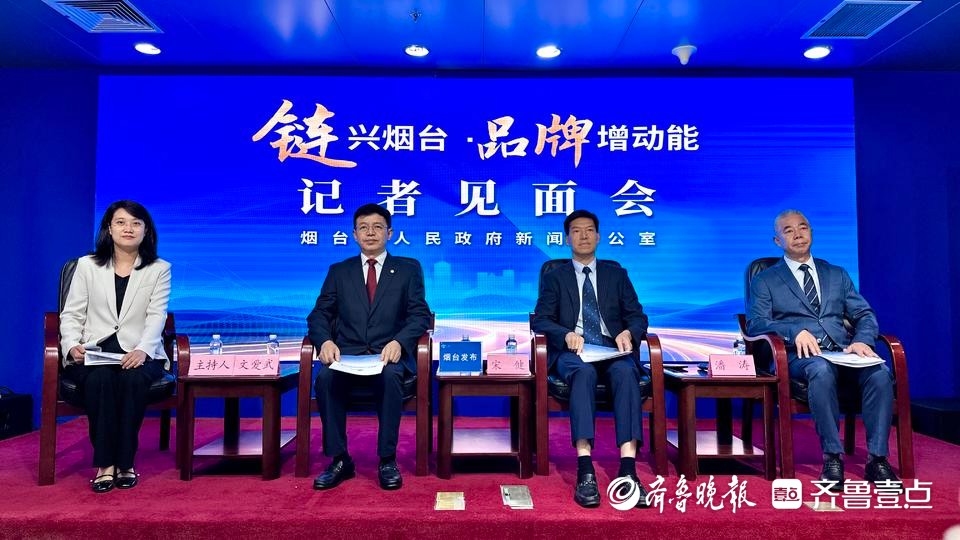
聚焦绿色建造产业链,三位企业负责人共话“好房子·烟台造”
Qi Lu Wan Bao Wang· 2025-08-07 23:17
Group 1: Industry Overview - The Yantai government is focusing on the high-quality development of the green construction industry chain, promoting the "Yantai Model" for high-quality urban construction [1] - The event featured discussions with leaders from three green construction companies in Yantai, emphasizing innovation practices in the industry [1] Group 2: Yantai Construction Group - Yantai Construction Group, led by President Wen Aiwu, is committed to achieving zero construction waste emissions and has implemented green construction practices across key projects [3] - The company has introduced automated production lines and palletizing robots to enhance production efficiency and product quality, while also installing photovoltaic systems to reduce energy consumption [3] - The group has developed a construction waste treatment production line and is researching recycled aggregate premixed mortar, achieving zero emissions of construction waste and significantly reducing carbon emissions during production [3][4] Group 3: Yantai Feilong Group - Yantai Feilong Group, under President Song Jian, has evolved from a small construction company to a comprehensive group with over 2,000 employees and multiple subsidiaries [5] - The company is focusing on low-carbon transformation in the construction industry, particularly through ultra-low energy consumption windows, which account for about 50% of total building energy consumption [5][6] - Feilong Group aims to become a full-chain engineering service provider in green construction, increasing R&D investment and collaborating with universities to advance green materials and smart construction technologies [6] Group 4: Shandong Huisheng Building Technology - Shandong Huisheng Building Technology, led by General Manager Pan Tao, has established five core green product and technology systems since its inception in 2018 [7] - The company’s products support rural revitalization, urban renewal, disaster recovery, and public services, showcasing significant application prospects and social benefits [7] - Huisheng's construction methods allow for faster project completion, with a three-story house being delivered in 10 days for the main structure and 20 days for full decoration, compared to traditional methods [7]

兴业证券:强化投融资支持力度引导资本流向科技创新领域
Zhong Guo Zheng Quan Bao· 2025-08-07 21:11
Core Viewpoint - The company emphasizes its role in guiding capital towards technological innovation and green finance, aiming to enhance its service capabilities and contribute to the high-quality development of the capital market [1][5]. Group 1: Capital Market and Company Quality - The company acts as a "gatekeeper" in the capital market, focusing on improving the quality of listed companies by adhering to business norms and helping enterprises with capital operation plans [1][2]. - It actively assists companies in identifying their market positioning and provides a comprehensive suite of financial services, including equity investment and debt financing, to enhance their competitiveness [1][2]. Group 2: Support for Strategic Emerging Industries - The company effectively directs capital towards strategic emerging industries, supporting the growth of technology-driven enterprises through an "investment + investment banking" model [2][3]. - It has facilitated nearly 40 billion yuan in equity financing for TMT and high-end manufacturing sectors in Fujian, helping 14 local tech companies achieve IPOs, with 5 listed on the Sci-Tech Innovation Board [2][3]. Group 3: Green Finance Initiatives - The company has established a comprehensive green finance product and service system, focusing on green research, financing, investment, and environmental rights trading [4]. - It has created various financing tools, such as IPOs and green bonds, to support green industries and projects, aiming to optimize debt structures and expand financing channels [4]. - The company has set up green investment funds and actively guides social capital towards green industries, promoting the growth of renewable energy and environmental protection sectors [4]. Group 4: Future Directions - The company plans to continue enhancing its professional service capabilities and focus on its core responsibilities to contribute significantly to the capital market [5].

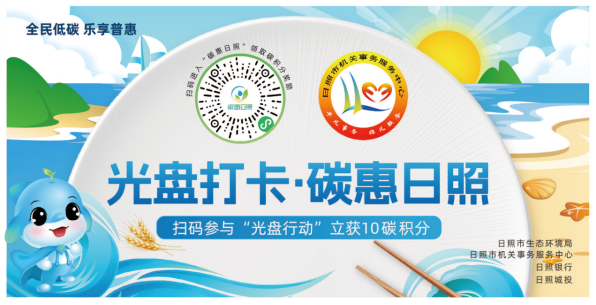
“小光盘”汇聚“绿动力”,“碳惠日照”引领绿色低碳新风尚
Qi Lu Wan Bao Wang· 2025-08-07 15:17
Core Viewpoint - The "Carbon Benefit Rizhao" initiative promotes a green and low-carbon lifestyle through a carbon points system linked to daily activities, encouraging citizens to participate in environmental conservation efforts [3][11]. Group 1: Carbon Points System - The "Carbon Benefit Rizhao" platform quantifies eco-friendly behaviors in daily life, integrating 30 low-carbon scenarios such as green public transport and waste sorting into a carbon accounting system [3][10]. - Citizens can earn carbon points by participating in the "Clean Plate" campaign, which encourages minimizing food waste, with each action rewarded with 10 carbon points [4][5]. Group 2: Institutional Participation - Government agencies and enterprises are actively promoting the "Clean Plate" initiative, with visible campaigns in cafeterias to encourage employees to adopt sustainable eating habits [4][5]. - The initiative has led to a significant reduction in food waste in government cafeterias, showcasing a shift in dining habits towards sustainability [4][12]. Group 3: Community Engagement - The program has attracted over 270,000 users, with 720,000 instances of emissions reduction and a total carbon reduction of over 4,000 tons [10]. - The "Carbon Benefit Rizhao" initiative has transformed the concept of environmental protection from a mere slogan into a tangible daily practice for citizens [12]. Group 4: Educational Institutions - The Rizhao Vocational and Technical College is collaborating on a "Zero Carbon Campus" project, promoting energy-saving commitments among students and faculty [9]. - The college has implemented a system for tracking carbon emissions and management, aiming to instill a culture of sustainability within the academic community [9]. Group 5: Financial Support - Rizhao Bank is providing financial backing for the "Carbon Benefit Rizhao" initiative, offering over 26 billion yuan in green credit to support low-carbon activities [8]. - The bank's cafeteria has become a hub for the "Clean Plate" campaign, integrating carbon point collection into daily routines for employees [8].
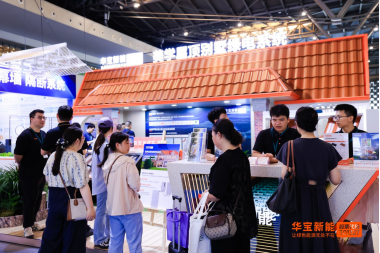
华宝新能曲面光伏瓦瞄准全球别墅屋顶市场
Guo Ji Jin Rong Bao· 2025-08-07 12:24
Core Viewpoint - The 2025 Shanghai Villa Design and Technology Exhibition showcases the integration of green energy standards in high-end residential properties, emphasizing the role of innovative technologies in ecological living [1][3]. Group 1: Exhibition Overview - The exhibition features over 200 brands, focusing on villa design, building materials innovation, and ecological living, serving as a platform for industry trends and promoting ecological upgrades in high-end housing [3]. - The event highlights the shift of green energy from being an accessory to becoming an integral part of building structures and aesthetics, driven by the dual goals of carbon neutrality and urban renewal [3][6]. Group 2: Company Strategy - Huabao New Energy has developed a differentiated product matrix, including portable solar storage and aesthetic curved photovoltaic tiles, catering to various consumer needs with price points ranging from $100,000 to $1,000 [3][4]. - The company aims to make green products accessible to more households, focusing on reducing carbon emissions and promoting low-carbon lifestyles through its portable solar products [4]. Group 3: Product Innovations - The aesthetic curved photovoltaic tiles introduced by Huabao New Energy feature a 150° curvature design, addressing compatibility issues on complex roof surfaces while enhancing the aesthetic appeal of buildings [6]. - These tiles have received multiple certifications and awards, establishing them as a leading product in the integration of energy generation and architectural beauty [6]. Group 4: Industry Collaboration - The exhibition included a high-end villa ecological innovation forum, where experts discussed breakthroughs in photovoltaic architecture integration and the importance of standardization in merging solar technology with building design [10]. - Huabao New Energy announced a strategic partnership with the State Power Investment Corporation to enhance the application of photovoltaic tiles in high-end residential settings, aiming to create replicable solutions for the industry [11].
柳钢股份: 柳州钢铁股份有限公司关于2025年度以简易程序向特定对象发行股票方案论证分析报告
Zheng Quan Zhi Xing· 2025-08-07 12:20
Group 1 - The company is undergoing a transformation towards green, low-carbon, and high-end manufacturing in response to national policies and global trends [1][2][3] - The Ministry of Industry and Information Technology has set strict requirements for the steel industry, including achieving ultra-low emissions by the end of 2026 and reducing energy consumption by approximately 2% compared to 2023 [2][3] - The company aims to enhance its competitiveness and product quality through a technology upgrade project for its 2800mm medium-thick plate production line, which is currently outdated [4][5] Group 2 - The project is expected to improve product quality and increase the company's market share in high-end steel products, aligning with its strategic direction towards high-end development [5][6] - The company plans to raise funds through a simplified procedure for a private placement of shares, which will help optimize its capital structure and reduce financial risks [6][7] - The issuance will target up to 35 specific investors, including qualified institutional investors, ensuring compliance with regulatory requirements [7][8] Group 3 - The pricing for the share issuance will be based on the average trading price over the 20 trading days prior to the issuance date, ensuring it is not lower than 80% of that average [9][10] - The company has established a comprehensive human resources management system and possesses a strong technical team to support the implementation of the upgrade project [21][22] - The company has a solid market foundation with a diverse product range and has successfully expanded into international markets, enhancing its competitive position [22][23] Group 4 - The company has committed to measures to mitigate the dilution of immediate returns for existing shareholders, including strict oversight of the use of raised funds [23][24] - The board of directors has authorized the issuance and will ensure compliance with all relevant laws and regulations throughout the process [15][16] - The overall strategy of the company is to align its operations with national industrial policies and enhance its long-term growth potential [20][21]

悦达投资以“两新一智”模式推进转型
Zheng Quan Ri Bao Zhi Sheng· 2025-08-07 06:41
Group 1 - The core viewpoint of the articles highlights Jiangsu Yueda Investment Co., Ltd.'s transformation strategy, focusing on the "two new and one smart" model, which emphasizes the development of new energy and new materials while upgrading traditional businesses [1][2] - The company is actively expanding its new energy projects, with plans to achieve a cumulative installed capacity of 1GW to 2GW over the next three years, including the successful grid connection of the 378MW and 150MW photovoltaic projects [1] - Yueda Investment's traditional business, particularly in textiles, is undergoing digital transformation and smart upgrades, leading to significant increases in sales of green products, with a 66.8% year-on-year growth in functional yarn sales and a 59.9% increase in green cotton sales in 2024 [2] Group 2 - The company is also making strides in its investment business, with expected contributions of over 100 million yuan from projects like the Beijing-Shanghai Expressway and Chenjiagang Power Plant in 2024 [2] - Yueda Investment is positioned to evolve from a traditional industry operator to a "green sustainable development company," leveraging its complete new energy industry chain and resources in Yancheng to contribute to regional economic transformation and national energy strategies [2]

2025年公用事业行业中期策略:下半场?新赛季?
Hua Yuan Zheng Quan· 2025-08-07 06:16
Group 1 - The core viewpoint of the report is optimistic about the public utility sector, maintaining a positive outlook for the industry [1][2] - The report highlights the increasing pressure on electricity consumption and supply differentiation, indicating a shift from tight supply to a balanced state during the 14th Five-Year Plan [6][12] - The report emphasizes the need to focus on high-quality wind power assets due to significant yield differentiation in green electricity [5][42] Group 2 - The report projects that during the 15th Five-Year Plan, the national electricity supply will transition from tight to balanced, with coal power utilization hours expected to decline [7][13] - It forecasts that the total electricity generation will reach 131,399 billion kilowatt-hours by 2030, with an average annual growth rate of 5% [10][14] - The report notes that the new energy sector has seen a historic increase in installed capacity, with wind and solar power installations reaching 52GW and 213GW respectively in the first half of 2025, both up 105% year-on-year [22][15] Group 3 - The report discusses the severe pressure on the consumption of new energy, indicating that the utilization hours may be a more accurate indicator than utilization rates [23][28] - It highlights that the utilization rates for wind and solar power have been declining, with some regions falling below the 90% target [27][33] - The report indicates that the construction of the electricity spot market is accelerating, aiming to reflect real-time supply and demand through price signals [39][34] Group 4 - The report outlines the impact of the 136 document, which promotes the full market entry of new energy, marking a new cycle and starting point for the industry [43][44] - It emphasizes the importance of traditional power sources in ensuring energy security amidst the growing demand from new electricity consumers [13][41] - The report suggests that investment strategies should focus on stability and innovation, balancing traditional and new energy investments [5][42]
永煤集团:守护生态底色绘就绿色转型新画卷
Zhong Guo Huan Jing Bao· 2025-08-07 06:06
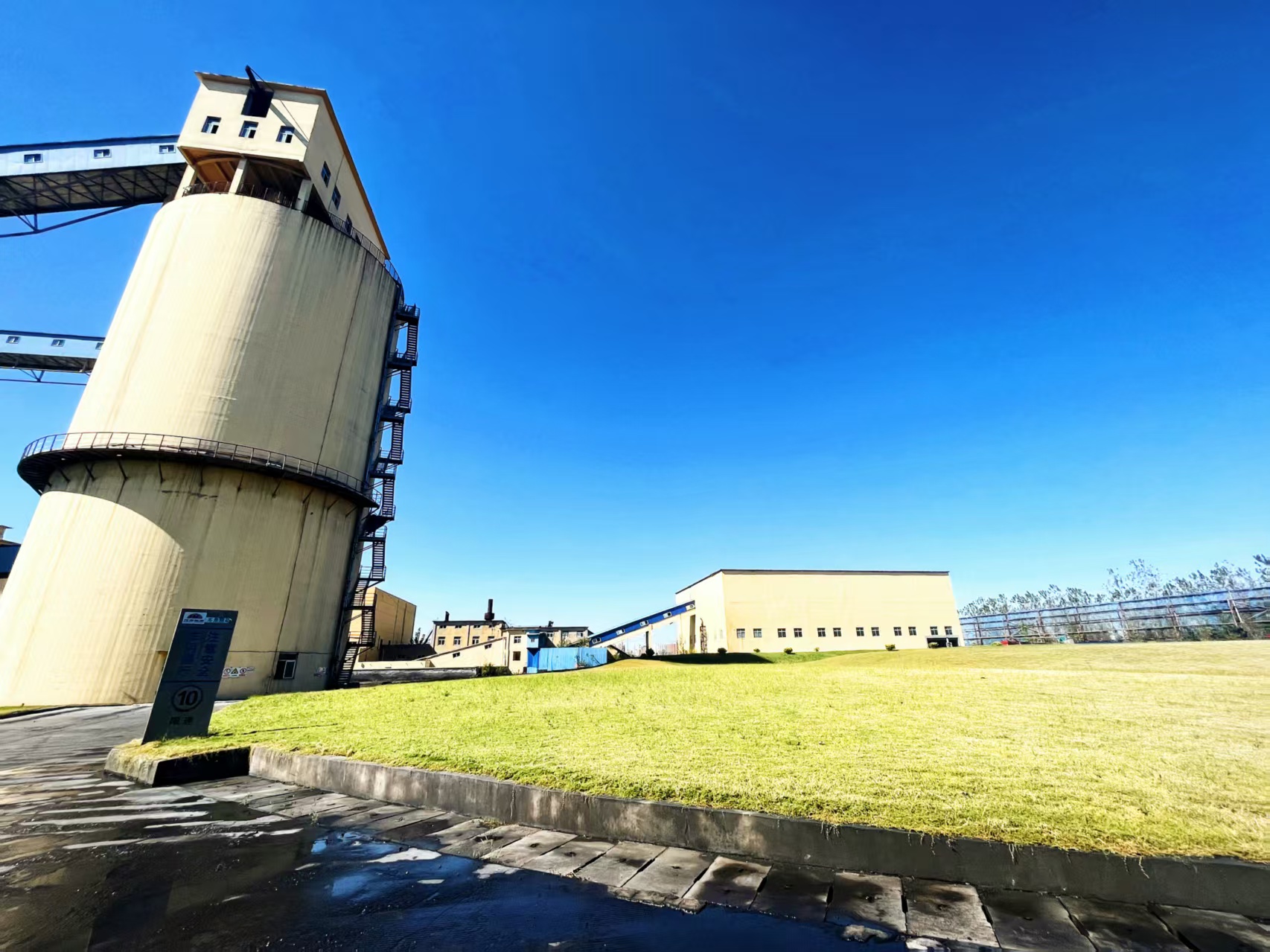
永城煤电控股集团有限公司(以下简称永煤集团)作为河南能源集团骨干煤炭企业,本部扎根全国六大无烟煤基地之一的永夏矿区,地处"豫东明珠"永城 市,坐拥38.4亿吨煤炭资源储量,下辖16对生产矿井,核定年生产能力超3000万吨,累计供应清洁优质煤炭6亿吨,贡献利税超900亿元。 在践行"双碳"战略与探索新质生产力的进程中,永煤集团以环保底线为"尺"、绿色发展为"笔",将生态环境保护深度融入煤炭产业全链条。通过推进安全高 效智能化开采、全面实施全煤入洗模式,以技术创新驱动绿色转型;凭借主产的特低硫、特低磷、低灰优质无烟煤,打造"中永一号""永煤精粒"等享誉海内 外的品牌,为钢铁、化工等行业提供高端原料,助力产业绿色升级。同时,企业从污染物精准管控、采煤沉陷区"四位一体"治理、智能环境管理等多维度发 力,构建生态、经济双赢模式,实现从"黑金"到"绿金"的蝶变,以国企担当筑牢绿色根基,为资源型企业转型提供"永煤样板"。 全封闭绿色存储系统 严守法规红线,筑牢环保根基 永煤集团始终将环保法规作为行动最高准则,全面贯彻落实各项环保政策、规范及标准。在污染物管控环节,严格执行排放标准,确保废水、废气、噪声、 辐射等各类污染物排 ...
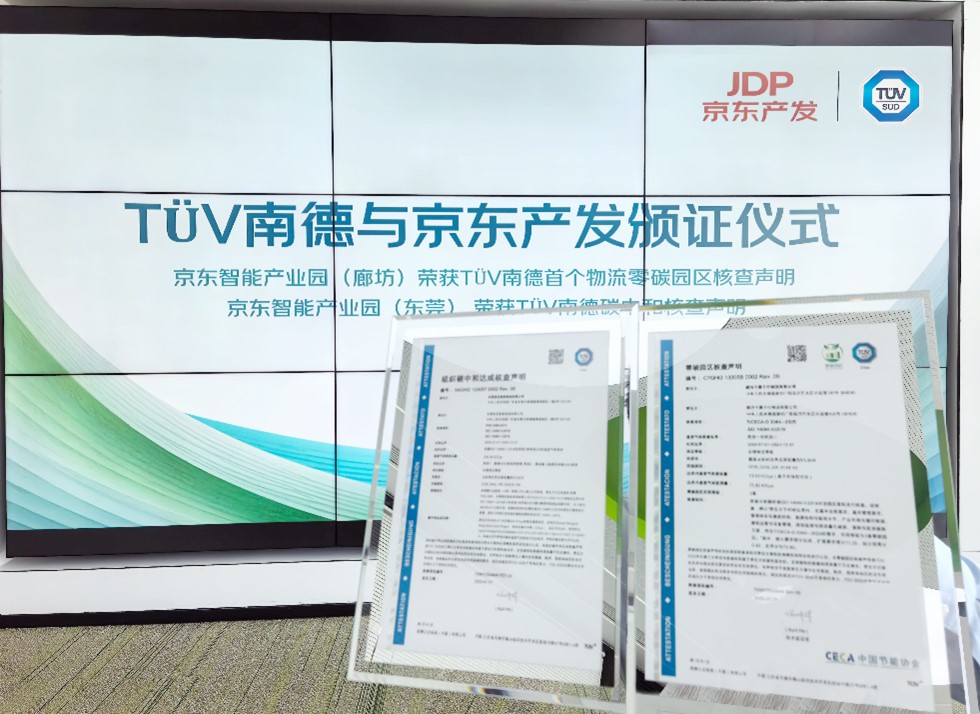
京东产发又一座“零碳”物流园区获认证
Zhong Jin Zai Xian· 2025-08-07 03:43
Core Insights - JD Logistics has achieved a significant milestone by obtaining the logistics zero-carbon park verification statement from TÜV Rheinland, marking another step in response to China's dual carbon strategy following the establishment of the first zero-carbon logistics park in Xi'an in 2022 [1][3] - The company is actively integrating environmental concepts into its logistics park operations, collaborating with tenants and supply chain partners to promote green logistics management and sustainable development [3][6] Group 1 - JD Logistics has established zero-carbon parks in Langfang and Dongguan, equipped with a solar power generation system with a capacity of 21.5 MW, utilizing green electricity sourced from its other parks [4][6] - The parks employ various green production technologies, including prefabricated buildings and sponge city designs, to enhance energy efficiency and reduce carbon emissions [3][6] - Since 2018, JD Logistics has been building a rooftop solar power generation ecosystem, achieving over 38 million kWh of self-generated solar power by the end of 2024 [6] Group 2 - The company has implemented advanced energy management systems, smart lighting controls, and water resource management systems to optimize energy use and significantly improve efficiency [3][6] - JD Logistics collaborates with partners to offset unavoidable greenhouse gas emissions during park operations, ensuring a commitment to net-zero production [3][6] - The successful implementation of these initiatives not only contributes to carbon reduction in JD's supply chain infrastructure but also serves as a model for the logistics industry in achieving dual carbon goals [6]
悦达投资(600805.SH):乘“双碳”战略东风,筑“两新一智”转型发展新标杆
Xin Lang Cai Jing· 2025-08-07 01:57
Core Viewpoint - The company, Yueda Investment, is leading the transformation of state-owned enterprises through a "two new and one smart" development model, focusing on new energy, new materials, and intelligent upgrades, capitalizing on the opportunities presented by the "dual carbon" strategy and the acceleration of market-oriented reforms in the new energy sector [1][5]. Group 1: New Energy Business - Yueda Investment is well-prepared to capitalize on the new energy market, with the city of Yancheng projected to have 61% of its electricity from new energy sources by 2024, and a complete photovoltaic industry chain exceeding 90% [2]. - The company has successfully connected its first 378MW fish-solar complementary photovoltaic project to the grid in 2024, with plans for a 150MW project to be fully operational by August 2025 [2]. - The gross profit margin for the company's new energy power and heat sales business is 46.37%, significantly higher than traditional business margins, with a target of achieving 1-2GW of cumulative installed capacity over the next three years [2]. Group 2: Business Synergy - The company's growth is supported by the synergy between its traditional, new energy, and investment businesses, creating a unique competitive advantage [3]. - In addition to photovoltaic projects, Yueda Investment is expanding in wind and energy storage, with projects like the 49MW wind power project and a 160MW/320MWh shared energy storage project in collaboration with state-owned enterprises [3]. - The traditional textile business has seen significant improvements through digital transformation, with green product sales increasing by 66.8% for functional yarns and 59.9% for green cotton products in 2024 [3]. Group 3: Market Expansion and Investment - The company is extending its specialized vehicle business into the sanitation service sector, with 20 operational projects and a contract value of 250 million yuan in 2024 [4]. - Yueda Investment is actively developing its tractor business, with 17 new overseas dealers and a target of exporting 1,320 units in 2024 [4]. - The investment business is stable, with projected investment income and cash dividends exceeding 100 million yuan in 2024, contributing to the overall financial health of the company [4]. Group 4: Future Outlook - The collaboration between local government, state-owned enterprises, and listed companies enhances Yueda Investment's competitiveness in the new energy sector [5]. - The company is transitioning from a traditional industrial operator to a "green sustainable development company," leveraging Yancheng's complete new energy industry chain to drive growth in the dual carbon era [5].