AI芯片

Search documents
【太平洋科技-每日观点&资讯】(2025-03-26)
远峰电子· 2025-03-25 11:48
行情速递 ①主板领涨, 瀛通通讯(+10.01%)/永鼎股份(+10.00%)/鸿远电子(+9.99%)/旭光电子(+6.88%)/ 共达电声(+6.72%)/ ②创业板领涨, 唐源电气(+13.13%)/宏达电子(+8.93%)/金现代(+4.81%)/ ③科创板领涨, 三孚新科 (+10.38%)/国光电气(+8.91%)/锴威特(+7.99%)/ ④活跃子行业, SW军工电子Ⅲ(+0.71%)/SW被动元件(+0.42%)/ 国内新闻 ① 半导体产业纵横,新凯来宣布/已完成13类关键量检测产品开发/并在国内 逻辑/存储和化合物的主要半导体制造企业开始量产应用/ ② 半导纵横,台积电法人表示/ 2nm准备就绪/破除苹果A20芯片不采用 2nm传言/2026年下半年新款iPhone(iPhone 18)处理器将采用2nm技术/ ③ 集邦化合物半导体,近期/晶驰机电成功开发出电阻法12寸碳化硅晶体生 长设备/实现碳化硅晶体生长技术新突破/臻晶半导体自主研发液相法碳化硅 电阻炉技术/突破行业瓶颈/ ④ 全球半导体观察,近日/位于宁夏银川的高温超导硅单晶设备及晶体生产 项目正式破土动工/该项目计划投资100亿元/ ...


氪星晚报|美的与华为达成深度合作,深化“人车家全生态”战略;壳牌公司考虑部分或全部关闭其在欧洲的化工部门;贝莱德在欧洲推出首款比特币产品
3 6 Ke· 2025-03-25 10:42
Group 1: Company Collaborations and Strategies - Midea has announced a deep collaboration with Huawei to enhance the "Human-Vehicle-Home" ecosystem strategy, integrating Huawei's HarmonyOS products into Midea's smart home stores and creating a commercial loop through mutual empowerment [1] - Midea and Huawei plan to expand their cooperation in energy management, health care, and audio-visual verticals as part of their strategy to deepen the "Human-Vehicle-Home" ecosystem [1] Group 2: Financial Performance and Growth - Xiaoma Zhixing reported a total revenue of 548 million yuan for 2024, marking a year-on-year growth of 4.3%, with significant increases in passenger fare income [2] - The adjusted R&D expenses for Xiaoma Zhixing reached 1.006 billion yuan, a 14% increase year-on-year, primarily for the development of the seventh-generation Robotaxi [2] - Xiaoma Zhixing's cash and short-term investments totaled 6.023 billion yuan as of December 31, 2024 [2] Group 3: Market Trends and Consumer Behavior - Fliggy reported a nearly 50% increase in theme park ticket bookings for the Qingming holiday, with domestic car rental bookings up 33% year-on-year [3] - The platform also noted a significant rise in outbound travel train ticket bookings, exceeding 200% year-on-year, indicating a robust recovery in the travel market [3] Group 4: Corporate Developments and Product Launches - Shell is considering partial or complete closure of its chemical divisions in Europe due to challenging market conditions, including high energy costs and CO2 emissions [4] - BlackRock has launched its first Bitcoin exchange-traded product in Europe, following a successful launch in the U.S. that attracted over $50 billion in investments [4] - Vivo has established a Robotics Lab and showcased its latest mixed reality headset at the Boao Forum, focusing on developing consumer-grade robots [6] - Hisense has released the world's first 4-in-1 heat pump washing and drying machine, featuring AI capabilities to optimize washing and drying processes [7] Group 5: Regulatory and Legal Issues - India has ordered Samsung and its executives to pay $601 million in back taxes and fines for evading import duties on telecommunications equipment [5]
GPGPU与ASIC之争 - 算力芯片看点系列
2025-03-18 14:57
Summary of Key Points from the Conference Call Industry Overview - The discussion revolves around the competition between GPGPU (General-Purpose Graphics Processing Unit) and ASIC (Application-Specific Integrated Circuit) chips in the AI and computing industry [2][4][16]. Core Insights and Arguments - **Performance Comparison**: - ASIC chips focus on low precision tasks and have better power consumption and efficiency compared to GPGPU, but struggle to match GPGPU performance in certain metrics. For instance, NVIDIA's GB200 achieves 5,000 in FP16 mode, significantly outperforming contemporaneous AI chips [2][3]. - NVIDIA's GB200 utilizes HBM3 technology, providing over 13,000 GB/s bandwidth, which is crucial for handling large-scale data [2]. - Google’s TPU V6E shows high memory utilization efficiency in specific tasks, but domestic ASIC chips still lag behind NVIDIA in memory bandwidth and capacity [2]. - **Cost and Resource Optimization**: - Large enterprises are increasingly developing their own AI chips to optimize resources and reduce costs. Estimates suggest that shipping approximately 45,000 to 70,000 cards can cover initial investments [4][8]. - The demand for training clusters has surpassed 100,000 cards, indicating a significant market opportunity for self-developed chips [4][9]. - **Interconnect Capabilities**: - NVIDIA's NV Link demonstrates superior interconnect capabilities, achieving 1.8 TB/s speeds, while competitors primarily use PCIe protocols, which are significantly slower [6][7]. - Innovations like LPU with 230 MB FRAM integration can overcome traditional GPU memory bottlenecks, enhancing performance for low arithmetic intensity tasks [6]. - **Market Trends**: - The AI training and inference market is expanding, with major companies building large GPU clusters. For example, Meta has constructed two 24K GPU clusters, and XAI plans to expand to 1 million cards by 2026 [9]. - The inference segment is projected to grow, with NVIDIA reporting that 40% of its data center revenue comes from inference business [9]. Important but Overlooked Content - **Company Collaborations**: - Marvell has signed a five-year agreement with Amazon to provide customized AI chips, indicating a strategic partnership that could influence the AI chip market significantly [12]. - Broadcom maintains a strong position in the interface interconnect sector, offering differentiated solutions for various AI cluster sizes and has launched a 5nm CMOS technology for high-speed Ethernet NIC devices [5][10]. - **Future Market Expectations**: - Broadcom anticipates its AI Networking (AIN) business revenue to reach between $60 billion and $90 billion by 2027, showcasing robust growth potential [11]. - Marvell is expected to capture at least 20% of the AI chip market by 2028, driven by increasing demand from major clients like Amazon [12]. - **Technological Innovations**: - ZTE is leading in GPGPU chip development and has made significant advancements in high-performance computing infrastructure, including 400G and 800G data switches [13]. - New研股份 is positioned as a key player in custom services and IP licensing, maintaining strong connections with major internet companies [15]. - **Domestic Chip Development**: - While domestic GPGPU and ASIC chips have certain advantages, they still face performance challenges. However, the trend of large enterprises developing their own chips is expected to continue, particularly in the inference era [16].



首位华人CEO,能否让英特尔再次伟大?
虎嗅APP· 2025-03-14 09:47
Core Viewpoint - The appointment of Lip-Bu Tan as CEO of Intel is seen positively by the market, with a notable stock price increase of 12% following the announcement. This reflects investor confidence in his extensive semiconductor experience and capital operation skills, which are crucial for addressing Intel's current challenges in the semiconductor industry [2][3][4]. Group 1: CEO Appointment and Market Reaction - Intel's board appointed Lip-Bu Tan as CEO, effective March 18, following the resignation of Pat Gelsinger [2]. - The market reacted positively, with Intel's stock price surging by 12% after the announcement [3]. - Tan's background includes over 20 years in the semiconductor industry and significant experience in capital operations, having founded Walden International and invested in over 500 companies, including more than 120 semiconductor firms [4]. Group 2: Challenges Facing Intel - Intel is projected to incur a net loss of $18.8 billion in 2024, with its market value halved due to massive investments in wafer fabrication [9]. - The company has not demonstrated the ability to compete with Nvidia in the AI chip sector, despite progress in process technology [10]. - There are concerns about cash flow sustainability for ongoing investments, with some wafer fabrication plants at risk of being abandoned [11]. Group 3: Tan's Background and Strategic Vision - Lip-Bu Tan, aged 65, has a strong track record in the semiconductor industry, having founded Walden International and served as CEO of Cadence, where he turned around the company and increased its stock price by 4500% during his tenure [13][14]. - His appointment is seen as a strategic move to balance the need for technical expertise and capital management, crucial for Intel's future direction [16][17]. - Tan's vision includes maintaining Intel's IDM 2.0 model and focusing on becoming a world-class foundry, despite the challenges posed by the company's current financial situation [21][34]. Group 4: Potential External Support - Reports suggest that TSMC may lead a joint venture to manage Intel's wafer fabrication, potentially alleviating some financial burdens and providing external orders from major clients like Nvidia and AMD [22][23]. - The feasibility of this partnership remains uncertain, as it hinges on both companies' willingness to collaborate and the implications for Intel's financial performance [25]. Group 5: Focus on AI Chips - Under Tan's leadership, Intel is expected to shift resources towards AI chip development, recognizing the growing importance of this market [27]. - Despite Nvidia's dominance in the AI chip market, Intel's Xeon and Gaudi product lines may offer opportunities for growth as the industry evolves [30].


东吴证券晨会纪要-2025-03-14
Soochow Securities· 2025-03-13 23:33
Investment Rating - The report maintains a "Buy" rating for the companies discussed, including recommendations for specific stocks such as Eft-U and Changsheng Bearings [9][10][25]. Core Insights - The report highlights the ongoing competition between GPGPU and ASIC in the chip industry, noting that while ASICs excel in low-precision tasks with better power efficiency, they still struggle to match GPGPU performance in high-precision applications [22]. - The emergence of AI applications is driving demand for AI inference, with major companies investing in self-developed AI chips to meet this growing need [22]. - The report discusses the recent advancements in brain-machine interface technology, emphasizing the establishment of pricing guidelines by the National Healthcare Security Administration to support the clinical application of these technologies [7][8][24]. Summary by Sections Macro Strategy - Recent U.S. economic data presents mixed signals, with non-farm employment slightly below expectations, alleviating some recession fears [12]. - The "tight fiscal" approach from the Trump administration is impacting market sentiment, leading to declines in U.S. stocks and the dollar [12][17]. Fixed Income - The report discusses the upcoming issuance of Haohan Convertible Bonds, with an expected listing price range of 118.73 to 132.27 yuan [20]. Industry Analysis - The competition between GPGPU and ASIC is analyzed, with GPGPU maintaining a strong market position due to superior interconnect capabilities [22]. - Major companies are increasingly investing in self-developed AI chips, with significant R&D expenditures required to cover initial costs [22]. - The report identifies key players in the AI chip manufacturing space, including Broadcom and Marvell, highlighting their competitive advantages [22]. Medical and Biological Industry - The successful implementation of brain-machine interface technology is noted, with new pricing projects established to facilitate its clinical use [7][8][24]. - The report suggests potential investment opportunities in companies involved in brain-machine interface technologies, both listed and unlisted [24].
英特尔重磅!史上第一位华人CEO!股价大涨超10%
21世纪经济报道· 2025-03-13 05:46
Core Viewpoint - Intel has appointed a new CEO, Li P-Bu Tan, marking a significant leadership change as the company faces ongoing challenges in the semiconductor industry [1][2]. Group 1: Leadership Change - Li P-Bu Tan will officially take over as CEO on March 18, succeeding interim co-CEOs David Zinsner and Michelle Johnston Holthaus [1]. - This appointment comes three months after the resignation of former CEO Pat Gelsinger, and Tan is noted as the first Chinese CEO in Intel's history [2]. - Tan previously served on Intel's board and has extensive experience in the semiconductor industry, having been recognized as a leading figure in chip design and venture capital [5][6]. Group 2: Current Challenges - Intel has been experiencing significant operational difficulties, with a reported net loss of $18.8 billion in 2024, marking its first net loss since 1986 [9]. - The company's market capitalization has halved, dropping to $89.5 billion, which is below the $100 billion mark, highlighting a widening gap with competitors like TSMC, AMD, and NVIDIA [9]. - Intel's core business is under pressure due to declining demand in the traditional PC market and increased competition in the data center sector, particularly from AI chip competitors [9][10]. Group 3: Strategic Direction - The company is undergoing a transformation, with plans to restructure its manufacturing and foundry operations to focus more on core chip design and production [10]. - There are ongoing discussions about potential partnerships, including TSMC's proposal to invest in a joint venture to operate Intel's factories, which could reshape Intel's operational strategy [10][11]. - Analysts suggest that Tan's leadership may bring necessary strategic adjustments and internal restructuring to improve Intel's profitability in the long term, although the transition may face challenges [11].

算力芯片看点系列:GPGPU与ASIC之争
Soochow Securities· 2025-03-13 00:30
Investment Rating - The report maintains an "Overweight" investment rating for the electronic industry [1] Core Viewpoints - The competition between GPGPU and ASIC chips is highlighted, with ASICs focusing on low-precision tasks and showing better power efficiency, but still lagging behind GPGPU in certain performance metrics [5][8] - Major companies are increasingly investing in self-developed AI chips to meet the growing demand for AI applications, with significant capital expenditures expected to cover initial development costs [5][16] - The report recommends investing in companies like Cambricon and Haiguang Information, while also suggesting to pay attention to ZTE, Aojie Technology, and Chipone [5] Summary by Sections 1. GPGPU vs ASIC Performance Comparison - ASICs primarily target low-precision data types, which are sufficient for large model training, while GPGPU excels in high-precision tasks [8] - In terms of power efficiency, ASICs generally have better power control and efficiency ratios compared to GPGPU [8][11] - GPGPU's memory bandwidth and capacity still surpass those of ASICs, although ASICs have higher computational density [11][12] 2. Reasons for Major Companies Developing AI Chips - The cost structure for chip companies includes employee salaries, EDA and IP costs, manufacturing expenses, and sales costs, with salaries making up a significant portion [16][17] - The report estimates that a digital chip Fabless company requires approximately 9.7 billion yuan for salaries alone for a development team [17][18] - The demand for AI inference is expected to grow significantly, with major companies building large-scale clusters to support this demand [18][19] 3. Who Can Manufacture AI Chips for Major Companies? - Broadcom is identified as a leader in AI interconnect technology, with a strong IP ecosystem and significant market share in AI custom chip services [21][24] - Marvell is noted for its rapid growth in the AI chip market, with a significant increase in AI-related revenue and partnerships with major cloud service providers [25][27] - AIchip is recognized for its advanced 3DIC and process technology, addressing efficiency and performance challenges in AI and high-performance computing [28][29]
电子行业点评报告:算力芯片看点系列-GPGPU与ASIC之争
Soochow Securities· 2025-03-12 14:59
Investment Rating - The report maintains an "Overweight" investment rating for the electronic industry [1]. Core Viewpoints - The competition between GPGPU and ASIC chips is highlighted, with ASICs focusing on low-precision tasks and showing better power efficiency, but still lagging behind GPGPU in certain performance metrics [5][8]. - Major companies are increasingly investing in self-developed AI chips to meet the growing demand for AI applications, with significant capital expenditures expected to cover initial development costs [5][16]. - The report recommends investing in companies like Cambricon and Haiguang Information, while also suggesting to pay attention to ZTE, Aojie Technology, and Chipone [5]. Summary by Sections 1. GPGPU vs. ASIC Performance Comparison - ASICs primarily target low-precision data types, which are sufficient for large model training, while GPGPU excels in high-precision tasks [8]. - ASICs have better power control and efficiency for specific tasks, but GPGPU still outperforms in certain metrics, such as NVIDIA's GB200 [8][11]. - The report notes that ASICs have high computational density but face challenges in memory bandwidth compared to GPGPU [5][11]. 2. Reasons for Major Companies to Develop AI Chips - The report outlines the cost structure of chip companies, emphasizing that employee salaries constitute a significant portion of expenses [16][17]. - It estimates that a digital chip Fabless company requires approximately 9.7 billion yuan for employee salaries over a two-year product development cycle [18]. - The demand for AI inference is expected to grow significantly, with NVIDIA reporting that 40% of its data center revenue comes from inference business [18] . 3. Who Can Manufacture AI Chips for Major Companies? - Broadcom is identified as a leader in AI interconnect technology, with a strong IP ecosystem and significant market share in AI custom chip services [21][24]. - Marvell is noted for its rapid growth in the AI chip market, with a significant increase in AI-related revenue and partnerships with major cloud service providers [25][27]. - AIchip is recognized for its advanced 3DIC and process technology, which addresses efficiency and performance challenges in AI and high-performance computing [28][29].
Sam Altman:我没有GPU了
半导体芯闻· 2025-02-28 10:03
如果您希望可以时常见面,欢迎标星收藏哦~ 也许部分原因是由于其规模庞大,GPT-4.5 的价格非常昂贵。OpenAI 为输入模型的每百万个 token (约 75 万个单词)收取 75 美元,为模型生成的每百万个 token 收取 150 美元。这是 OpenAI 的主 力GPT-4o模型输入成本的 30 倍,输出成本的 15 倍。 "我们的业务增长很快,GPU 已经用完了,"Altman 写道。"下周我们将增加数万个 GPU,然后将其 推广到 Plus 层……这不是我们想要的运营方式,但很难准确预测导致 GPU 短缺的增长激增。" 阿尔特曼此前曾表示,计算能力不足正在拖延公司产品的研发。OpenAI 希望在未来几年通过开发自 己的 AI 芯片和建立庞大的数据中心网络来应对这一问题。 2024年GPU出货量将超过2.51亿块 根据IDC的数据, 2024 年 PC 出货量较 2023 年增长 1%,总计约2.627 亿台。因此,根据Jon Peddie Research 的数据,集成和独立图形处理器 (GPU) 的销量同比增长 6% 并超过 2.51 亿台也就 不足为奇了。GPU的出货量通常超过客户端 CPU ...
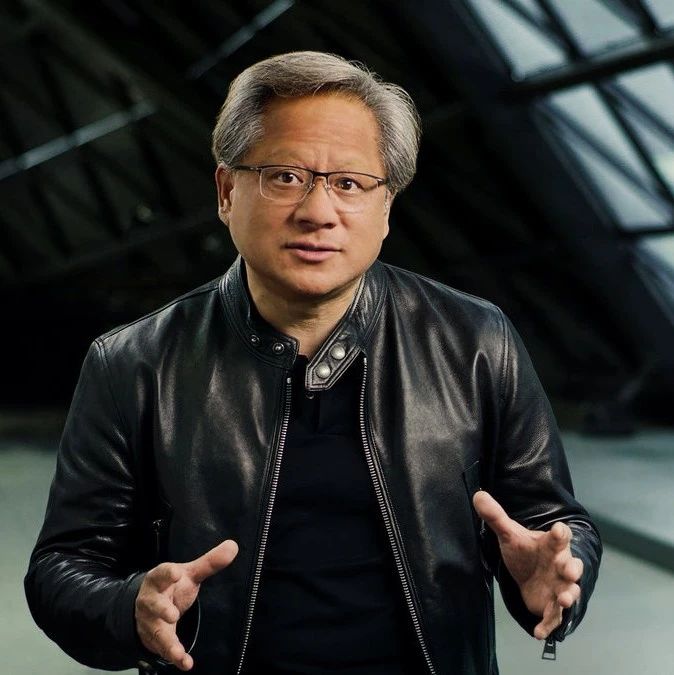
黄仁勋:中国市场竞争非常激烈
半导体芯闻· 2025-02-28 10:03
Core Viewpoint - Despite being placed on a trade blacklist by the U.S. for national security reasons, Huawei's competition is intensifying, as highlighted by Nvidia's recent acknowledgment of Huawei as a competitor in its annual report for the second consecutive year [1]. Group 1: Nvidia's Position and Huawei's Growth - Nvidia has identified Huawei as a competitor in four of its five product categories, including chips, cloud services, computing, and networking products [1]. - Huawei's revenue for 2024 is projected to exceed 860 billion RMB (approximately 118.27 billion USD), marking a 22% year-over-year growth, the fastest since 2016 [1]. - Huawei's consumer division has faced significant challenges, with 2023 revenue increasing by 17% to 251.5 billion RMB, which is only half of its peak in 2020 [1]. Group 2: Huawei's AI Chip Production - Huawei has reportedly increased the yield of its latest Ascend series AI chips from 20% to nearly 40%, indicating a turnaround from losses to profitability [2]. - The company aims to further enhance the yield to 60% to meet industry standards for similar chips [2]. - For 2025, Huawei plans to produce 100,000 Ascend 910C and 300,000 Ascend 910B processors, compared to 200,000 Ascend 910B produced last year [2].